

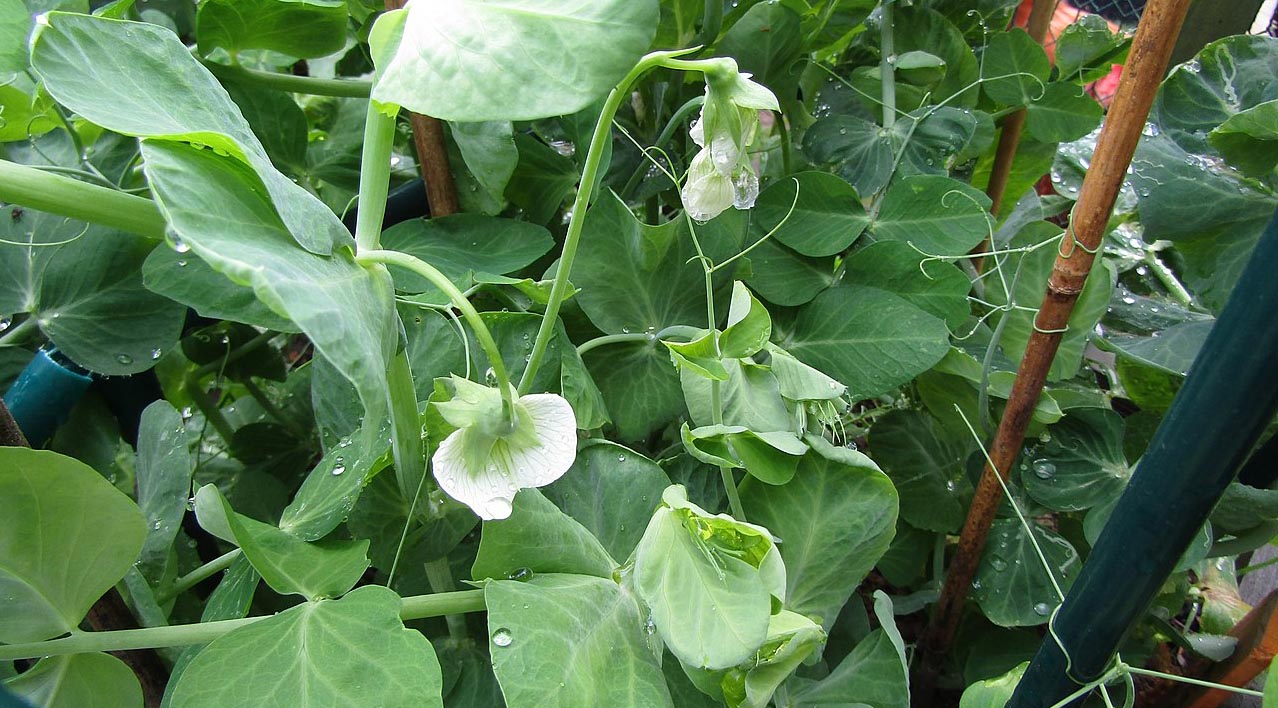
Most legumes, like this garden pea, have special bacteria called Rhizobium living in their roots. These bacteria take nitrogen from the air and change it into a form the plant can use, called nitrates. The plant then uses these nitrates to make proteins, which help it grow.
Inside the roots, a type of nitrogen-fixing bacteria called Rhizobium plays an important role. These bacteria enter the plant’s root hairs, where they multiply and help form small growths called root nodules. Within these nodules, the bacteria take free nitrogen or nitrogen from the air and convert it into nitrates, a form of nitrogen that plants can use to make proteins and grow.
Some of the extra nitrates stay in the soil, which can improve soil quality and help nearby plants grow better. This relationship is important because it naturally enriches the soil and reduces the need for chemical fertilizers.
