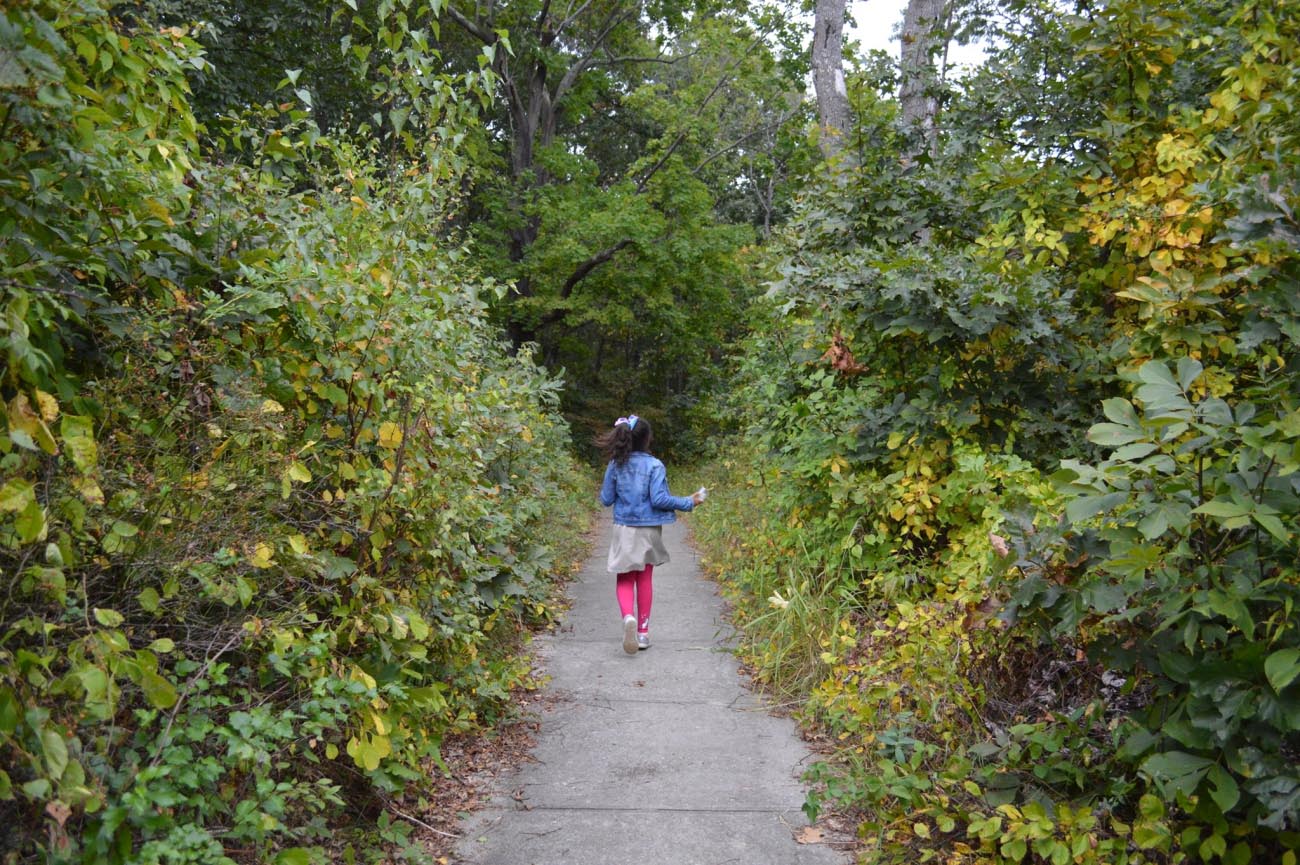
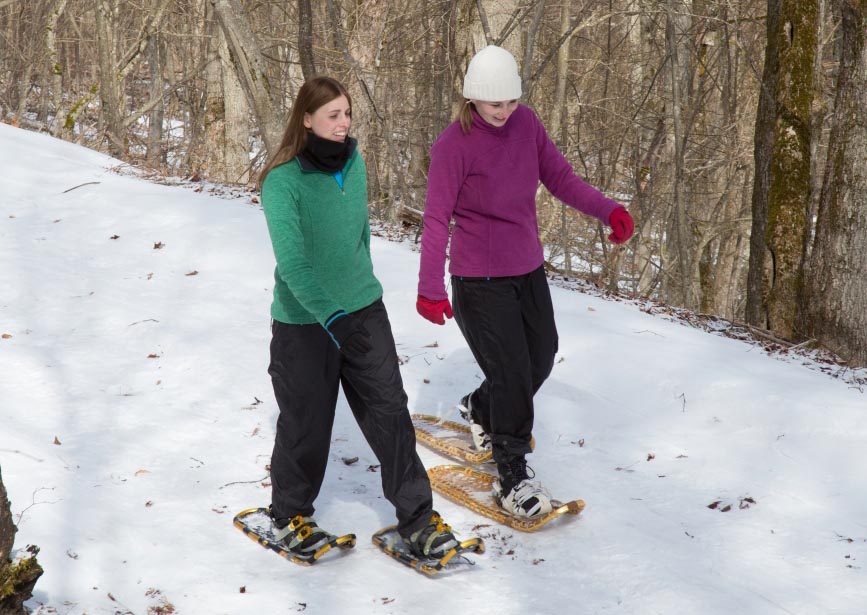
Make sure you know about the place you are going to visit. Are there special plants and animals in the area that you should be aware of? Are there set trails for you to hike on? Are there special rules that you need to follow while you are visiting the area? Does the area have trash cans and restrooms? What type of clothing and supplies will you need?
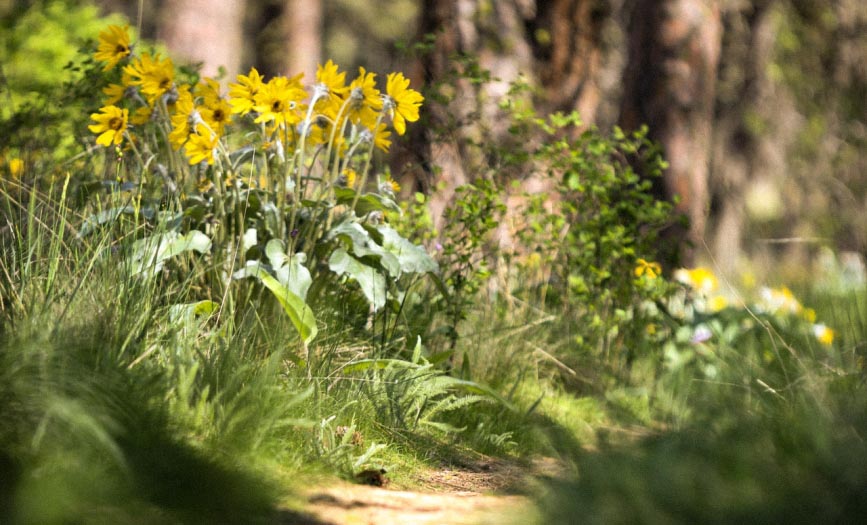
Protect plants and travel and camp on hard surfaces.
When you are hiking and setting up camp sites, use hard surfaces like established trails and campsites, rocky or dry grass areas, or snow pack areas.
Staying on hard surfaces protects the plants that are growing. You don’t want to stomp all over the plants in a natural area.
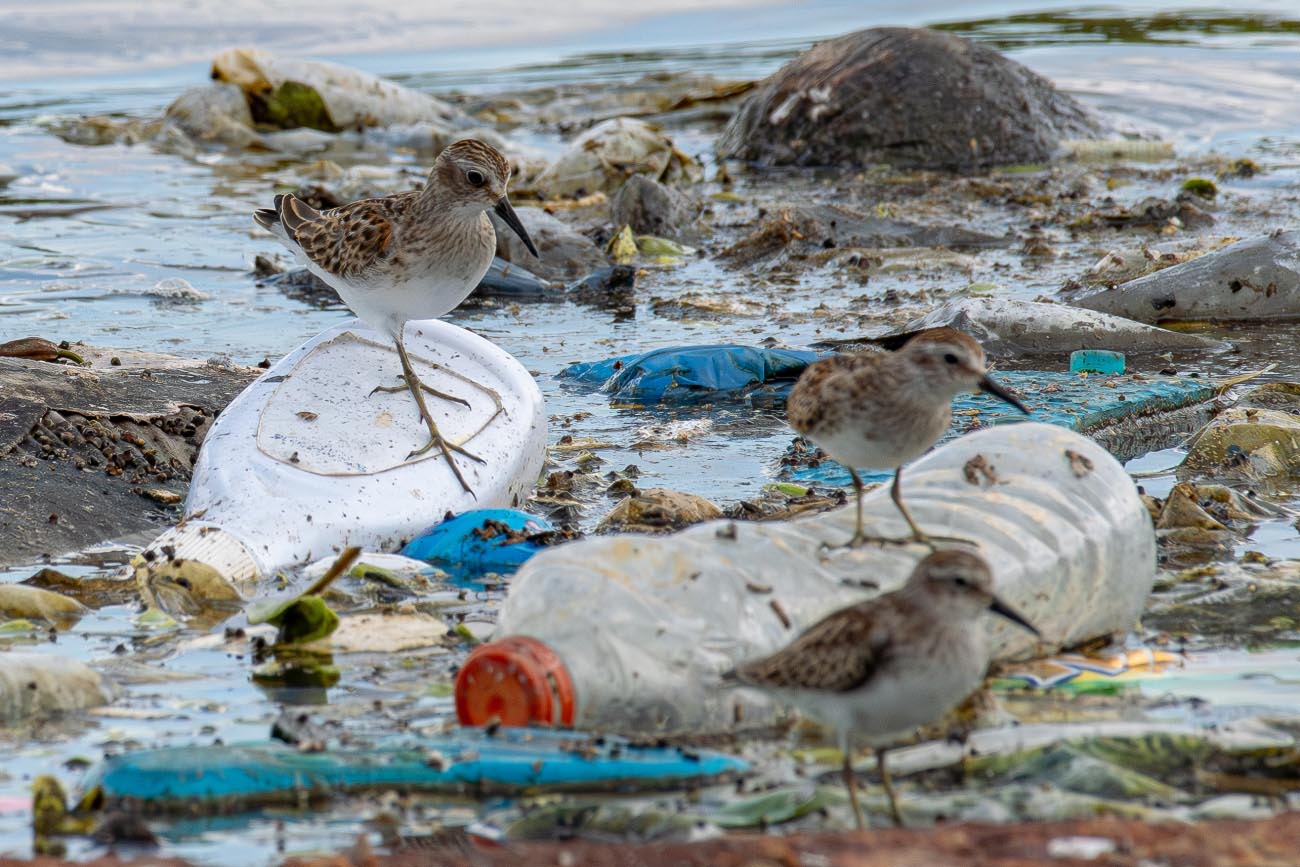
Least sanpipers on a trash-strewn beach.
Make sure that all the trash you create while you are visiting an area leaves when you do! If the area you are visiting has trash cans, use them! If there are no trash cans, take your trash away when you leave! Use trash cans for your garbage.
You should bury all human waste in a hole that is at least six inches deep and at least 200 feet from water, campsites, and trails. If you are camping and need to wash yourself or your dishes, do it at least 200 feet from natural water sources. You do not want soapy water getting into the water supply!
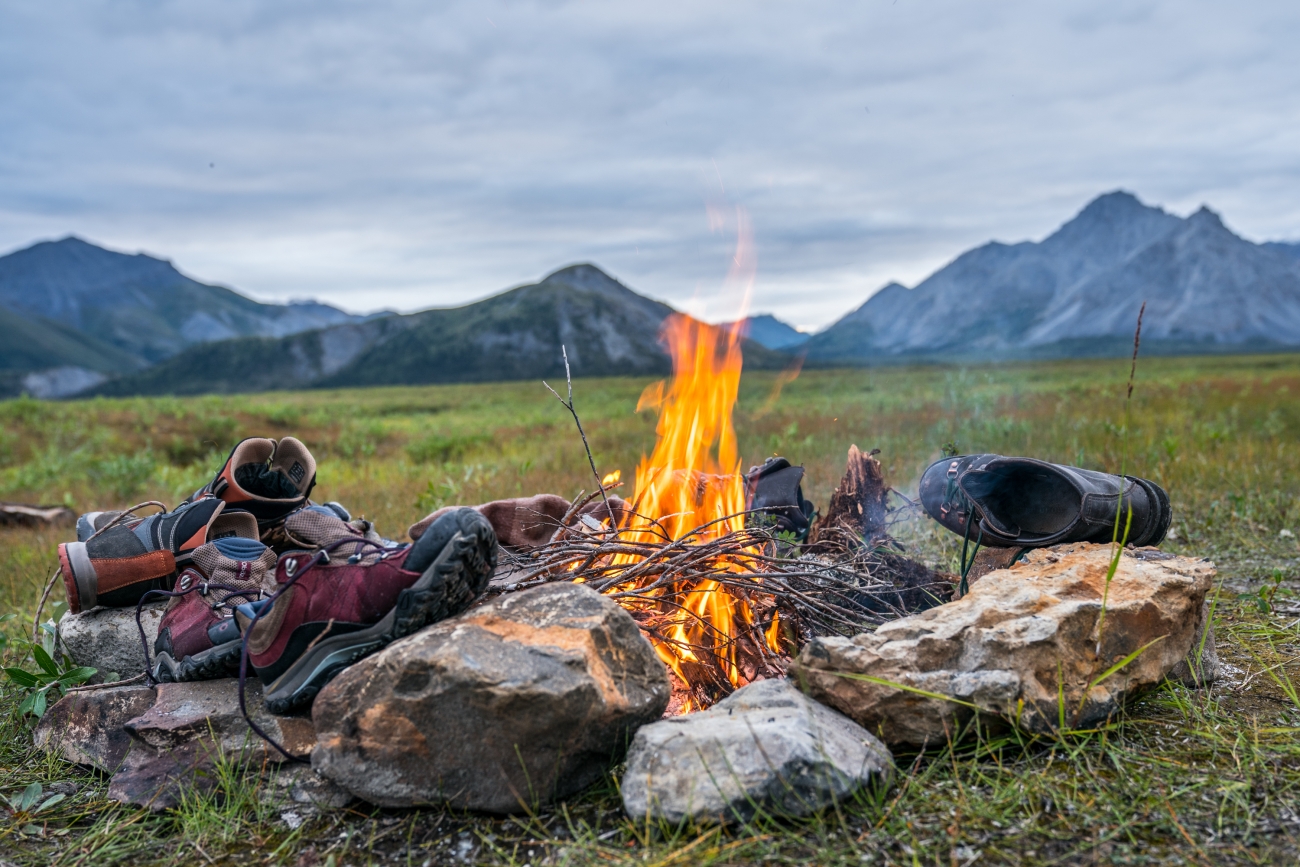
If you cook or build a campfire, be sure to use caution! Use a cook stove for cooking and candle lanterns for light. If your campsite has established fire rings, use them. Make sure the fires you build are small, and make sure you have water nearby.
Only use sticks lying on the ground that you can break by hand. Never pull sticks off plants or trees. Make sure your fire burns down to ash and scatter the cool ashes once the fire is out.
Only adults should make fires in the wild.
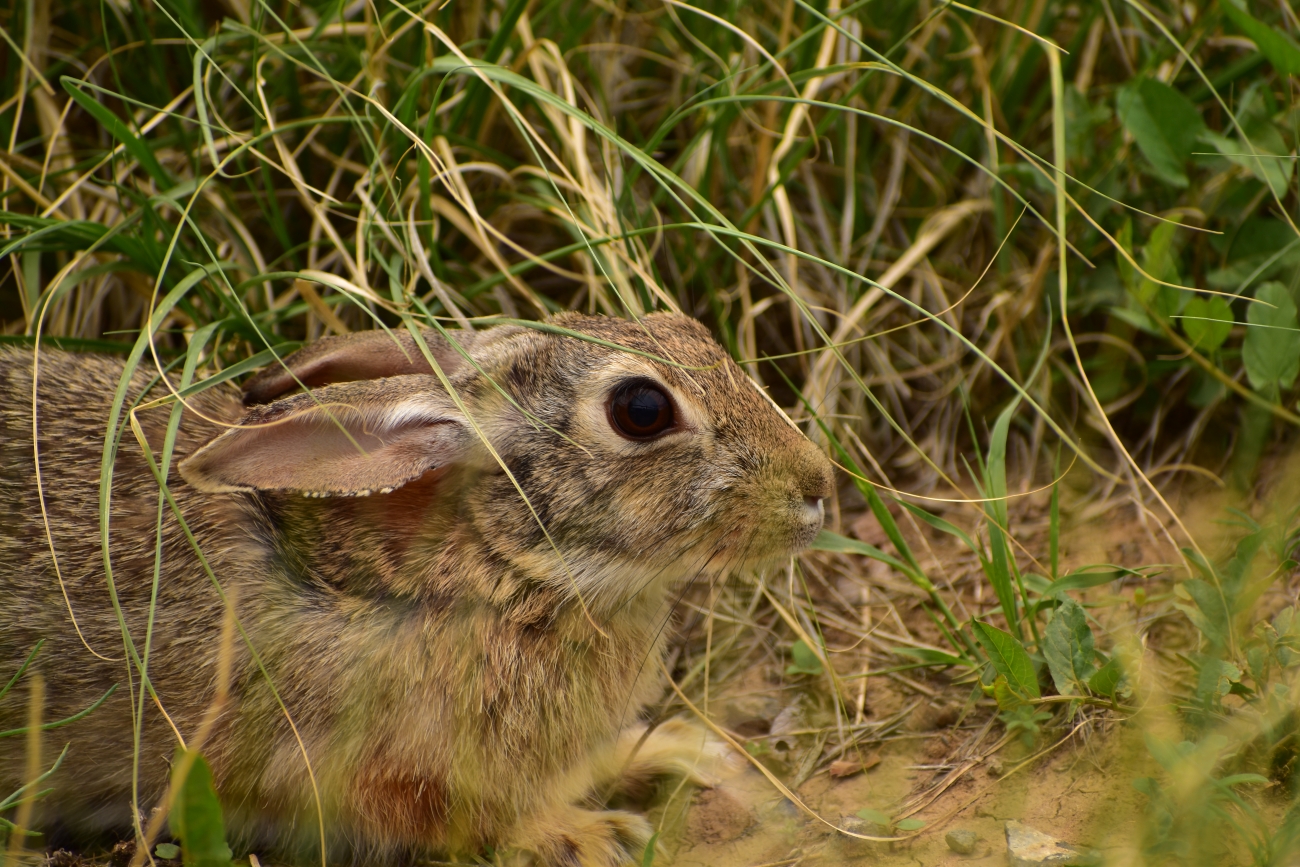
Keep your distance from wildlife. Never follow wild animals or try to approach them, and never feed wild animals. If you want a close-up look at wild animals, bring binoculars with you. If you bring a pet with you, keep it on a leash and under your control. Dogs love to chase rabbits, squirrels, and chipmunks. Rabbits, squirrels, and chipmunks do not love to be chased by dogs.
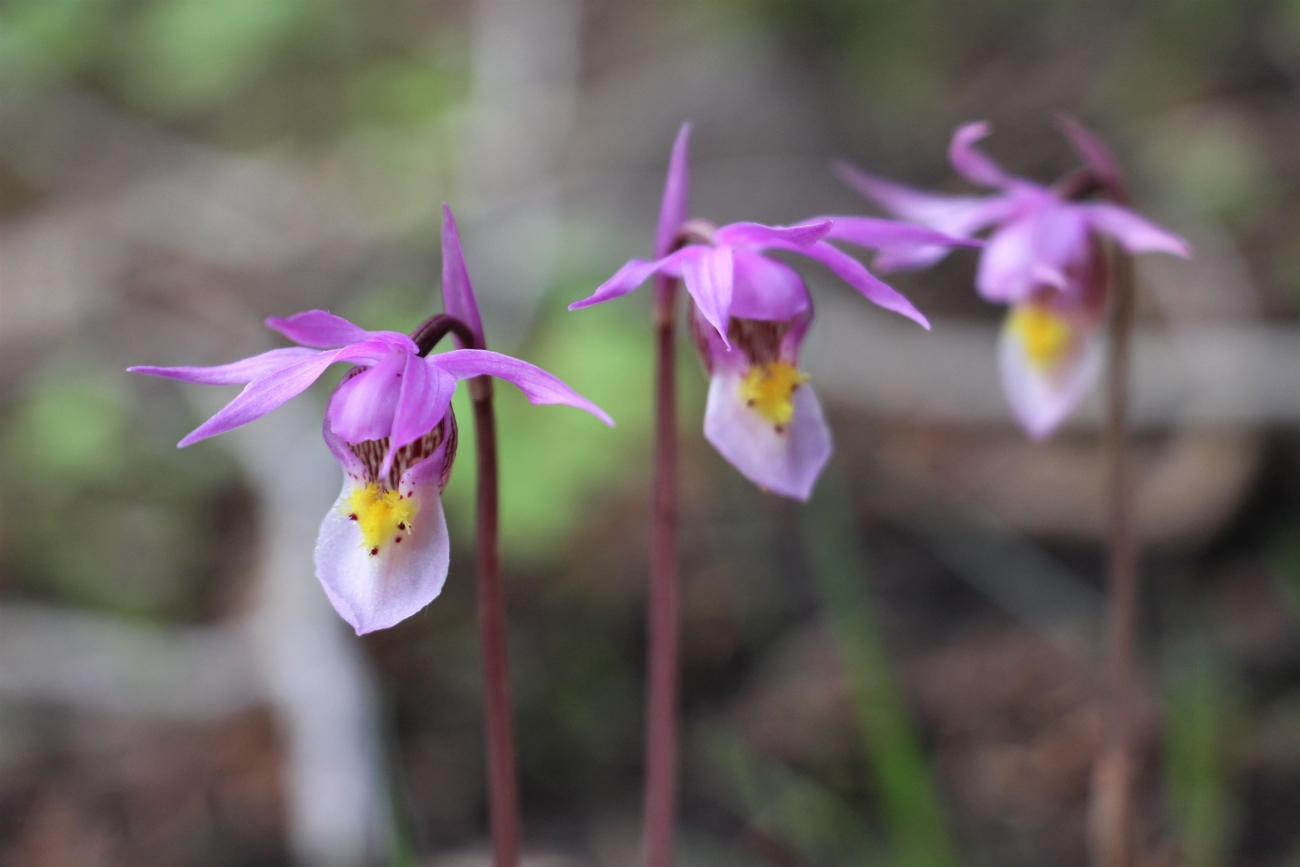
Don’t remove anything, except for garbage, from the wild places you visit. This includes rocks, leaves, flowers, and even arrowheads. The next person who visits the area should have the chance to enjoy what you saw.
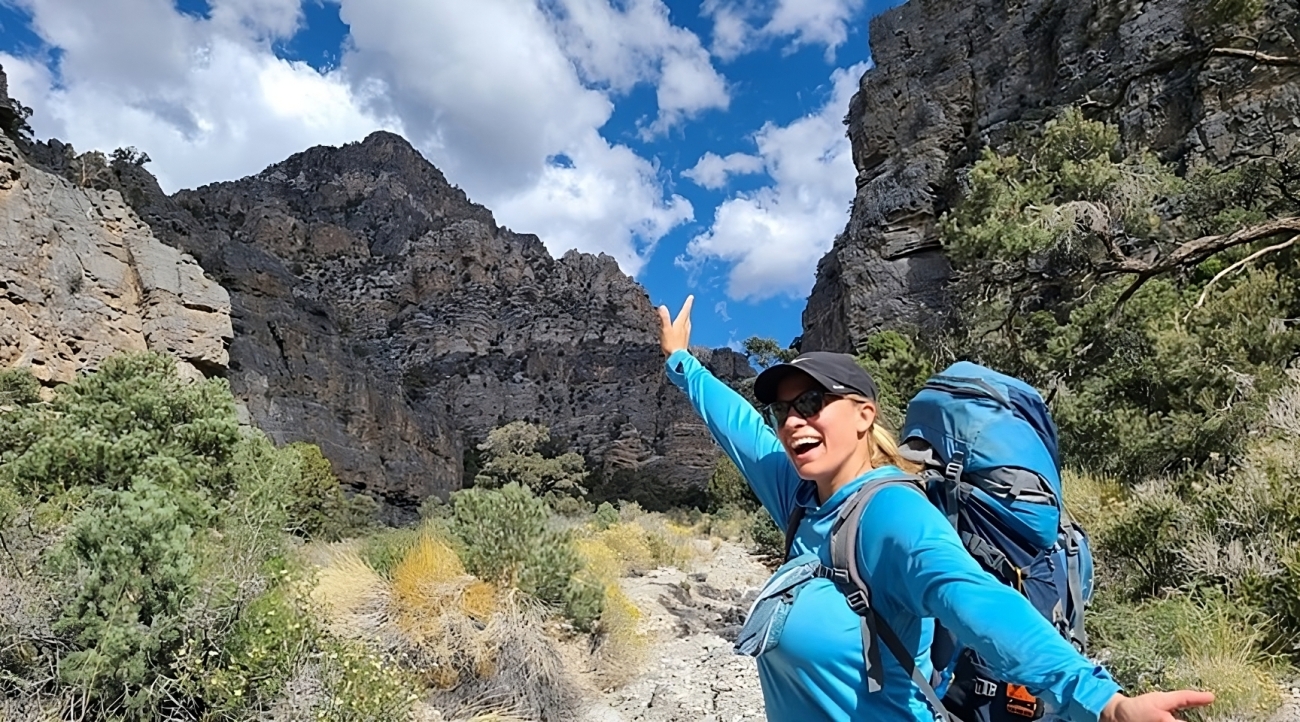
Remember that you may not be the only visitor to a wild area. Don’t ruin the sounds of nature with loud music or loud voices.
You can learn more about Leave No Trace at the Leave No Trace website from the Center for Outdoor Ethics.