

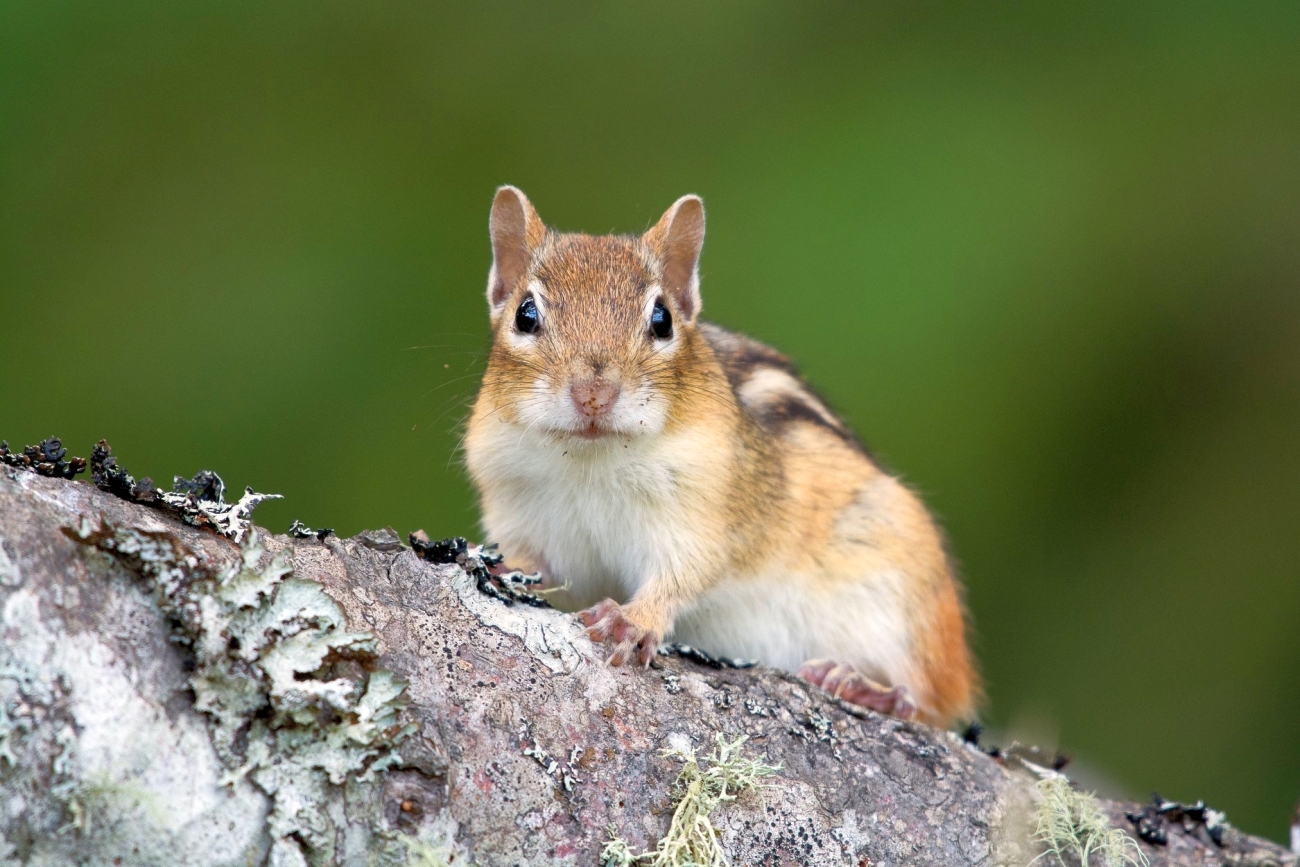
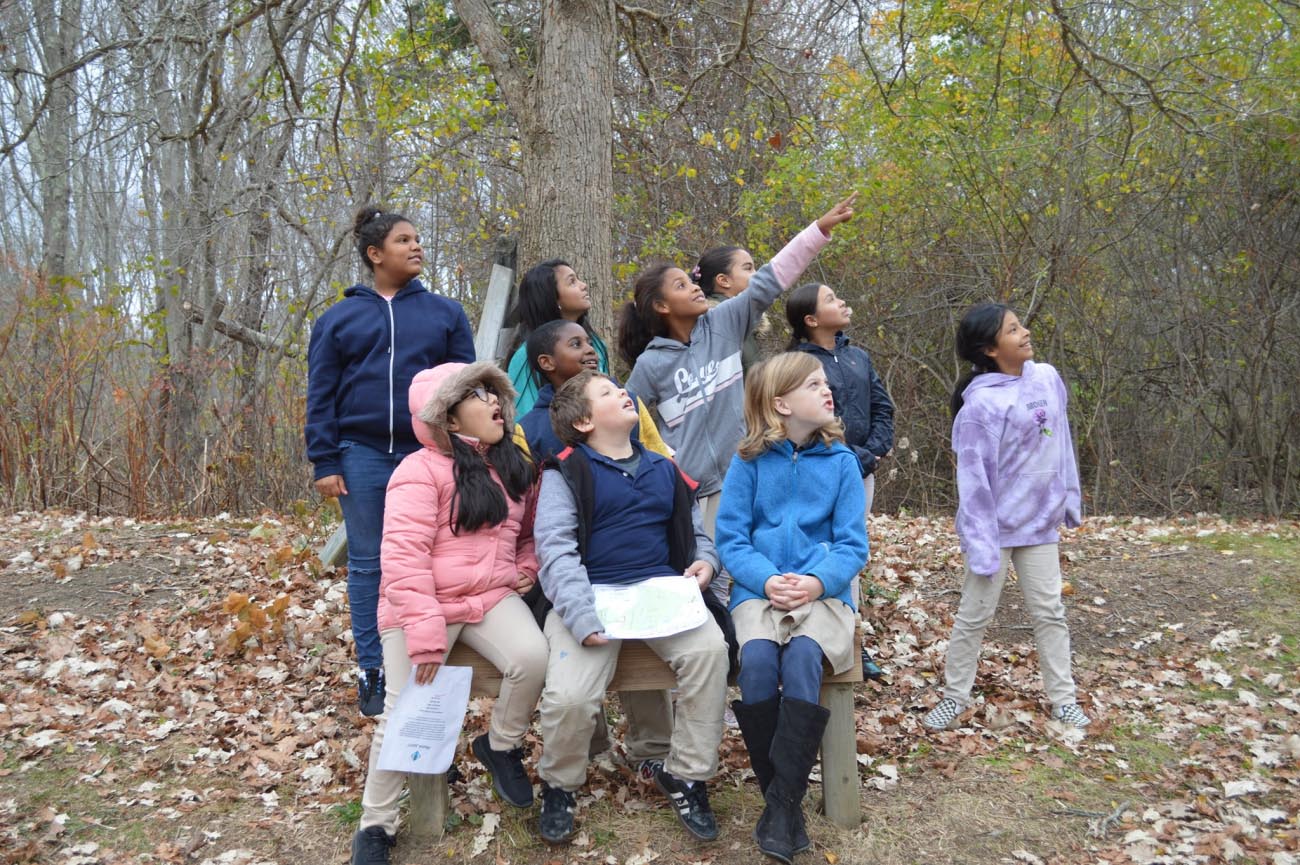
Kids spot wildlife in the forest.
1. Get Up Early
The best times for observing most animals are early in the morning and in the evening. Overcast days are also good times for observing many species.
2. Be Quiet
Make as little noise as possible and listen. You often hear wildlife before you see it. Move slowly and silently.
3. Stay Downwind
If you can, face into the wind when looking for wildlife. Many animals have a keen sense of smell, and the wind can carry your scent and scare them off. Don’t wear perfume or any strong-smelling scent like shampoo or lotion, as animals will pick up your scent.
4. Be Patient
Find a comfortable place to settle in, and be prepared to look, listen, and wait.
5. Pick a Good Spot
Know what you are looking for and where and when you are most likely to find it. Always ask permission before going onto private property.
6. Be Prepared
If you have a field guide, bring it with you so you can identify the animals you see. You can also bring a mobile phone and use one of many online apps and sites to help you identify and record wildlife, such as iNaturalist. Dress appropriately for the weather. Layers are always good because you can always take something off if you get too warm.
7. Respect Wildlife
Keep your distance from wildlife! Never follow wild animals or try to approach them, and never feed wild animals. If you want a close-up look at wild animals, bring a pair of binoculars with you.
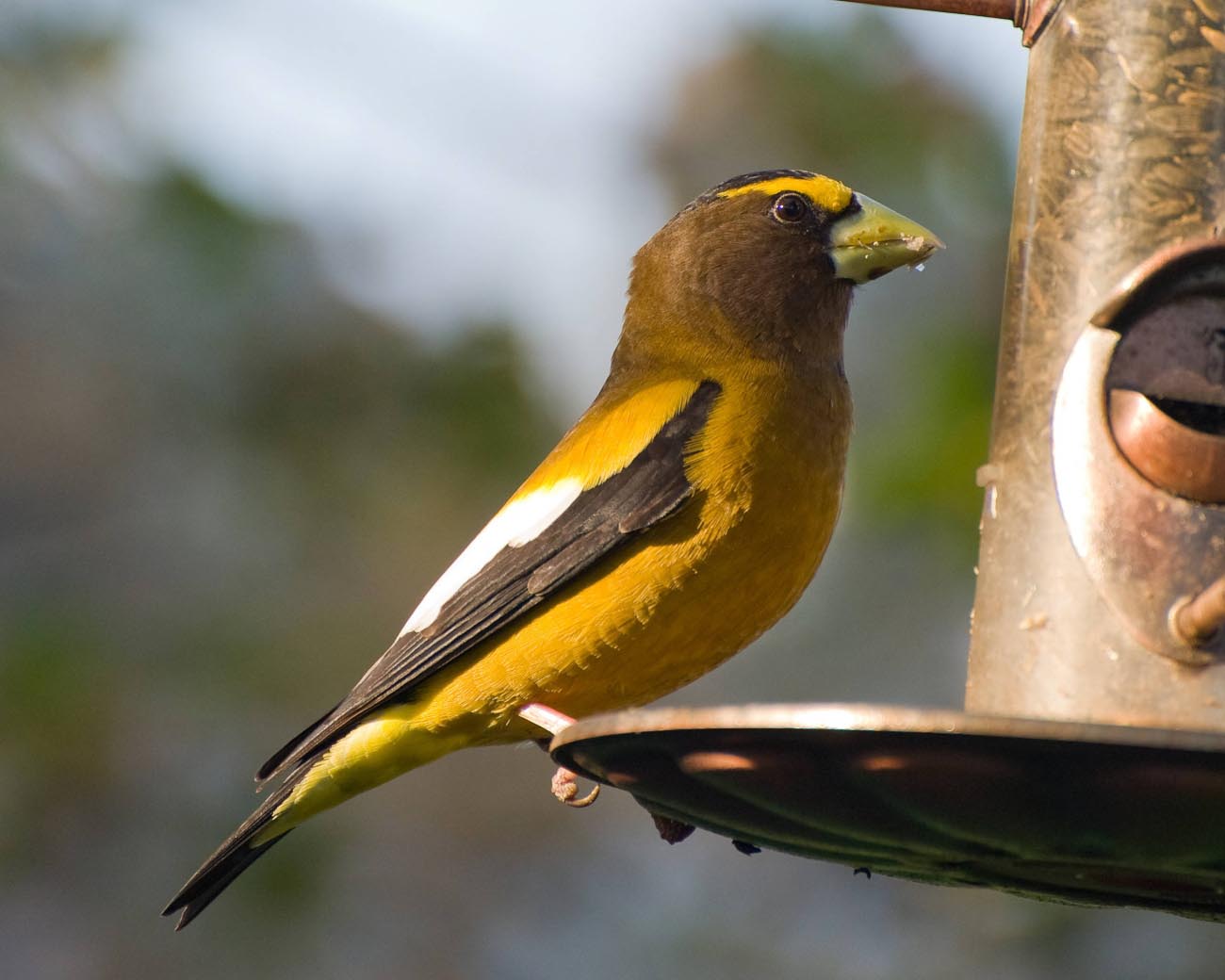
Evening grosbeak at a feeder
Birds are the easiest animals to observe in the wild. Here are some basic bird-watching tips:
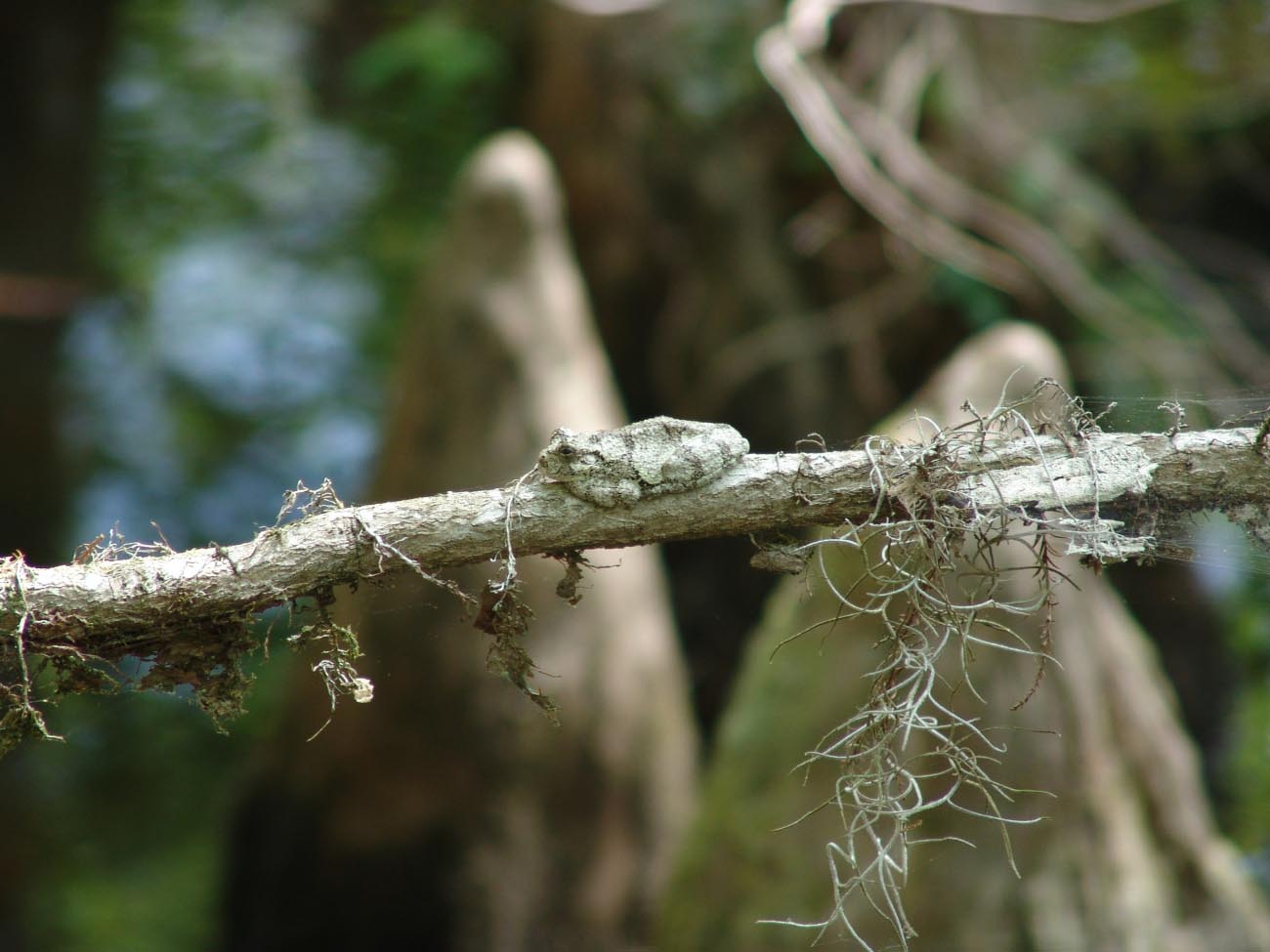
Gray treefrog camouflaged on a tree branch.
