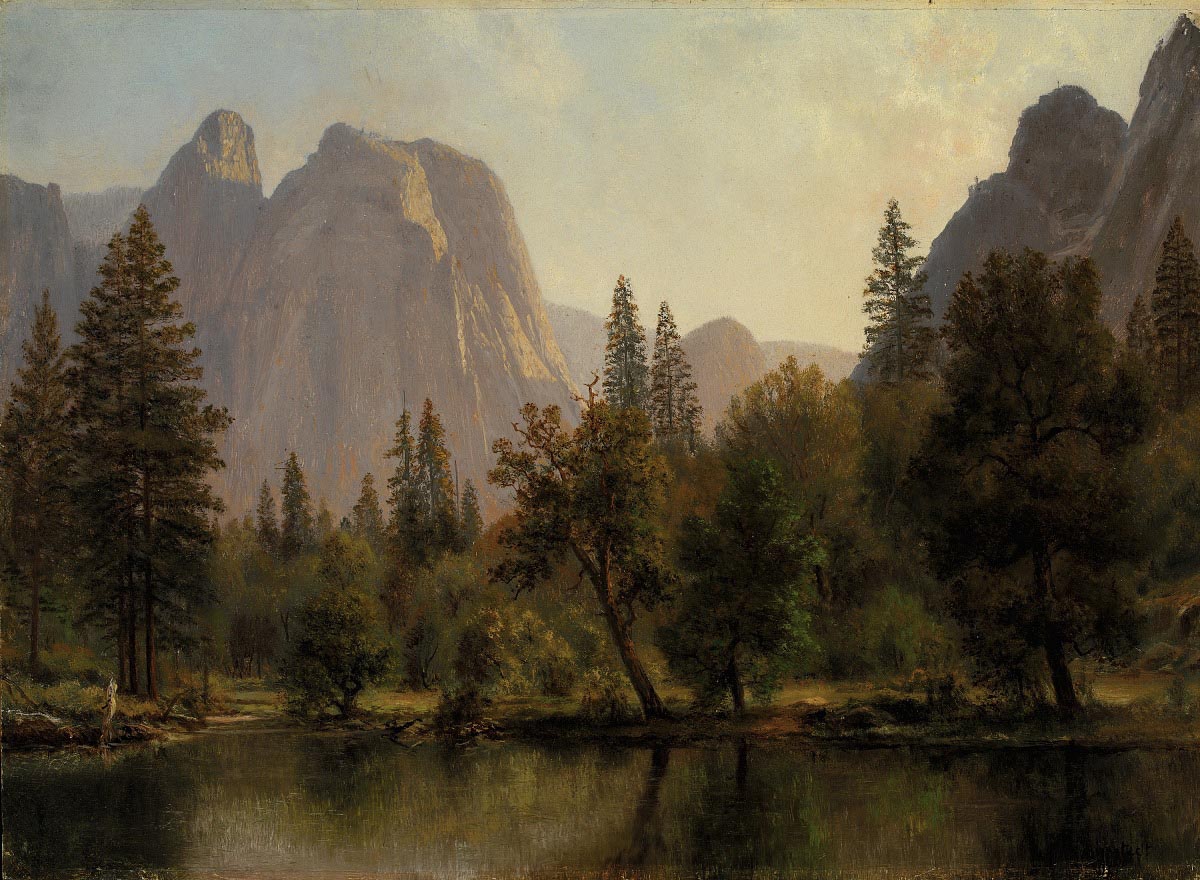
Cathedral Rocks, Yosemite Valley, 1872 by Albert Bierstadt
The Conservation Movement was at its height between 1850 and 1920. It grew out of big changes happening in the United States at the time.
As cities expanded, factories increased, and railroads spread across the country, people began to worry about the damage being done to forests, rivers, soil, and wildlife. Natural resources were being used quickly, and many feared they could run out if nothing changed.
The main goal of the Conservation Movement was to protect nature while also using resources wisely. Instead of wasting or destroying resources, conservationists believed they should be managed carefully so they would last for future generations.
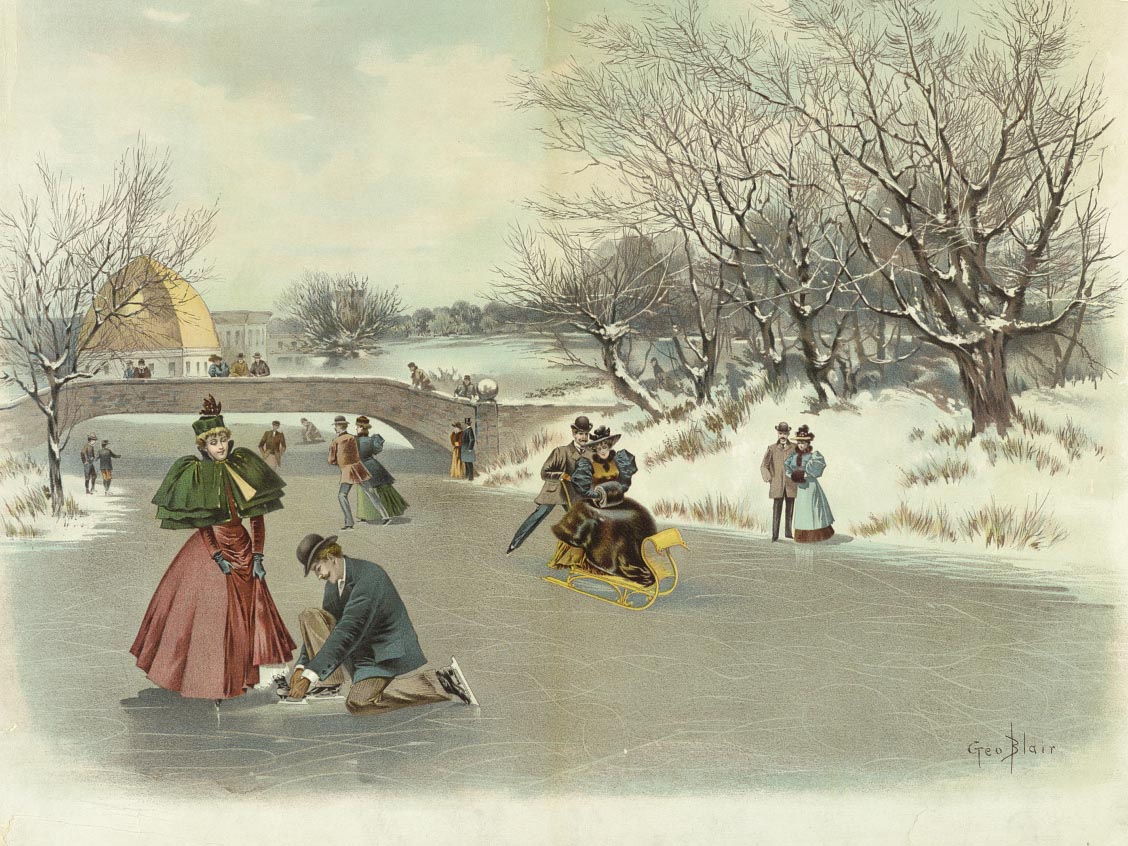
Winter's Enjoyment in Central Park, ca. 1890 by George Blair
During this period, more and more people were leaving rural towns and villages for jobs in the cities. As they left their farms behind and moved into crowded and dirty cities, they developed a sentimental attachment to what they had left behind and a desire to preserve the natural landscape where they could and to create places where they could escape the pressures of the city.
Improvements in transportation and more leisure time allowed Americans to take up camping, hiking, bird watching, and other outdoor activities as a way to escape crowded cities. Places like Central Park in New York were built to serve as an oasis for weary city dwellers.
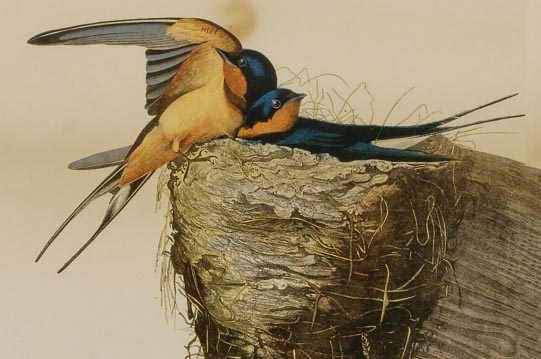
Bran Swallows by Julius Bien, 1860
During the Conservation Movement, local and national groups formed to help promote conservation and protect natural resources.
In 1897, in Manchester, New Hampshire, Mrs. Arthur E. Clarke held a meeting in her house to organize the New Hampshire Audubon Society. One of the goals of the newly formed society was to teach school children about birds. The group formed a junior Audubon society, created an Outline of Bird Study for schools, and held contests for students.
Contest for New Hampshire Students Announcement
Two prizes, one of ten dollars and one of five dollars, to children over twelve and under seventeen years of age; and two more, one of five dollars and one of three dollars, to children under twelve years of age. These prizes are to be awarded for the best compositions on ‘Birds,’ the compositions to be written as the result of personal observation, the contest to close January 1, 1900.
Bird Lore, vol. 1. New York City: Macmillan Co., c. 1899-c. 1940.
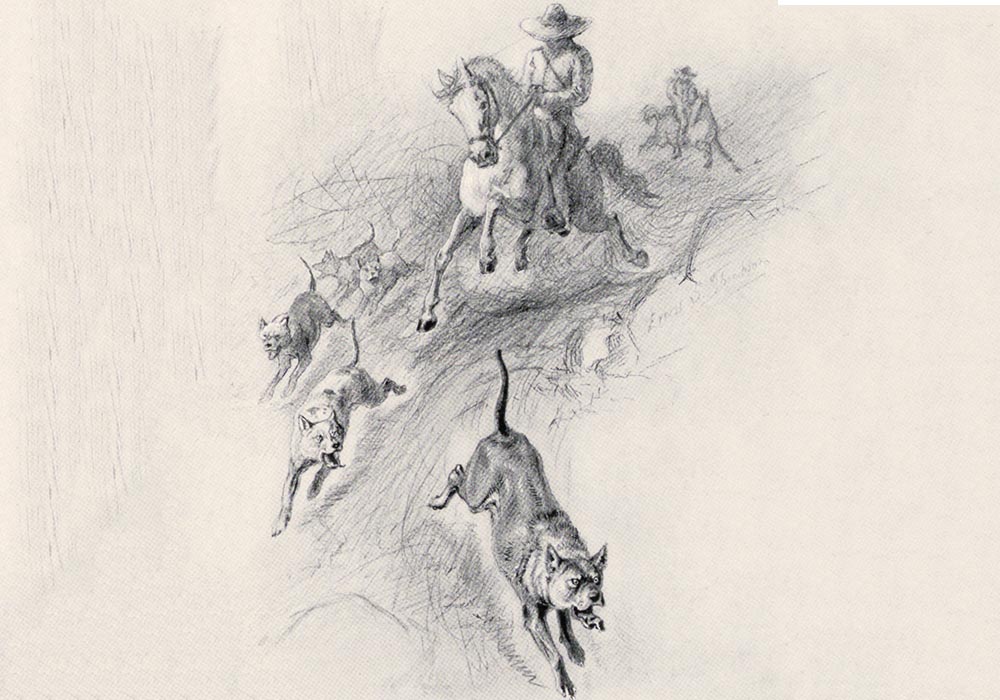
Tannery, with His Dogs, Came Galloping Up the Cañon, Ernest Thompson Seton illustration, 1898
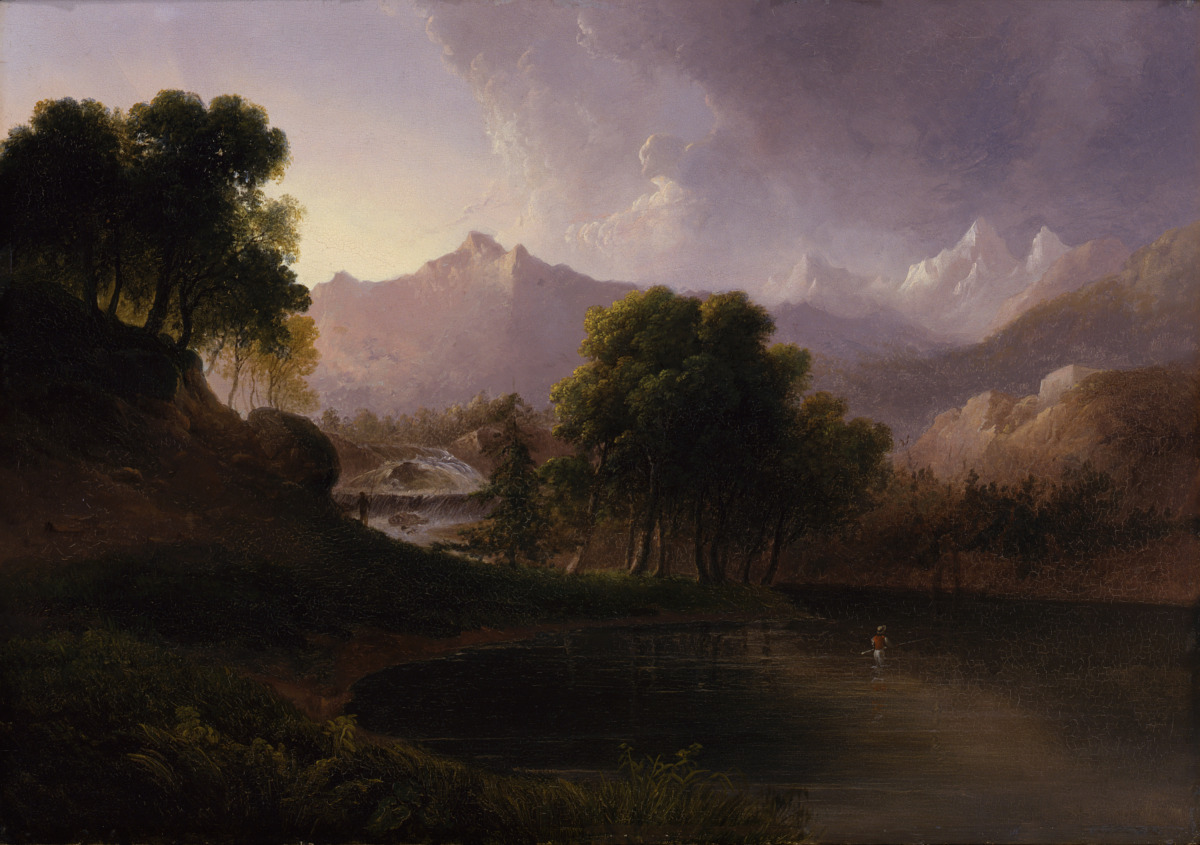
Artists, photographers, and writers were capturing and writing about the natural landscape of the West. When Americans saw these works, they realized that those areas needed to be protected from the kind of development that had changed the landscape in the East.
In 1898, Ernest Seton Thompson published a multivolume collection, Wild Animals I Have Known. In his book, he wrote about his observations of North American wildlife. The best-selling book introduced Americans to accurate profiles of animals like the wolf that they had previously feared. Seton went on to found an organization to teach wilderness skills to boys called the Woodcraft Indians.
The Woodcraft Indians was a precursor to the Boy Scouts of America, and Seton helped draft the first Boy Scout manual and, in 1912, became the first editor of Boys’ Life magazine.
Read some stories from Wild Animals I Have Known!
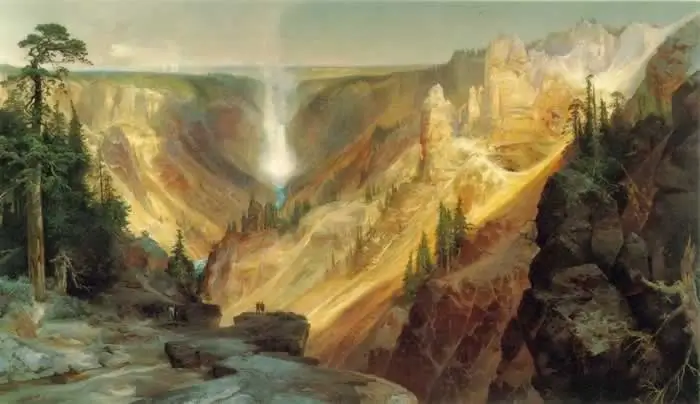
Thomas Moran - The Grand Canyon of the Yellowstone, 1893-1901
In 1871, the U.S. government sent an exploration team, led by geologist Ferdinand V. Hayden, to study the Yellowstone region. At the time, many people in the eastern United States had never seen this wild area and weren’t sure the stories about it were even true.
Two members of the expedition were artist Thomas Moran and photographer William Henry Jackson. Moran created detailed paintings of Yellowstone’s dramatic landscapes, while Jackson took some of the first-ever photographs of its geysers, waterfalls, and canyons.
When the expedition returned, Moran’s artwork and Jackson’s photographs were shown to members of Congress and the public. Many were amazed by what they saw. The images helped people understand that Yellowstone was a special place worth protecting, not settling or developing.
Because of this, in 1872, President Ulysses S. Grant signed a law creating Yellowstone National Park. This made Yellowstone the first national park in the United States—and the first in the world. It set aside the land so it could be preserved for future generations to explore and enjoy.
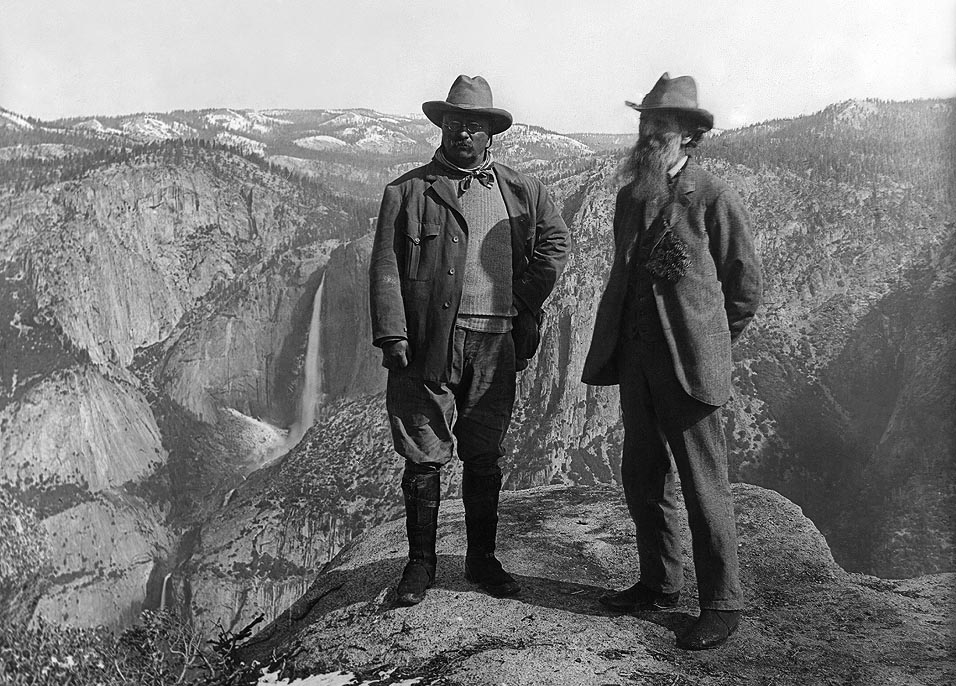
U.S. President Theodore Roosevelt (left) and nature preservationist John Muir, founder of the Sierra Club, on Glacier Point in Yosemite National Park. In the background: Upper and lower Yosemite Falls.
President Theodore Roosevelt was an avid outdoorsman and hunter, and also played a critical role in the Conservation Movement.
In 1903, he established the first federal bird refuge at Pelican Island, Florida, to protect the last rookery of brown pelicans on the east coast of Florida. Roosevelt went on to establish 51 bird reservations and national game preserves for wildlife. These were the forerunners to today’s national wildlife refuge system and the first U.S. government attempt to set aside land to protect wildlife.
In 1905, the National Forest Service was established, and Gifford Pinchot was made the new service’s director. Gifford Pinchot was the first professionally trained forester in America. Pinchot worked hard to bring professional management and scientific principles to managing the nation’s forests. By 1910, the Forest Service had established 150 national forests.
In 1908, President Roosevelt hosted the Conference of Governors at the White House to examine conservation issues. The conference was attended by governors, scientists, and business and conservation leaders. Following the meeting, the National Conservation Commission was formed and made the first inventory of the nation’s natural resources. In the following year, the governors of 41 states developed their own Conservation Commissions.
Roosevelt also created five National Parks and four National Game Preserves.