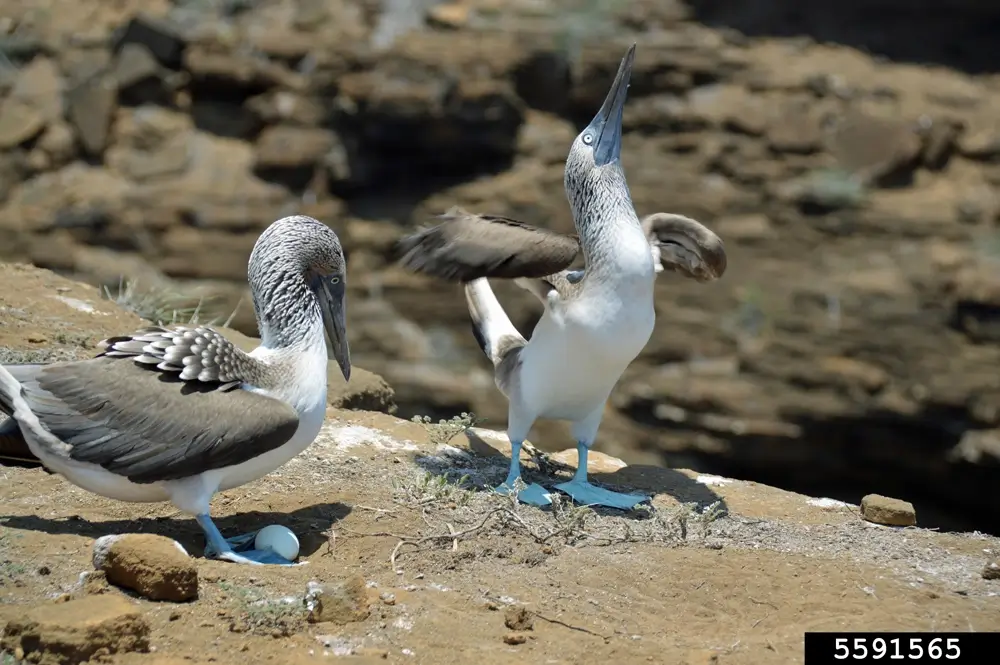
The blue-footed booby is a large seabird. It is a little under 3 feet (0.91 m) in length with a wingspan of around 5 feet (1.6 m).
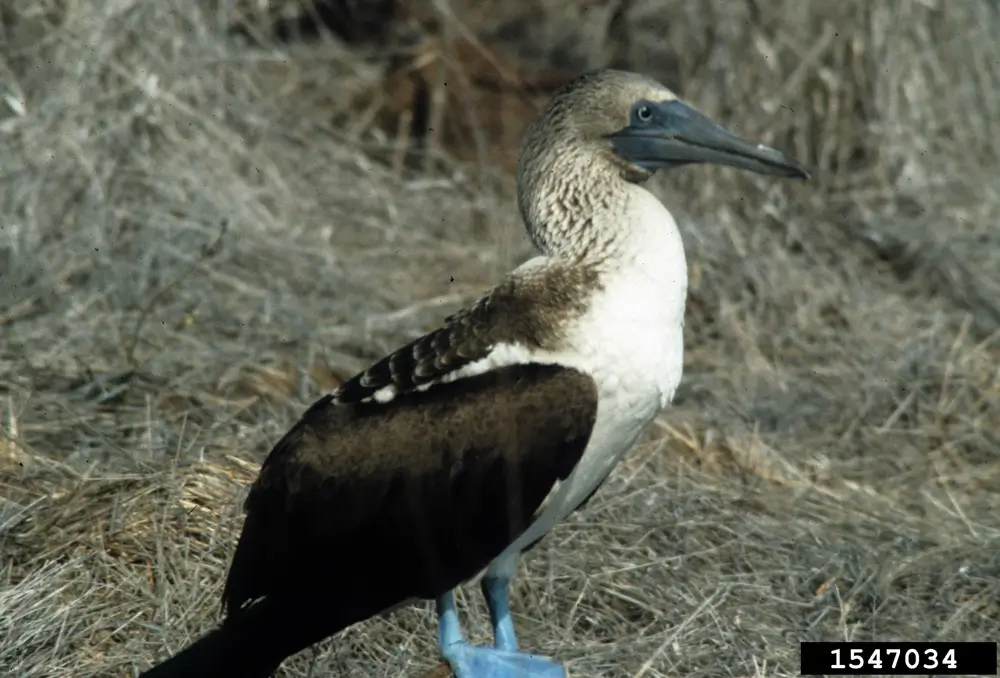
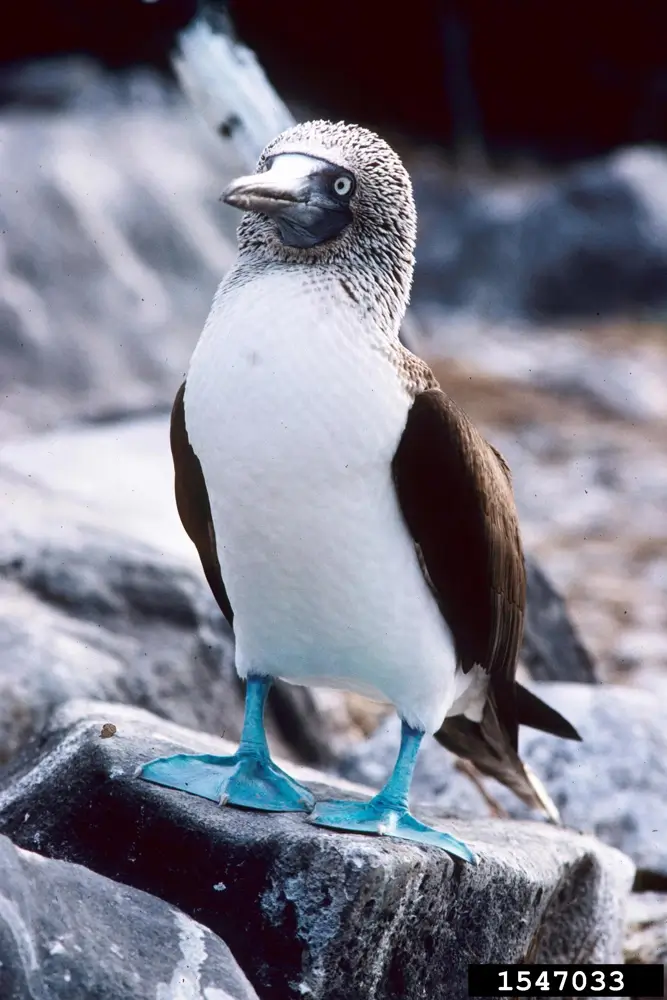
It has a long neck and a sharp bill. It has pointed brown wings. Its head and neck are covered with shaggy brown and white feathers. Its chest and undersides are white.
The blue-footed booby’s most distinctive feature is its large webbed bright blue feet. Males use their bright blue feet to attract a mate. The brighter the blue of a male’s feet is, the more likely he is to catch the eye of a female.
Habitat
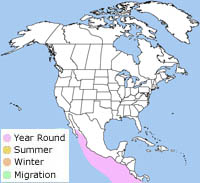
The blue-footed booby lives on the open sea, except when it is breeding. It breeds on ocean islands.
Diet
The blue-footed booby plunges headfirst into the ocean with its wings partly folded to catch fish. It even catches flying fish when they are still in the air.
It can also dive for fish while it is in a swimming position.
Life Cycle
The female blue-footed booby lays two to three pale blue or green eggs in a nest on the ground. The eggs take about 45 days to hatch. Both parents incubate the eggs using their feet. As the eggs start to hatch, the parents will rest the eggs on top of their feet.
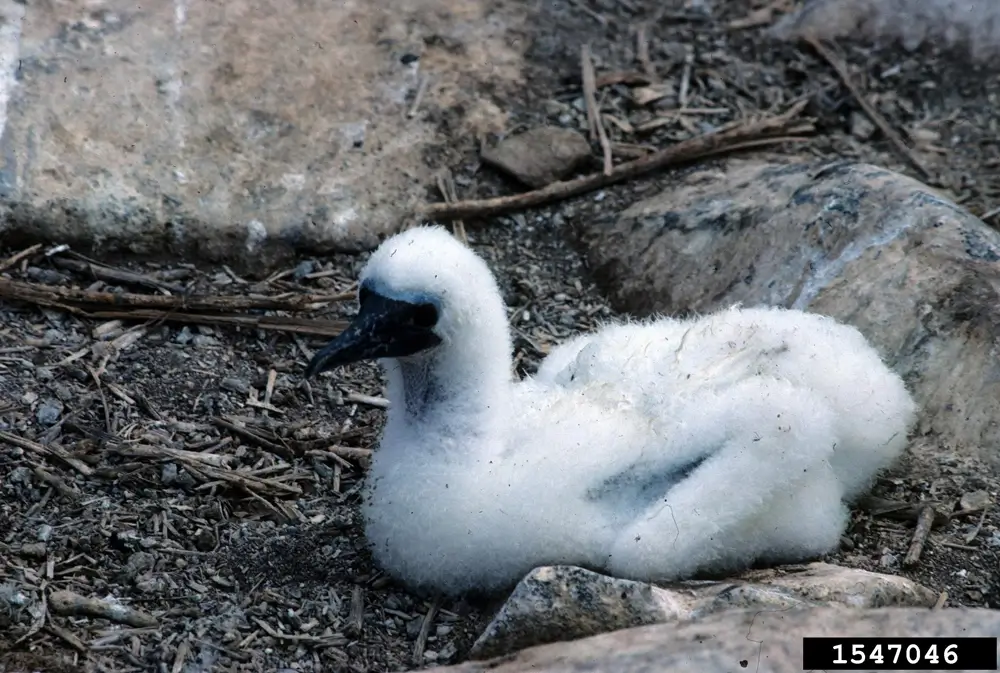
The male brings food back to the nest for the female and the chicks. The chicks take regurgitated fish from their parents’ bills. The chicks stay with their parents for about two months. The blue-footed booby nests in colonies.
The blue-footed booby has a lifespan of around 17 years in the wild.
Behavior
Blue-footed boobies have a very elaborate mating ritual. The male struts in front of the female and raises one blue foot in the air, and then the other.
Both the male and the female stretch their necks and point their bills to the sky.
The male spreads his wings and whistles. The female may tuck her head under her wing.