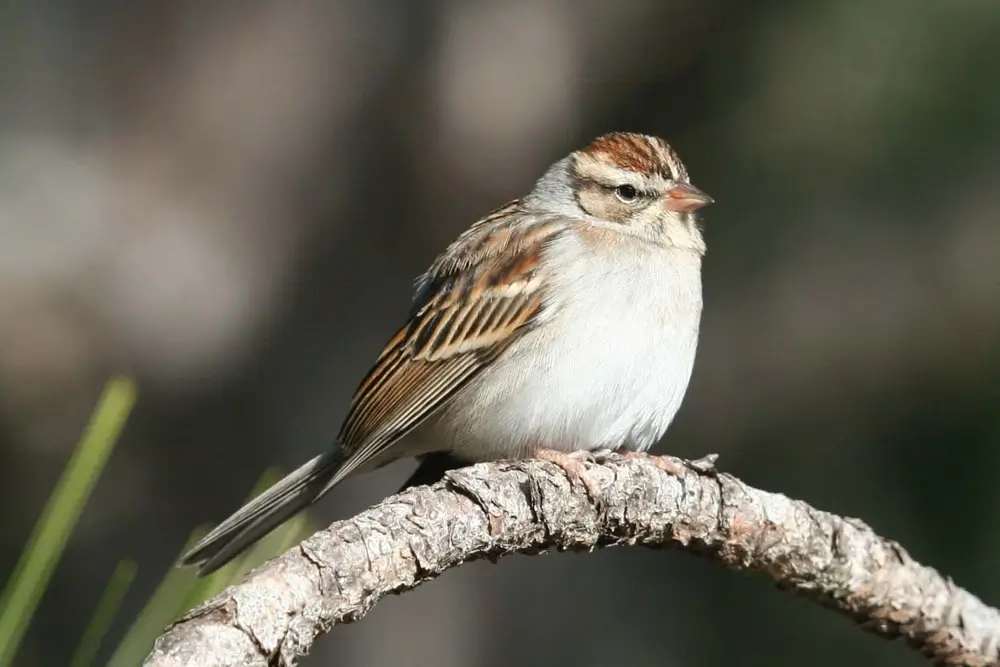
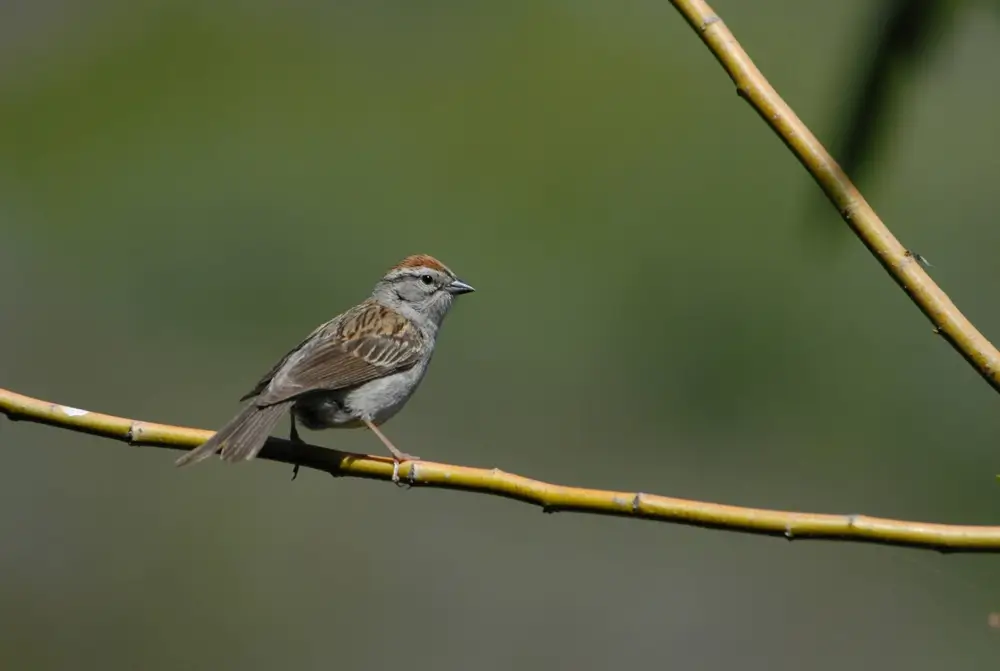
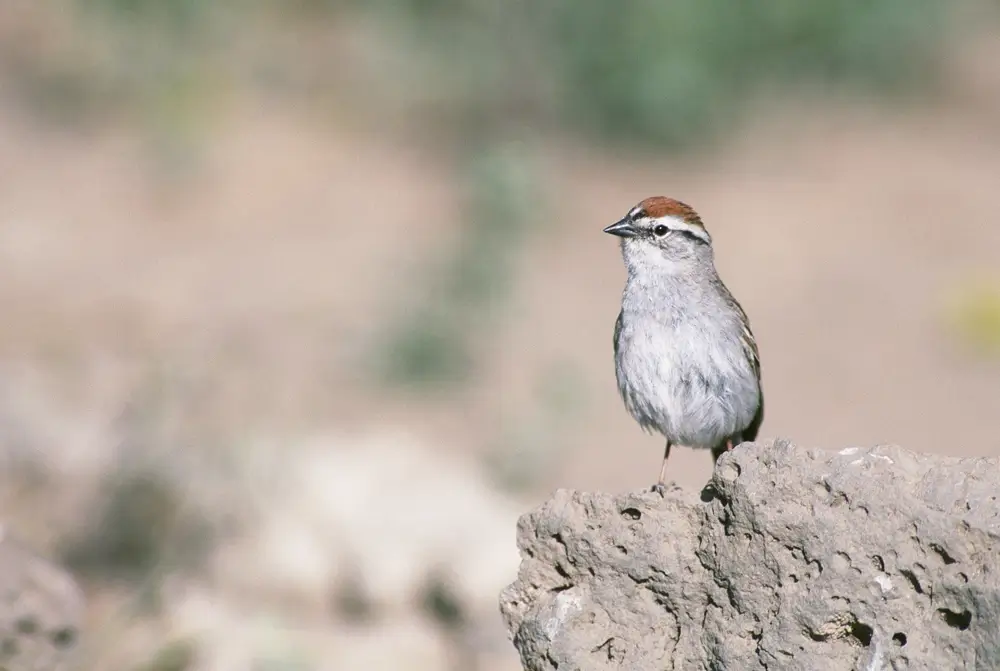
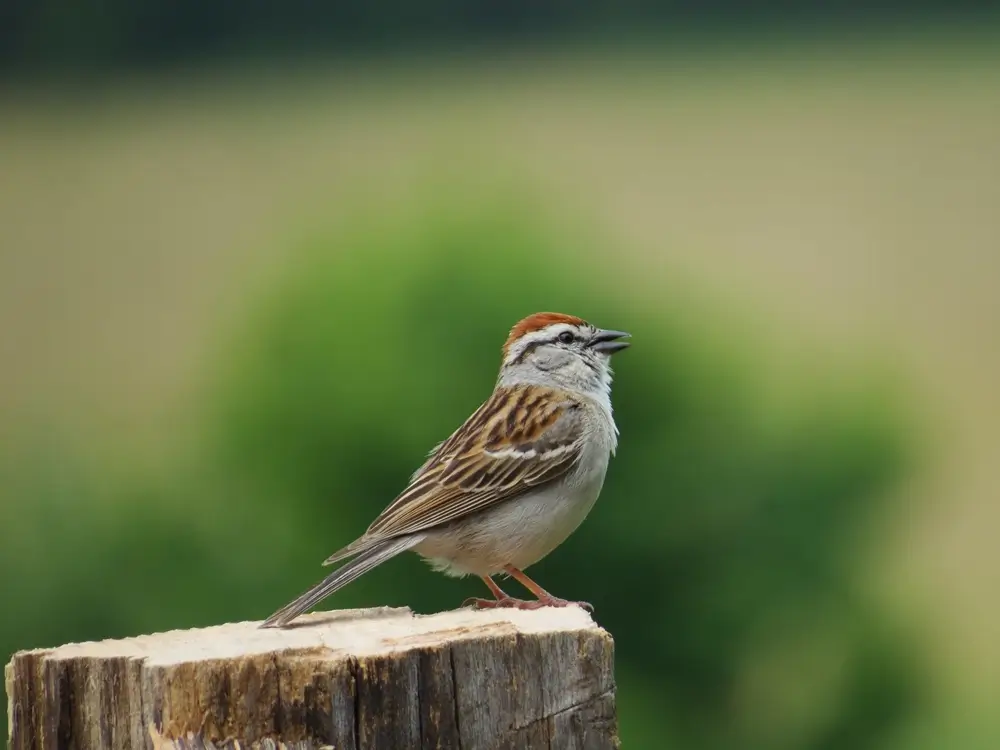
The chipping sparrow is 4.7-5.9 inches (12-15 cm) in length with a wingspan of 8.3 inches (21 cm).
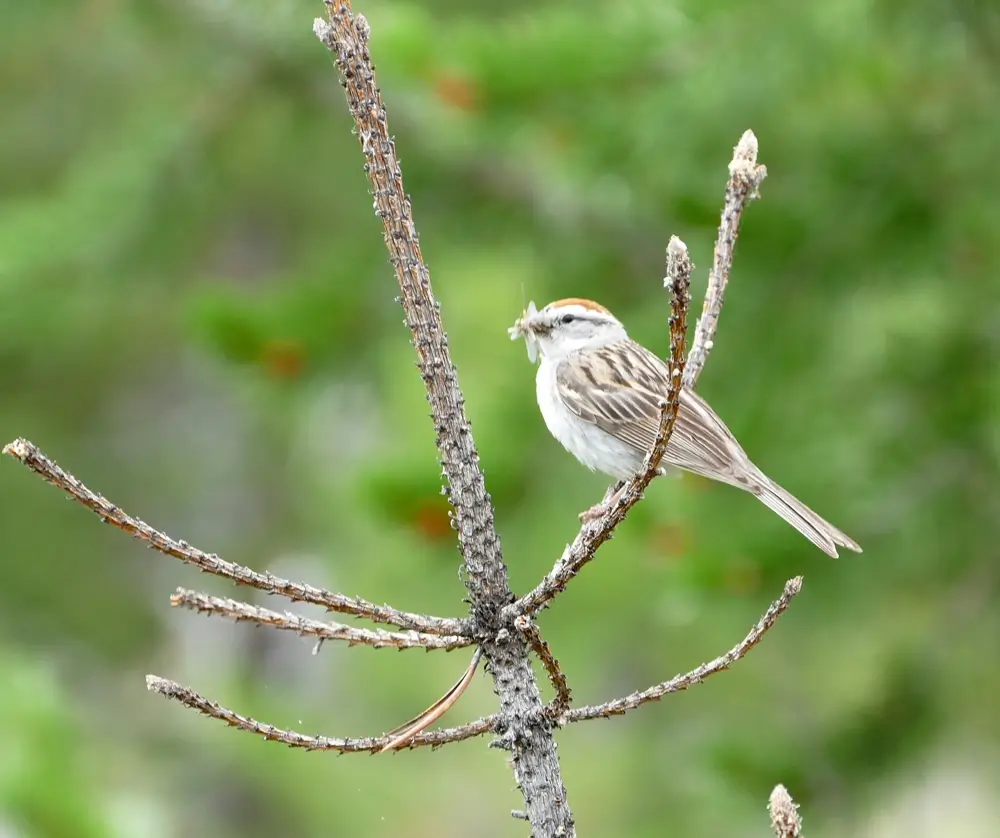
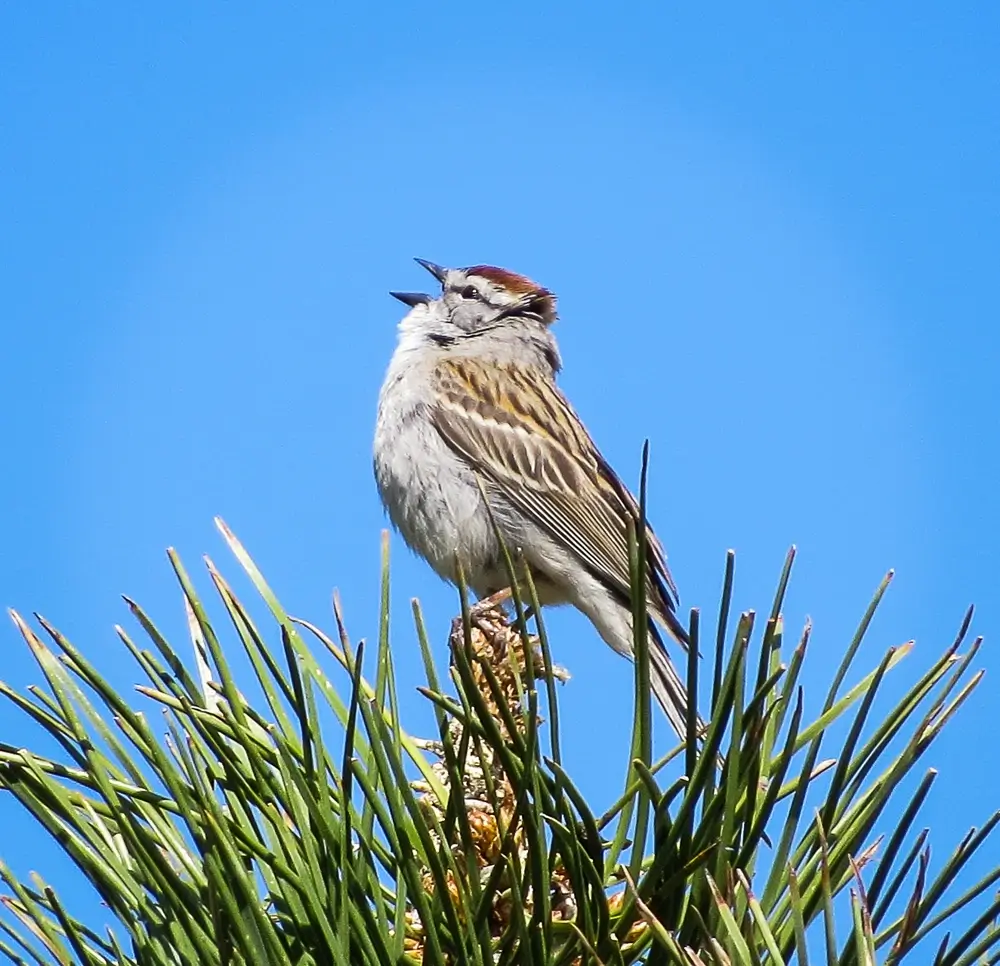
It has a gray breast with a black patch and a gray belly and rump. It has a gray head with a chestnut-colored cap and streaks near its eyes. It has brown wings with two white bars and a small bill and a slightly notched tail.
The chipping sparrow and the American tree sparrow look alike, but the American tree sparrow has a black patch on its breast.
Habitat
The chipping sparrow is found in a variety of habitats, including open woodlands, marshes, deserts, fields, gardens, and farmland.
Diet
The chipping sparrow eats seeds, berries, and insects.
Life Cycle
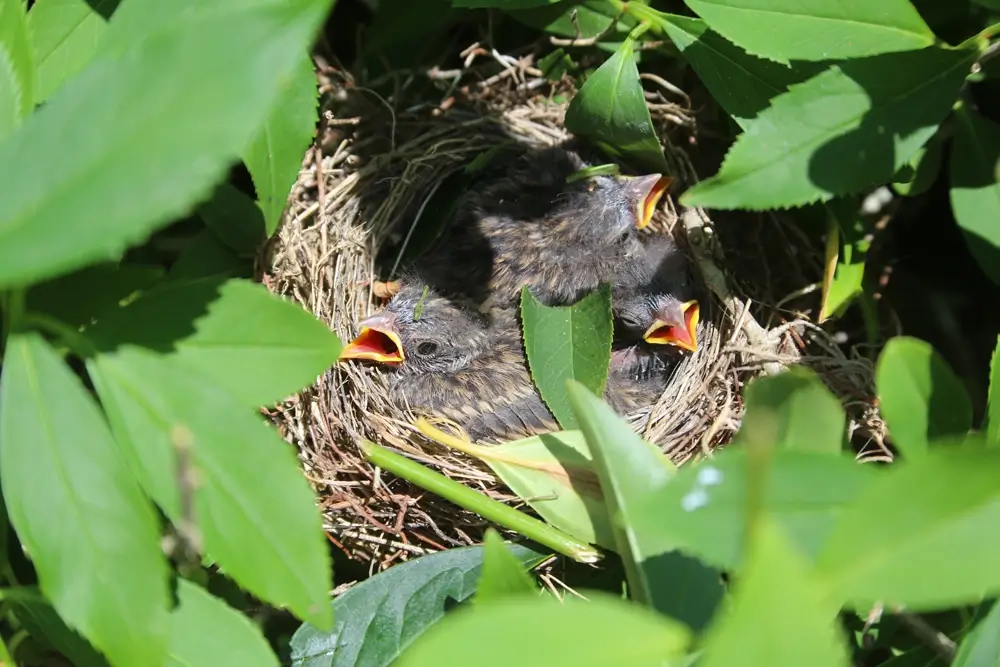
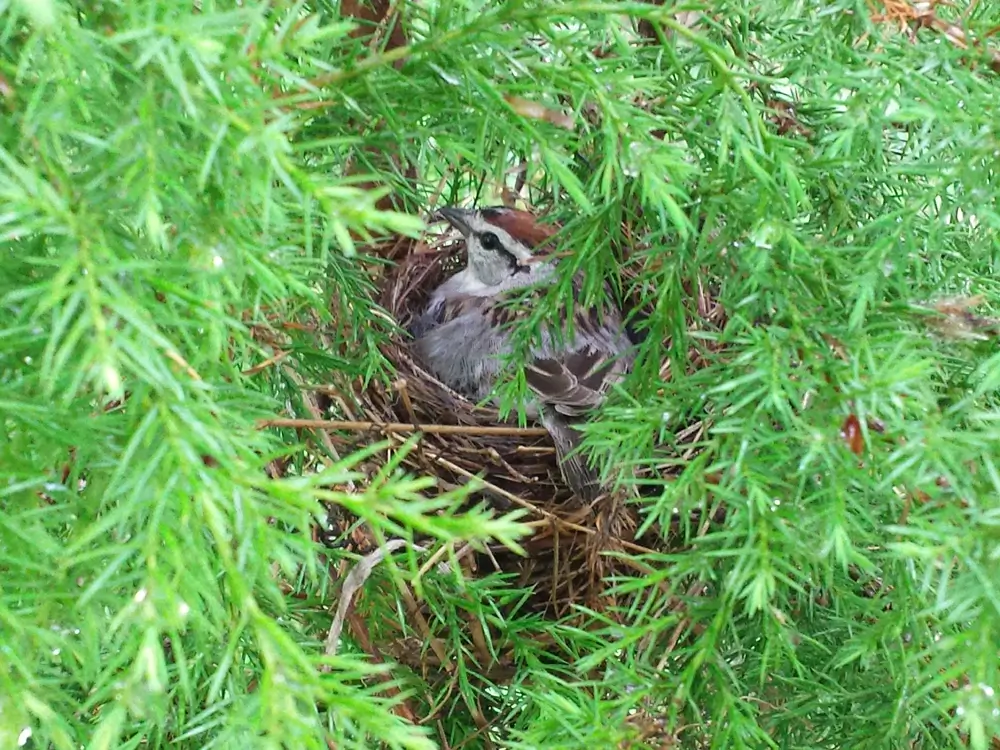
The male chipping sparrow arrives at the breeding grounds first. He aggressively protects his territory. The female lays 4-6 eggs in a cup-shaped nest made of sticks, grass, and moss. The nest is made on the ground. The female incubates the eggs. Incubation takes about 12 days.
Both the male and female care for and feed the chicks. The chicks fledge when they are about two weeks old, but they continue to be fed by their parents for a few more weeks.
The chipping sparrow has a lifespan of 4-7 years in the wild.