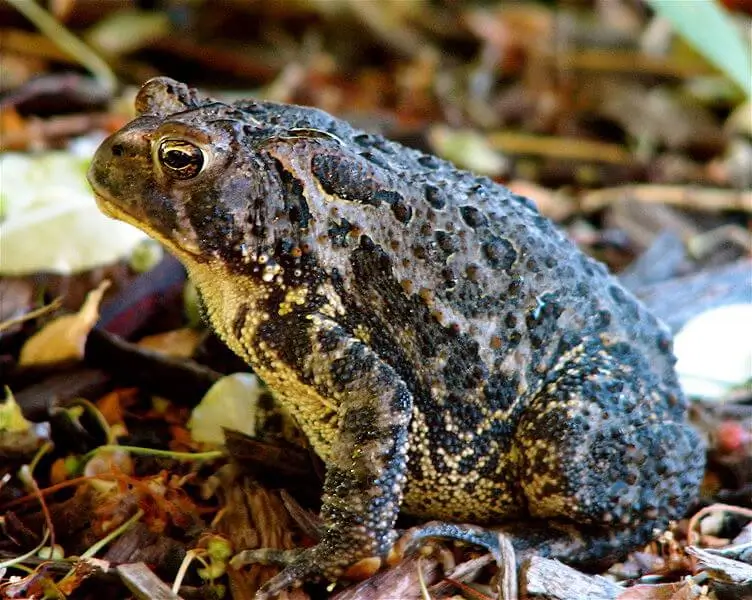
The word amphibia is Greek and means having a double life. Most amphibians live part of their lives in the water and part of their lives on the land.
Amphibians are four-legged animals that don’t have amniotic eggs. Amniotic eggs have a
membrane called the amnion. The amnion is a fluid-filled sac where the embryo develops.
The fluid in the sac keeps the embryo moist. Birds, reptiles, and mammals have amniotic eggs. Because amphibian eggs don’t have an amnion, the eggs would dry out if they were laid on the land, so amphibians lay their eggs in water.
The larvae of most amphibians have gills and look like fish when they are born. They go through metamorphosis and grow four legs and develop air-breathing lungs when they become adults.
Toads, frogs, salamanders, and newts are all amphibians. There are around 5,700 living species of amphibians in three orders.
New Hampshire Amphibians
Learn more about some of the amphibians that are found in New Hampshire. Click Here