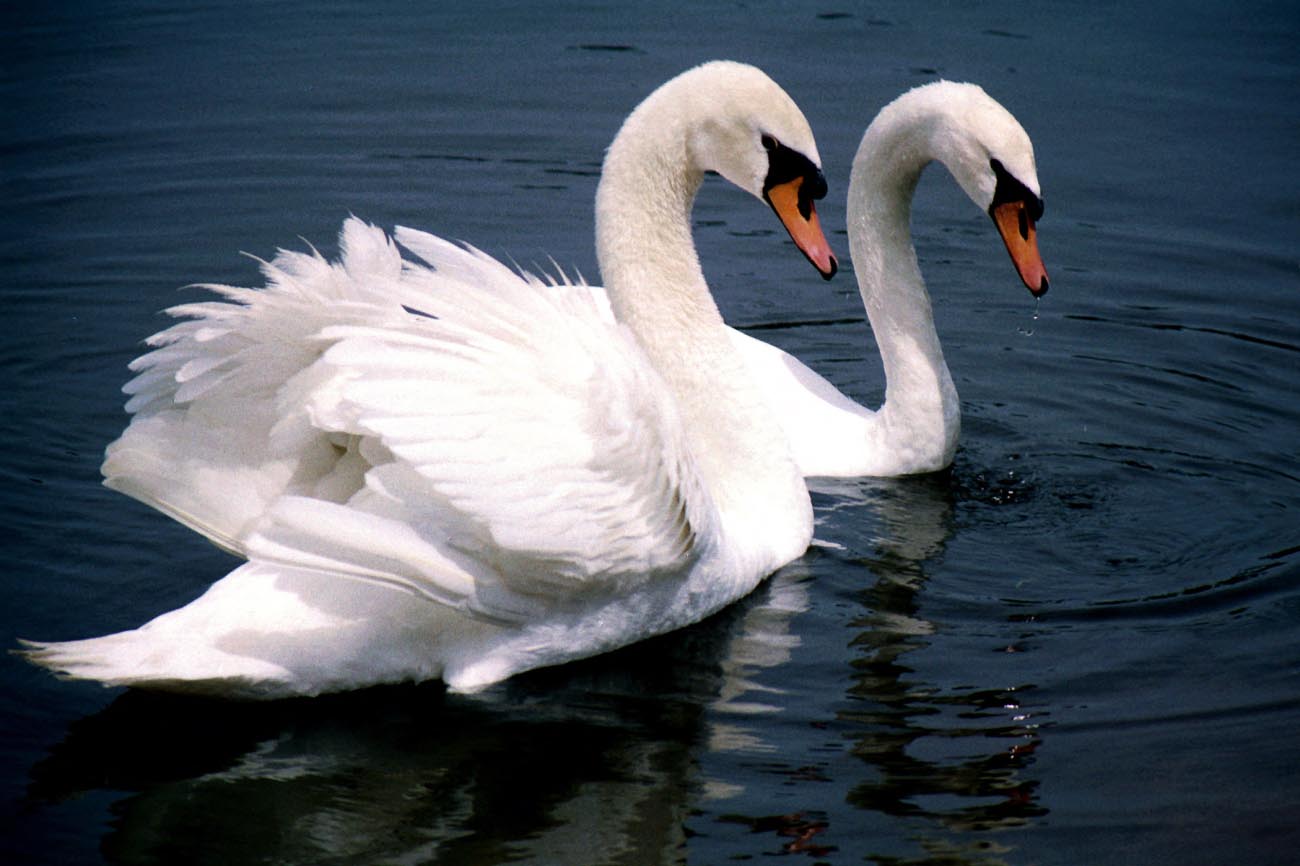
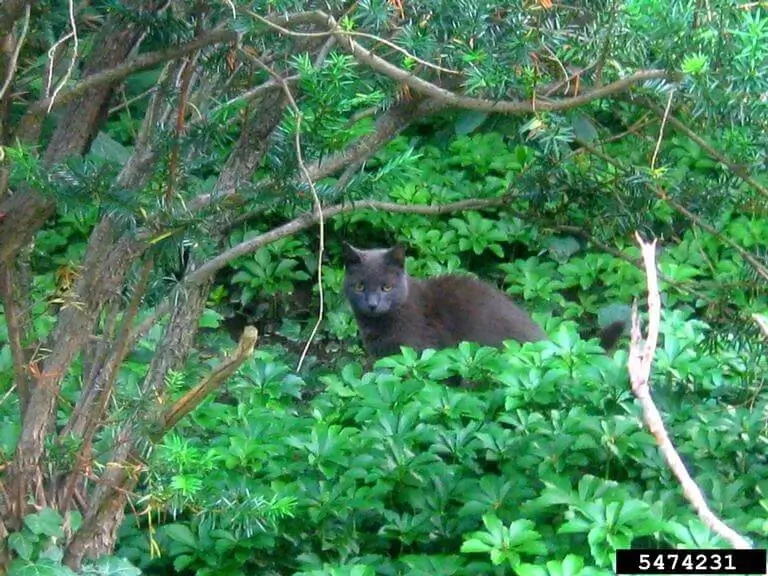
Feral cats can kill native birds. They are especially dangerous to ground-nesting songbirds.
Sometimes domesticated animals like cats, dogs, and horses can become wild or feral. Feral animals can harm native plants and animals because they are not part of the natural ecosystem. For example, in Hawaii, feral pigs searching for food can damage endangered plants by digging up the soil.
Feral cats also threaten wildlife by hunting native birds, especially ground-nesting songbirds, which are easy targets.
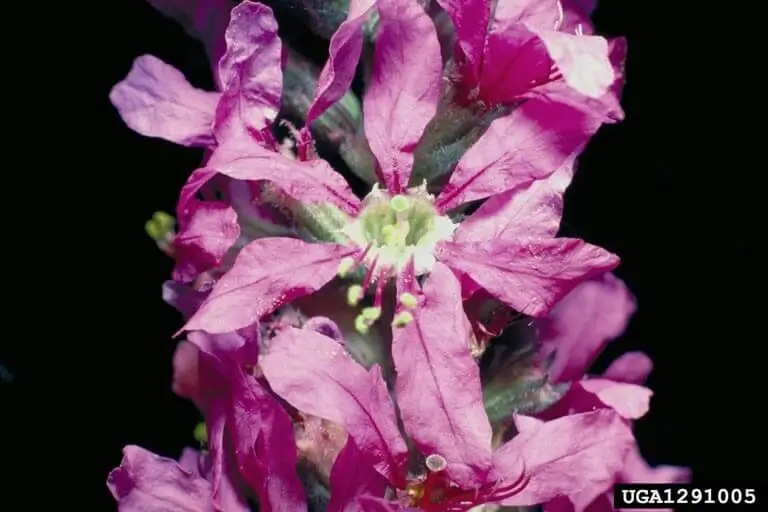
Purple loosestrife was planted in gardens in the U.S. because of its beautiful flowers.
Purple loosestrife was originally planted in gardens in the United States because of its bright purple flowers. Over time, it adapted to its new environment and began spreading into the wild. It grows quickly and forms thick patches that crowd out native wetland plants and wildflowers.
One plant that purple loosestrife often pushes out is the cattail, which many animals depend on for food and shelter. Cattails are one of the favorite foods of muskrats. If a pond is taken over by loosestrife, cattails die, and muskrats will leave the pond.
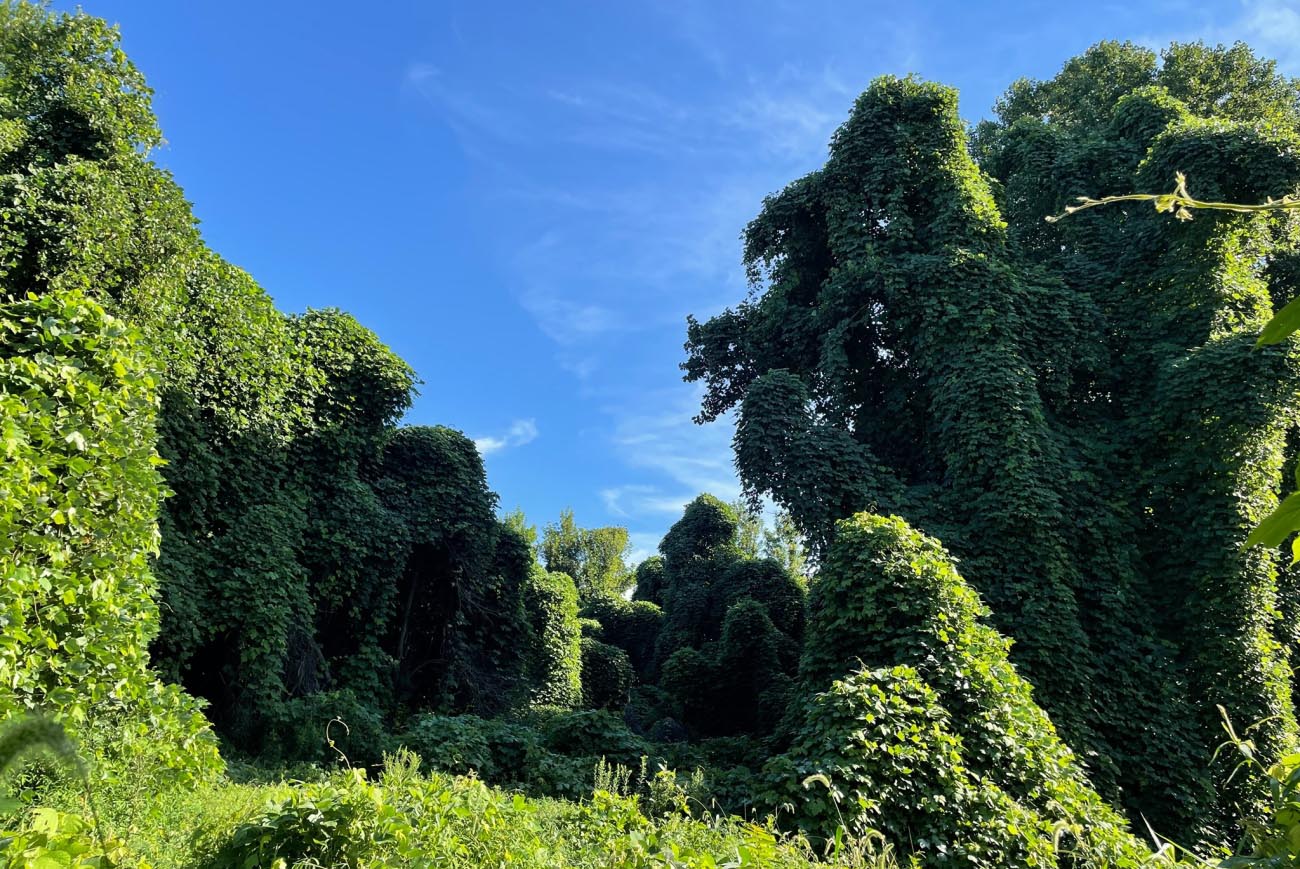
Kudzu is a plant from Japan.
Kudzu is a fast-growing vine that is native to Japan and other parts of Asia. It was brought to the United States in the late 1800s and early 1900s. At the time, people planted kudzu to help stop soil erosion and to provide shade for crops and animals.
Today, kudzu is considered an invasive species in many southern states. This means it spreads quickly and harms the natural environment. Kudzu can grow up to a foot (about 30 centimeters) in a single day during the summer. Its long vines climb over trees, shrubs, and buildings, forming thick blankets of leaves.
Because it grows so quickly, kudzu blocks sunlight from reaching other plants. Without sunlight, native plants can’t make the food they need through photosynthesis, so they often die. As kudzu takes over, it reduces the variety of plants and animals in an area.
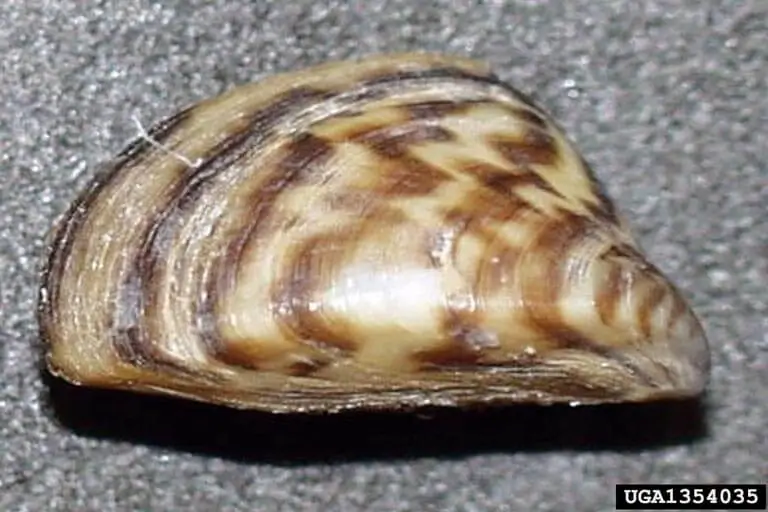
The zebra mussel is native to the Balkans.
Some exotic species are introduced by accident. The zebra mussel is native to the Balkans. The Balkans are in South Central Europe. It was brought to the U.S. when ships dumped their bilge water. The bilge water contained zebra mussel larvae. The mussels grew and attached themselves to the underwater parts of boats.
When those boats moved from place to place, the mussels colonized the new areas. Zebra mussels cause problems in many lakes and rivers by clogging up water supply pipes. They compete with native animals for zooplankton. Zooplankton are microscopic animals that are an important food source for many organisms.