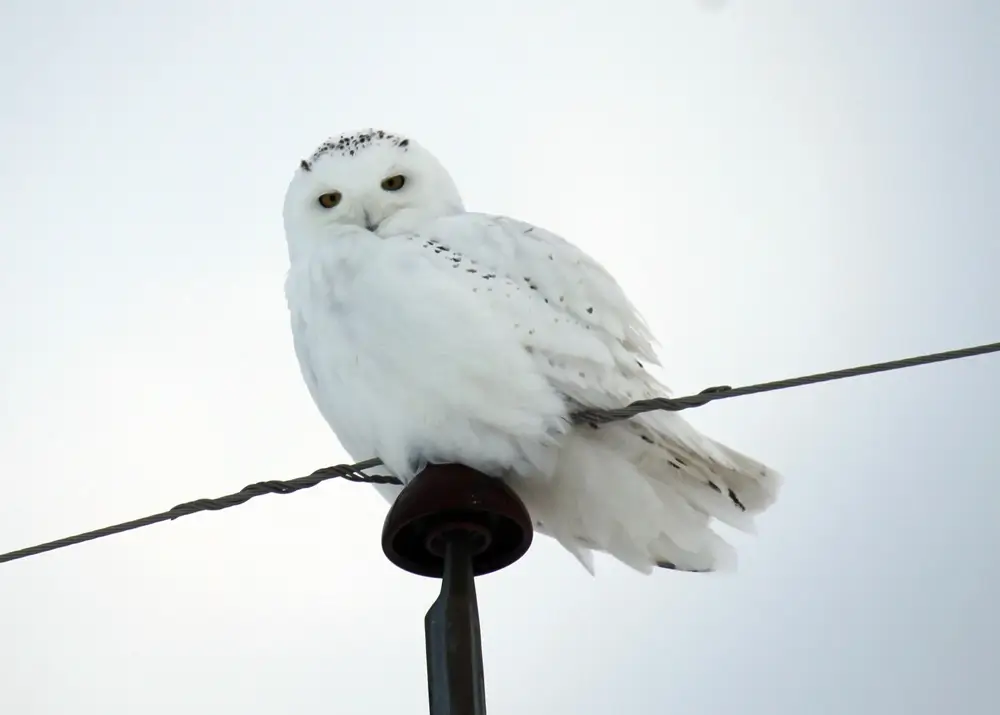
The snowy owl is 1.7-2.3 feet (0.52-0.7 m) tall with a wingspan of 4.5-5.5 feet (1.4-1.7 m). They weigh 3.25-6.5 pounds (1.5-3 kg) and are the heaviest species of owl in North America
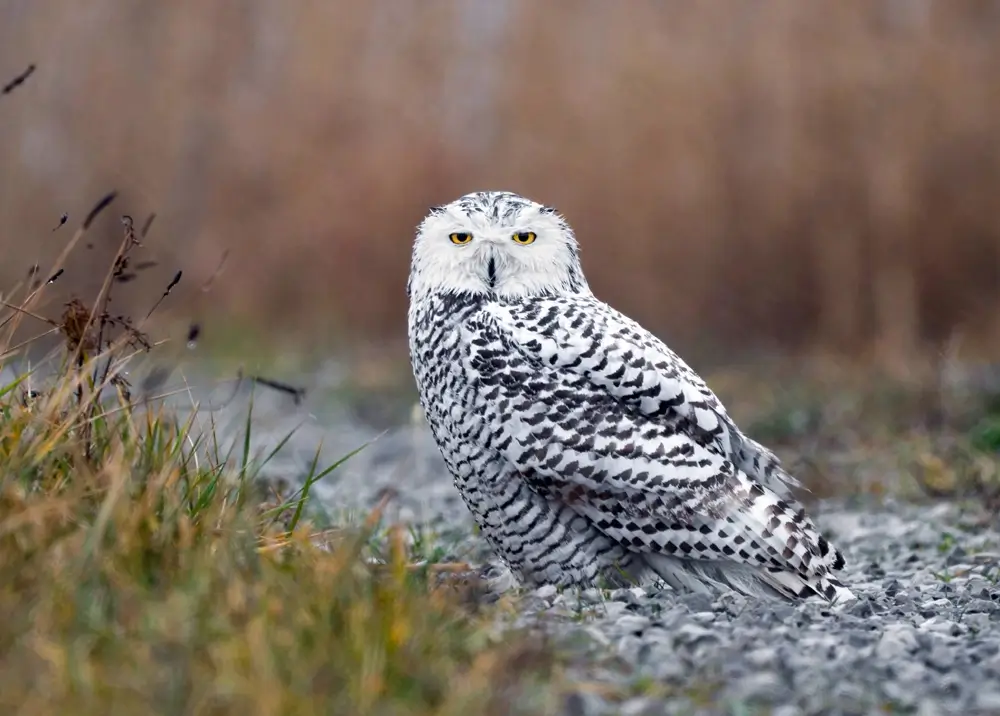
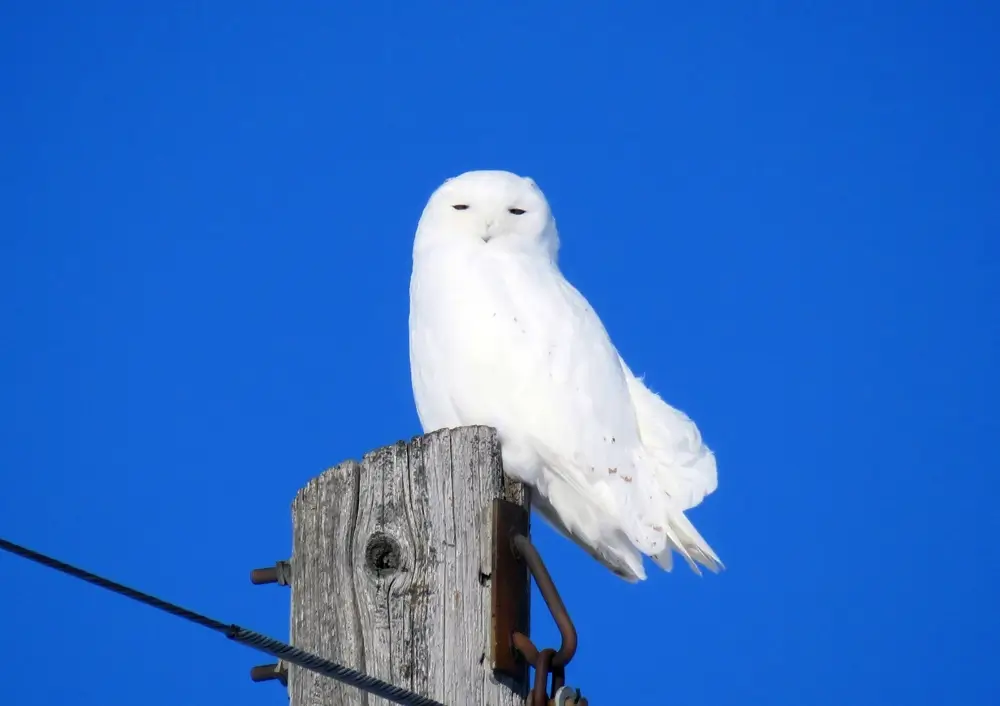
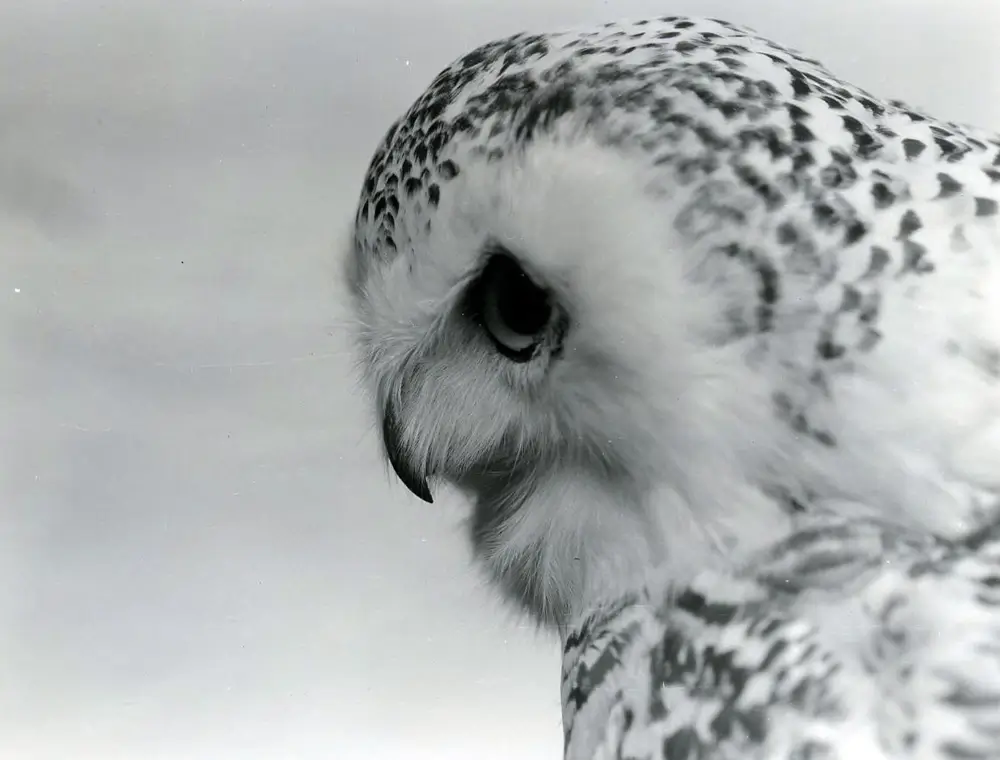
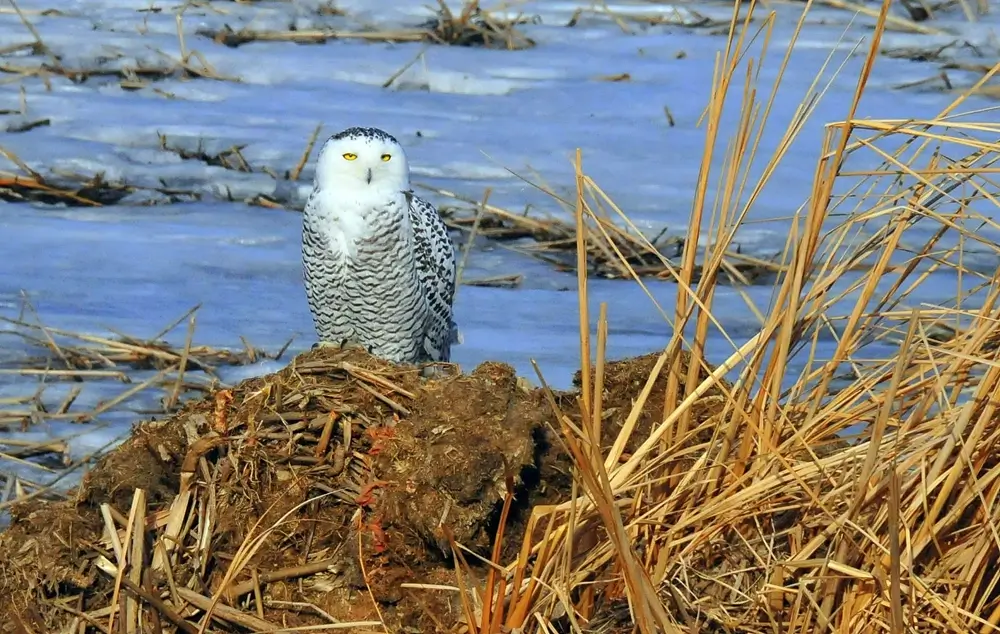
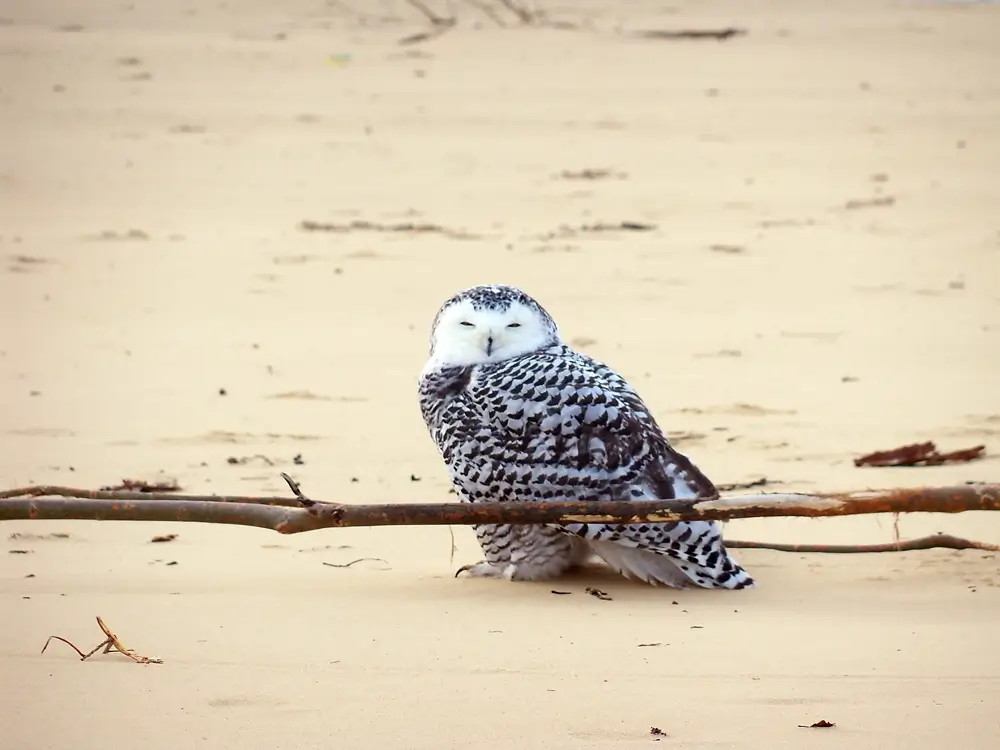
The snowy owl has dense white feathers, sometimes with some brown streaks. The female usually has more brown streaks than the male. Its legs are covered in thick feathers. It has a round head, yellow eyes, and very small ear tufts.
Habitat
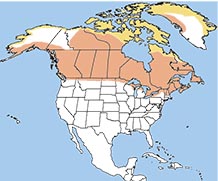
The snowy owl prefers open land at low elevations. It can be found in open tundra and fields. The snowy owl also likes to hunt in wet meadows.
Diet
The snowy owl prefers small mammals like lemmings and mice, but it also preys on rabbits, seabirds, and fish. It can consume up to 1,600 lemmings a year.
It hunts from an elevated point and waits for its food to come into view.
Life Cycle
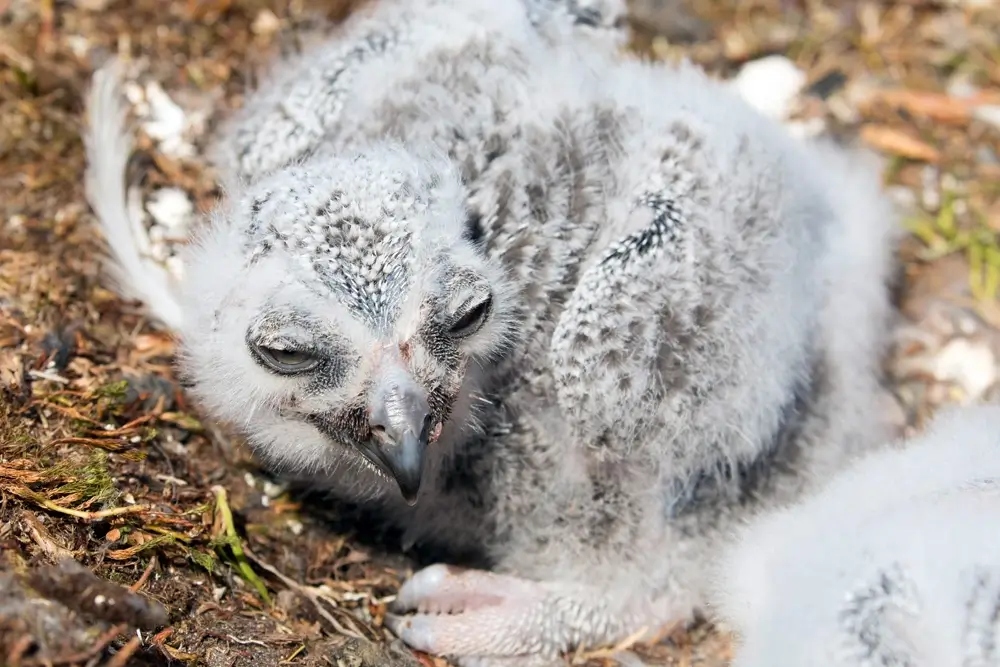
The snowy owl breeds between May and September. The female finds a nesting spot on the bare ground and scrapes out a shallow bowl in the ground to create a nest. She lays 3-11 white eggs but can lay up to 16 eggs if food is abundant. Eggs are incubated for about one month.
Both parents feed and protect the owlets; the male brings food to the nest. After 5-7 weeks, the owlets can hunt for themselves and leave the nest.
The snowy owl has a lifespan of 9-10 years in the wild. It can live as long as 28-35 years in captivity.
Behavior
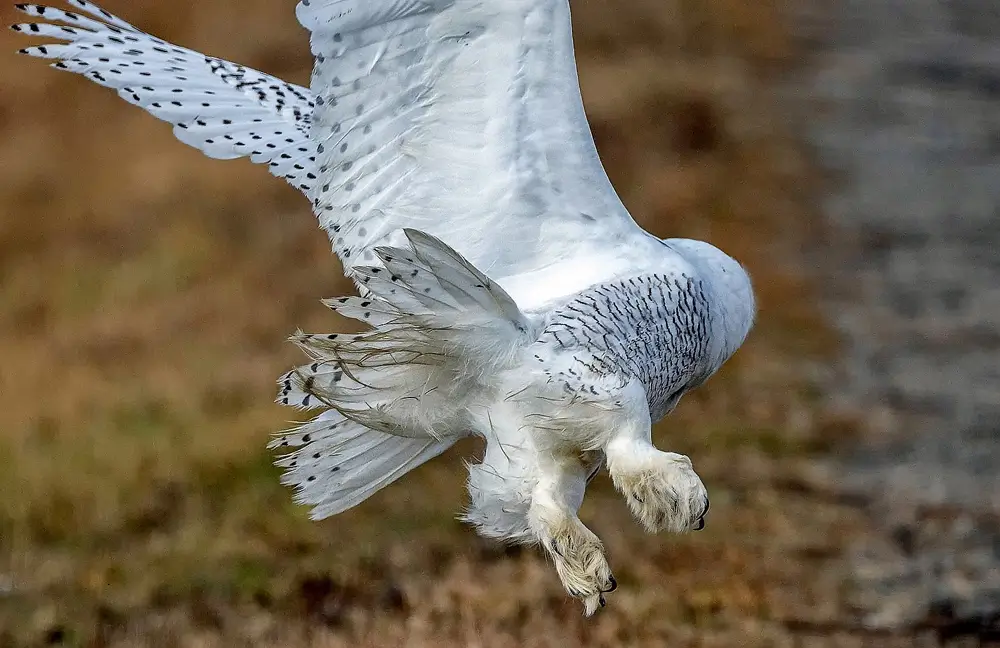
To defend their nest or attack, the snowy owl will dive-bomb its predators.
Did You Know?
The snowy owl can turn its head 270 degrees. This helps it locate food.
Support for NatureWorks is provided by:
The Snowy Owl in NH
The snowy owl does not breed in New Hampshire, but it is a rare winter visitor, usually in the Seacoast.