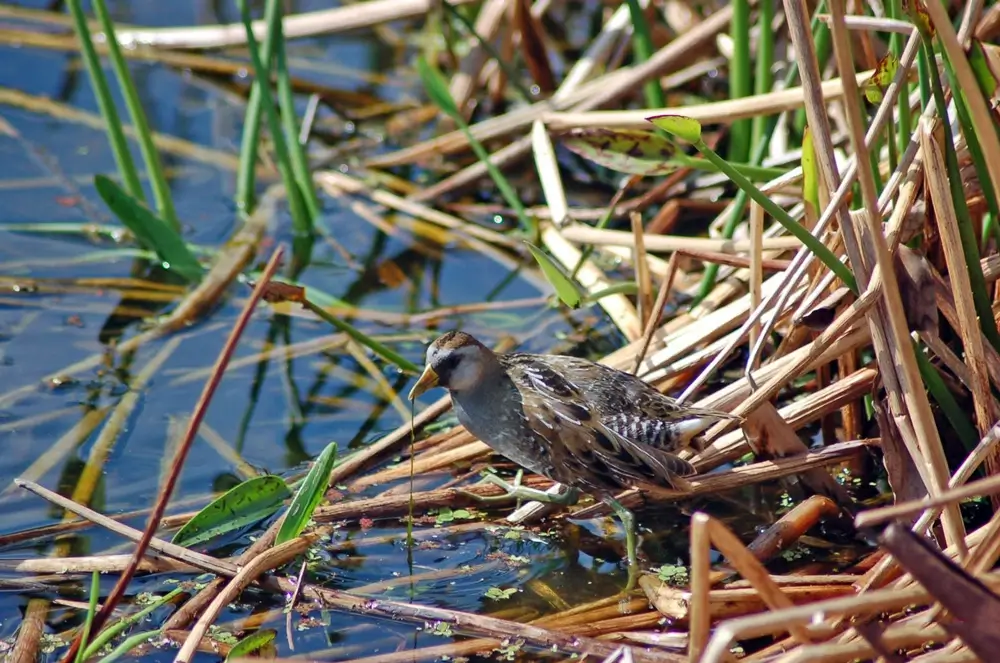
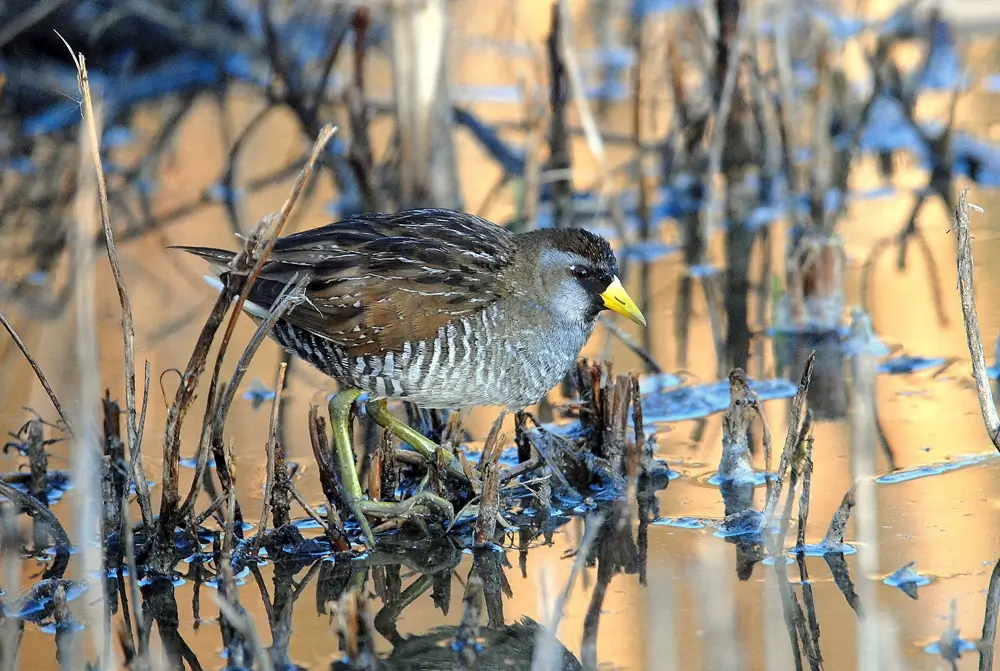
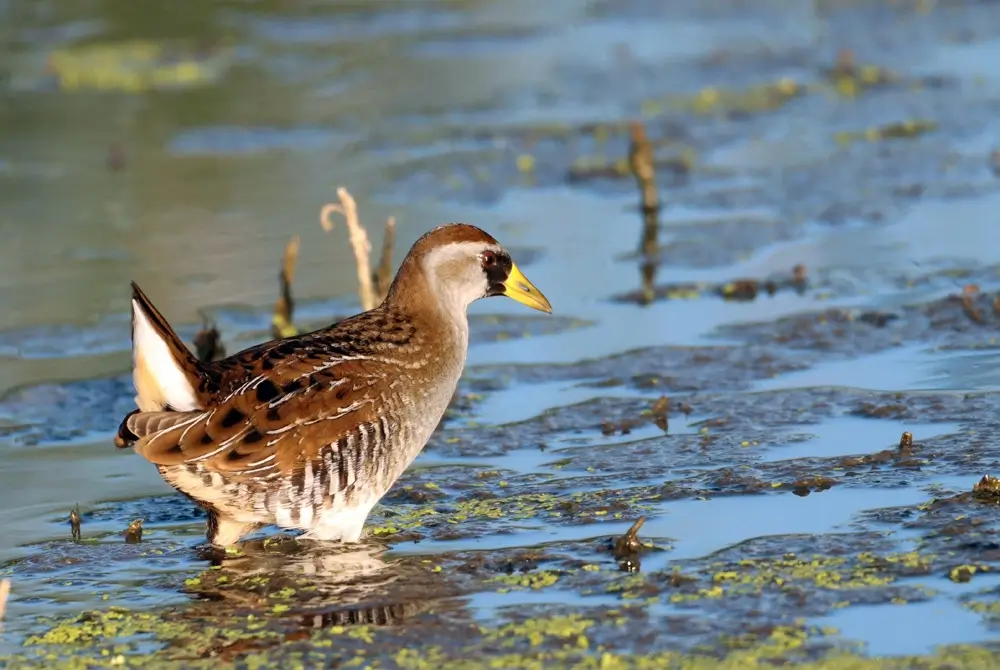
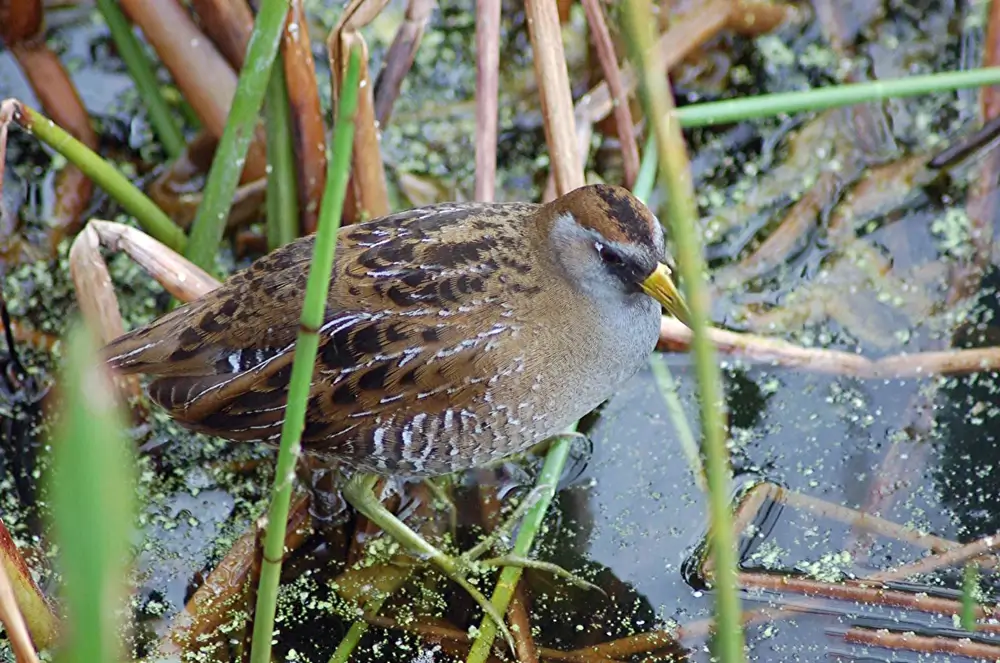
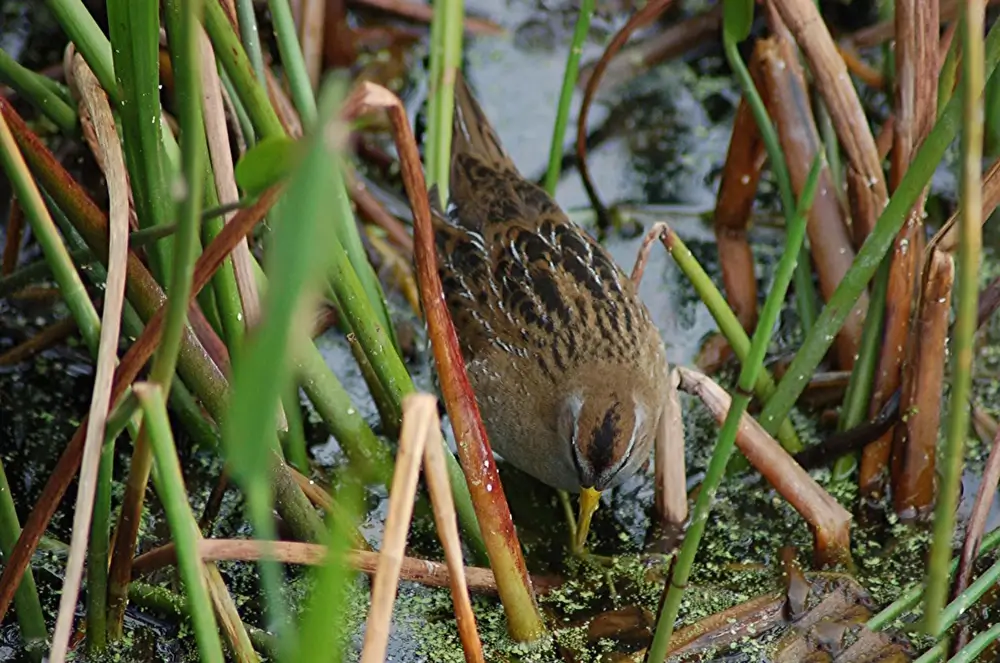
This small, shy marsh bird is 7.9-9.8 in (20-25 cm) in length with a wingspan of 14-15.7 inches (35-40 cm).
It has a yellow bill and yellow legs. It has a brown body and wings, a gray chest and belly, and a black mask on its face.
Habitat
The sora lives in salt, brackish, and freshwater marshes, rice fields, and marshy ponds. It prefers areas with cattails, sedges, and other tall plants.
Diet
The sora eats seeds, insects, and snails. It usually picks its food from the surface of the water, the ground, or off plants, but it will sometimes probe in the mud or vegetation for food.
Life Cycle
Soras form breeding pairs in the early spring. Both the male and the female preen for each other during courtship.
The female lays 6-15 eggs in a cup of cattails and dead leaves. The nest is usually located in a clump of reeds in an open area of a marsh close to water.
The chicks hatch after about 18 days. They are precocial and feed themselves shortly after hatching. Both parents incubate the eggs and care for the chicks. The chicks fledge in 20-25 days.
Behavior
The sora is rarely seen, but it is often heard. It is especially noisy at dawn when it calls out with a series of sharp calls and whinnying notes.
Did You Know?
The sora is sometimes called the Carolina crake or the sora rail.
Support for NatureWorks Redesign is provided by:
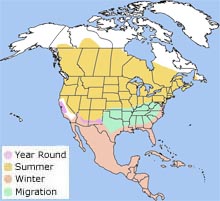
The Sora in NH
The sora breeds in New Hampshire. It is most common in the southern pat of the state.