

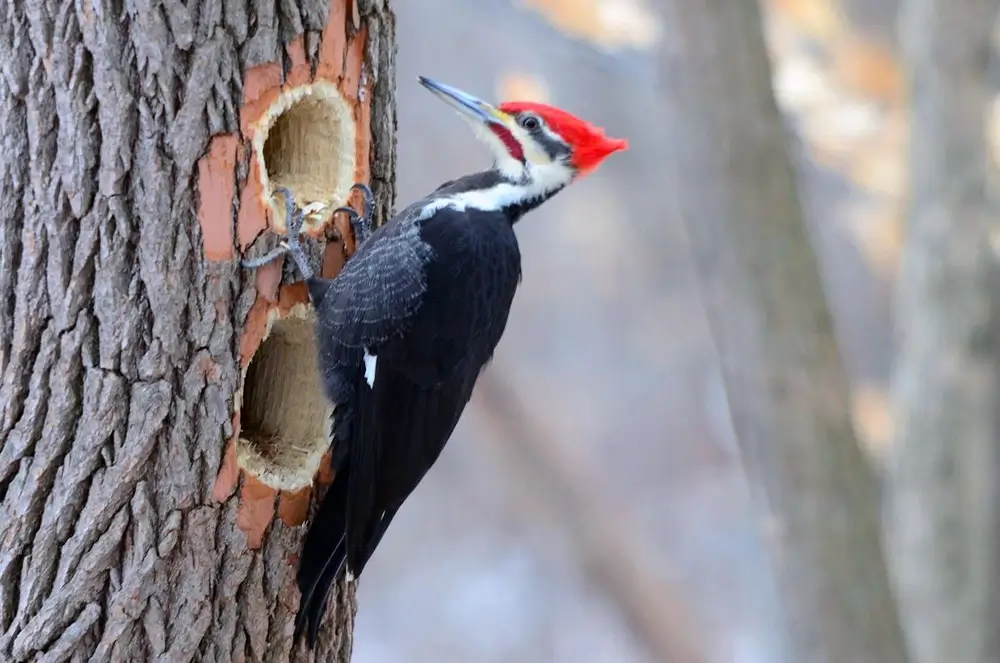
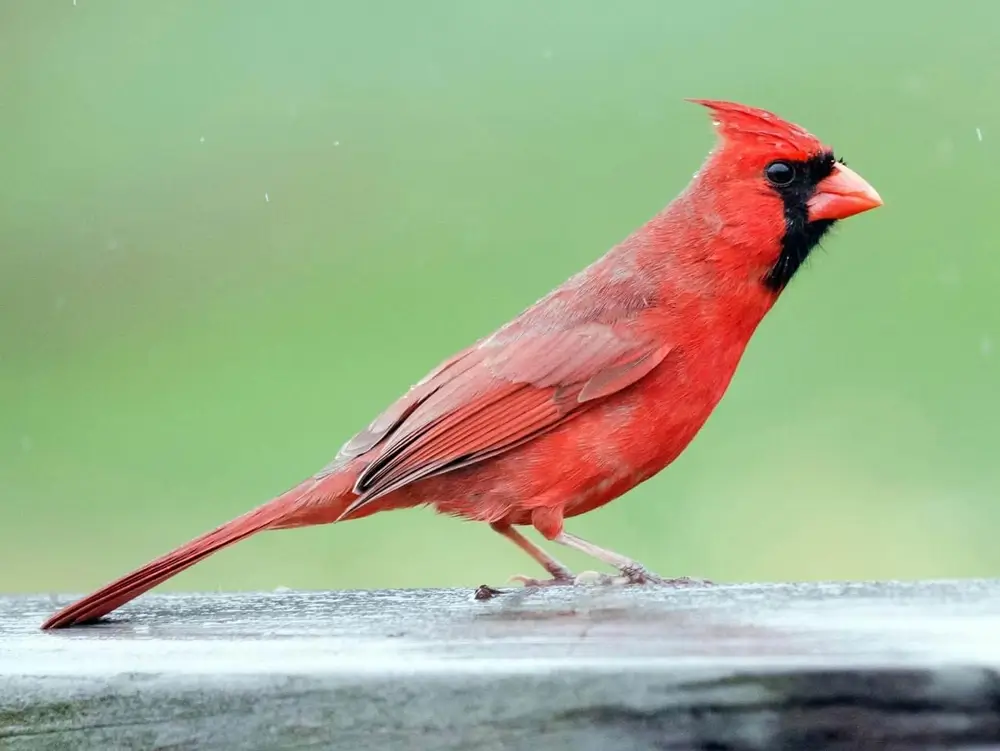
Northern Cardinal
Start close to home! Your own yard, neighborhood, or schoolyard may be a good place to start. Parks, hiking trails, lakes, shores, wetlands, and meadows are all good locations for bird watching.
Learning more about basic bird shapes, size, bills, plumage, behavior, and habitat can help you identify birds. For example, you are not going to find a crow swimming in the ocean and you will not find a swan sitting in a tree! Pay attention to movement in the trees and bushes. Know what birds you are likely to find in the area and where those birds are likely to be. Is the bird a ground-dweller or is it more likely to be found in the canopy of the trees? When is the bird active? Does the bird usually travel in flocks, small groups, pairs, or alone? Is the bird a migrant? What time of the year is it most likely to be found?
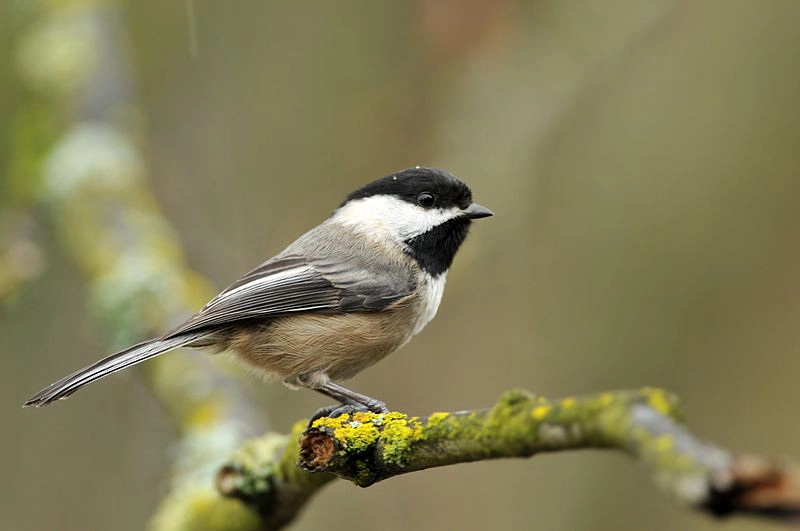
Black-capped Chickadee
Sometimes bird watching is really about bird listening! Listening for bird calls and songs can not only help you locate birds, but can also help you identify birds. Many species of birds look very similar and the easiest way to tell them apart is by their calls and songs.
Think about ways you can attract birds to your yard. Providing food, water, and shelter for birds can turn you yard into a bird haven! Is there a place where you can put up a bird feeder? Are their plants in your yard that attract birds? For example, sunflowers will attract a number of bird species that feed on their seeds. Bushes with berries will also attract birds.
