The eastern tiger swallowtail has a wingspan of 3-5.5 inches (7.9-14 cm). Females are usually larger than males, and butterflies from the southern part of their range are larger than northern populations.
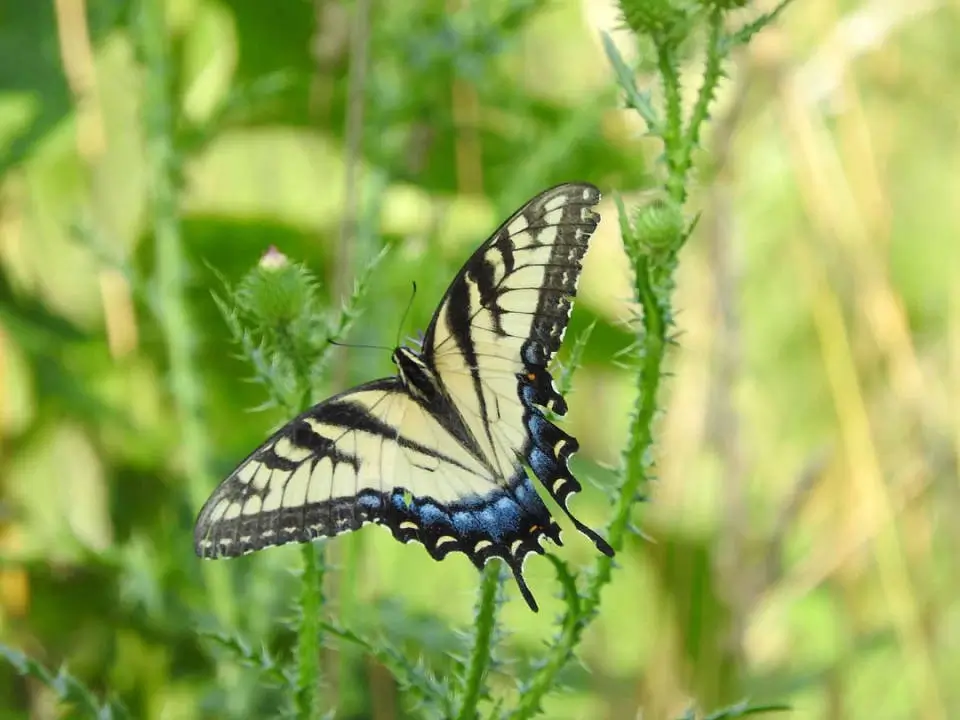
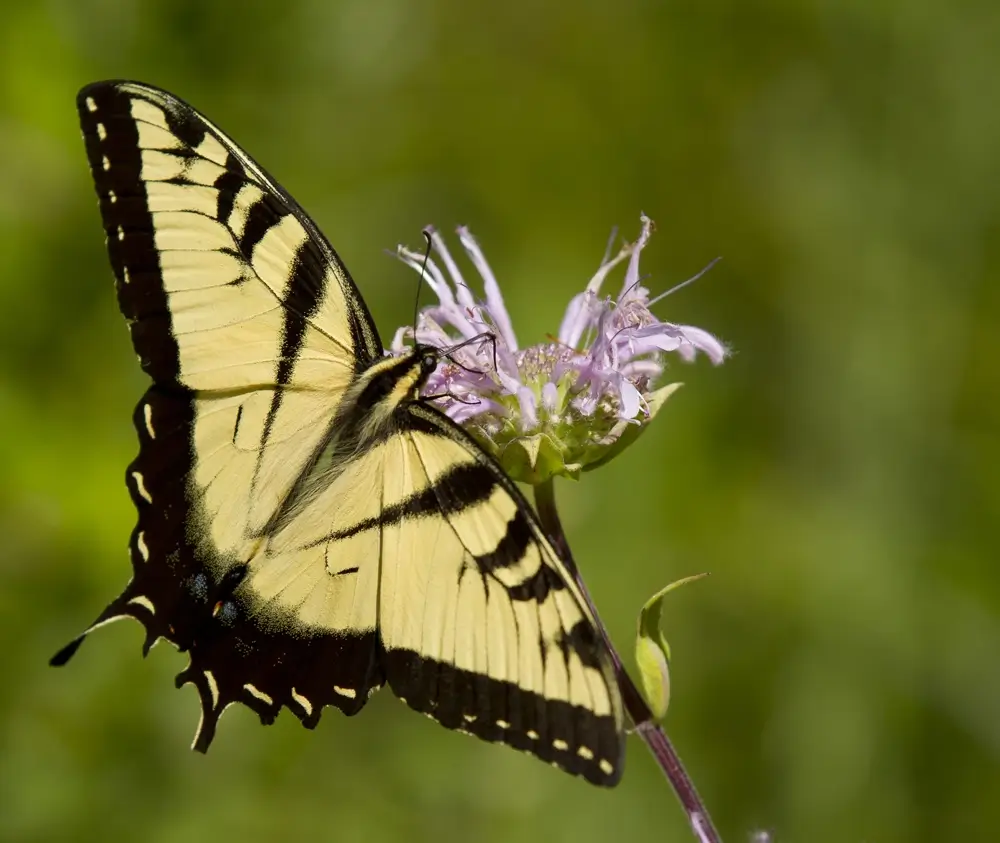
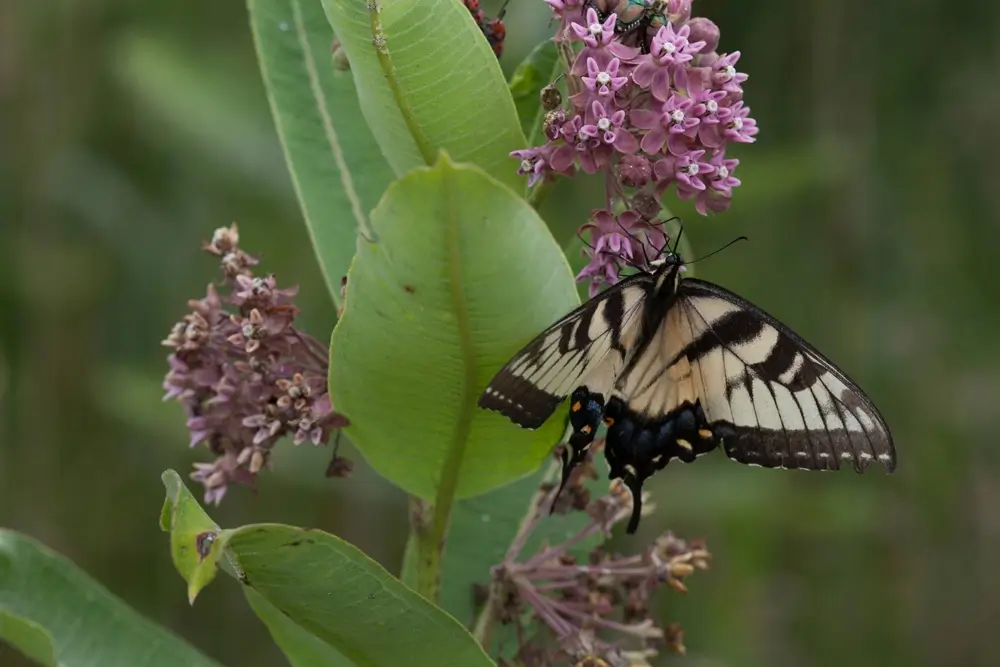
The color of the eastern tiger swallowtail can vary. Males are yellow or yellow-orange with black tiger stripes. Their wings are bordered in black with yellow spots, and there are black “tiger stripes” running across the top of their wings. Their long black tails have blue patches on them.
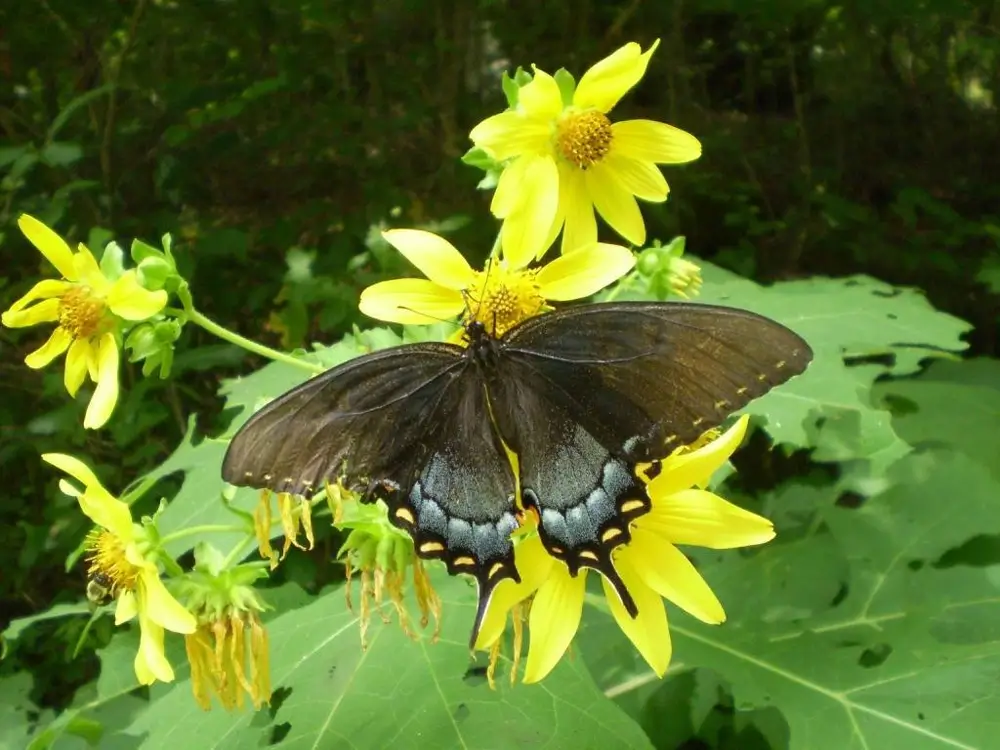
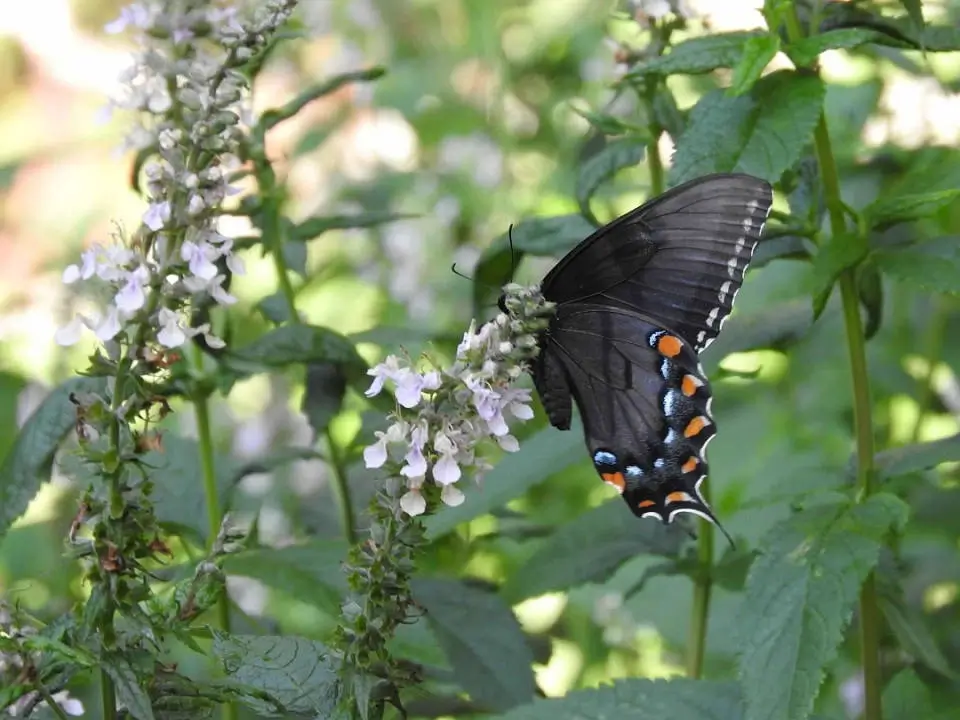
Females can range in color from the yellow of the male to an almost solid bluish-black. The black form of the eastern tiger swallowtail is most common in the southern part of its range.
In areas also inhabited by the pipevine swallowtail, a butterfly that has an unpleasant taste. The black form of the eastern tiger swallowtail may be an example of deceptive coloration using mimicry.
Habitat
The eastern tiger swallowtail is found in deciduous woods along streams, rivers, and swamps.
Diet
Eastern tiger swallowtail larvae eat the leaves of a variety of woody plants, including wild cherry, tulip, birch, ash, cottonwood, and willow.
Adults eat the nectar of flowers from a variety of plants, including butterfly bush, milkweed, Japanese honeysuckle, phlox, lilac, ironweed, and wild cherry.
Life Cycle
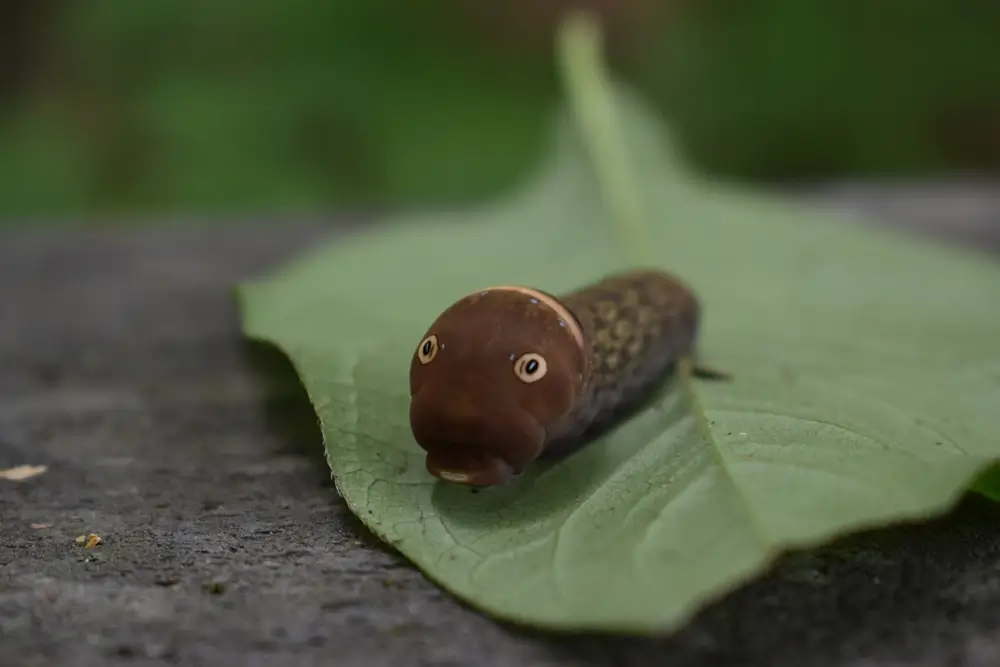
Female eastern tiger swallowtail butterflies lay single green eggs on the leaves of woody plants. The caterpillar is brown and white when it is young, but it changes as it grows older.
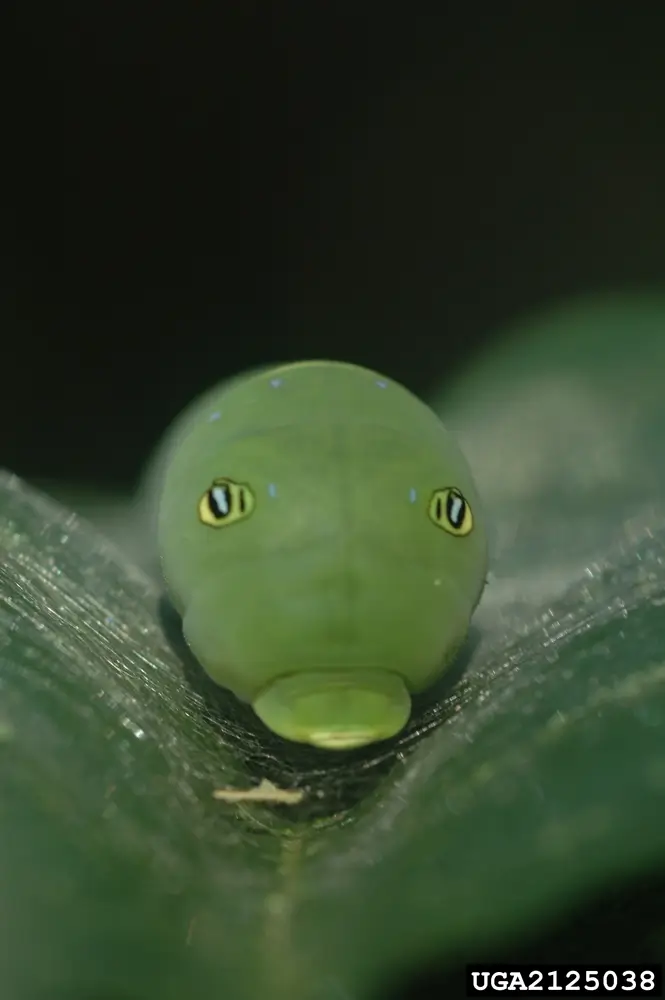
When the eastern tiger swallowtail caterpillar matures it is green with orange and black false eyespots. The eye spots are a type of deceptive coloration that helps protect the caterpillar from predators. Predators see the eye spots and think that the caterpillar is a much larger animal than it really is.
Behavior
Did You Know?
Support for NatureWorks Redesign is provided by:
The Eastern Tiger Swallowtail in NH
The eastern tiger swallowtail is found in New Hampshire.
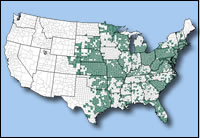
The eastern tiger swallowtail is found in North America east of the Rocky Mountains from Ontario, Canada south to the Gulf Coast and northern Mexico. It flies from the spring through the fall.