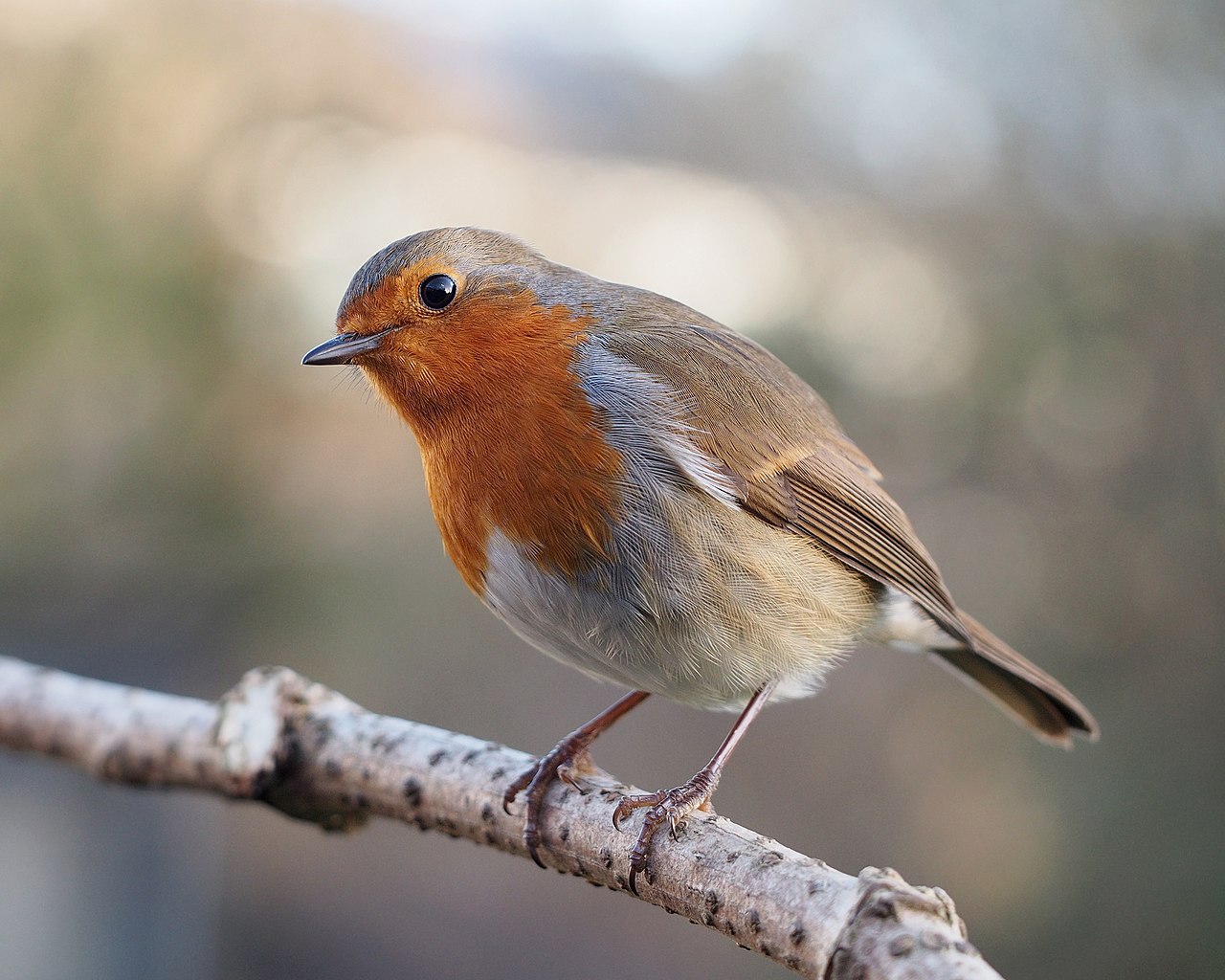
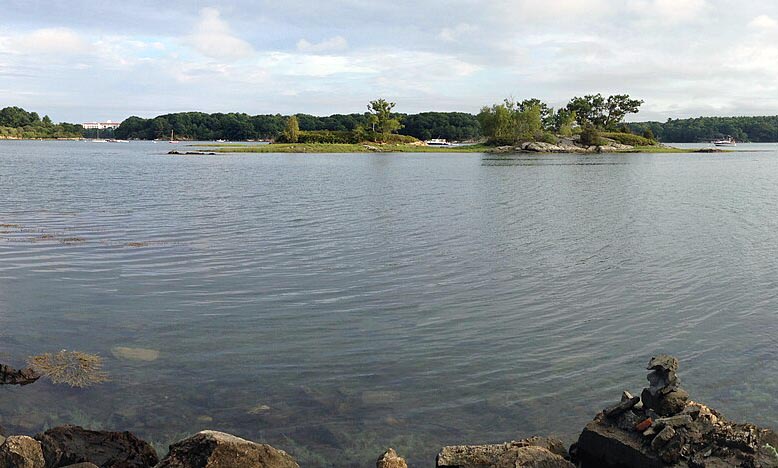
Piscataqua River - Image Credit: Fredlyfish4, CC BY-SA 4.0 via Wikimedia Commons
In 1603, Martin Pring of Bristol, England, sailed off the coastline of New England in search of sassafras, which was valued for its medicinal properties. On his voyage, he sailed down the Piscataqua River. He described the wildlife of the region as follows:
“The Beasts here are Stags, fallow Deere in abundance, Beares, Wolves, Foxes, Lusernes, and (some say) Tygres, Porcupines, and Dogges with sharp and long noses, with many other sorts of wild beasts.
The most usuall Fowles are Eagles, Vultures, Hawks, Cranes, Herons, Crowes, Gulls, and great store of other River and Sea-fowles. And as the land is full of Gods good blessings, so is the Sea replenished with great abundance of excellent fish, as Cods sufficient to lade many ships, which we found upon the coast in the month of June, Seales to make Oile withall, Mullets, Turbuts, Mackerels, Herrings, Crabs, Lobsters, Creuises and Muscles with ragged Peales in them.”
From “The Voyage of Martin Pring, 1603”
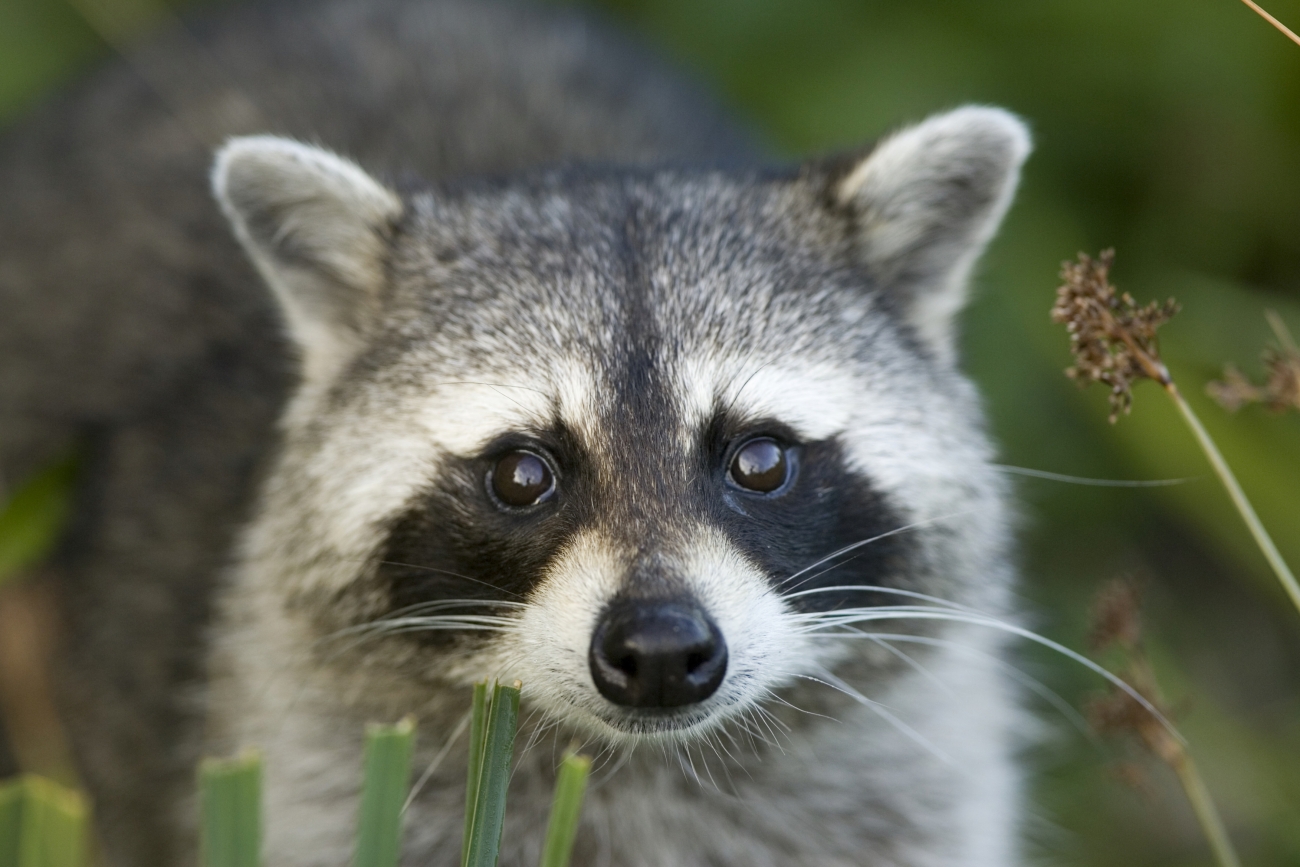
Raccoon comes from Virginia Algonquian “arocoun” and means “he scratches with the hands.”
Occasionally, the settlers adopted and adapted Native American names for the new wildlife they encountered.
Moose comes from the Eastern Abenaki moos, which means “strips bark from trees.”
Raccoon comes from the Virginia Algonquian arocoun and means “he scratches with the hands.”
Skunk comes from the Algonquian seganku, which means “he who squirts.”
Opossum comes from the Powhatan apasum and means “white animal.”
Caribou comes from the Micmac kaleboo and means “pawer, scratcher.”
Chipmunk comes from the Algonquian Ojibwa atchitamon and means “one who descends trees headlong.”
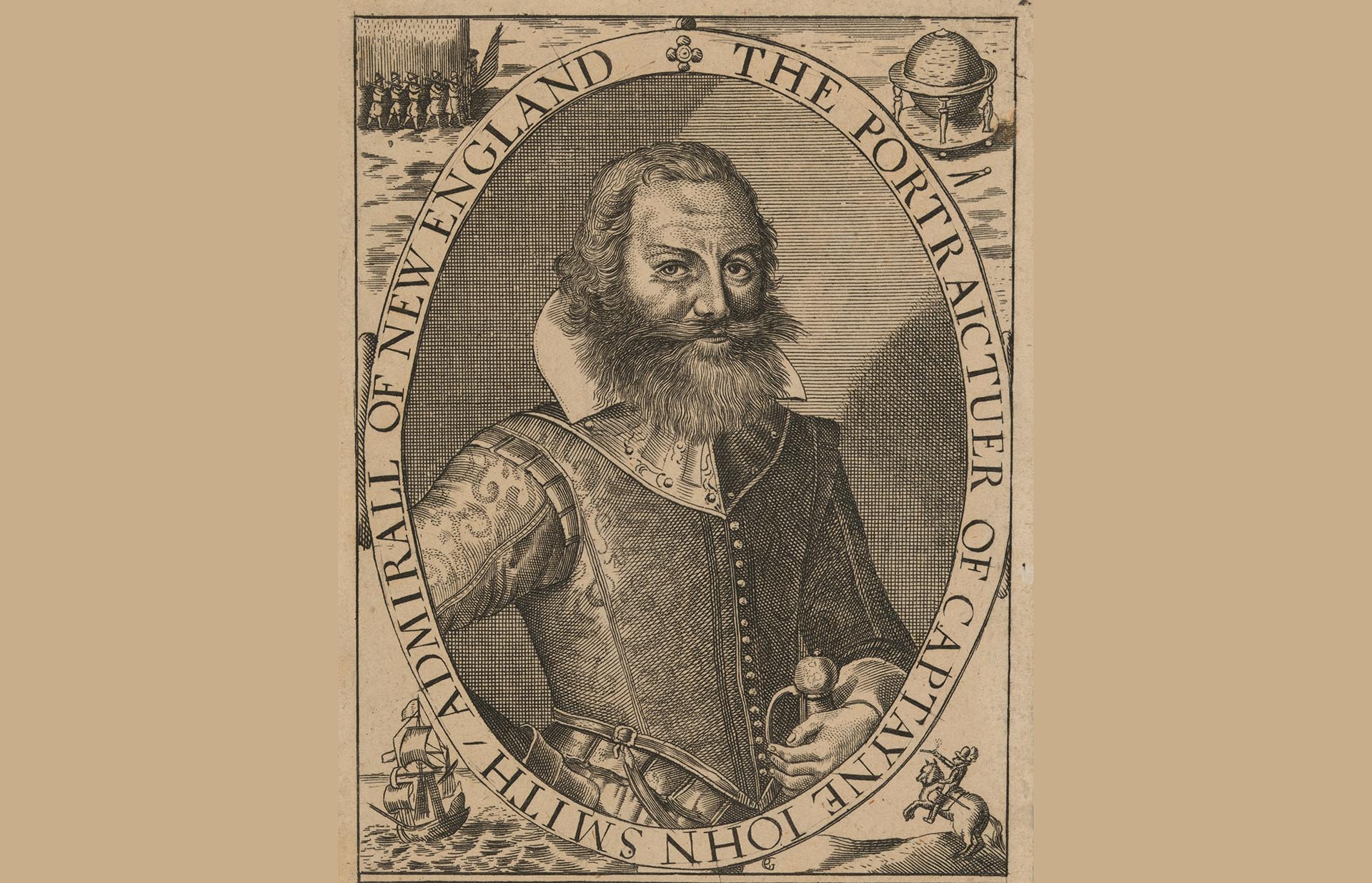
Captain John Smith
Captain John Smith provided the first English written reference to the raccoon in 1608 when he referred to raccoons as “Rahaugheums.” He wrote of an encounter with the head of a tribe:
“Arriving at Weramocomoco, their Emperour proudly lying uppon a Bedstead a foote high, upon tenne or twelve Mattes, richly hung with manie Chaynes of great Pearles about his necke, and covered with a great covering of Rahaugheums.”
From “A True Relation by Captain John Smith, 1608”
As you can see from this, raccoon was not the only word that evolved.
Captain Smith wrote again of the raccoon and other animals a few years later:
“There is a beast they call Aroughcun, much like a badger, but useth to live in trees as Squirrels doe. Their squirrels some are neare as greate as our smallest sort of wilde rabbits; some blackish or blacke and white but the most are gray.
A small beast they have, they call the Assapanick, but we call them flying squirrels, because spreading their legs, and so stretching the largenesse of their skins that they have been seen to fly 30 or 40 yards. An Opassom hath a head like a Swine, and a taile like a Rat, and is of the bignes of a Cat. Under her belly shee hath a bagge, wherein she lodgeth, carrieth, and sucketh her young. Mussascus is a beast of the forme and nature of our water Rats, but many of them smell exceeding strongly of muske.”
From “A Map of Virginia: With a Description of the Country, the Commodities, People, Government and Religion, 1612”
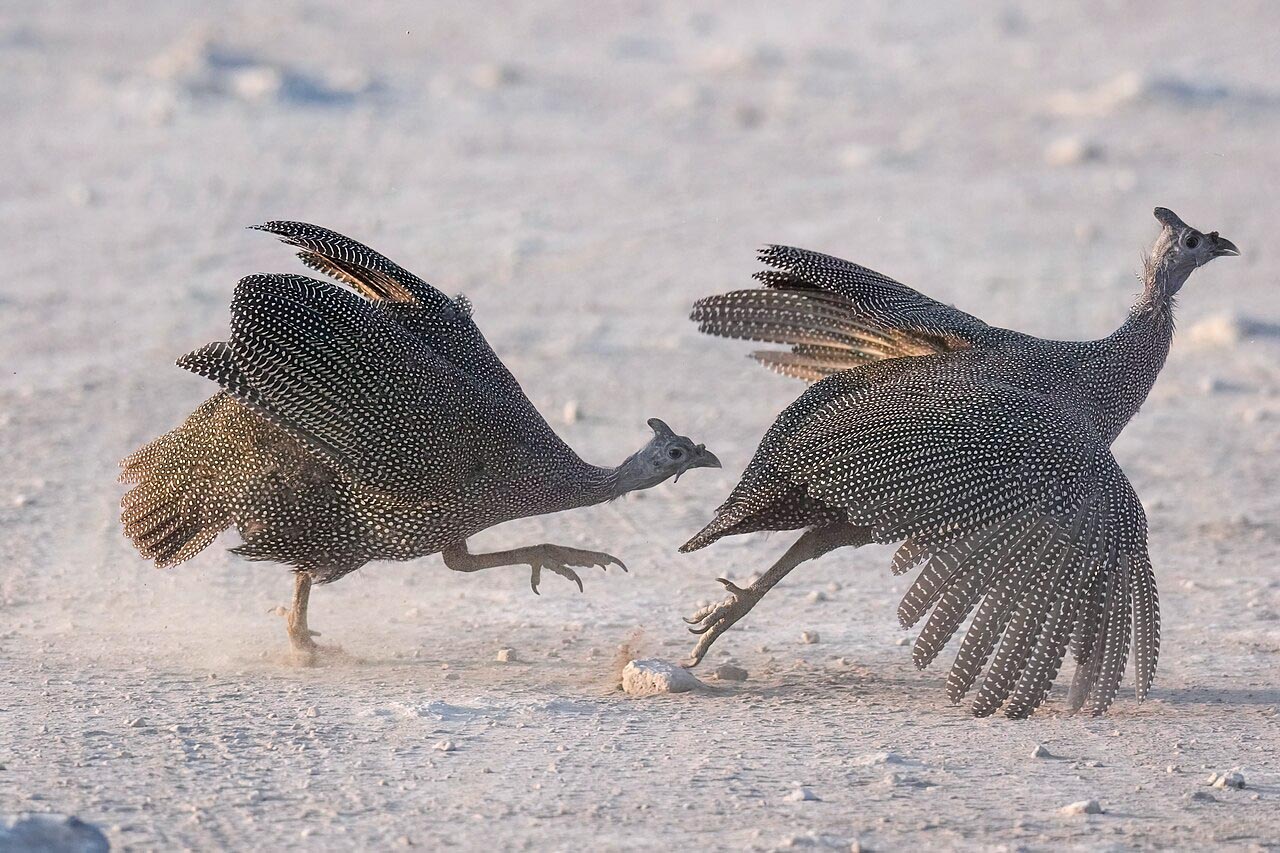
The turkey was similar in looks to the guinea-fowl.
How did the wild turkey get its name? It is native to North America, so the early European settlers had never seen it before. How did a North American bird get the name of a country in the Old World?
The turkey looks a bit like the guinea fowl. The guinea fowl is native to Africa, but it was brought to Europe from Turkey and was therefore sometimes called a turkey. So when the first European settlers saw the wild turkey, they named it after a bird they were already familiar with.