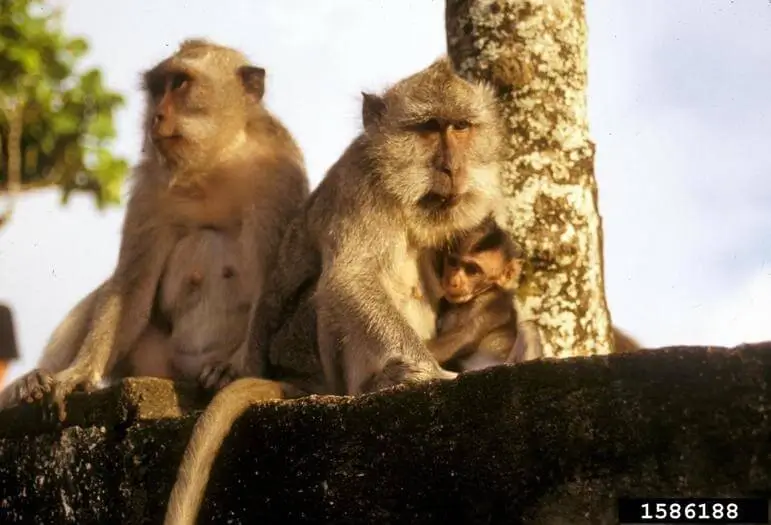
Touch is very important in many primate species.
Touch is very important in many primate species. Primates are social animals that often live in groups. Touch helps them build strong bonds, communicate, and keep peace within the group.
Many primates groom each other by cleaning and picking through one another’s fur. Grooming helps remove dirt and parasites, but it also strengthens friendships and trust.
Female primates also hold, cuddle, and comfort their young, helping them feel safe and protected.
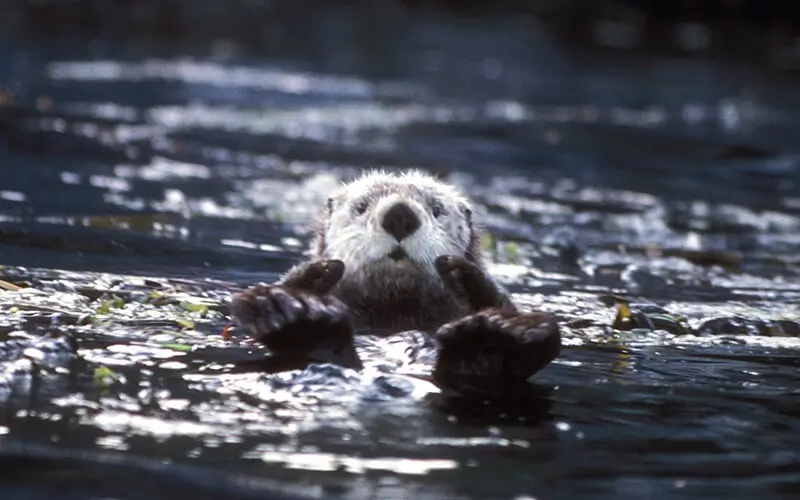
Sea otters are playful animals. They use touch to establish social bonds and to scent mark.
Sea otters are playful and social animals. They use touch to communicate, build friendships, and mark their scent.
Sea otters often rub their faces together and gently touch noses as a way of greeting one another. They have even been seen touching noses with other marine animals, such as seals and sea lions.
Sea otters also hold paws while floating in the water so they do not drift apart while resting or sleeping. Mothers frequently groom and cuddle their pups, helping them stay clean, warm, and safe.
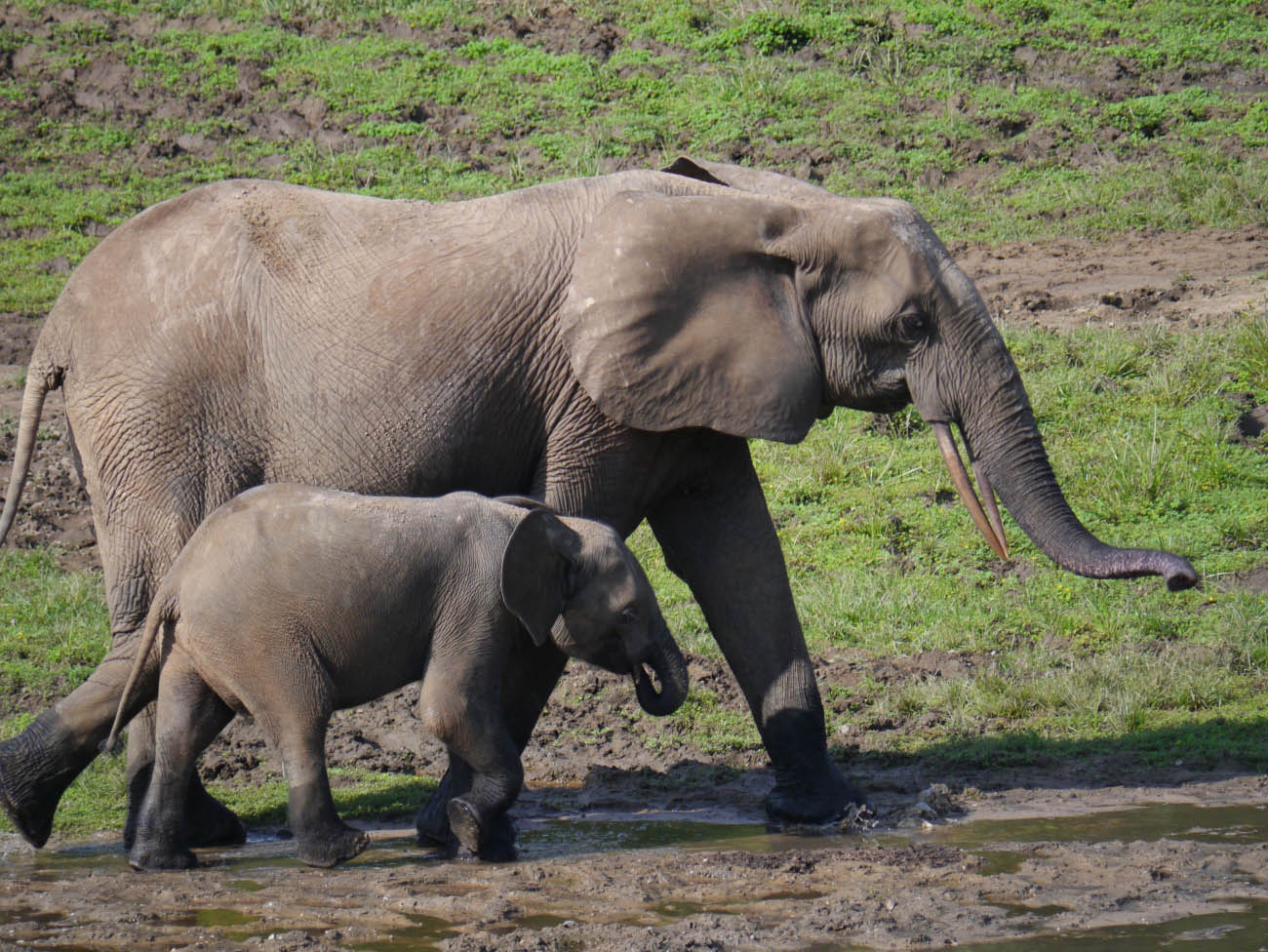
African forest elephant (Loxodonta cyclotis) with calf.
Elephants are well known for using touch to communicate. They often wrap their trunks around one another to greet family members or comfort a distressed elephant.
Mothers gently guide their calves with their trunks and may touch them to keep them close and safe.
Elephants also use touch during play and when working together to protect the herd.
These physical signals help build trust and strong social relationships. Touch is especially important because elephants live in close family groups and depend on one another for survival.
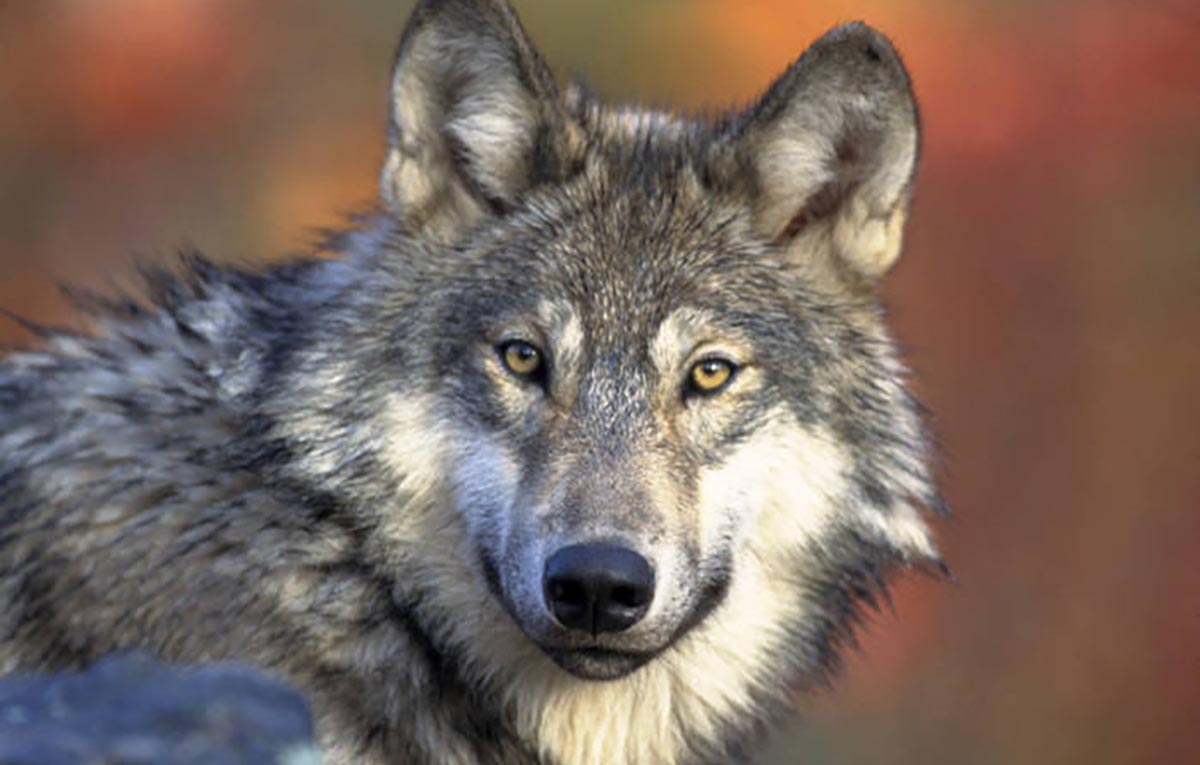
Wolves use tactile communication to establish bonds. pack bonds.
Wolves also rely on tactile communication within their packs. Wolves may nuzzle, lick, or rub against one another to show friendship and strengthen pack bonds. Adult wolves often lick puppies to groom and care for them.
Touch can also help establish rank within the group. For example, a lower-ranking wolf may gently nuzzle a leader to show respect and avoid conflict.
Wolves sometimes sleep close together or lean against one another for comfort, warmth, and protection.
During play, young wolves use gentle biting, pawing, and wrestling to practice social skills they will need as adults.

Dolphins, like this bottlenose, uses touch to communicate with each other.
Dolphins are another example of animals that use touch to communicate. Dolphins frequently rub their fins and bodies against one another while swimming.
Scientists believe this behavior helps strengthen social connections and may even reduce stress.
Mother dolphins stay in close physical contact with their calves, helping them feel safe and learn important survival skills.
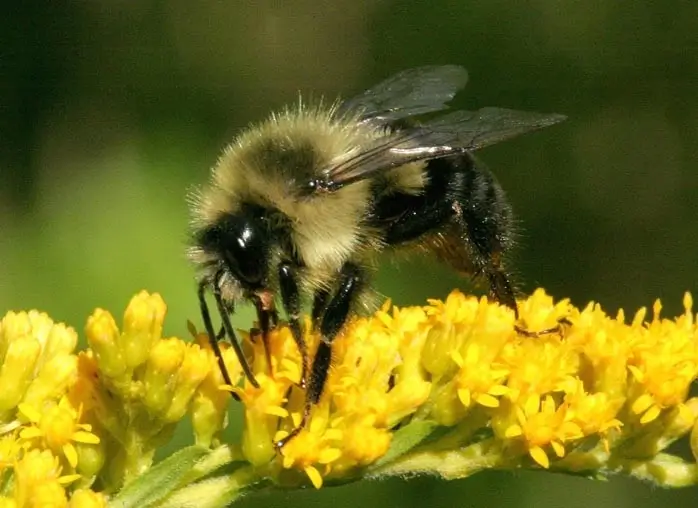
Insects, like bees use touch to communicate.
Even insects use tactile communication. Ants touch each other with their antennae to identify colony members and share information about food or danger.
Honeybees also use touch when performing movements inside the hive that help other bees locate food sources. These simple forms of contact allow thousands of insects to work together as a colony.