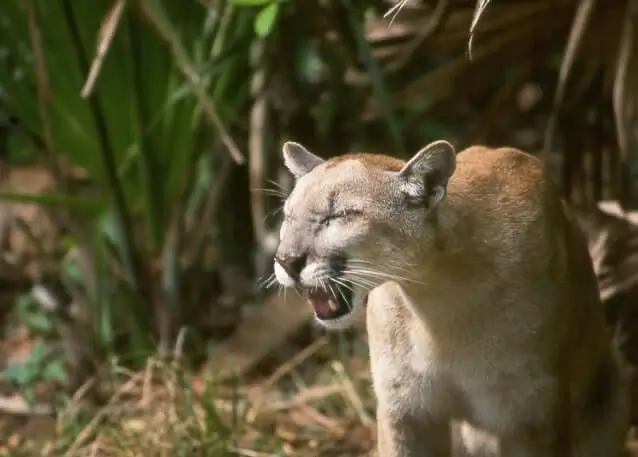
All animals in the phylum Chordata share a few important features, at least at some point in their lives—often during the embryo stage.
One key feature is the notochord, a flexible, rod-like structure made of cells. It acts like a support rod that helps hold up the body during early development. In some animals, like tunicates (sea squirts), the notochord disappears when they become adults. In others, like vertebrates, it is replaced by or surrounded by the backbone.
Chordates also have pharyngeal slits, which are openings in the throat area (pharynx) that connect to the outside. In some early animals, these slits help filter food from water. In fish, they develop into gills for breathing. In mammals, including humans, pharyngeal slits only appear during the embryonic stage and do not function in adults.
Another important feature is the dorsal nerve cord, a bundle of nerves that runs along the back of the body. In many chordates, this nerve cord develops into a brain at the front end and connects to nerves that control muscles throughout the body.
Chordates also have a post-anal tail, which is a tail that extends beyond the opening used for waste removal (the anus). Many animals have this tail as embryos, but in some, like humans, it disappears before birth.
The phylum Chordata is divided into three main groups (subphyla):
Cephalochordata – small, fish-like animals called lancelets
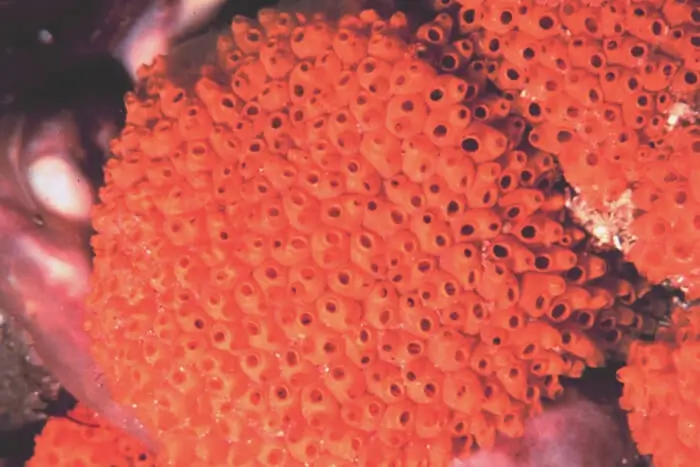
Urochordata – tunicates, also known as sea squirts