

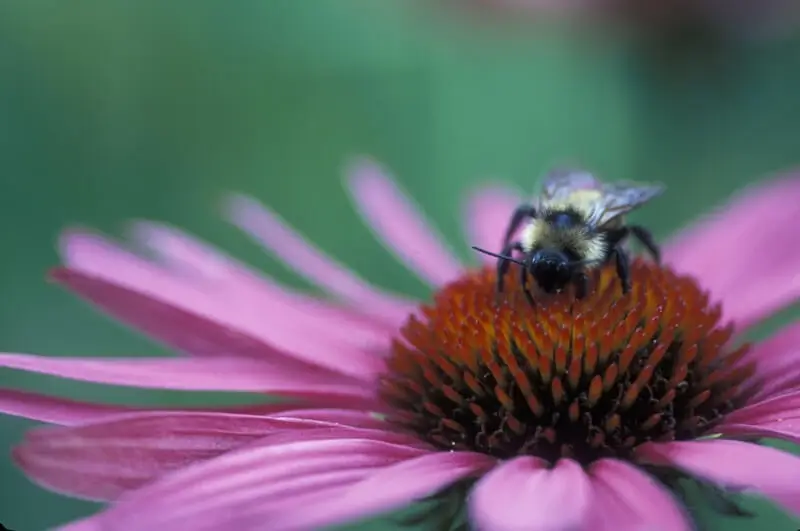
When bees gather nectar, they pick up pollen on their fuzzy bodies.
Bees collect nectar from flowers to use as energy. While gathering nectar, pollen sticks to their fuzzy bodies. As bees fly from flower to flower, some of the pollen rubs off onto other flowers. This process is called pollination, and it helps plants reproduce by making seeds and fruits.
Bees and flowers have a symbiotic relationship. In a symbiotic relationship, both living things benefit. Bees get the nectar they need for food and energy, while flowers are pollinated, letting them grow new plants. Without bees and other pollinators, many plants would have trouble reproducing.
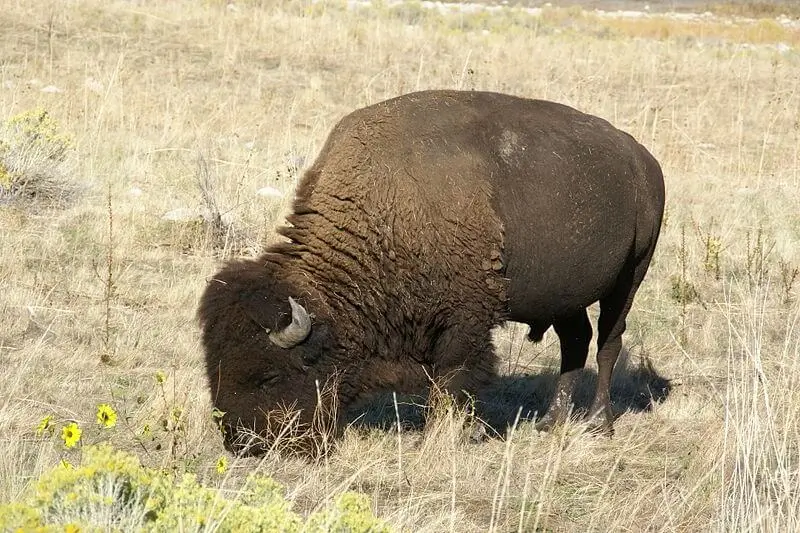
Plants are often very easy for herbivores to find, but they are sometimes low in the nutrients the animals need to grow and stay healthy.
Plants are often easy for herbivores to find, but many plants do not provide all the nutrients animals need to grow and stay healthy. Seeds are usually rich in energy-packed nutrients such as starches, but other plant parts—like stems and leaves—contain fewer nutrients.
Because of this, herbivores that feed mainly on leaves and stems must spend a large part of their day grazing or browsing to eat enough food to meet their energy and nutritional needs.
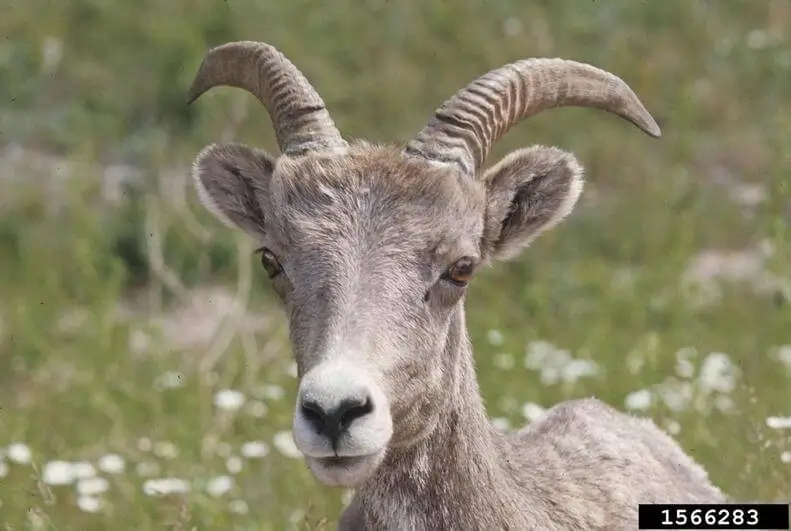
Some herbivores have digestive systems to help them get the most out of the plants they eat.
Some herbivores have special digestive systems that help them get the most nutrients and energy from the plants they eat. Animals such as sheep, cows, goats, moose, and white-tailed deer have a special stomach chamber called a rumen. Inside the rumen, tiny microorganisms, including bacteria and other microbes, help break down cellulose, the tough material found in plant cell walls. Animals with this type of digestive system are called ruminants.
Ruminants first swallow their food with only a little chewing. Later, the partially digested food returns to the animal’s mouth, where it is chewed again to help break down the cellulose even more. This partially digested food is called cud. After being re-chewed, the food is swallowed again and continues through the digestive system for further digestion. When you hear that an animal is “chewing its cud,” it means the animal is chewing food that it has already swallowed once before.
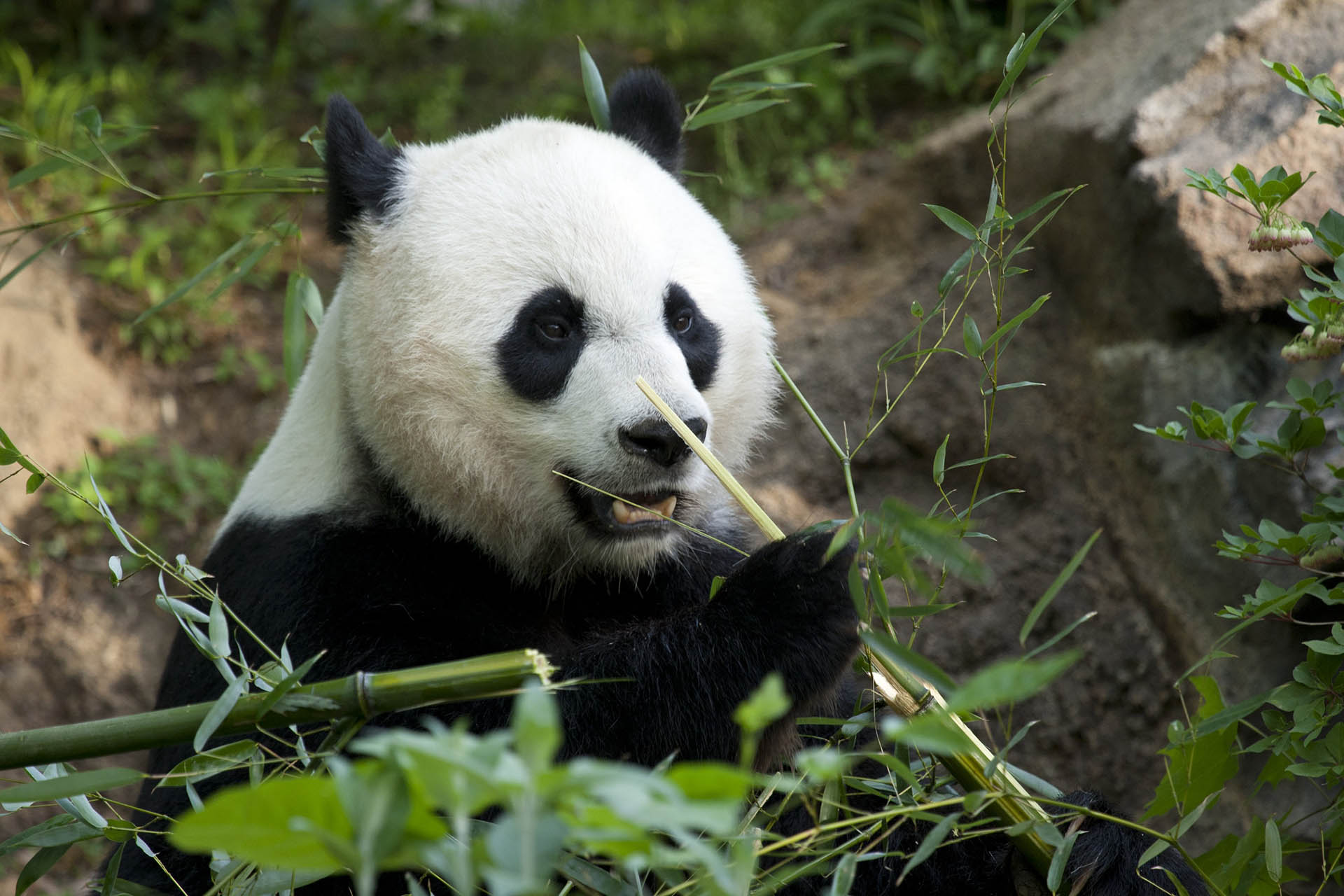
The giant panda eats bamboo and spends much of the day chewing its tough stems and leaves.
Some herbivores are so specialized that they depend almost entirely on a single type of plant for survival. The giant panda, for example, eats mostly bamboo and spends much of the day chewing its tough stems and leaves.
Koalas in Australia rely almost completely on eucalyptus leaves, which provide both food and moisture. In Madagascar, bamboo lemurs feed mainly on bamboo, even though some kinds contain chemicals that are poisonous to many other animals.
Depending on one plant can be risky because if that plant disappears due to disease, climate change, or habitat loss, the animals may struggle to survive. These close relationships show how plants and animals in ecosystems are often deeply connected.
