There are seven species in this family, including chimpanzees, gorillas, orangutans, and humans.
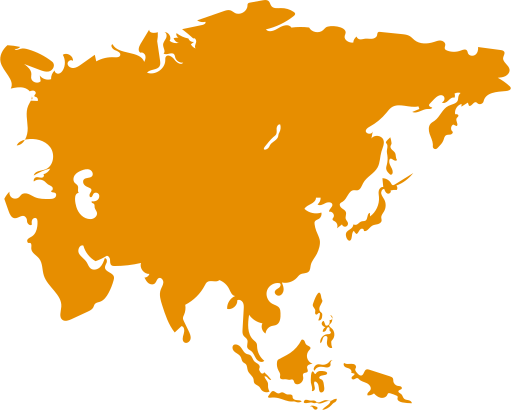
This family used to include just humans, but new DNA analysis shows that gorillas and chimpanzees should also be in this family. Except for humans, all of the species in this family are found only in Africa and Asia.
Hominids have no tails, well-developed forearms; five fingers and five toes; and except for humans, opposable thumbs and big toes. Humans only have opposable thumbs. Hominids can stand up on two legs, and humans always walk on two legs.
Males are larger than females. Hominids have large brains in relation to their body size. They are very social and use vocalizations as well as visual displays to communicate. Some species of hominids can use language to communicate.
Humans can talk, and other species of hominids, like gorillas and chimpanzees, have successfully been taught to communicate using sign language.
All hominids, except for humans, are good tree climbers, and orangutans live in trees.
Female hominids usually give birth to a single baby and take care of it for several years.
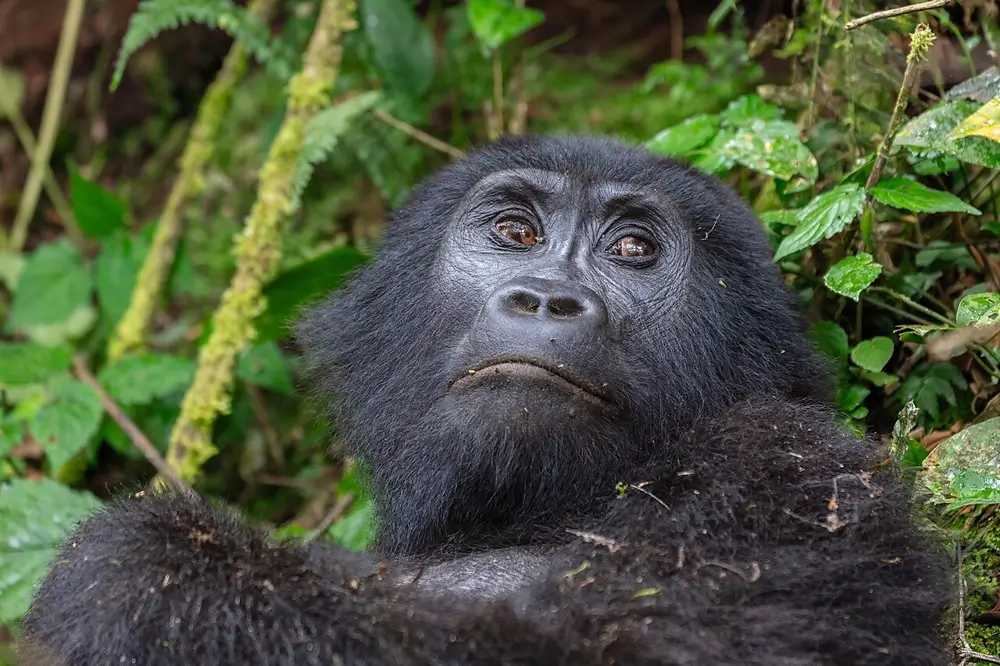
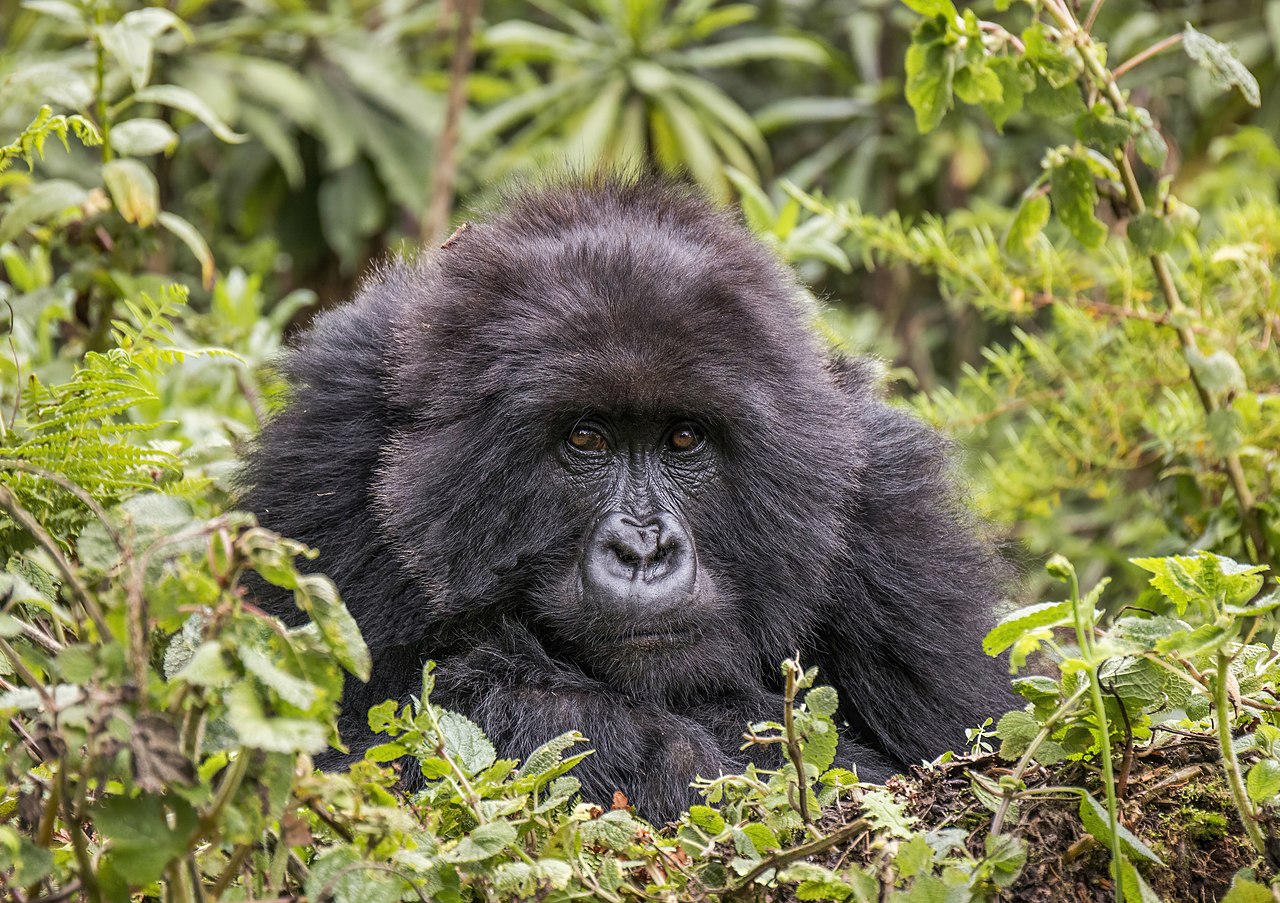
Eastern Gorilla (Gorilla beringei)
The eastern gorilla is found in Congo, Rwanda, and Uganda. IUCN Redlist: Endangered
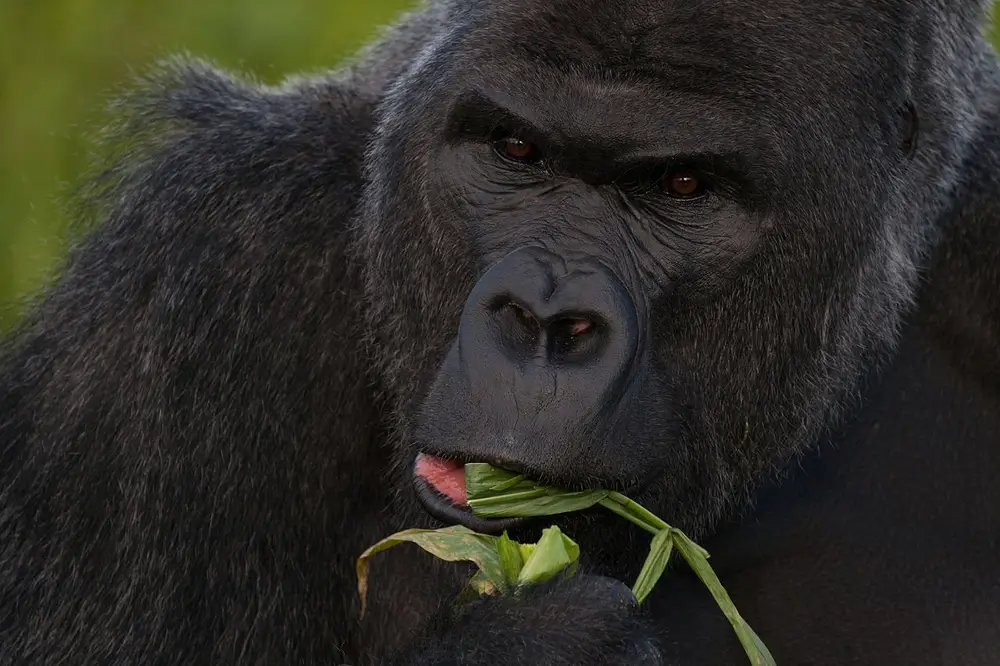
Western Gorilla (Gorilla gorilla)
The western gorilla is found in Angola, Cameroon, Central African Republic, Congo, Equatorial Guinea, Gabon, and Nigeria. IUCN Redlist: Critically Endangered
Humans (Homo sapien)
Humans are the most wide-spread of the primates.
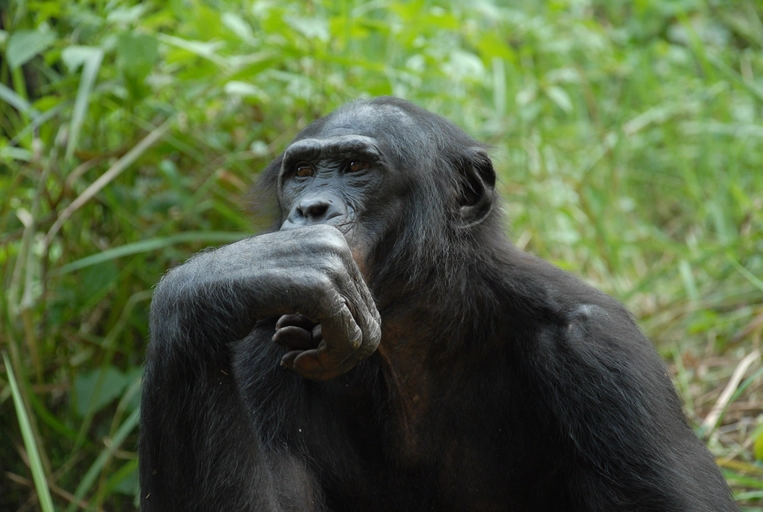
Bonobo (Pan paniscus)
The bonobo is found in the Democratic Republic of the Congo. IUCN Redlist: Endangered
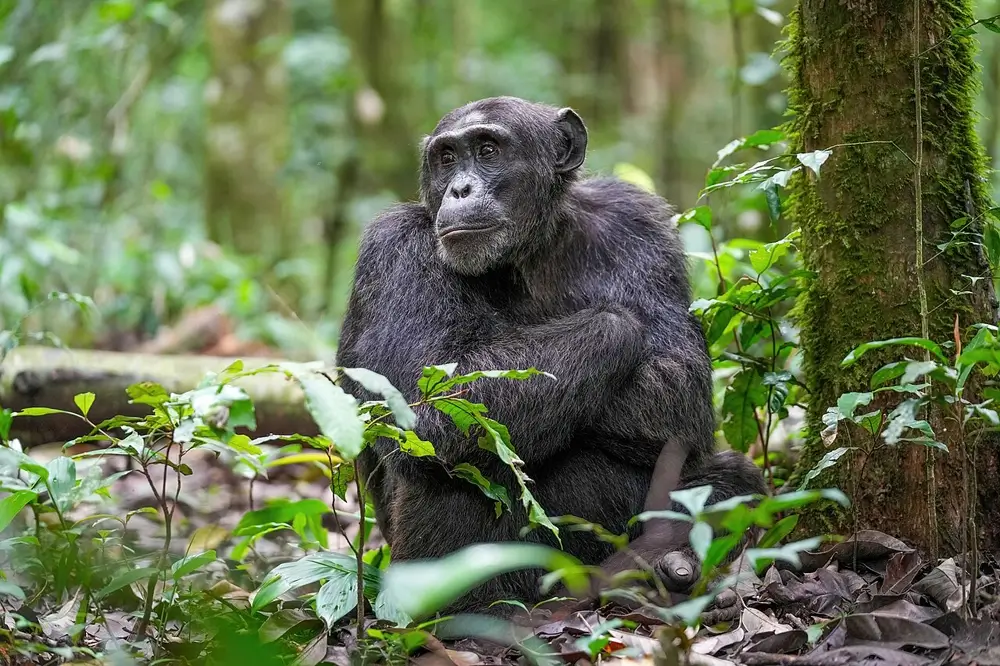
Chimpanzee (Pan troglodytes)
The chimpanzee is found in Angola, Burkina Faso, Burundi, Cameroon, Central African Republic, Congo, Côte d'Ivoire, Equatorial Guinea, Gabon, Ghana, Guinea, Guinea-Bissau, Liberia, Mali, Nigeria, Senegal, Sierra Leone, Sudan, Tanzania, and Uganda. IUCN Redlist: Endangered
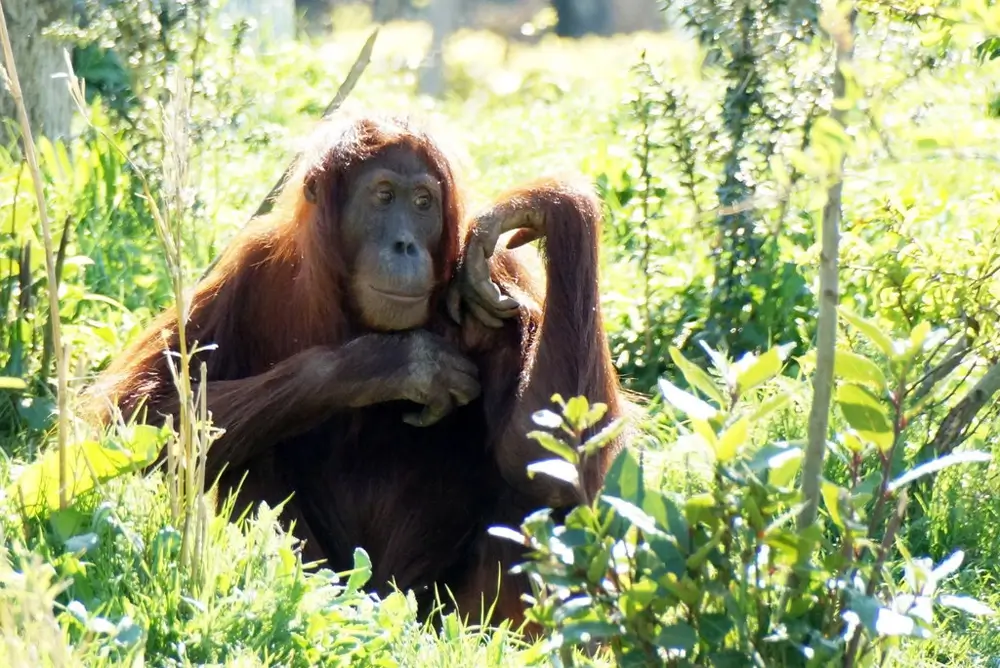
Sumatran Orangutan (Pongo abelii)
The Sumatran orangutan is found in Indonesia. IUCN Redlist: Critically Endangered
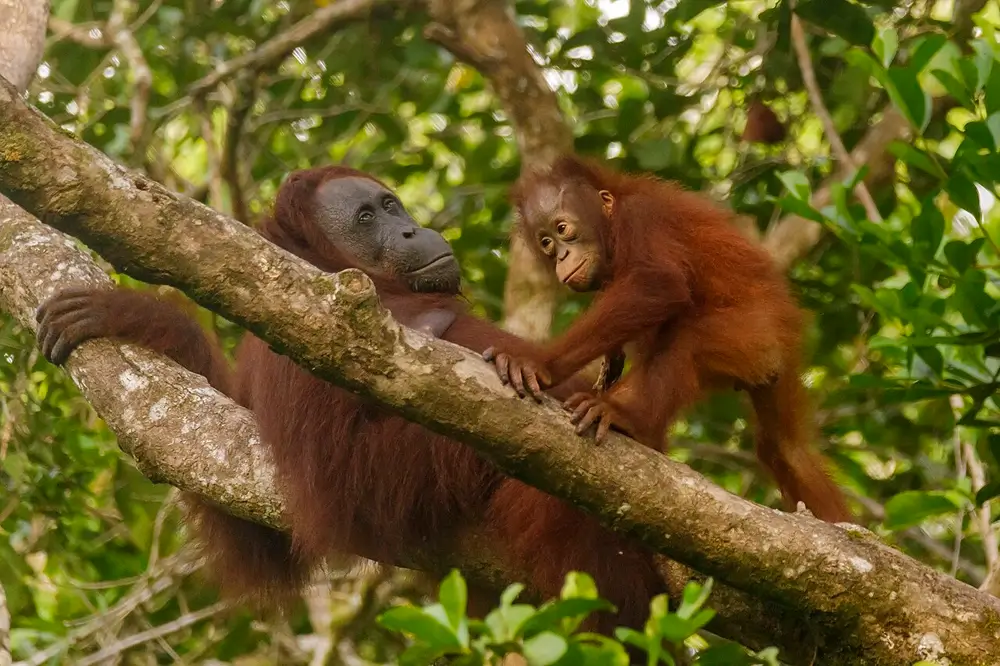
Bornean Orangutan (Pongo pygmaeus)
The Bornean orangutan is found in Indonesia and Malaysia. IUCN Redlist: Critically Endangered