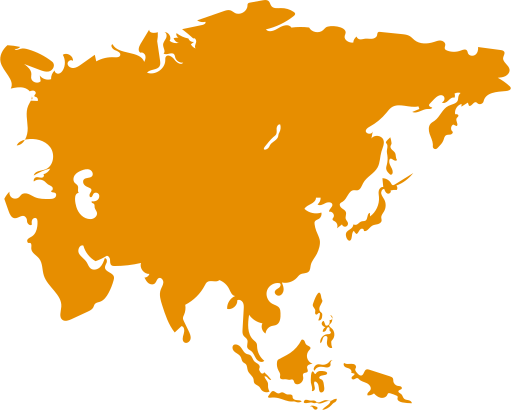
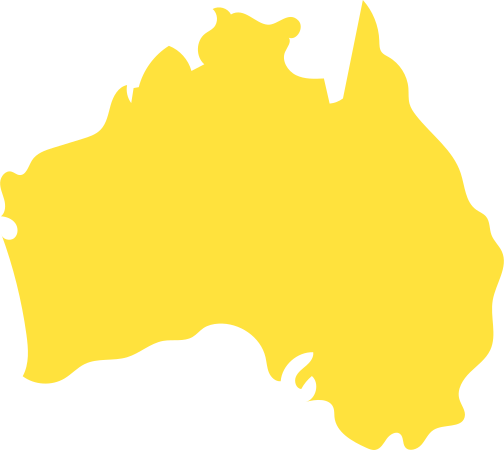
There are around 286 bird species in this family. They are all found in Asia, Europe, Africa, Australia, and in the Pacific Islands east to Hawaii.
Old World flycatchers and chats are small birds between 3-9 inches in length. They have flat, broad bills; short, rounded wings; and short legs. Most species have short tails. They come in a wide variety of colors, including black, brown, gray, blue, and red.
They eat insects and are found in a variety of habitats, including forests, scrublands, and agricultural areas.
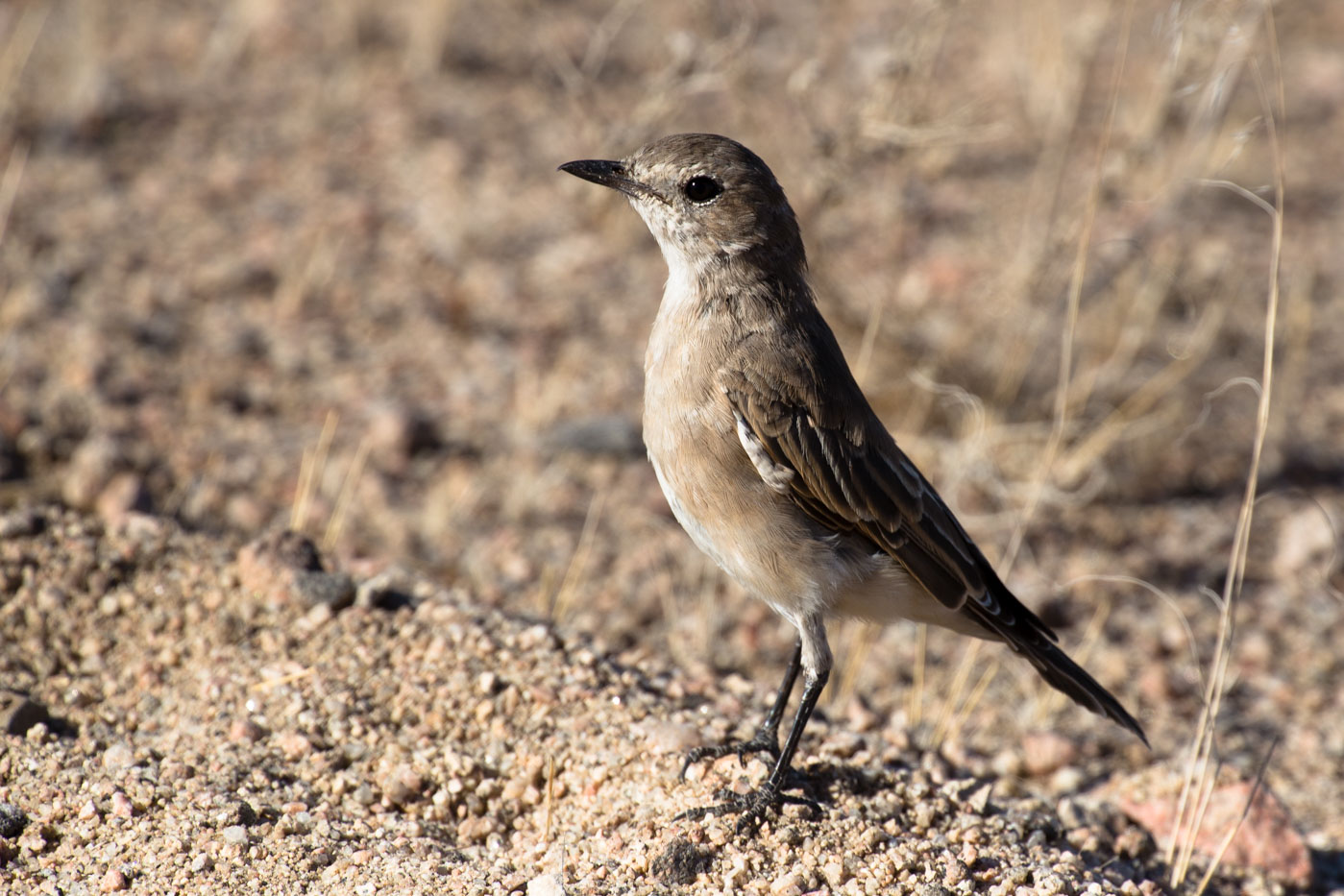
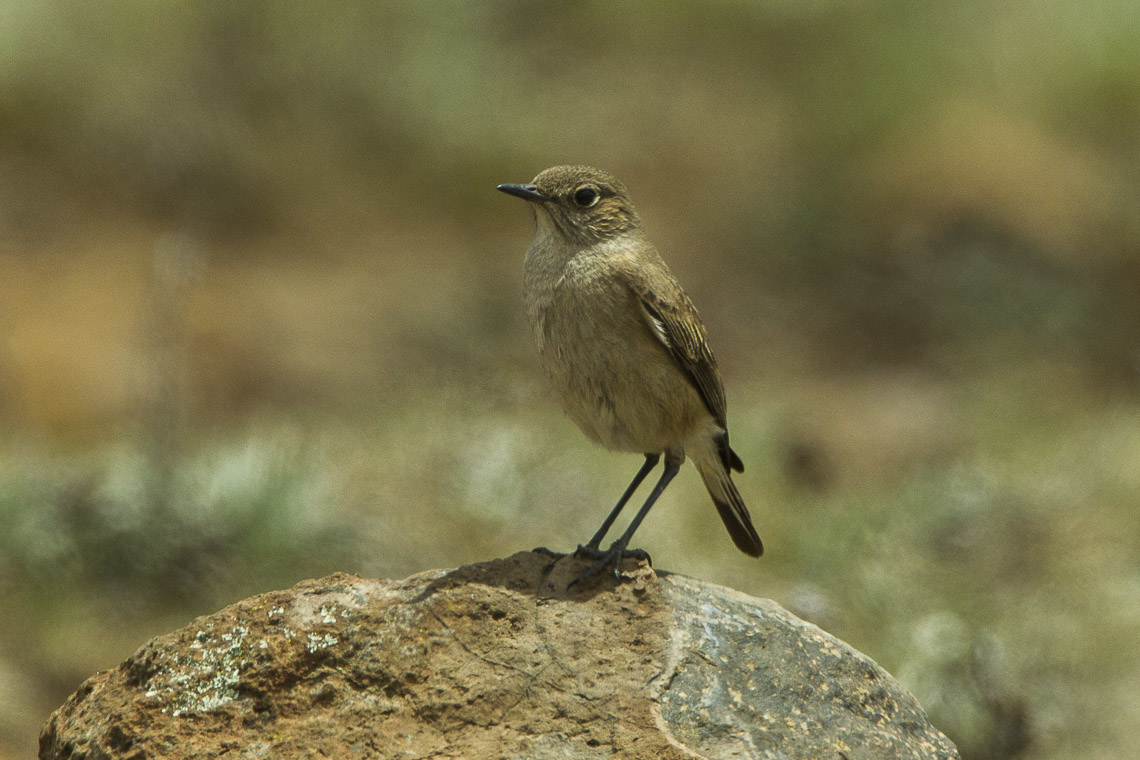
Chat Flycatcher (Agricola infuscatus)
The chat flycatcher is found in Angola, Botswana, Namibia, and South Africa. IUCN Redlist Status: Least Concern
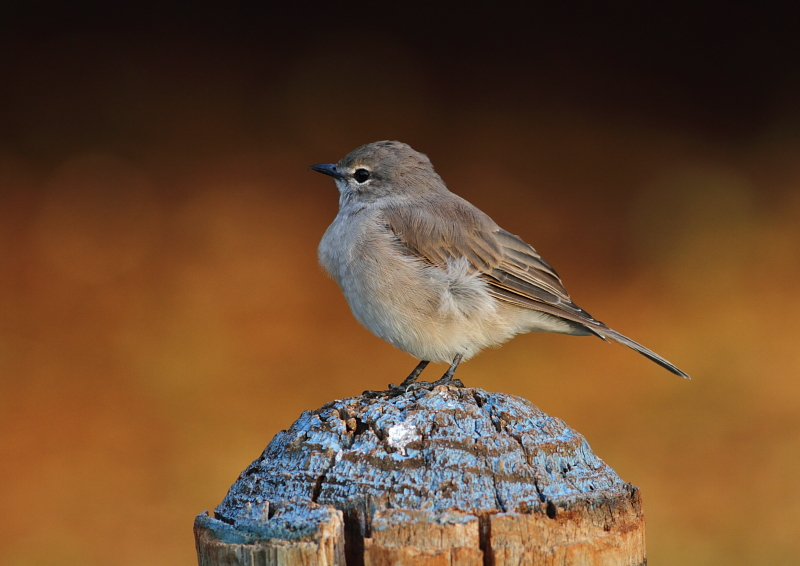
Pale Flycatcher (Agricola pallidus)
The pale flycatcher is found in Sub-Saharan Africa. IUCN Redlist Status: Least Concern
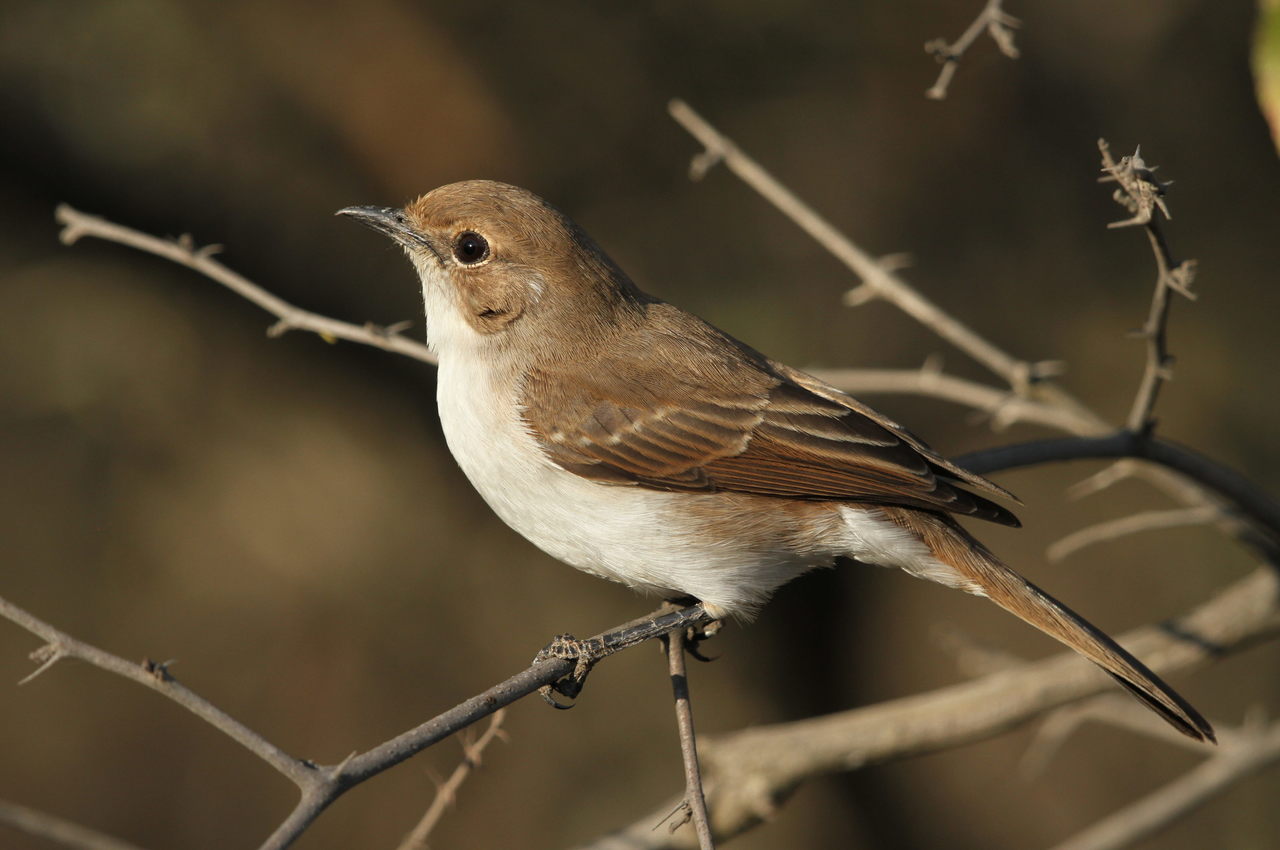
Marico Flycatcher (Bradornis mariquensis)
The Marico flycatcher is found in Angola, Botswana, Namibia, South Africa, Zambia, and Zimbabwe. IUCN Redlist Status: Least Concern
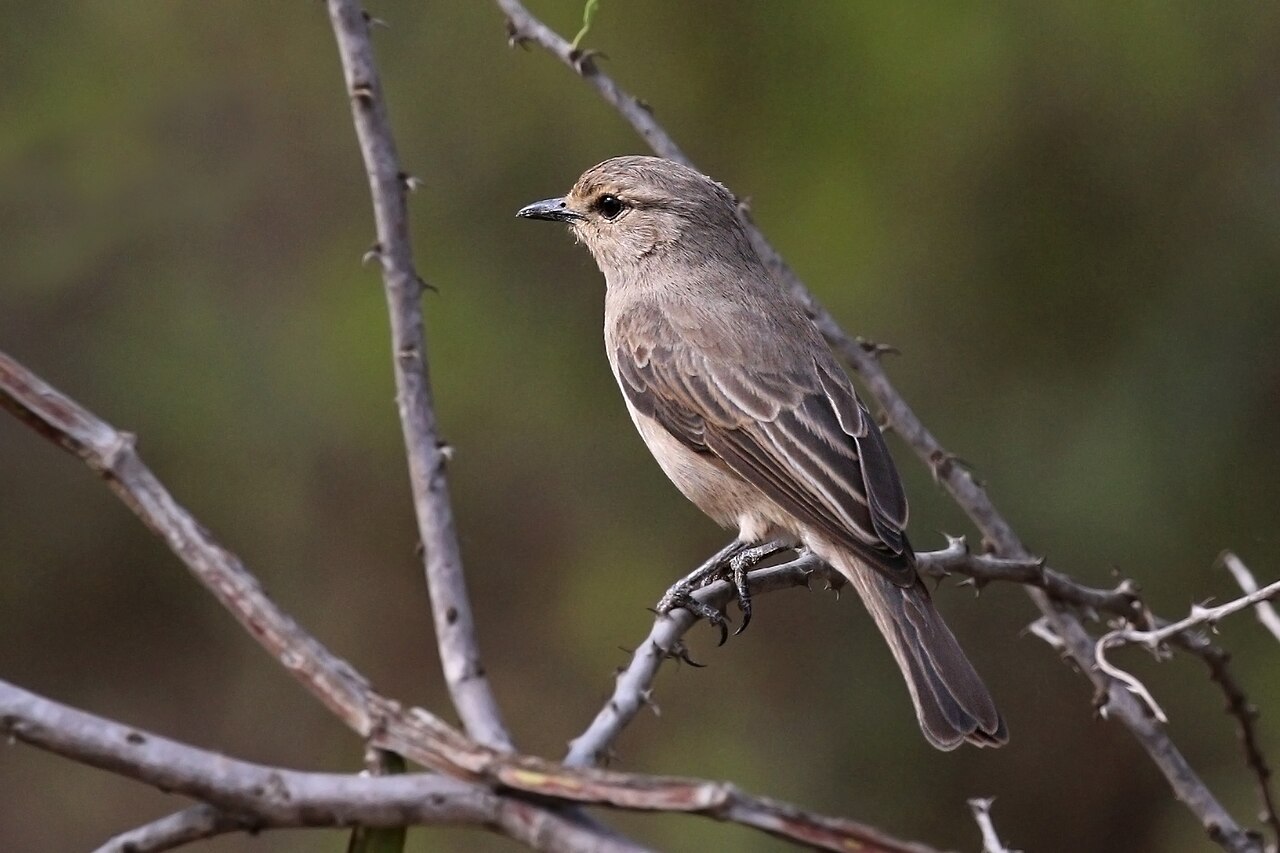
African Gray Flycatcher (Bradornis microrhynchus)
The African gray flycatcher is found in Ethiopia, Kenya, Somalia, South Sudan, Sudan, Tanzania, and Uganda. IUCN Redlist Status: Least Concern
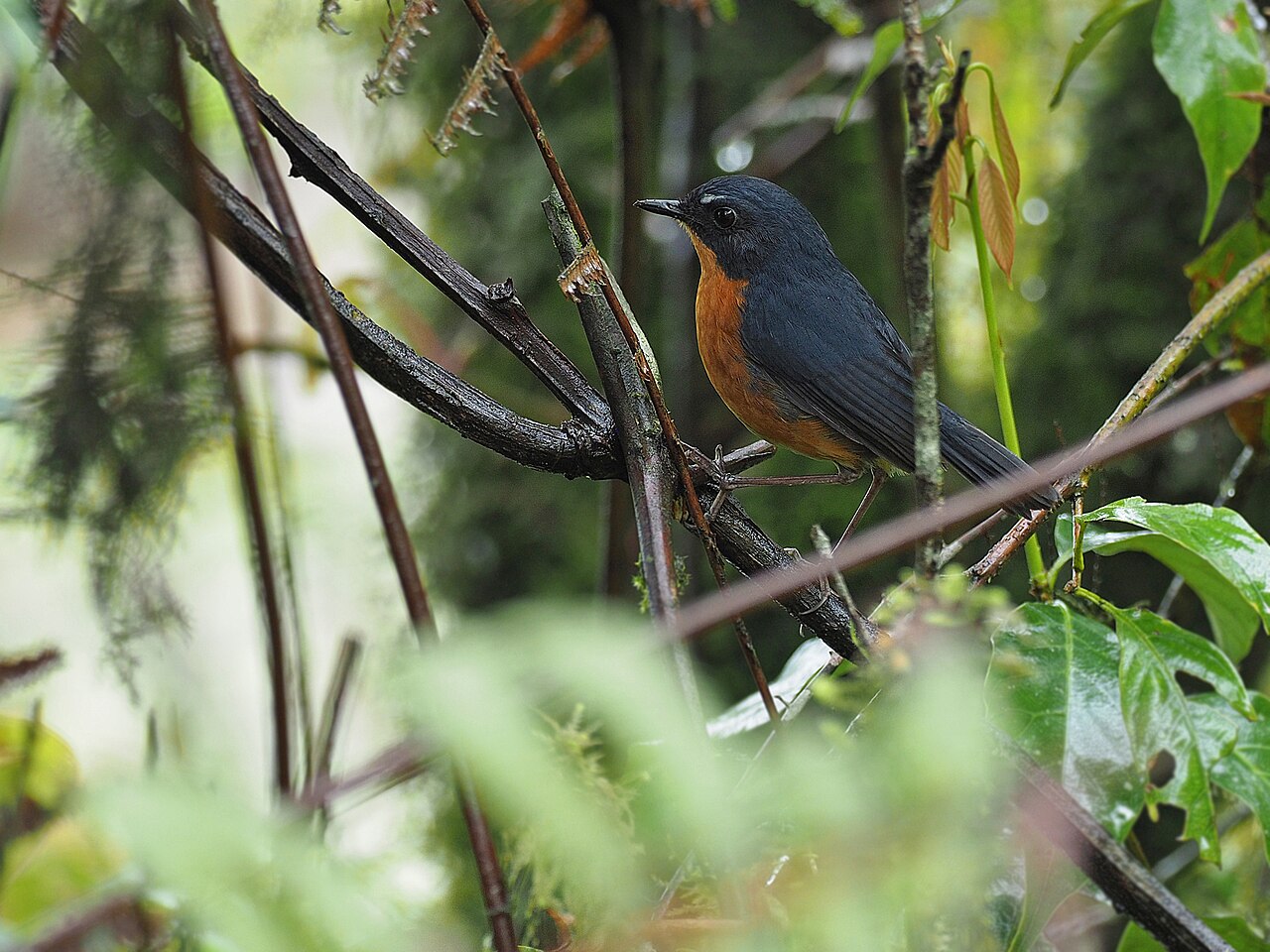
Rusty-Bellied Shortwing (Brachypteryx hyperythra)
The rusty-bellied shortwing is found in China, India and Myanmar. IUCN Redlist Status: Near Threatened
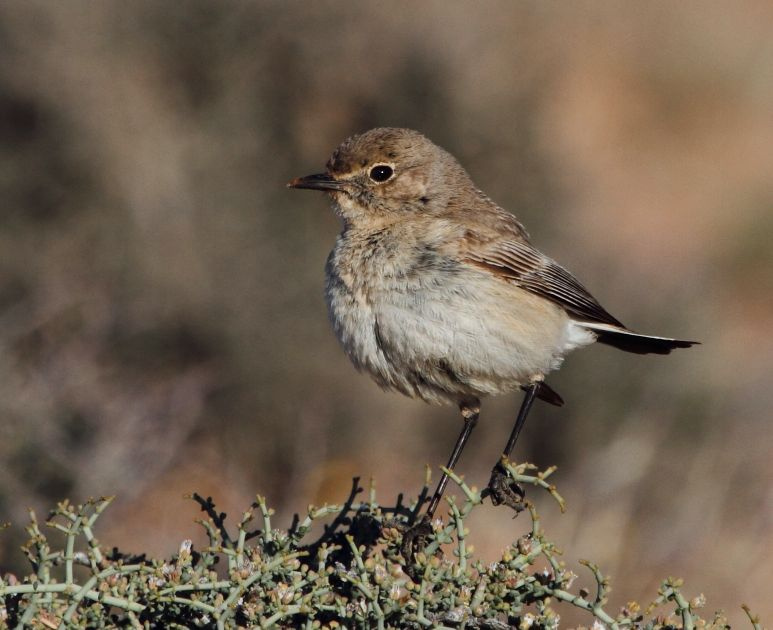
Tractrac Chat (Emarginata tractrac)
The Tractrac chat is found in Angola, Namibia, and South Africa. IUCN Redlist Status: Least Concern
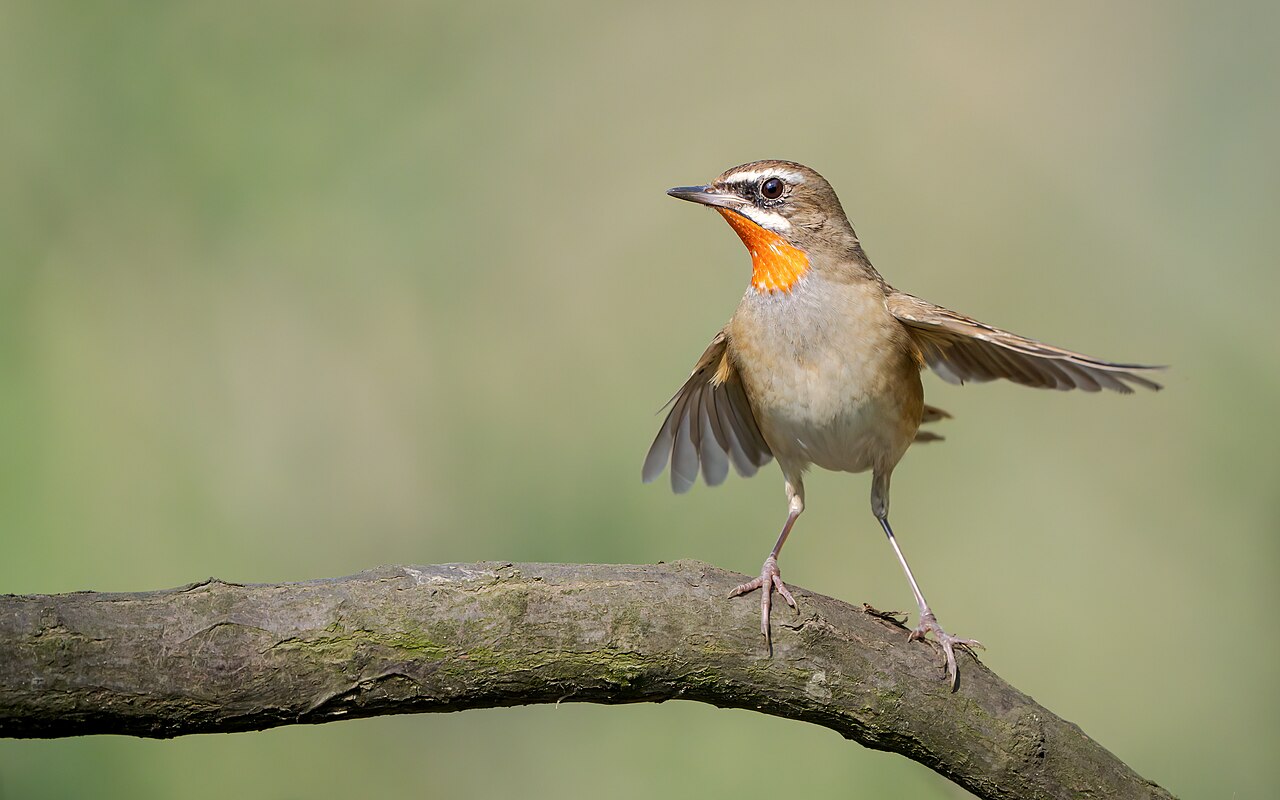
Siberian Rubythroat (Calliope calliope)
The Siberian rubythroat is found in Europe and Asia. It is sometimes a vagrant in Alaska. IUCN Redlist Status: Least Concern
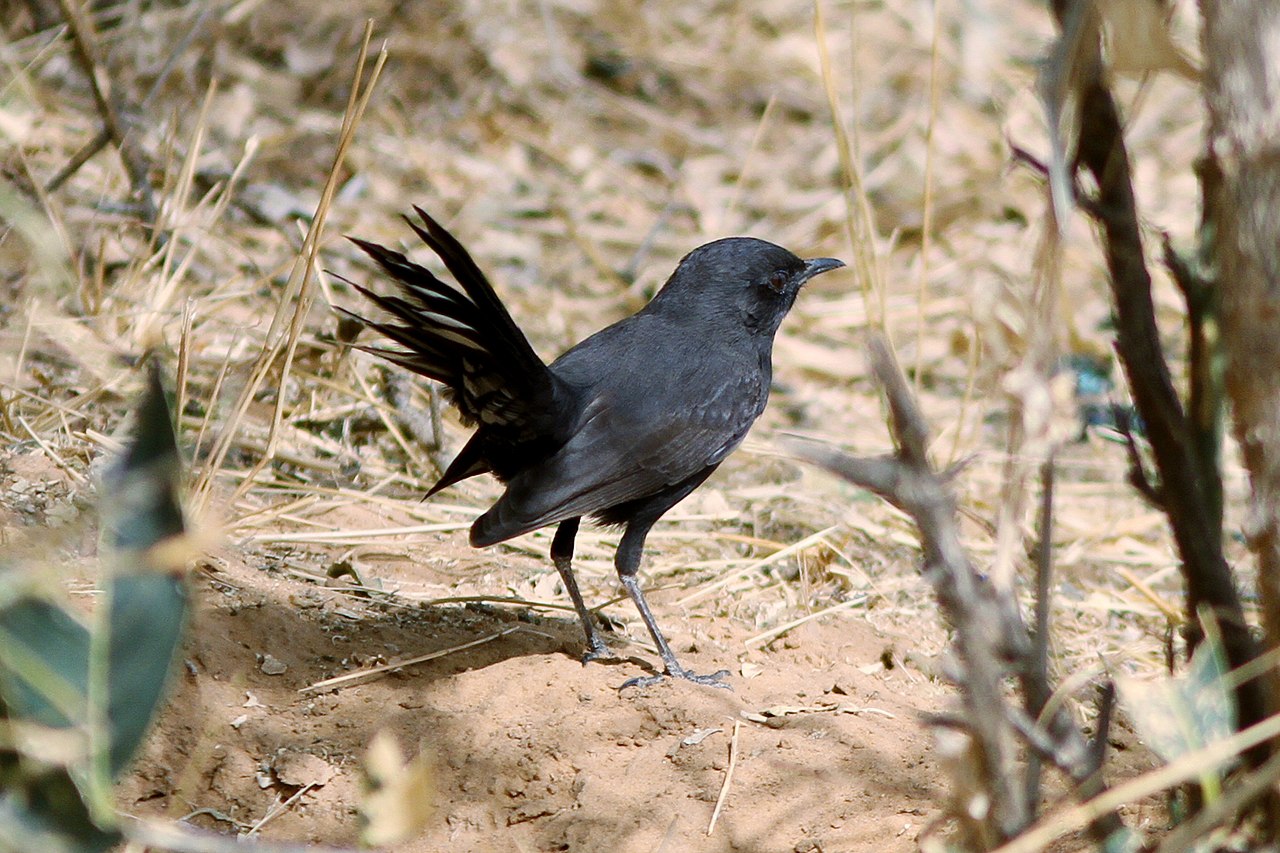
Black Scrub-Robin (Cercotrichas podobe)
The black scrub-robin is found in Burkina Faso, Cameroon, Chad, Djibouti, Eritrea, Ethiopia, Guinea-Bissau, Israel, Mali, Mauritania, Niger, Nigeria, Qatar, Saudi Arabia, Senegal, Somalia, Sudan, and Yemen. IUCN Redlist Status: Least Concern
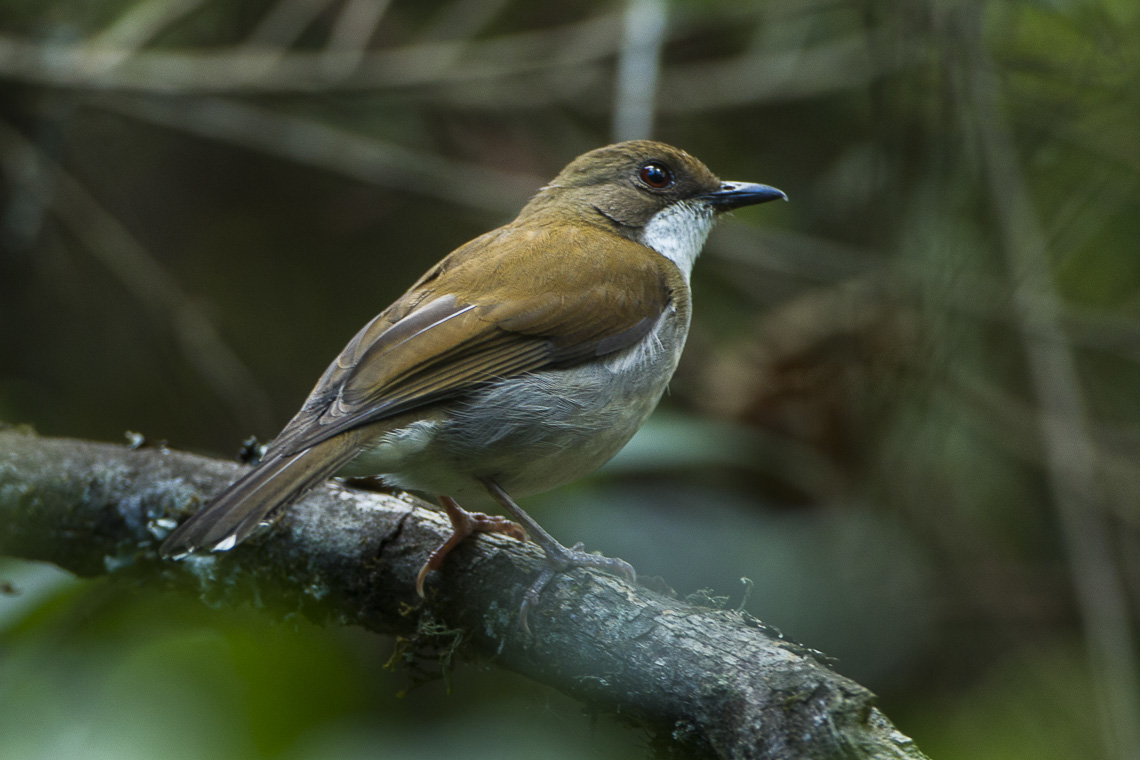
Thyolo Alethe (Chamaetylas choloensis)
The Thyolo Alethe is found in Malawi and Mozambique. IUCN Redlist Status: Vulnerable
Collared Palm-Thrush (Cichladusa arquata)
The collared palm-thrush is found in Burundi, The Democratic Republic of the Congo, Kenya, Malawi, Mozambique, Tanzania, Namibia, South Africa, Uganda, Zambia, Zimbabwe, Botswana, and Rwanda. IUCN Redlist Status: Least Concern
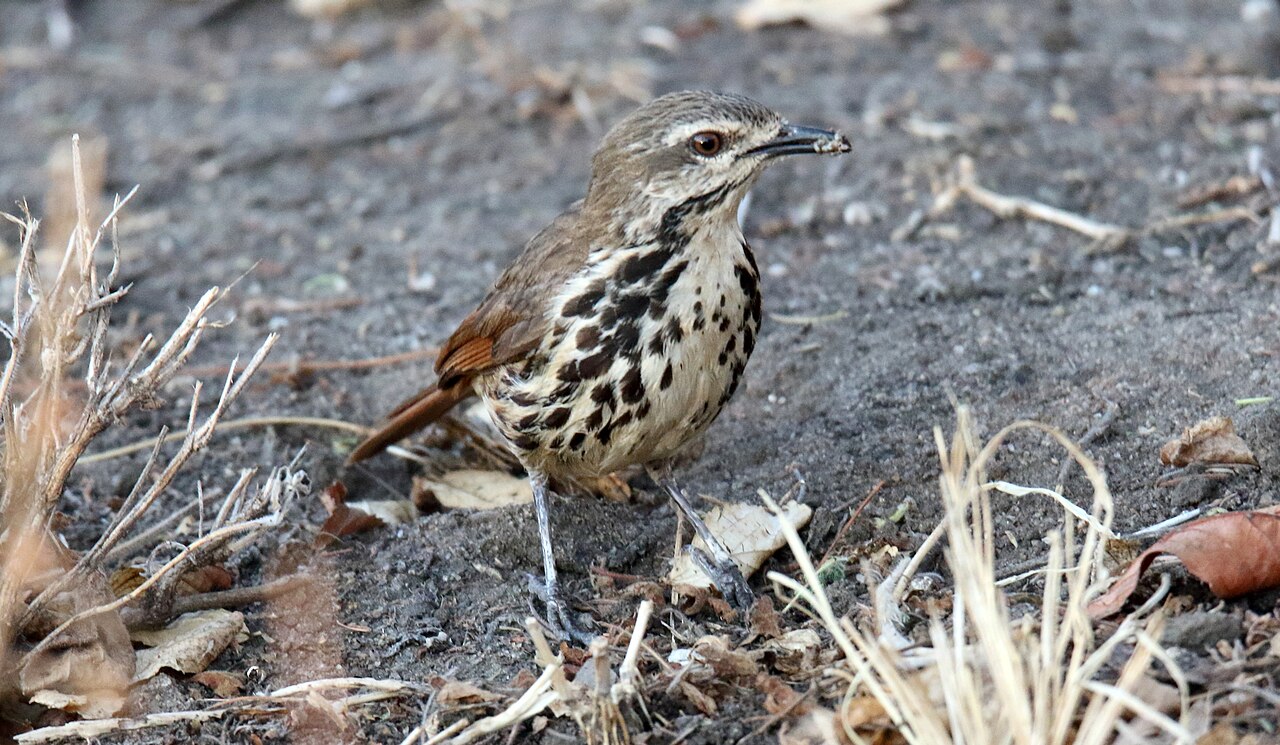
Spotted Morning-Thrush (Cichladusa guttata)
The spotted morning-thrush, also known as the spotted palm-thrush, is found in is found in The Democratic Republic of the Congo, Ethiopia, Kenya, Somalia, South Sudan, Sudan, Tanzania, and Uganda. IUCN Redlist Status: Least Concern
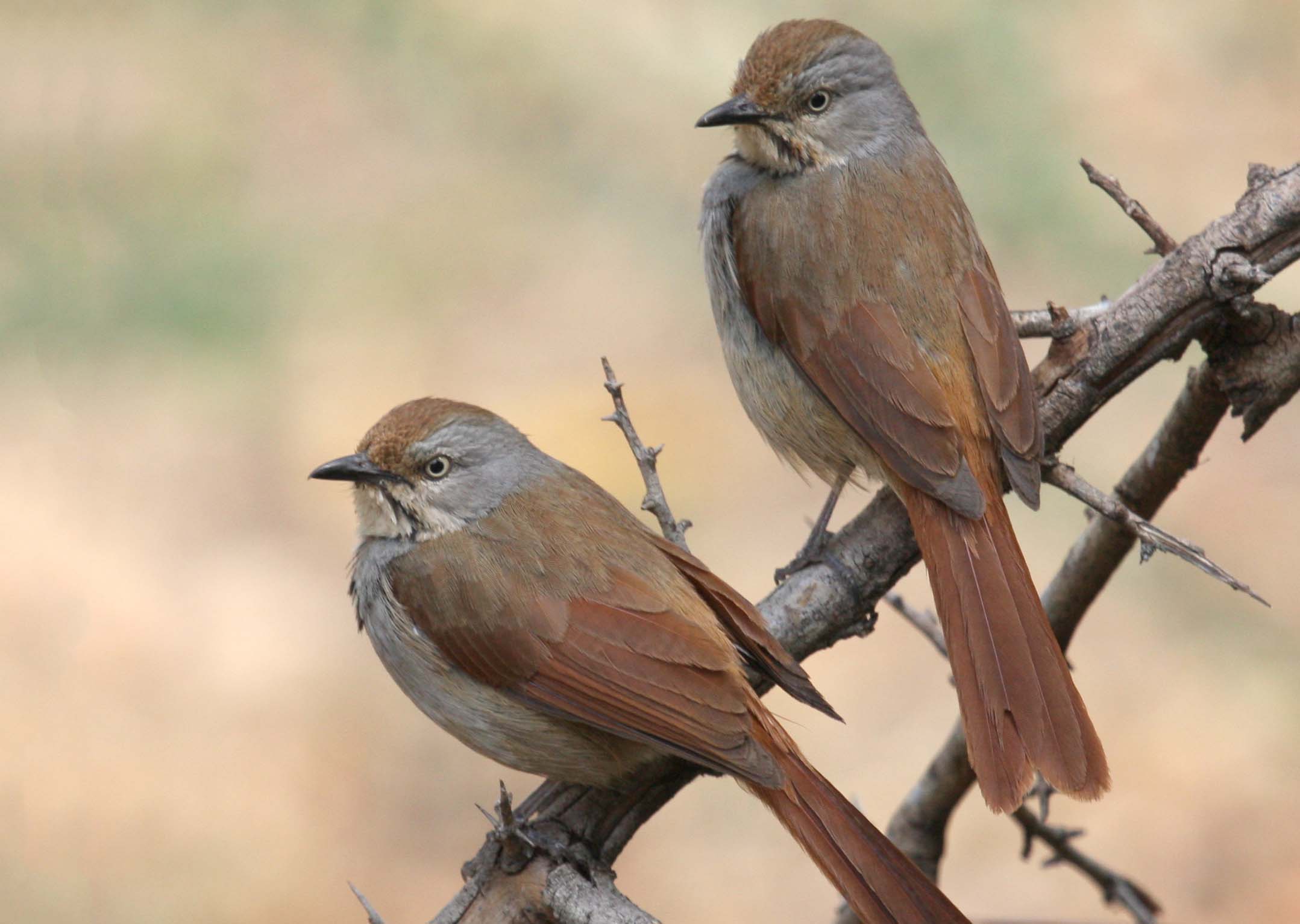
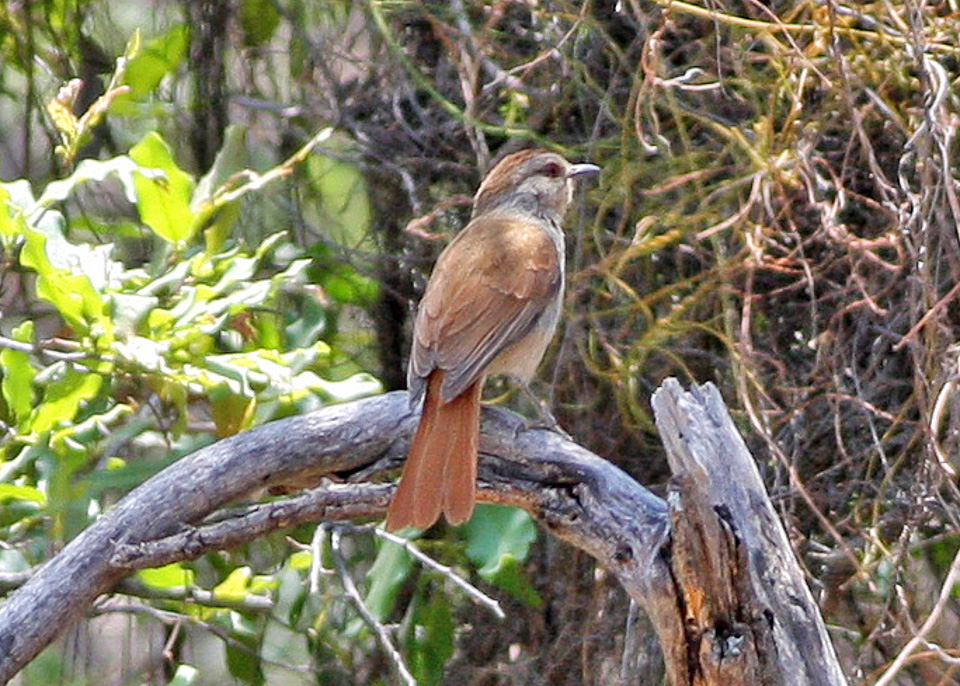
Rufous-Tailed Palm-Thrush (Cichladusa ruficauda)
The rufous-tailed palm-thrush is found in Angola, Central African Republic, Congo, The Democratic Republic of the Congo, Gabon, Namibia, and Equatorial Guinea. IUCN Redlist Status: Least Concern
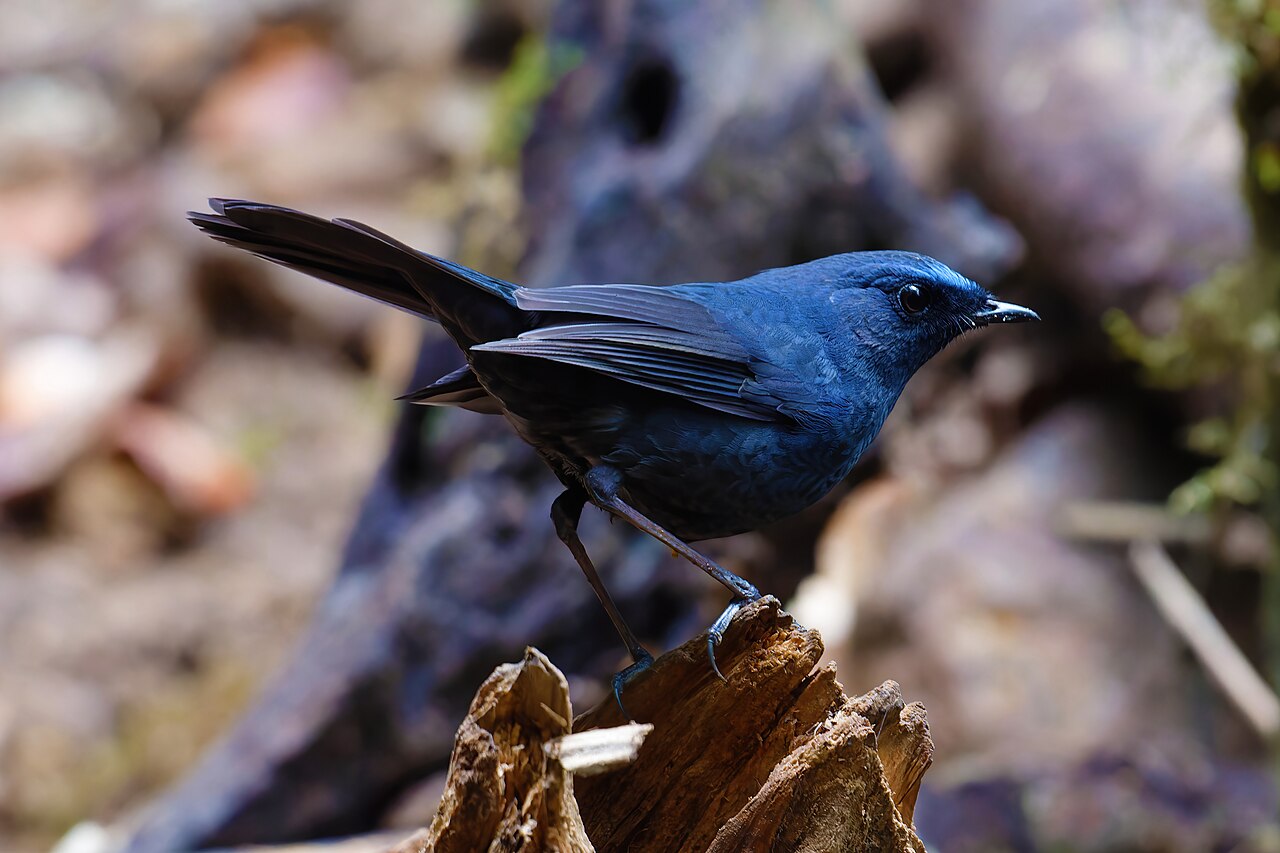
Blue-Fronted Robin (Cinclidium frontale)
The blue-fronted robin is found in Bhutan, China, India, Laos, Thailand, and Vietnam. IUCN Redlist Status: Least Concern
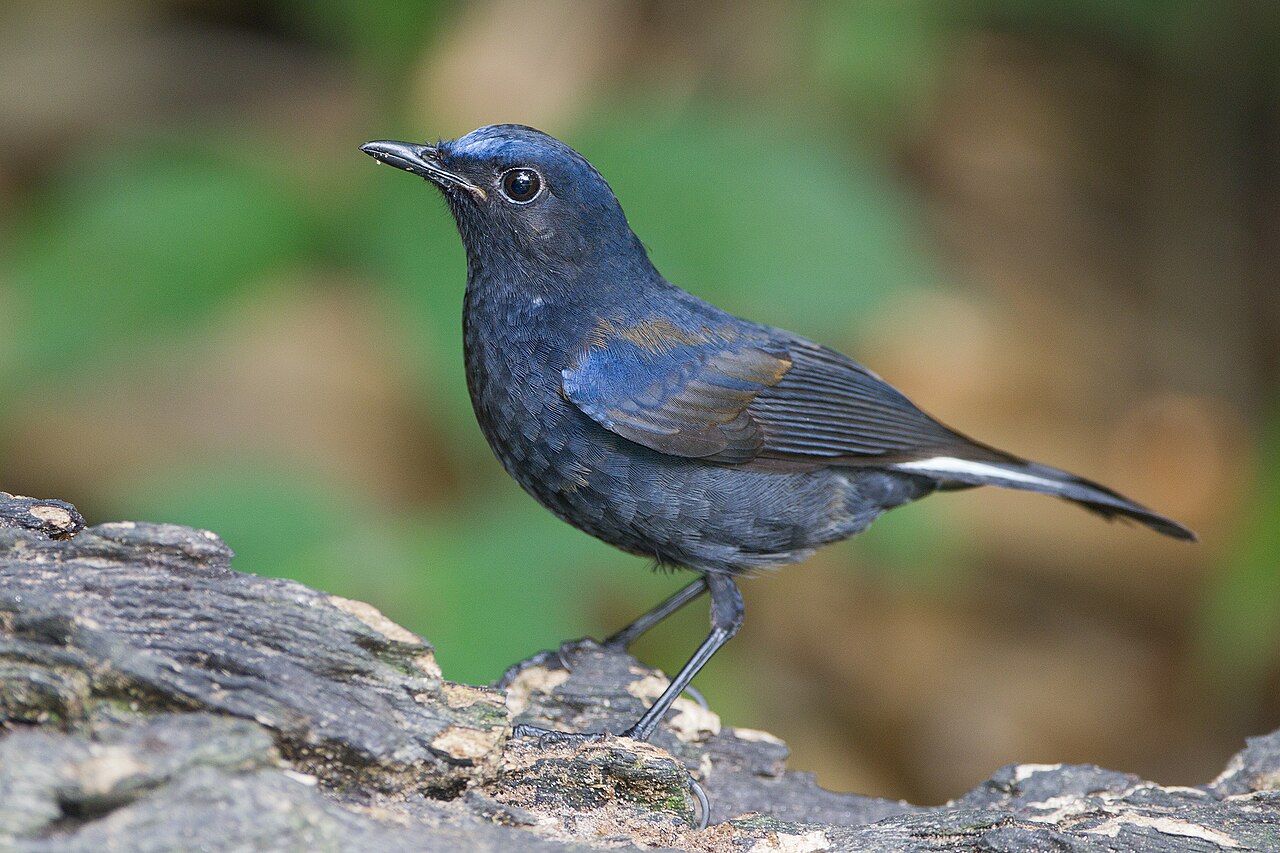
White-Tailed Robin (Cinclidium leucurum)
The white-tailed robin is found in Bangladesh, Bhutan, China, India, Laos, Malaysia, Myanmar, Nepal, Taiwan, Thailand, and Vietnam. IUCN Redlist Status: Least Concern
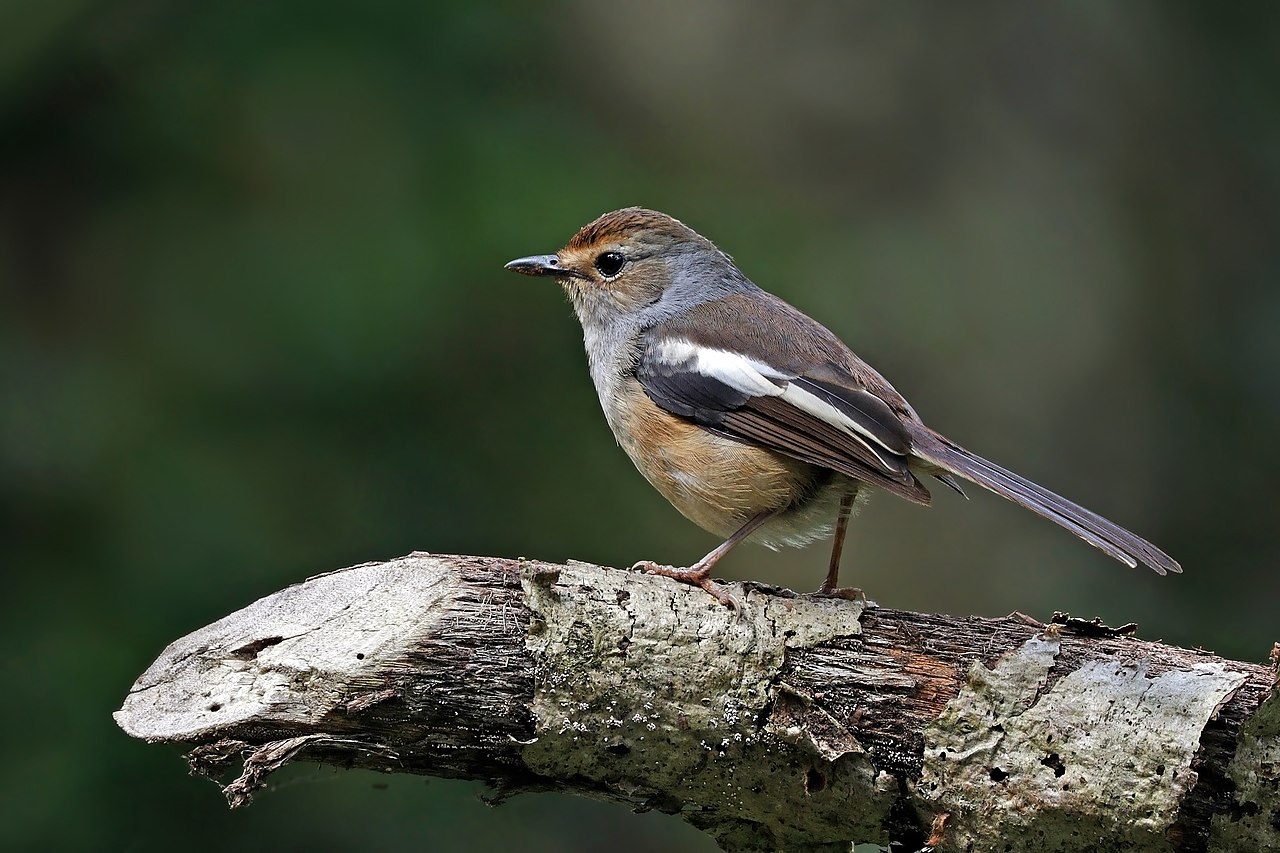
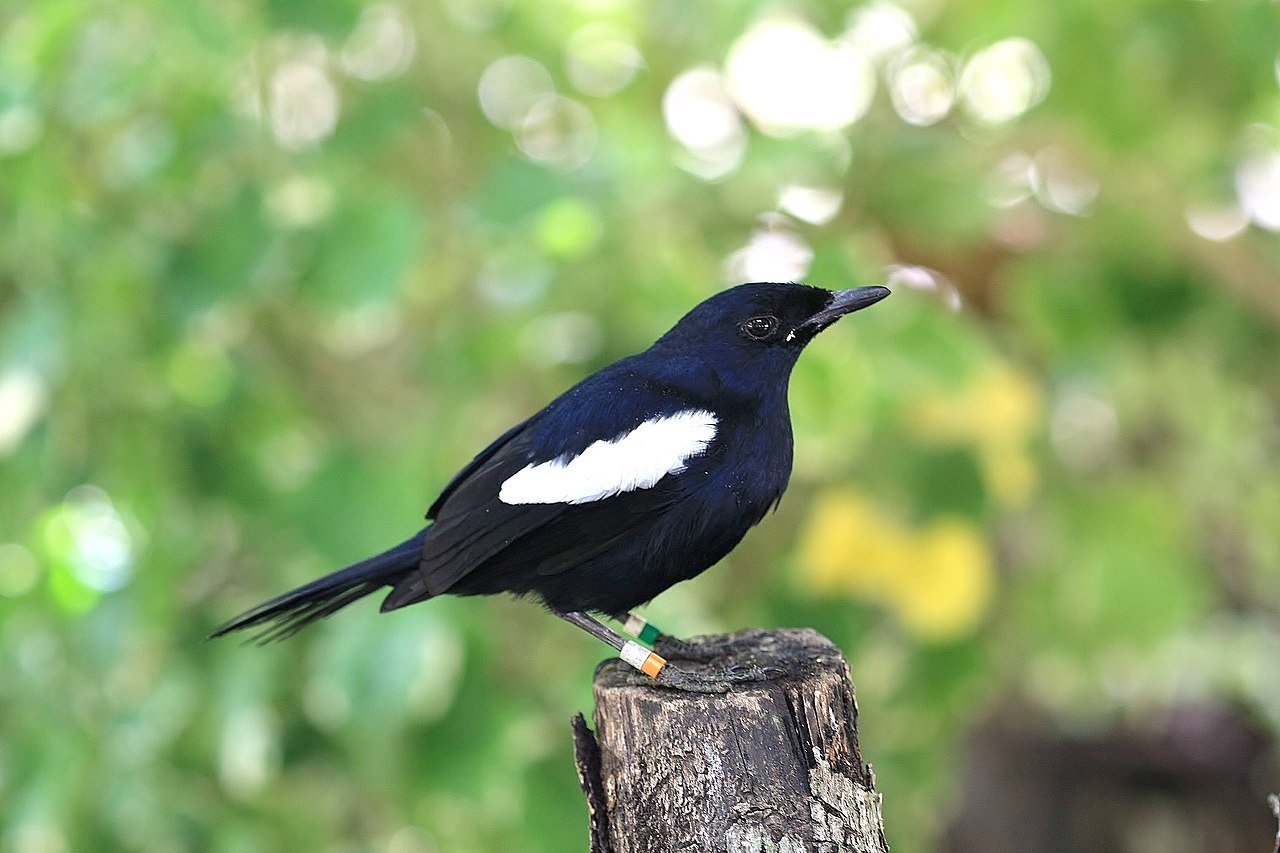
The Madagascar magpie-robin is found in Madagascar. IUCN Redlist Status: Least Concern
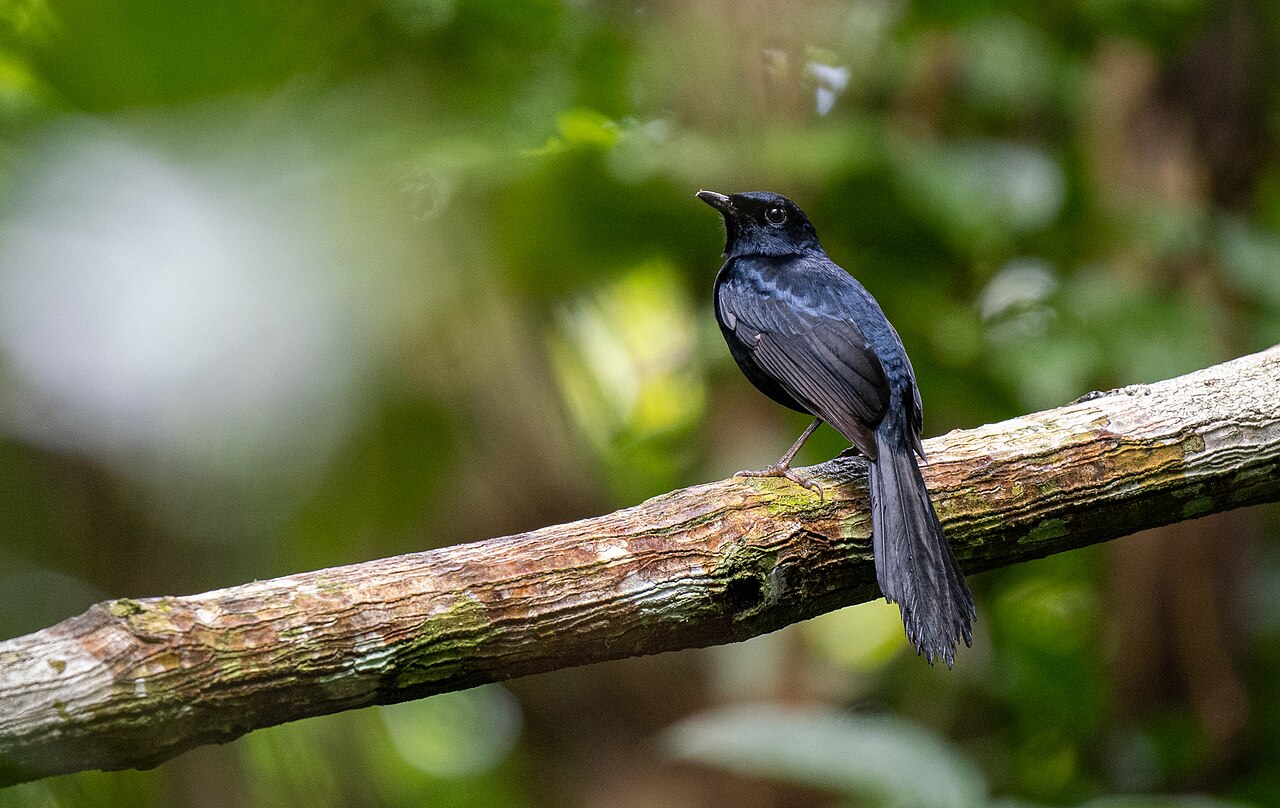
Black Shama (Copsychus cebuensis)
The black shama is found in the Philippines. IUCN Redlist Status: Least Concern
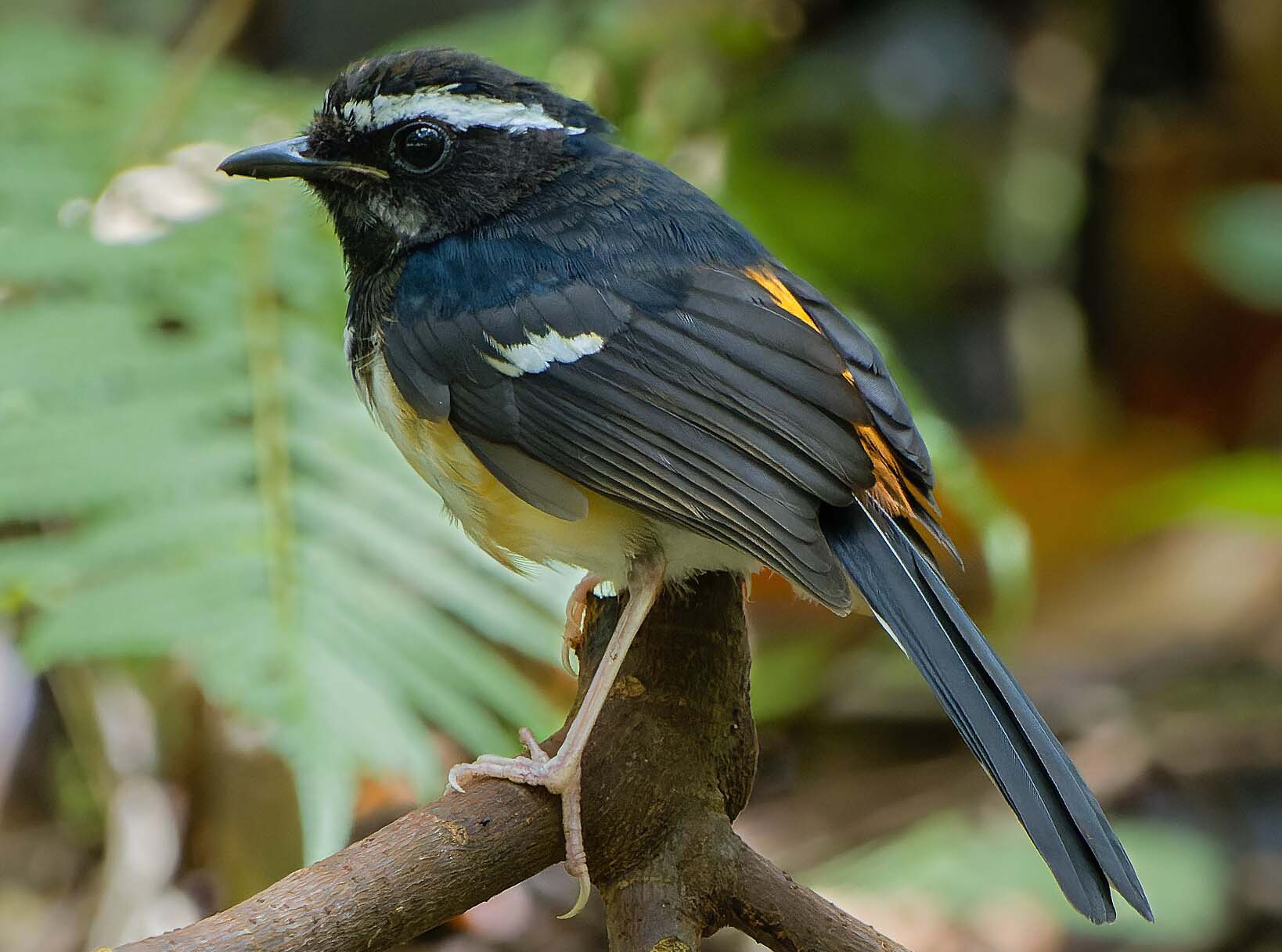
White-Browed Shama (Copsychus luzoniensis)
The white-browed shama is found in the Philippines. IUCN Redlist Status: Least Concern
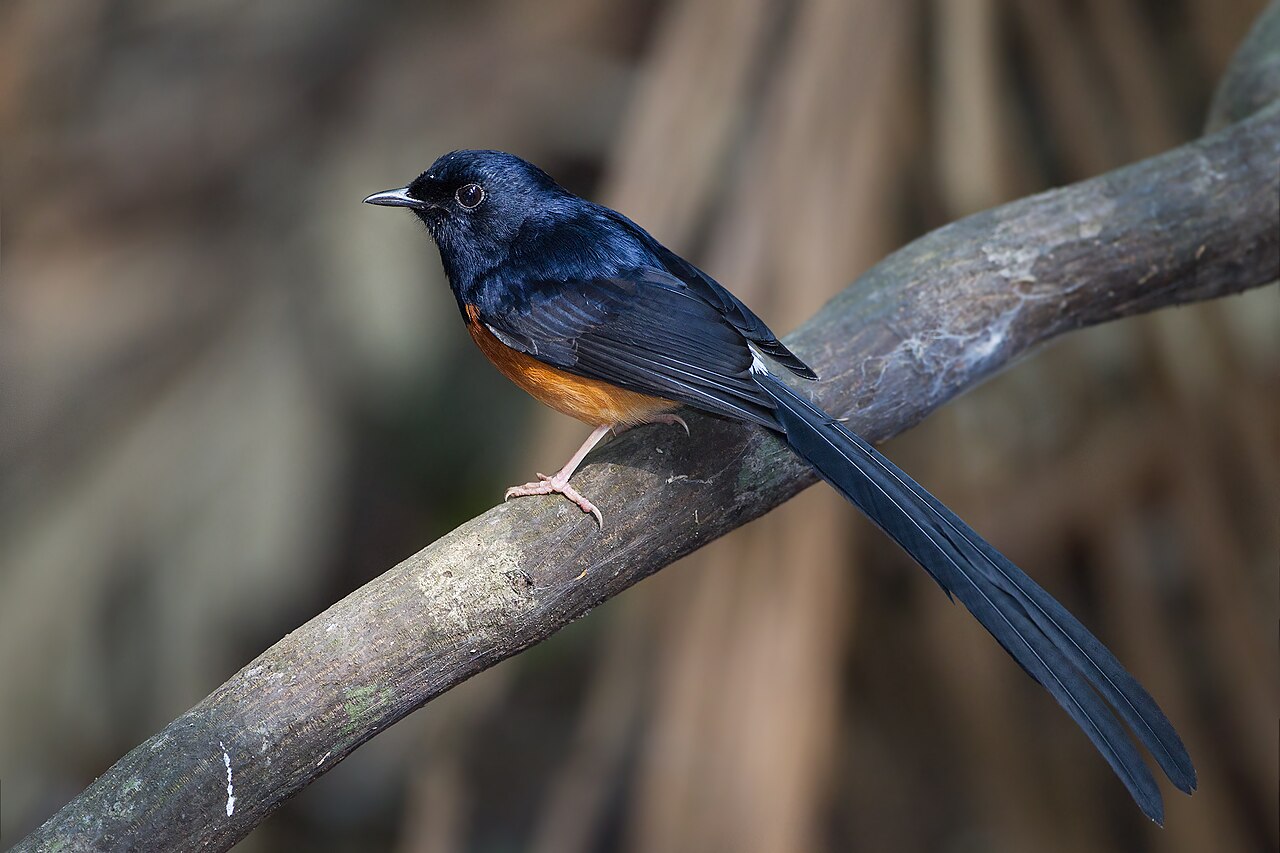
White-Rumped Shama (Copsychus malabaricus)
The white-rumped shama is found in Bangladesh, Bhutan, Brunei Darussalam, Cambodia, China, India, Indonesia, Laos, Malaysia, Myanmar, Nepal, Singapore, Sri Lanka, Thailand, and Viet Nam. It has been introduced to Hawaii. IUCN Redlist Status: Least Concern
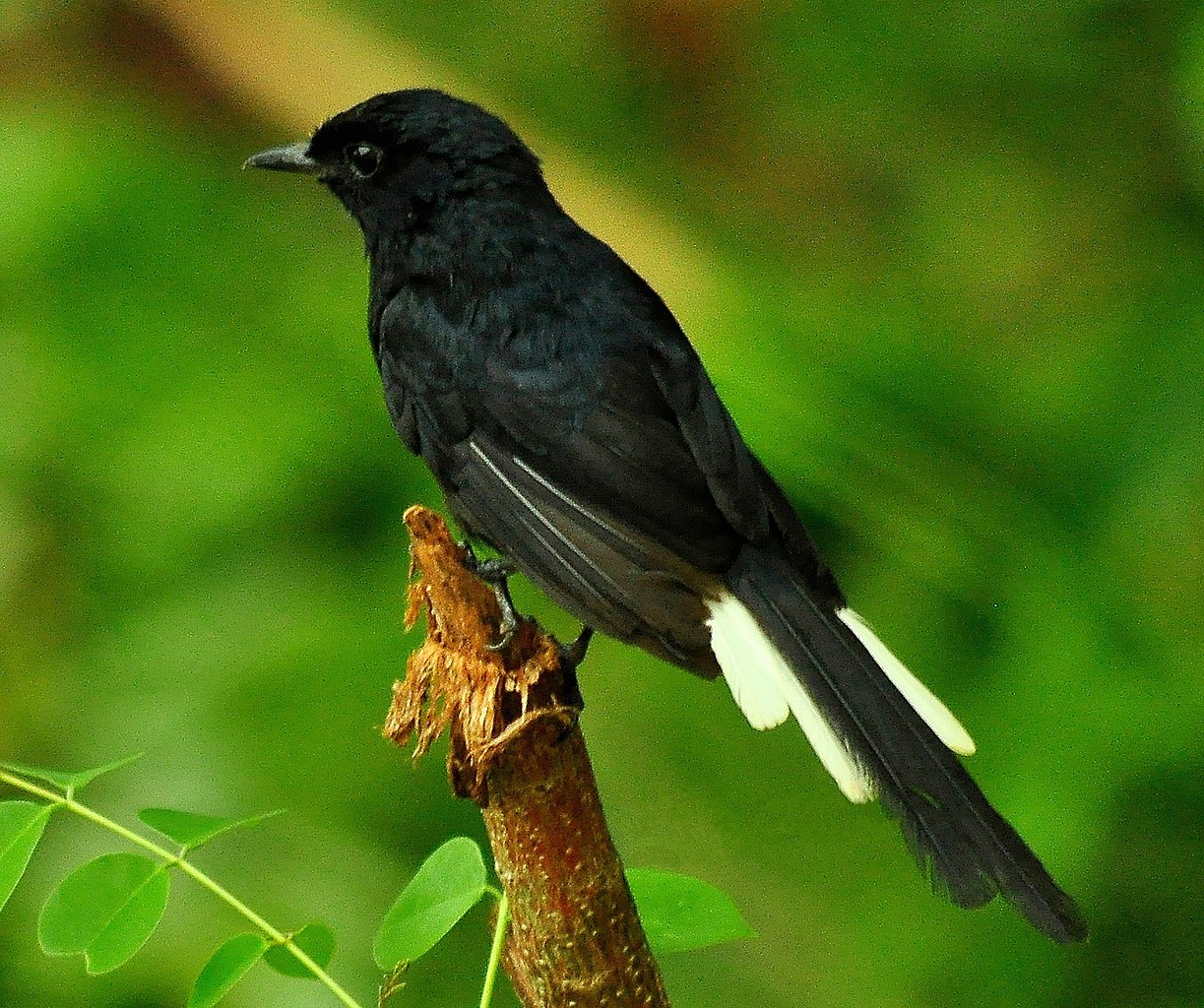
White-Vented Shama (Copsychus niger)
The white-vented shama is found in the Philippines. IUCN Redlist Status: Least Concern
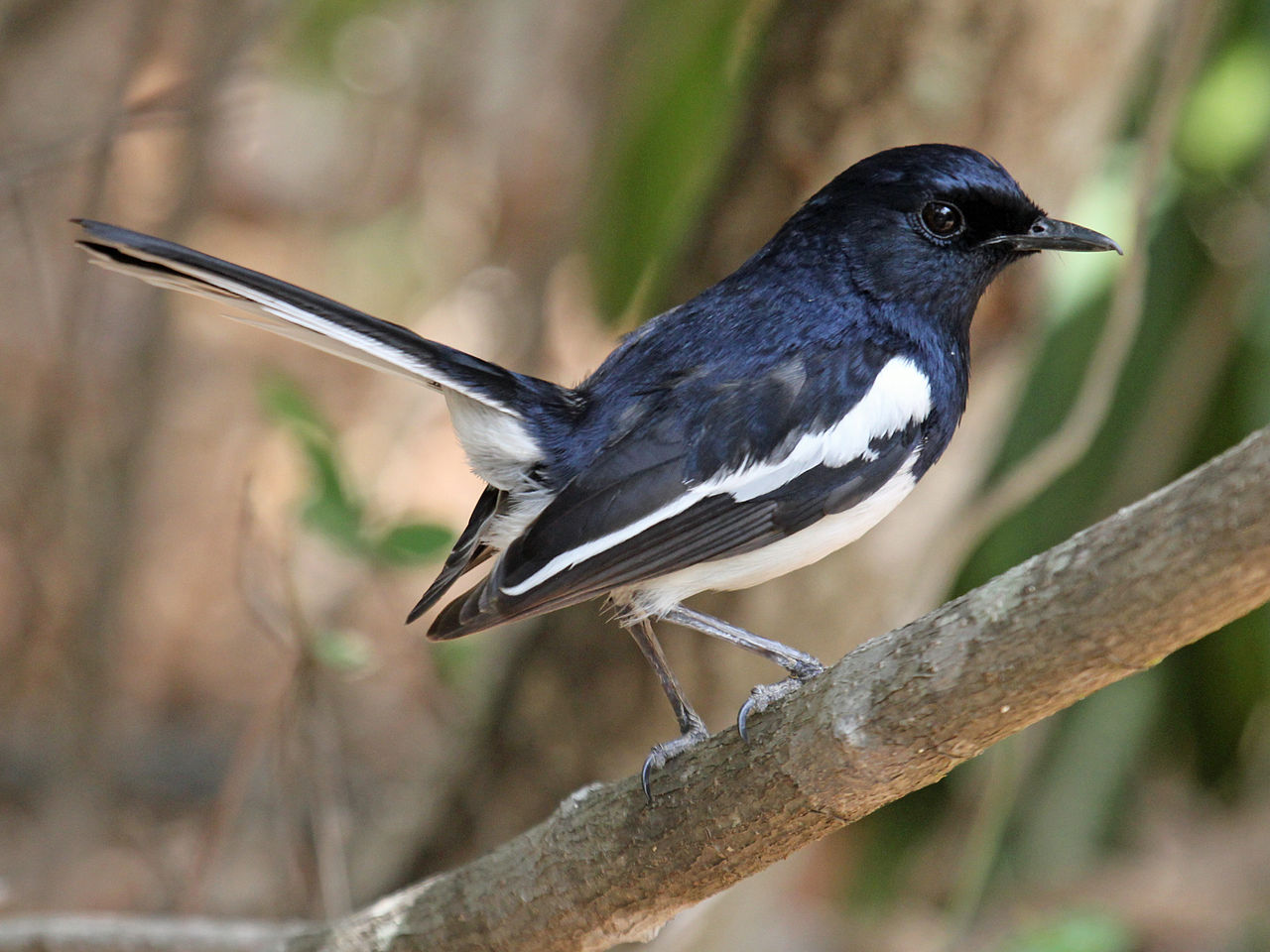
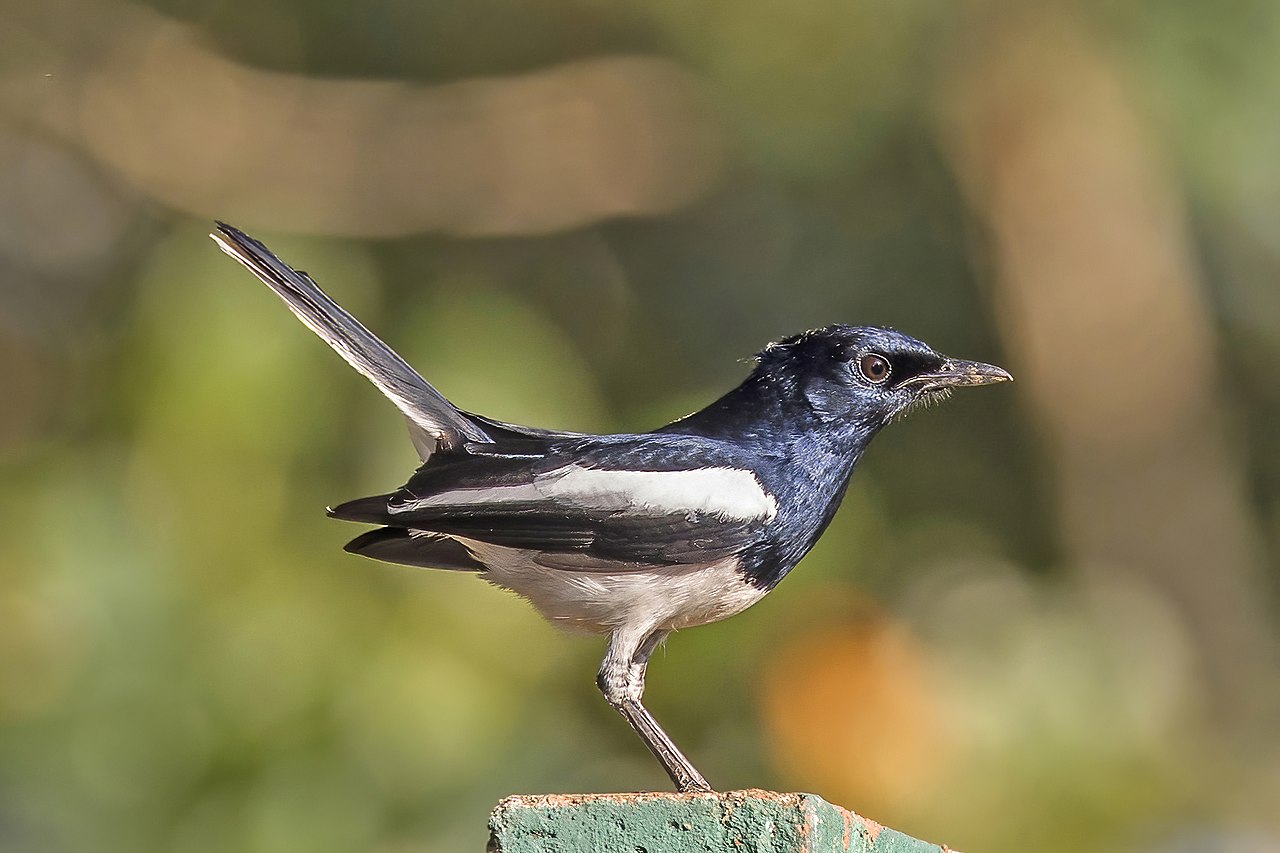
Oriental Magpie-Robin (Copsychus saularis)
The Oriental magpie-robin is found in Bangladesh, Bhutan, Brunei Darussalam, Cambodia, China, India, Indonesia, Laos, Malaysia, Myanmar, Nepal, Pakistan, Singapore, Sri Lanka, Taiwan, Thailand, and Vietnam. IUCN Redlist Status: Least Concern
Seychelles Magpie-Robin (Copsychus sechellarum)
The Seychelles Magpie-robin is found in the Seychelles. IUCN Redlist Status: Endangered
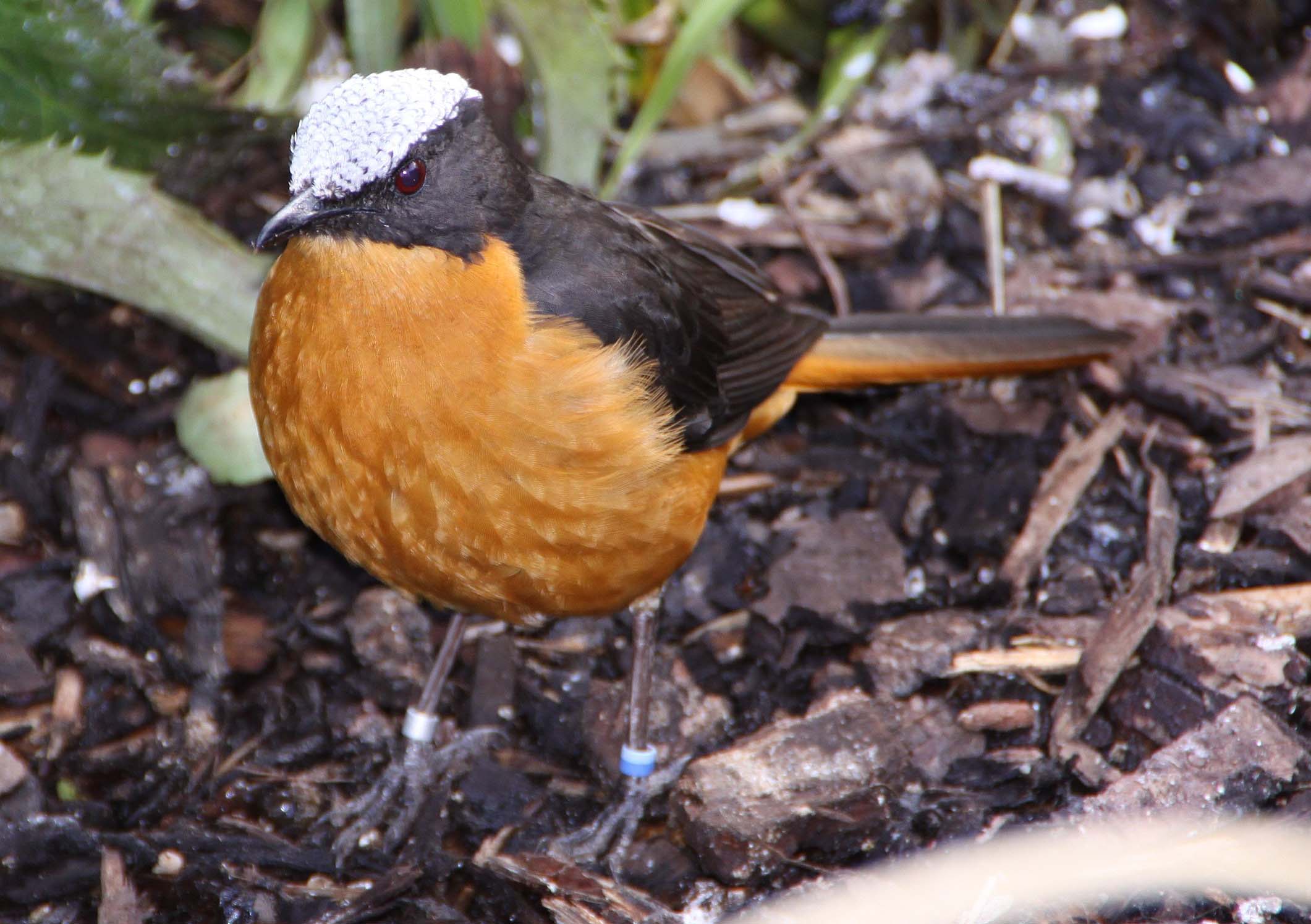
White-Crowned Robin-Chat (Cossypha albicapillus)
The white-crowned robin-chat is found in Benin, Burkina Faso, Cameroon, Central African Republic, Chad, Côte d'Ivoire, Ethiopia, Gambia, Ghana, Guinea, Guinea-Bissau, Mali, Niger, Nigeria, Senegal, Sierra Leone, South Sudan, Sudan, and Togo. IUCN Redlist Status: Least Concern
Cape Robin-Chat (Cossypha caffra)
The Cape robin-chat is found in the Democratic Republic of the Congo, Eswatini, Kenya, Lesotho, Malawi, Mozambique, Namibia, Rwanda, South Africa, South Sudan, Sudan, Tanzania, Uganda, Zambia, and Zimbabwe. IUCN Redlist Status: Least Concern
Chorister Robin-Chat (Cossypha dichroa)
The chorister robin-chat is found in Eswatini and South Africa. IUCN Redlist Status: Least Concern
White-Browed Robin-Chat (Cossypha heuglini)
The white-browed robin-chat is found in Angola, Botswana, Burundi, Cameroon, Central African Republic, Chad, Congo, The Democratic Republic of the Congo, Eswatini, Ethiopia, Gabon, Kenya, Malawi, Mozambique, Namibia, Nigeria, Rwanda, Somalia, South Africa, South Sudan, Sudan, Sudan, Tanzania, Uganda, Zambia, and Zimbabwe. IUCN Redlist Status: Least Concern
White-Throated Robin-Chat (Cossypha humeralis)
The white-throated robin-chat is found in Botswana, Eswatini, Mozambique, South Africa, and Zimbabwe. IUCN Redlist Status: Least Concern
Karoo Chat (Emarginata schlegelii)
The Karoo chat is found in Angola, Namibia, and South Africa. IUCN Redlist Status: Least Concern
Sickle-Winged Chat (Emarginata sinuate)
The sickle-winged chat is found in Botswana, Lesotho, Namibia, and South Africa. IUCN Redlist Status: Least Concern
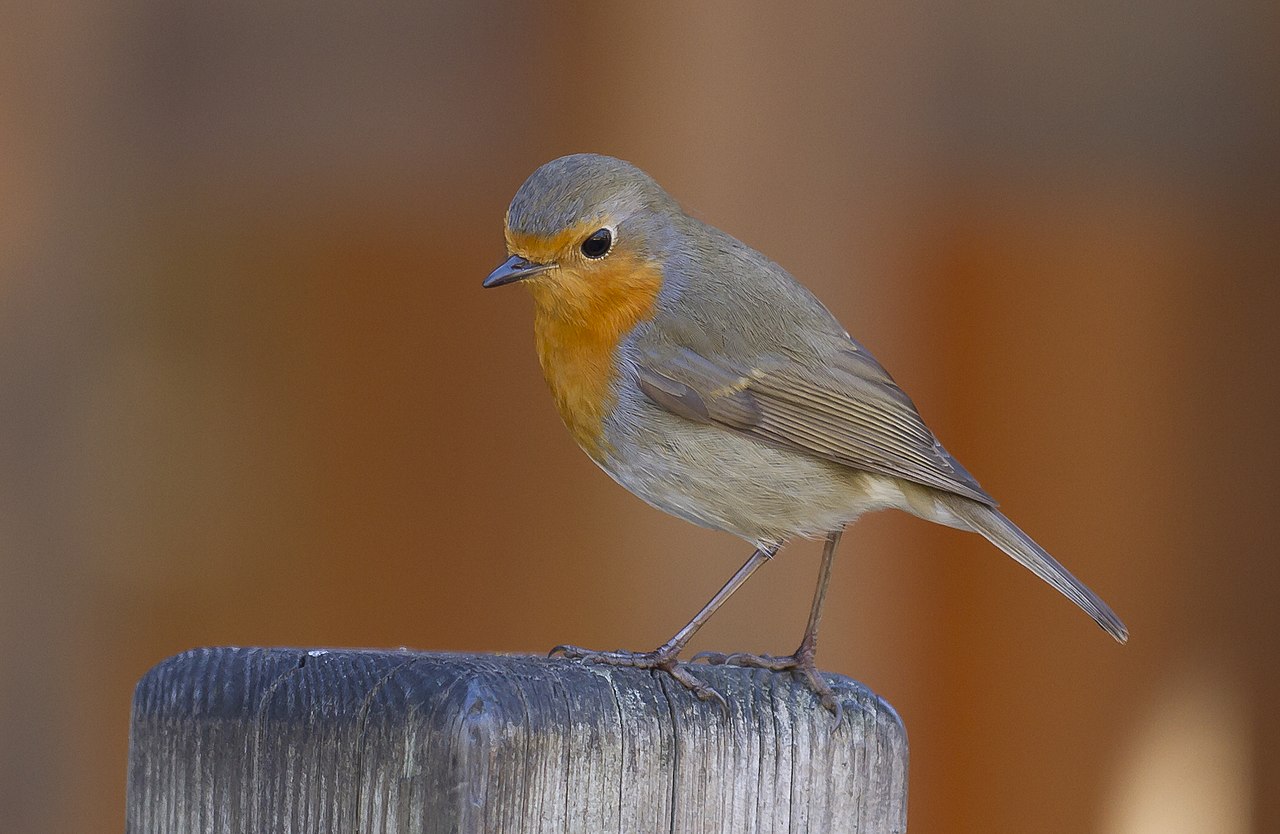
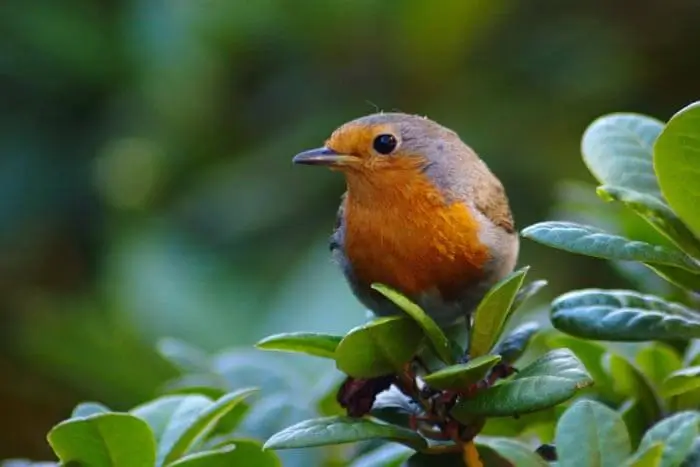
European Robin (Erithacus rubecula)
The European robin is found in most of Europe as well as in Northern Africa. The American robin and the European robin are not related. IUCN Redlist Status: Least Concern
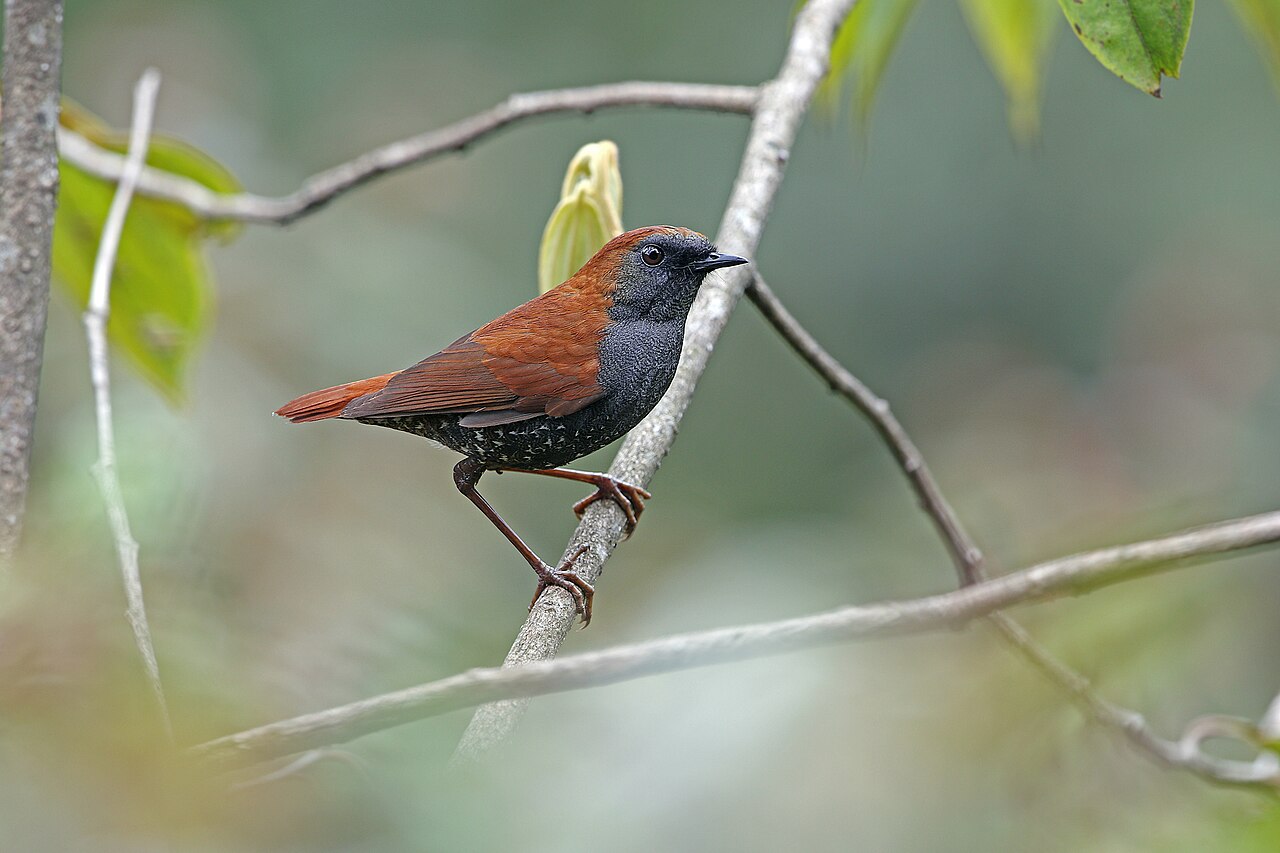
Gould's Shortwing (Heteroxenicus stellatus)
Gould's shortwing is found in Bhutan, China, India, Myanmar, Nepal, and Vietnam. IUCN Redlist Status: Least Concern
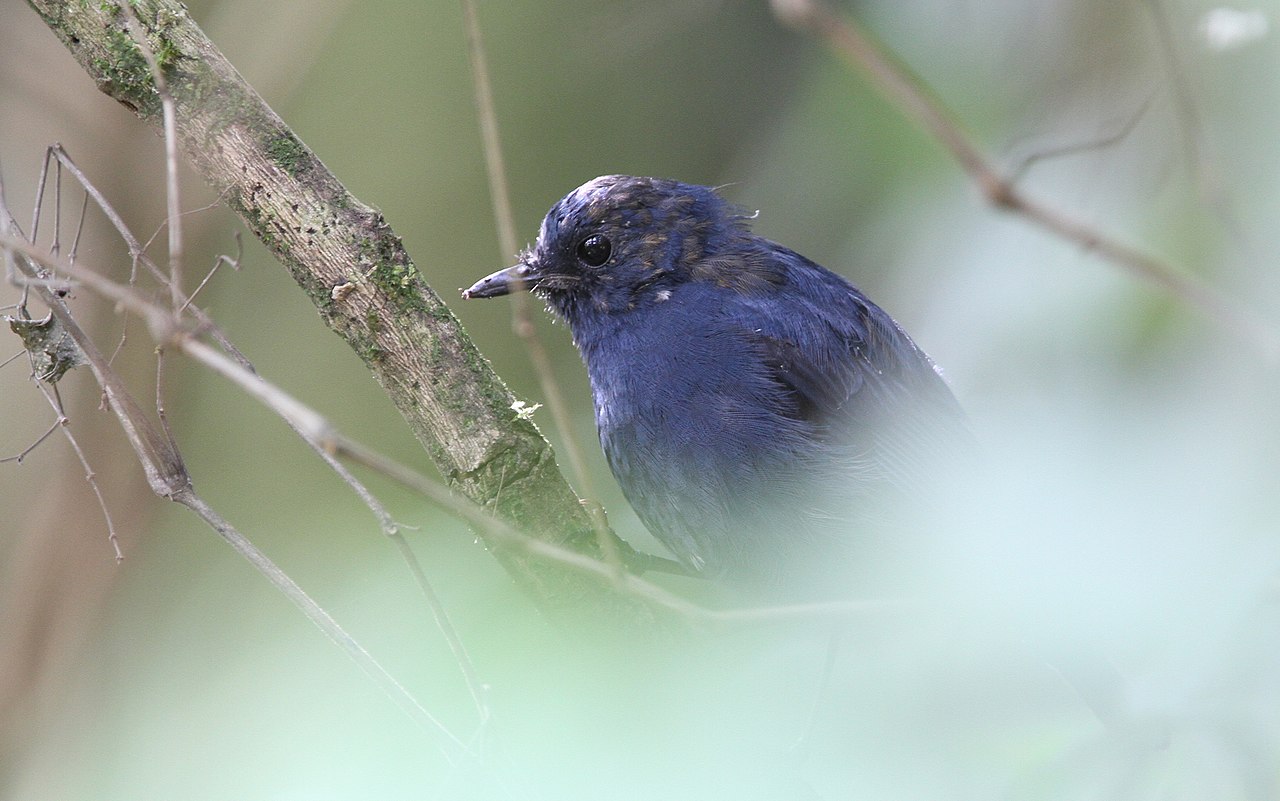
Sunda Blue Robin (Myiomela diana)
The Sunda blue robin is found in Indonesia. IUCN Redlist Status: Least Concern
Familiar Chat (Oenanthe familiaris)
The familiar chat is found in Sub-Saharan Africa. IUCN Redlist Status: Least Concern
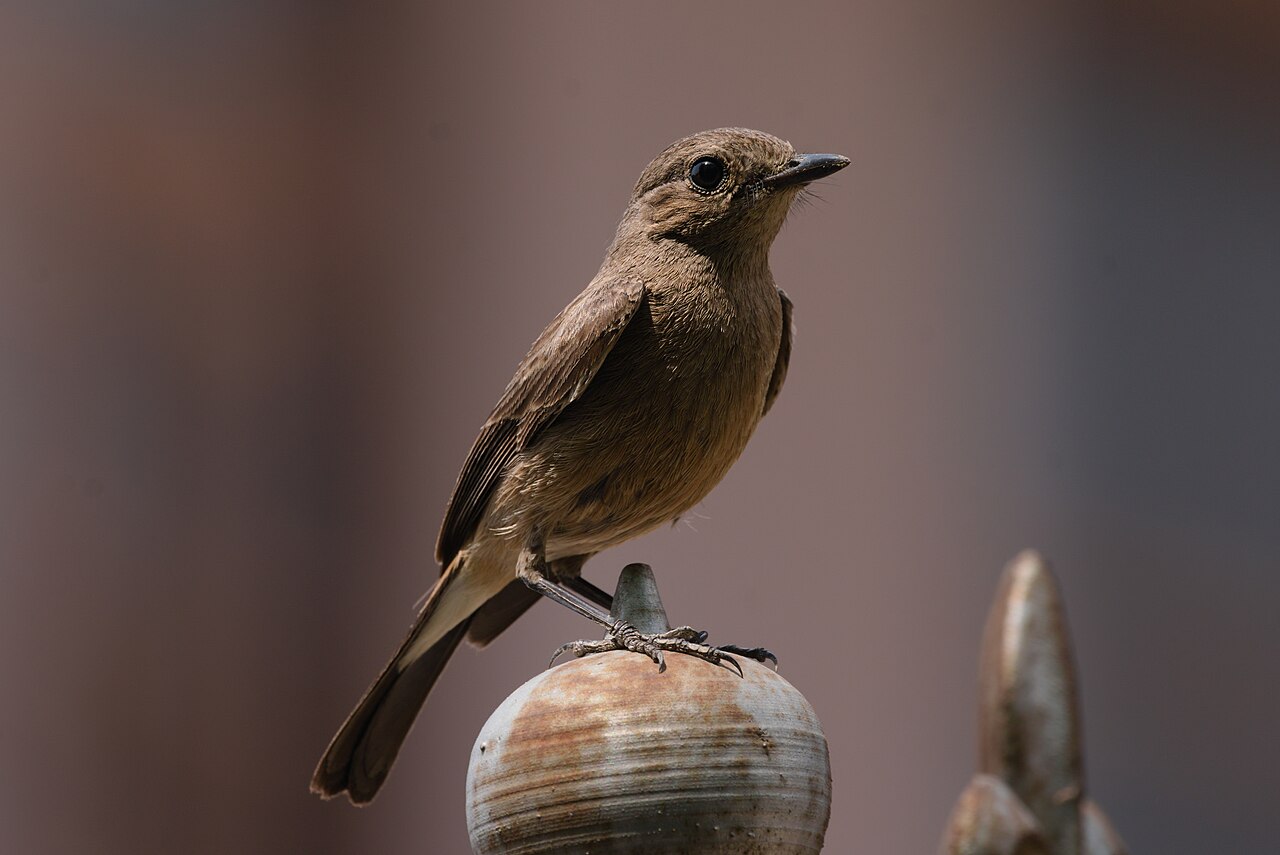
Brown Rockchat (Oenanthe fusca)
The brown rockchat is found in India, Nepal, and Pakistan. IUCN Redlist Status: Least Concern
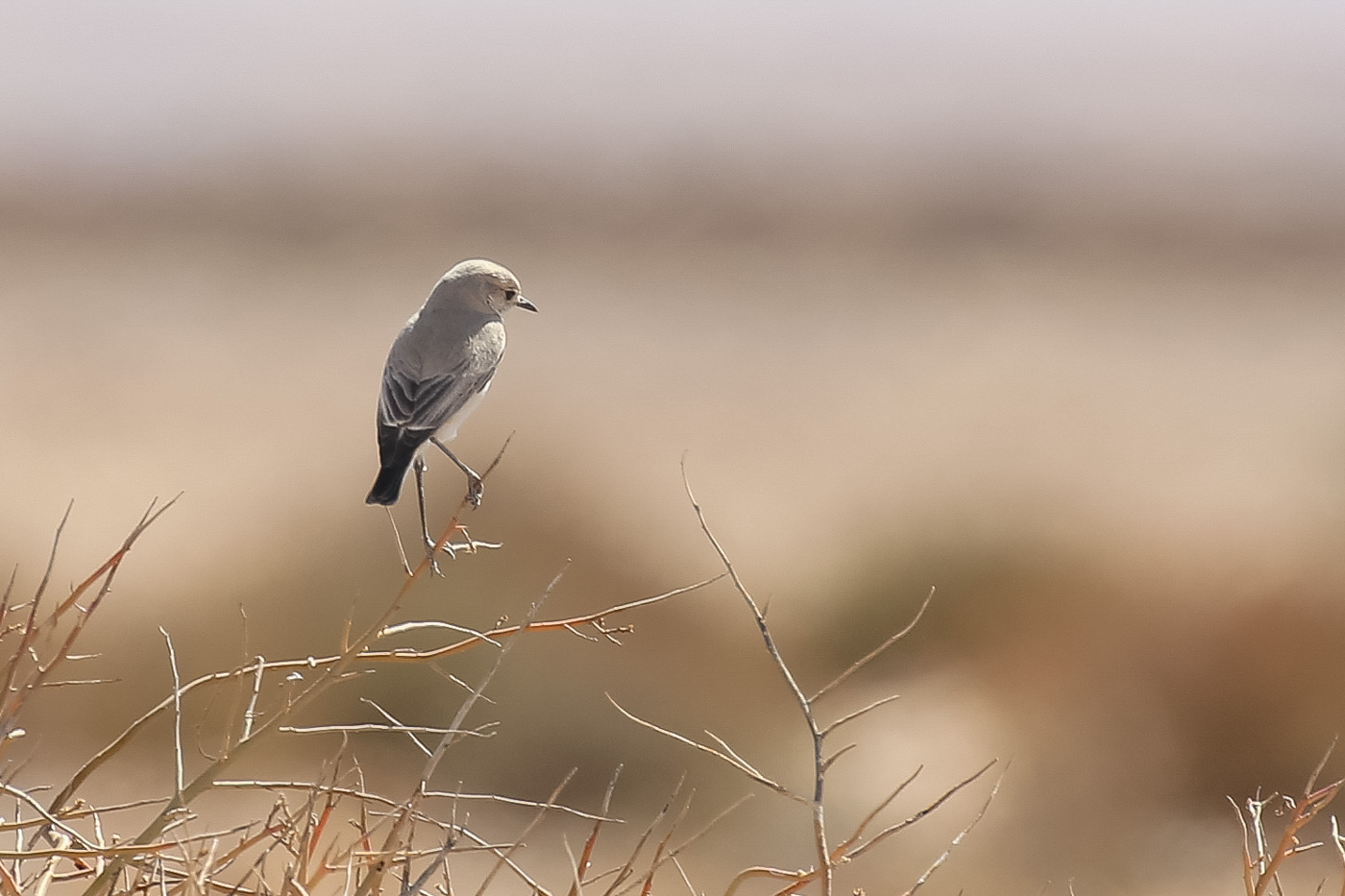
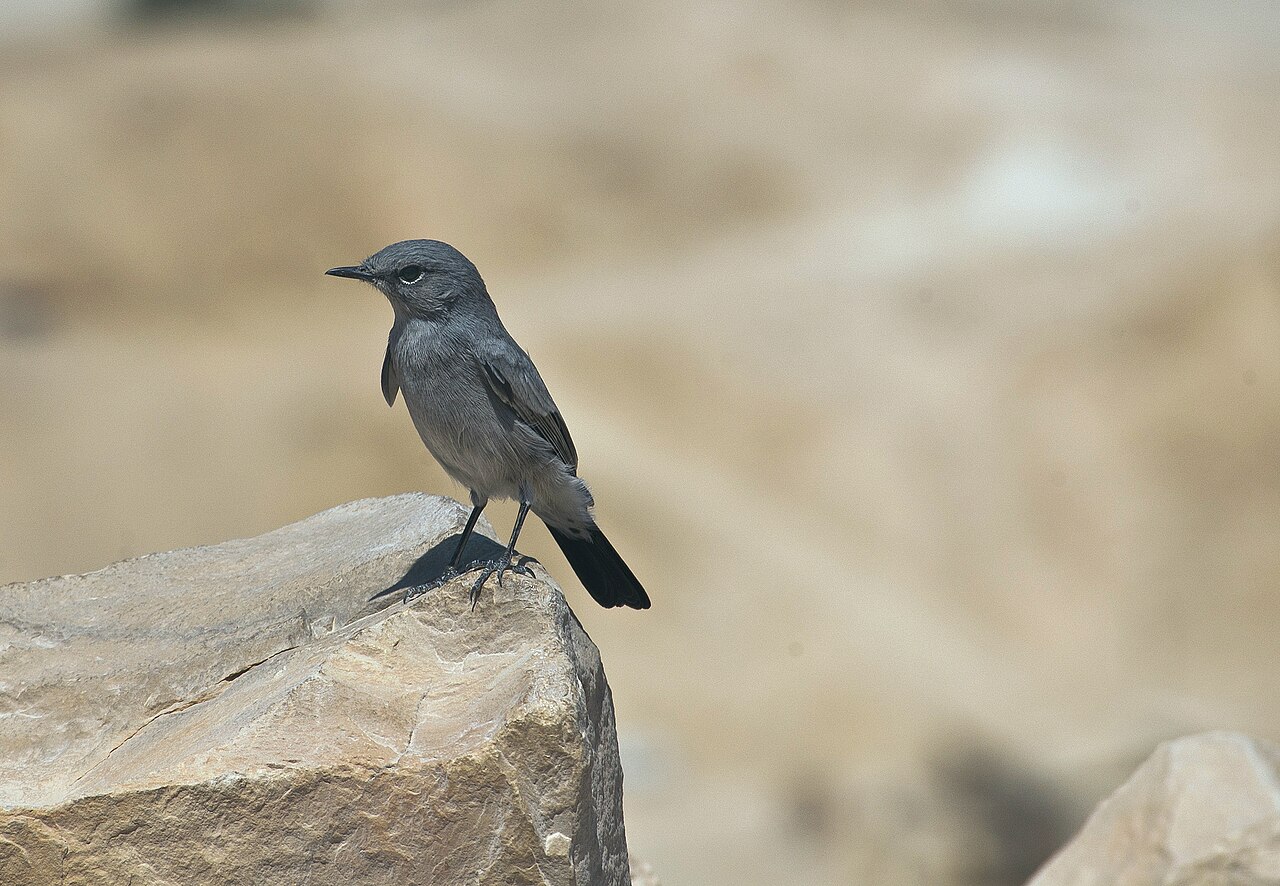
Blackstart (Oenanthe melanura)
The blackstart is found in Chad, Djibouti, Egypt, Eritrea, Ethiopia, Israel, Jordan, Mali, Niger, Oman, Palestine, Saudi Arabia, Somalia, Sudan, Syria, and Yemen. IUCN Redlist Status: Least Concern