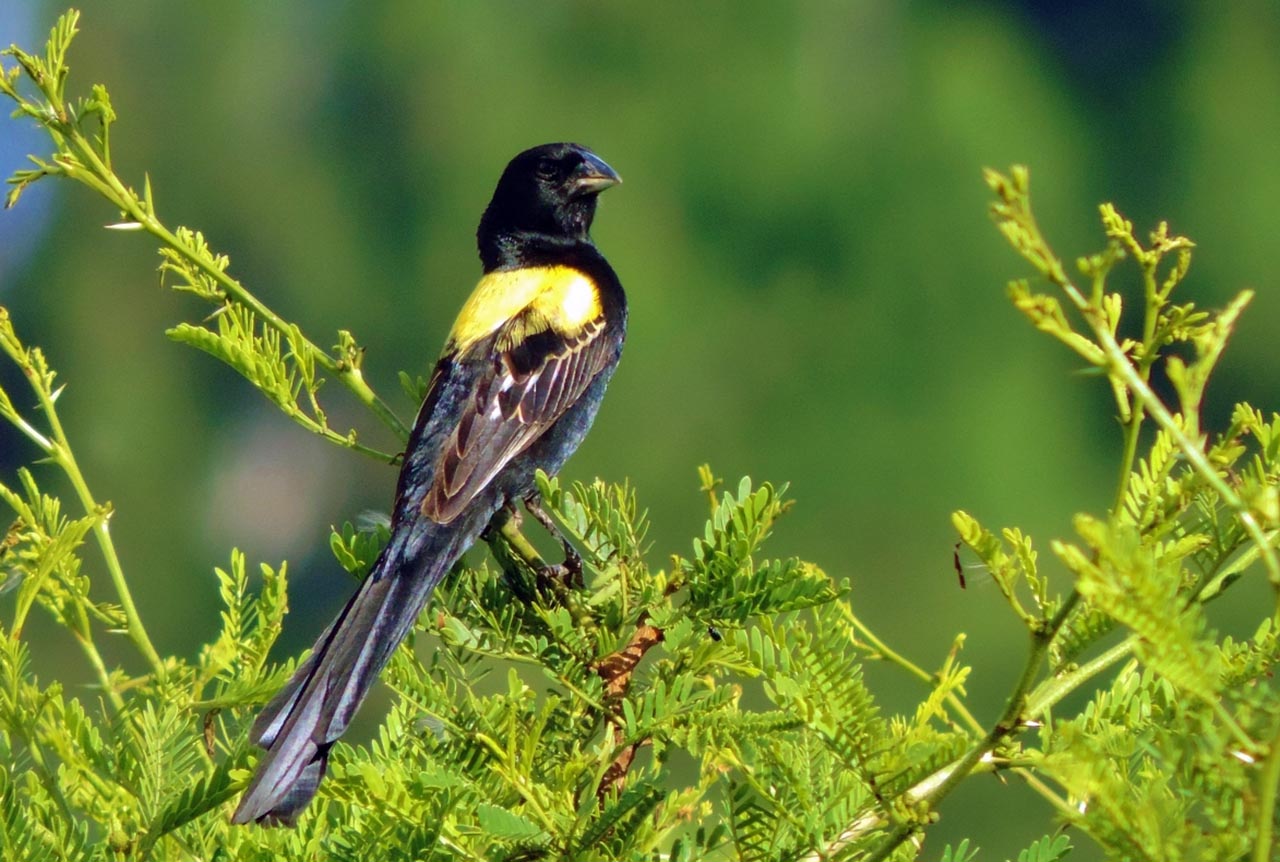
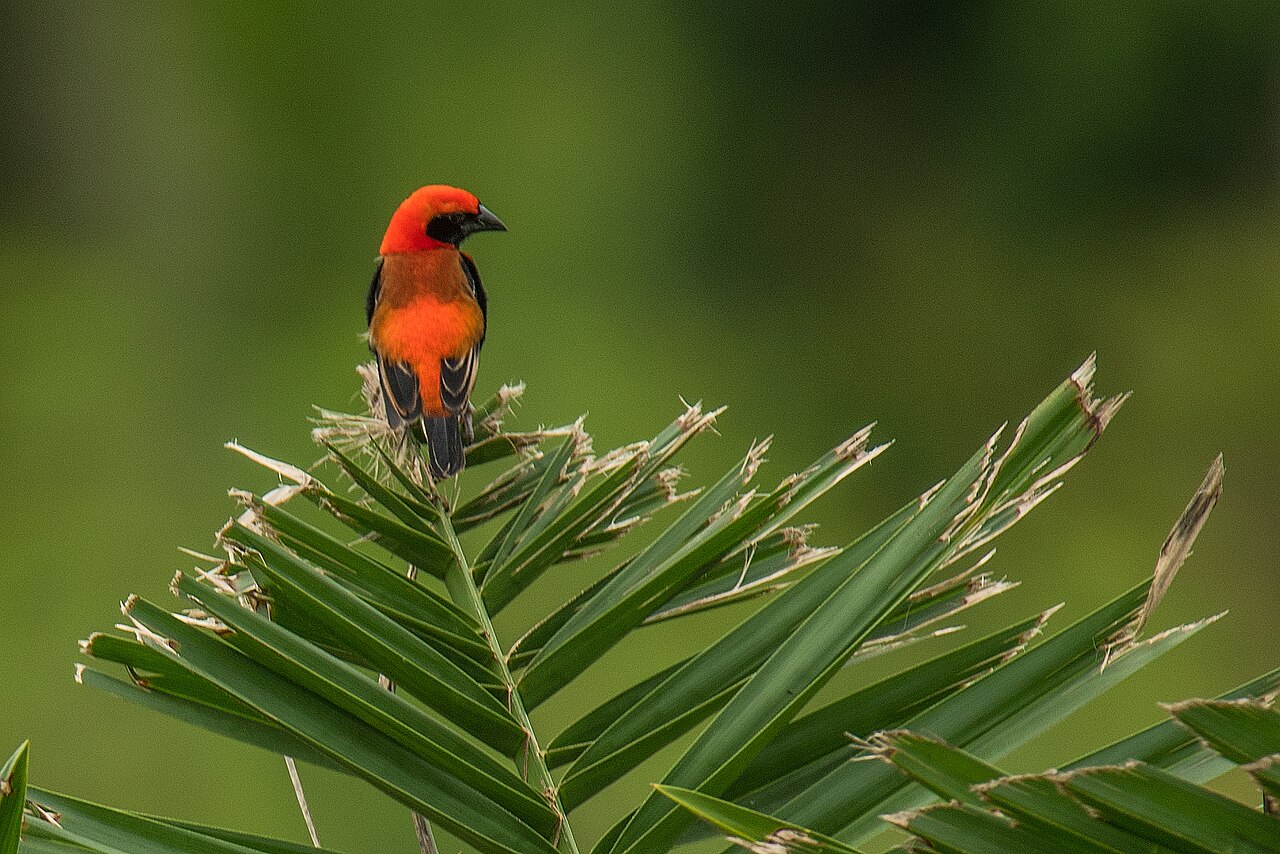
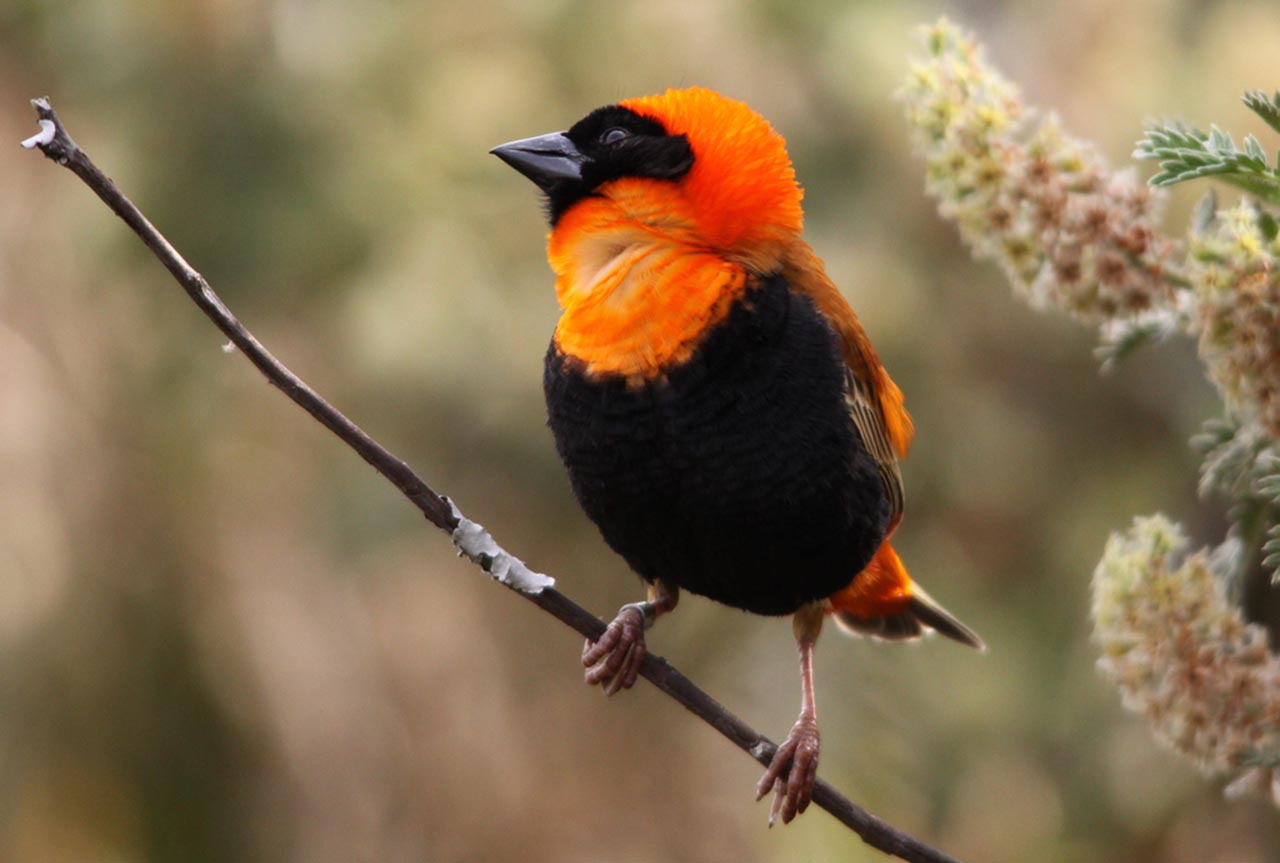
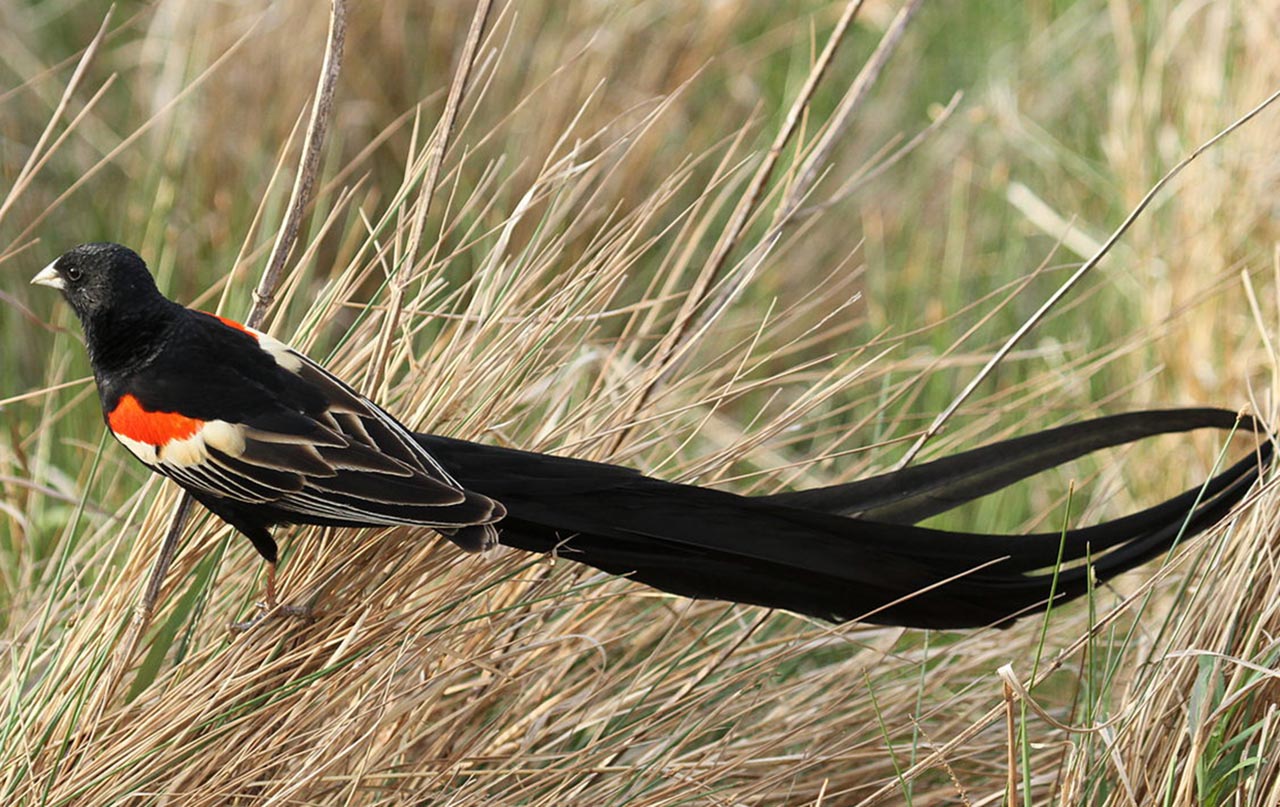
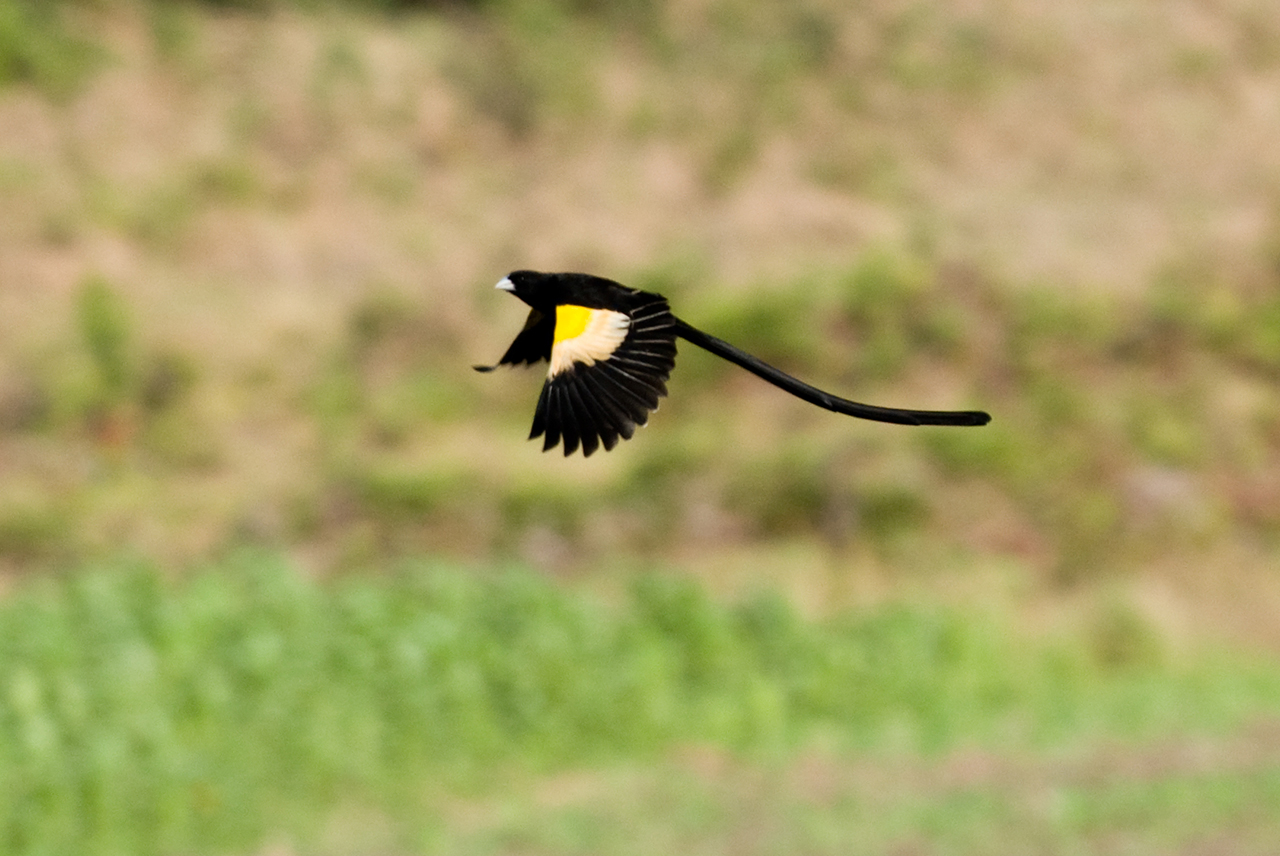
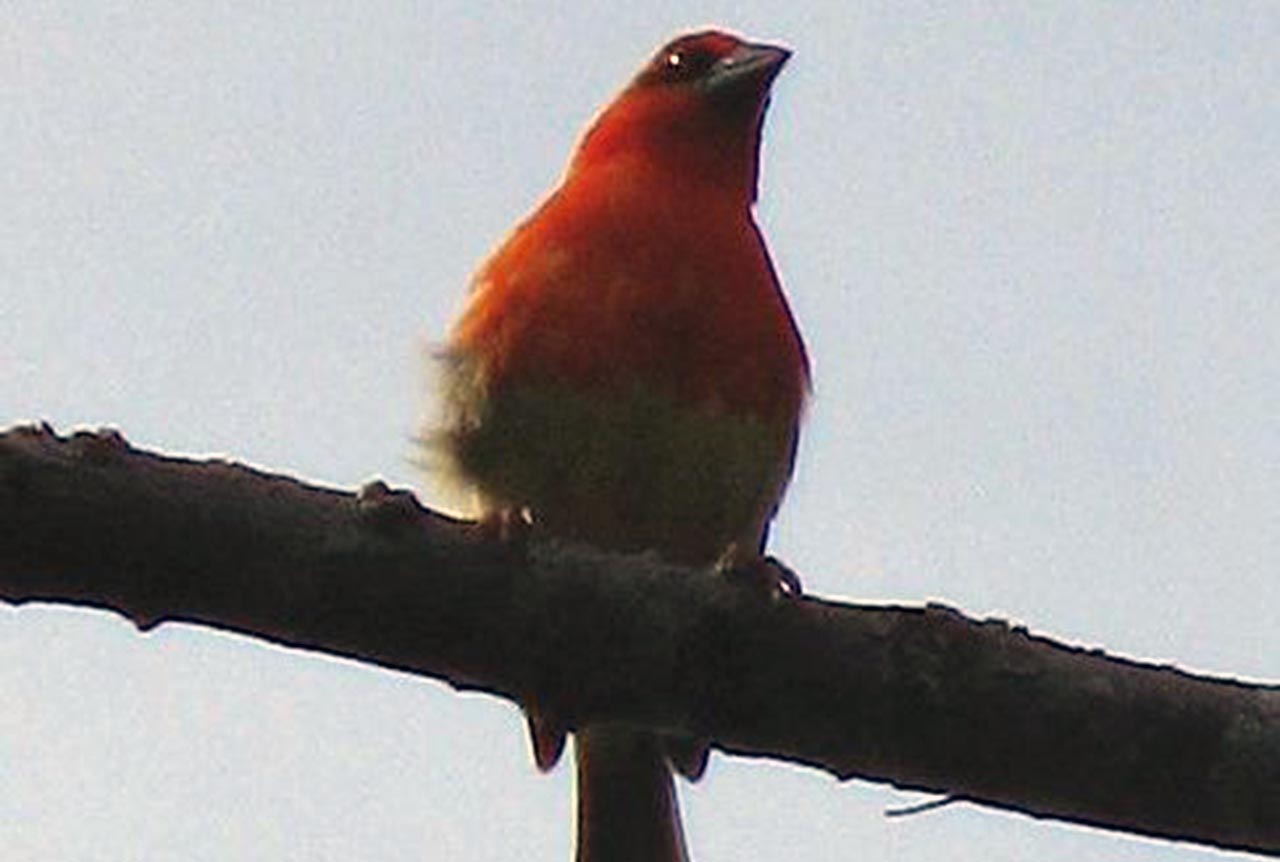
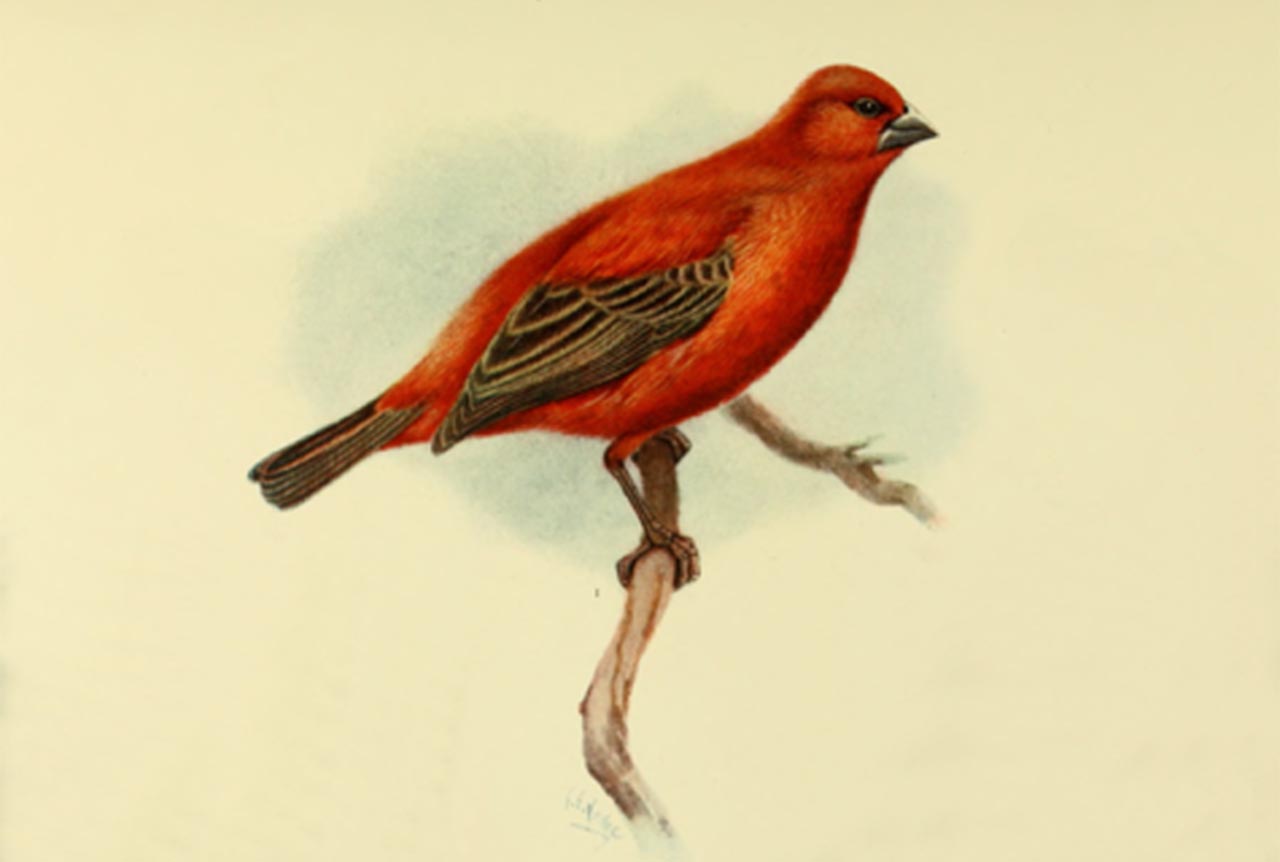
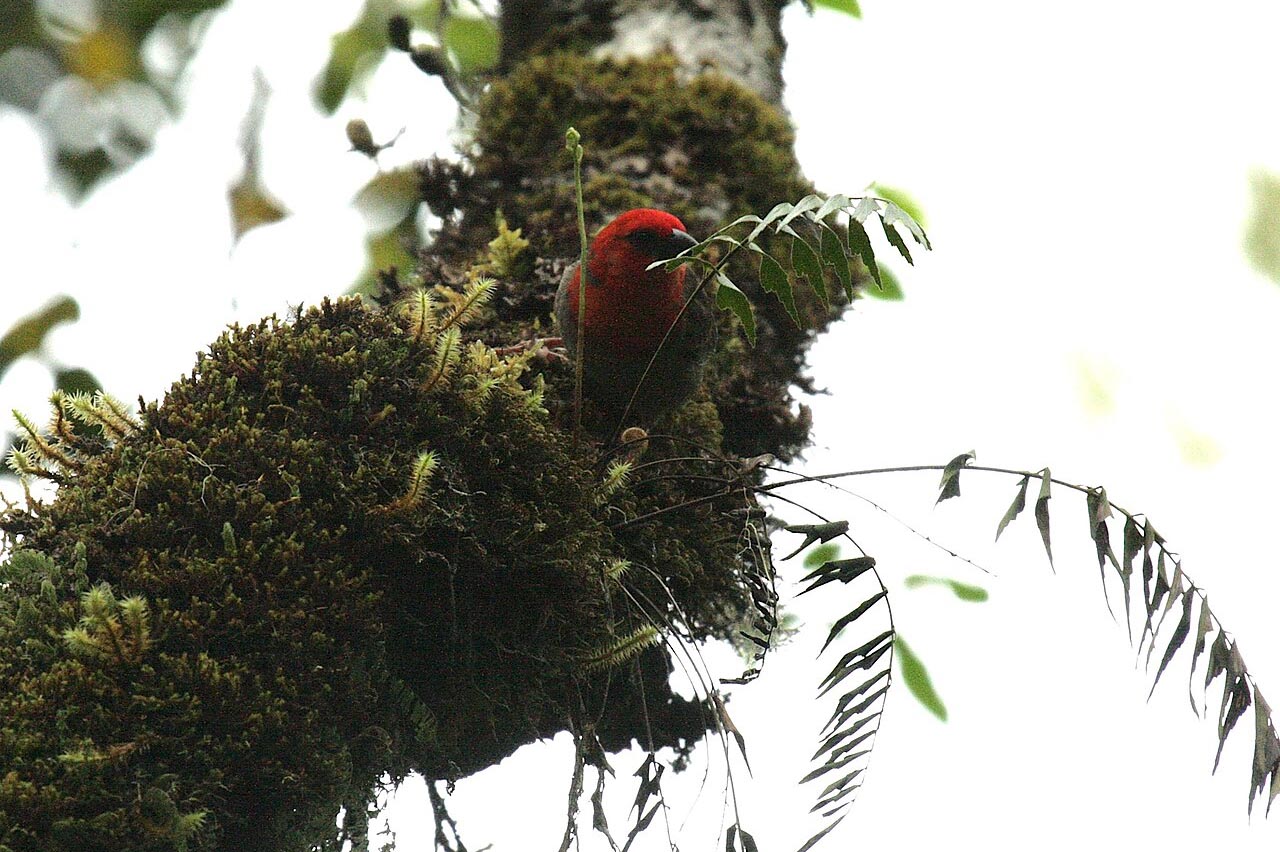
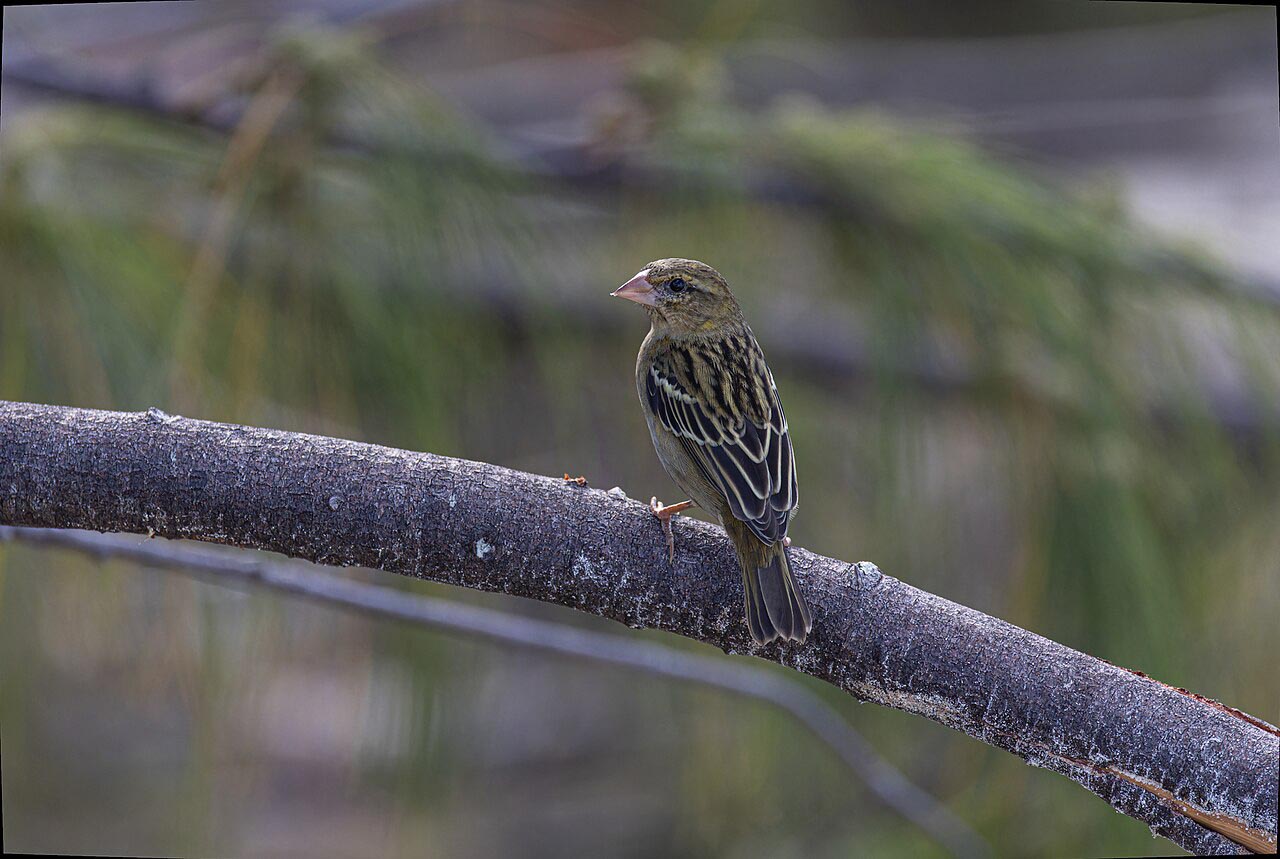
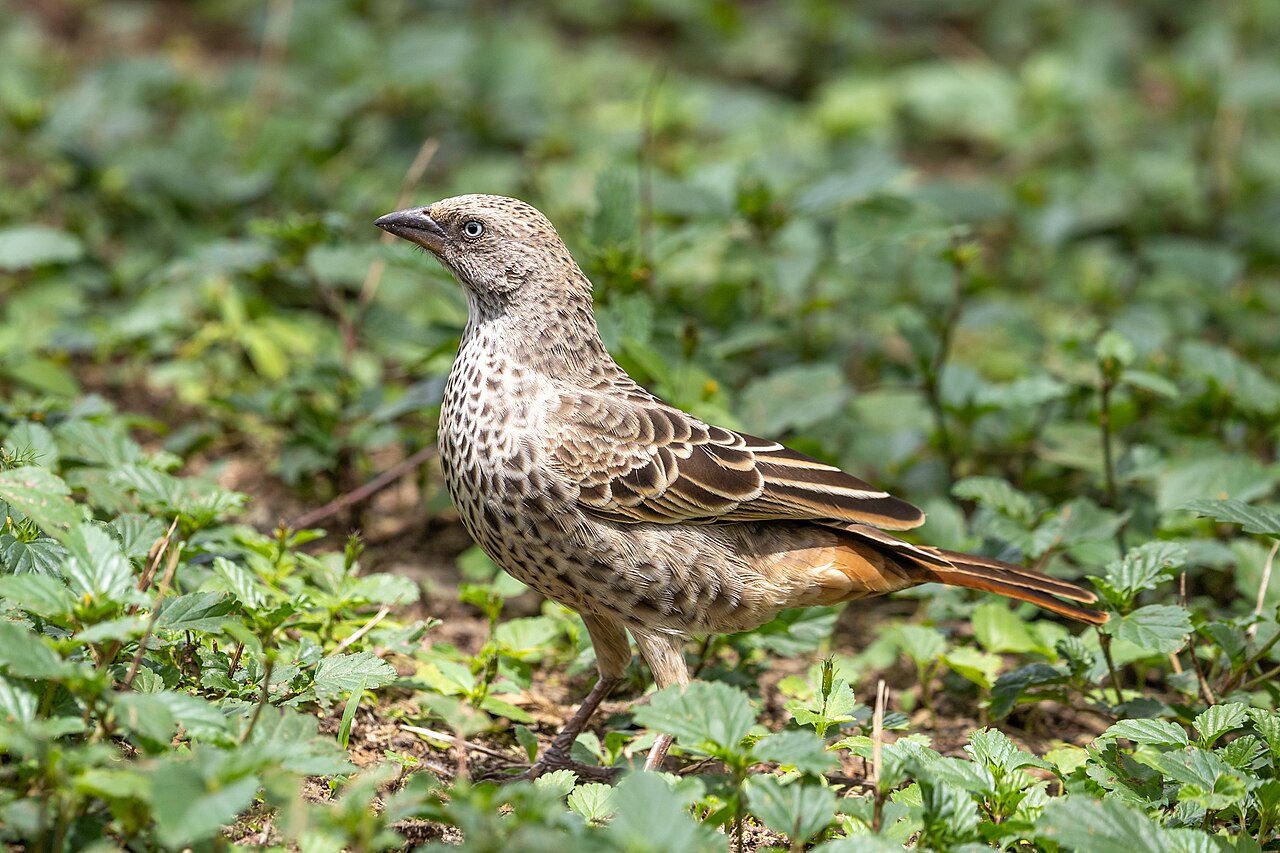
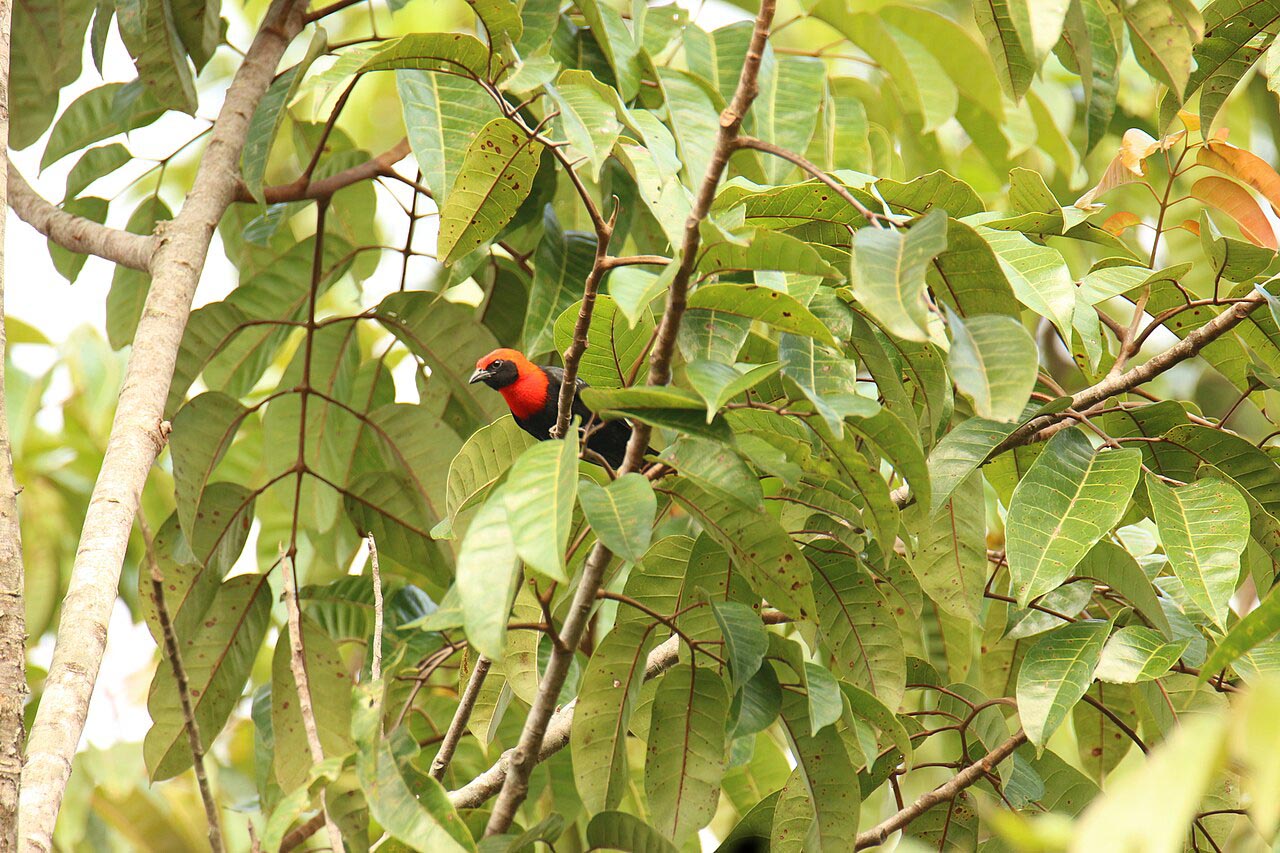
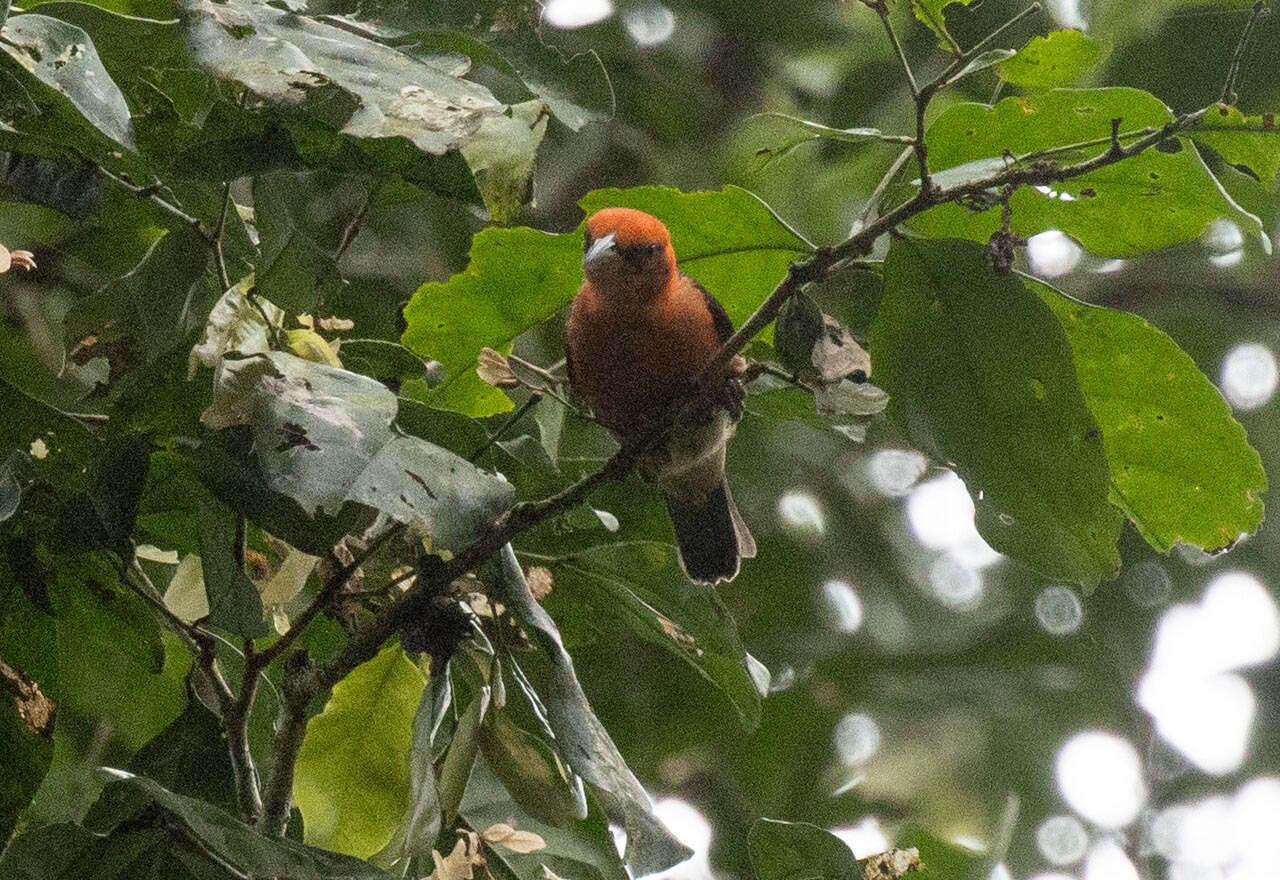
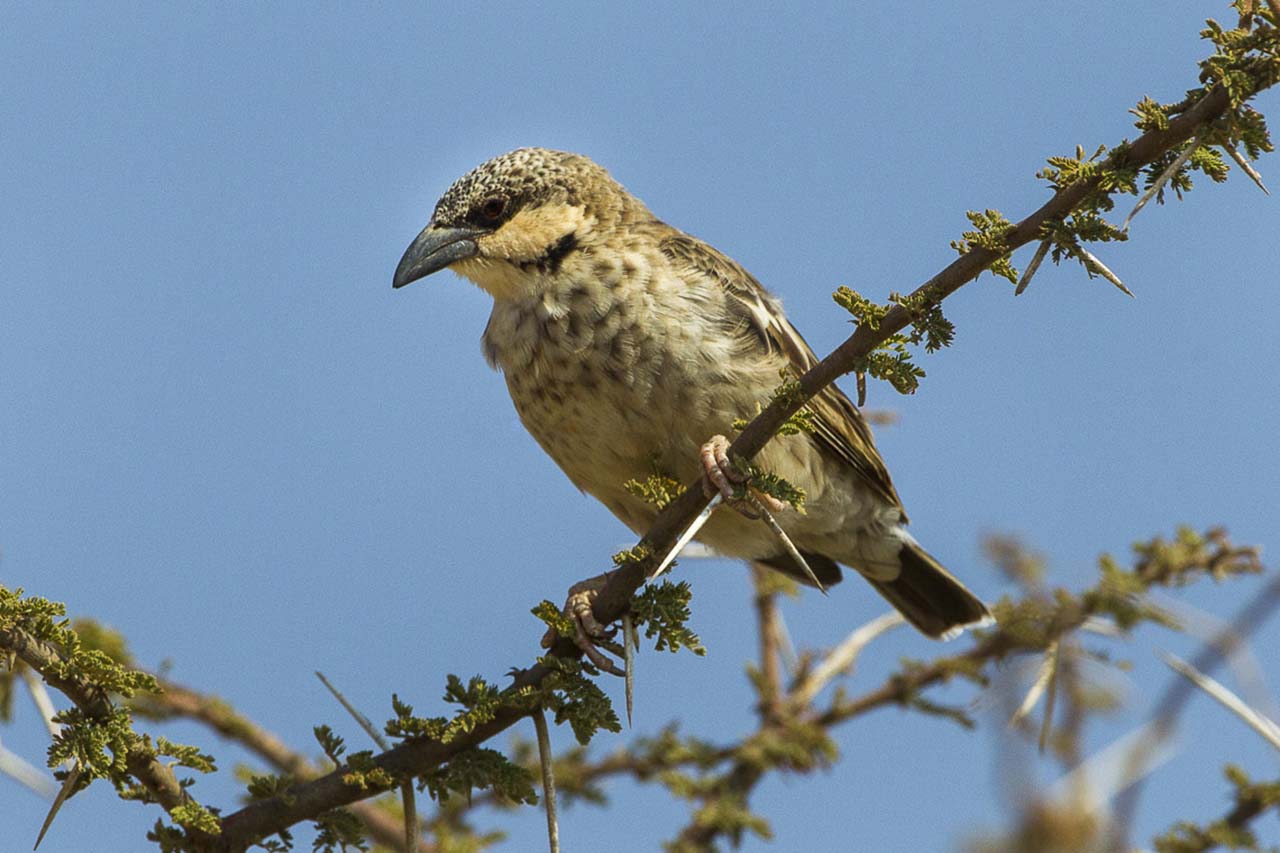
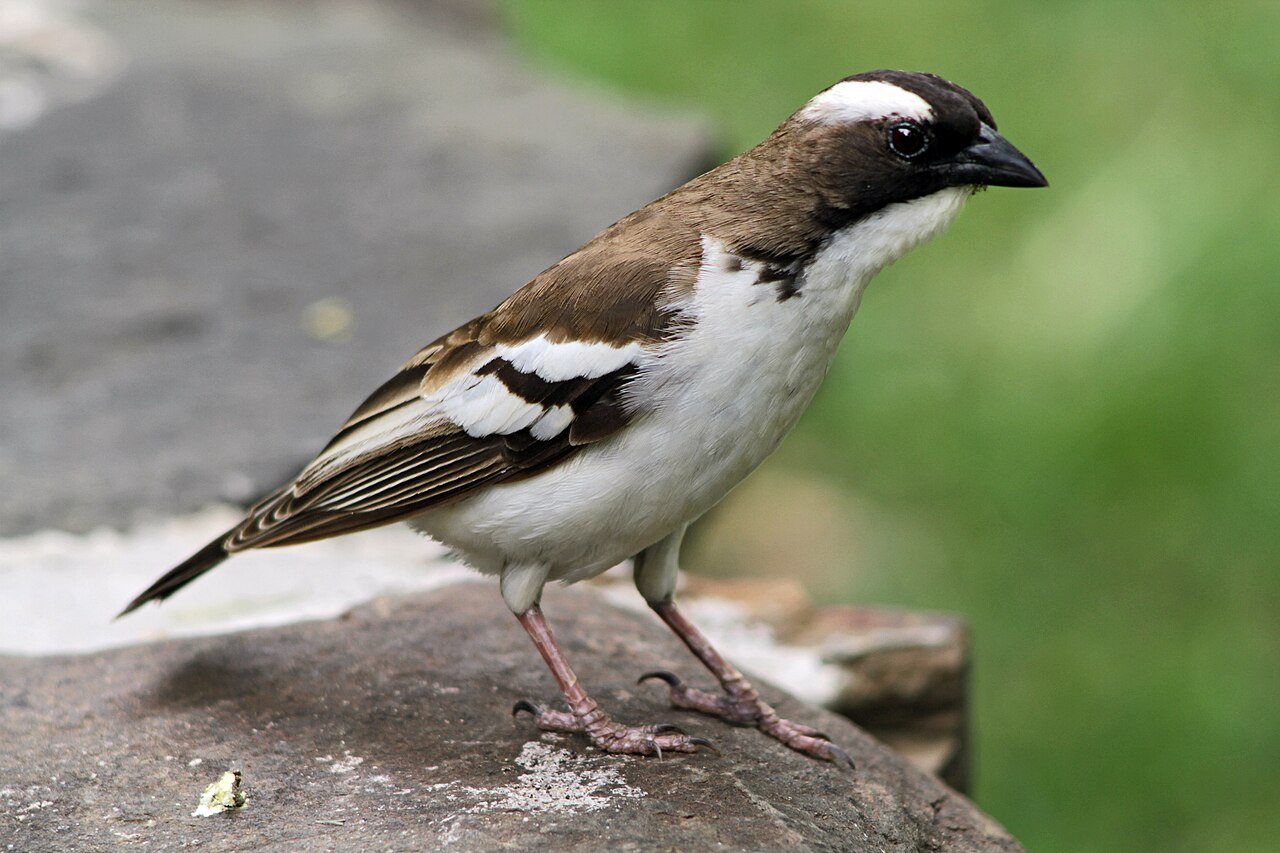
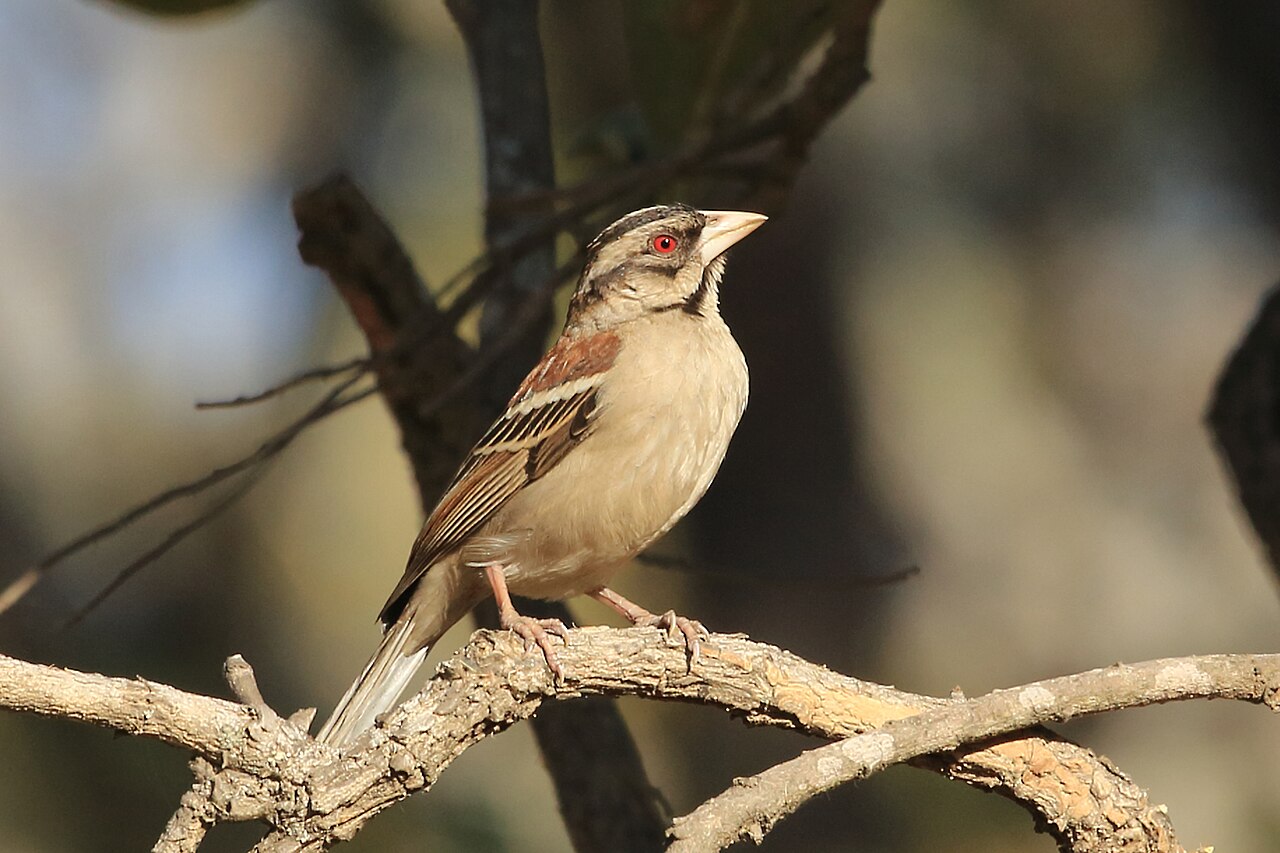
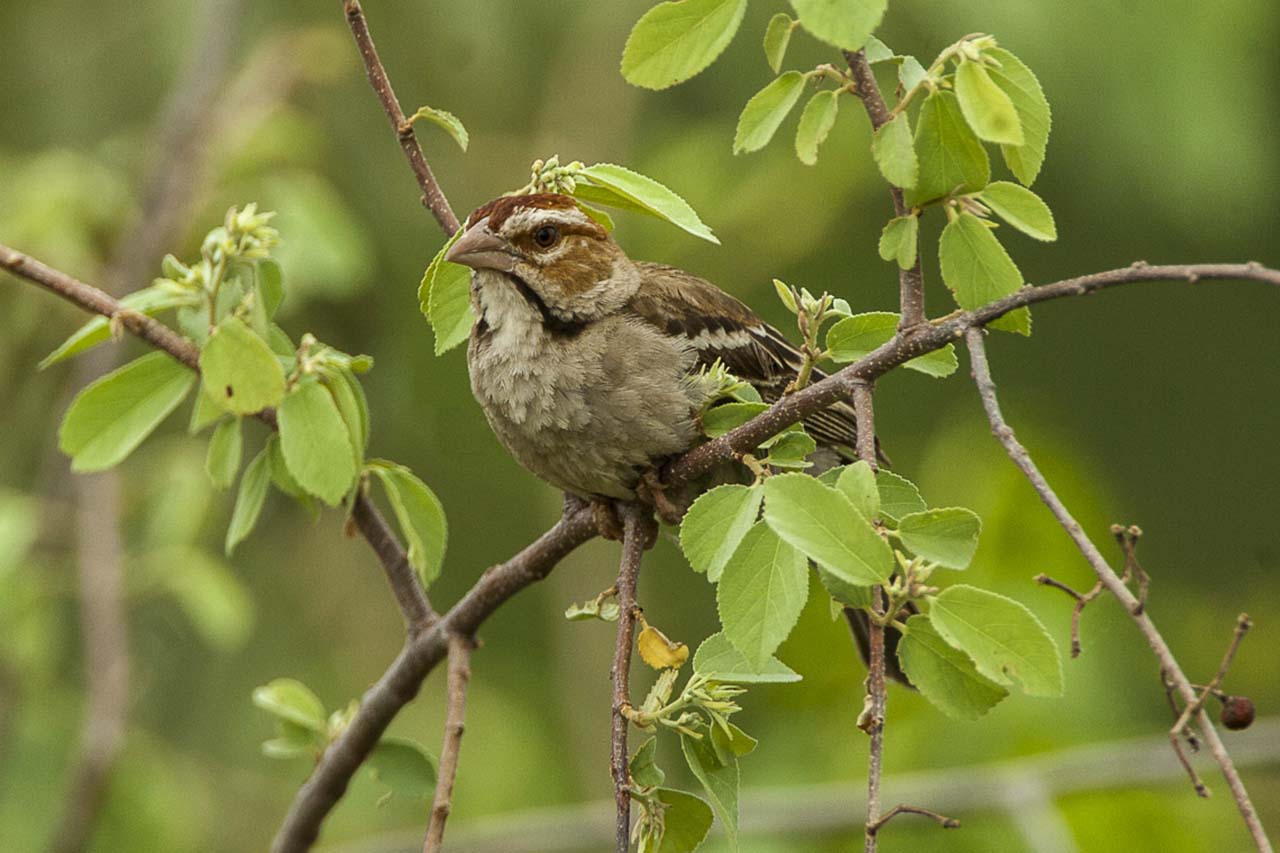
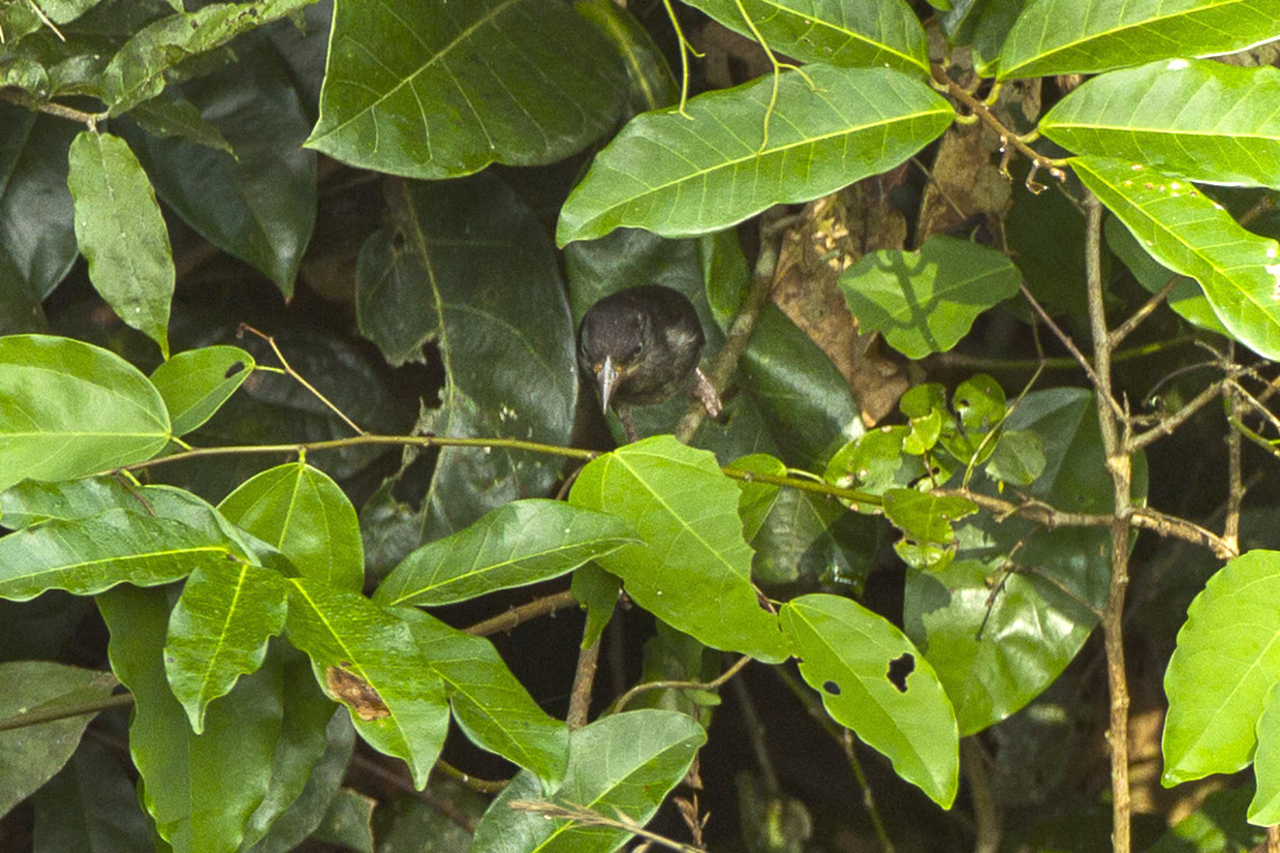
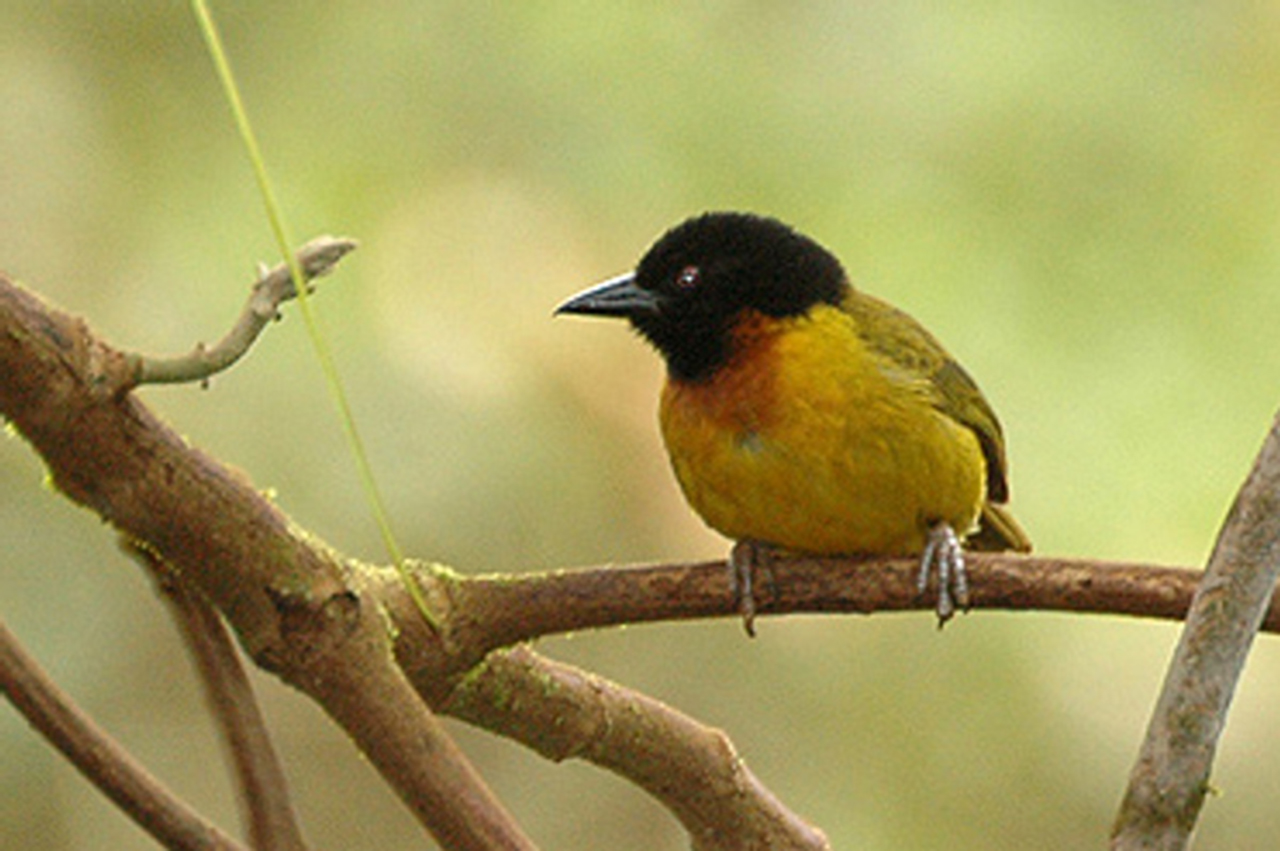
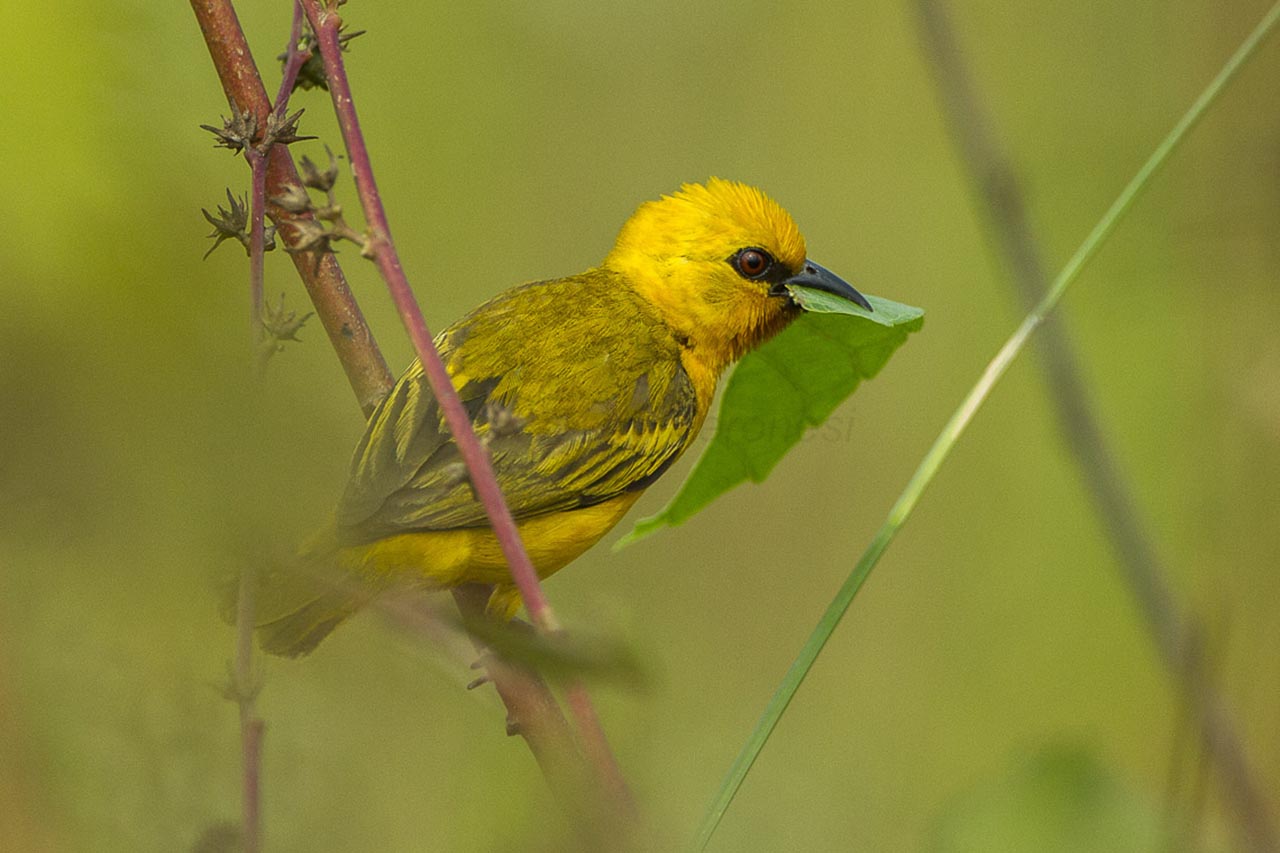
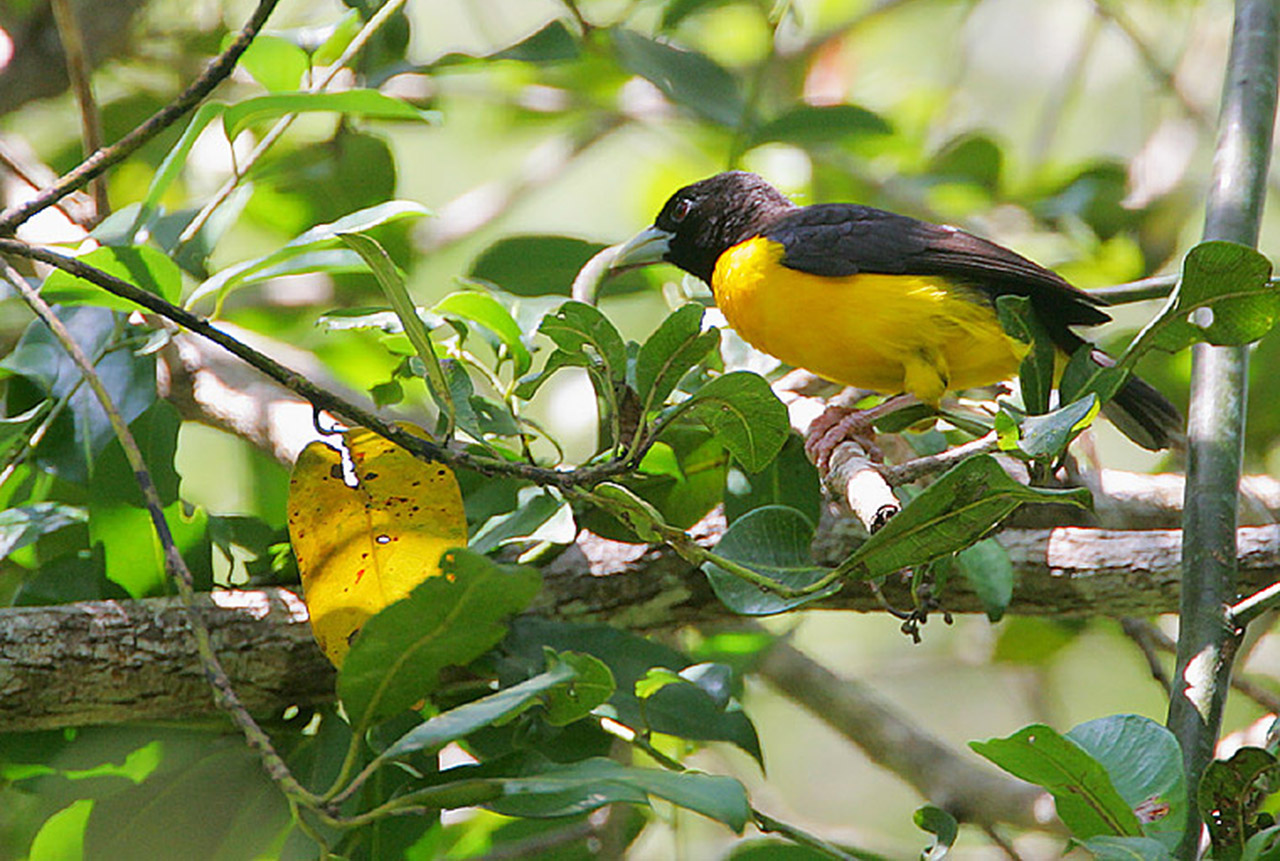
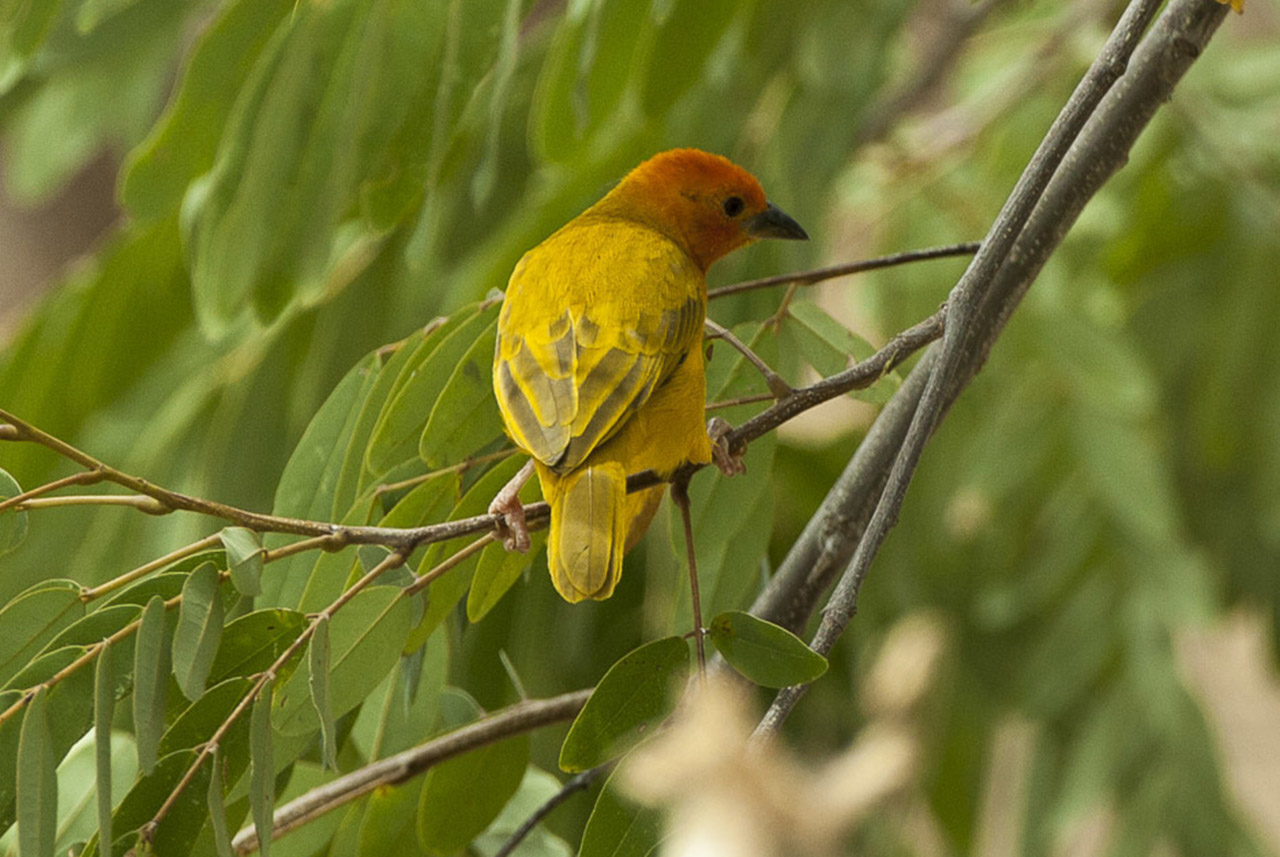
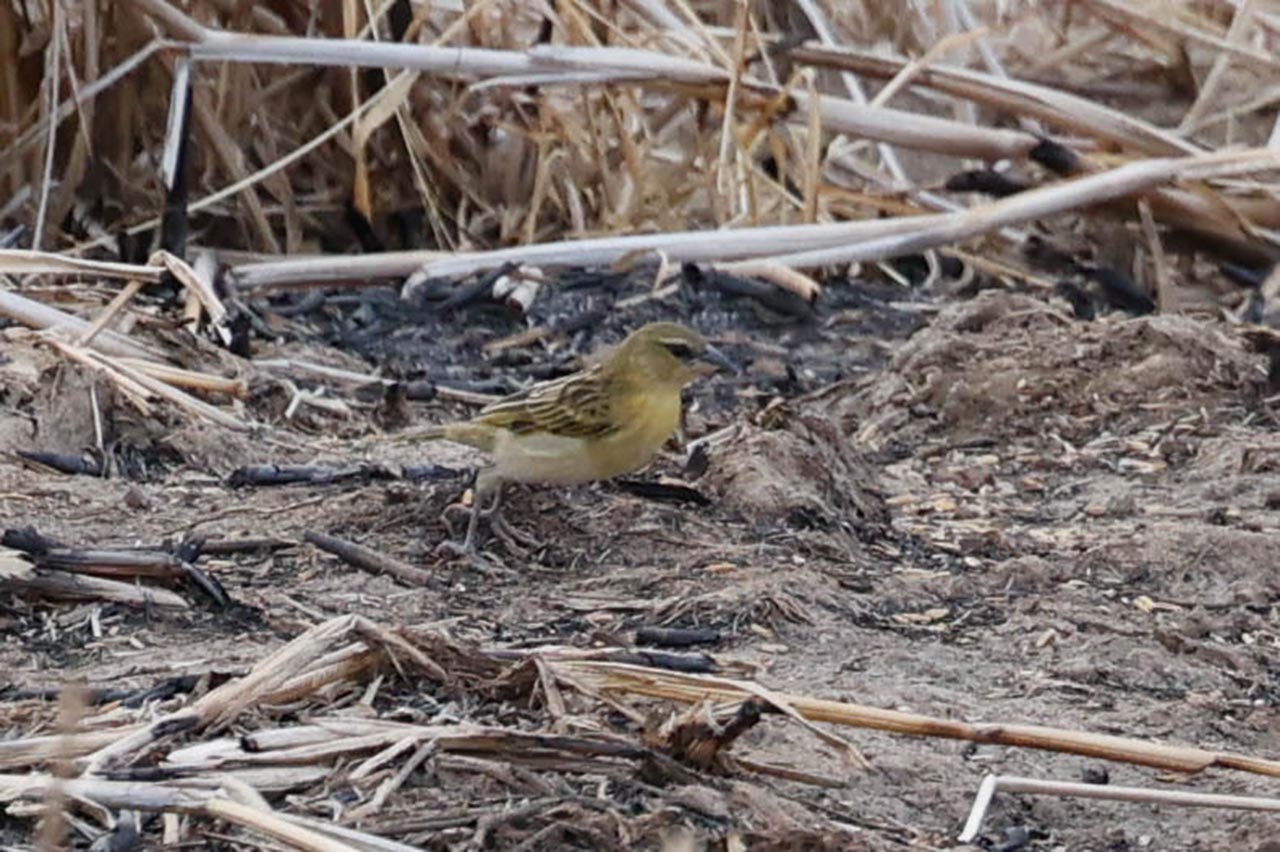
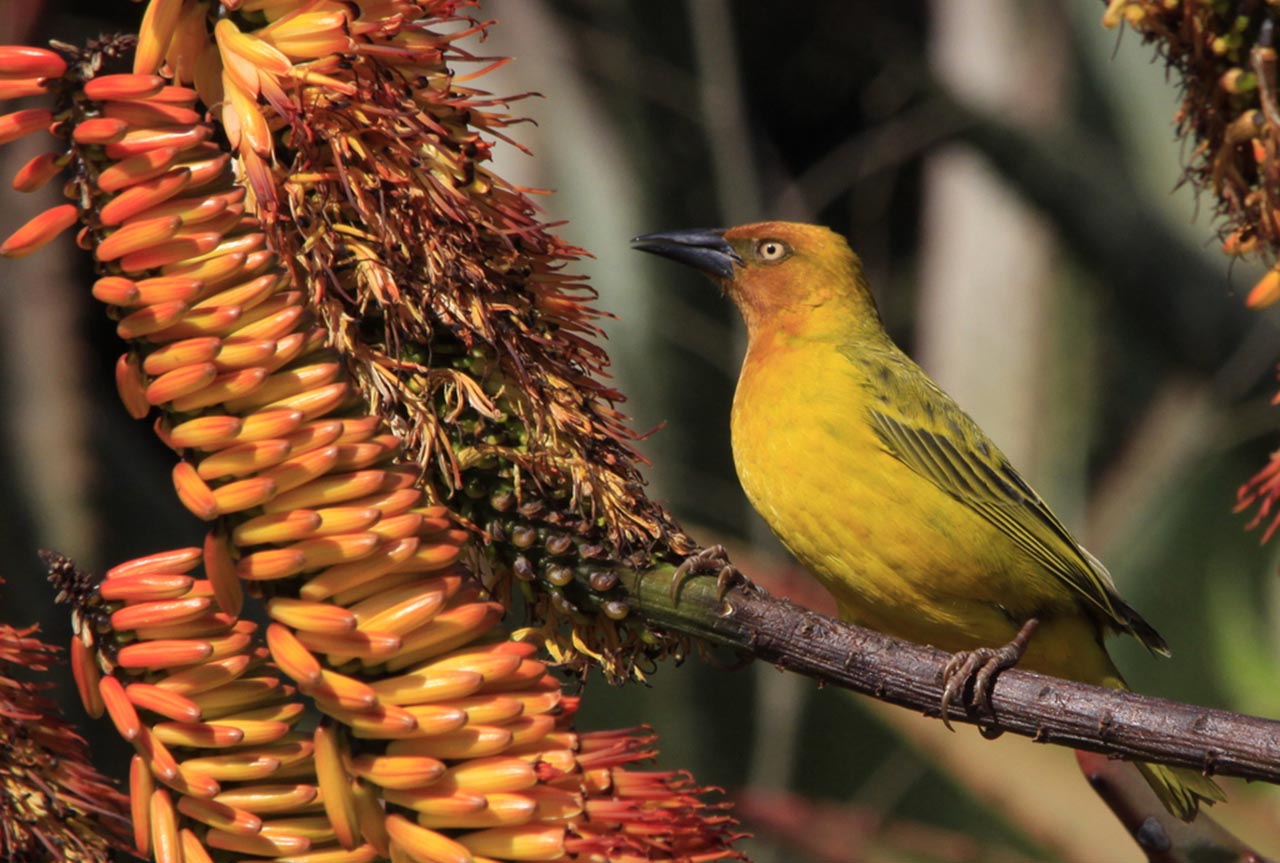
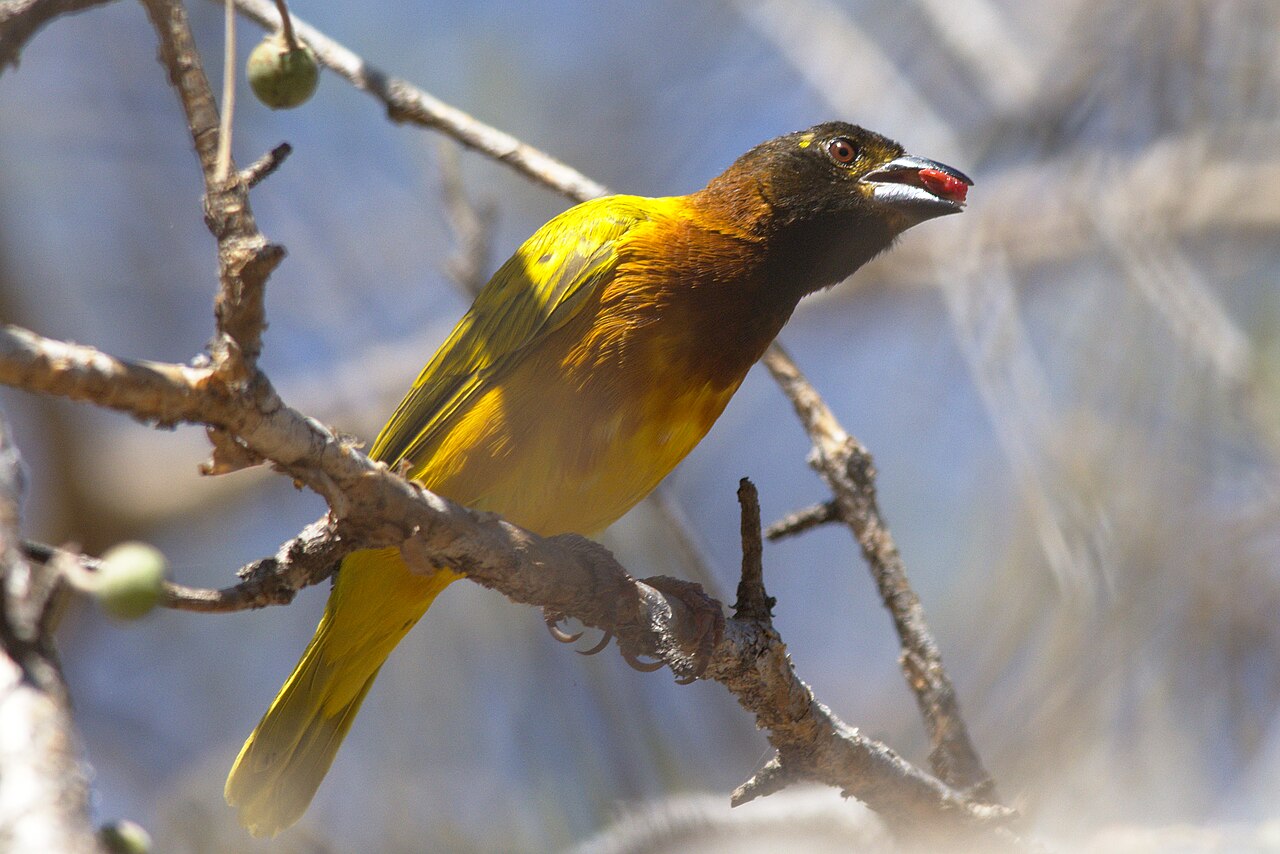
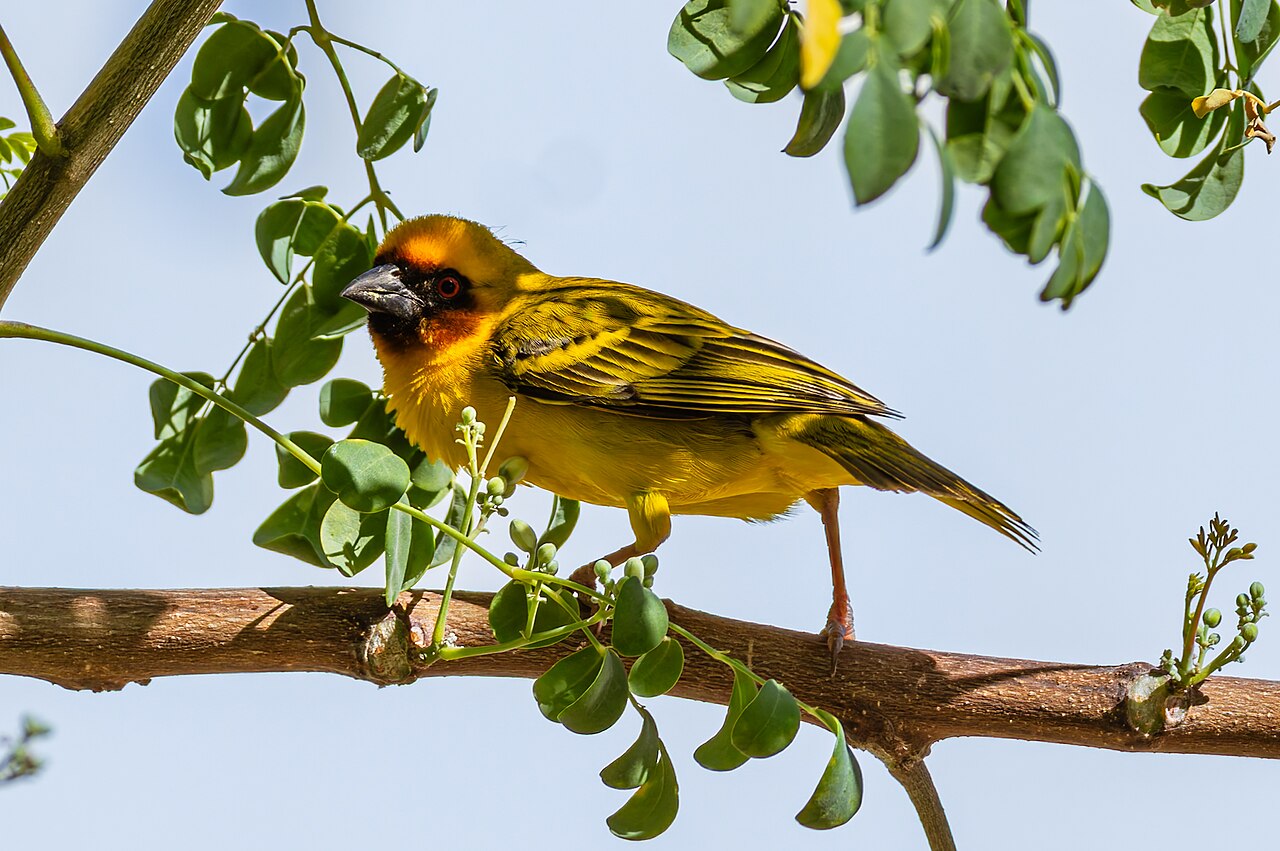
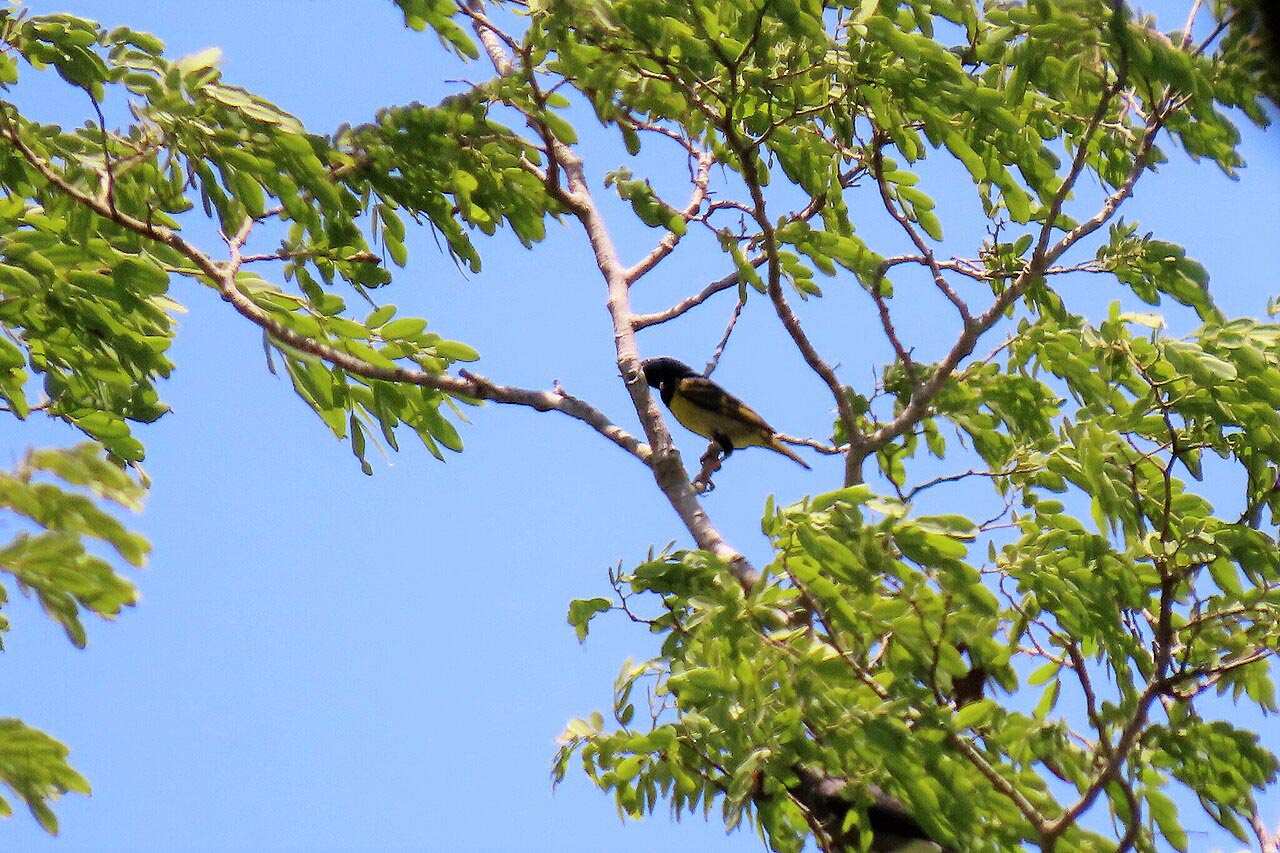
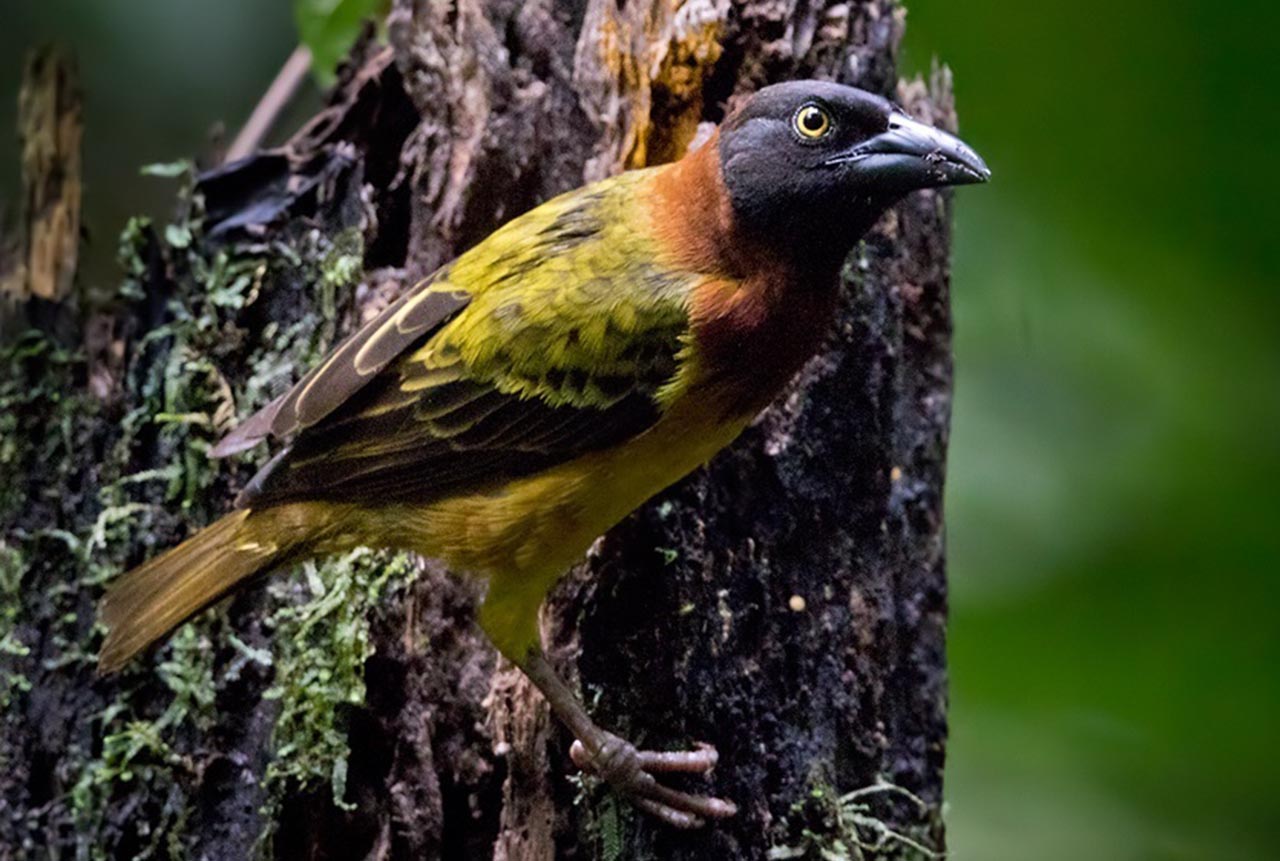
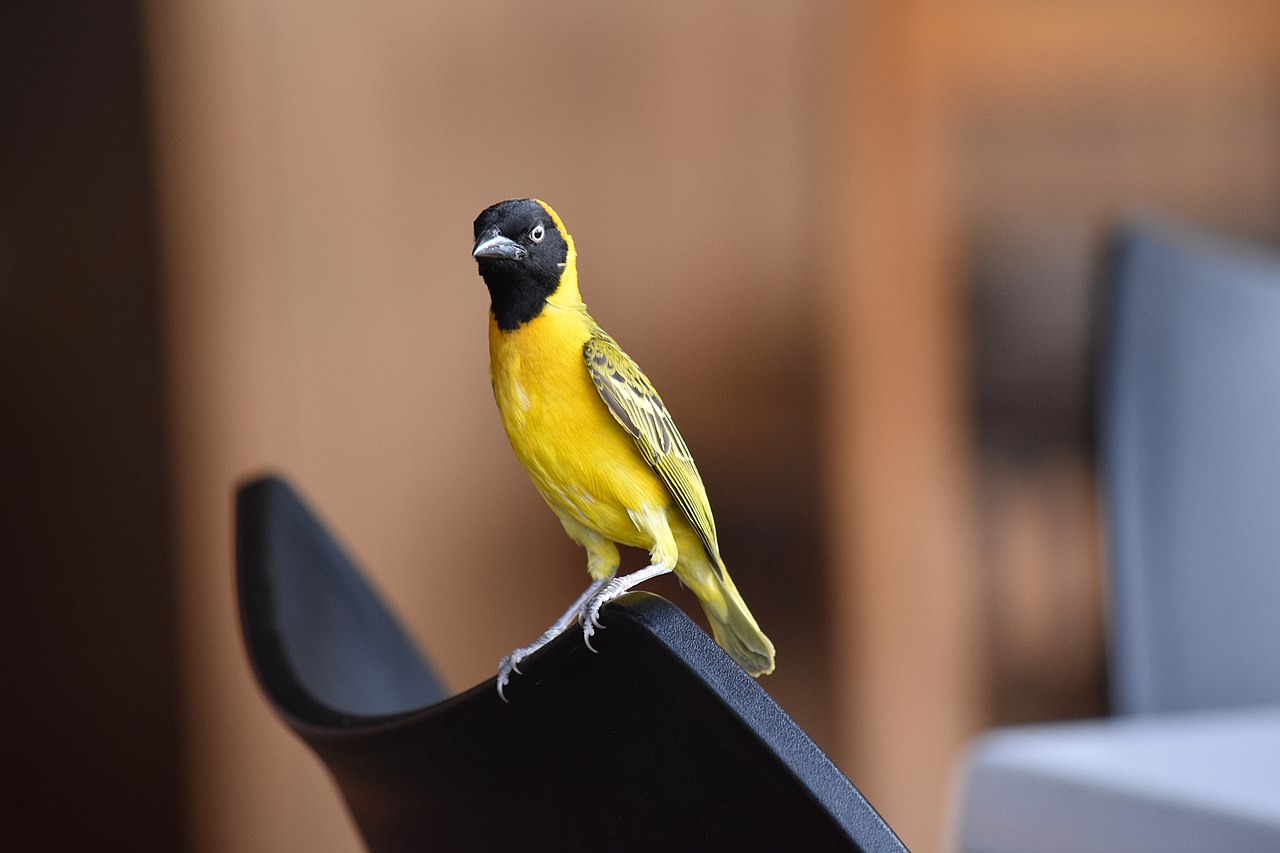
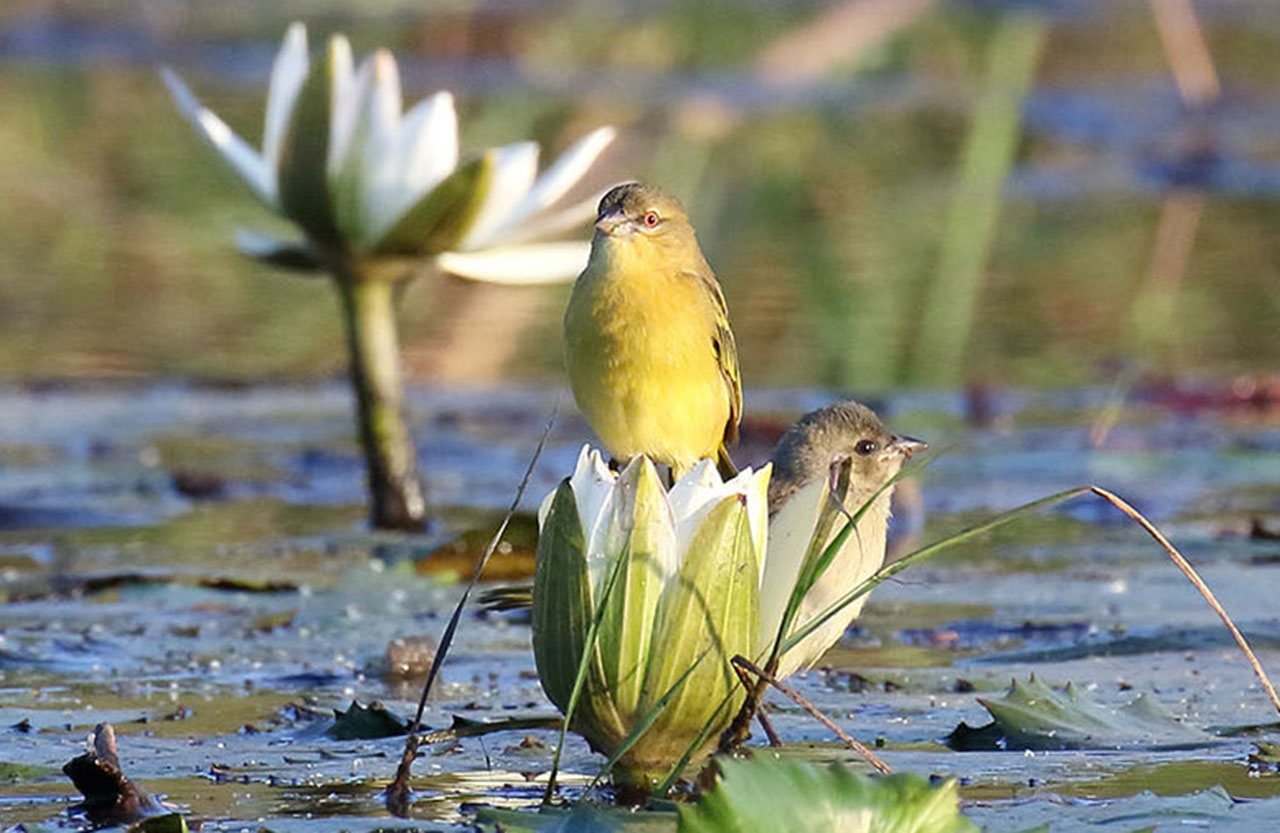
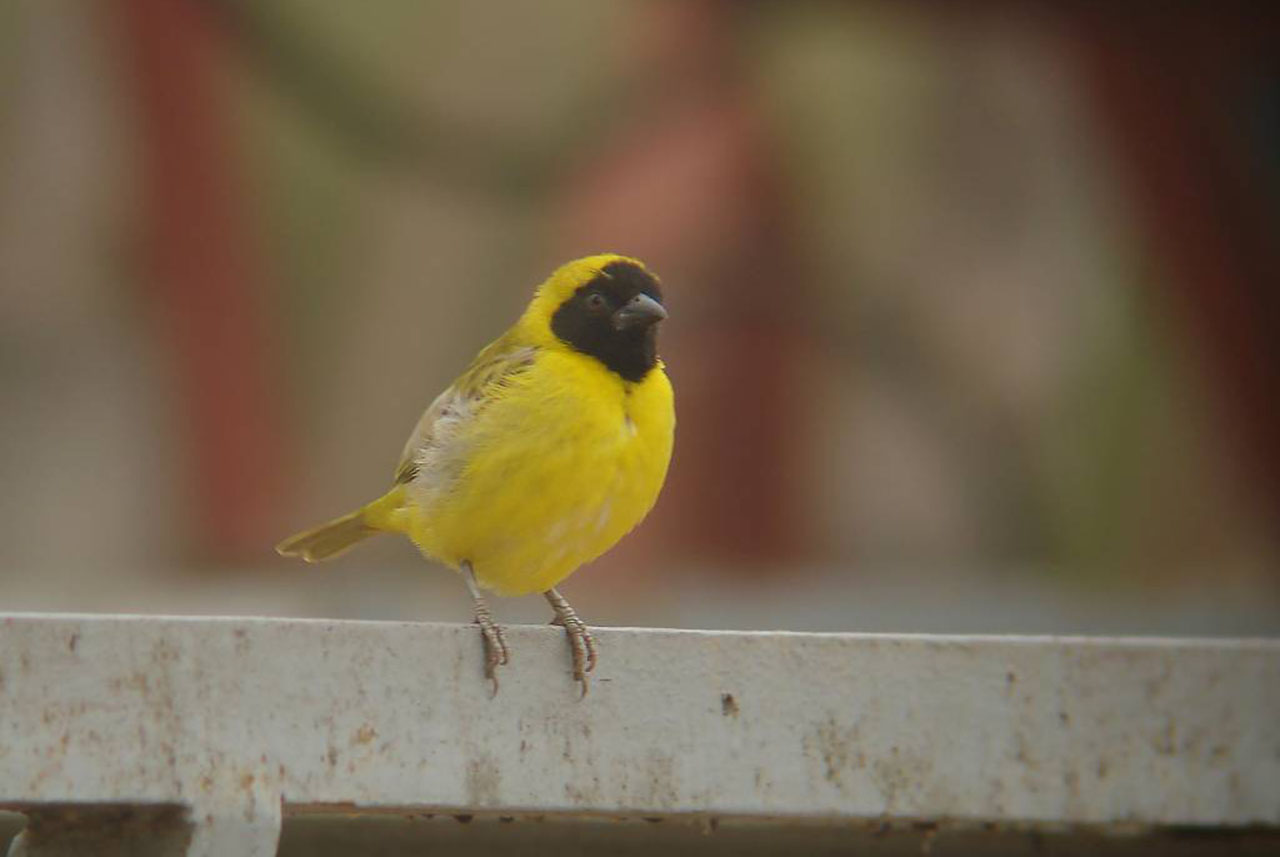
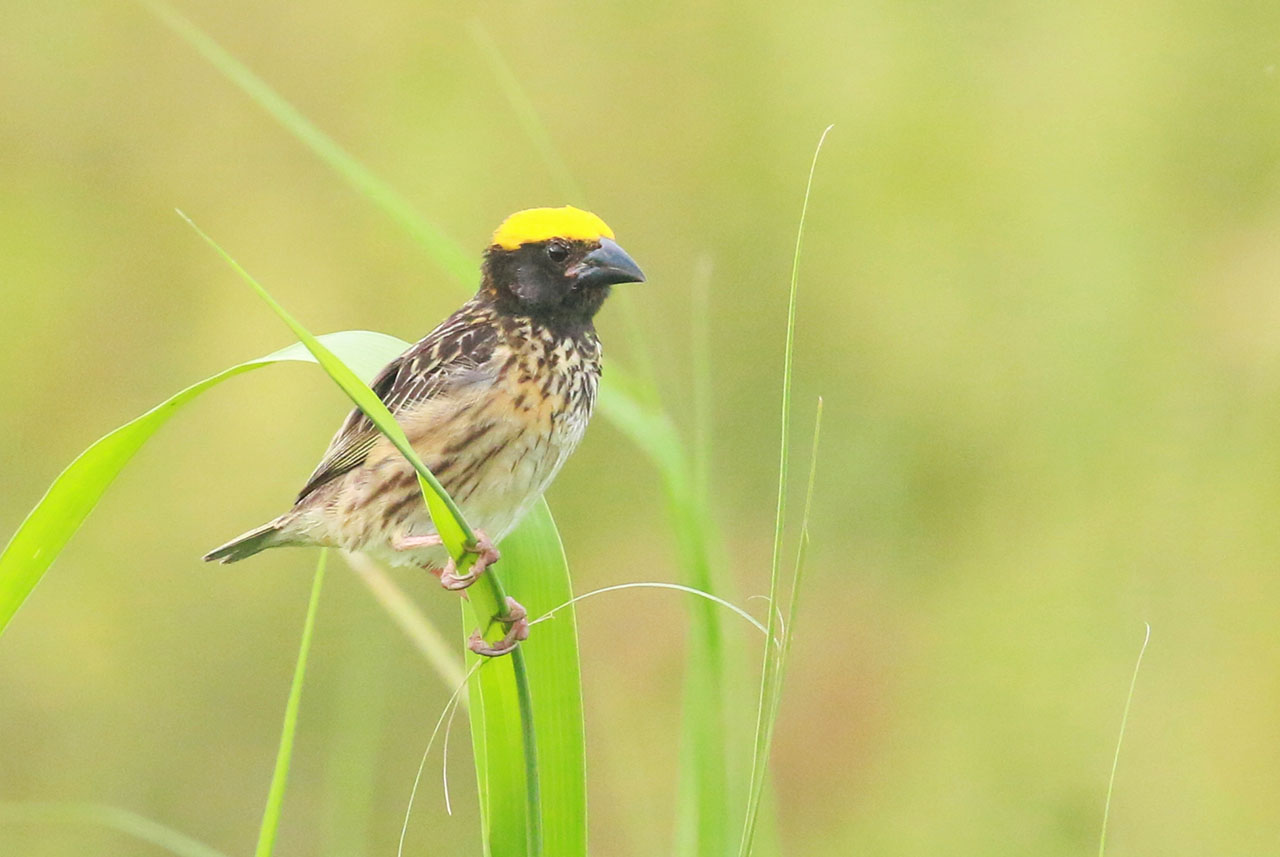
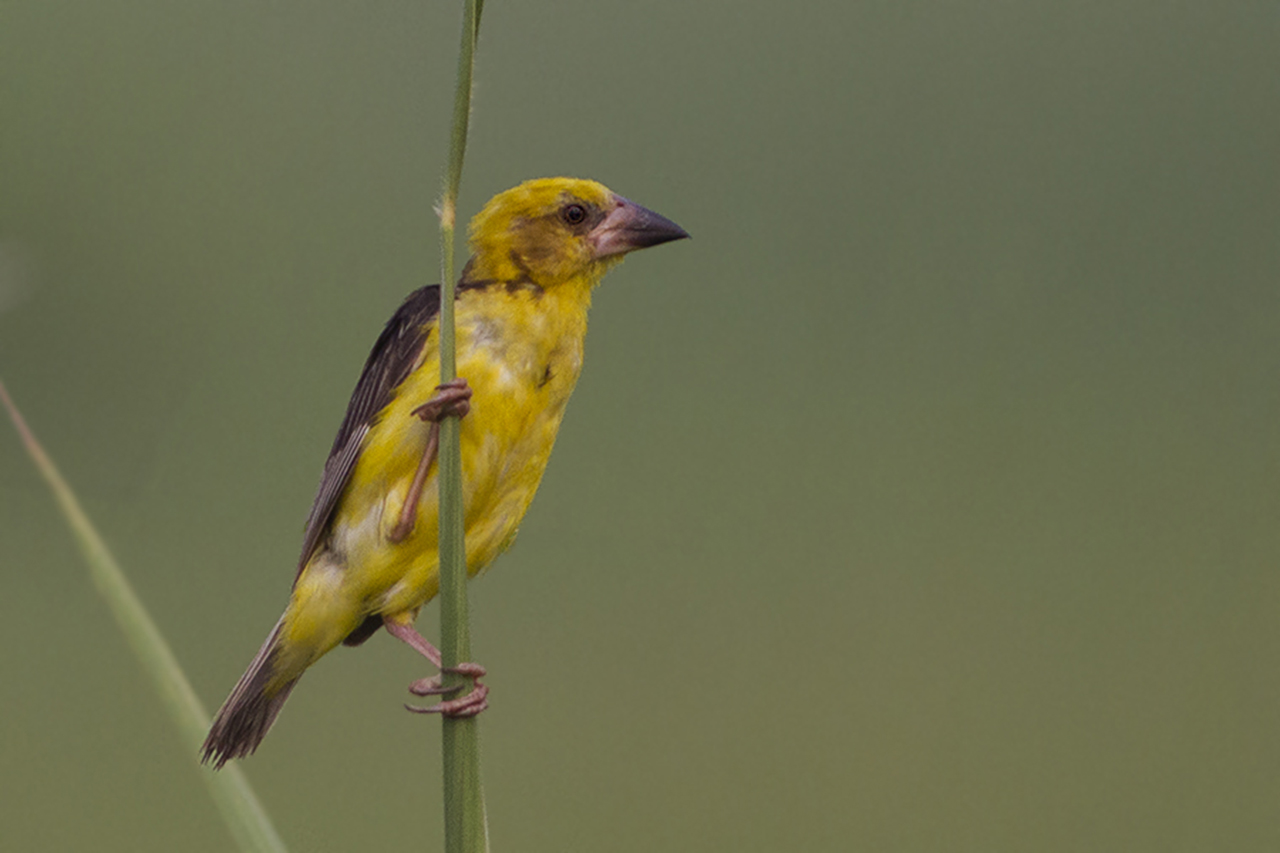
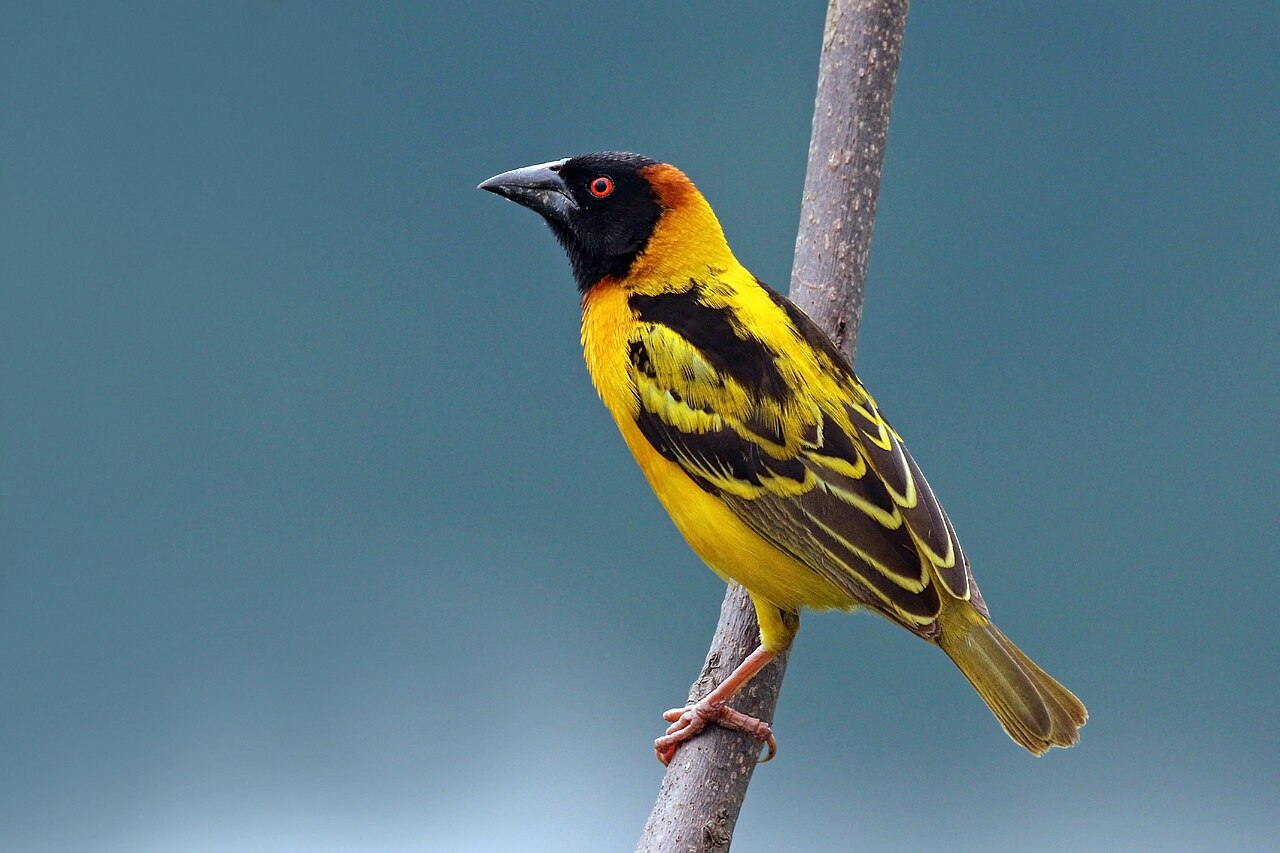
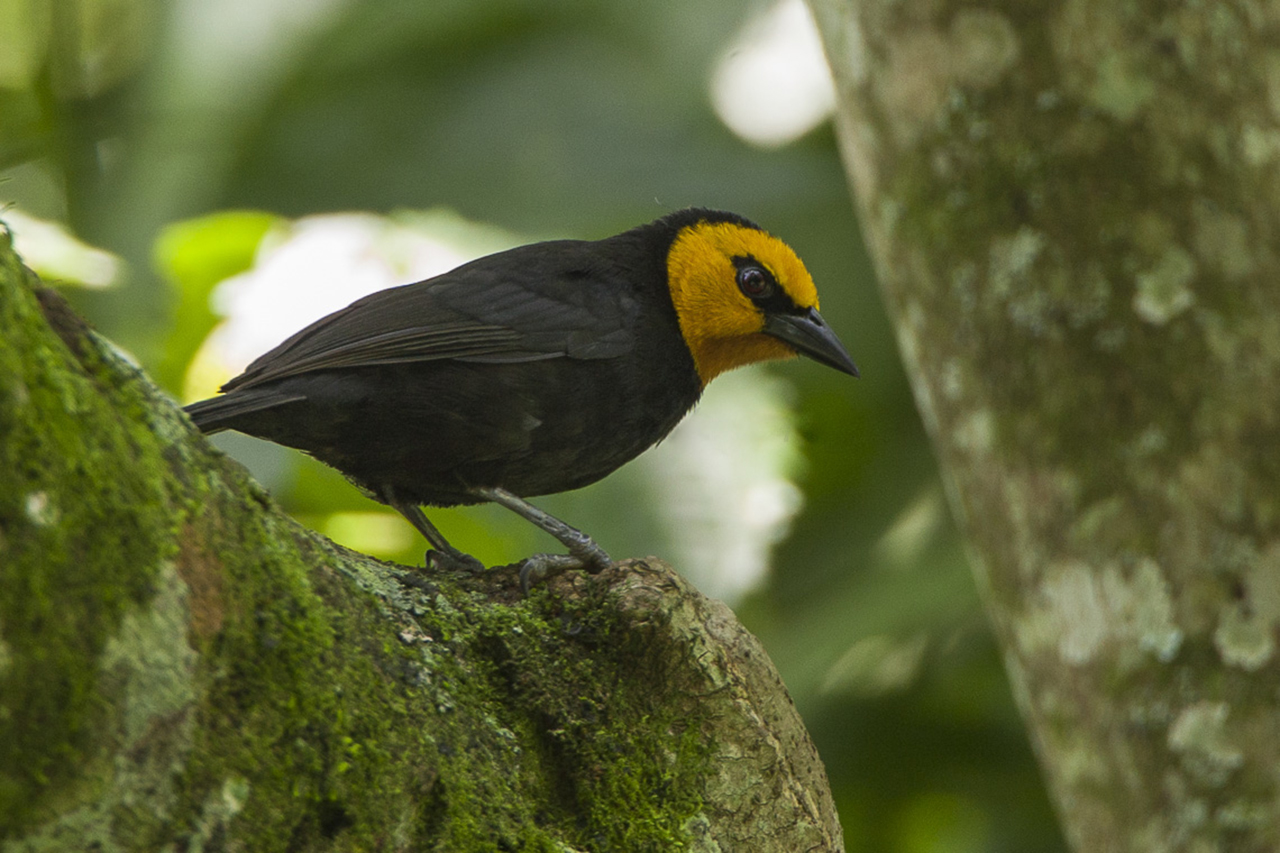
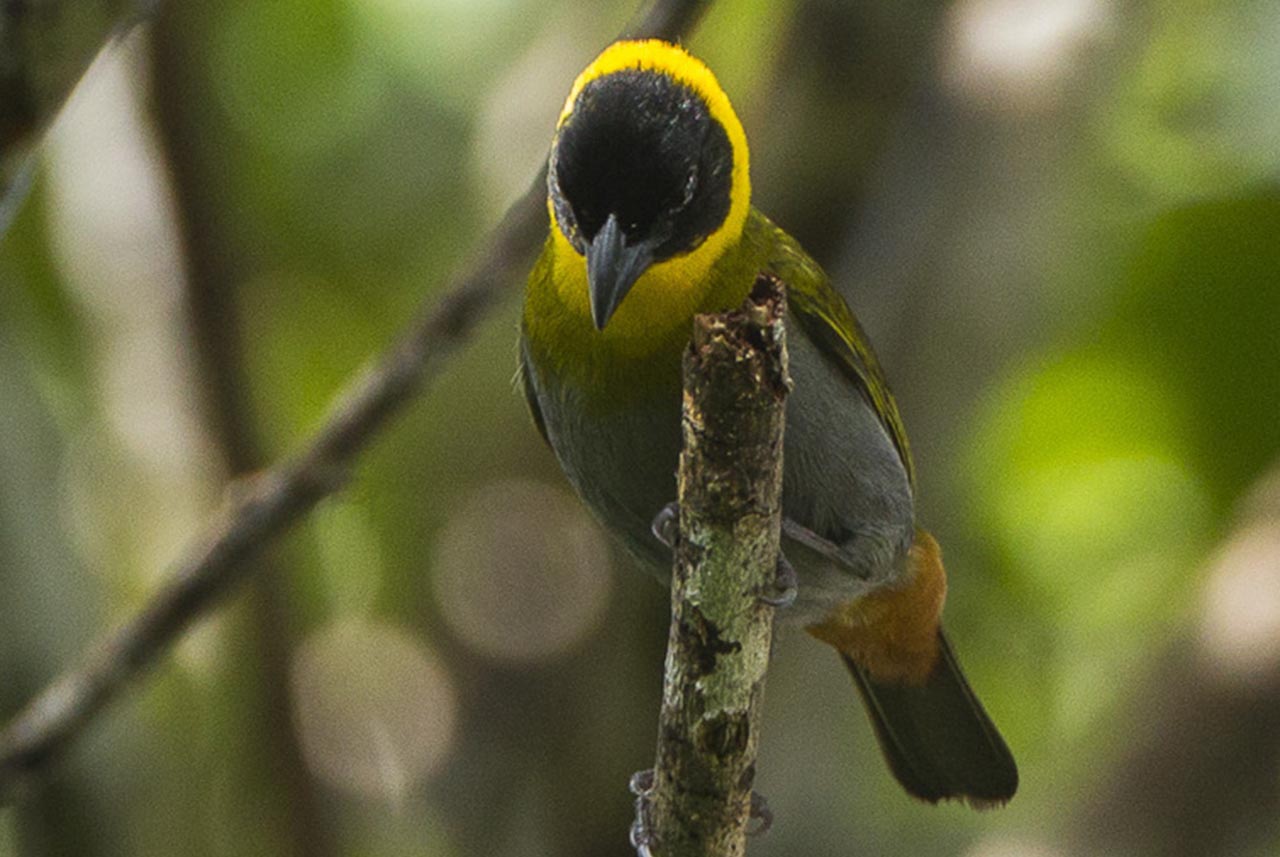
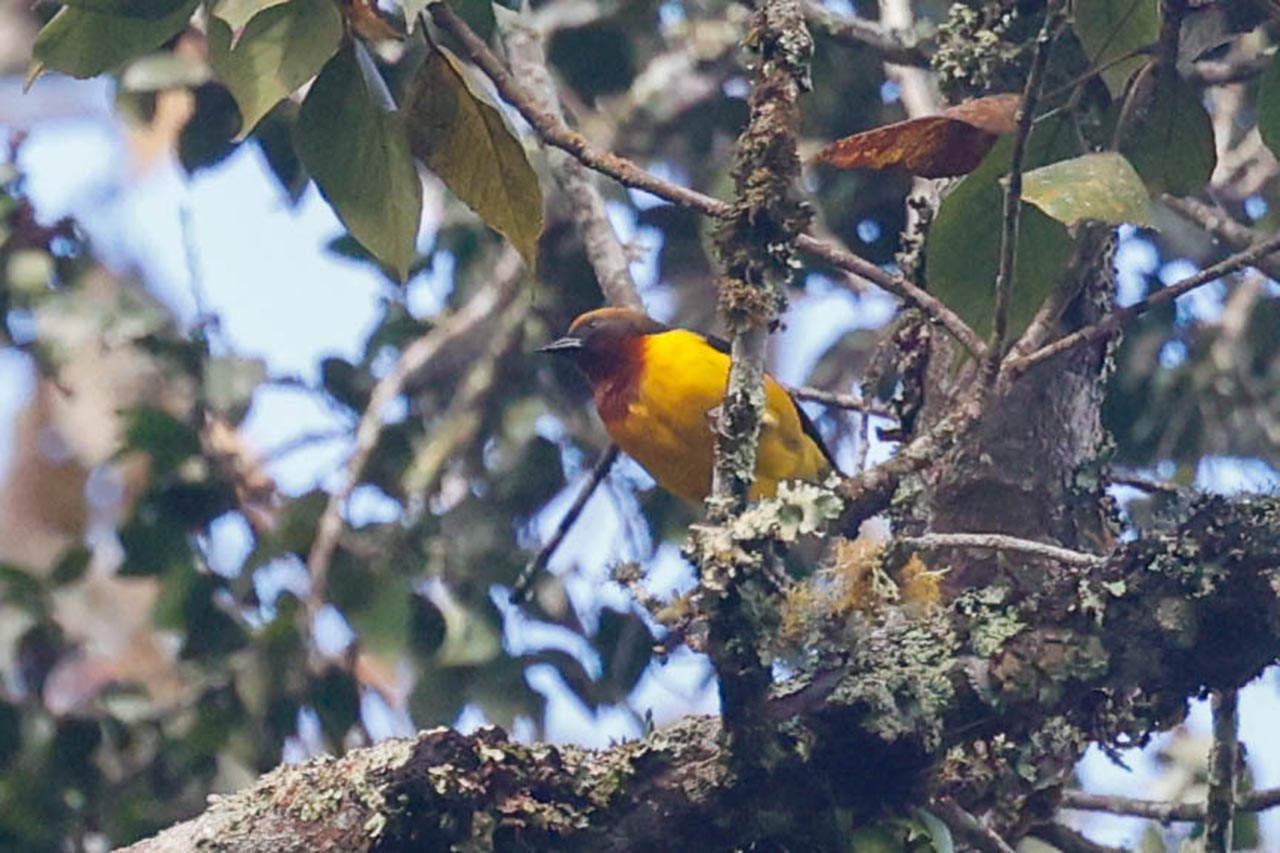
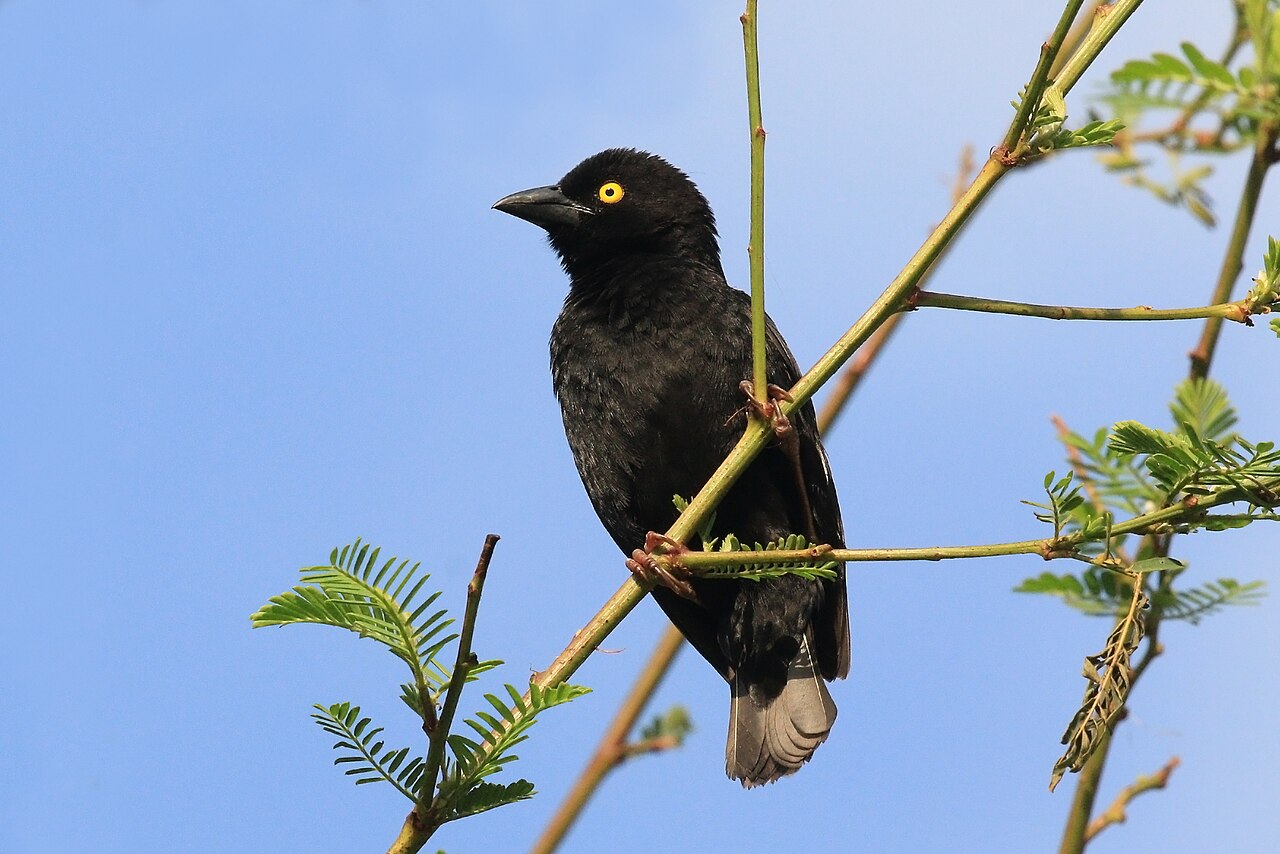
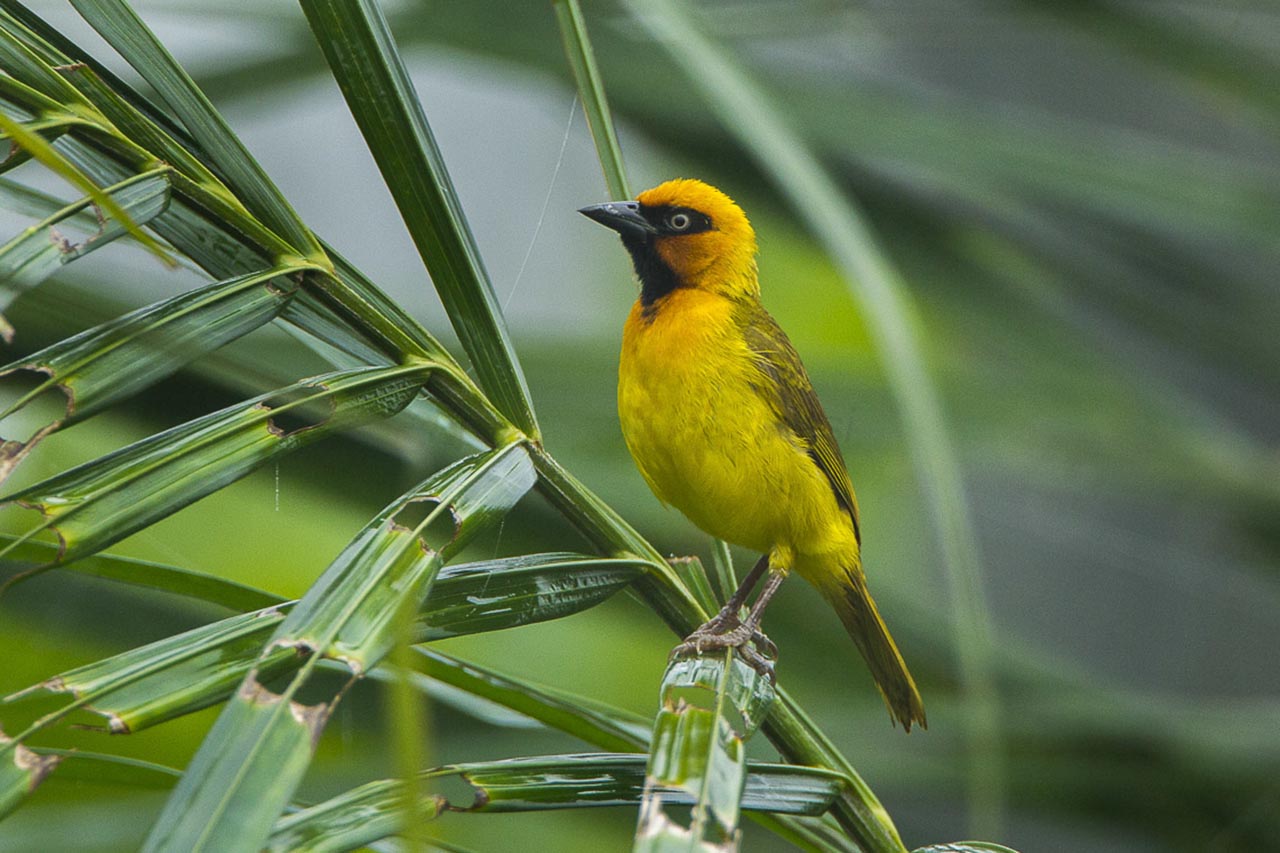
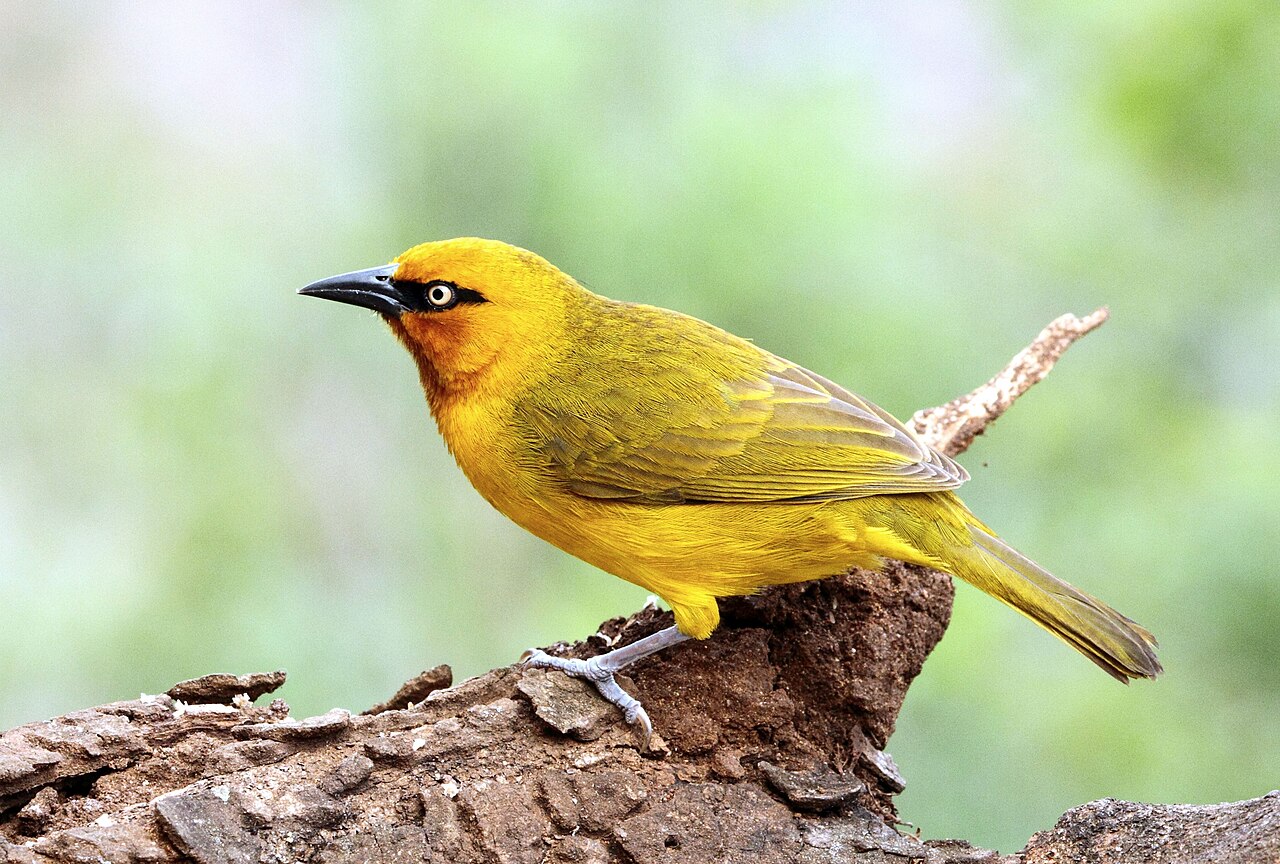
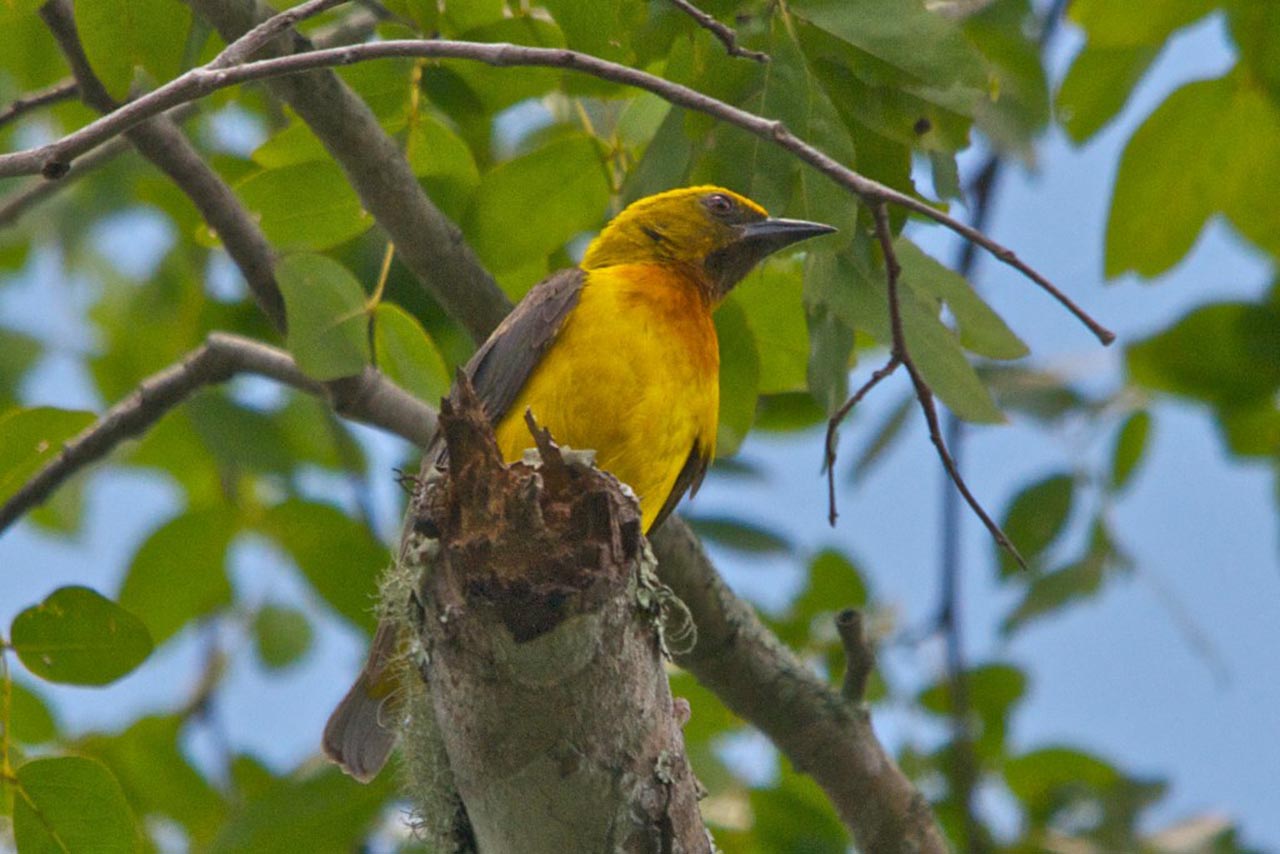
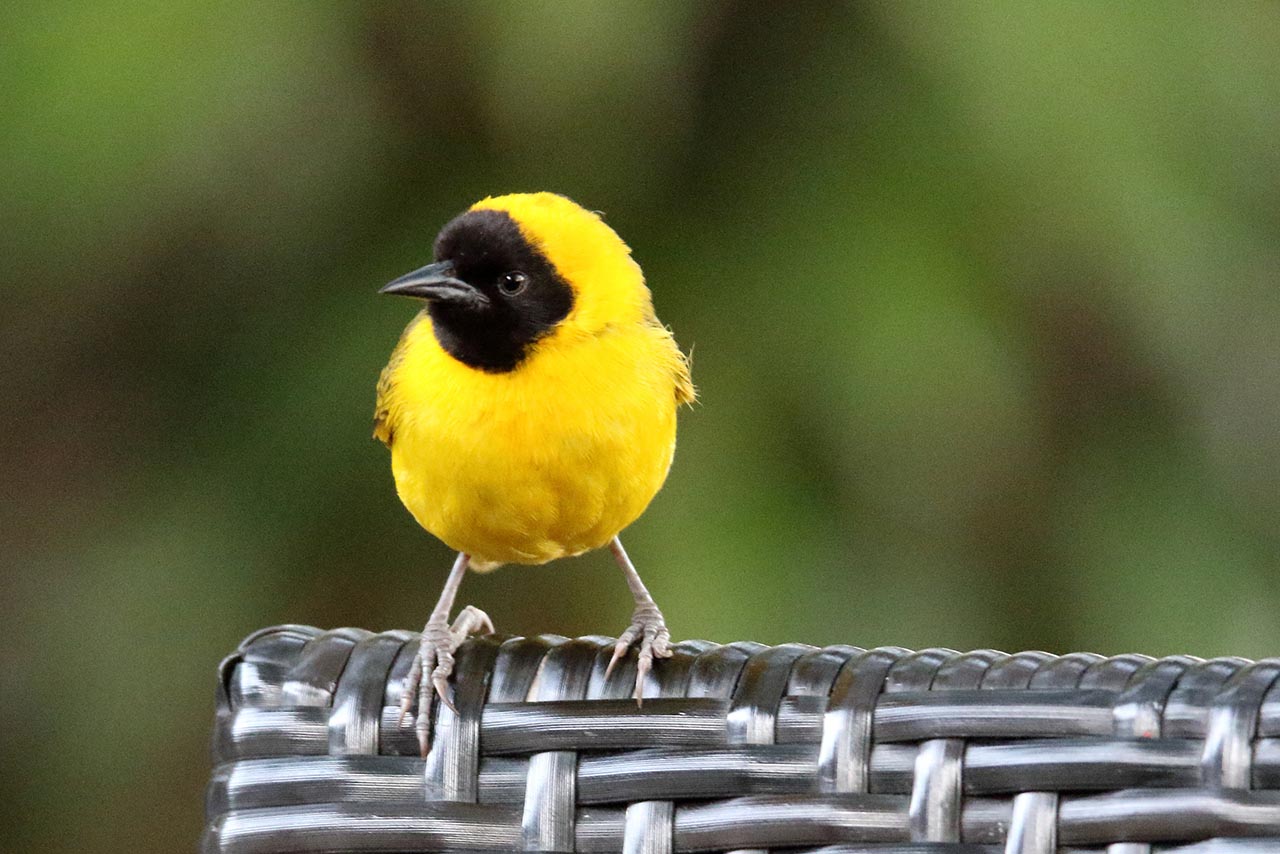
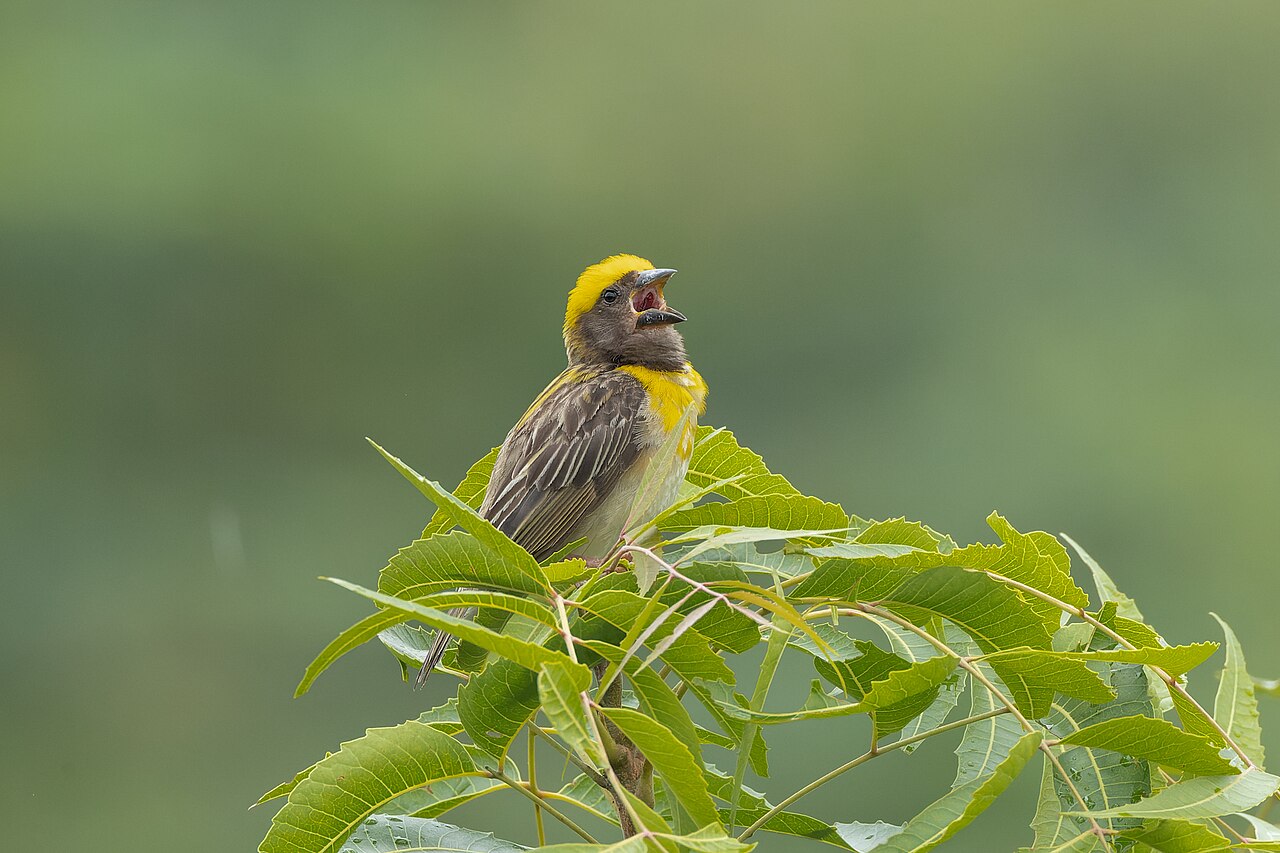
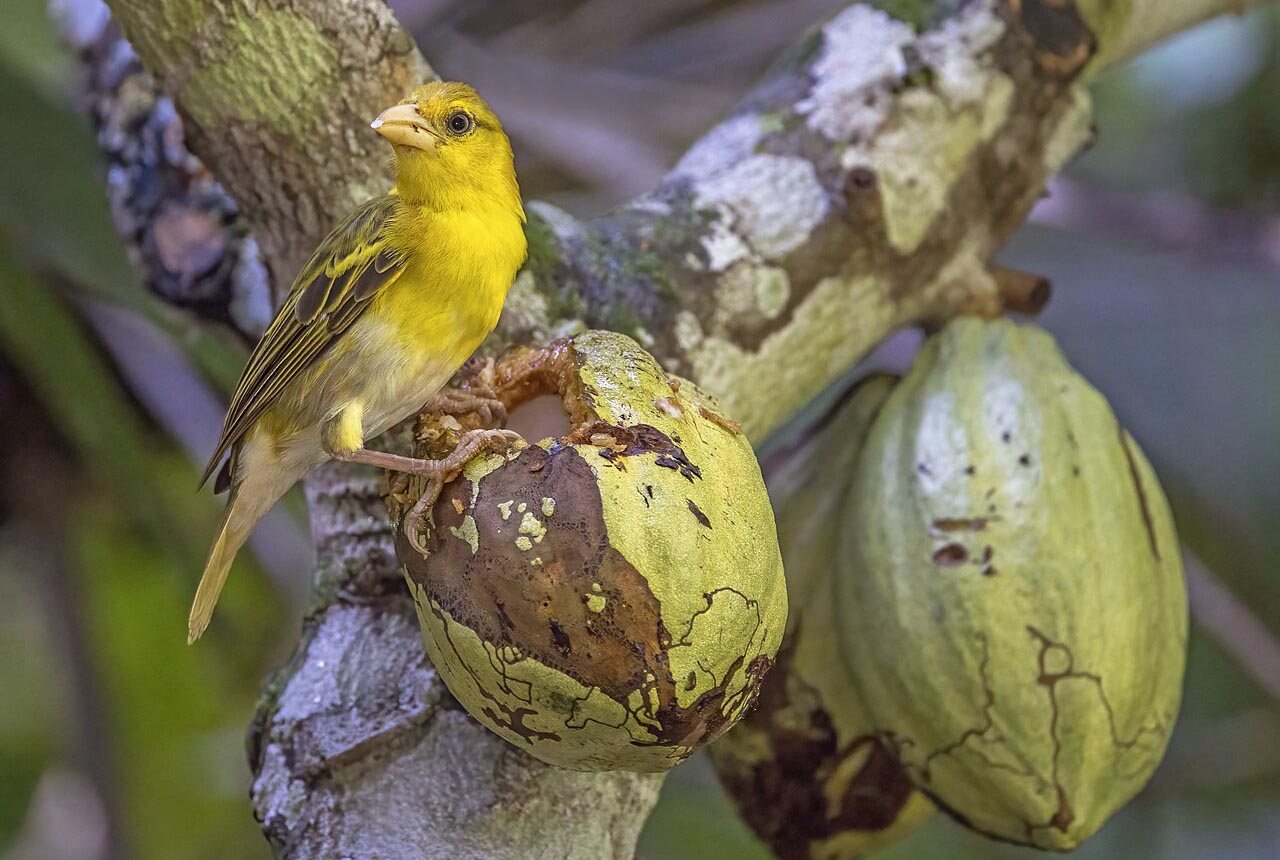
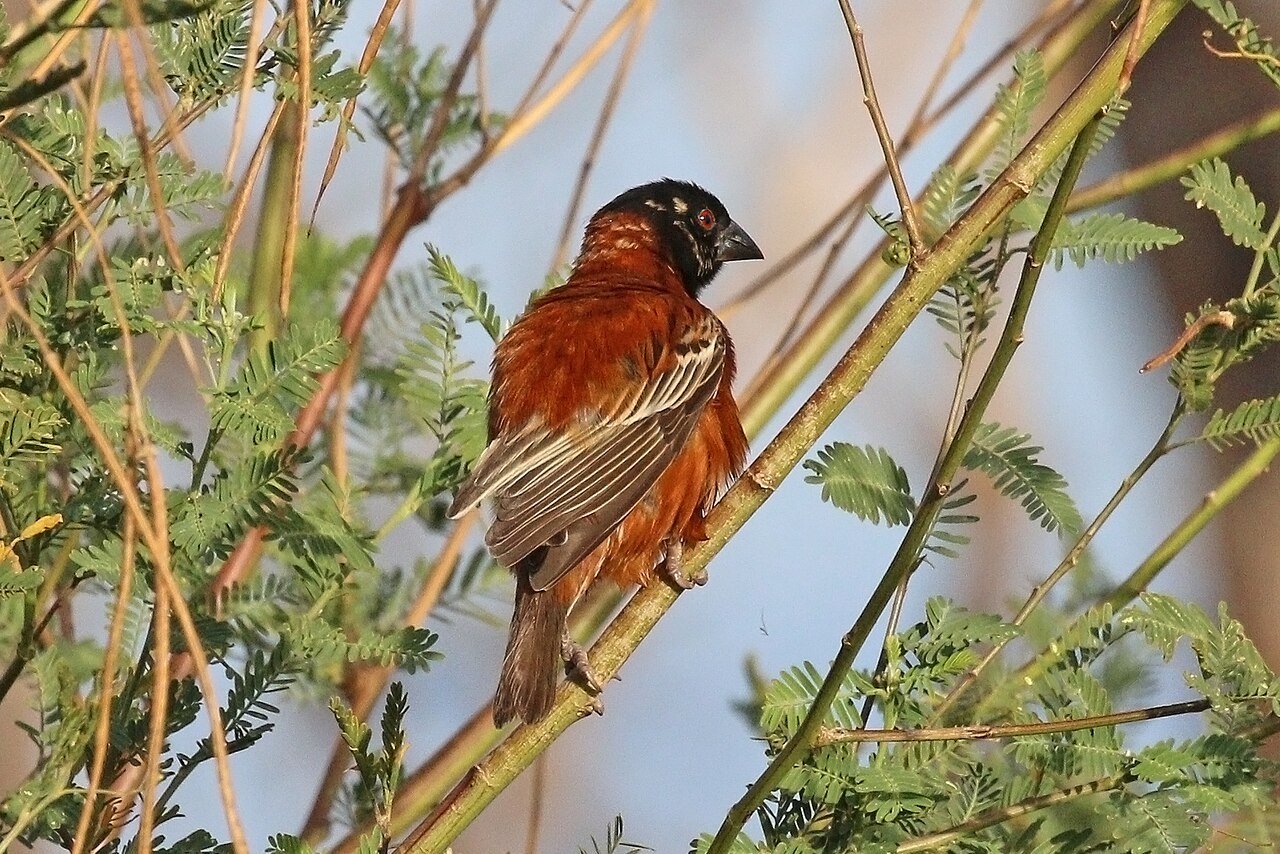
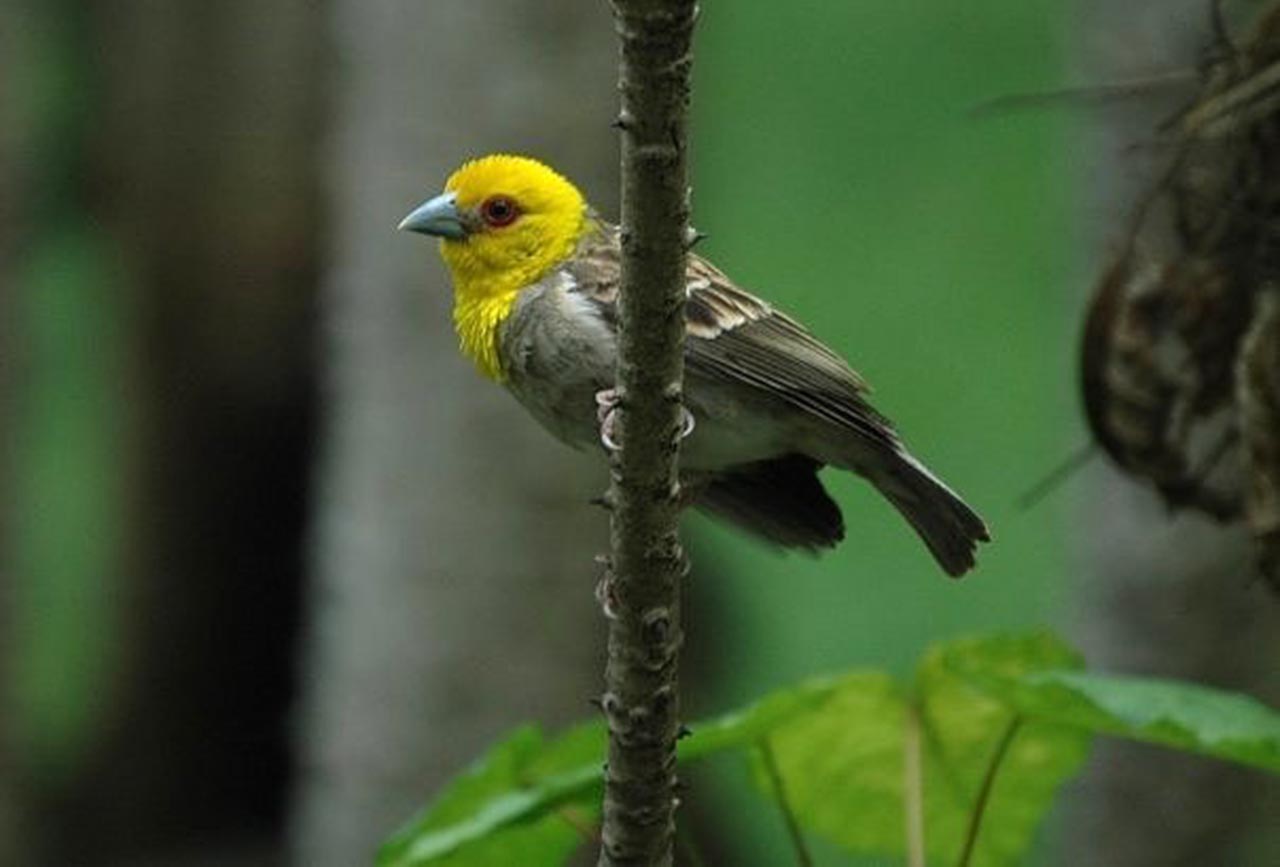
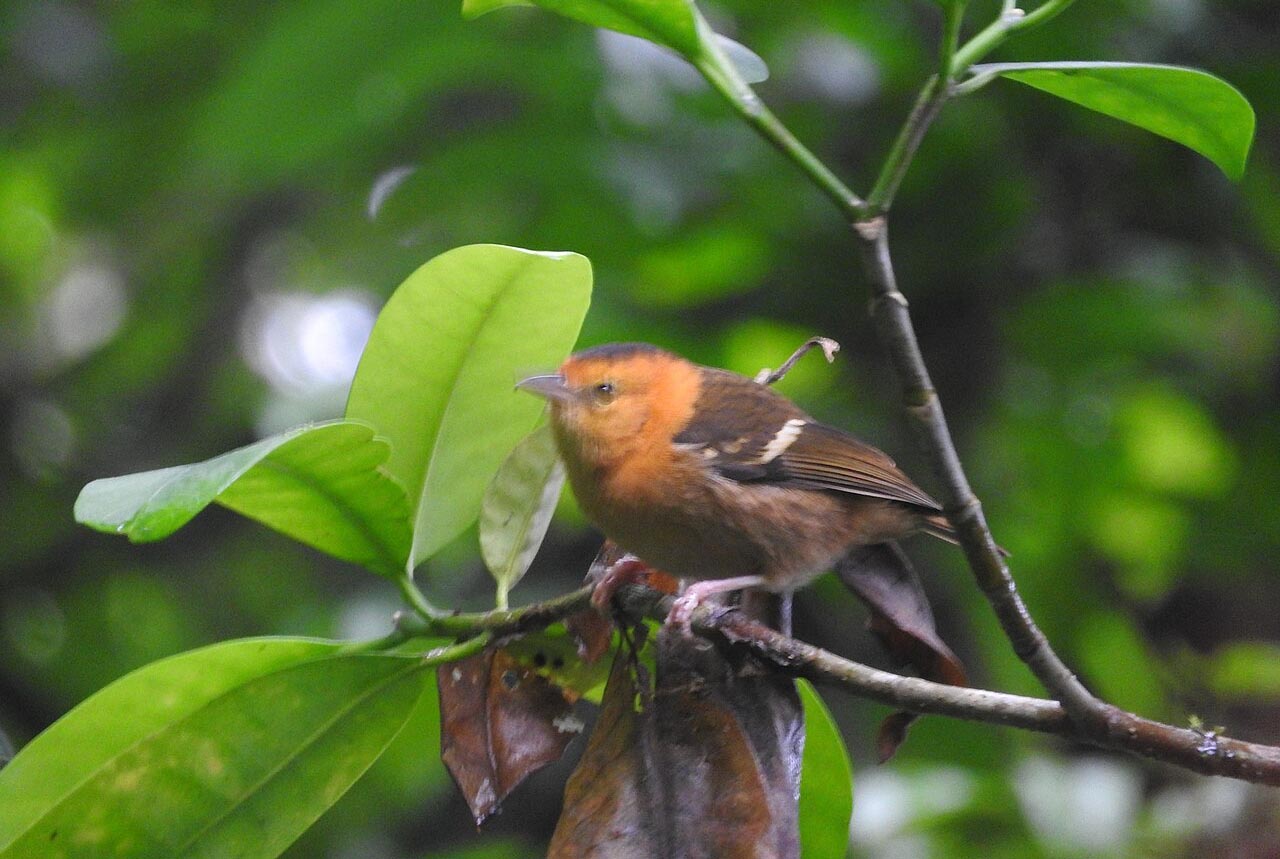
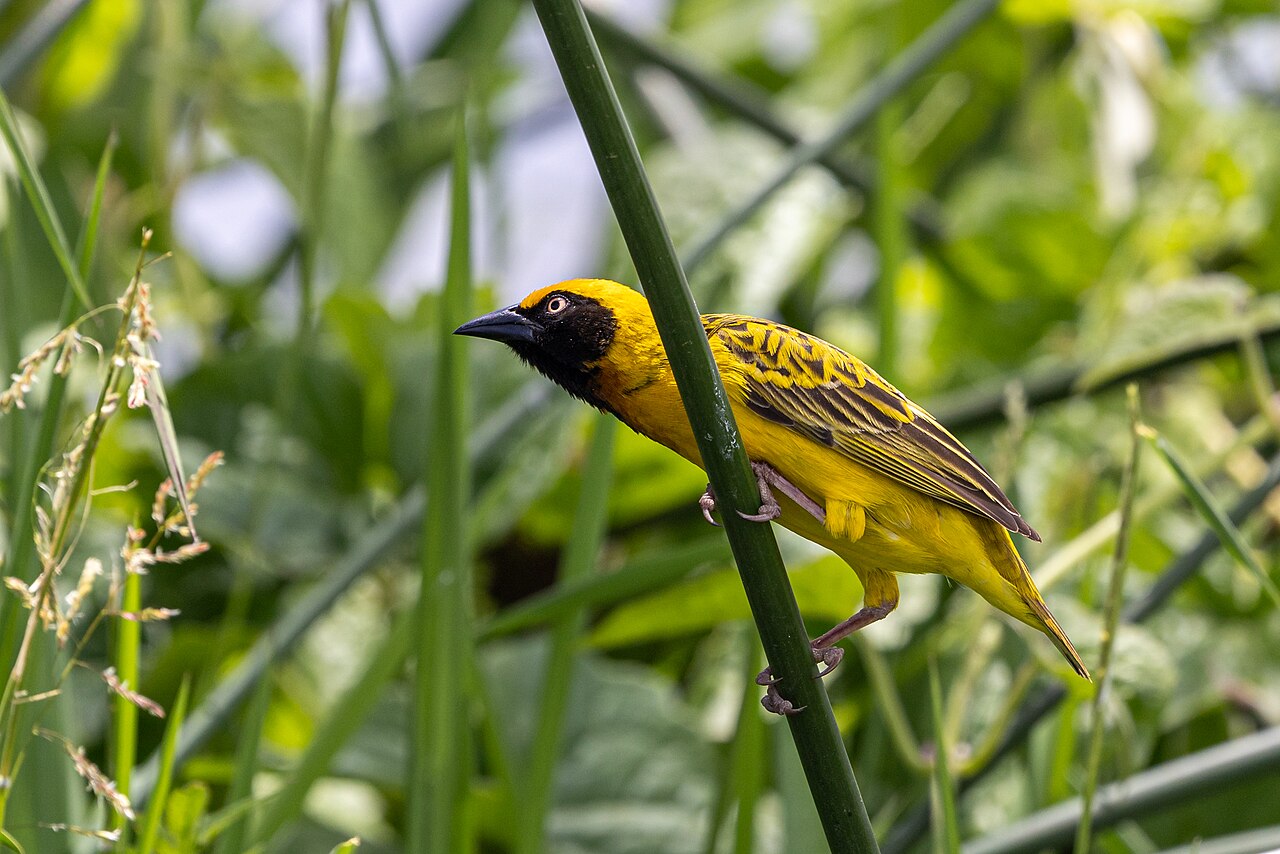
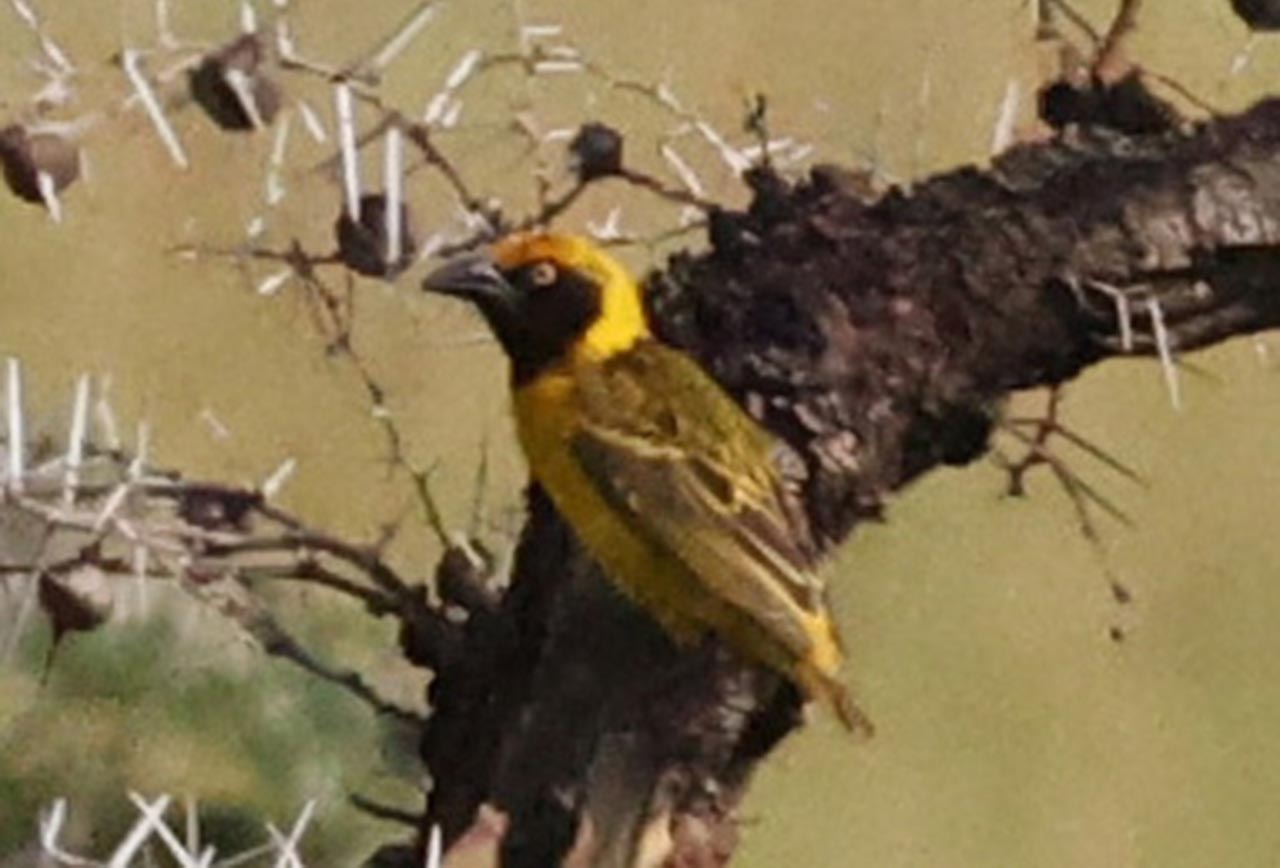
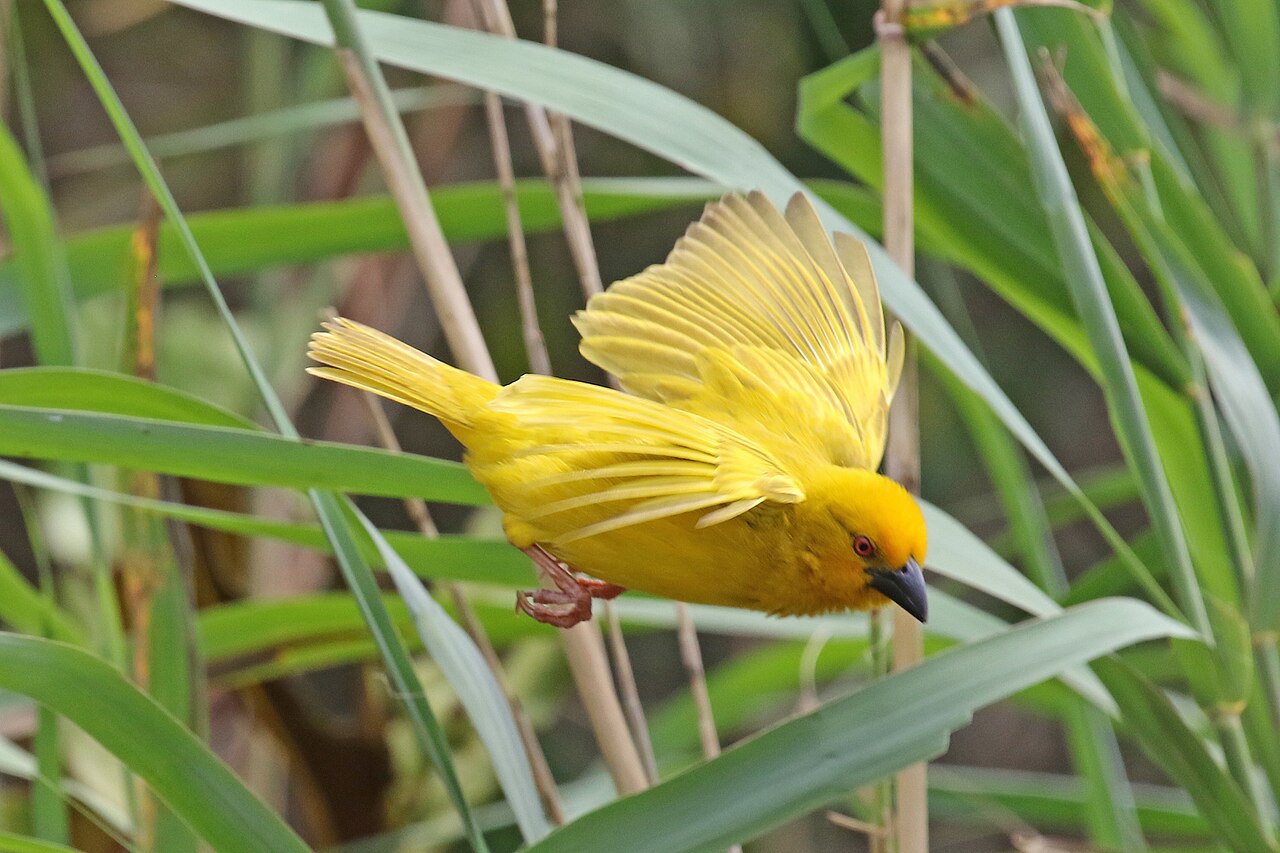
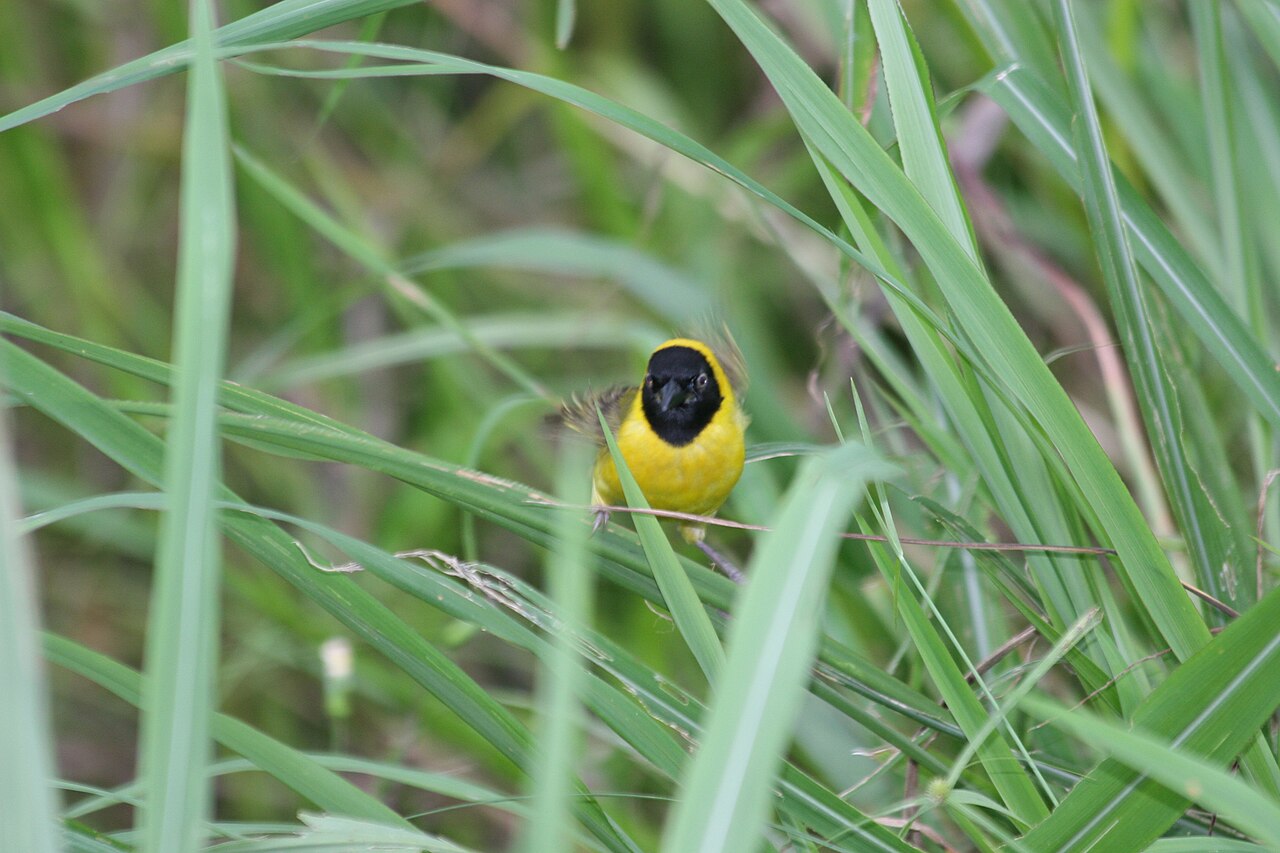
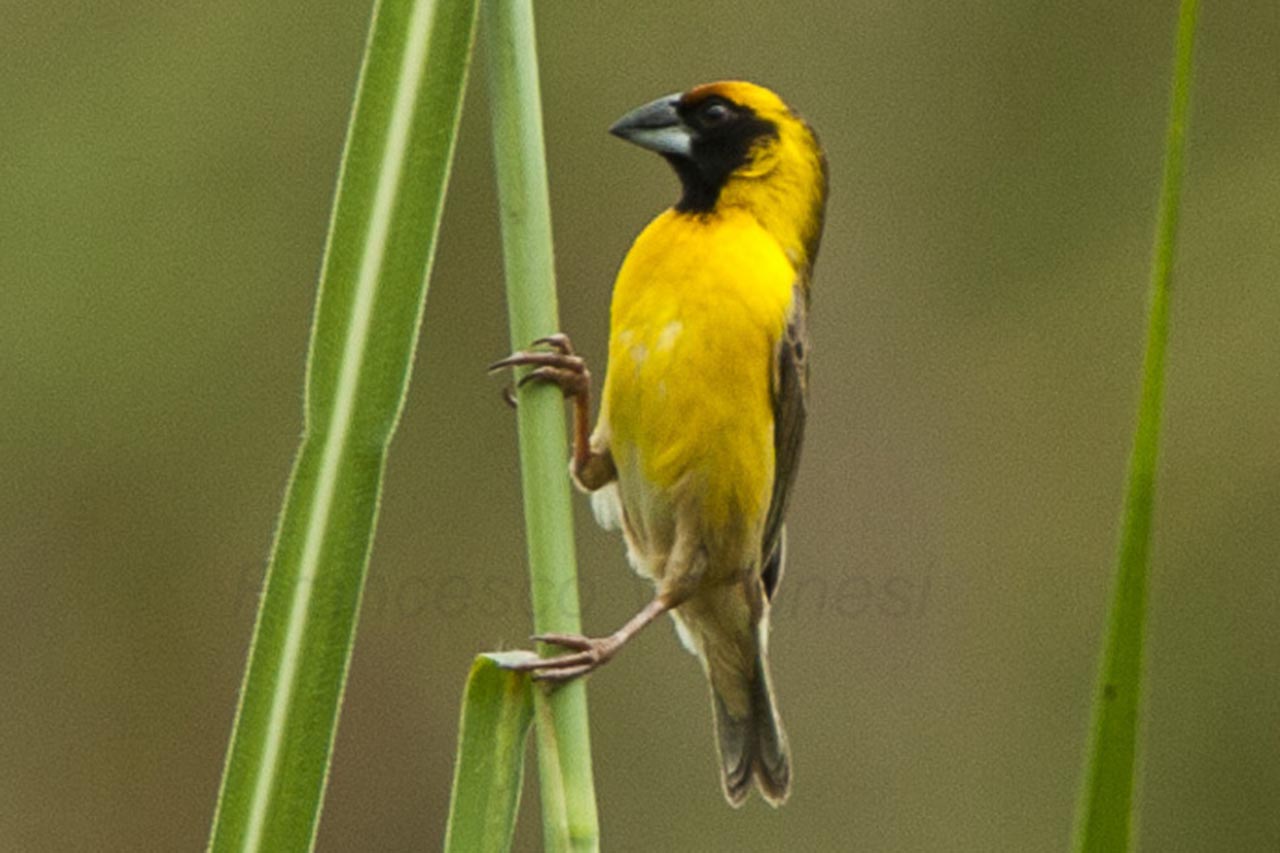
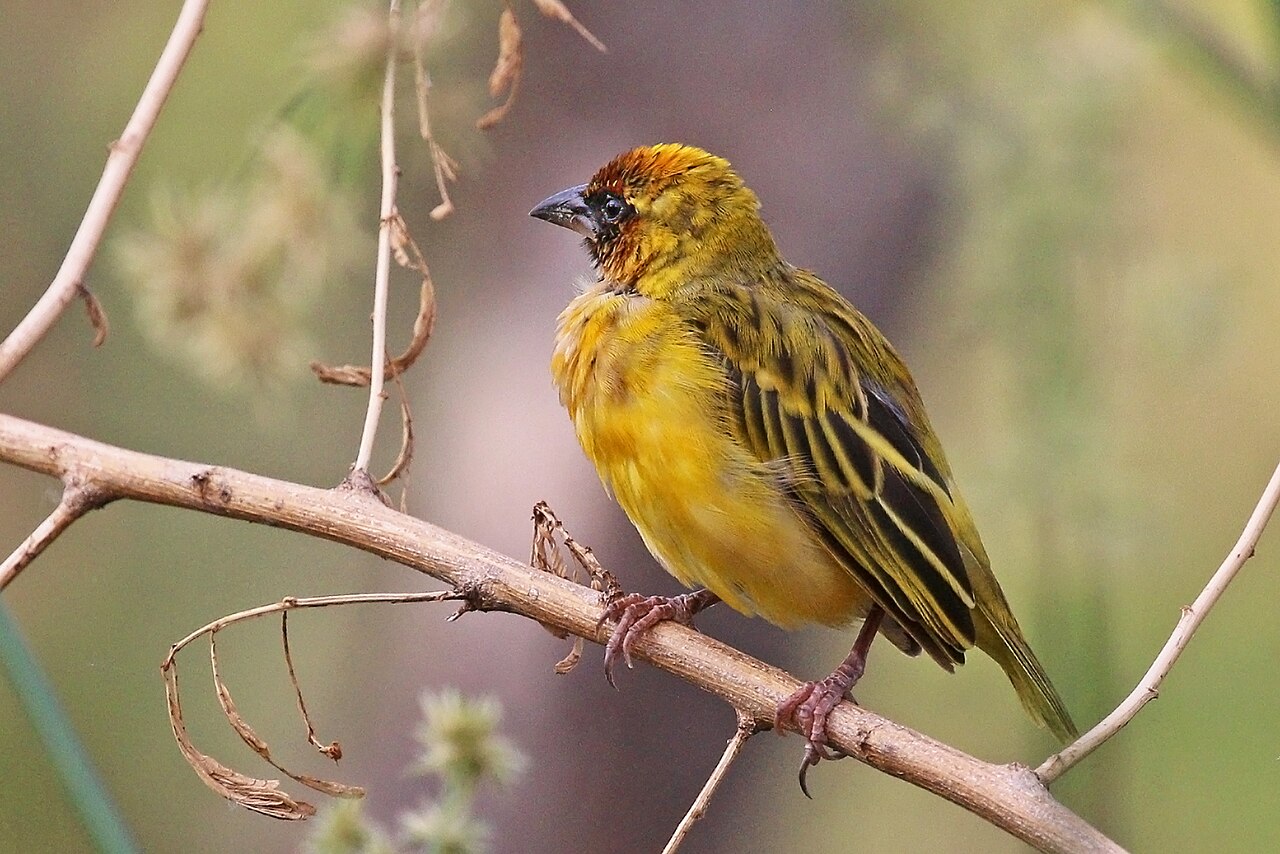
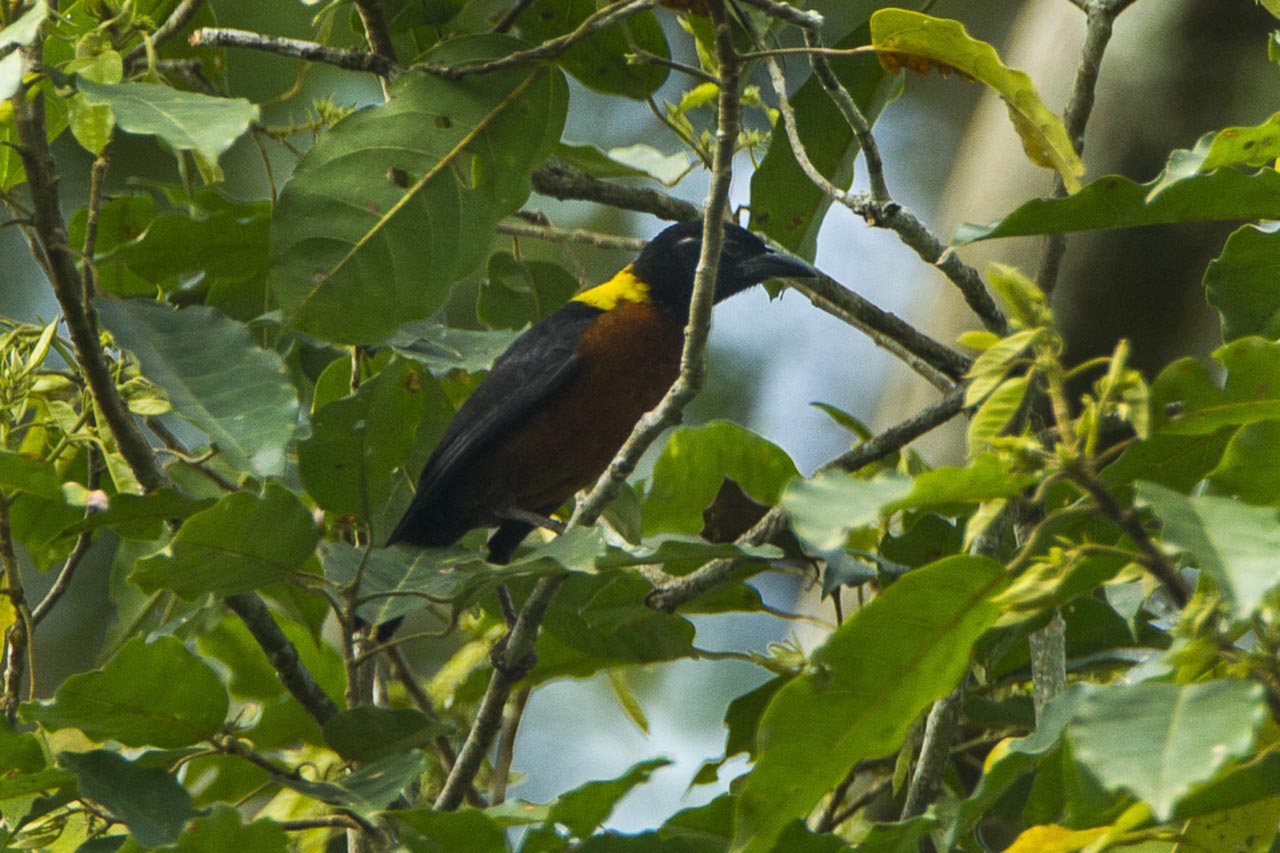
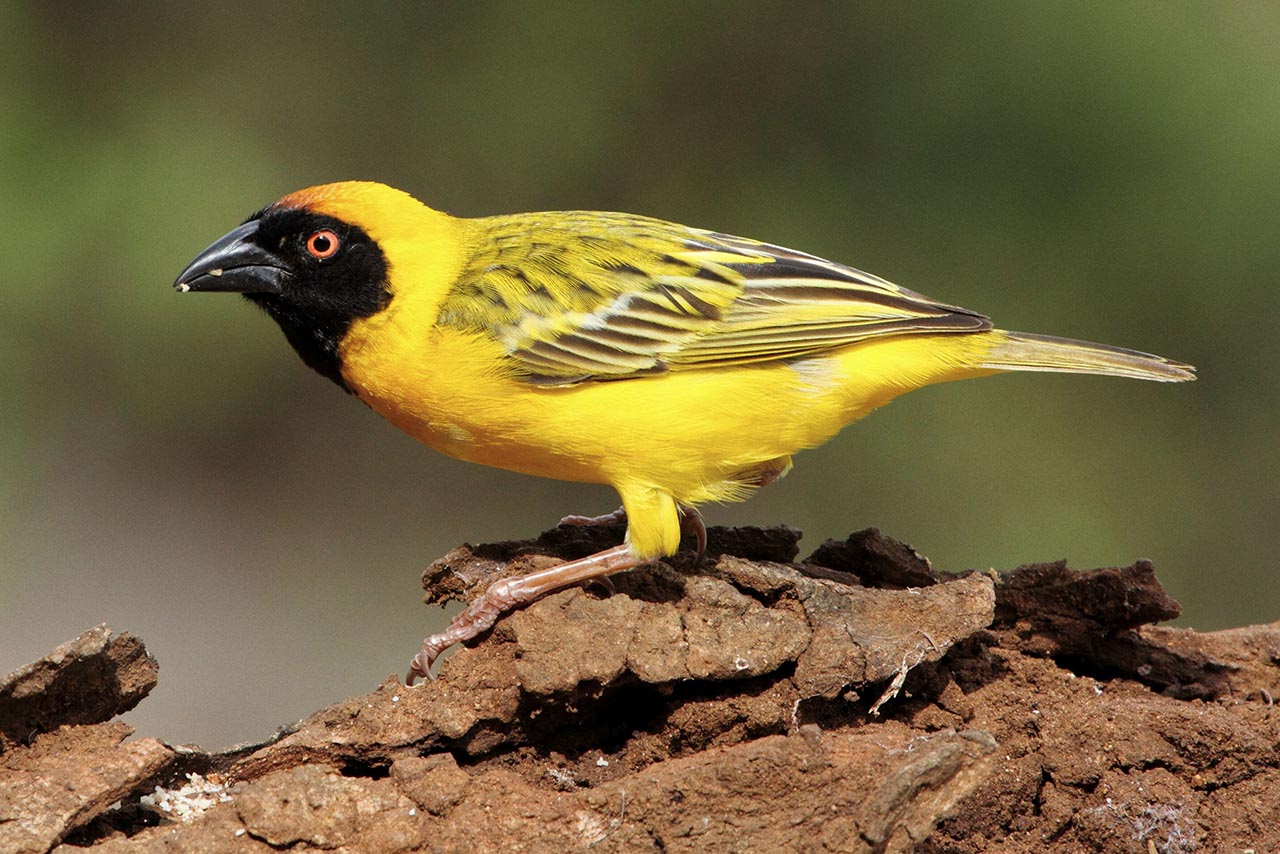
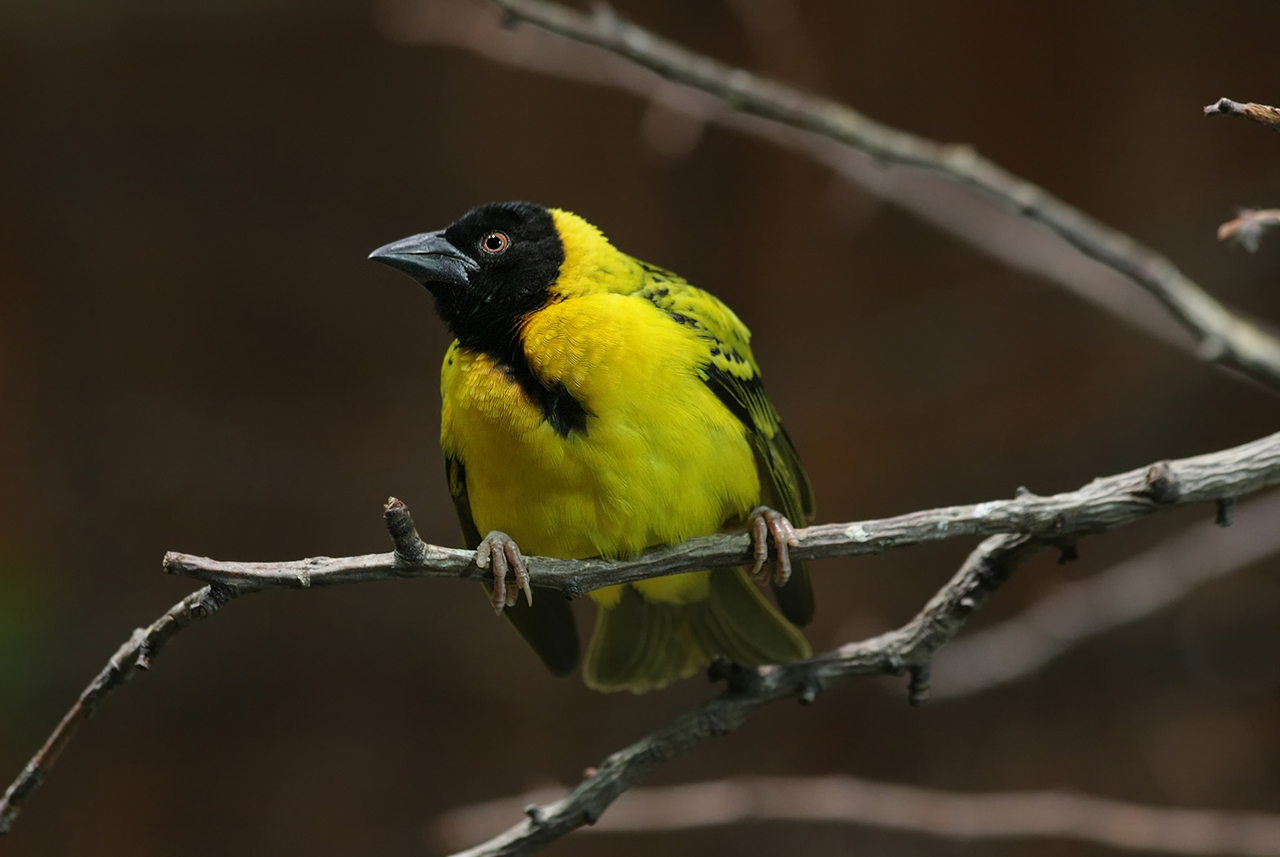
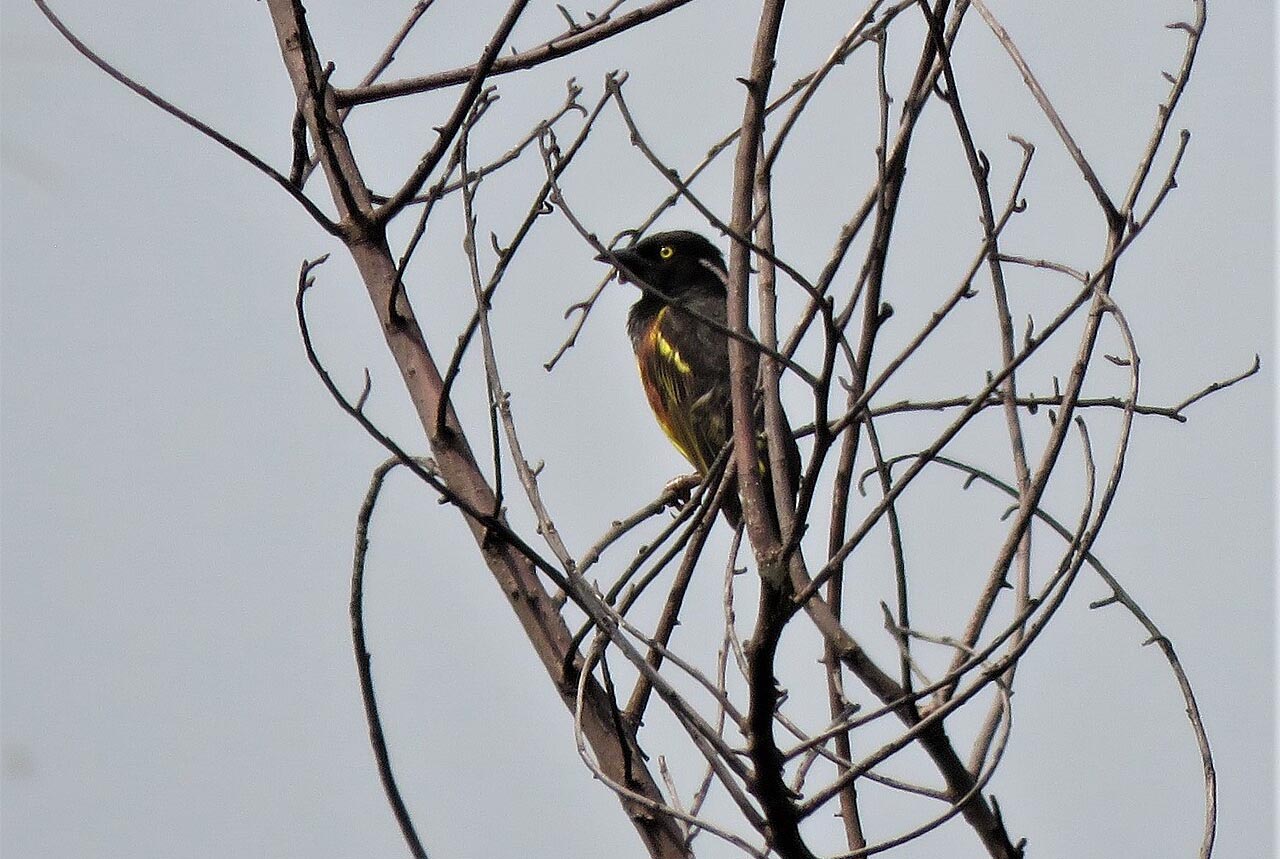
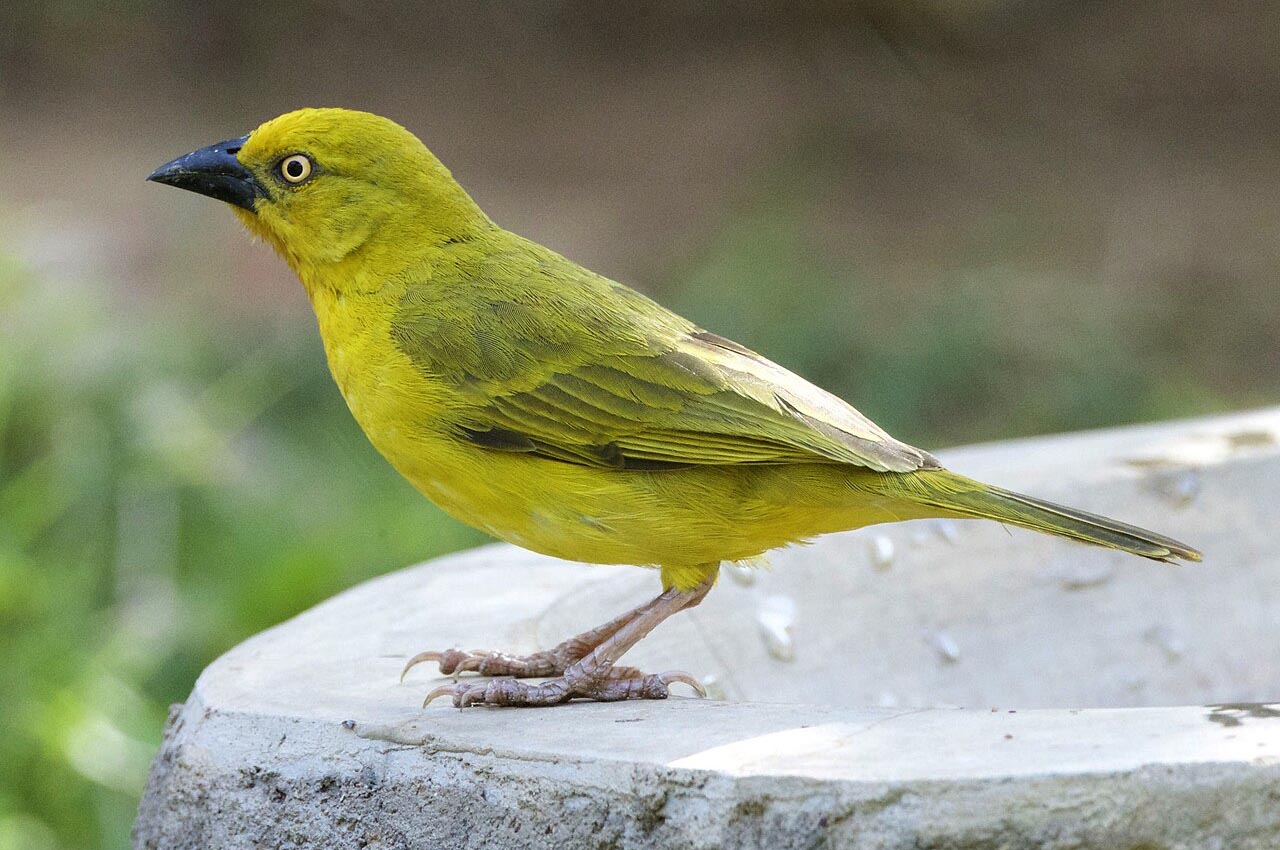
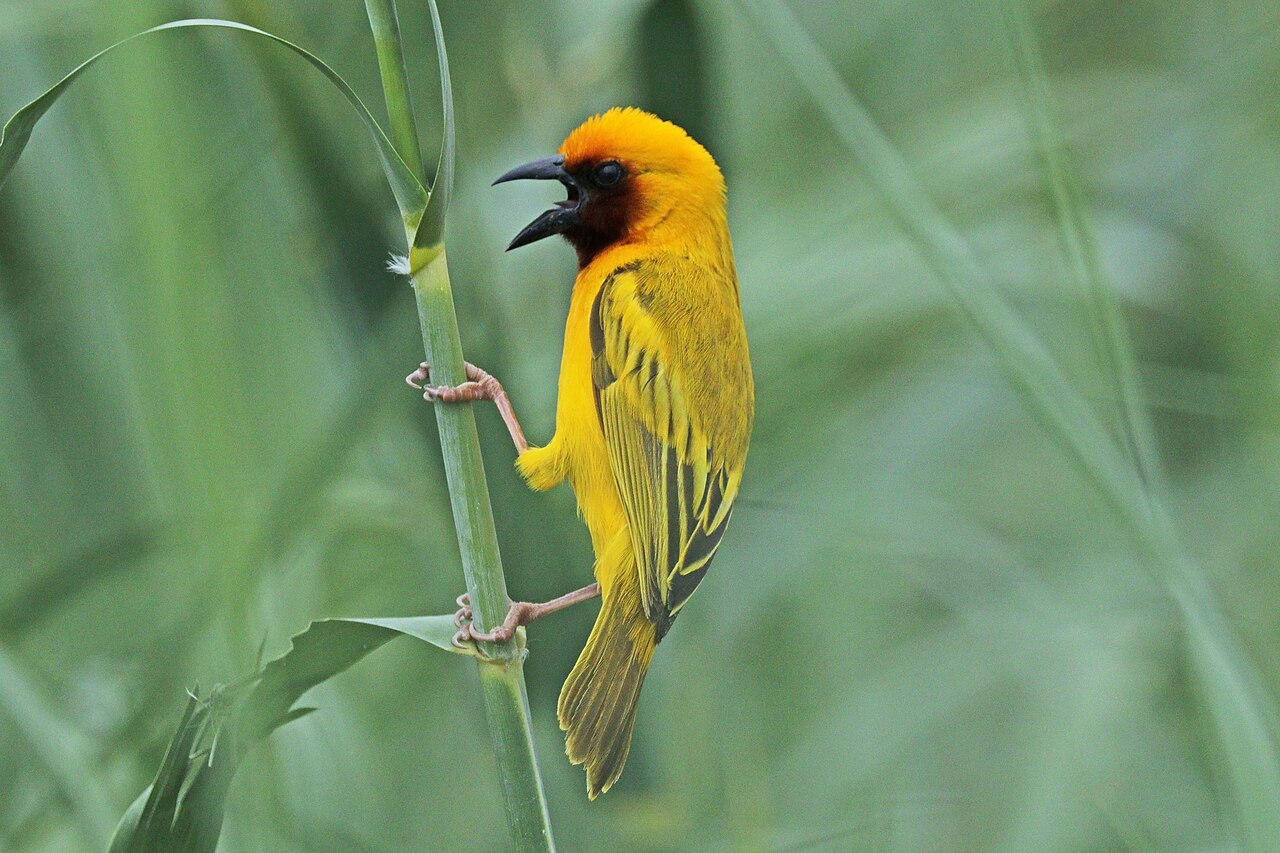
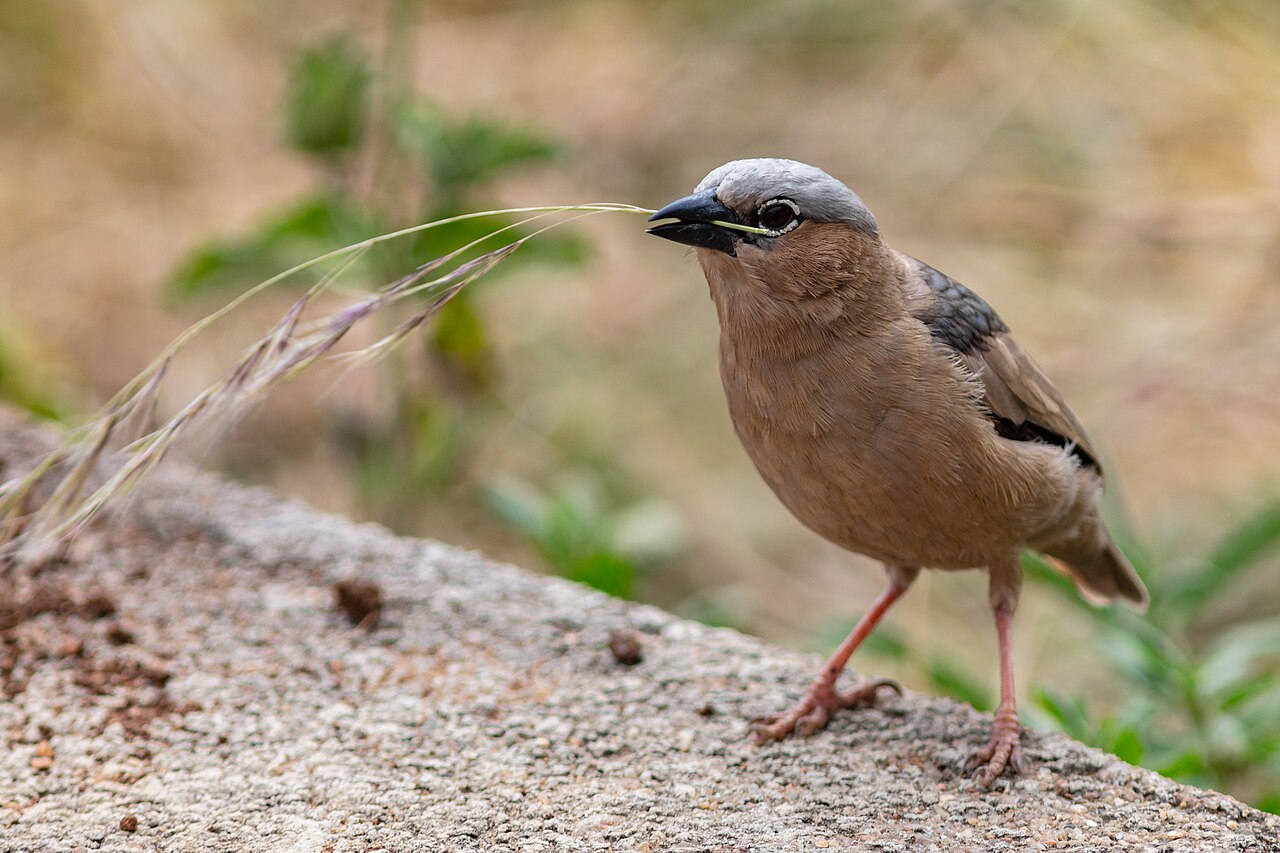
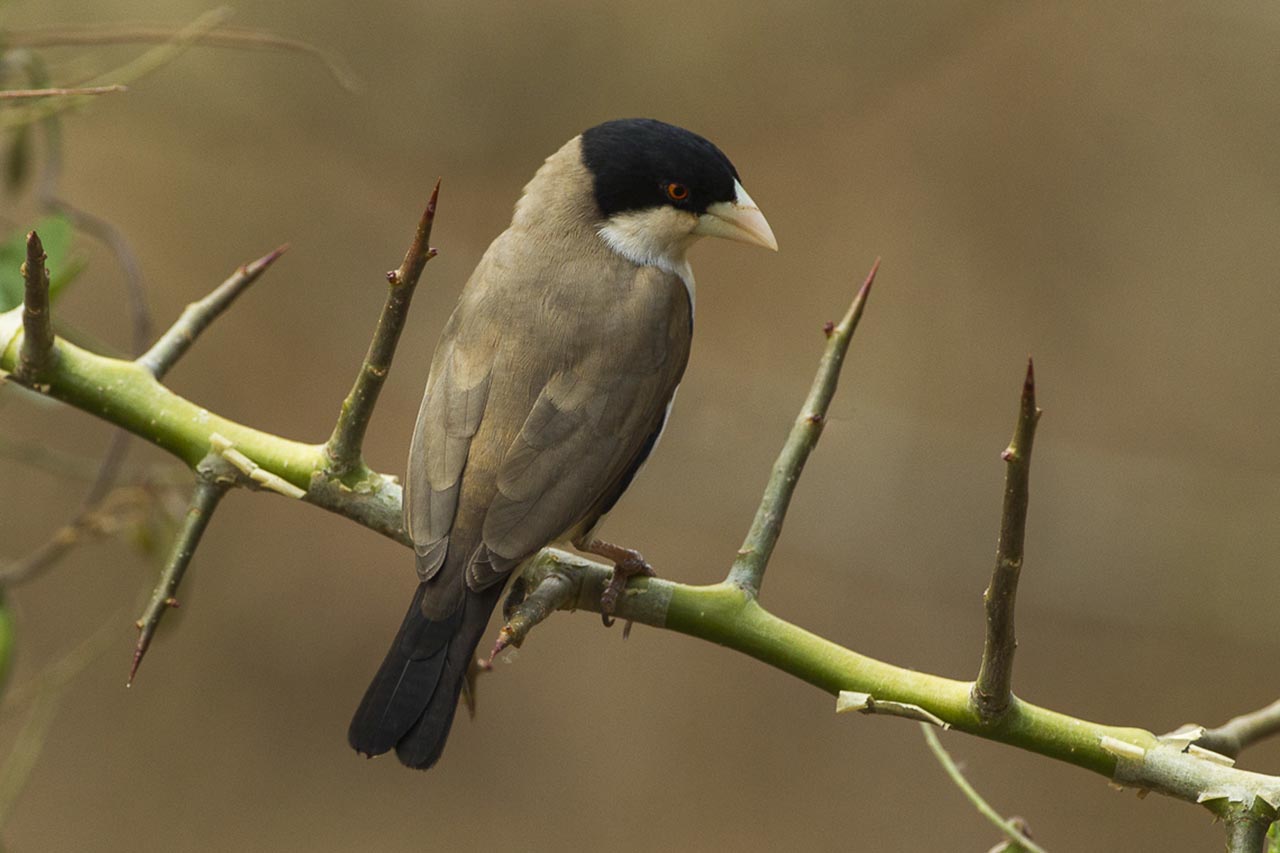
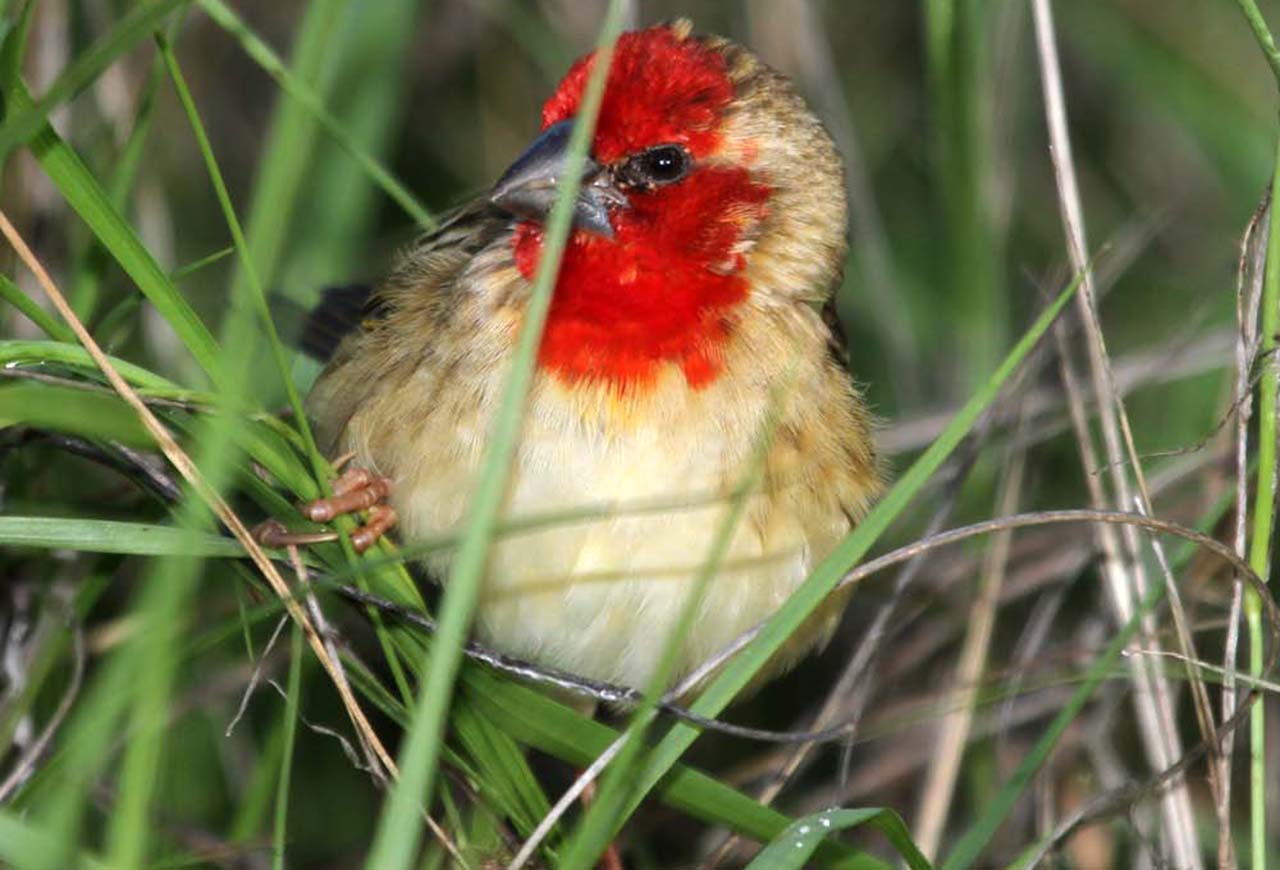
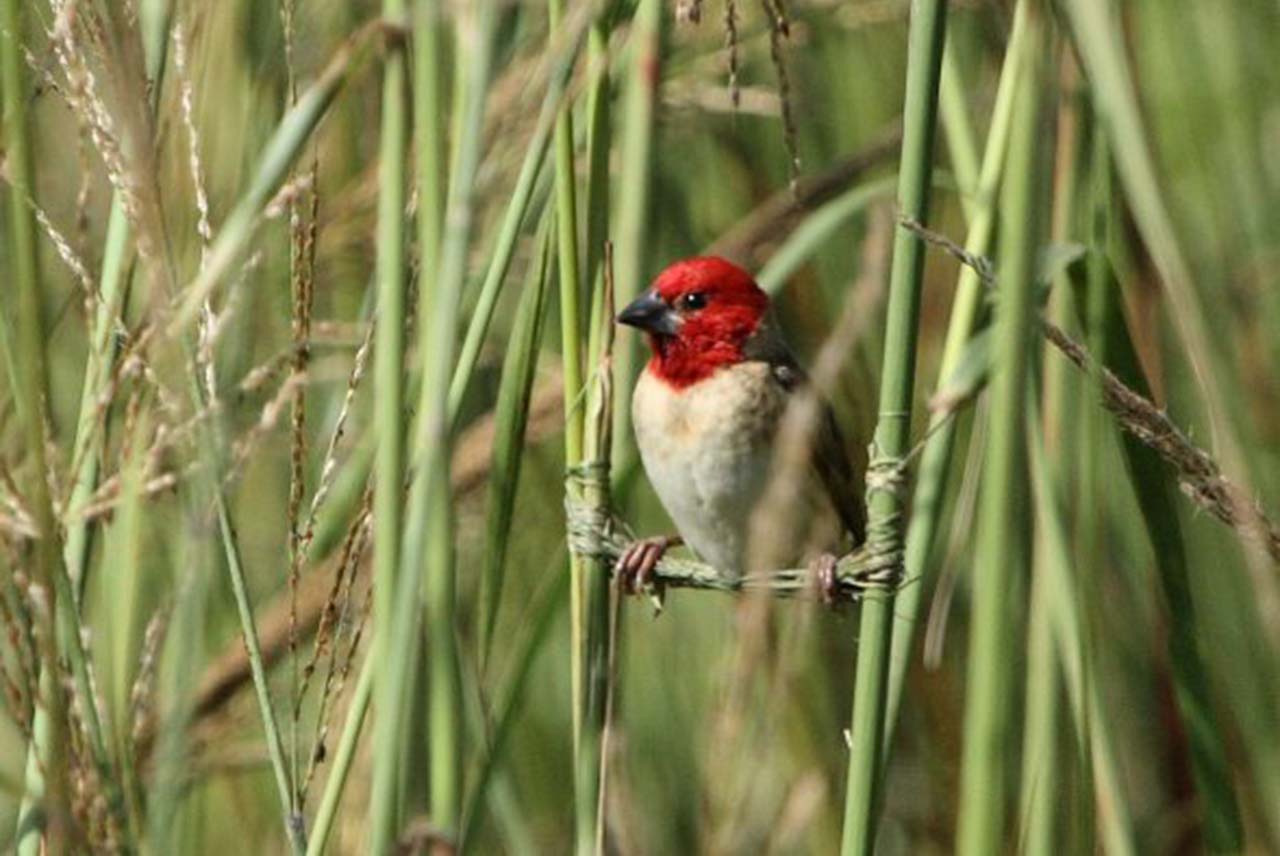
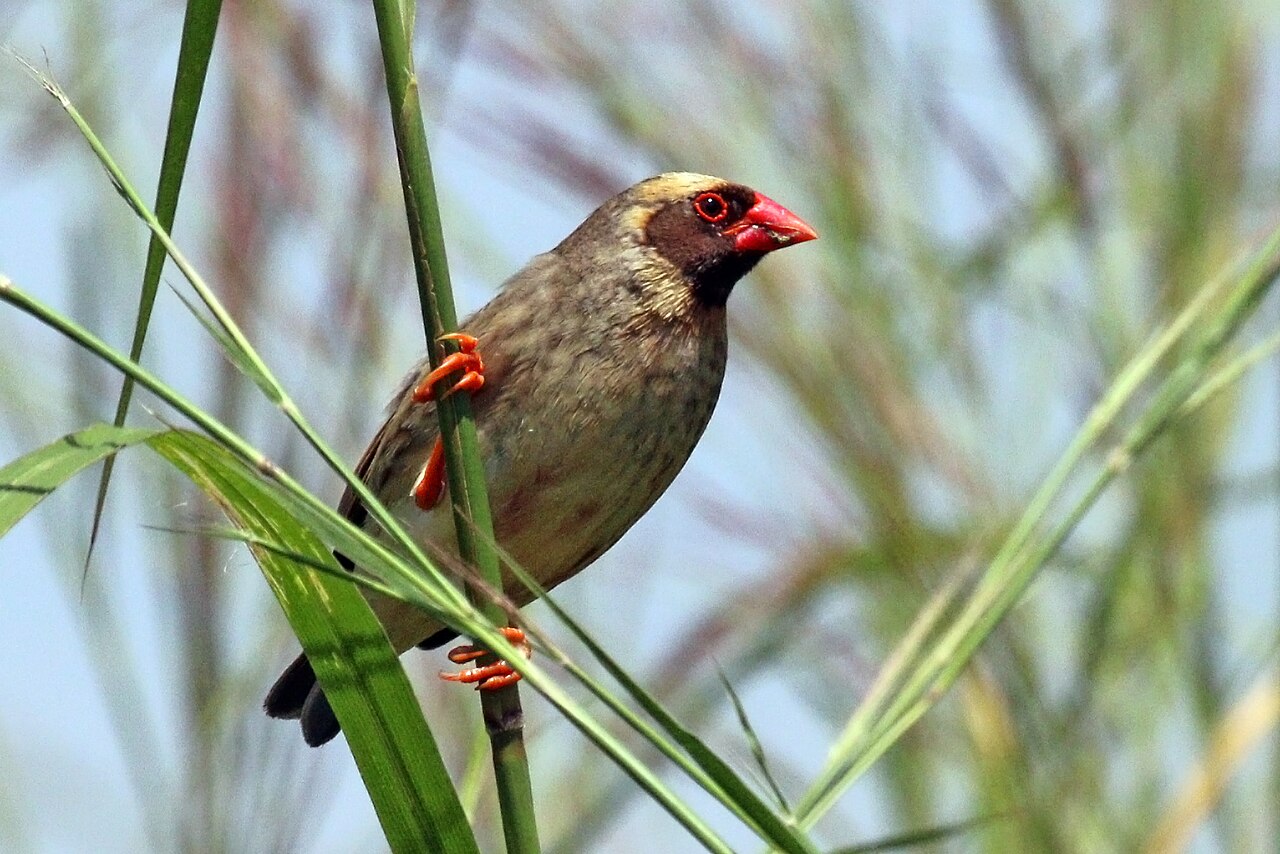
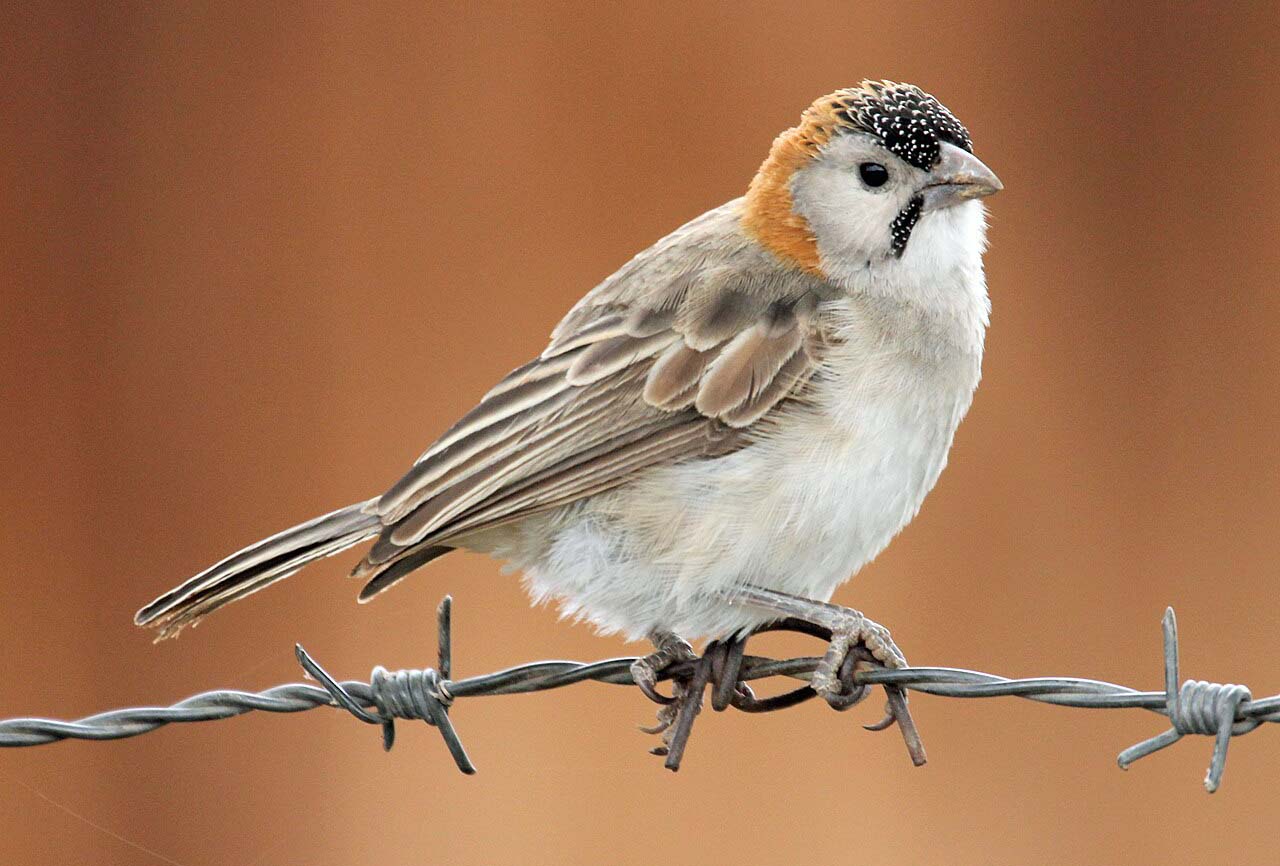
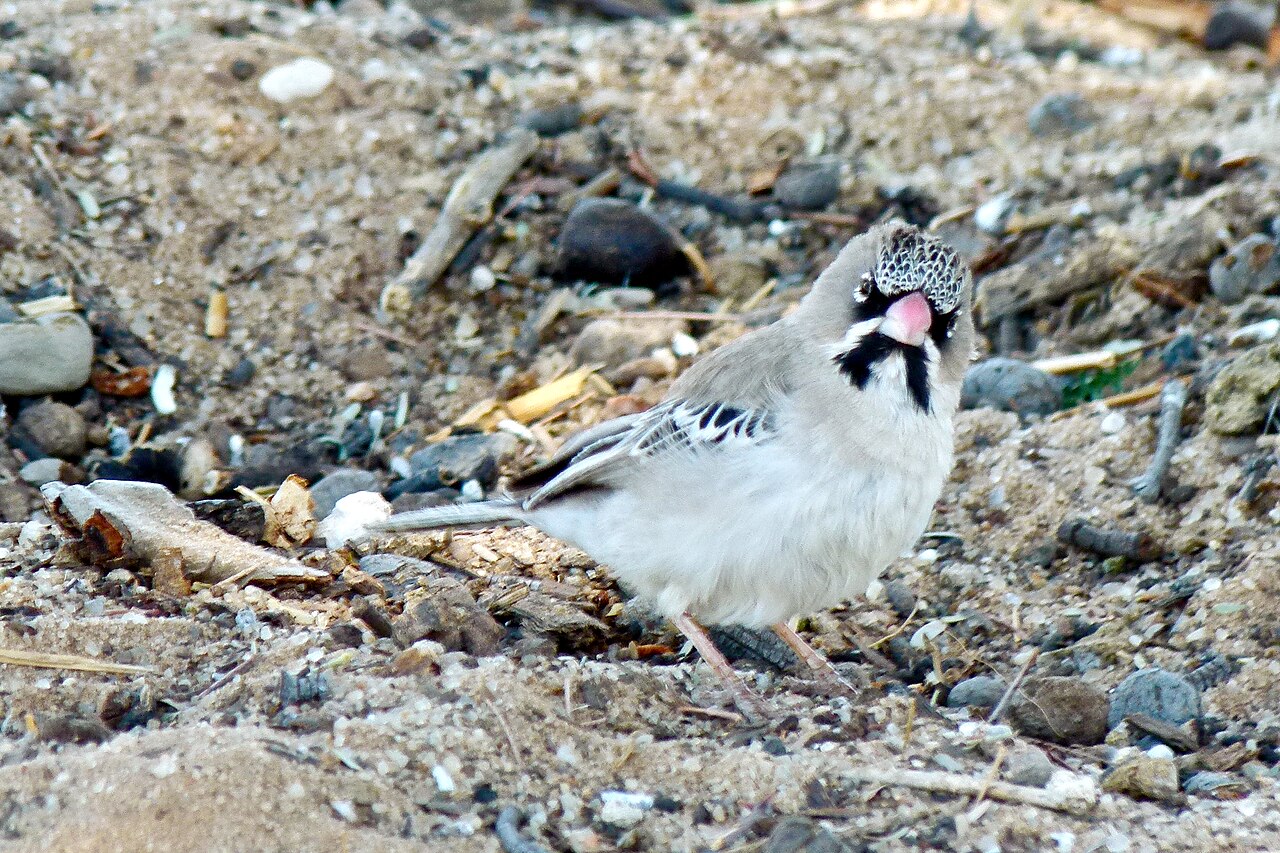
The Ploceidae family includes around 120 species of small to medium-sized birds, including weavers, bishops, widowbirds, and fodies. Most species are found in Africa, but some are found in southern Asia and on islands in the Indian Ocean. Their ranges vary widely by species.
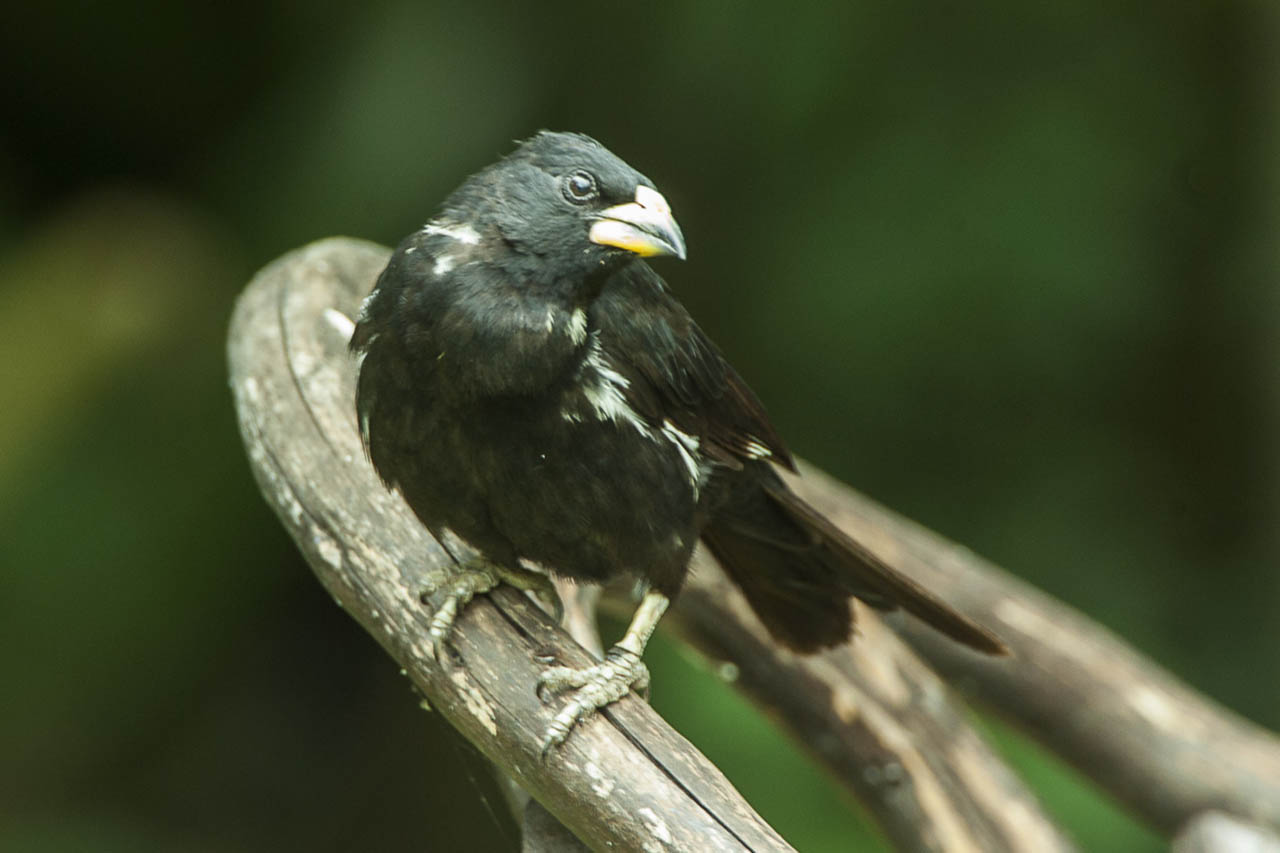
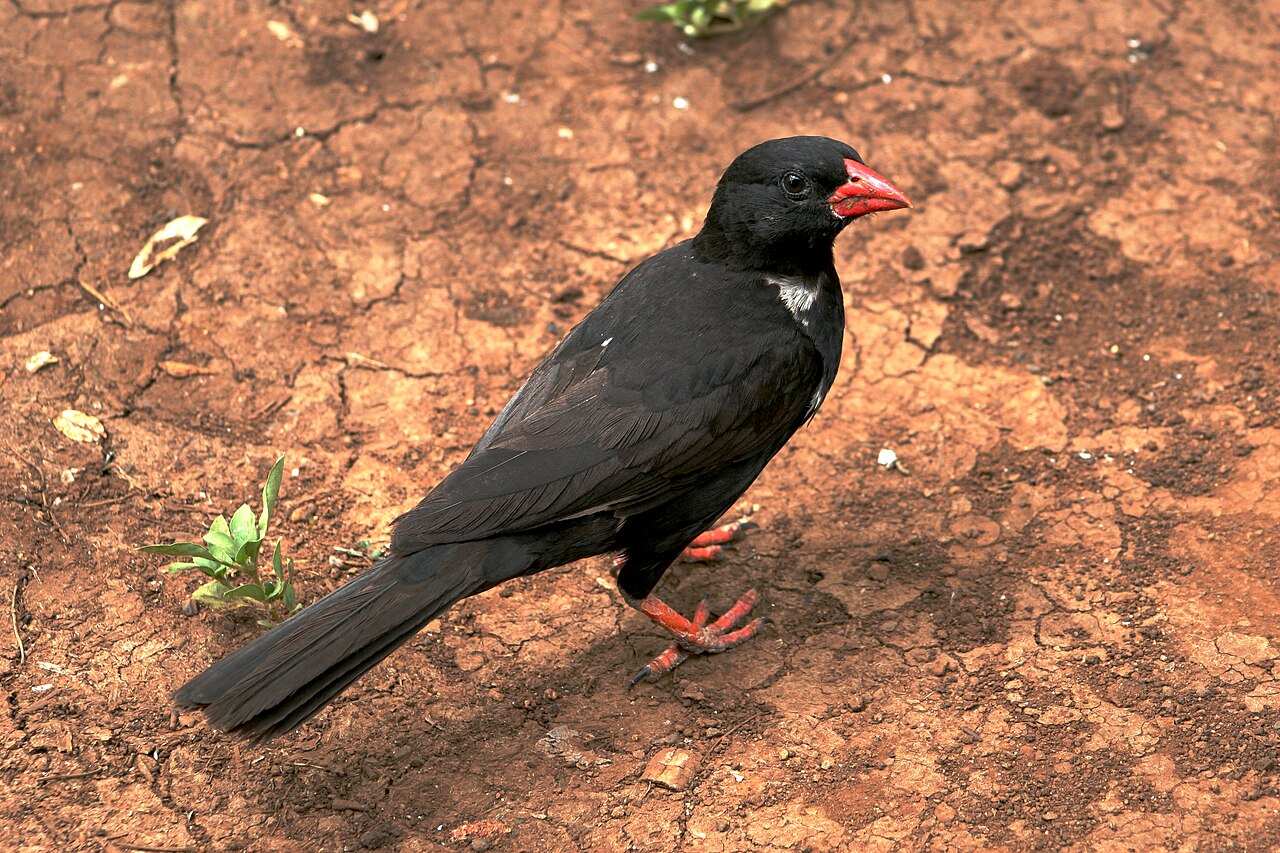
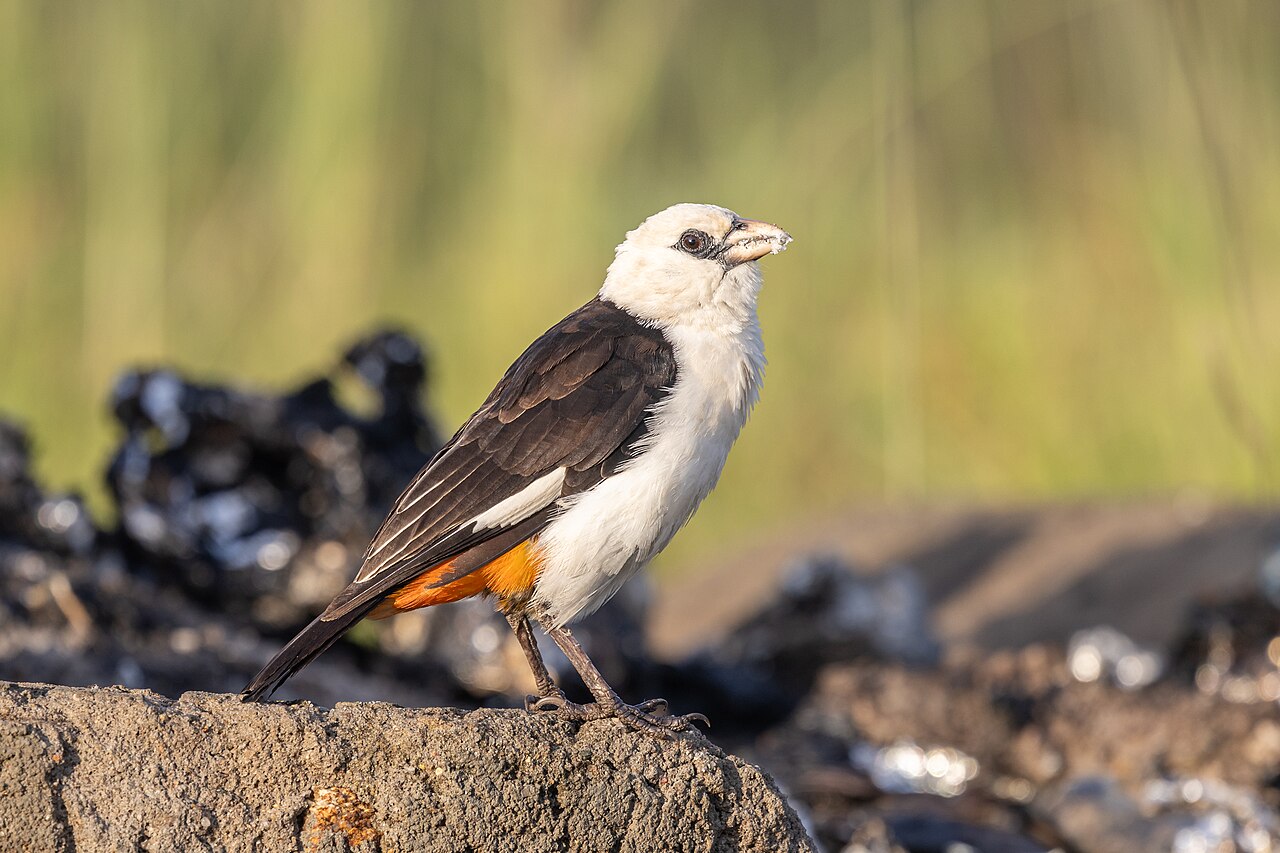
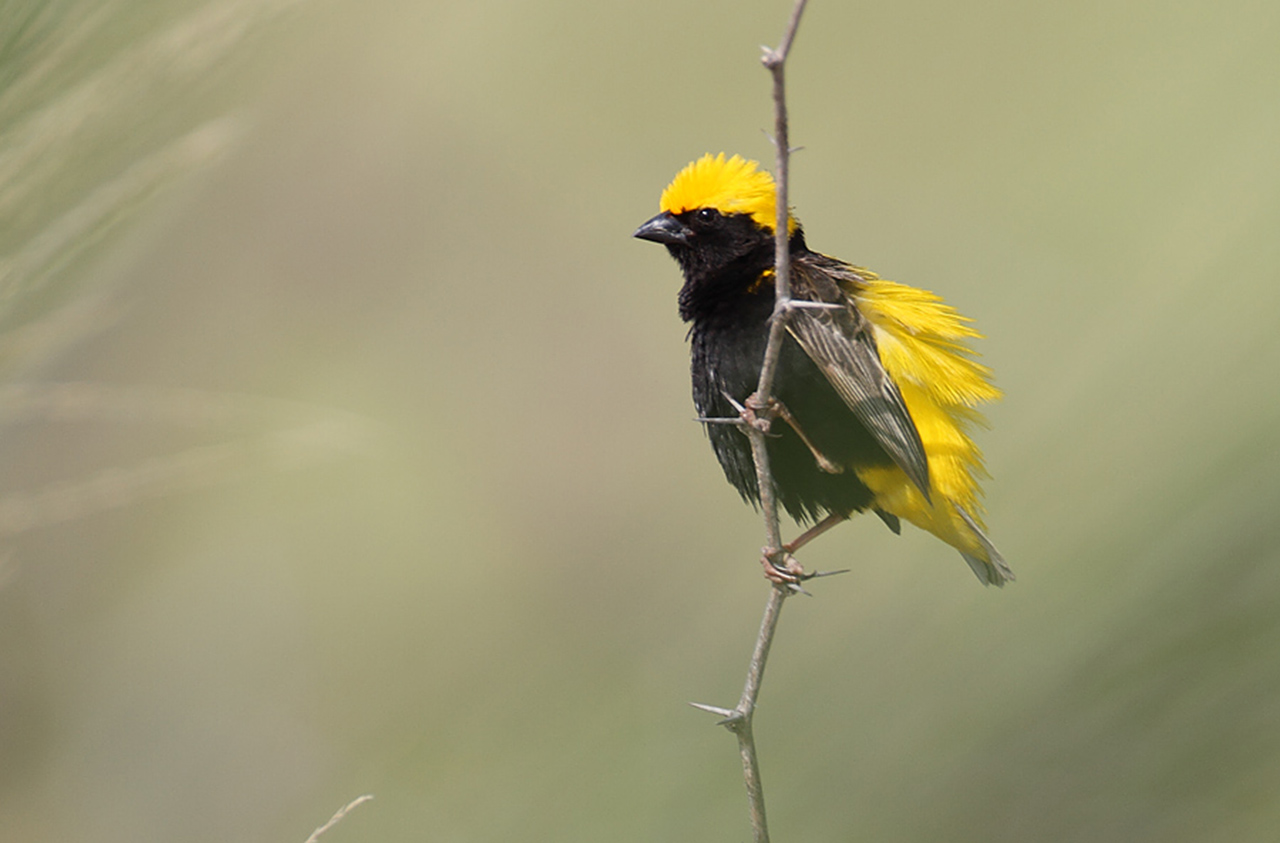
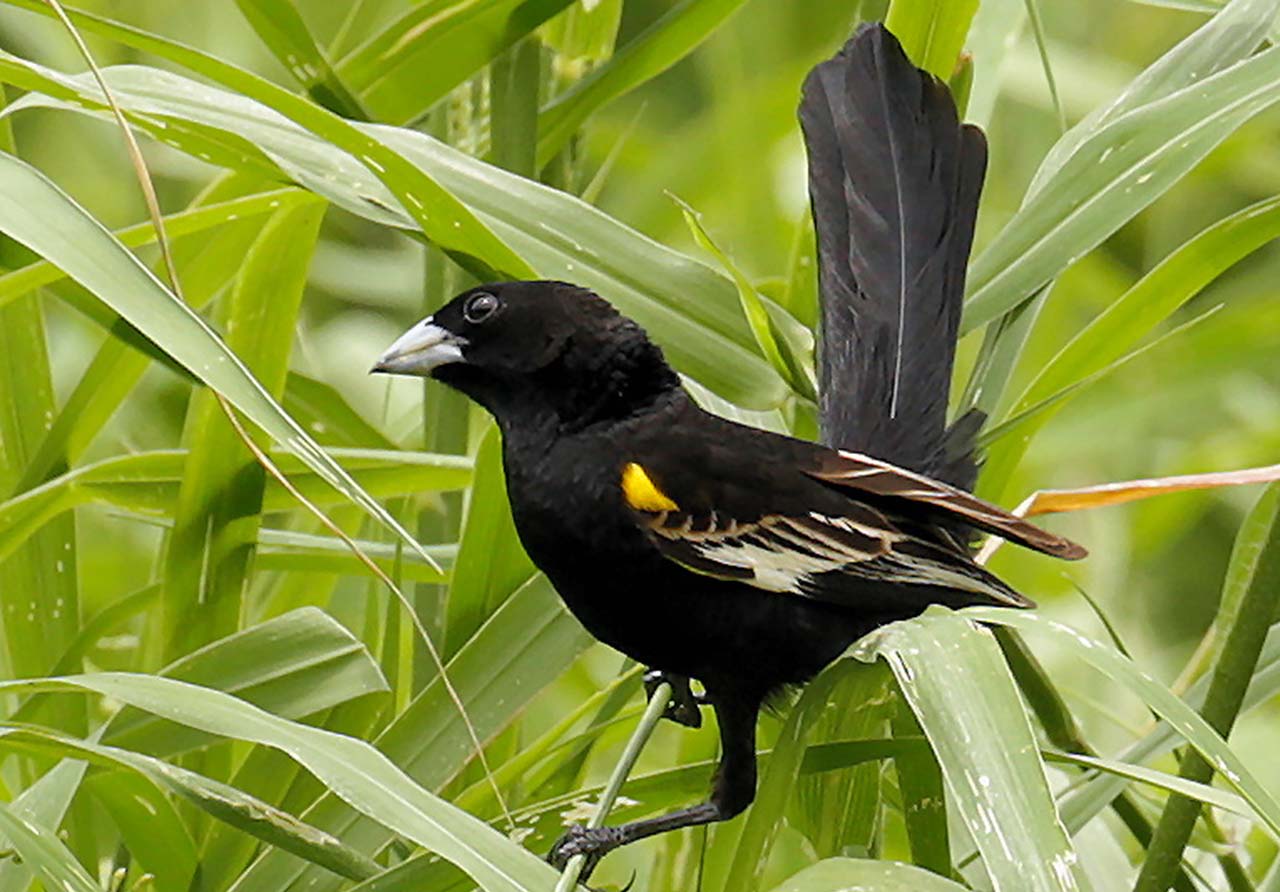
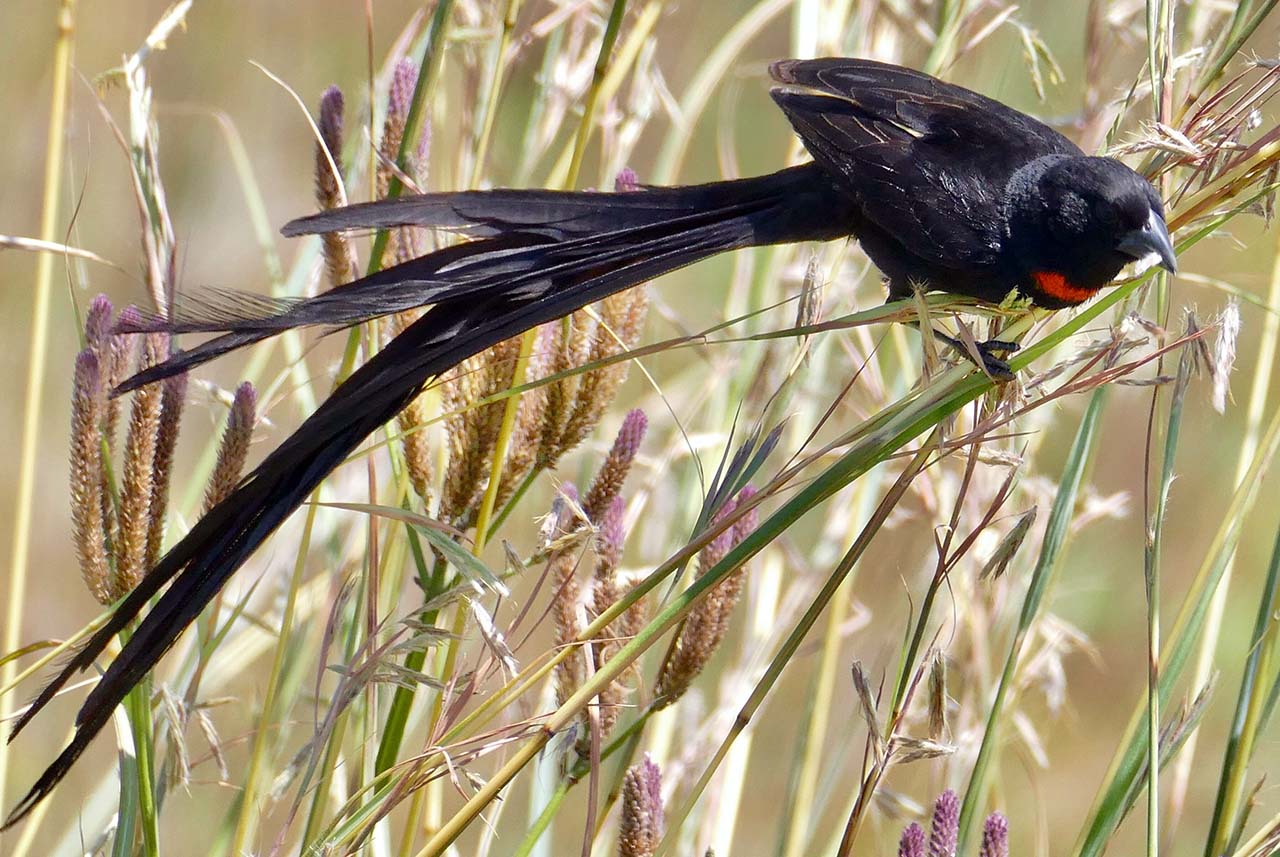
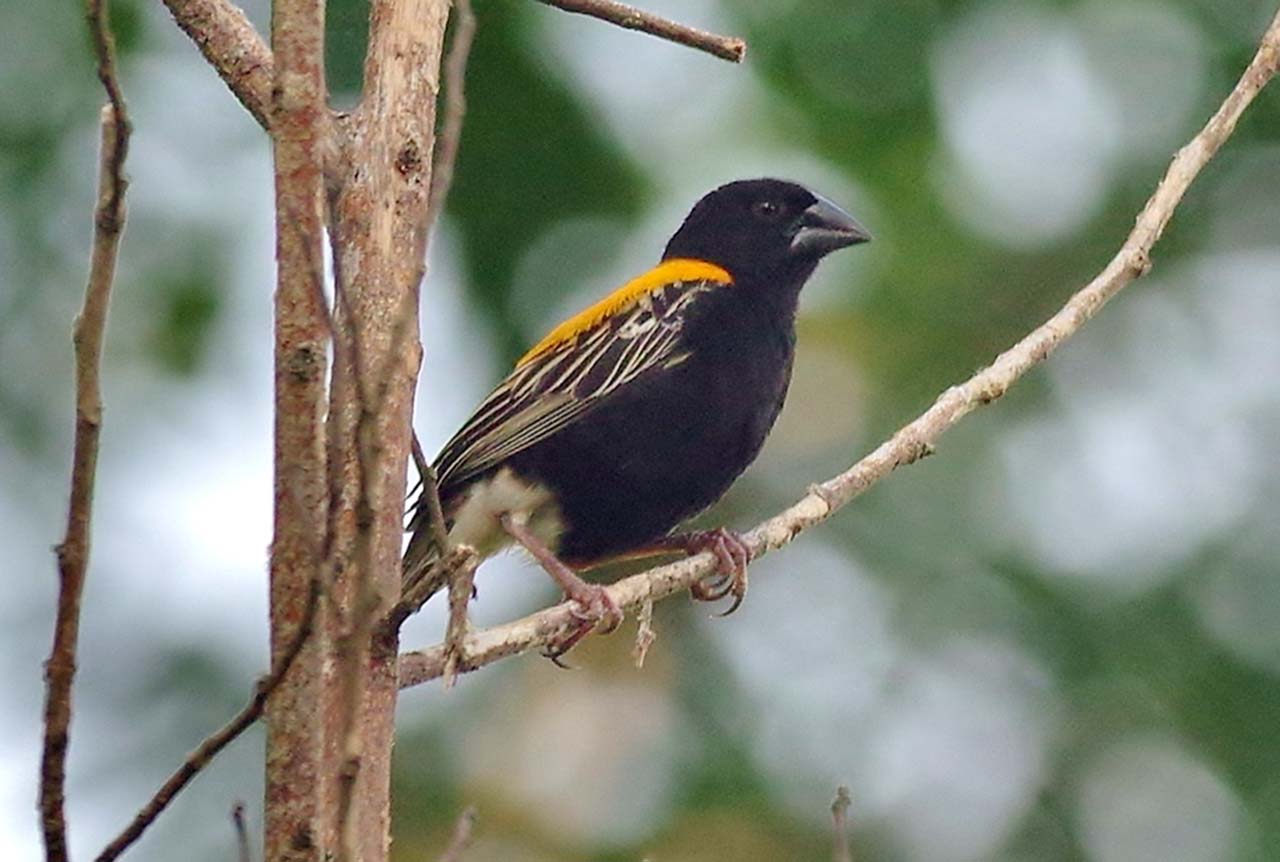
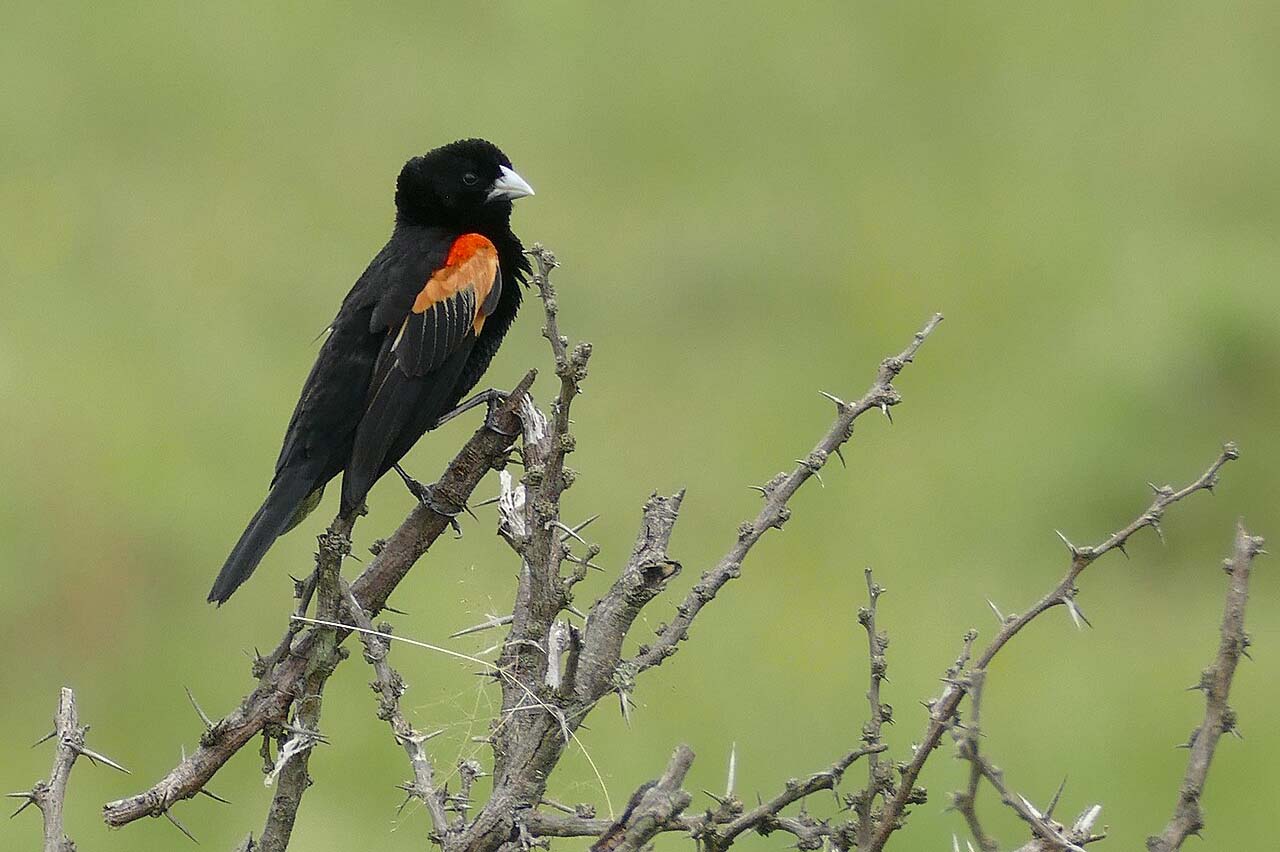
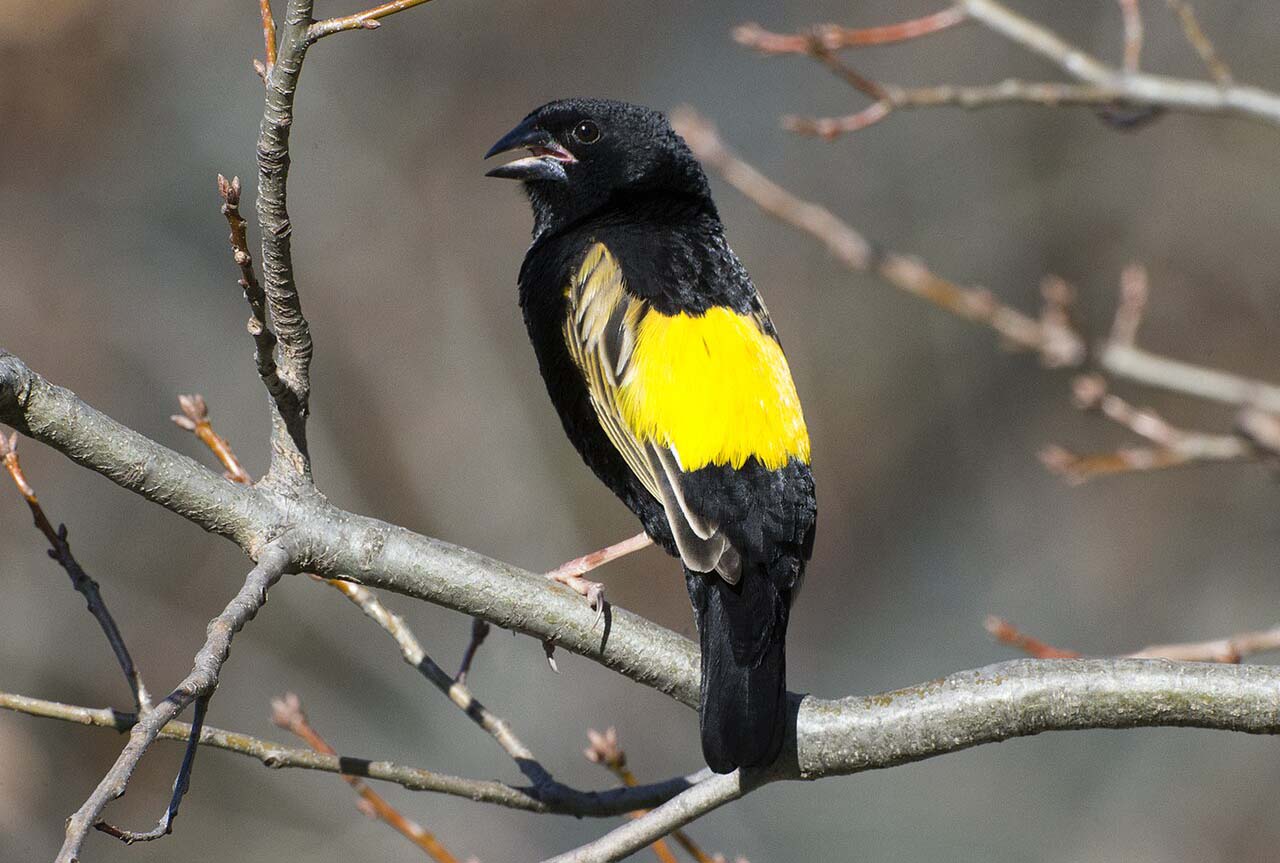
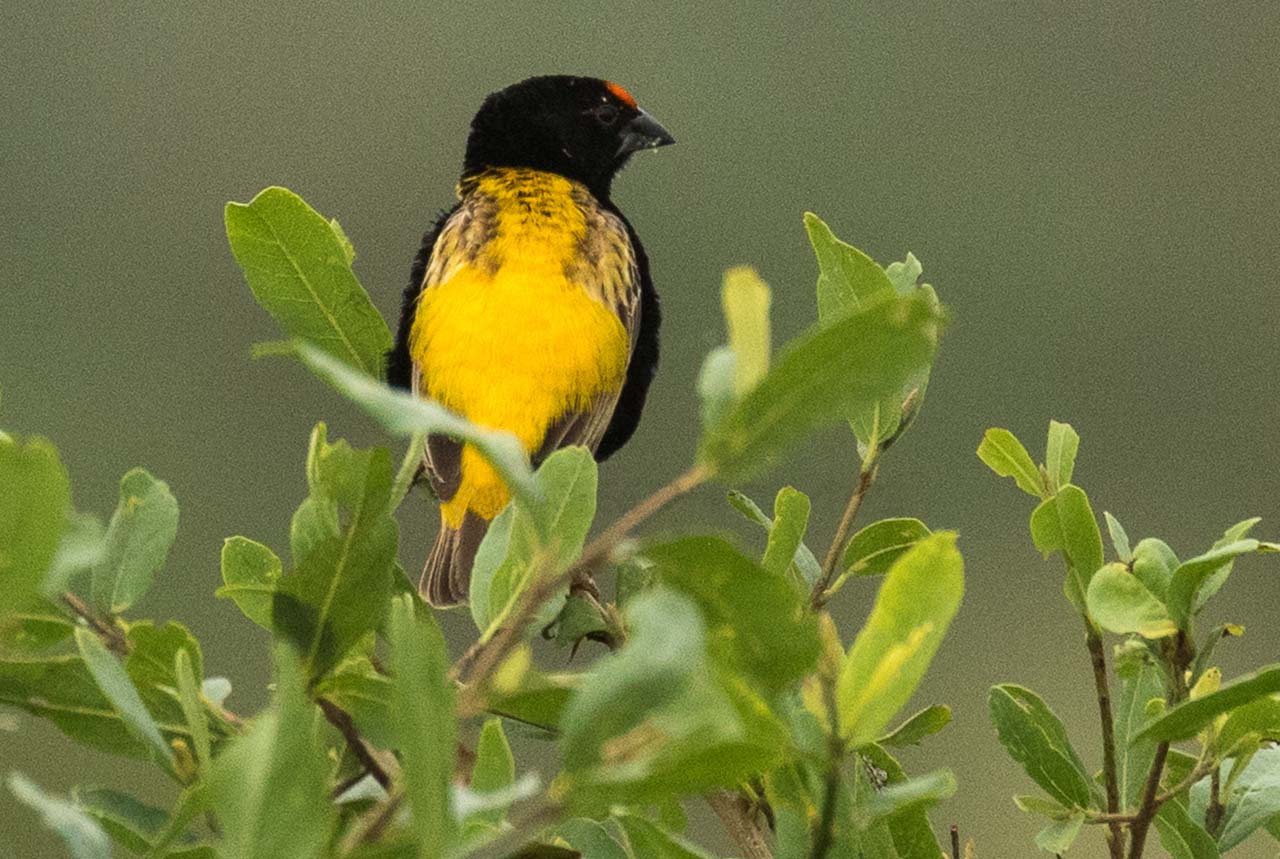
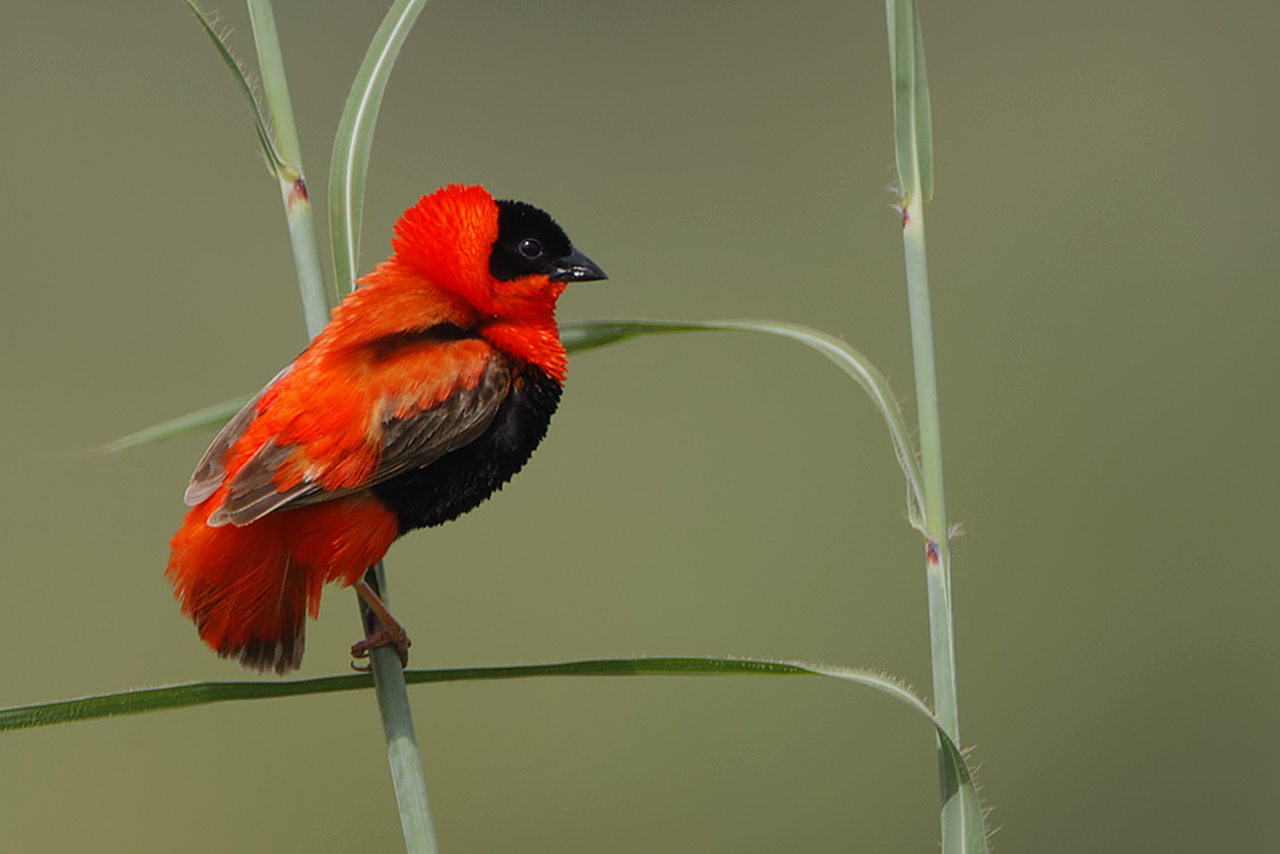
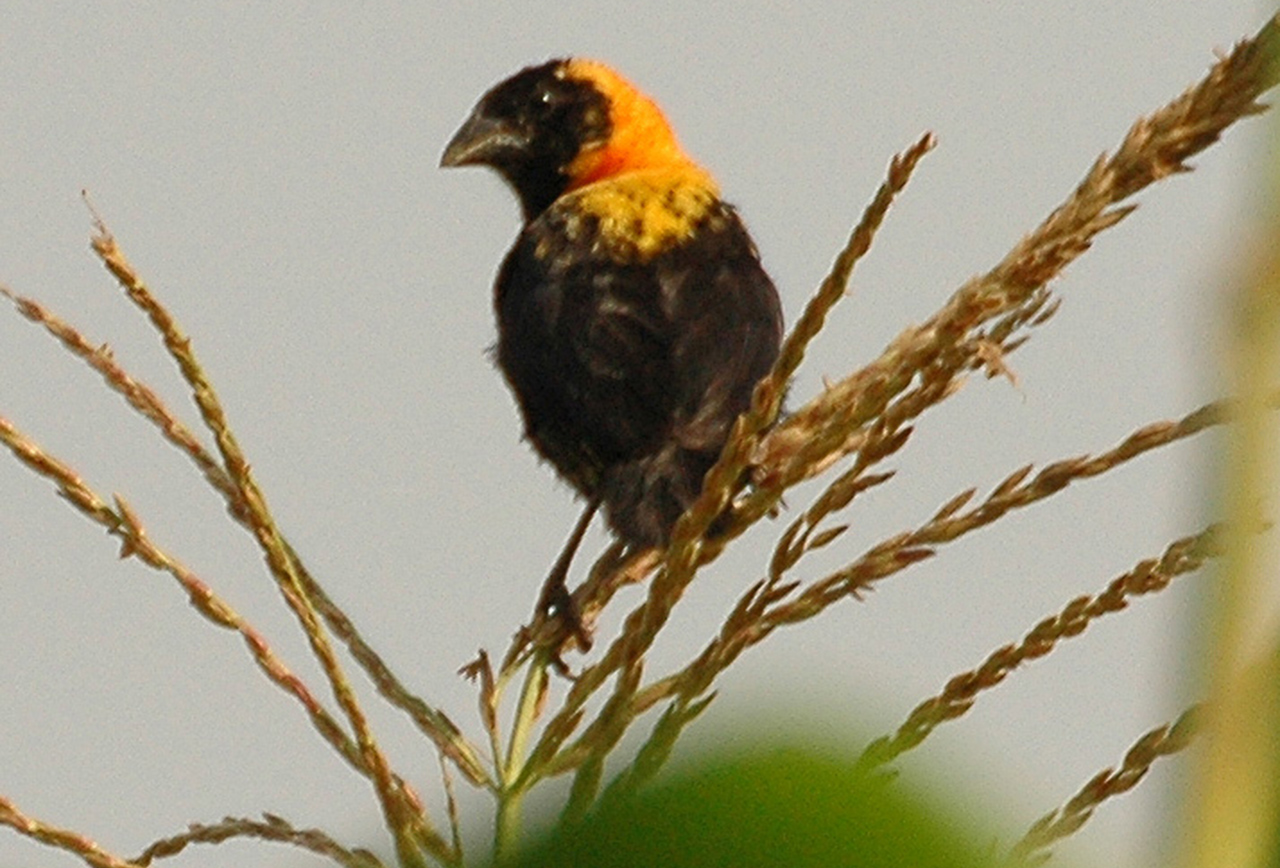
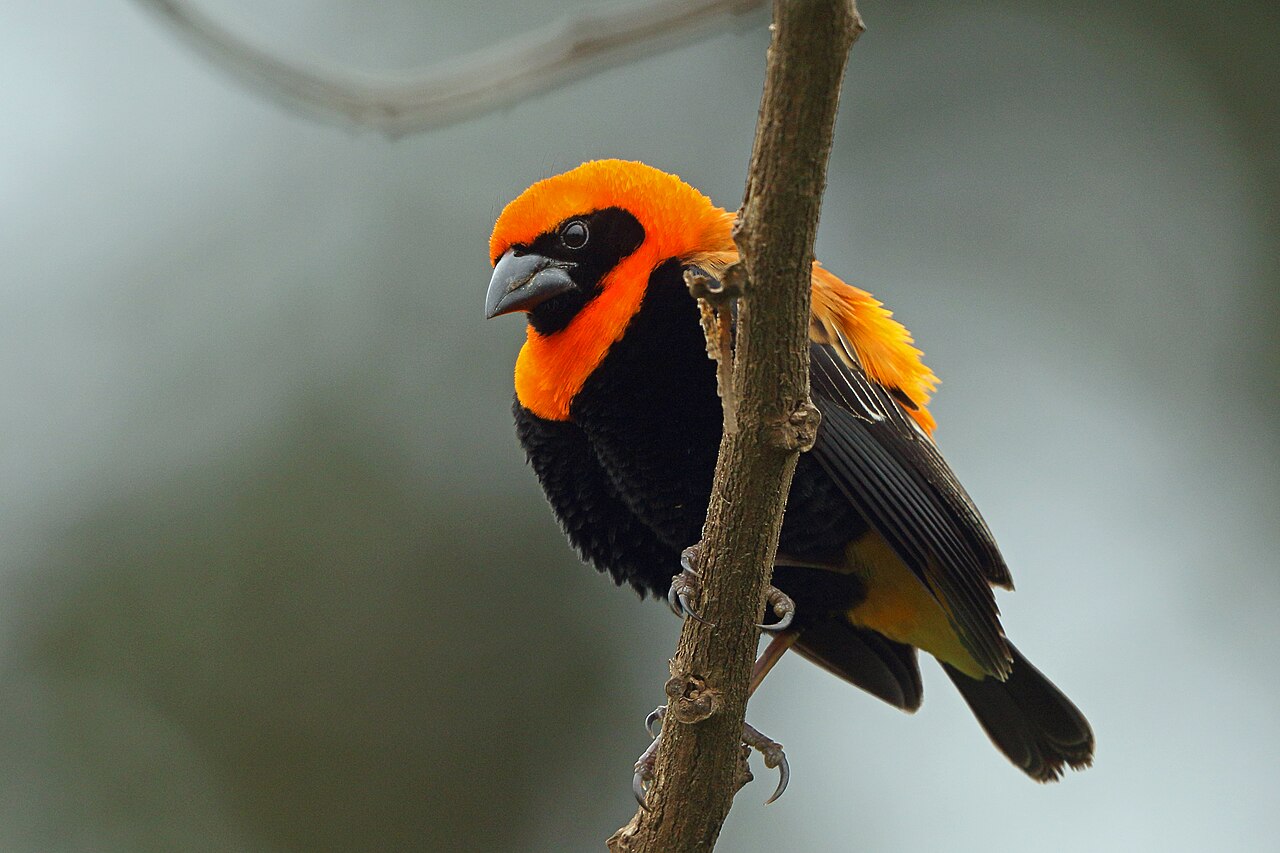
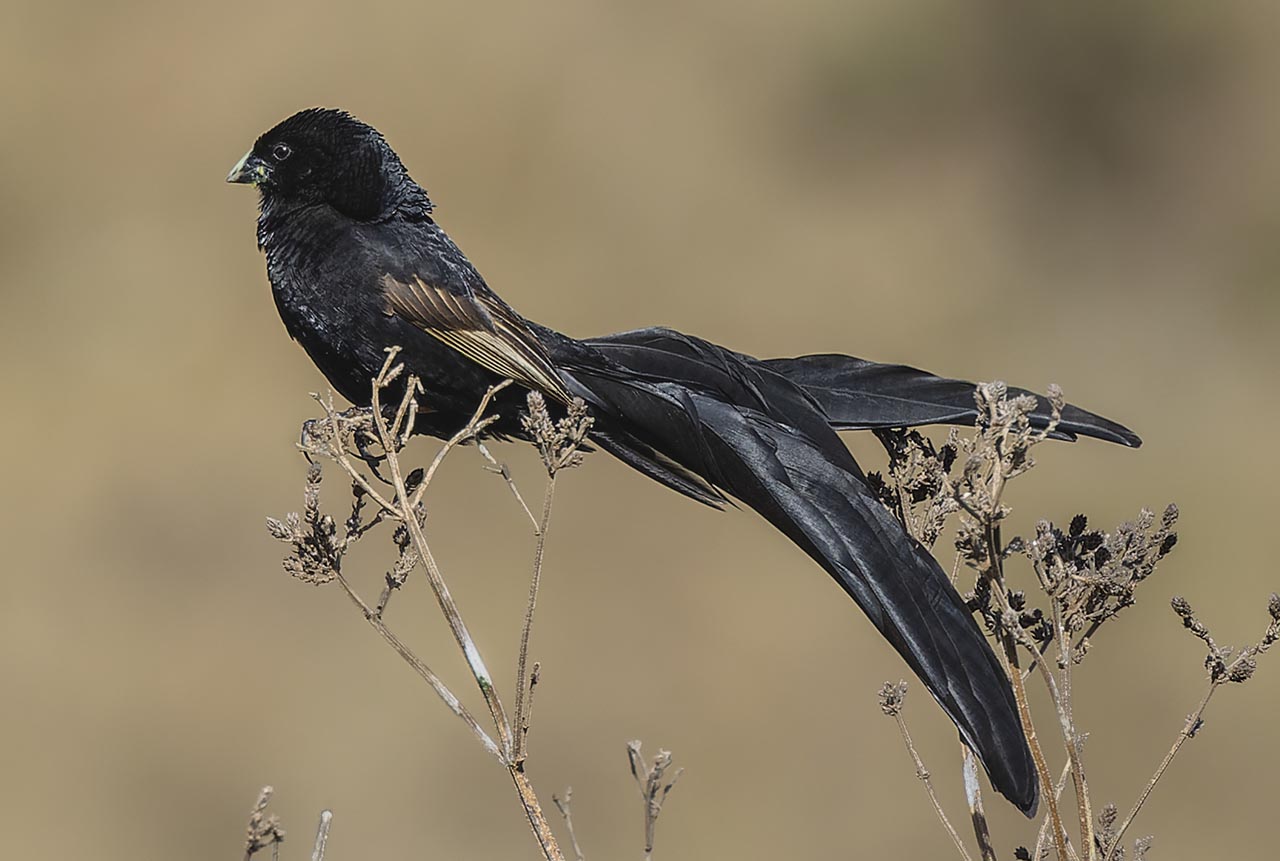
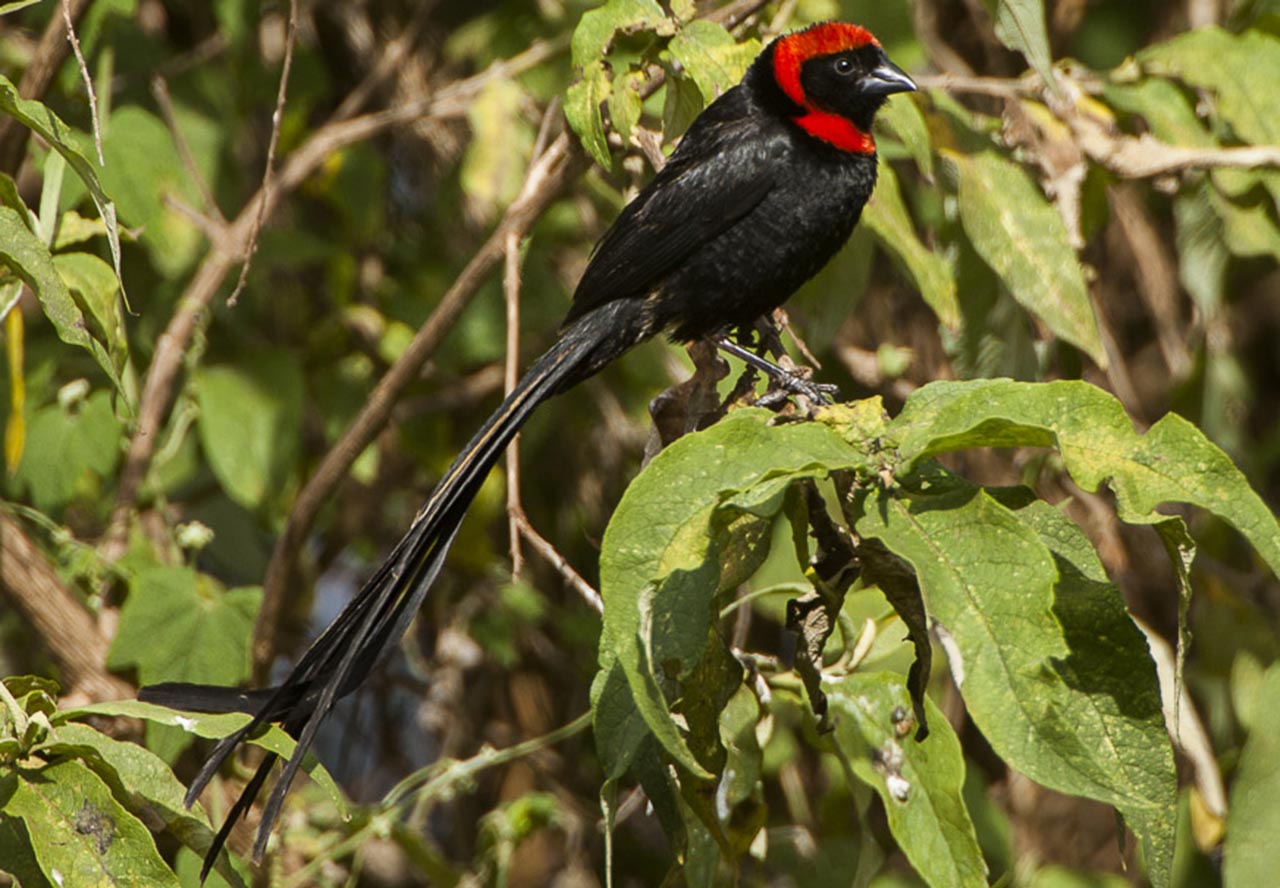
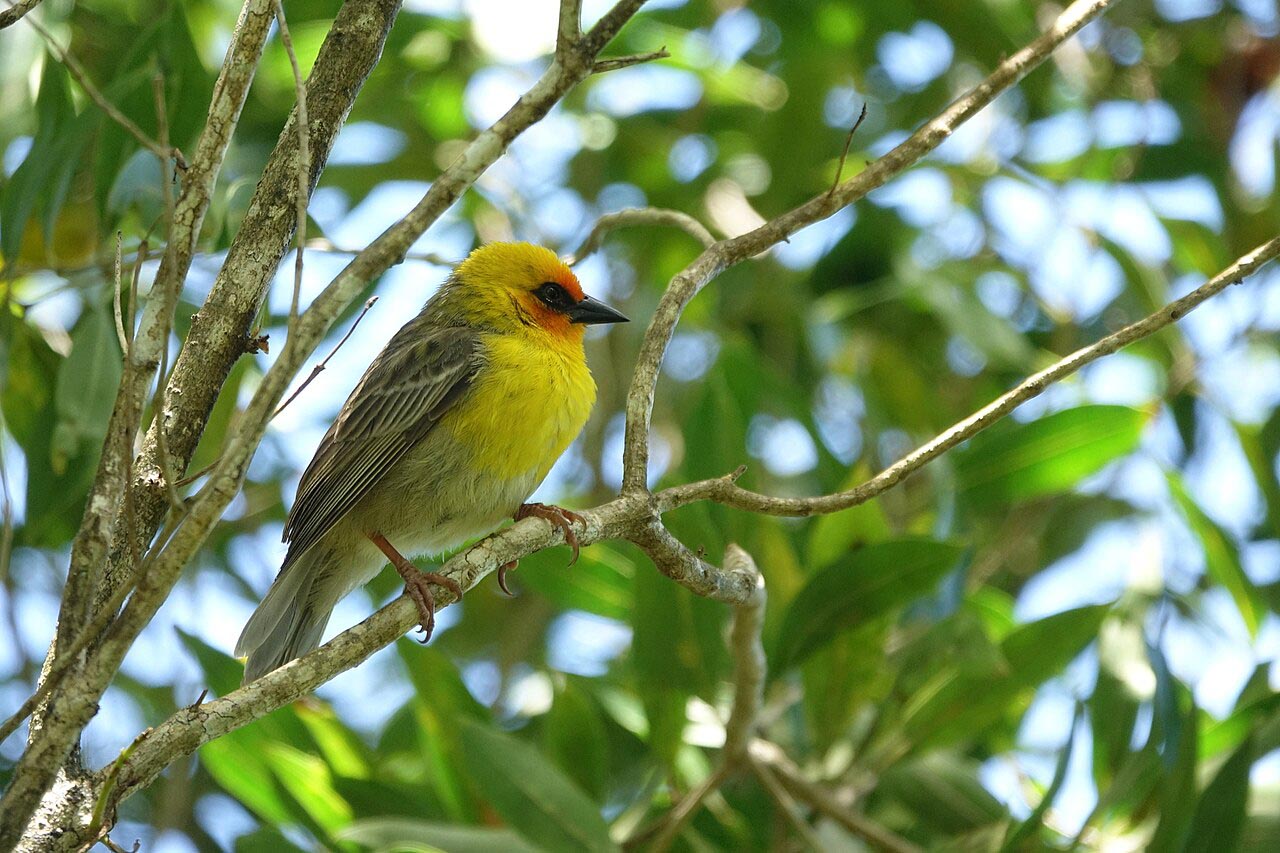
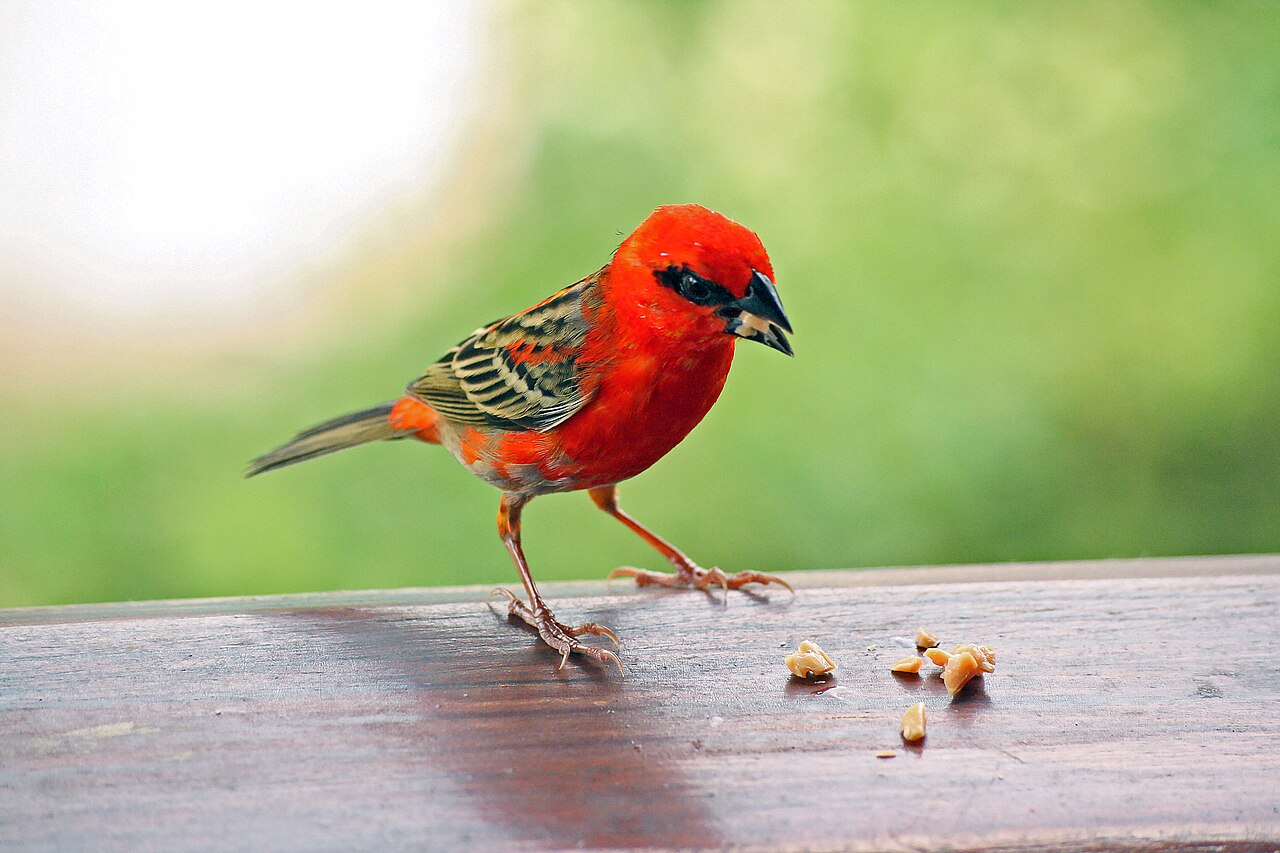
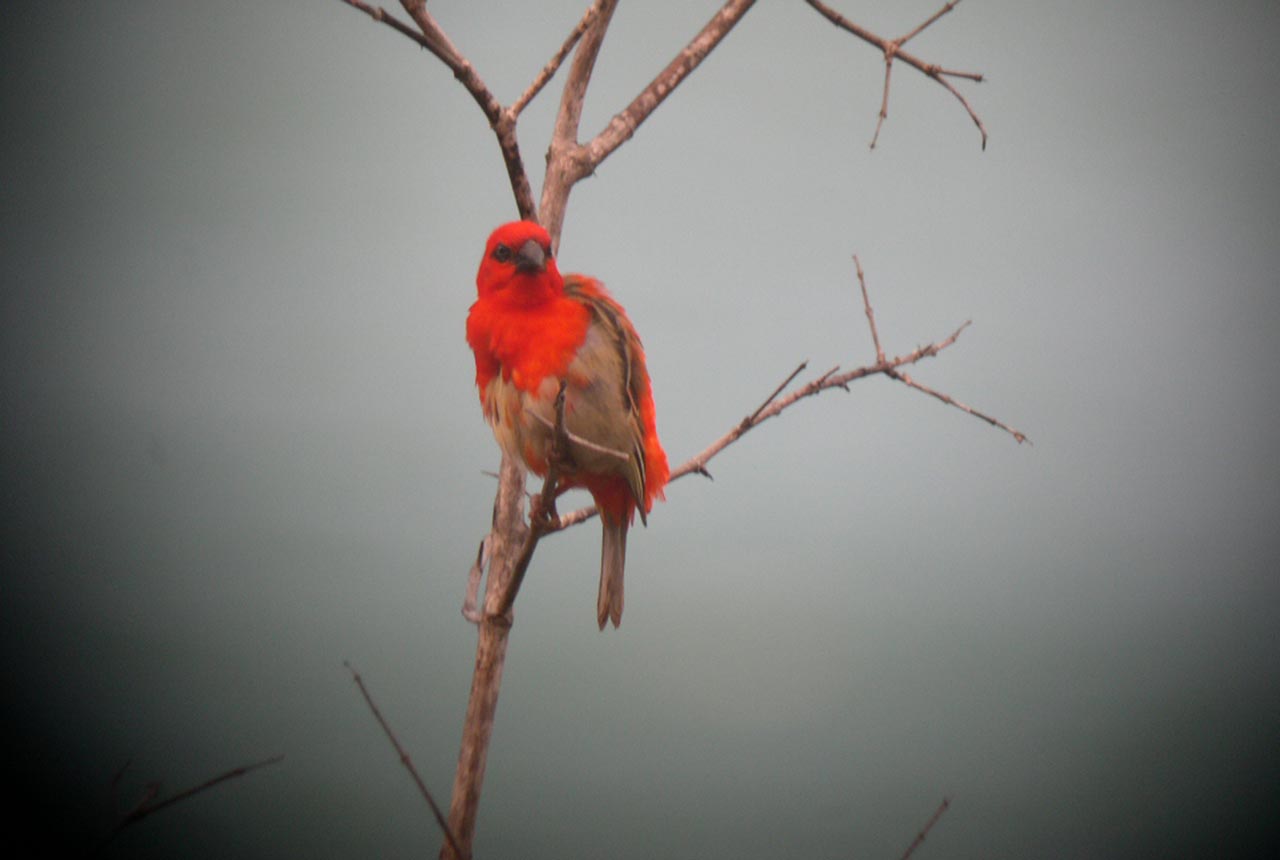
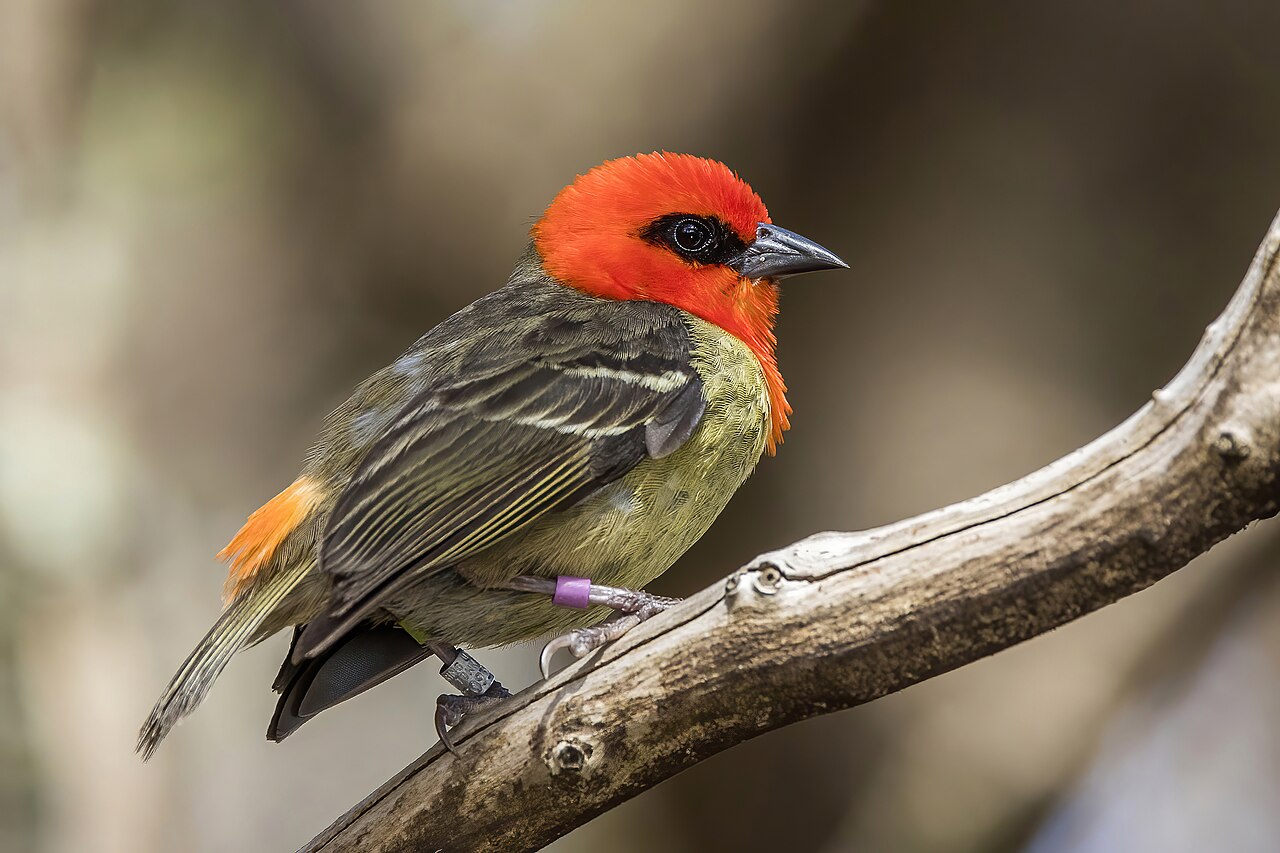
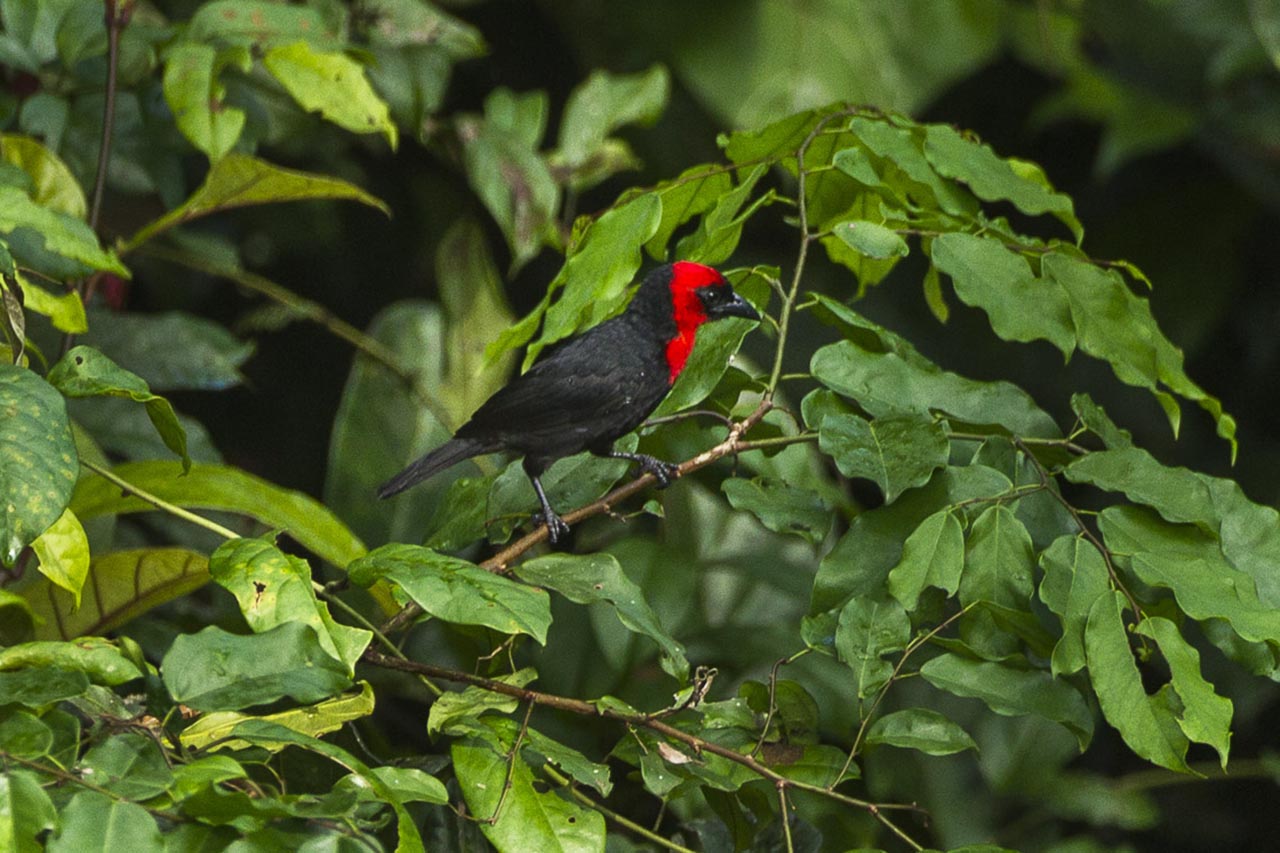
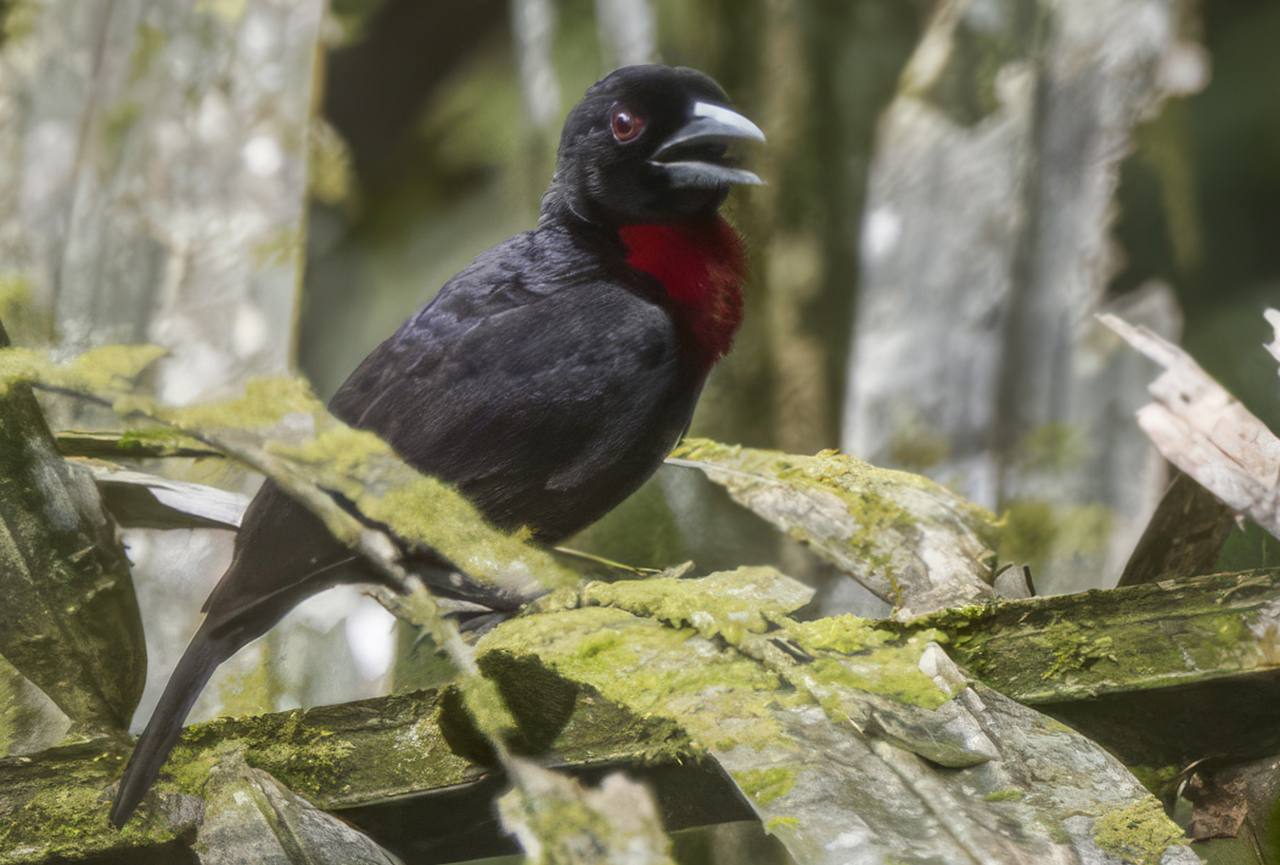
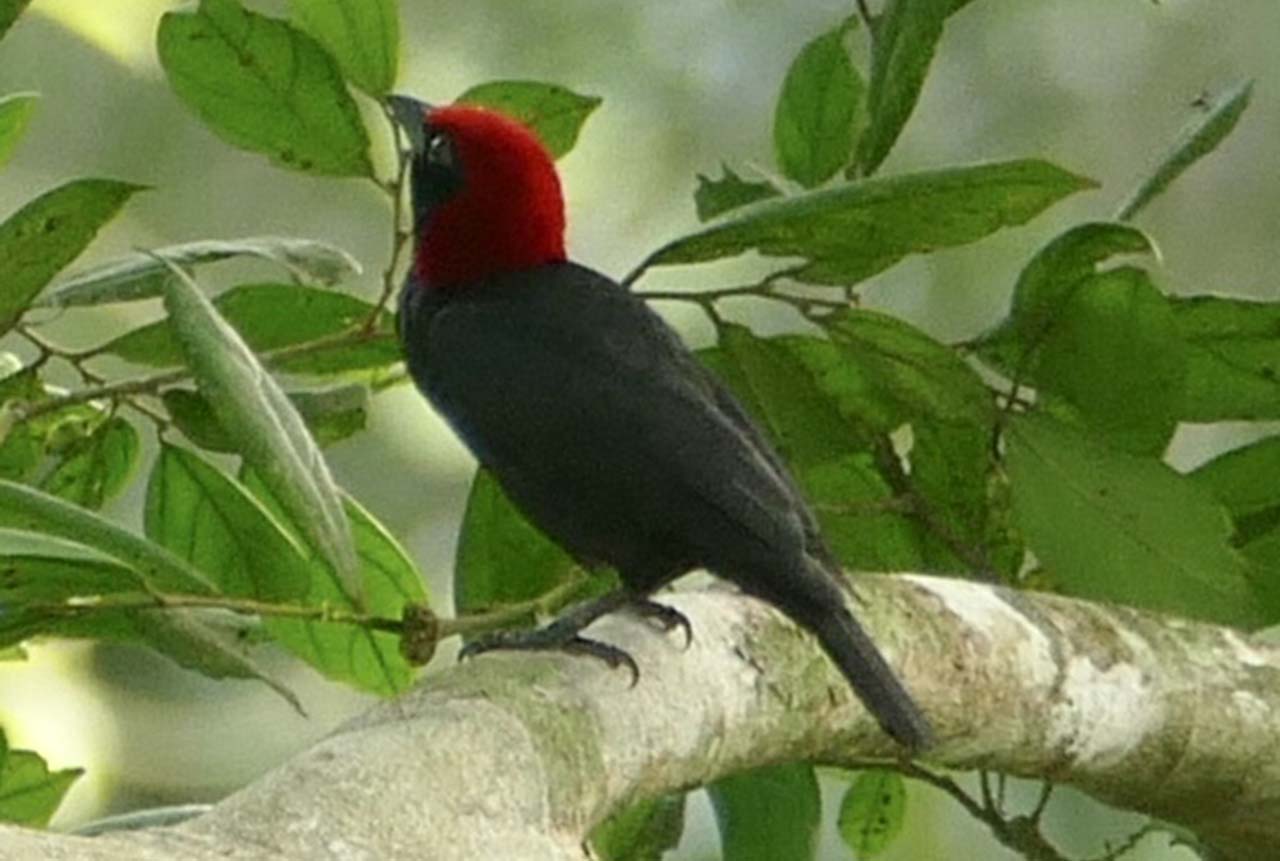
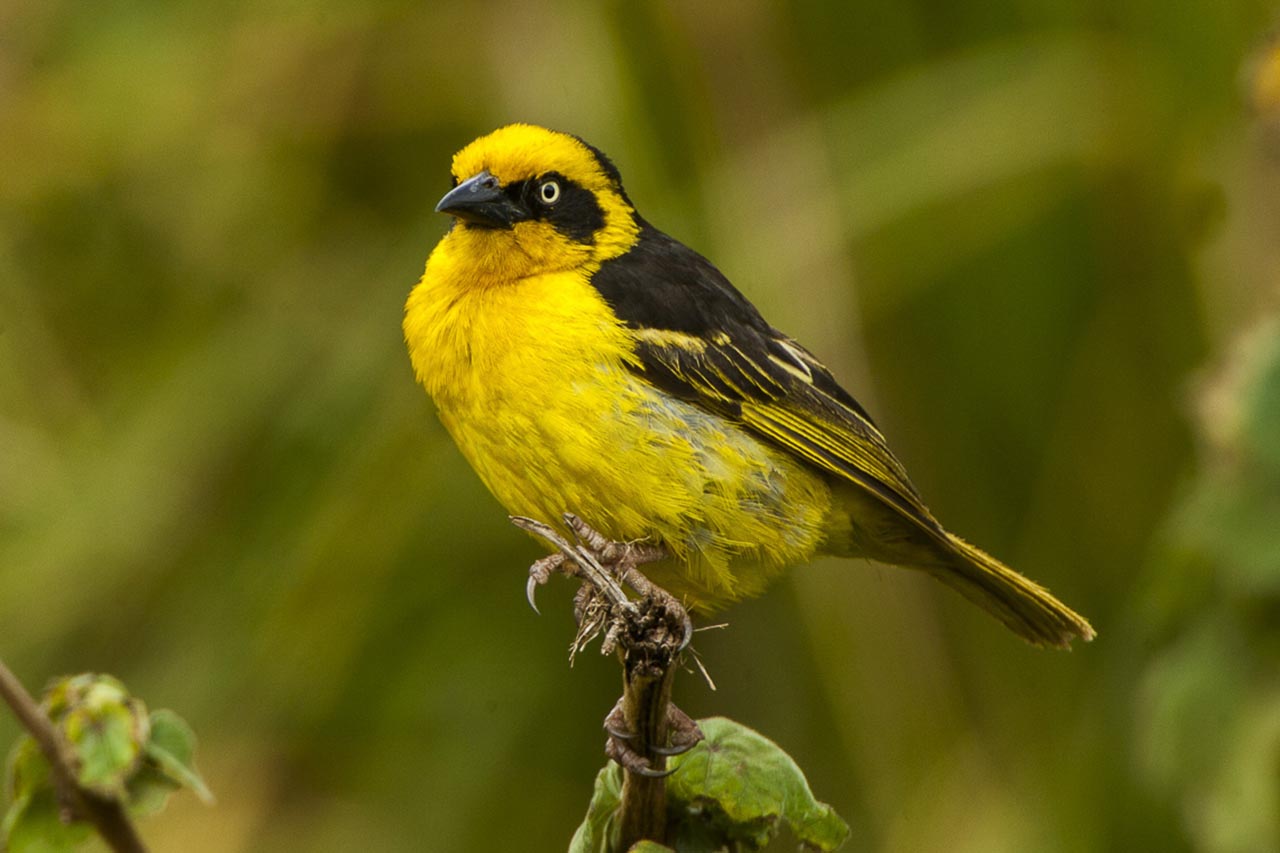
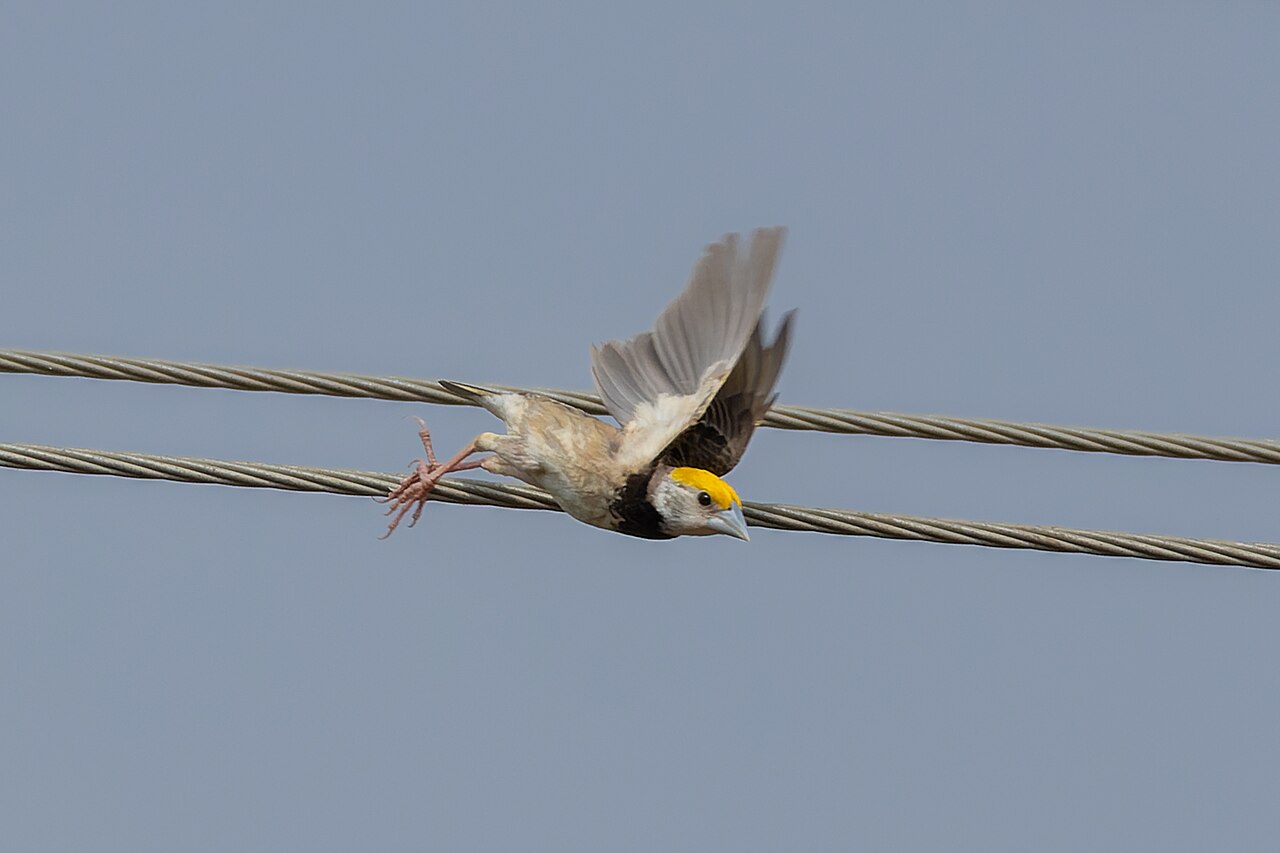
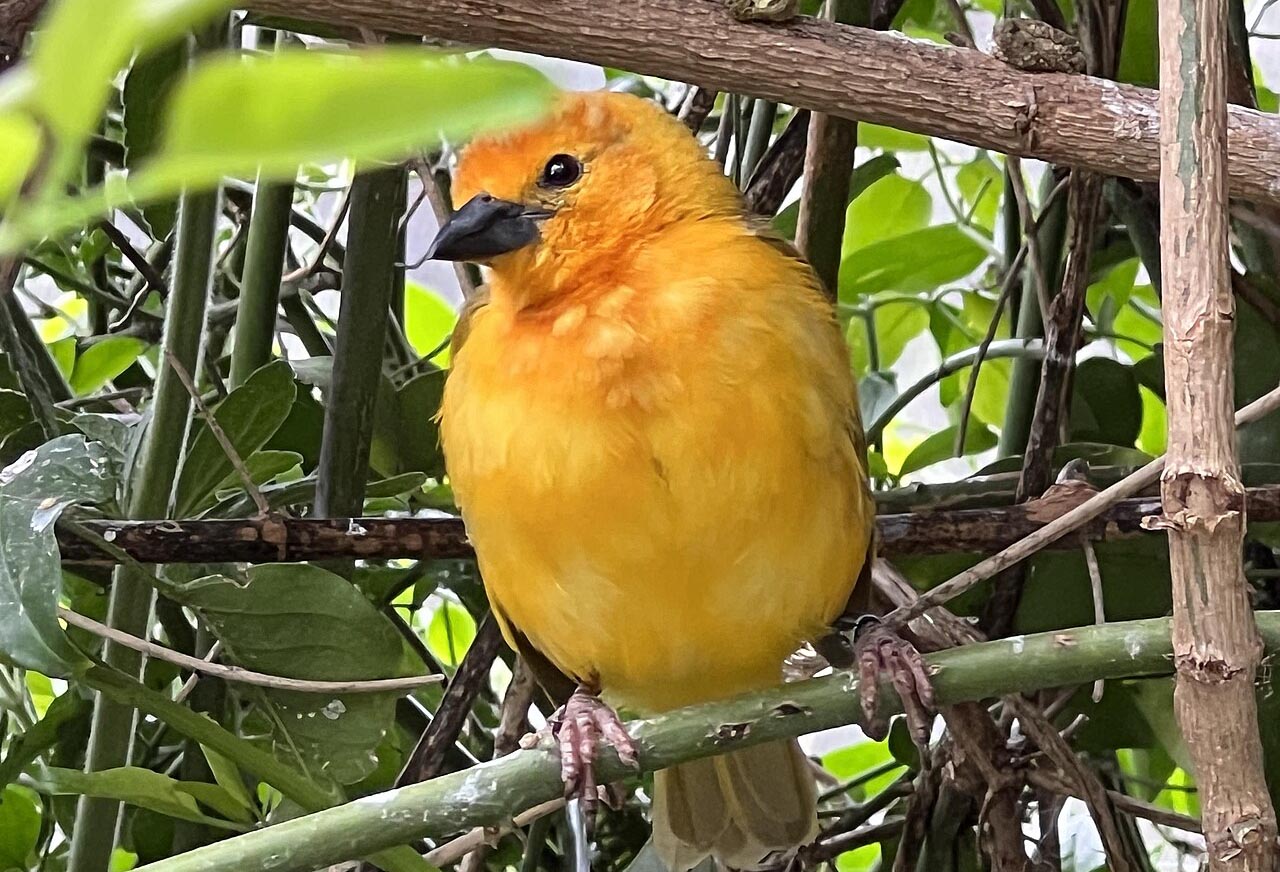
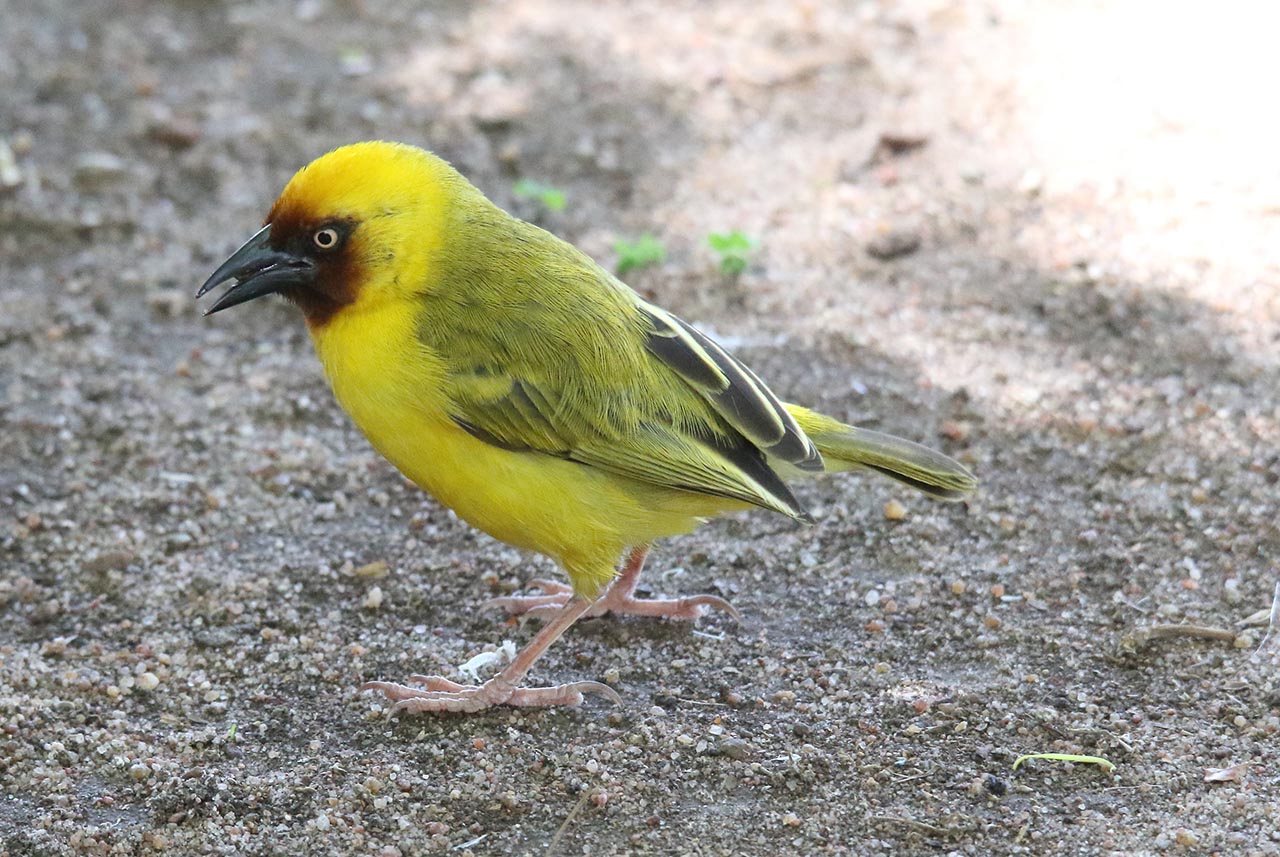
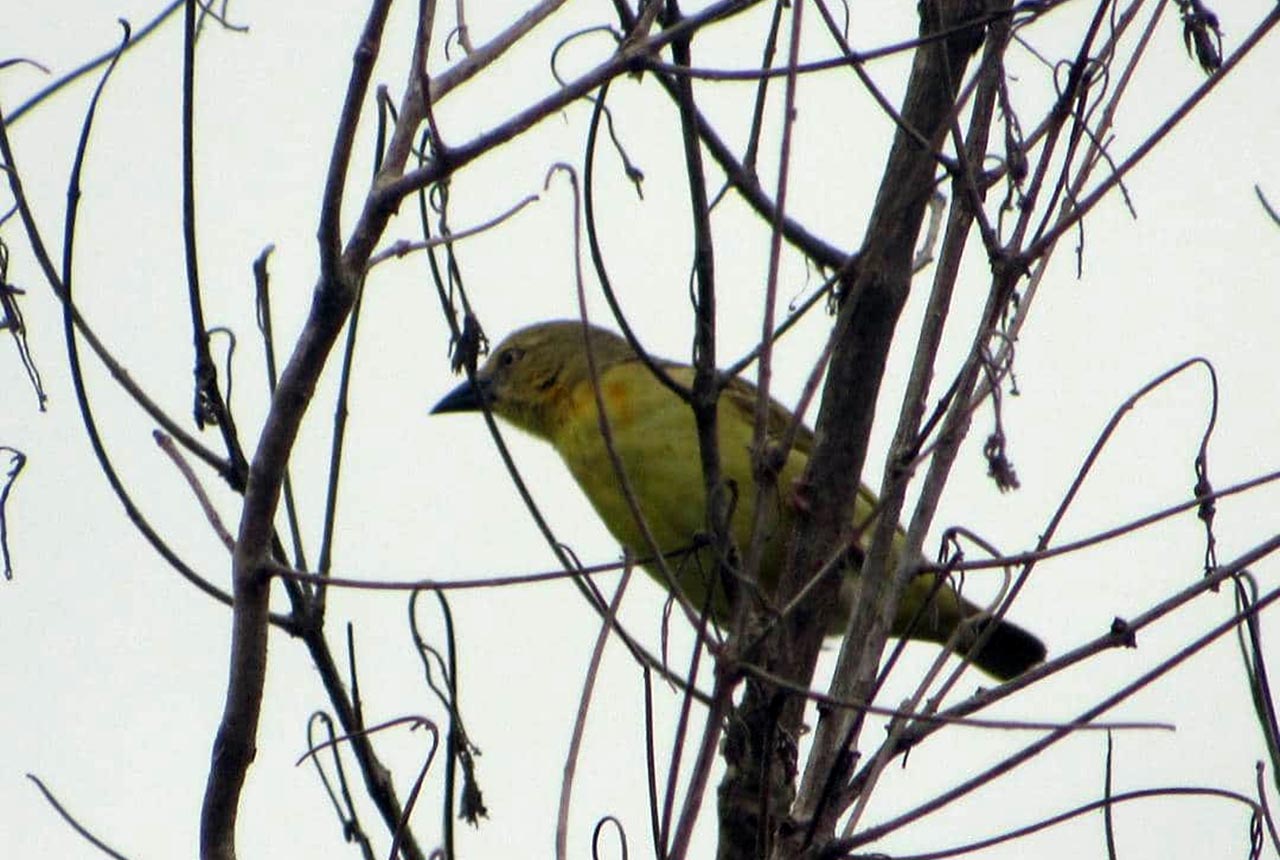
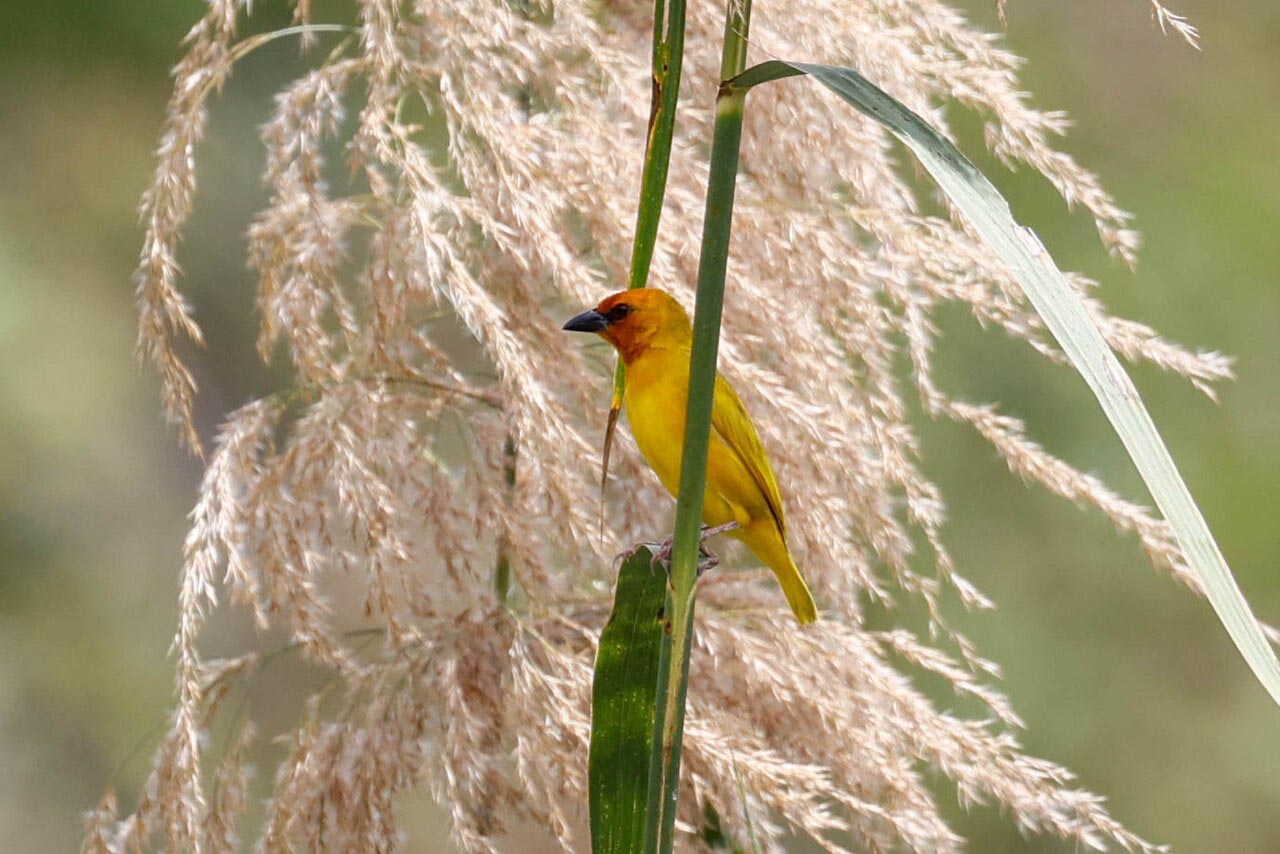
Most Ploceidae birds are about 4–10 inches (10.2–25.4 cm) long. They generally have strong, cone-shaped bills that are well suited for eating seeds and other foods. Many species have colorful feathers, especially males during the breeding season.
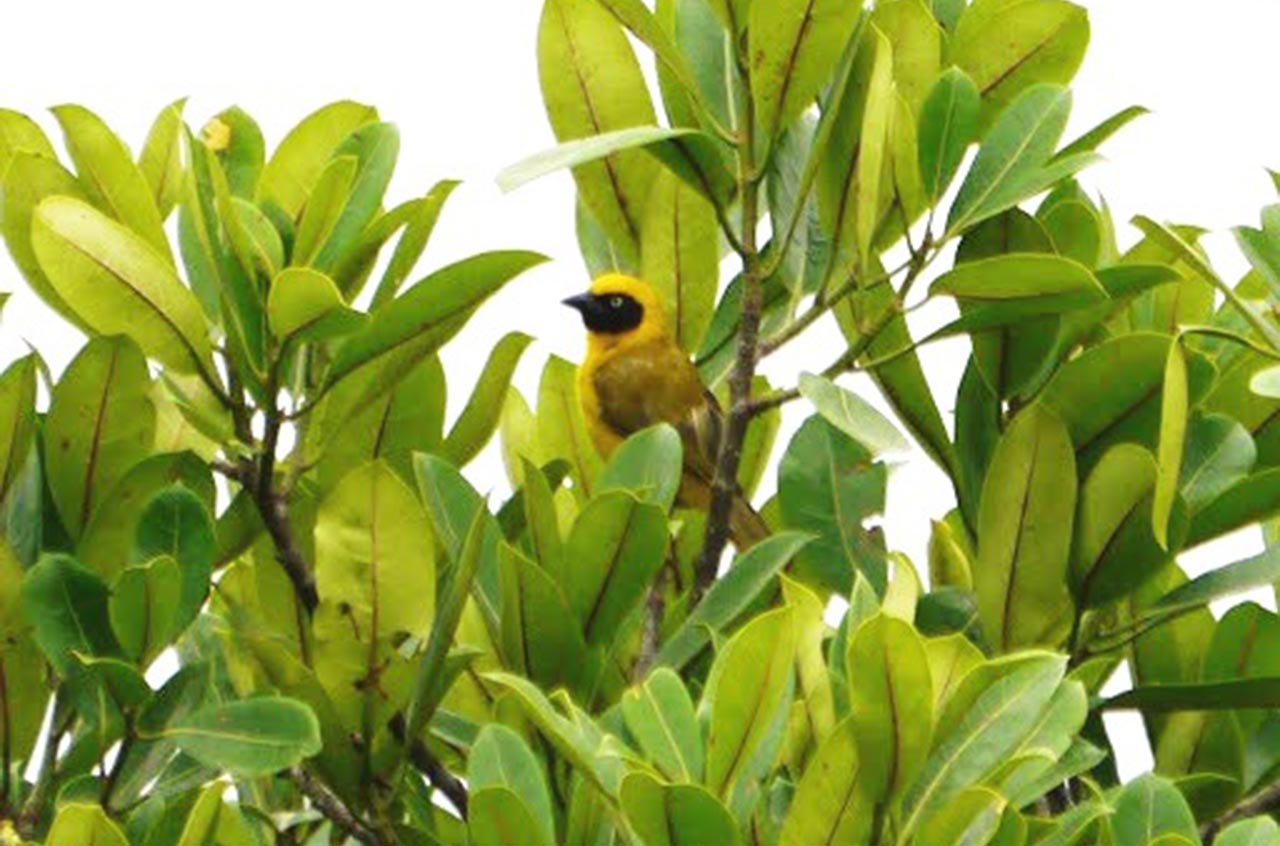
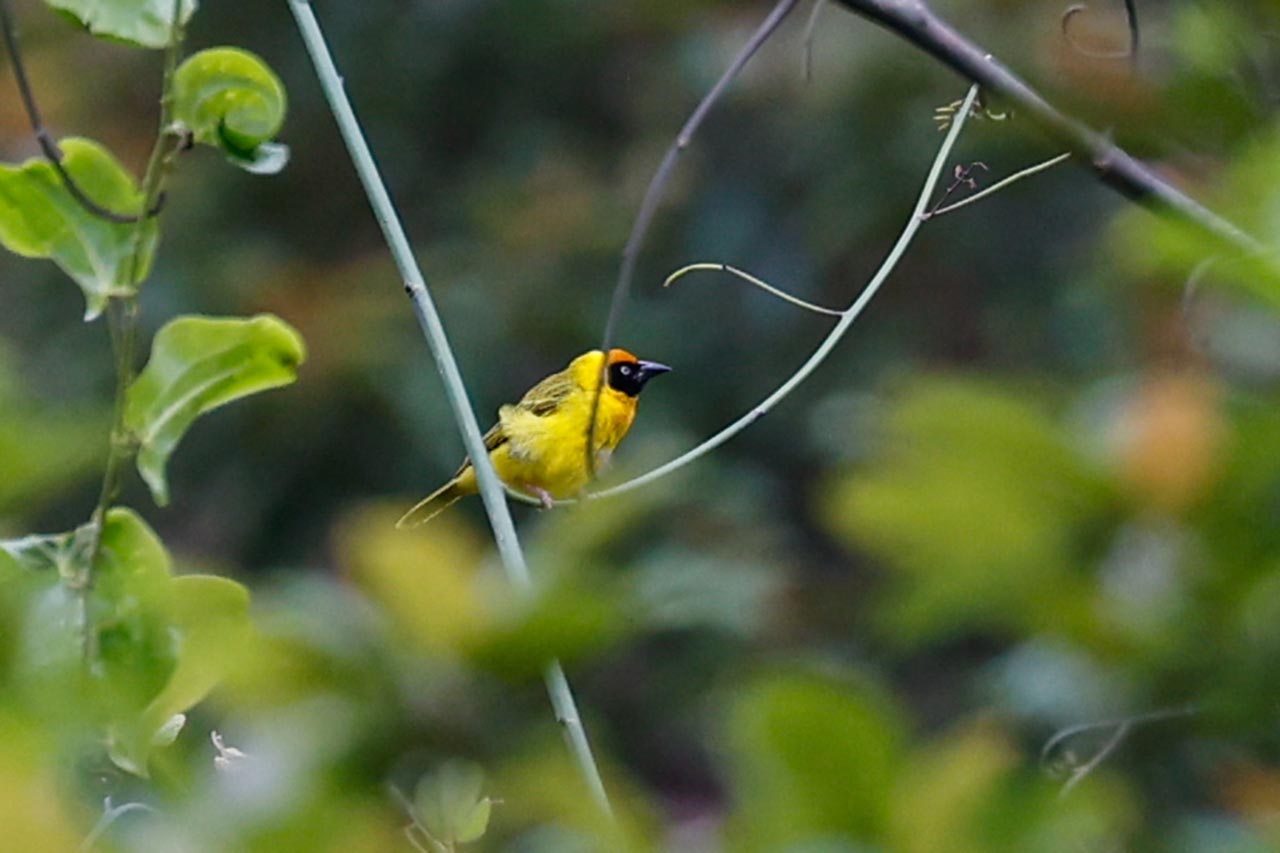
These birds live in many different habitats, including grasslands, savannas, wetlands, shrublands, woodlands, and forests. Some species also live near people, where they can be found around farms, gardens, villages, and towns.
Most Ploceidae birds eat seeds and grains, but many also eat insects, especially when feeding their young. Some species also eat fruit, nectar, and other plant foods. They often search for food on the ground or among grasses and other plants. Many species are social and live or feed in flocks, which can sometimes contain hundreds or even thousands of birds.
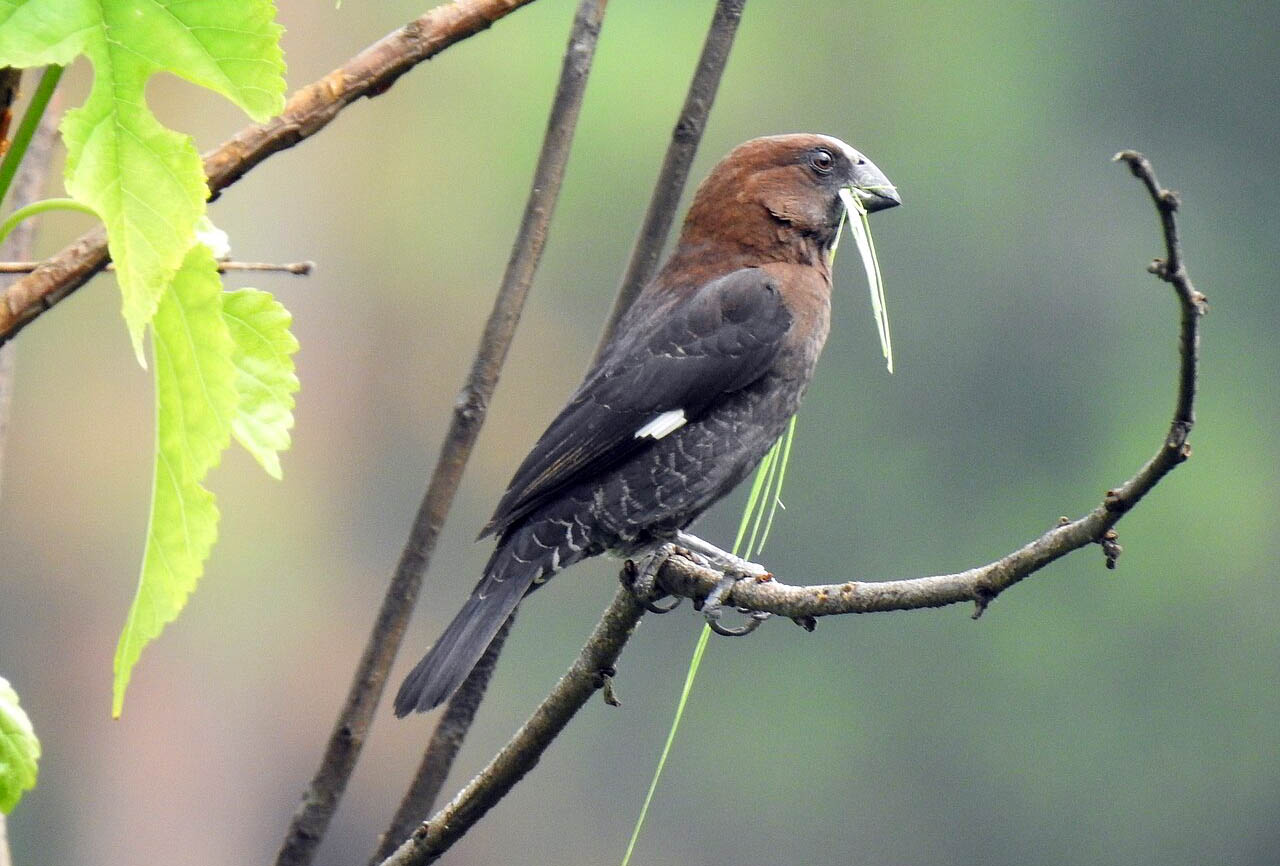
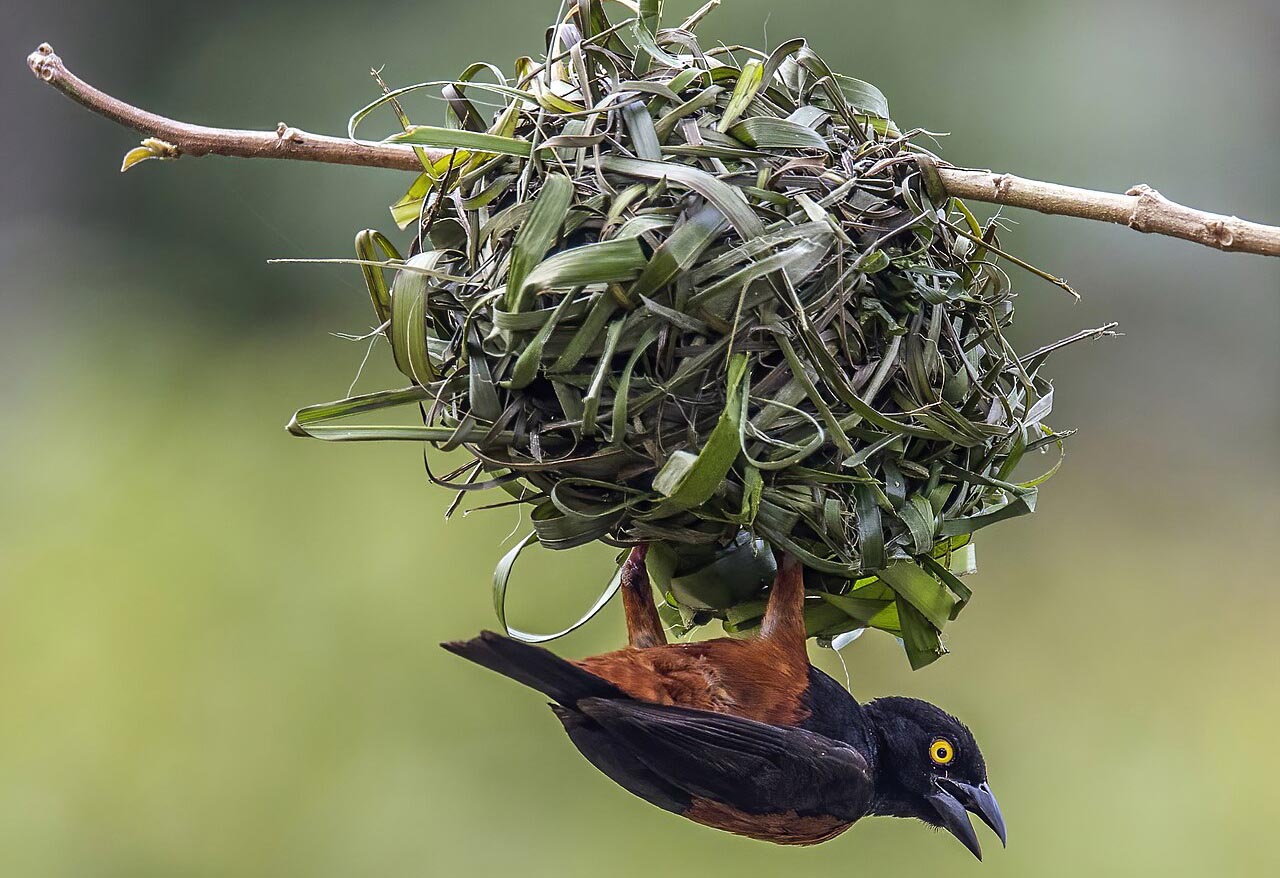
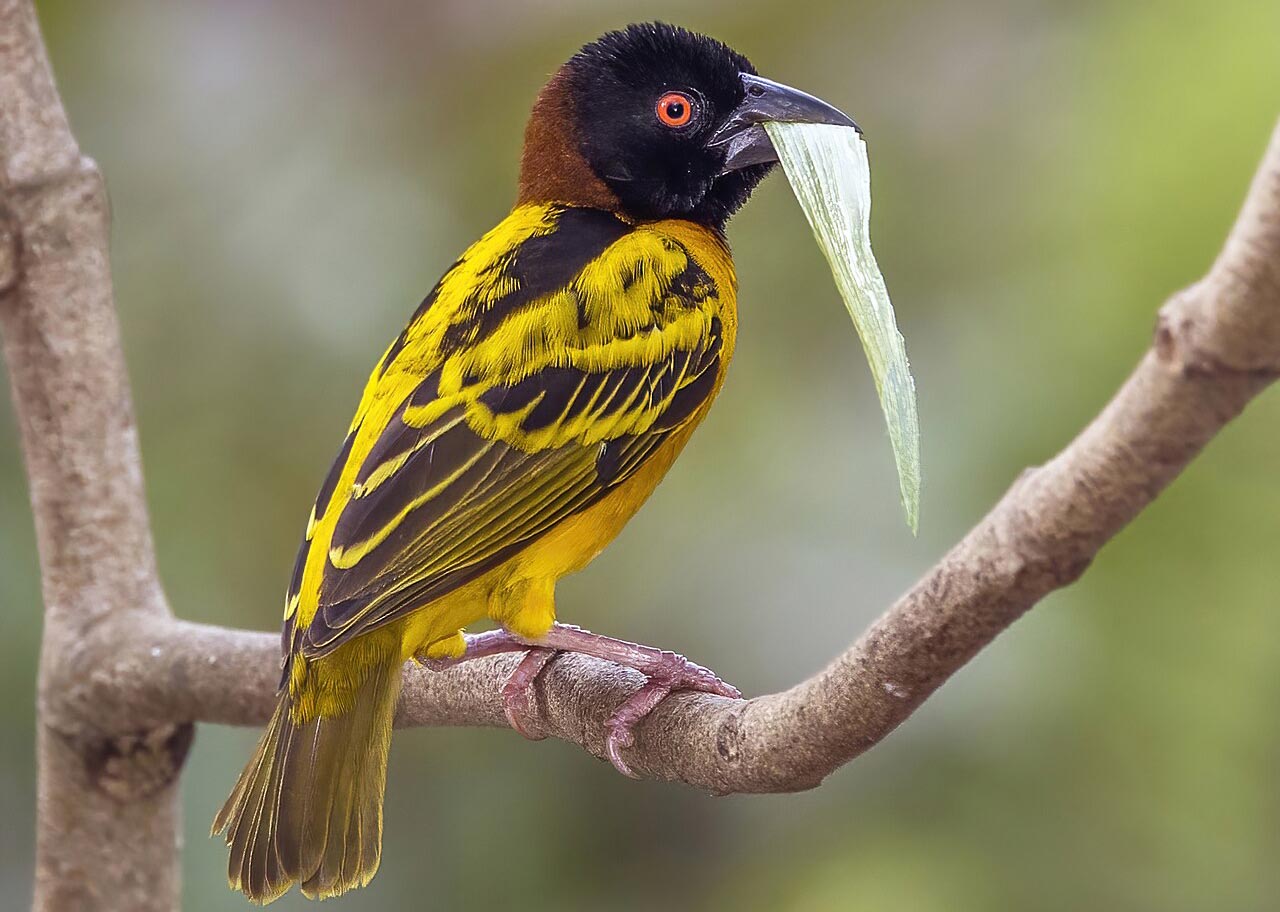
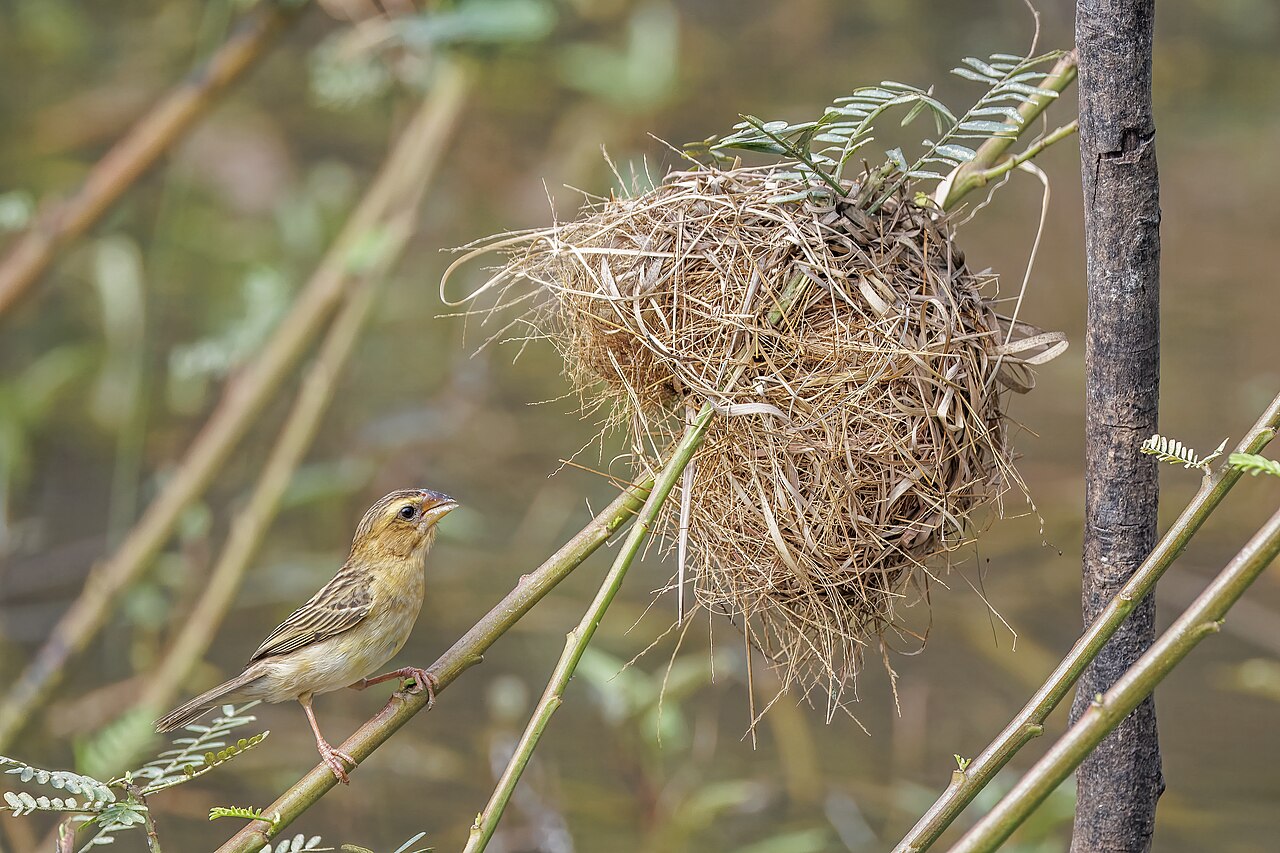
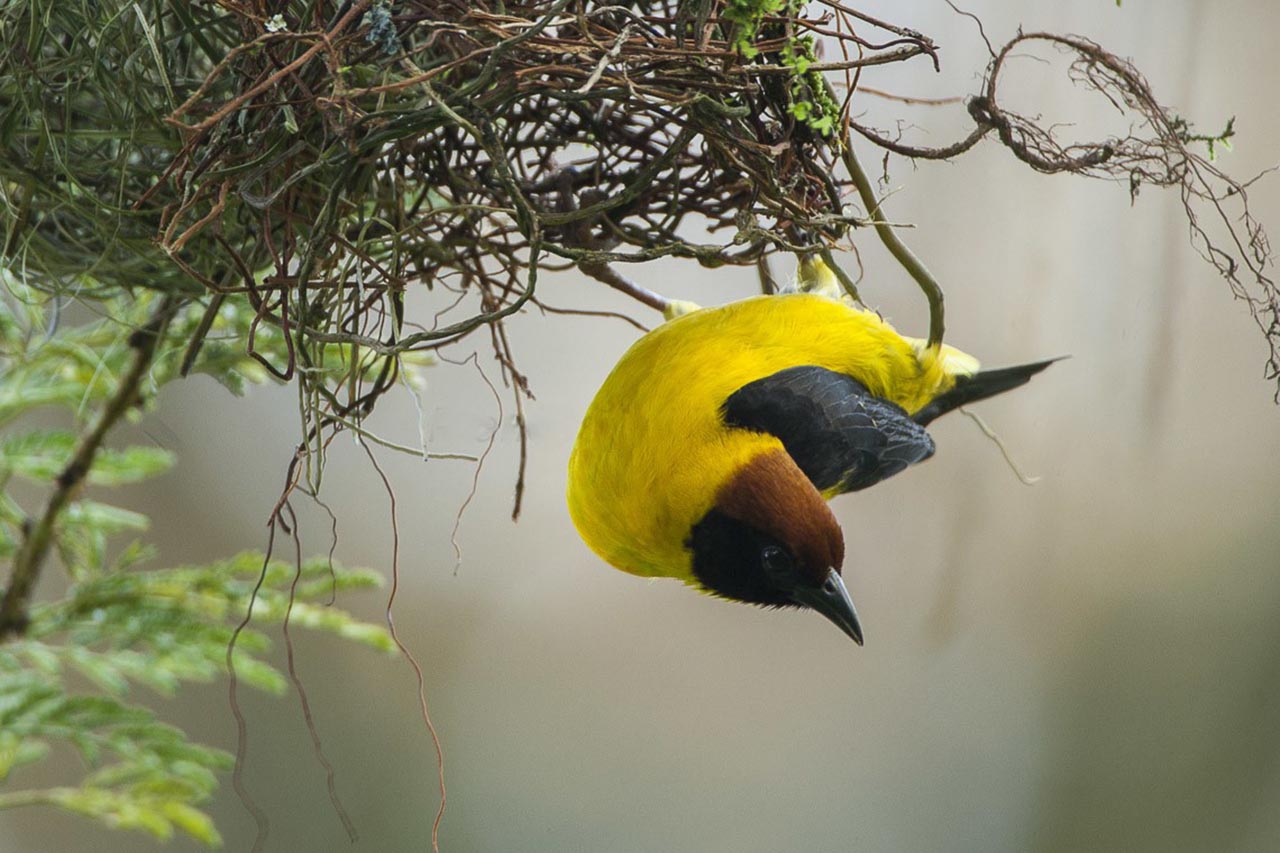
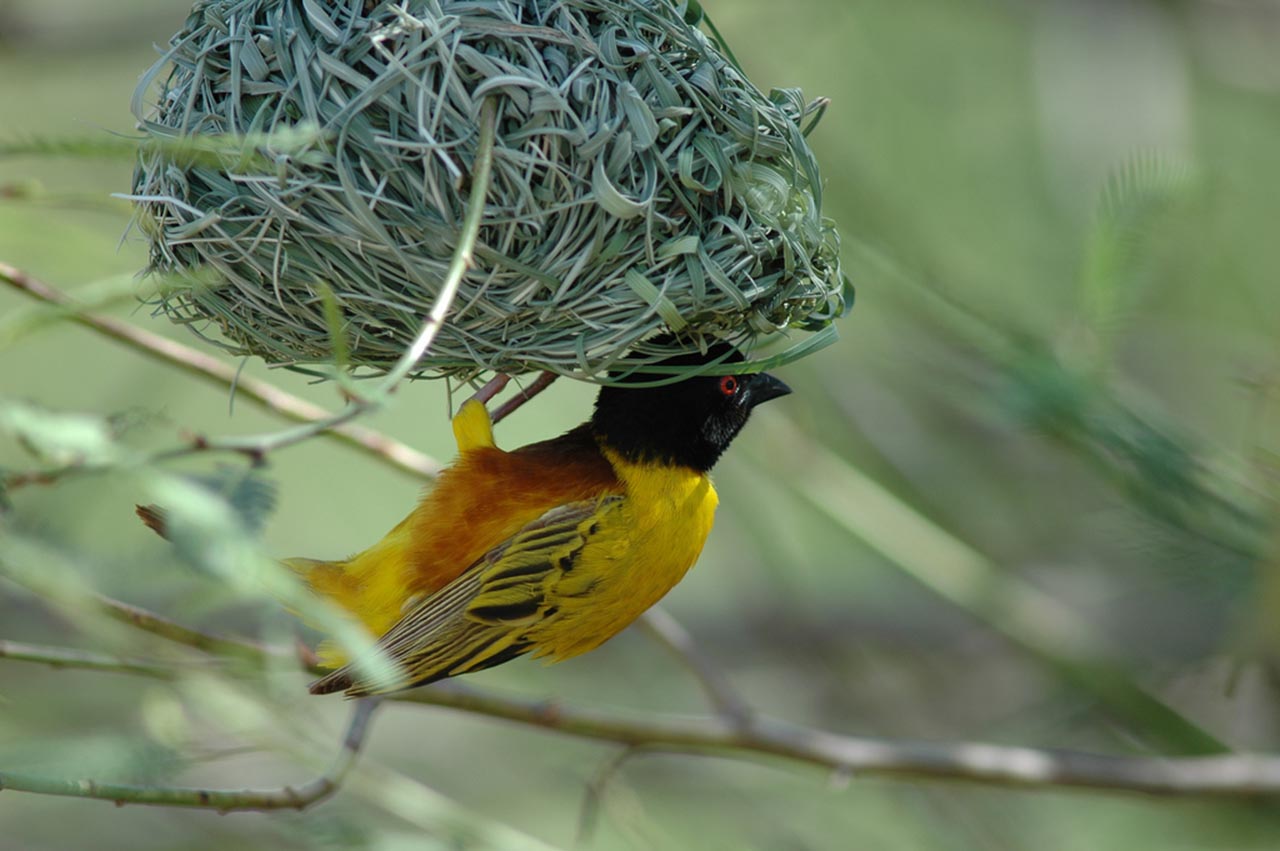
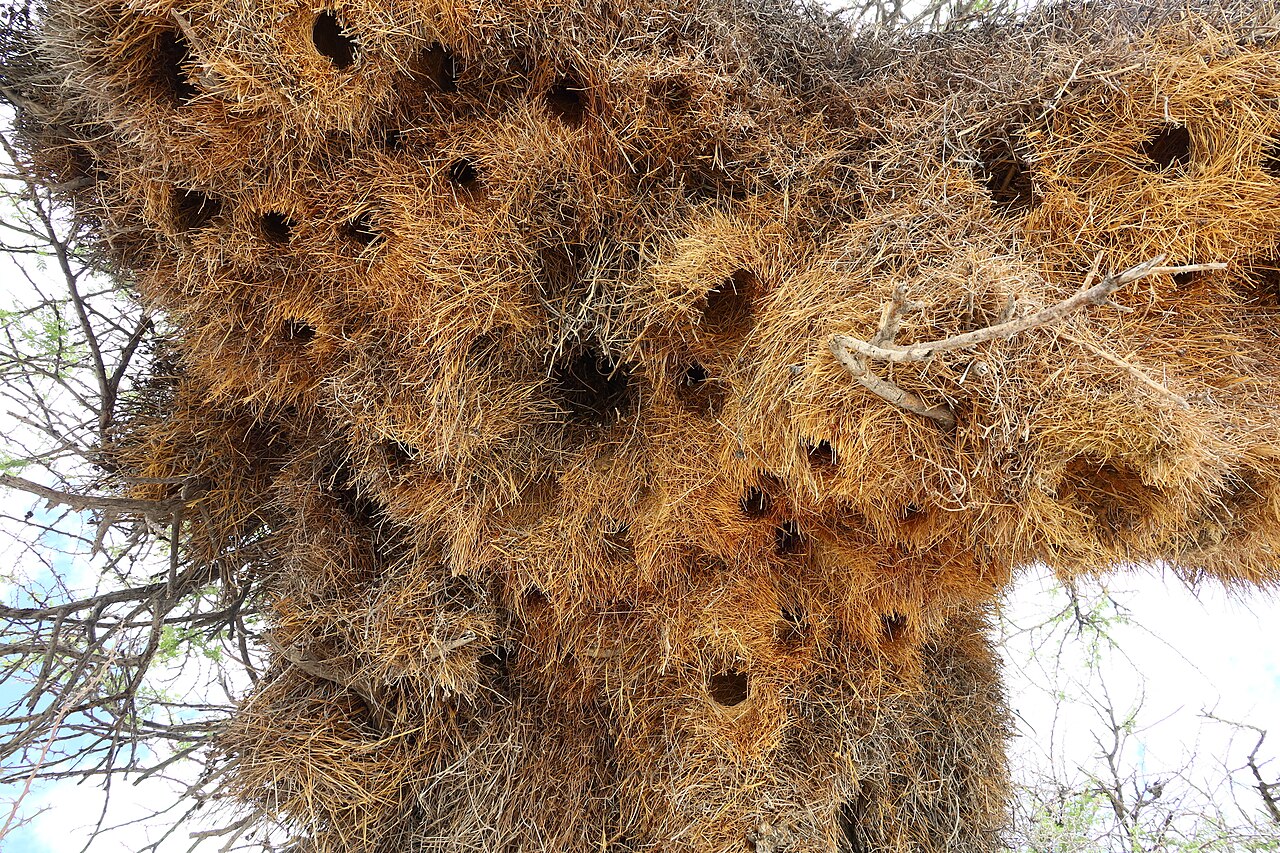
Weavers are famous for their carefully constructed nests. They use grasses, leaves, and other plant fibers to build nests, and many species make nests that hang from tree branches. Some species build their nests in colonies, with many nests in the same tree or group of trees.
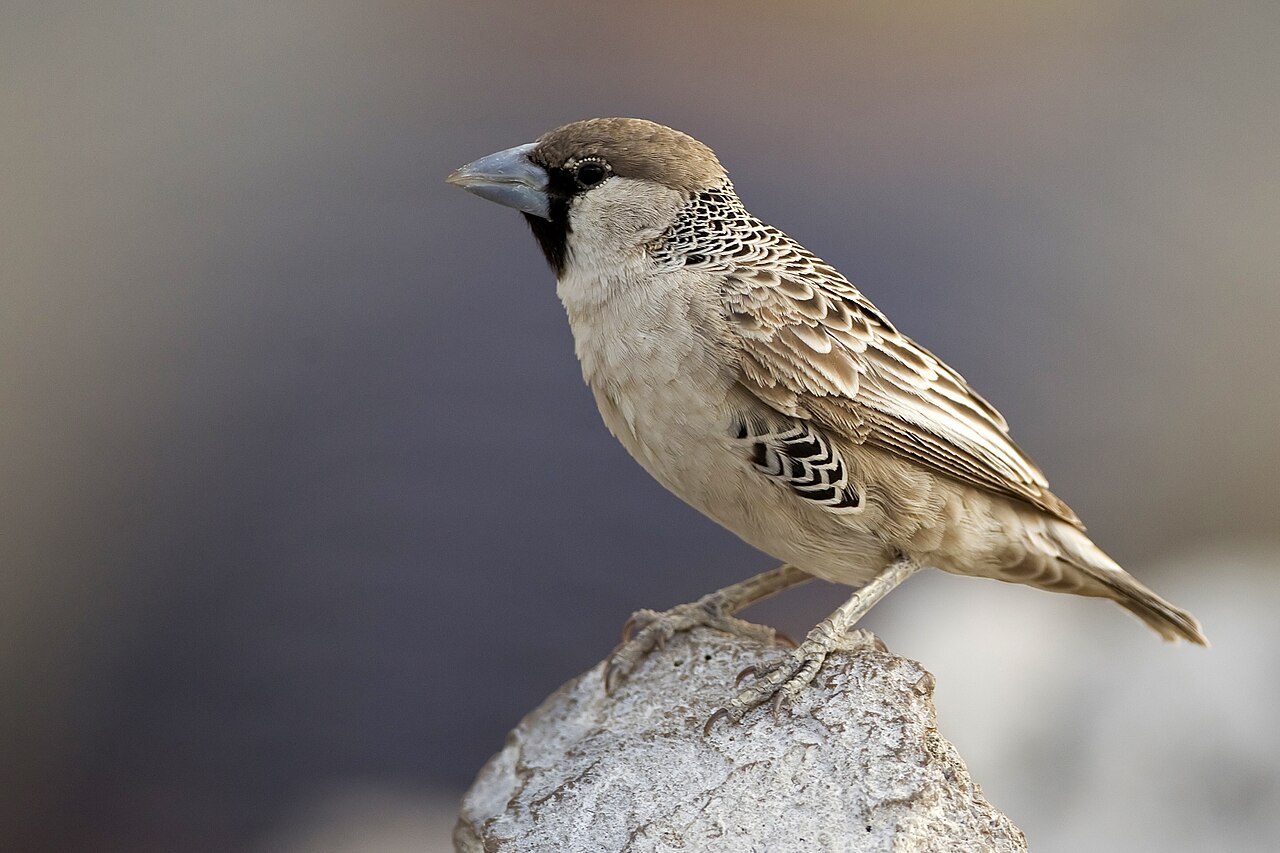
For example, the Sociable Weaver (Philetairus socius) builds enormous communal nest structures that can contain many individual nesting chambers. These structures can grow very large and may remain in trees for many years.
Ploceidae birds have varied breeding behaviors. In many species, males use bright colors, songs, and courtship displays to attract females. Male weavers may build several nests and display near them to attract a mate. In some species, females inspect the nests and choose whether to accept them.