There are three living species of elephants: the Asian Elephant (Elephas maximus), the African Savanna Elephant (Loxodonta africana), and the African Forest Elephant (Loxodonta cyclotis). Elephants are the largest living land animals. In the past, there were many more species, including the extinct Woolly Mammoth and Mastodon.
DESCRIPTION
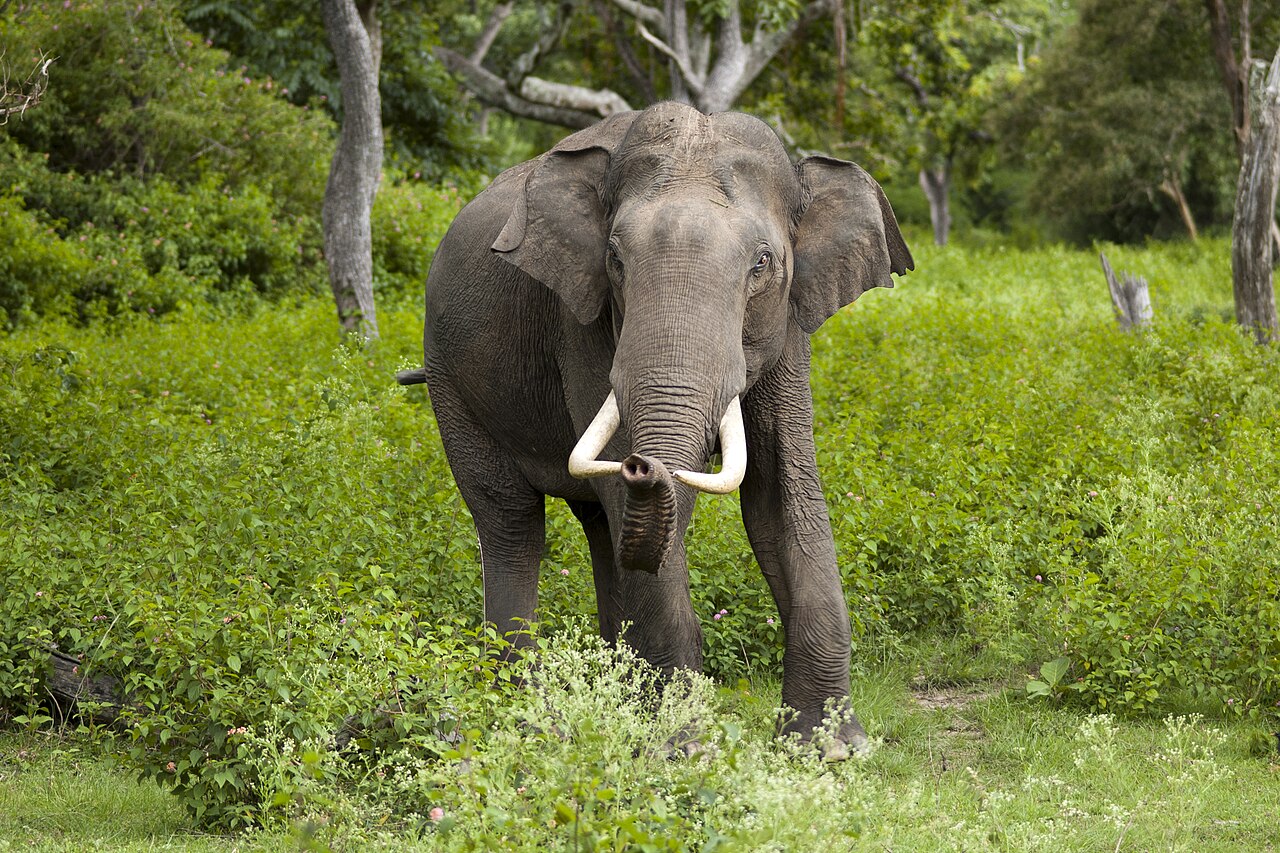
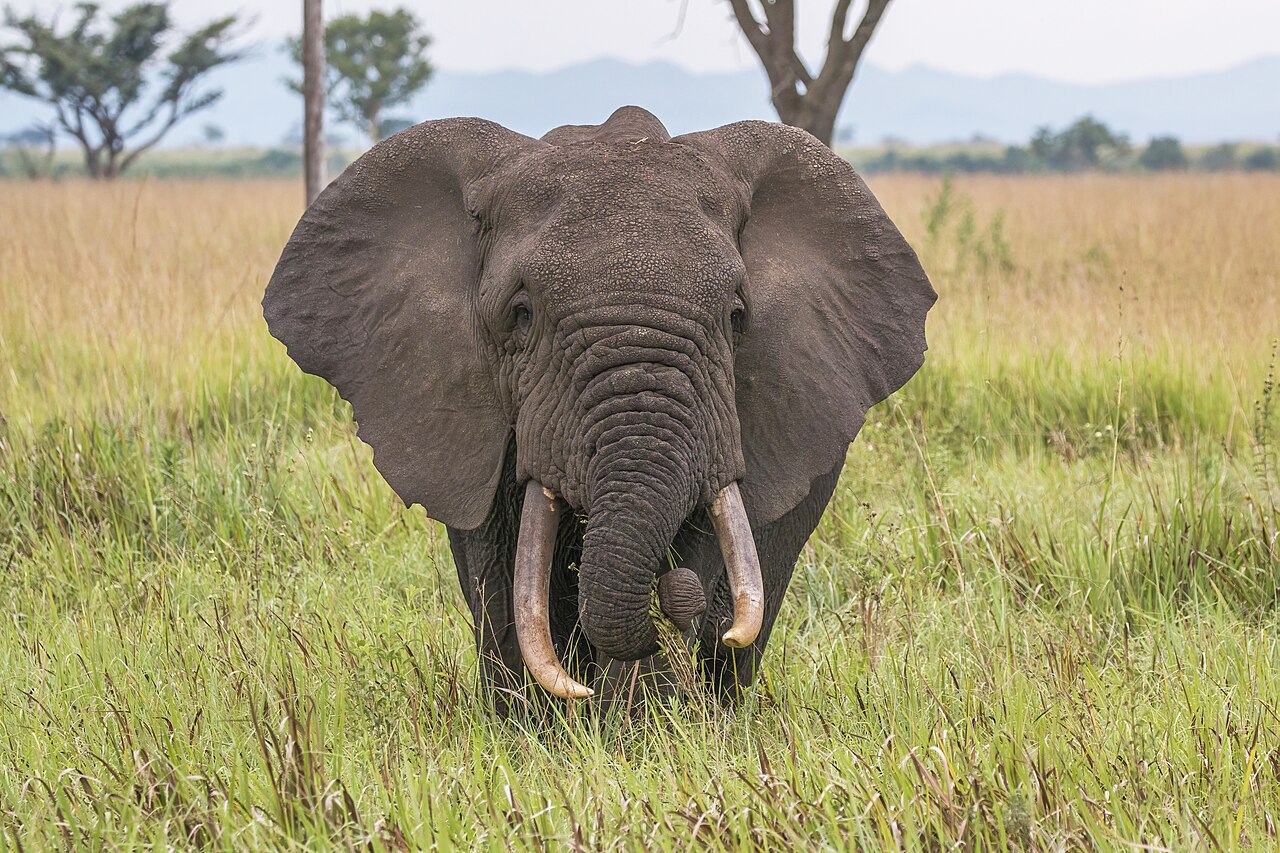
Elephants have long trunks, large ears, huge bodies, small eyes, and wrinkled gray skin covered with a thin layer of hair. Their tusks are actually long, modified incisors, or front teeth. Male and female African elephants can have large tusks, while only some male Asian elephants have large visible tusks. Asian females may have very small tusks called tushes that usually cannot be seen.
BIG EARS FOR A BIG JOB
An elephant’s big ears work like natural air conditioners. They contain many blood vessels close to the surface of the skin. When an elephant flaps its ears, heat escapes from the blood flowing through these vessels. The cooled blood then travels back into the body, helping lower the elephant’s body temperature. Elephants may also spray water on their ears to help them cool down.
LONG NOSE
An elephant’s trunk is much more than a long nose. It is made of thousands of muscles and muscle units and is extremely strong and flexible. Elephants use their trunks like a combination nose, hand, and arm. They can use their trunks to pick up tiny objects, pull leaves and branches from trees, smell, touch, drink water, and communicate. At the tip of the trunk are one or two finger-like extensions that help elephants grasp objects. African elephants have two of these extensions, while Asian elephants have one.
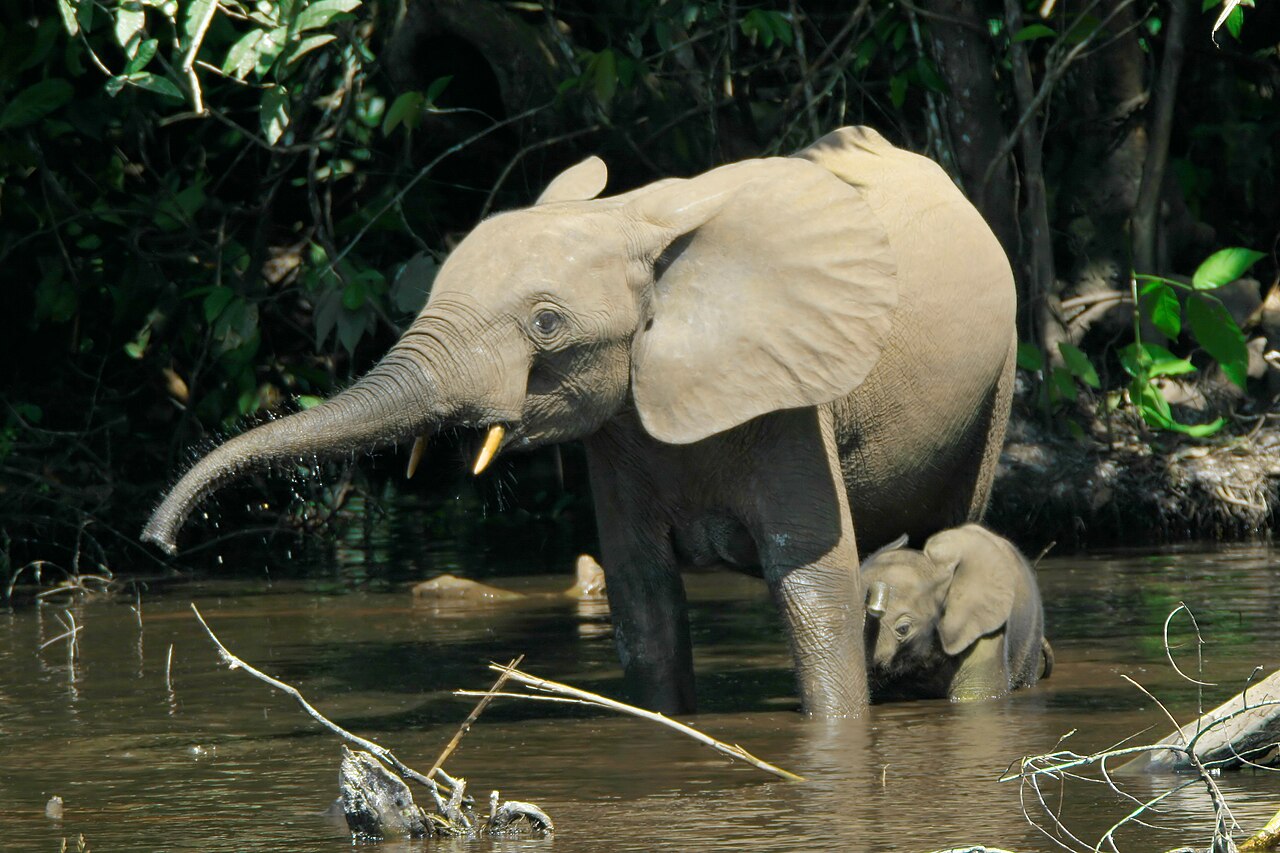
Elephants also use their trunks to spray water over their bodies and to blow dirt or dust onto their skin. These behaviors help them stay cool and protect their skin from the sun and insects.
DIET
Elephants are herbivores, which means they eat plants. They eat grasses, leaves, bark, roots, fruit, and other plant parts. A large elephant can eat hundreds of pounds of vegetation in a day.
LADIES FIRST
Elephants are social animals. Female elephants and their young usually live in family groups made up of related females. African elephant families are often led by an older female called a matriarch. Asian elephant families also have older, experienced females, although they do not have the same clearly defined matriarchal (led by females) structure. Adult male elephants usually leave their family groups when they become mature. They may live alone or form loose groups with other males.
Female elephants usually give birth to one calf after a pregnancy of almost two years. Calves begin nursing soon after birth and continue to depend on their mothers and other members of the family as they grow. Young elephants learn important skills from older elephants, including how to find food and water and how to use their trunks.
Asian Elephants
Asian Elephants live in scattered populations in South and Southeast Asia. Fewer than 50,000 Asian elephants are estimated to remain in the wild, and the species is classified as Endangered. Asian elephants are generally smaller than African elephants. Adults typically stand about 6–12 feet (1.8–3.8 meters) tall at the shoulder. They have smaller ears, less wrinkled skin, one finger-like extension at the end of the trunk, and a rounded back with a high ridge.
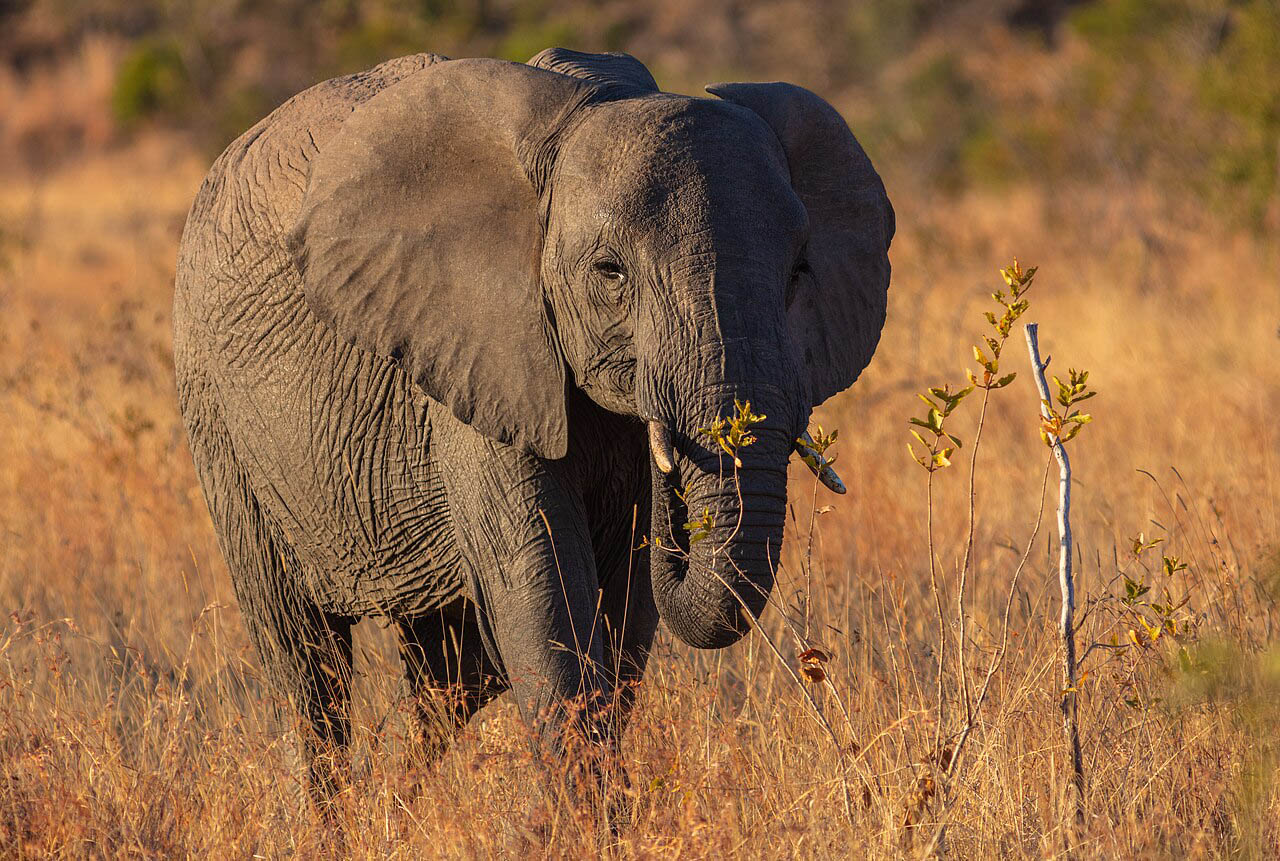
African Savanna Elephants
African Savanna Elephants are found in parts of sub-Saharan Africa, especially in grasslands, woodlands, and other open habitats. They are the largest of the three living elephant species. They have very large ears, a flatter back, and two finger-like extensions at the end of the trunk. Their ears are sometimes said to look like the shape of Africa.
African Forest Elephants
African Forest Elephants are smaller than African Savanna Elephants and live mainly in the forests of Central and West Africa. They have more rounded ears and straighter, downward-pointing tusks.