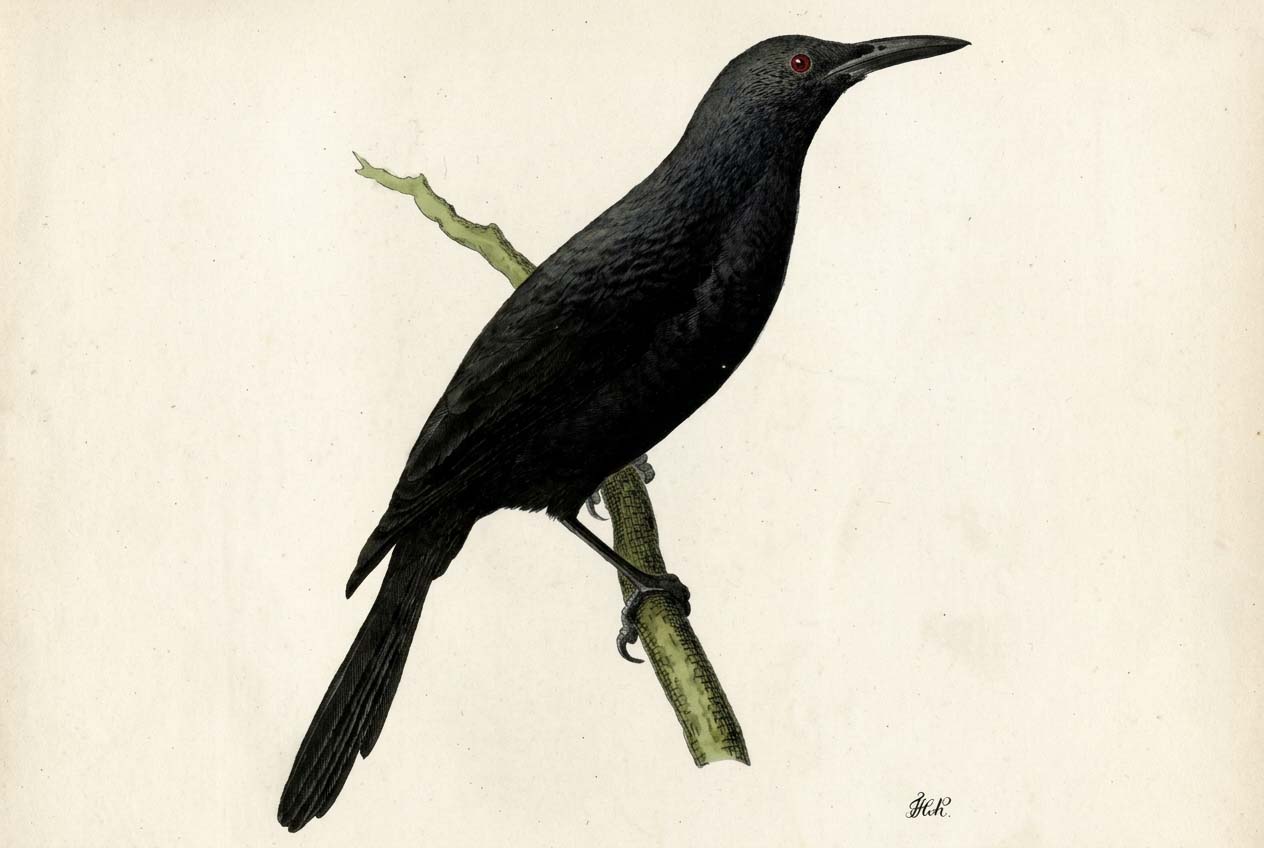
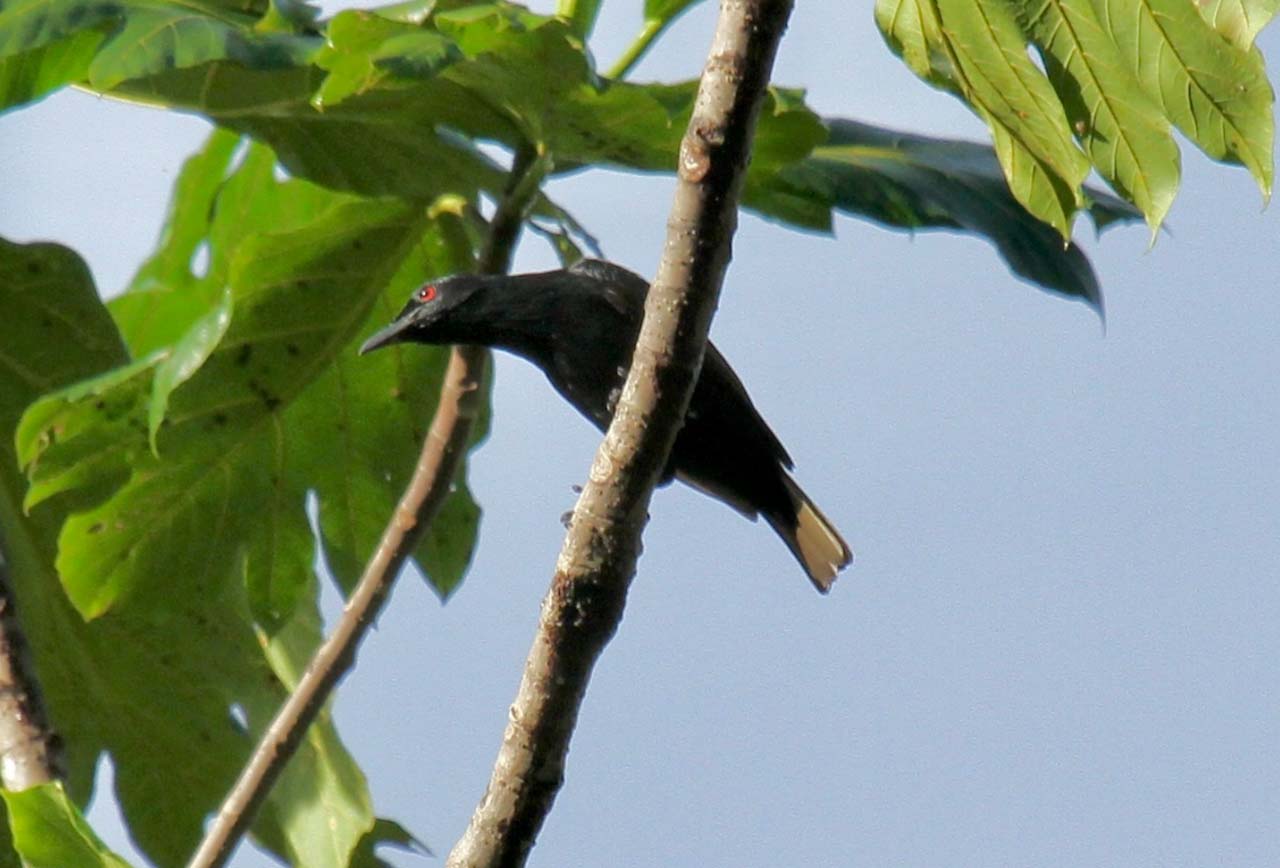
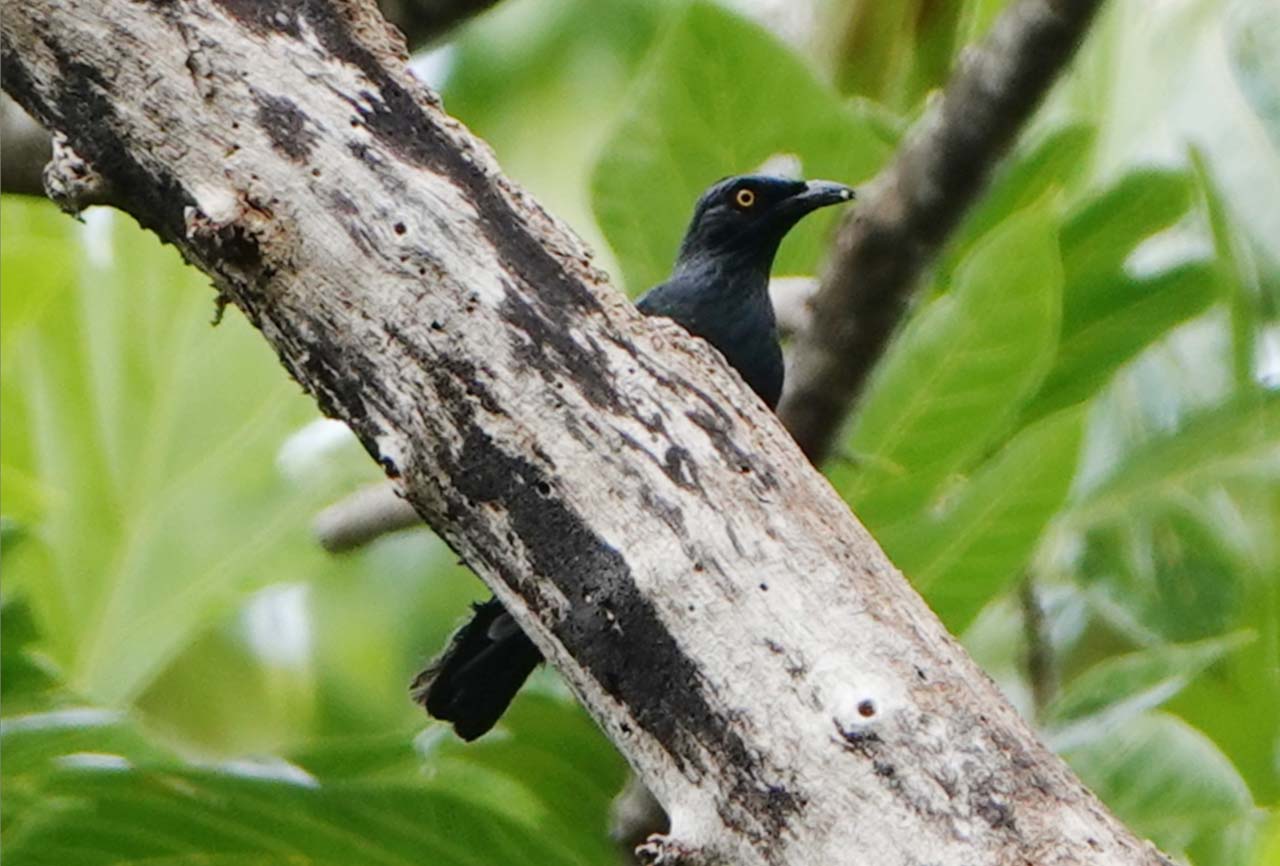
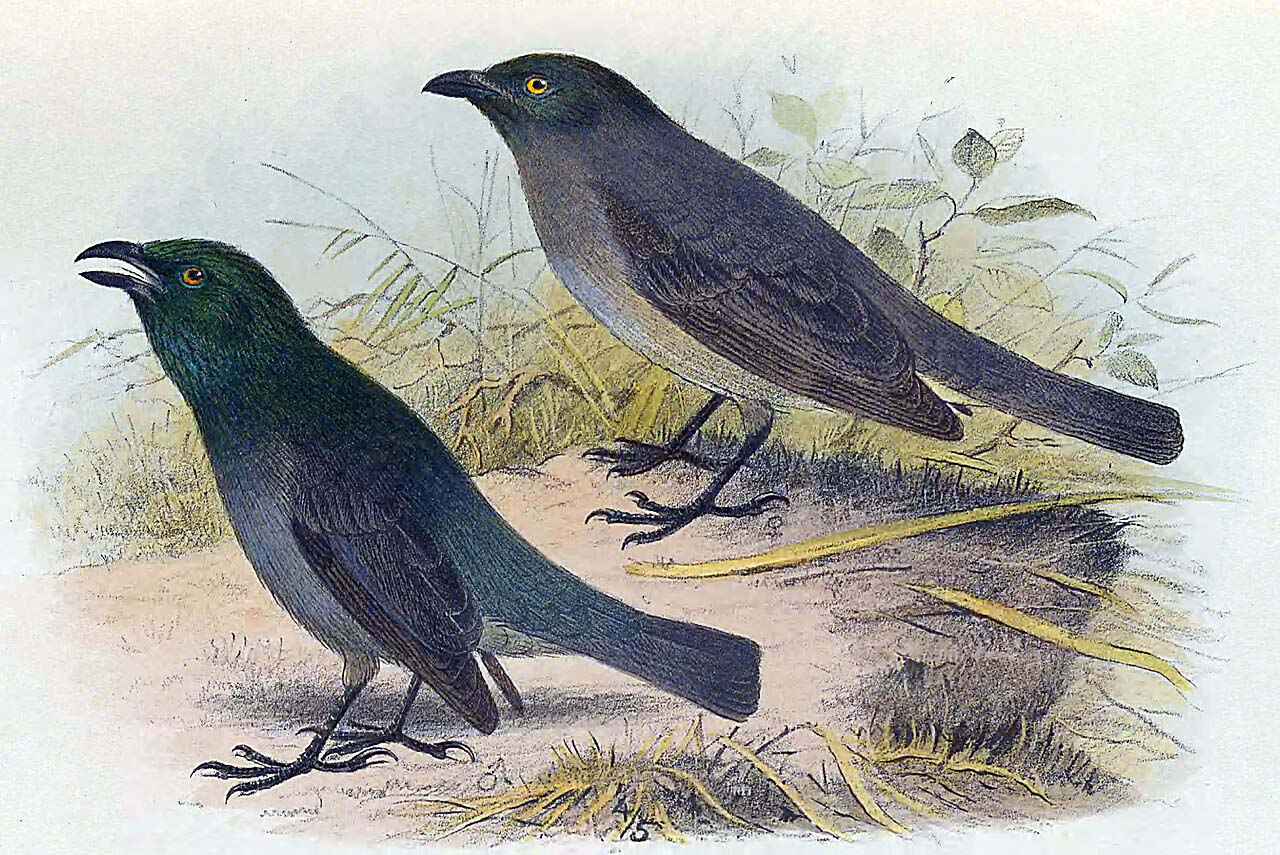
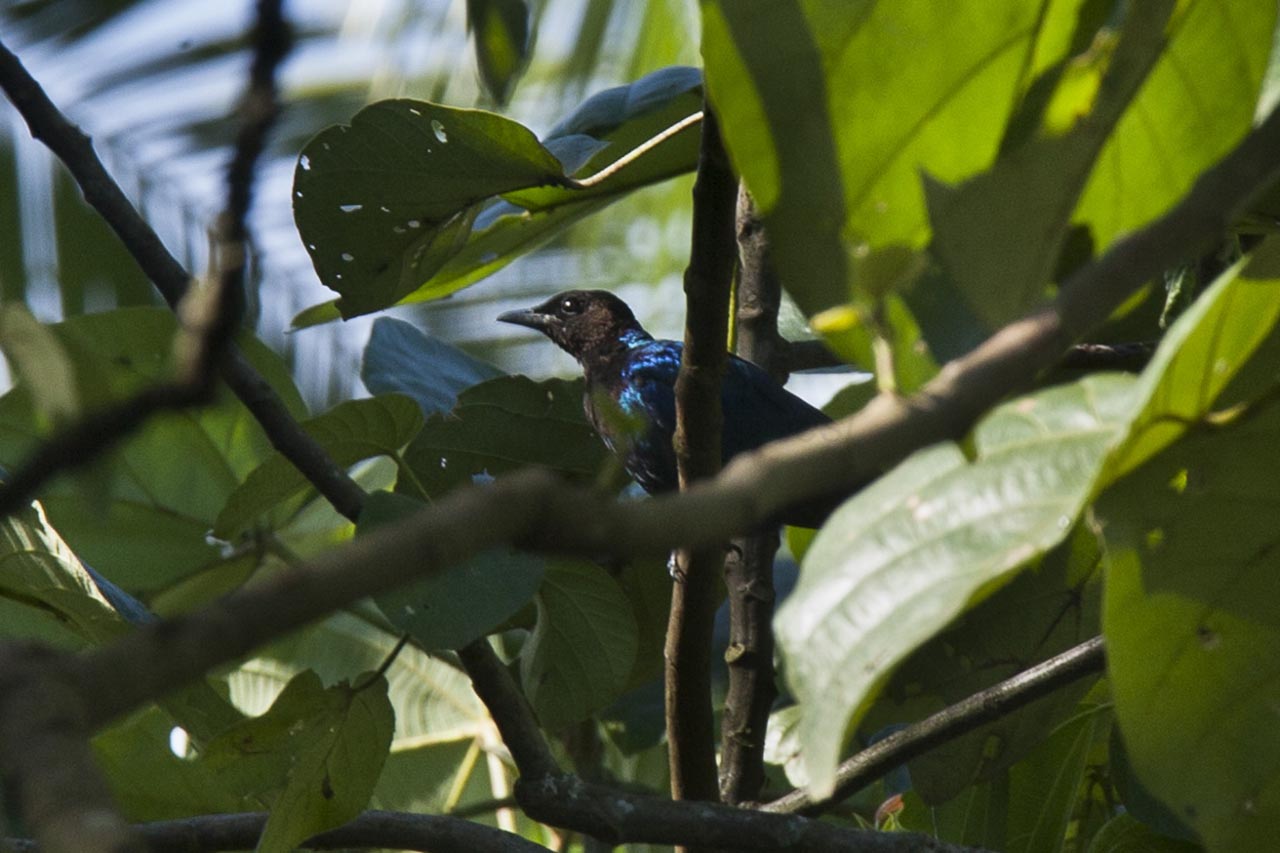
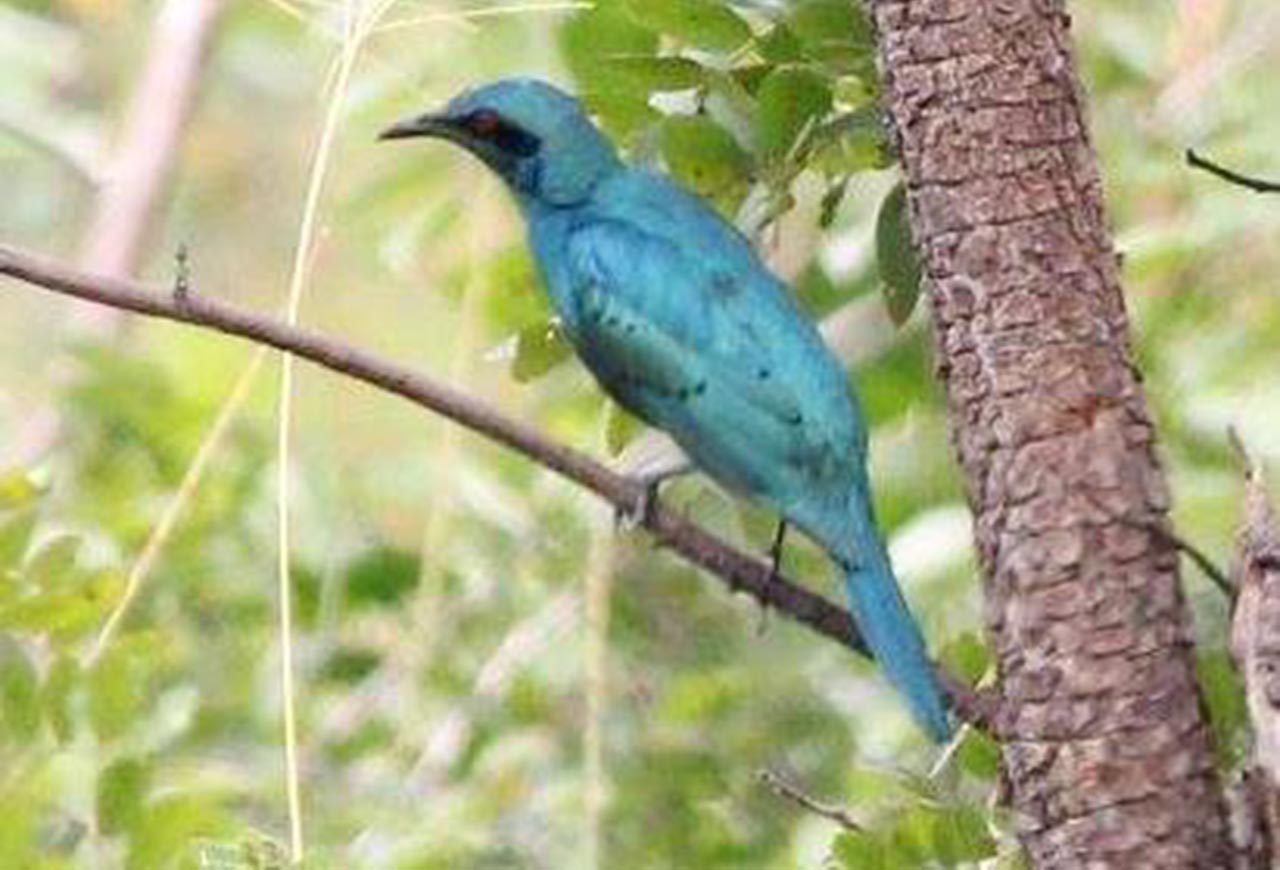
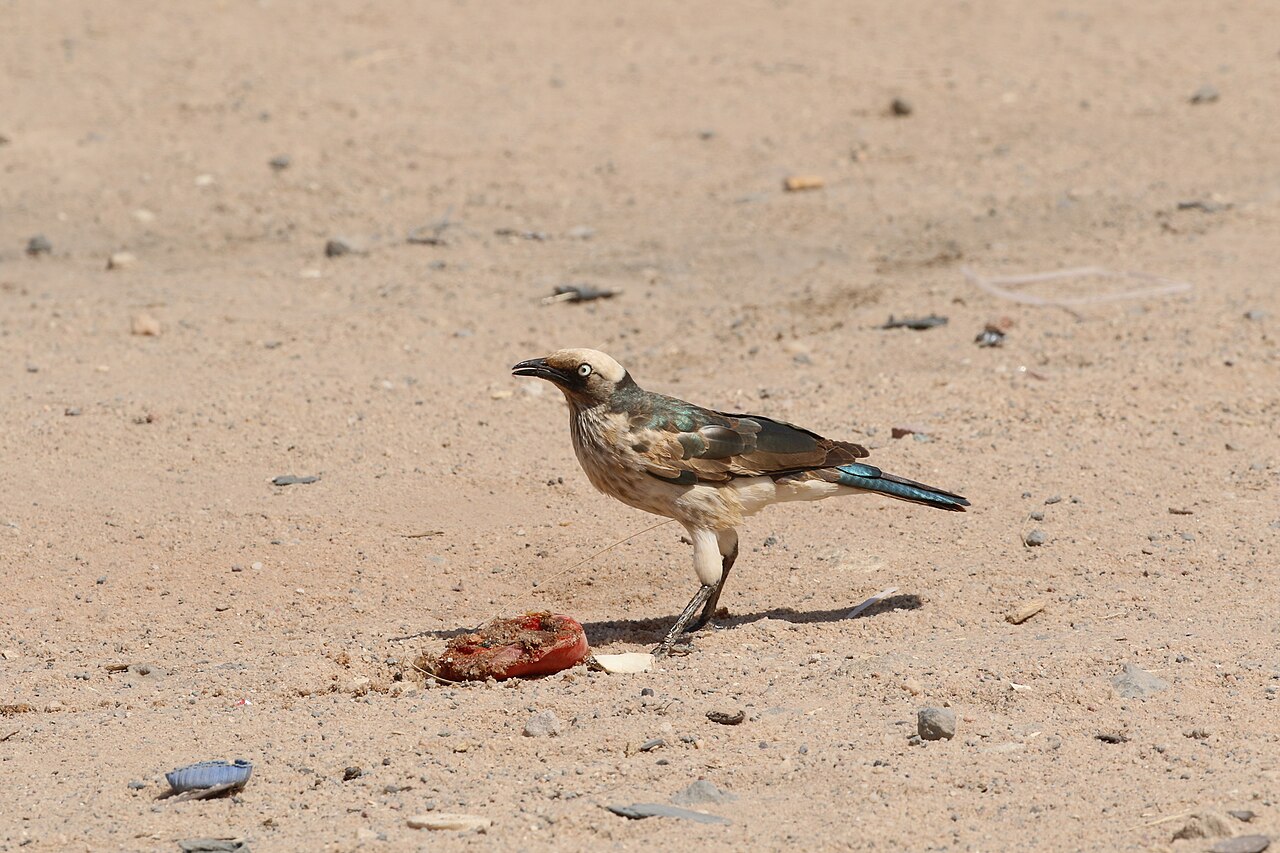
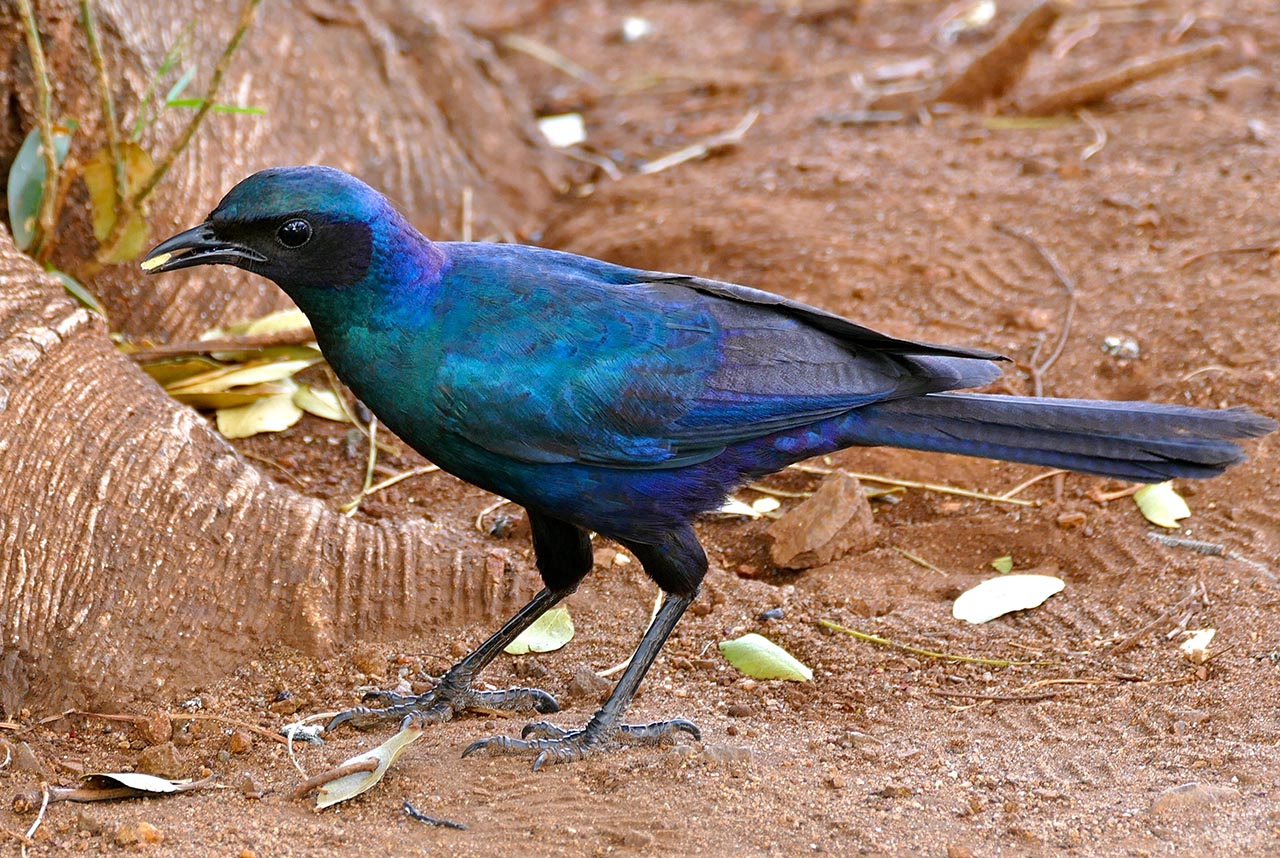
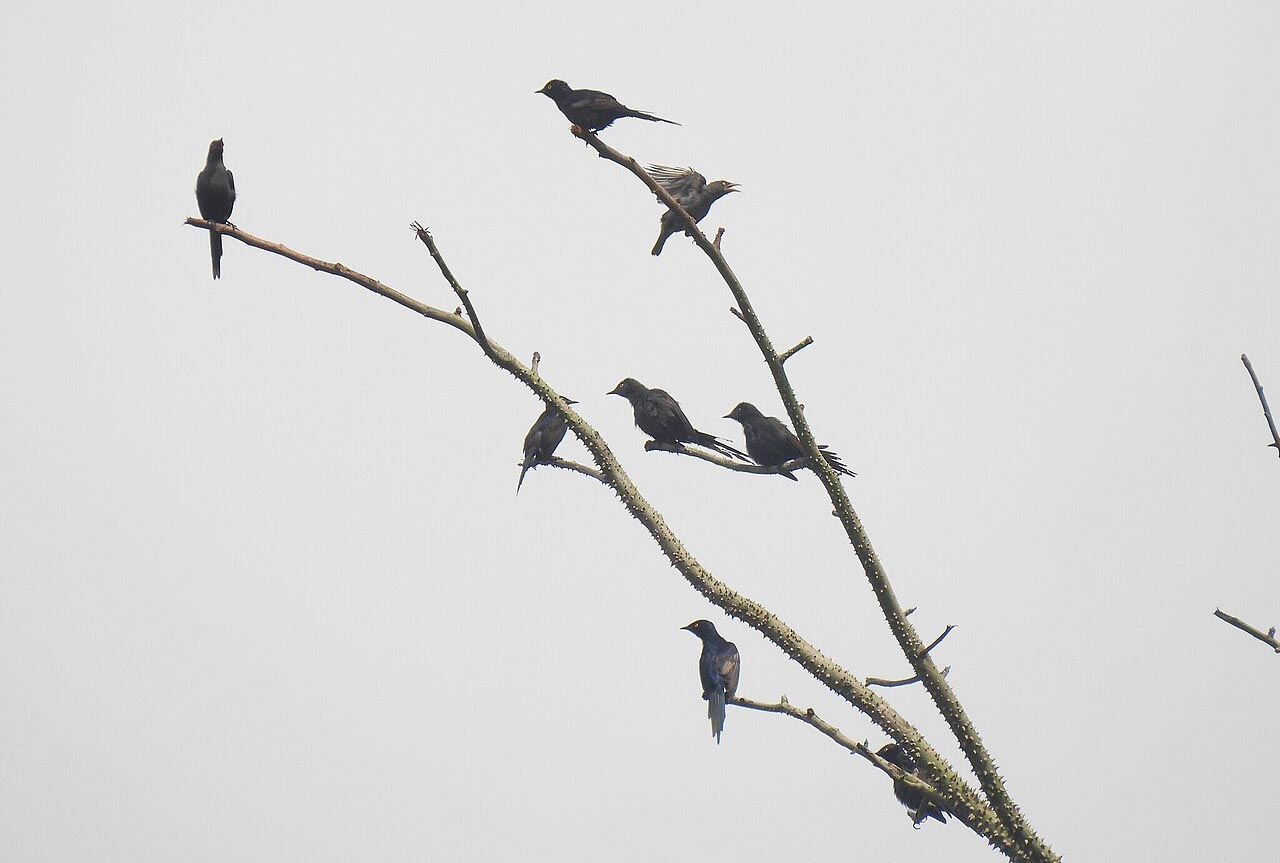
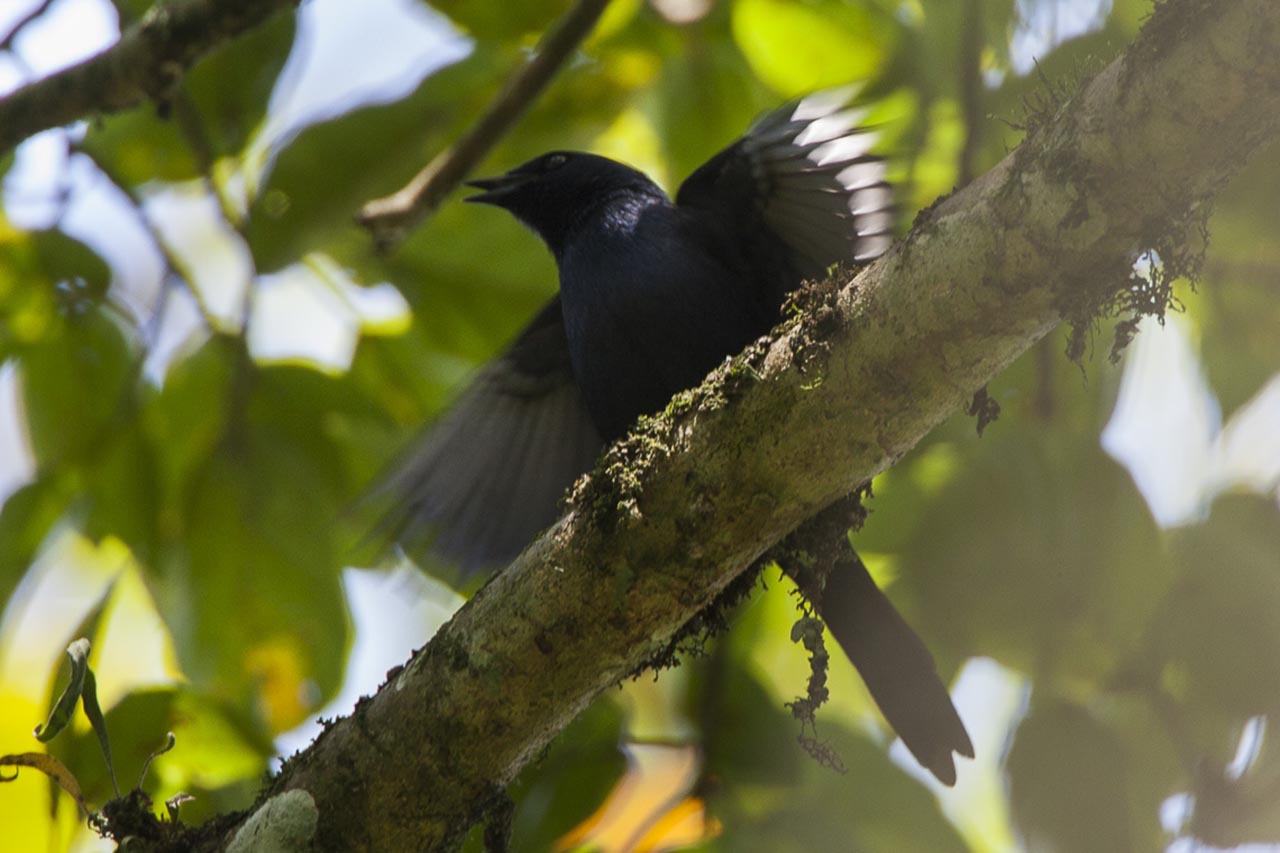
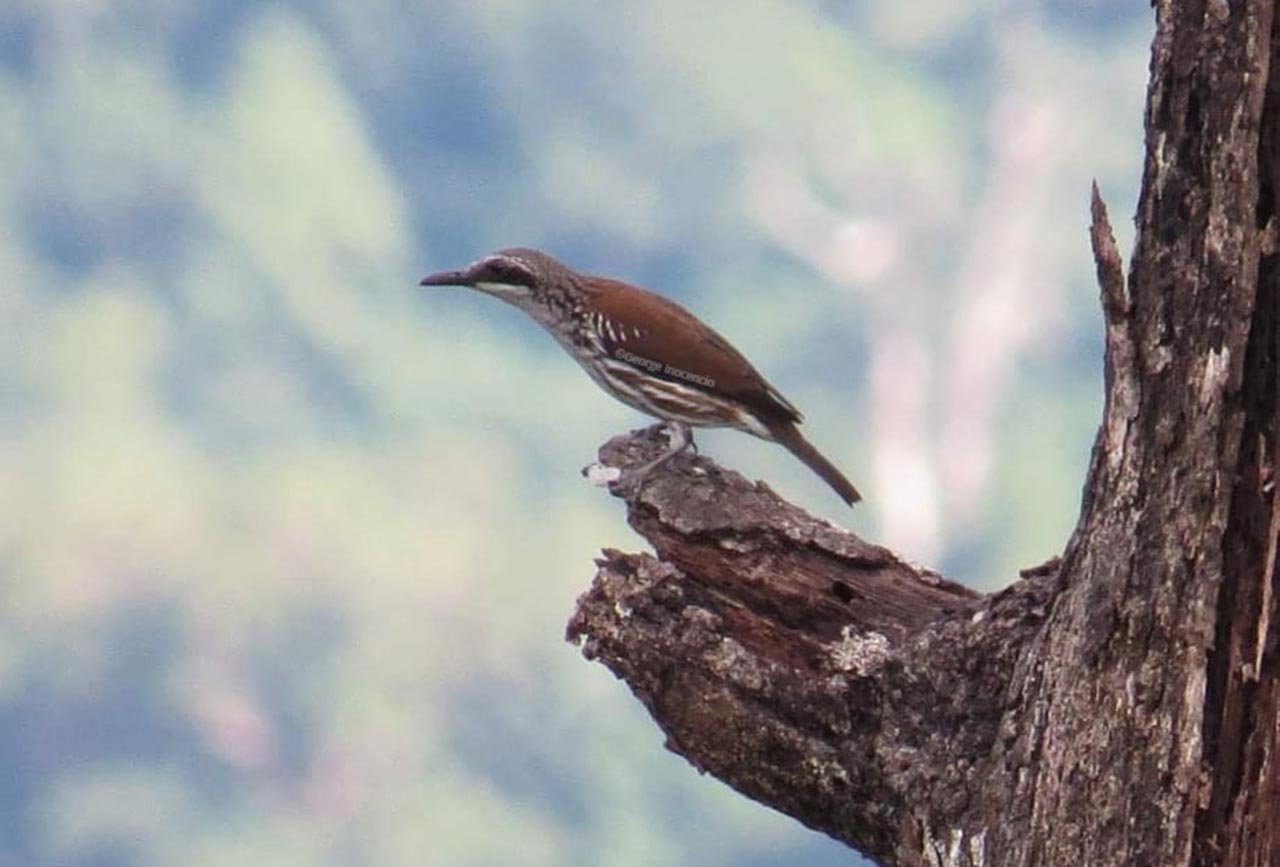
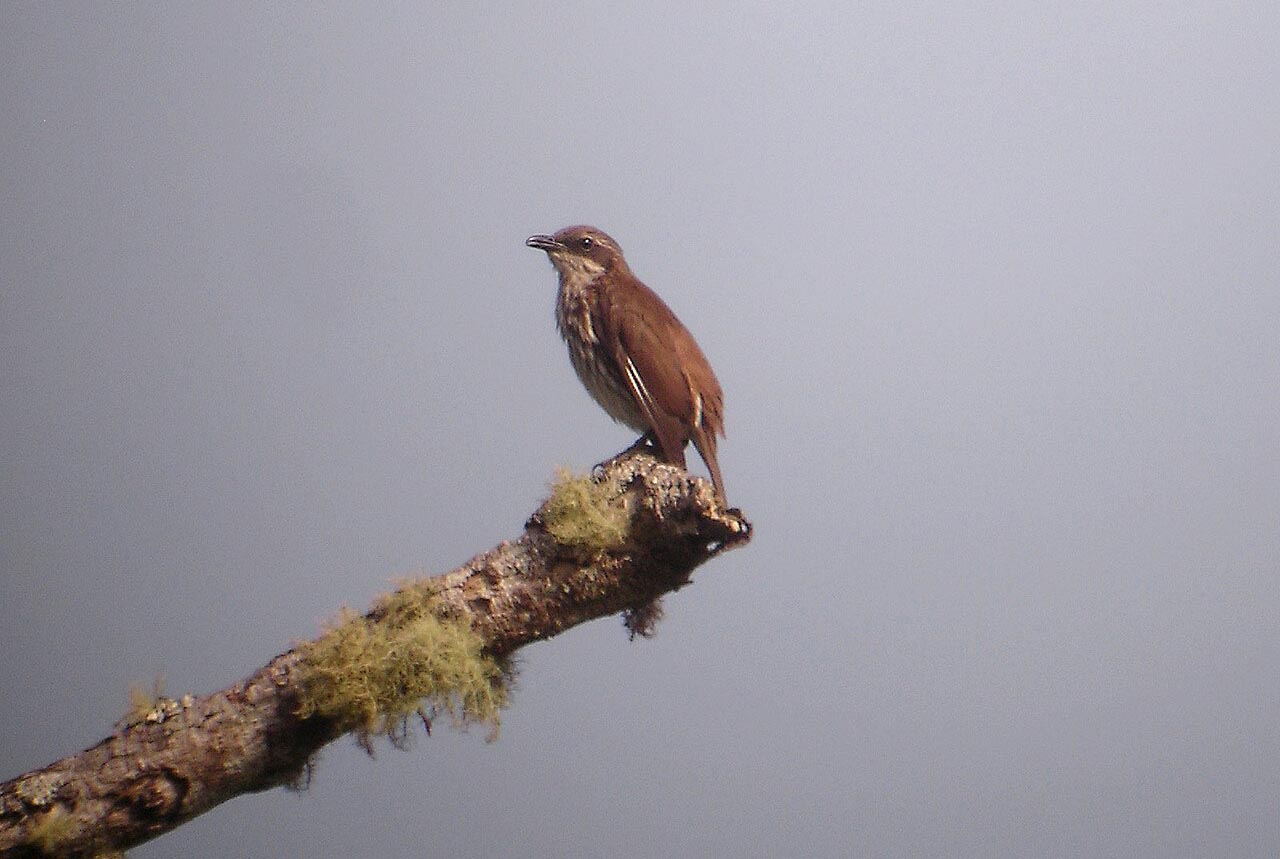
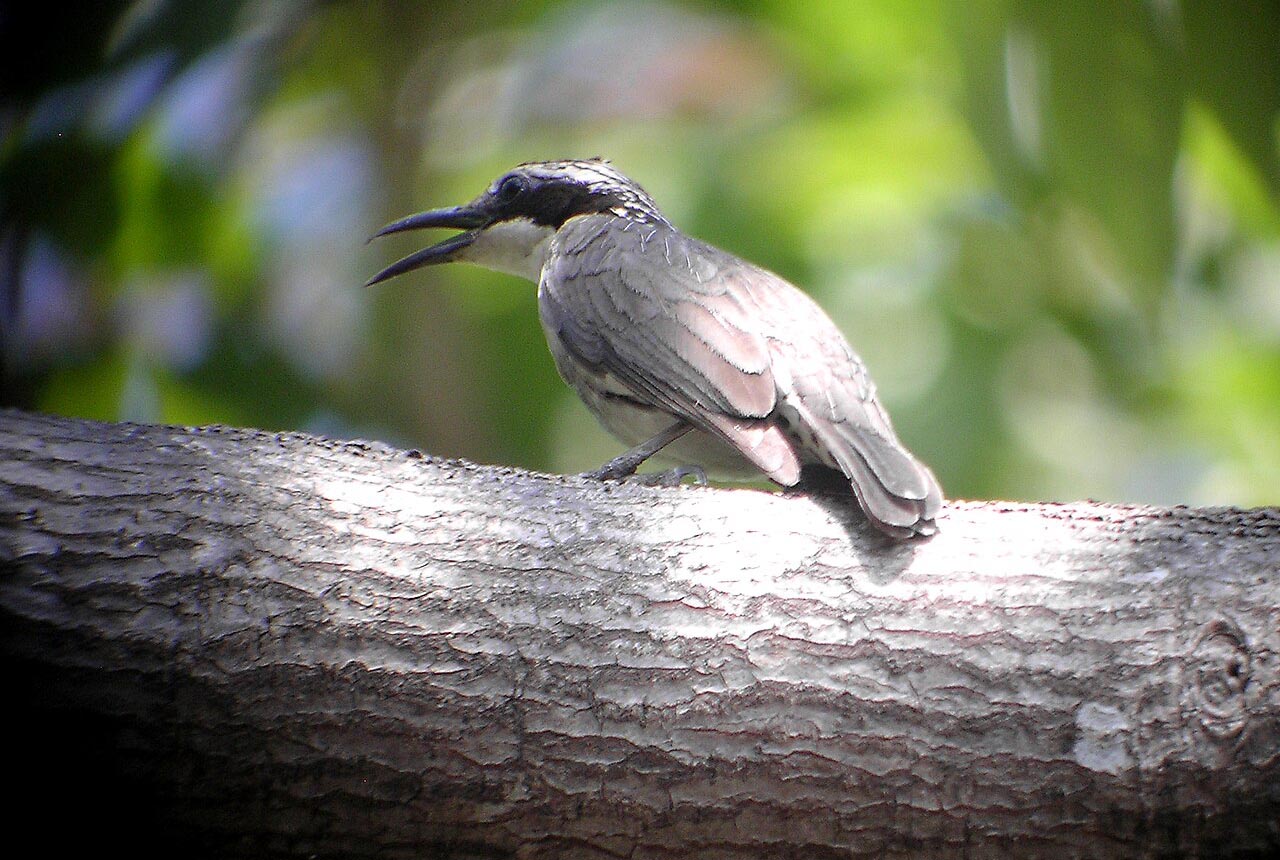
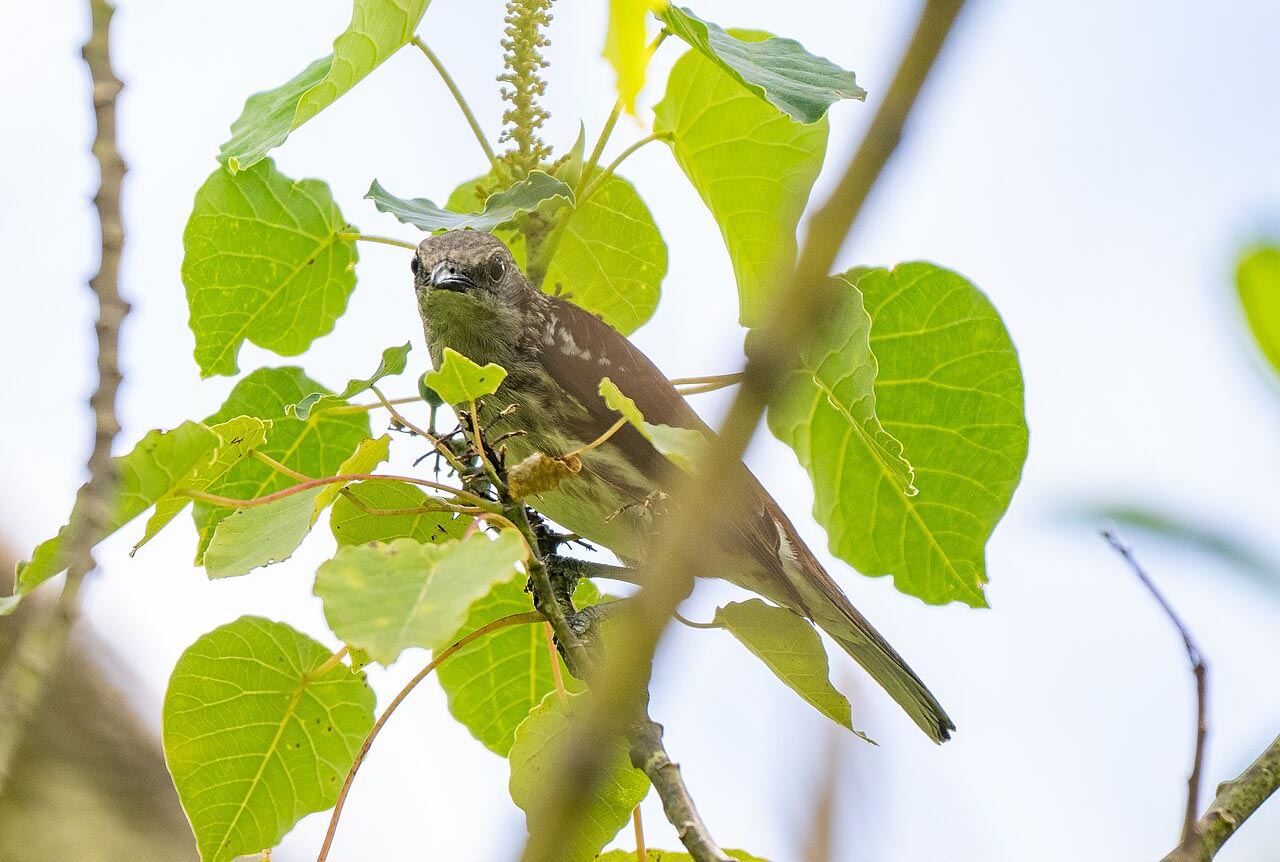
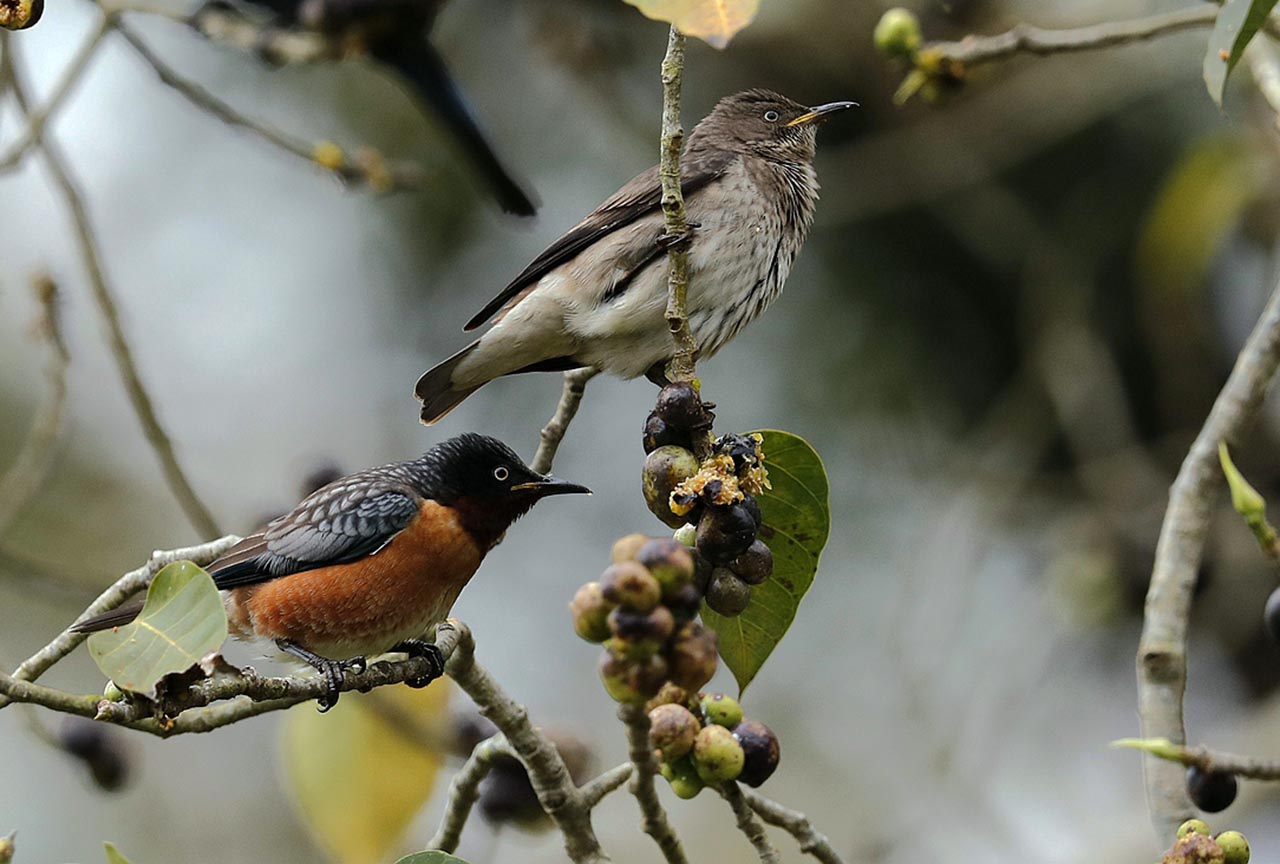
There are about 129 species of birds in the Sturnidae family. They are native to Africa, Asia, Europe, northern Australia, and some Pacific islands.
They range from about 6 to 14 inches (15.2 to 35.6 cm) in length. Many have long, cone-shaped bills, pointed wings, glossy feathers, and short tails.
Most species in this family gather in flocks and are very noisy. Many species forage on the ground for insects, seeds, fruits, and other foods.
WELCOME TO AMERICA
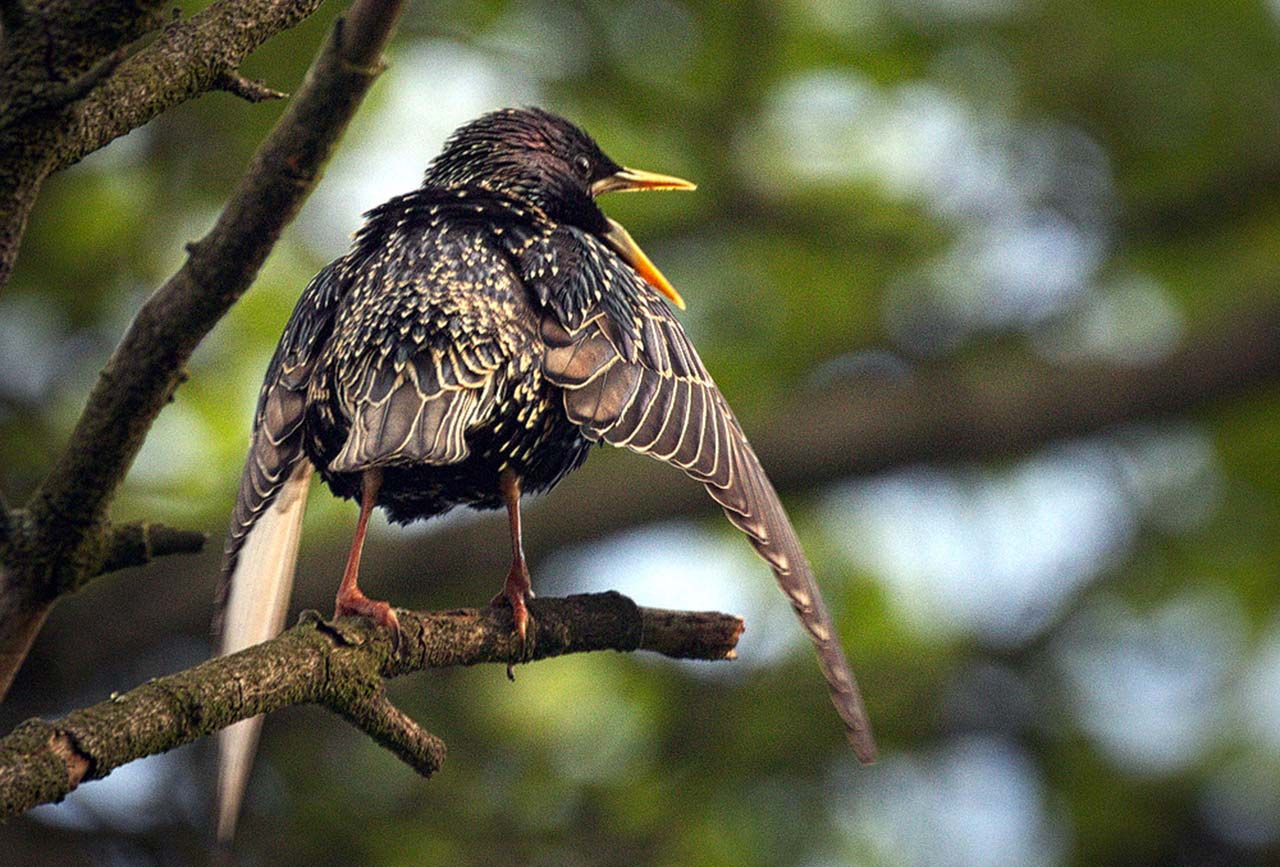
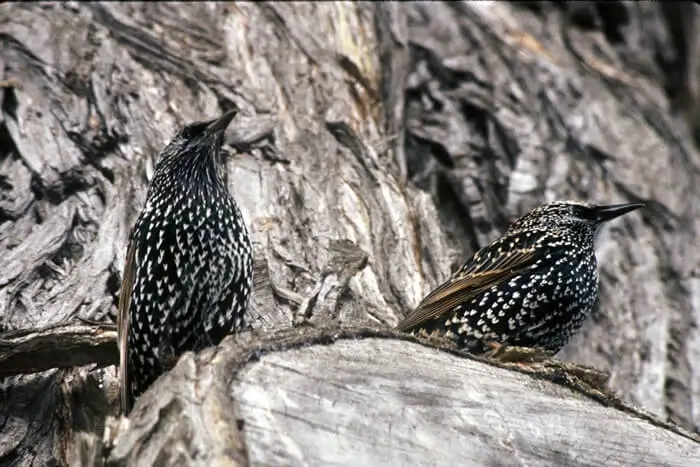
The European or Common Starling (Sturnus vulgaris) was introduced to North America in the 1890s. In 1890, Eugene Schieffelin released about 80 European Starlings in Central Park in New York City. Another 60 were released there in 1891. Schieffelin was part of a group that wanted to establish all the birds mentioned in William Shakespeare’s works in North America.
Since then, the European Starling has spread throughout the United States, most of Canada, and parts of northern Mexico. Today, an estimated 200 million European Starlings live in North America.
Collared Myna (Acridotheres albocinctus)
The Collared Myna is found in China, India, and Myanmar. IUCN Redlist Status: Least Concern
Burmese Myna (Acridotheres burmannicus)
The Burmese Myna is found in China and Myanmar. IUCN Redlist Status: Least Concern
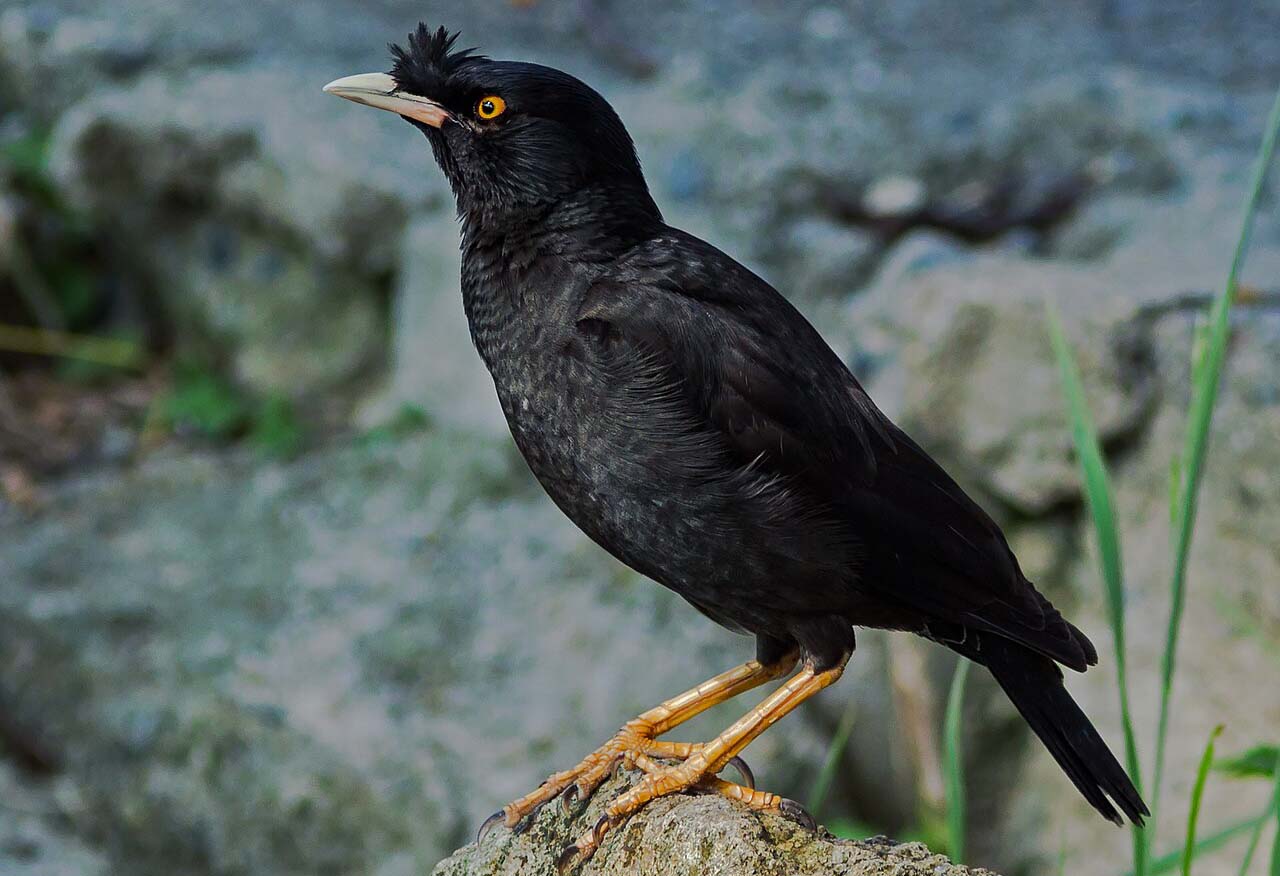
Crested Myna (Acridotheres cristatellus)
The Crested Myna is found in China, Laos, Myanmar, Taiwan, and Viet Nam. IUCN Redlist Status: Least Concern
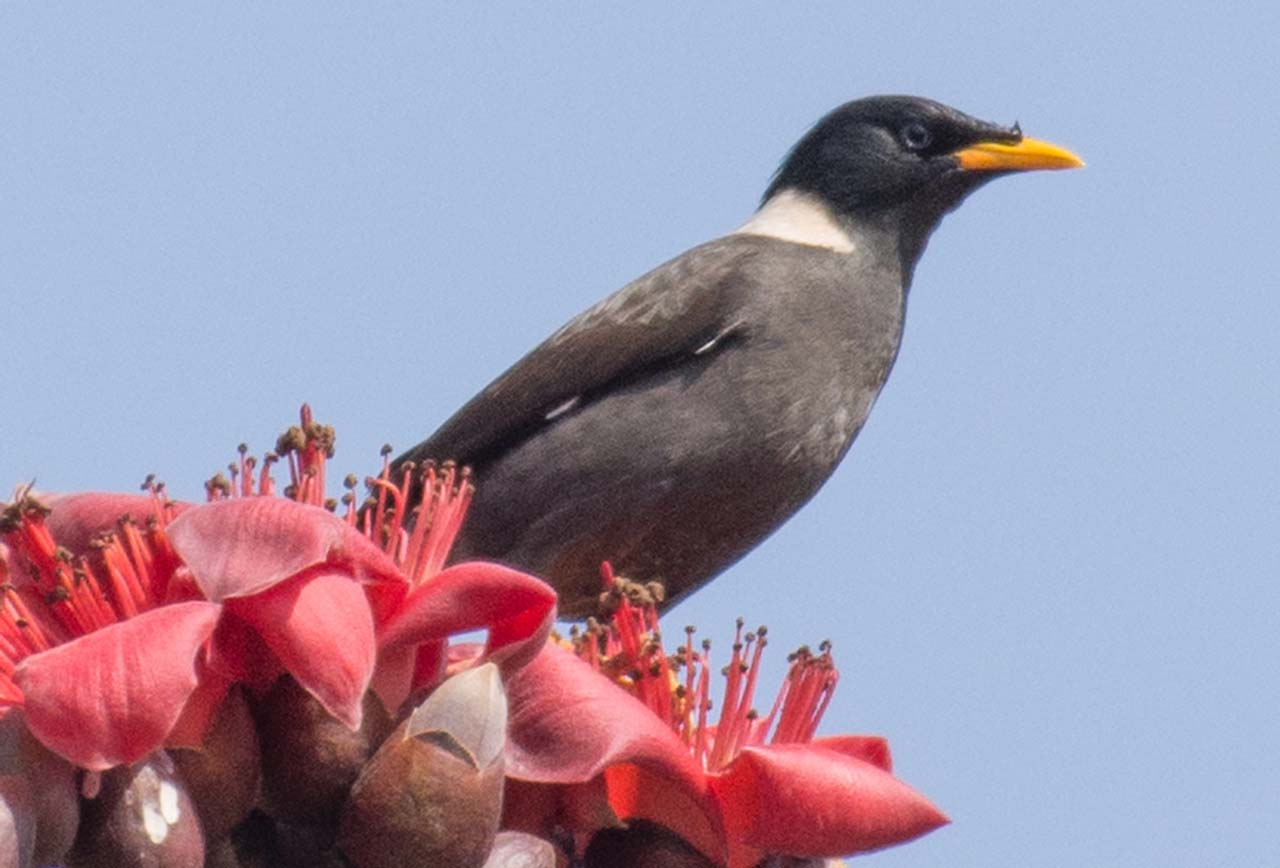
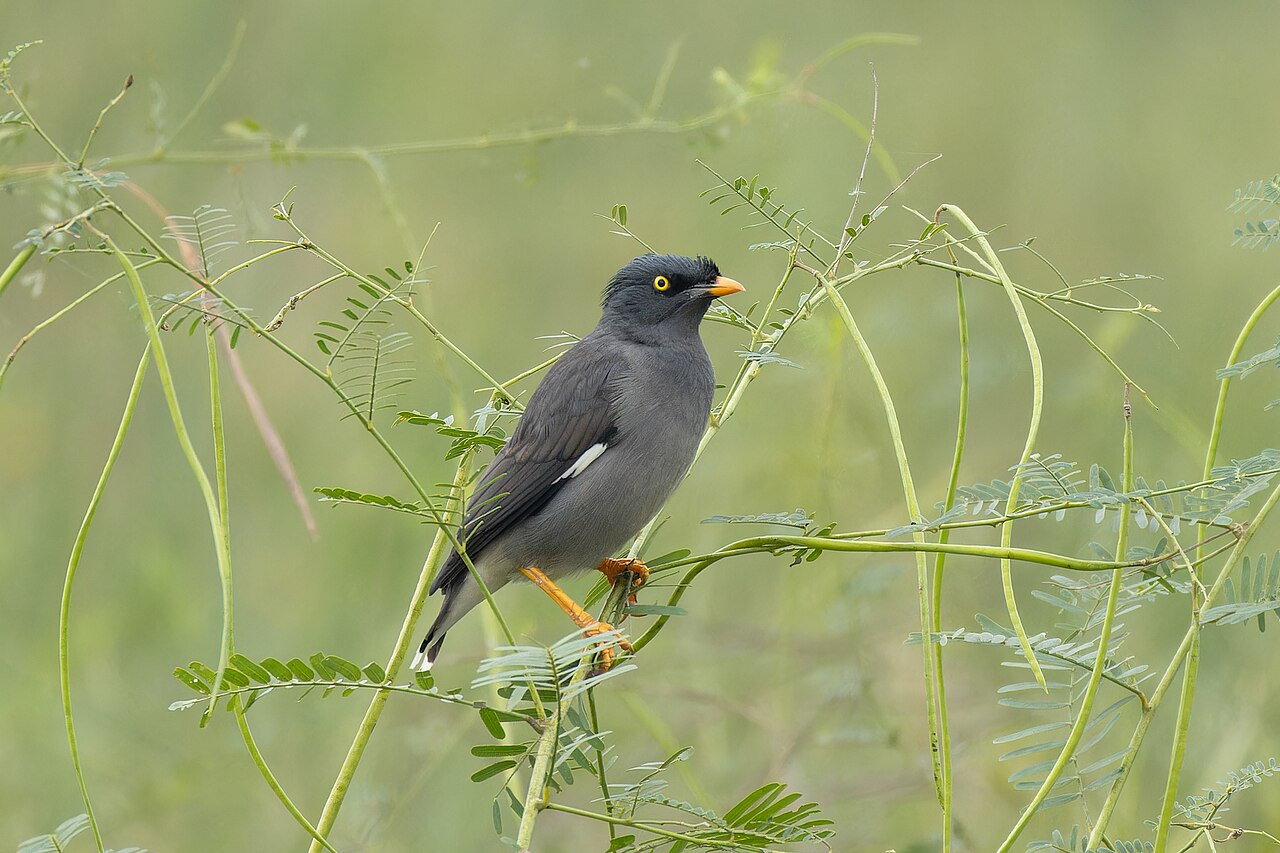
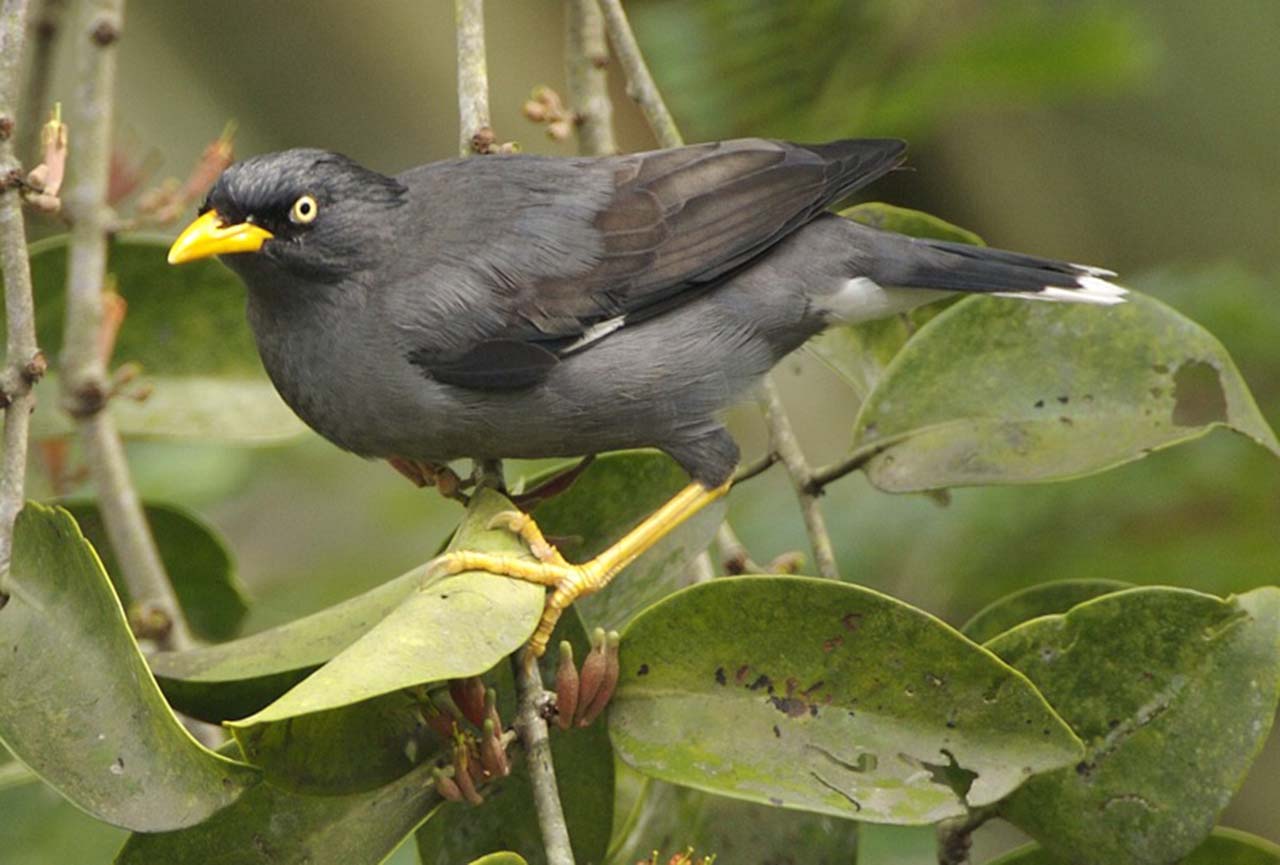
Jungle Myna (Acridotheres fuscus)
The Jungle Myna is found in Bangladesh, Bhutan, India, Malaysia, Myanmar, Nepal, Pakistan, and Thailand. IUCN Redlist Status: Least Concern
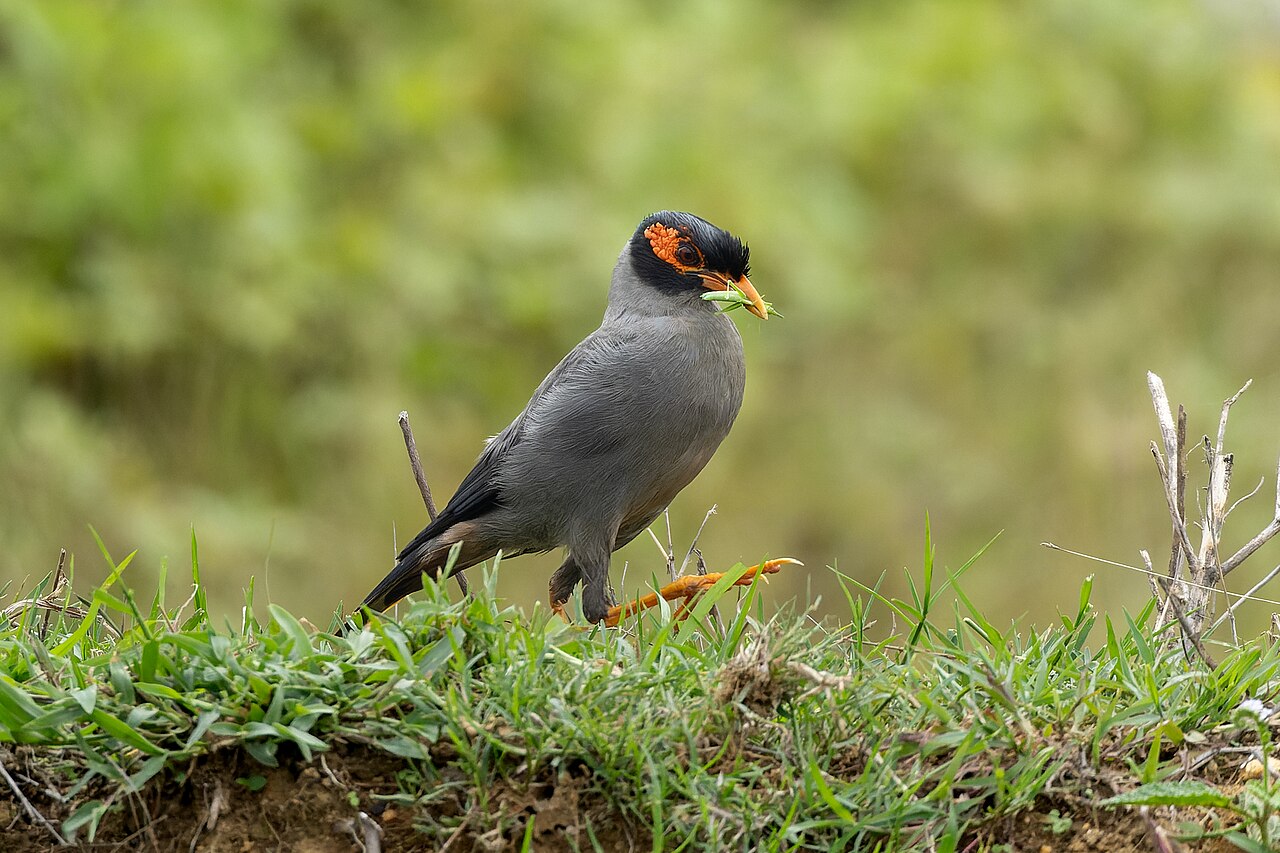
Bank Myna (Acridotheres ginginianus)
The Bank Myna is found in Bangladesh, Bhutan, India, Myanmar, Nepal, Pakistan, and Taiwan. IUCN Redlist Status: Least Concern
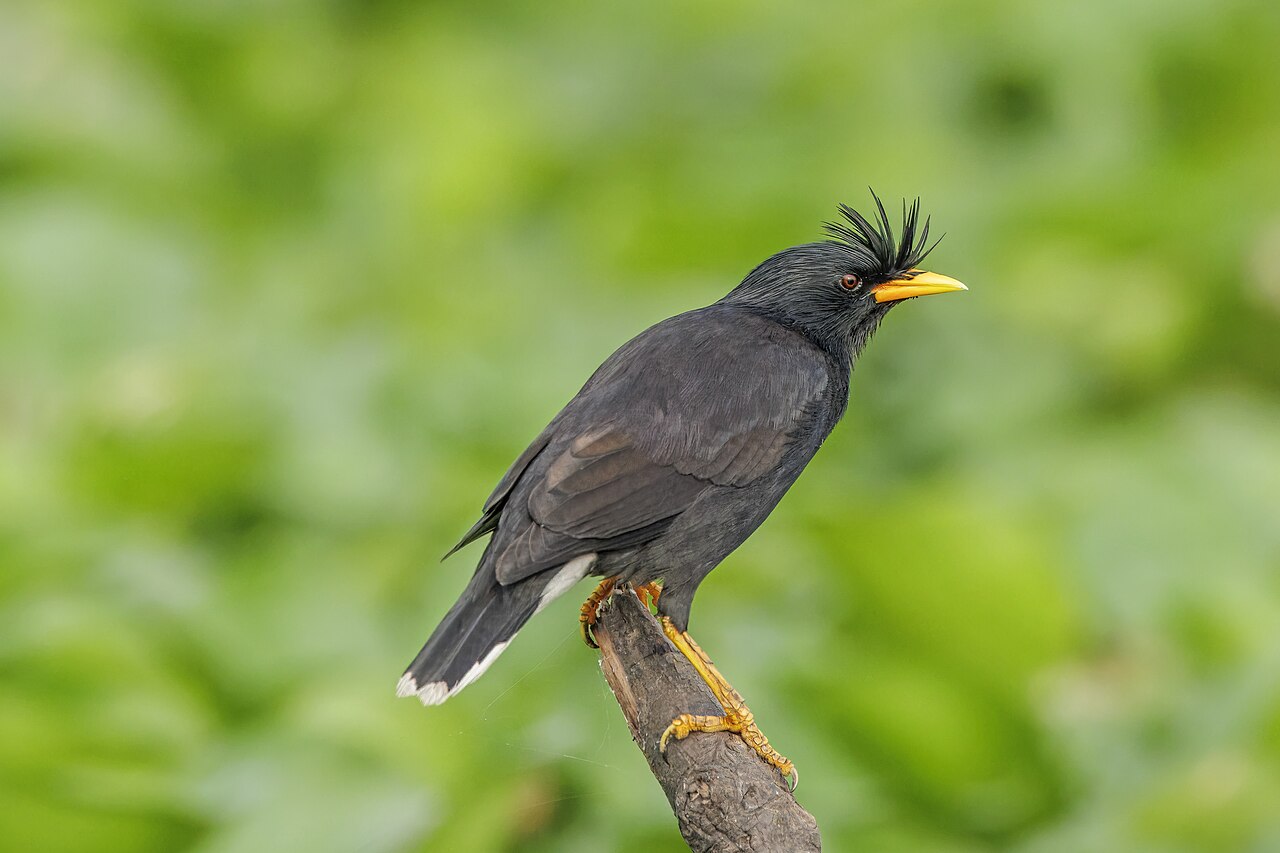
Great Myna (Acridotheres grandis)
The Great Myna is found in Bangladesh, Bhutan, Cambodia, China, India, Laos, Malaysia, Myanmar, Thailand, and Viet Nam. IUCN Redlist Status: Least Concern
Javan Myna (Acridotheres javanicus)
The Javan Myna is native to Java and Bali. IUCN Red List Status: Vulnerable
Vinous-breasted Myna (Acridotheres leucocephalus)
The Vinous-breasted Myna is found in Cambodia, Laos, Myanmar, Singapore, Thailand, Viet Nam. IUCN Redlist Status: Least Concern
Black-winged Myna (Acridotheres melanopterus)
The Black-winged Myna is found on islands of Java and Bali in Indonesia. IUCN Redlist Status: Endangered
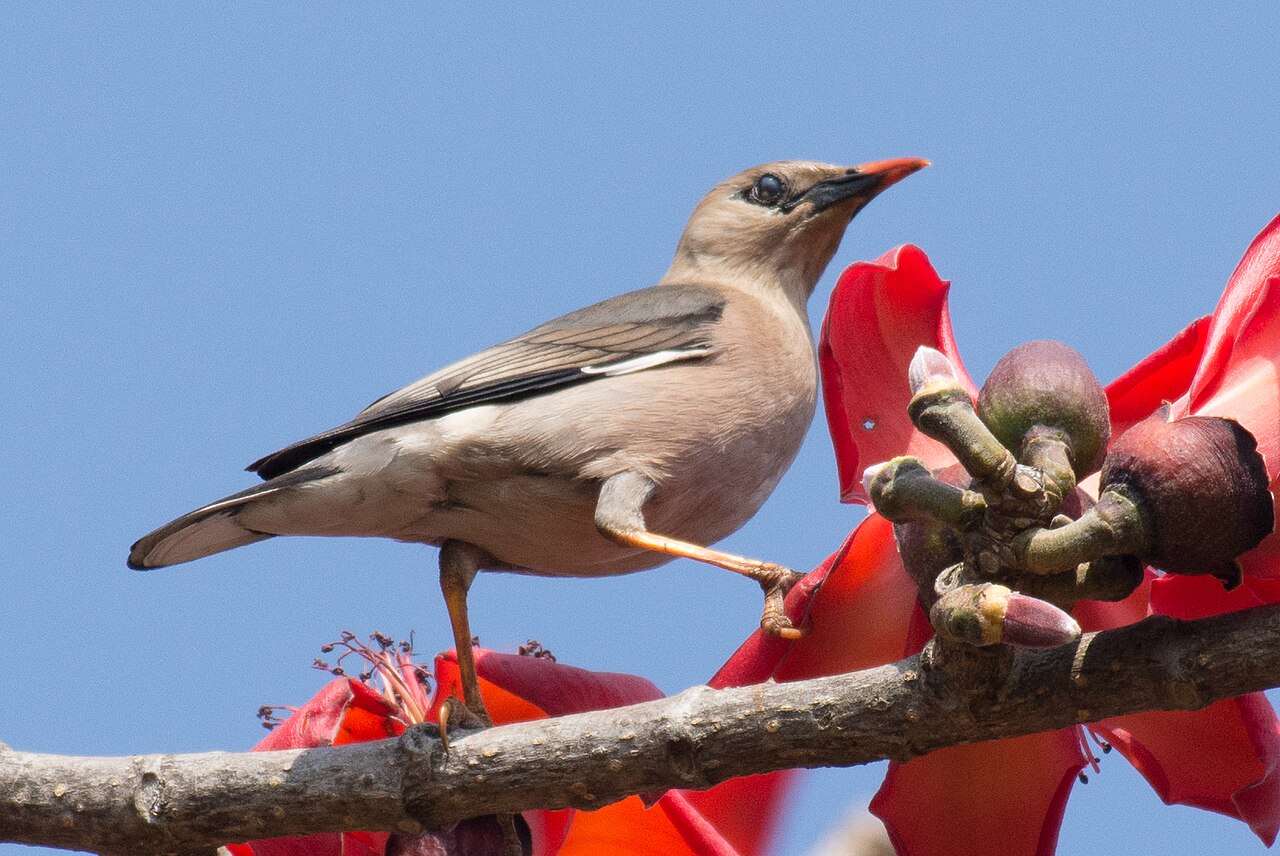
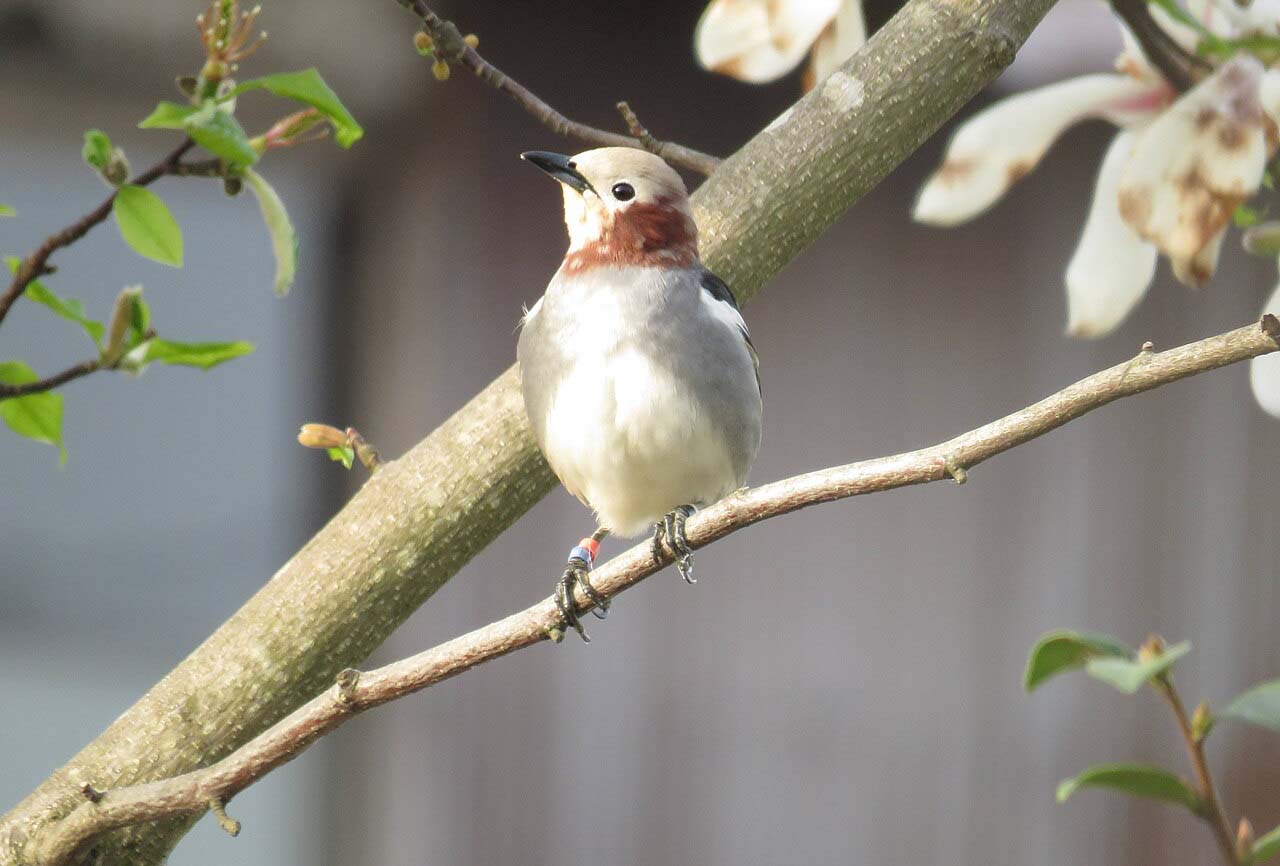
Chestnut-cheeked Starling (Agropsar philippensis)
The Chestnut-cheeked Starling is found in Brunei Darussalam, China, Indonesia, Japan, Malaysia, the Philippines, Russia, Singapore, and Taiwan. IUCN Redlist Status: Least Concern
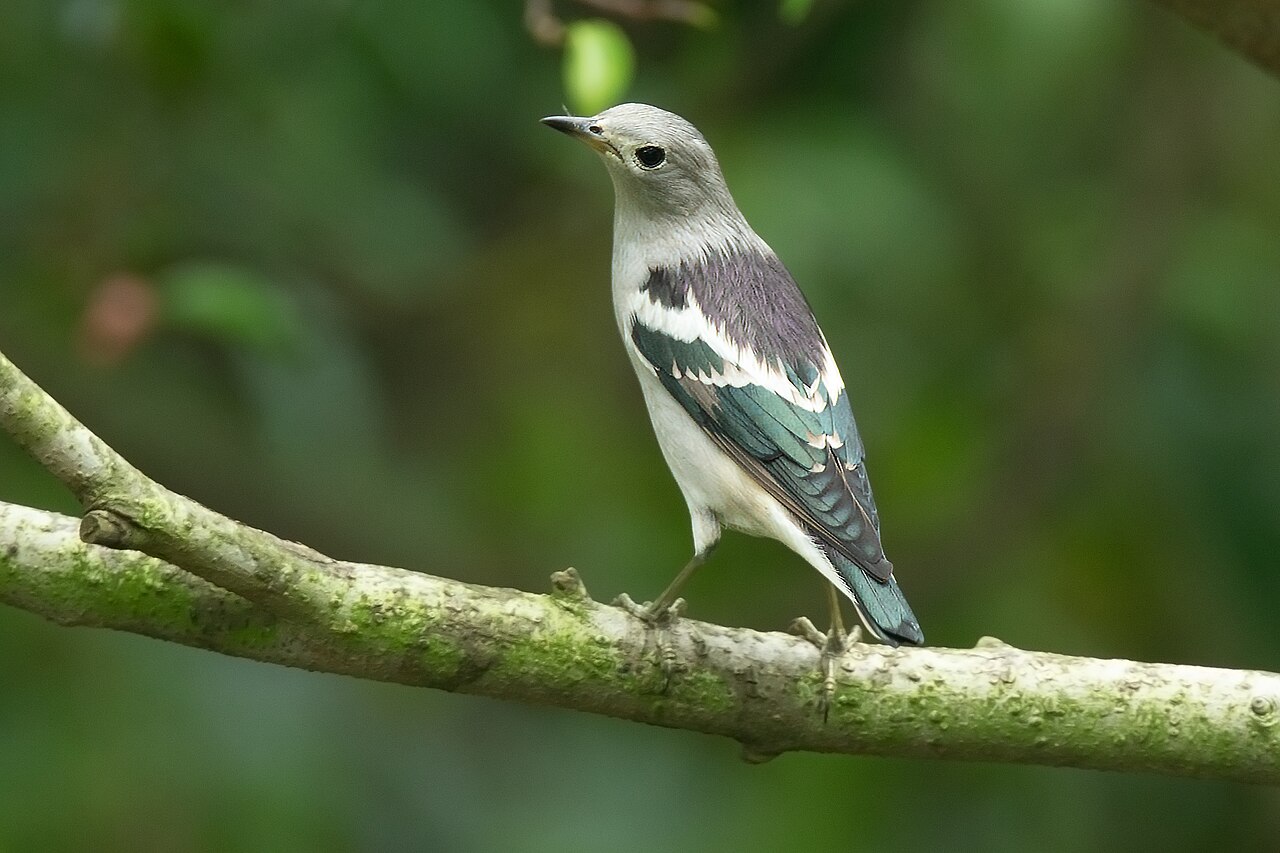
Purple-backed Starling (Agropsar sturninus)
The Purple-backed Starling is found in Cambodia, China, Hong Kong, India, Indonesia, Japan, North Korea, Laos, Malaysia, Myanmar, Russia, Singapore, South Korea, Taiwan, Thailand, and Viet Nam. IUCN Redlist Status: Least Concern
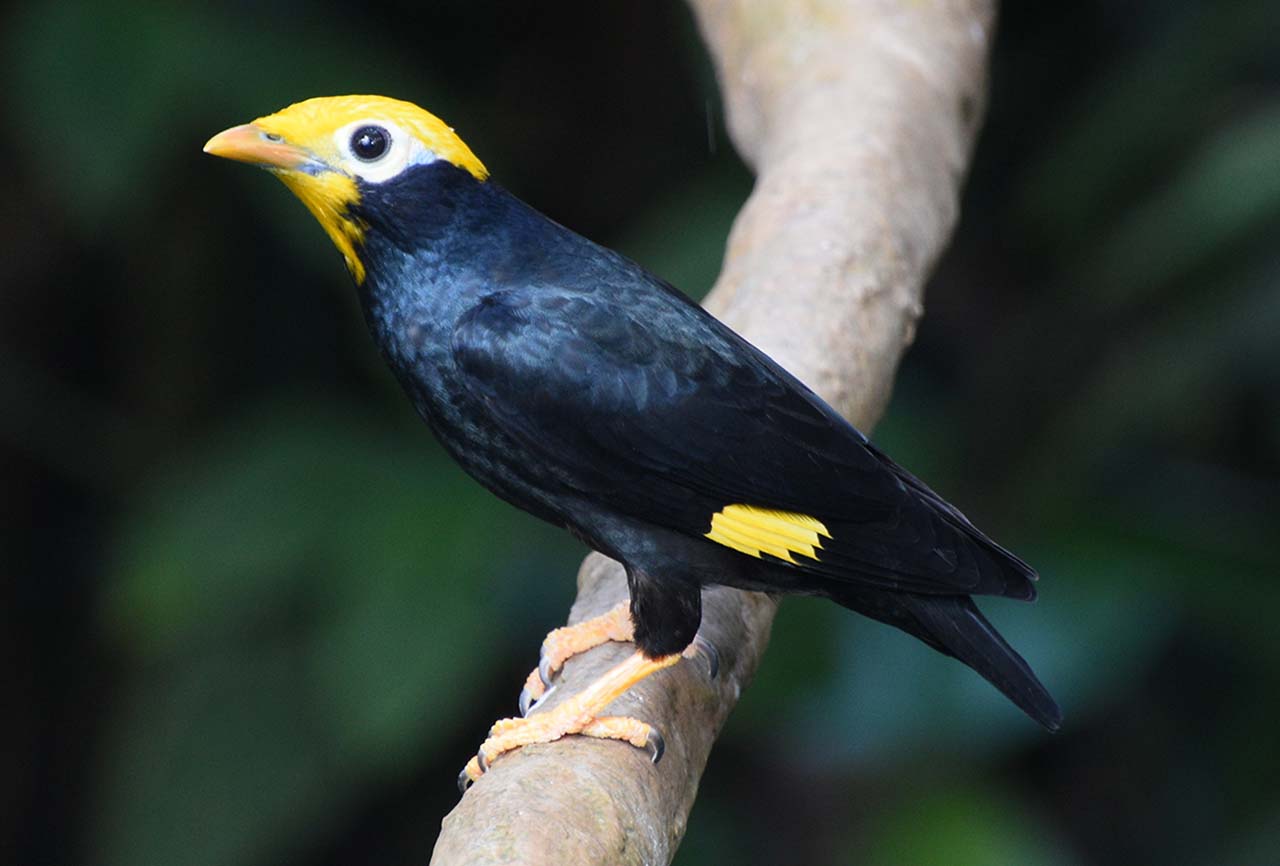
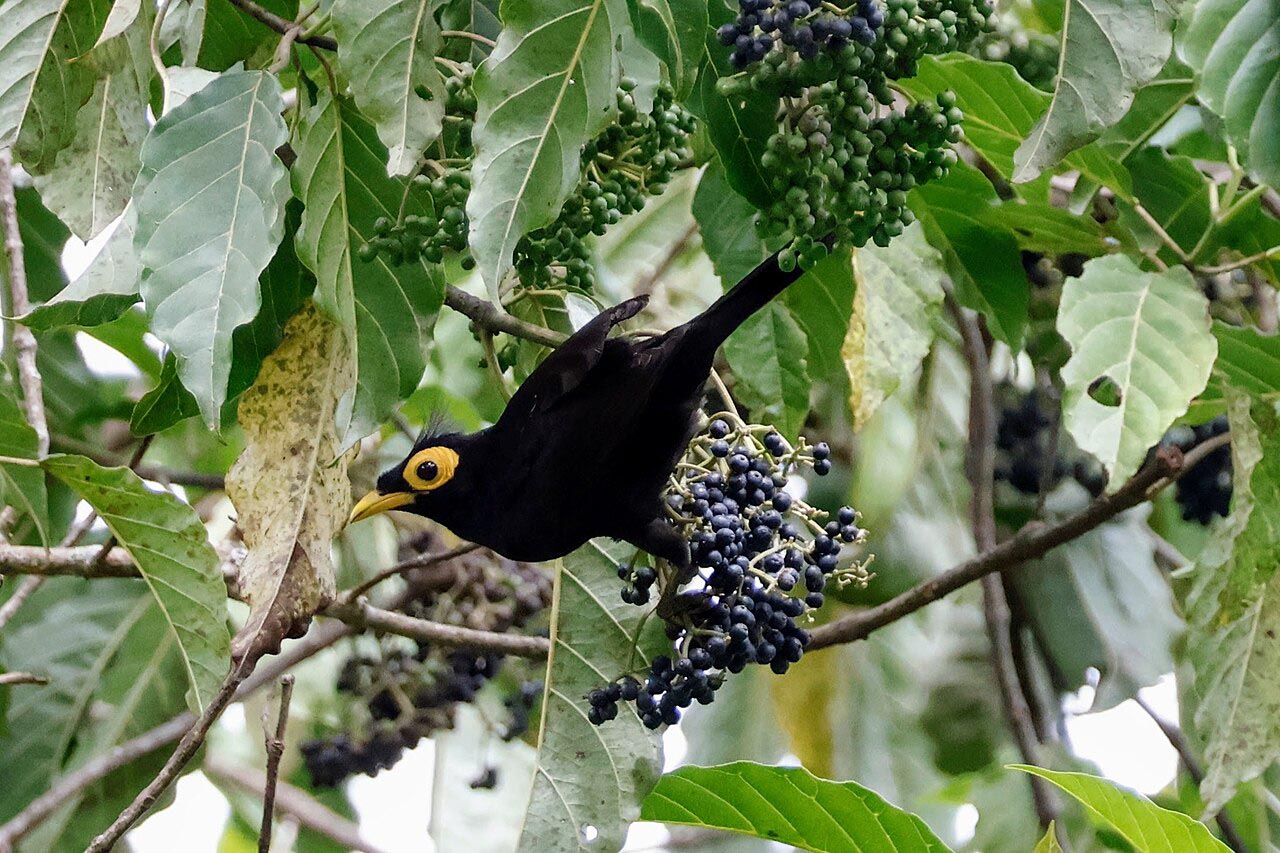
Golden-crested Myna (Ampeliceps coronatus)
The Golden-crested Myna is found in Cambodia, China, India, Laos, Malaysia, Myanmar, Thailand, and Viet Nam. IUCN Redlist Status: Least Concern
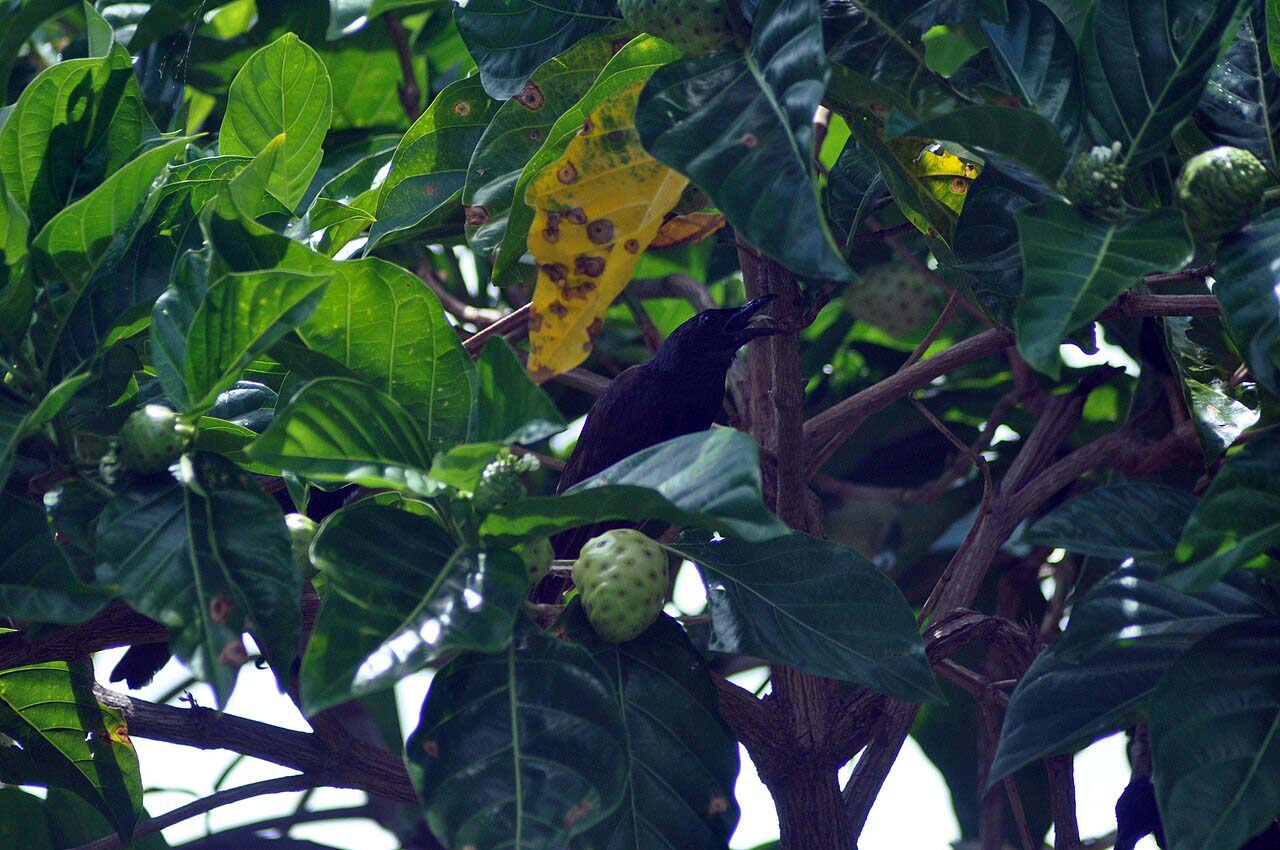
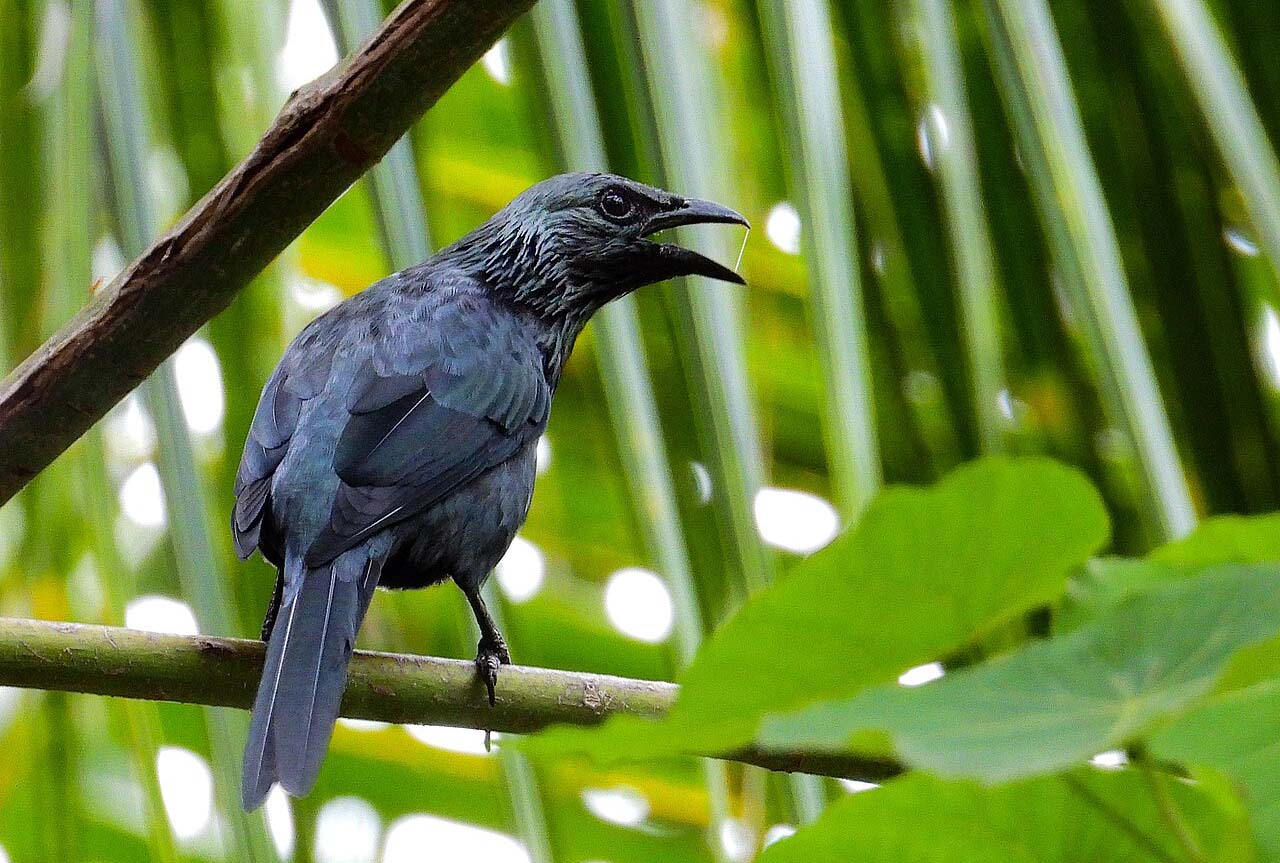
Samoan Starling (Aplonis atrifusca)
The Samoan Starling is found in American Samoa and Samoa. IUCN Redlist Status: Least Concern
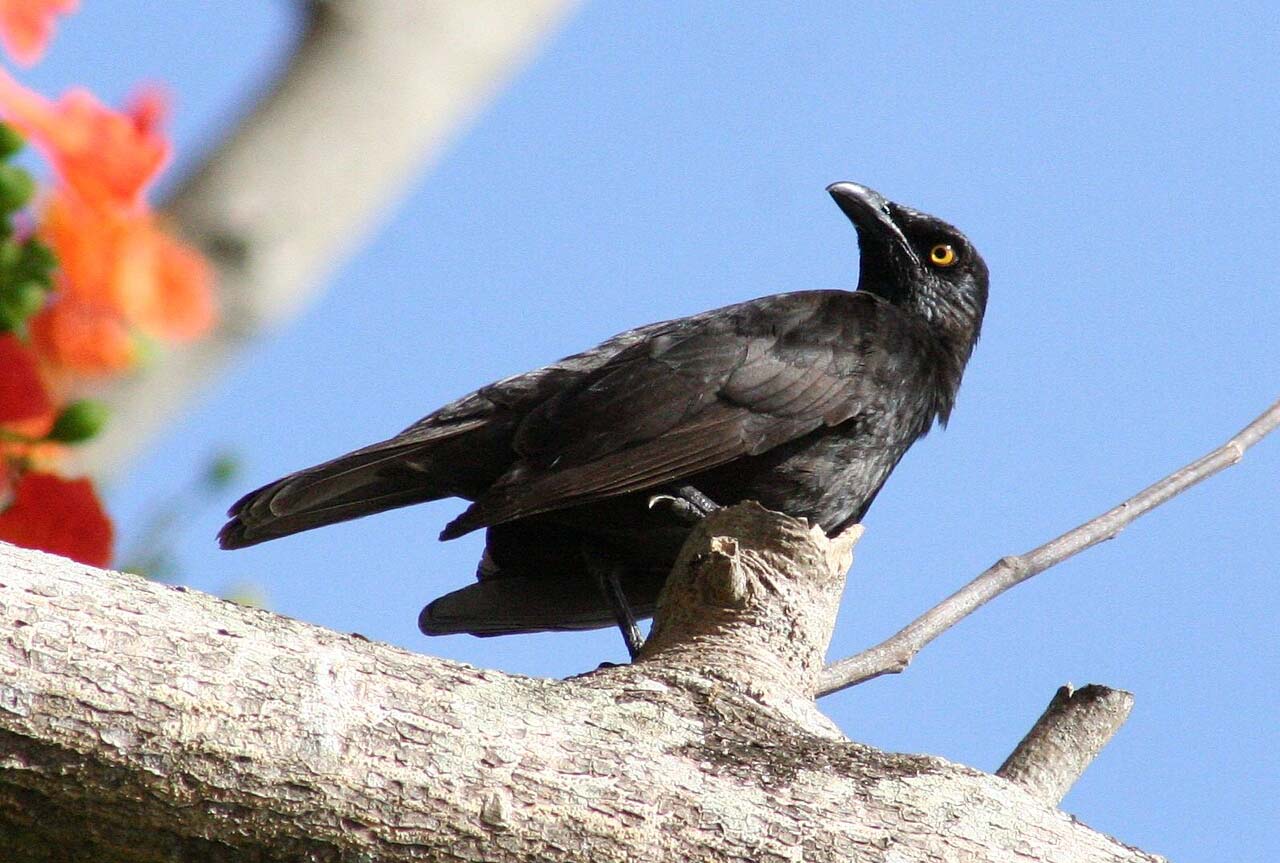
White-eyed Starling (Aplonis brunneicapillus)
The White-eyed Starling is found in Papua New Guinea and the Solomon Islands. IUCN Redlist Status: Vulnerable
Singing Starling (Aplonis cantoroides)
The Singing Starling is found in Indonesia, Papua New Guinea, and the Solomon Islands.. IUCN Redlist Status: Least Concern
Rarotonga Starling (Aplonis cinerascens)
The Rarotonga Starling is found in the Cook Islands IUCN Redlist Status: Near Threatened
Kosrae Starling (Aplonis corvina)
The Kosrae Starling was found only on the island of Kosrae in Micronesia. It is thought that invasive rats, possibly introduced by whaling ships, preyed on its eggs and contributed to its extinction. IUCN Red List Status: Extinct
Makira Starling (Aplonis dichroa)
The Makira Starling is found in The Solomon Islands. IUCN Red List Status: Least Concern
Atoll Starling (Aplonis feadensis)
The Atoll Starling is found in Papua New Guinea and the Solomon Islands. IUCN Red List Status: Near Threatened
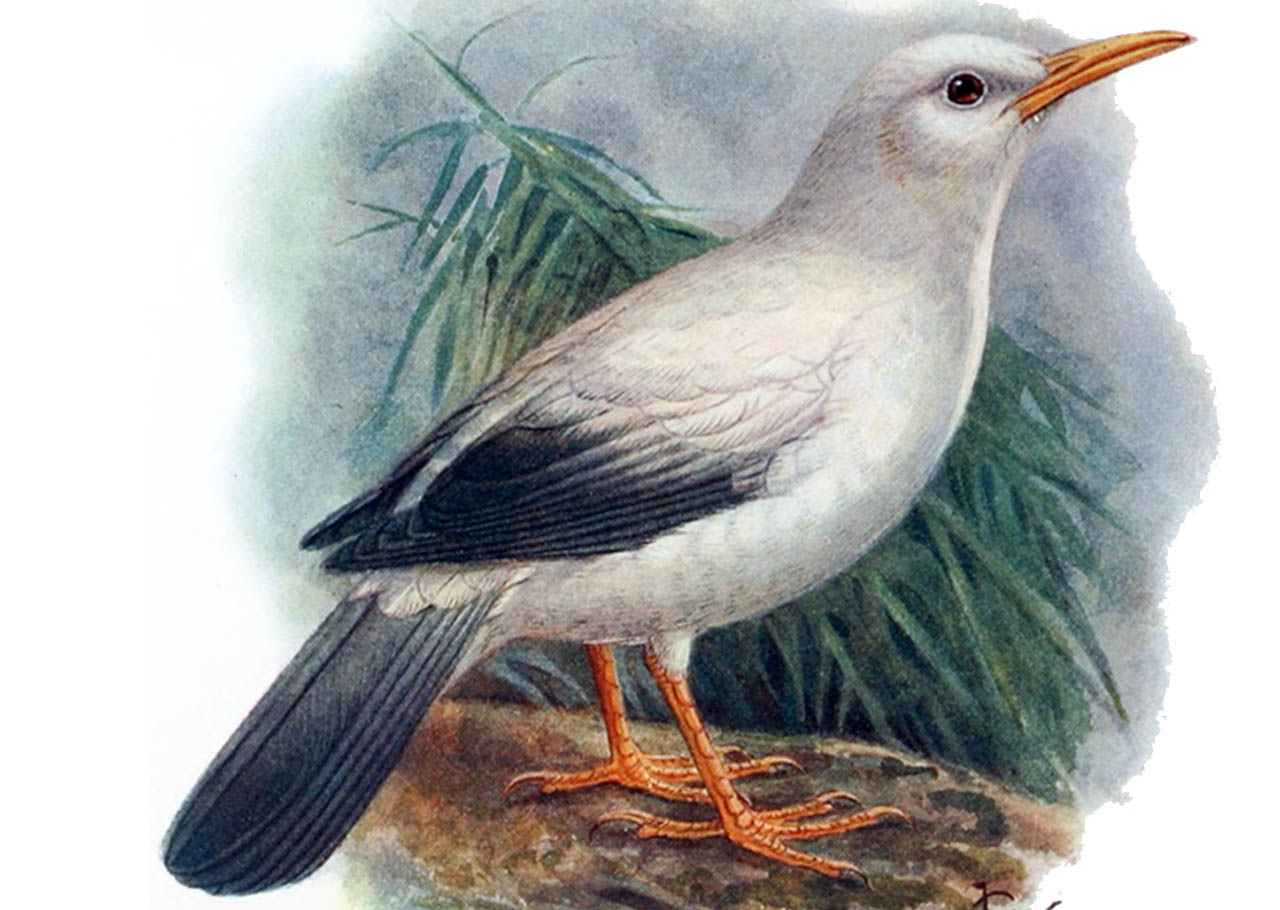
Tasman Starling (Aplonis fusca)
The Tasman Starling was found on Australia’s Norfolk Island and Lord Howe Island. IUCN Red List Status: Extinct
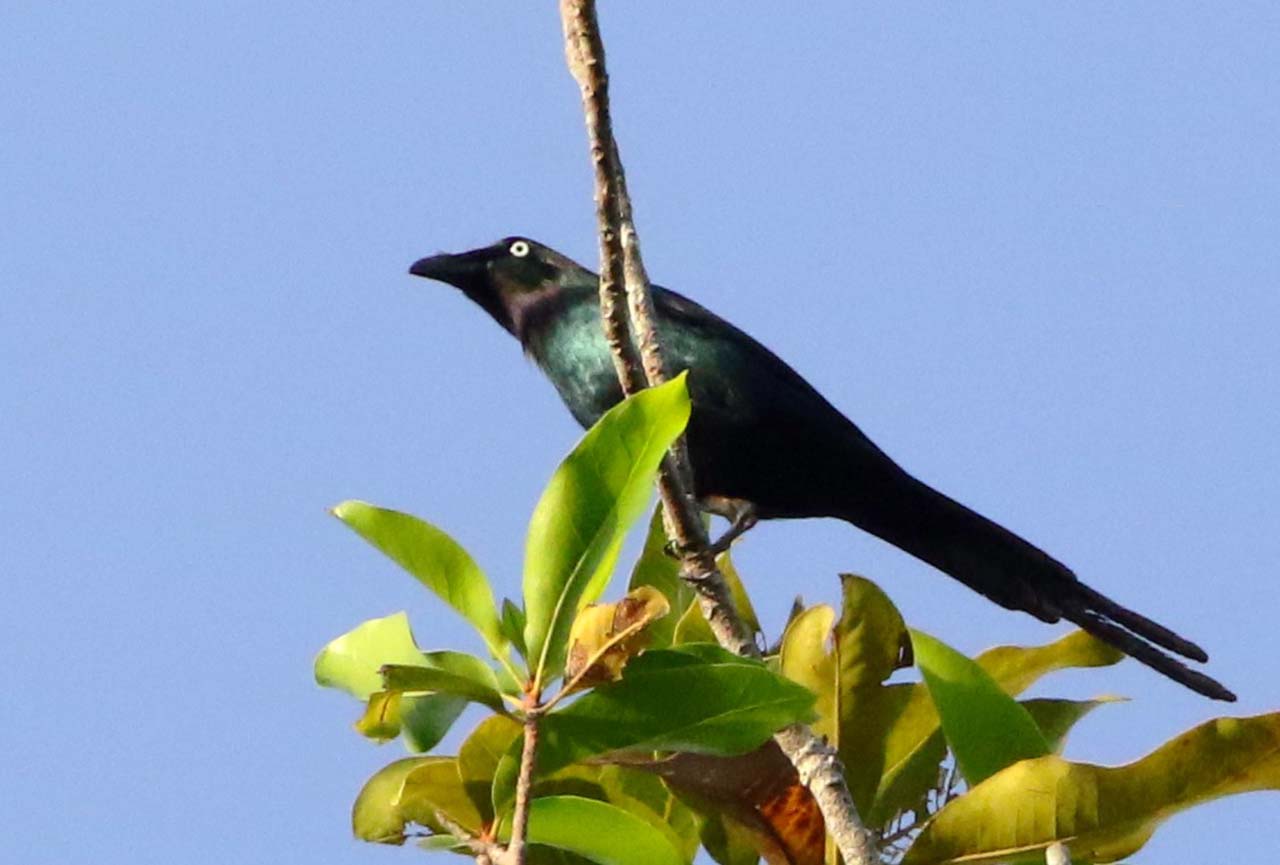
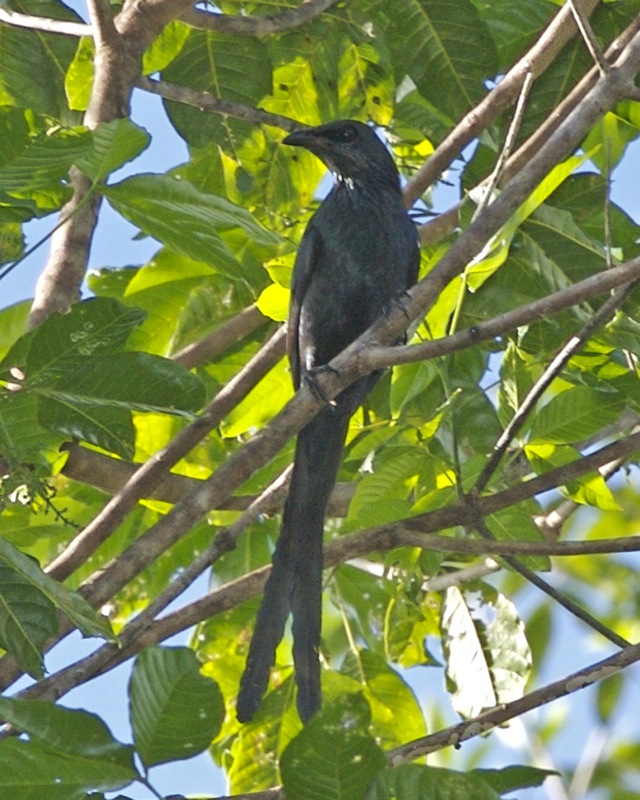
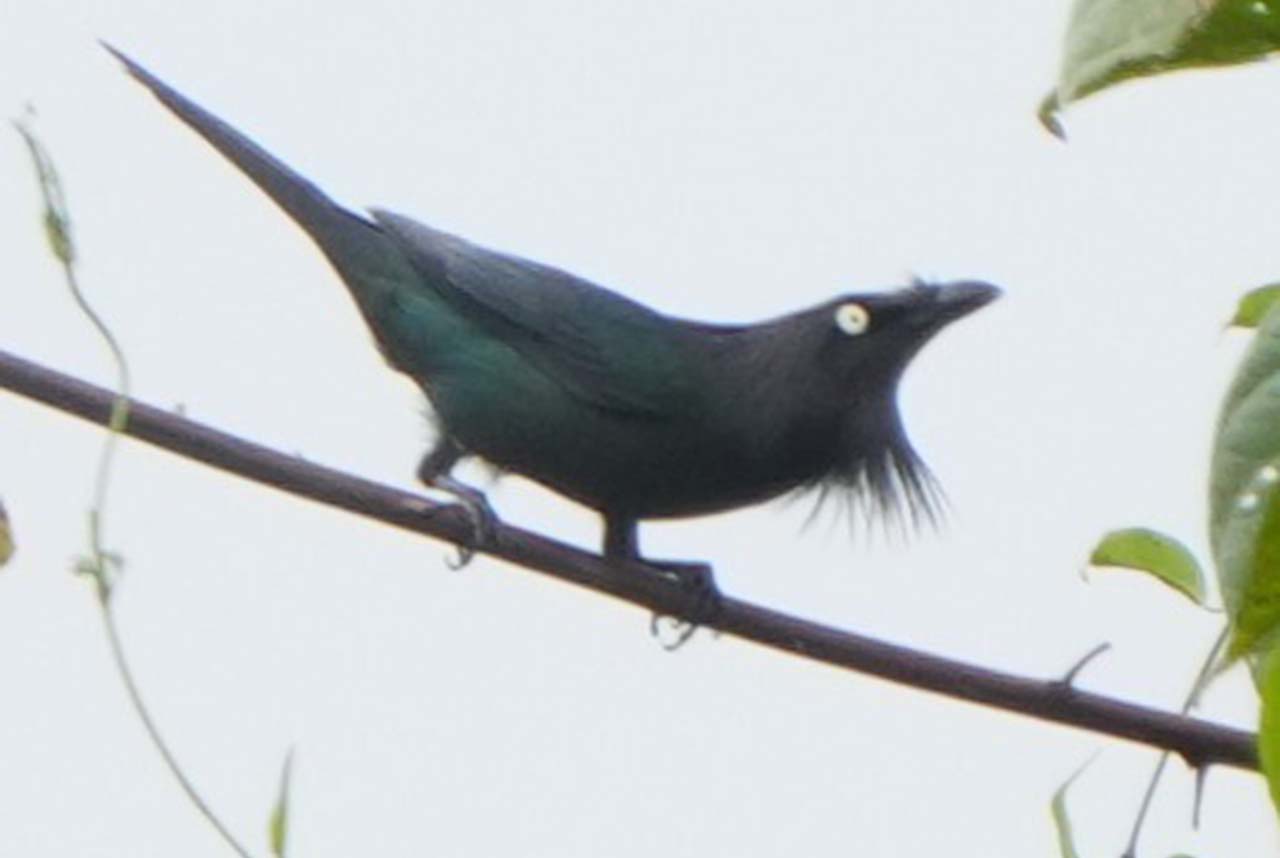
Long-tailed Starling (Aplonis magna)
The Long-tailed Starling is found in Indonesia. IUCN Red List Status: Least Concern
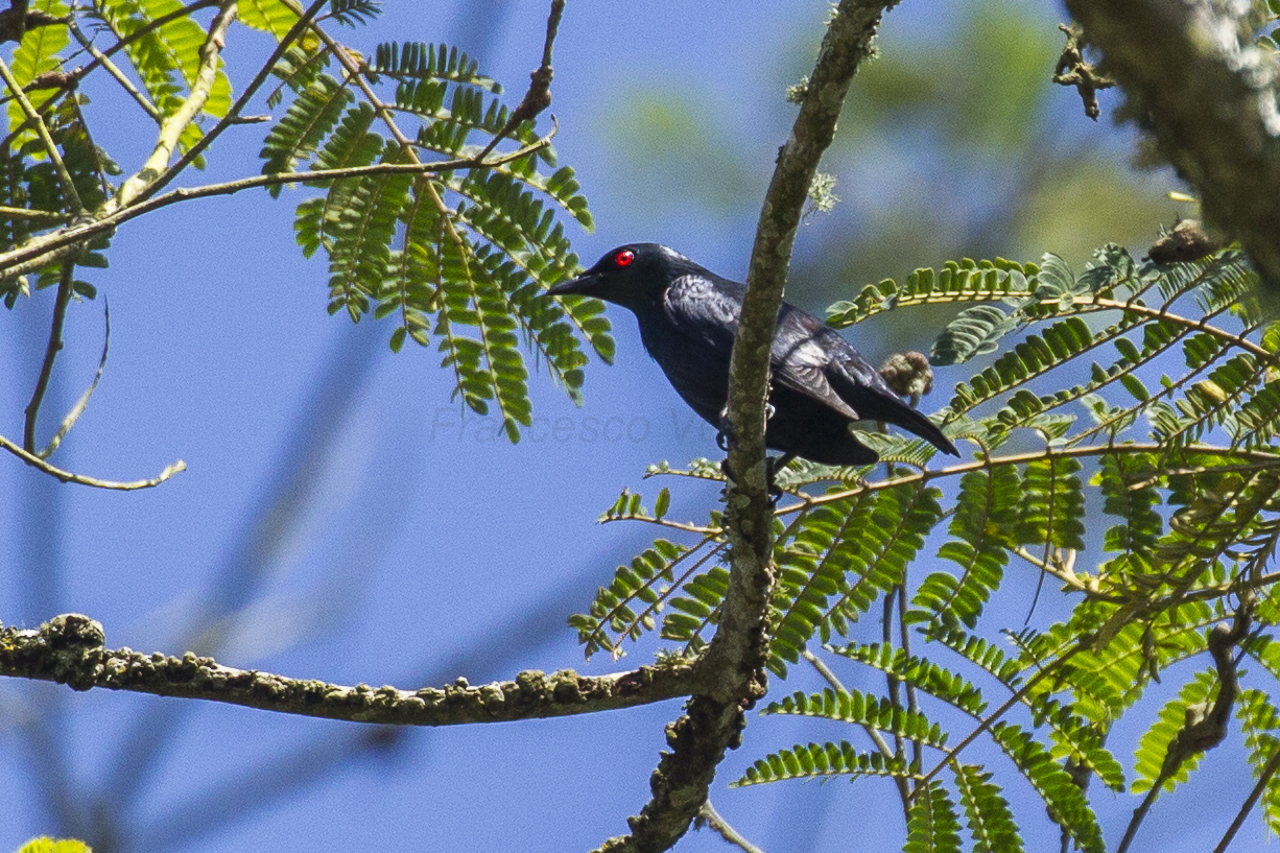
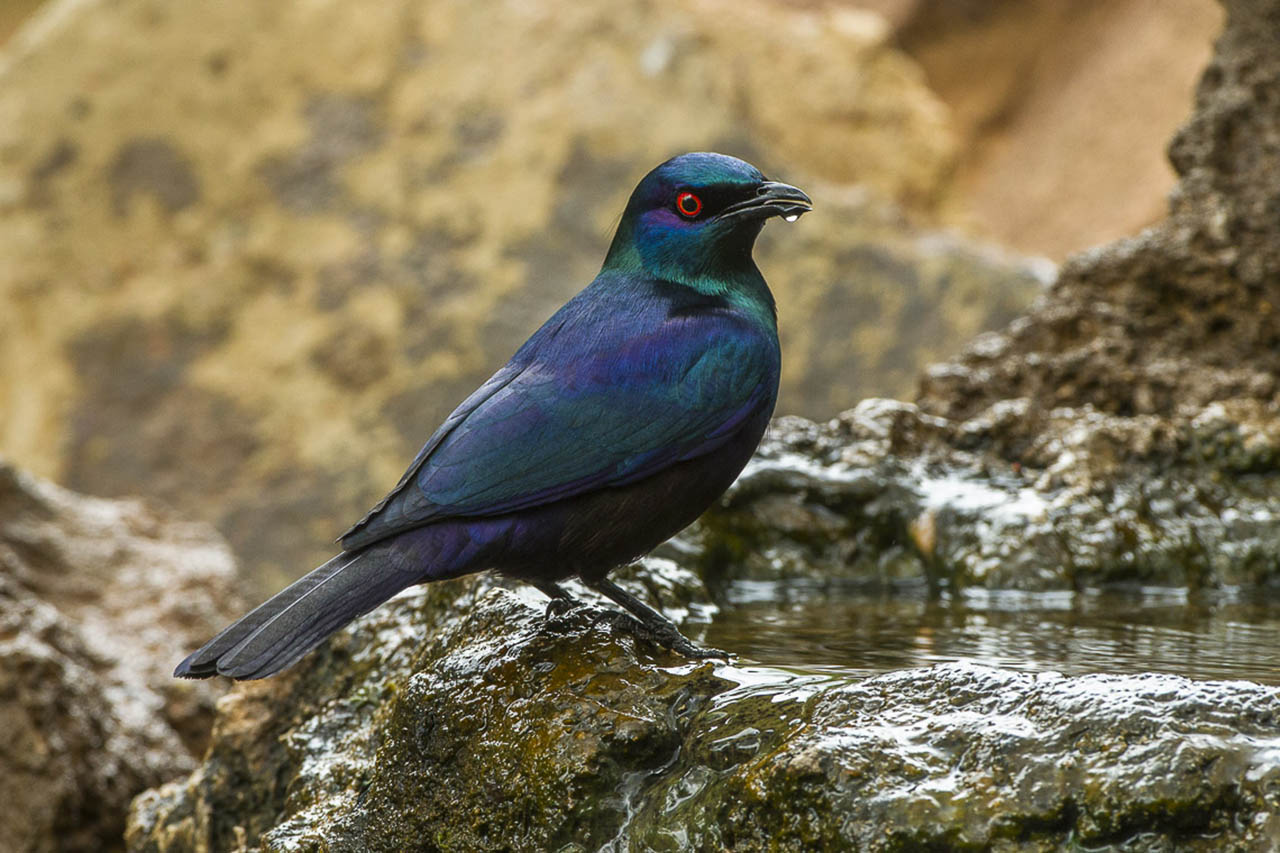
Metallic Starling (Aplonis metallica)
The Metallic Starling is found in Australia, Indonesia, Papua New Guinea, and the Solomon Islands. IUCN Red List Status: Least Concern
Short-tailed Starling (Aplonis minor)
The Short-tailed Starling is found in Indonesia, the Philippines, and Timor-Leste. IUCN Red List Status: Least Concern
Moluccan Starling (Aplonis mysolensis)
The Moluccan Starling is found in Indonesia. IUCN Red List Status: Least Concern
Yellow-eyed Starling (Aplonis mystacea)
The Yellow-eyed Starling is found in New Guinea. IUCN Red List Status: Least Concern
Micronesian Starling (Aplonis opaca)
The Micronesian Starling is found in Guam, Micronesia, the Northern Mariana Islands, and Palau. IUCN Red List Status: Least Concern
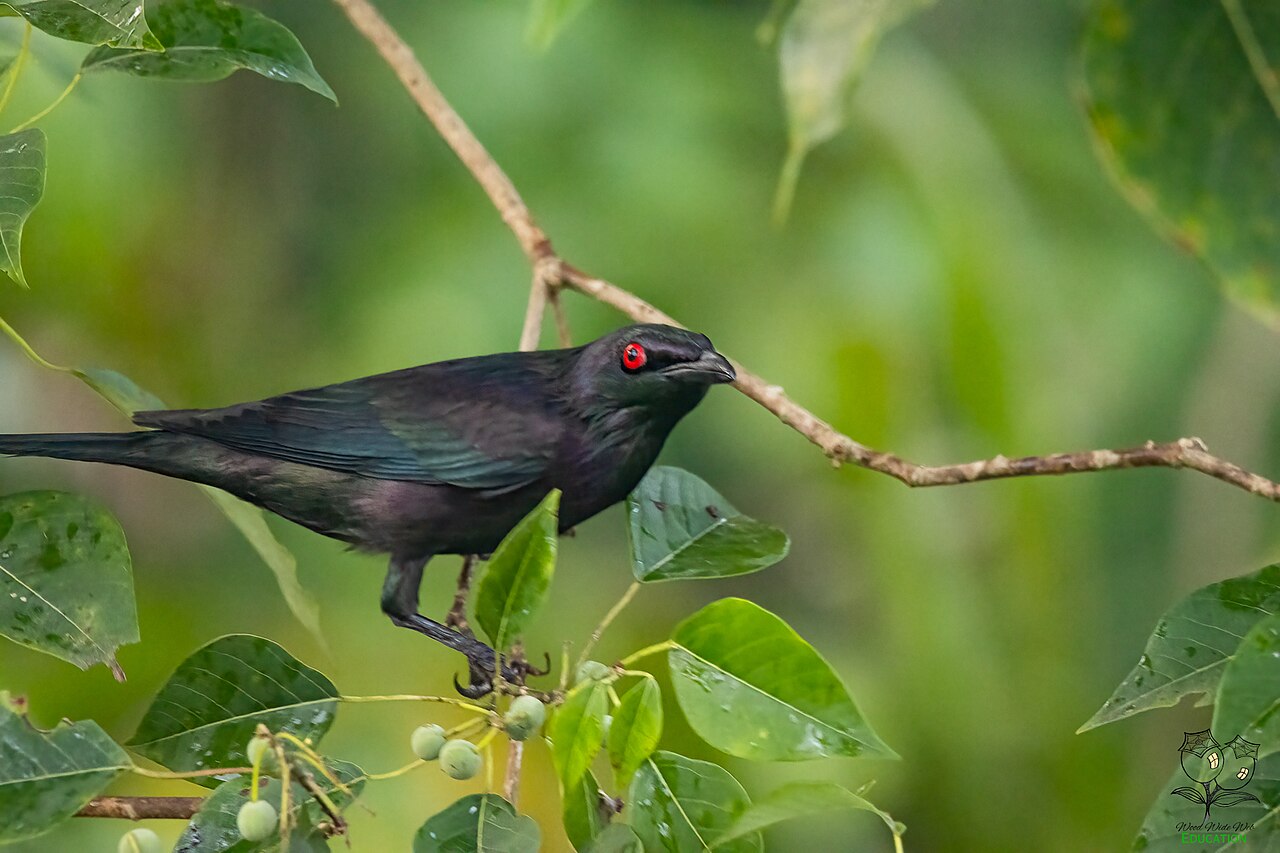
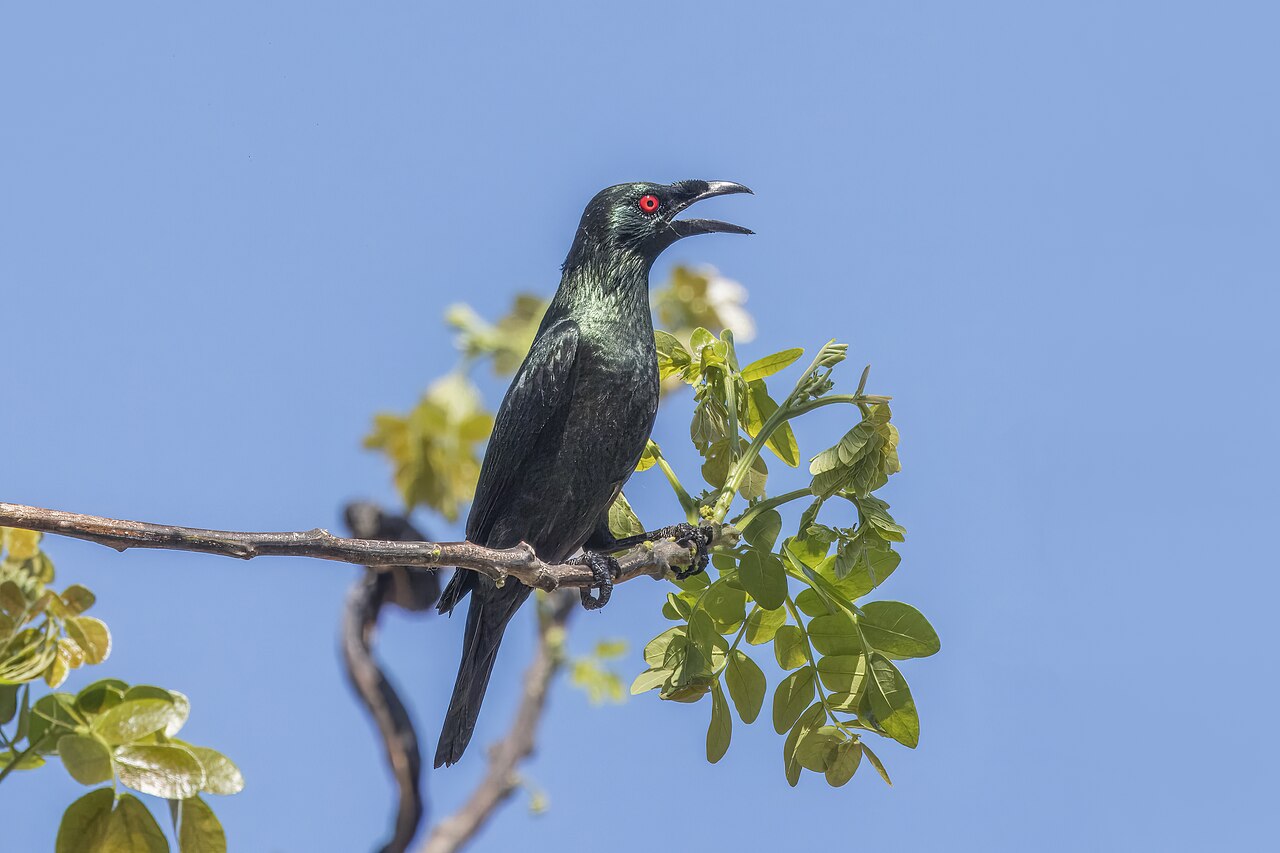
Asian Glossy Starling (Aplonis panayensis)
The Asian Glossy Starling is found in Bangladesh, Brunei Darussalam, India, Indonesia, Malaysia, Myanmar, the Philippines, Singapore, and Thailand. IUCN Red List Status: Least Concern
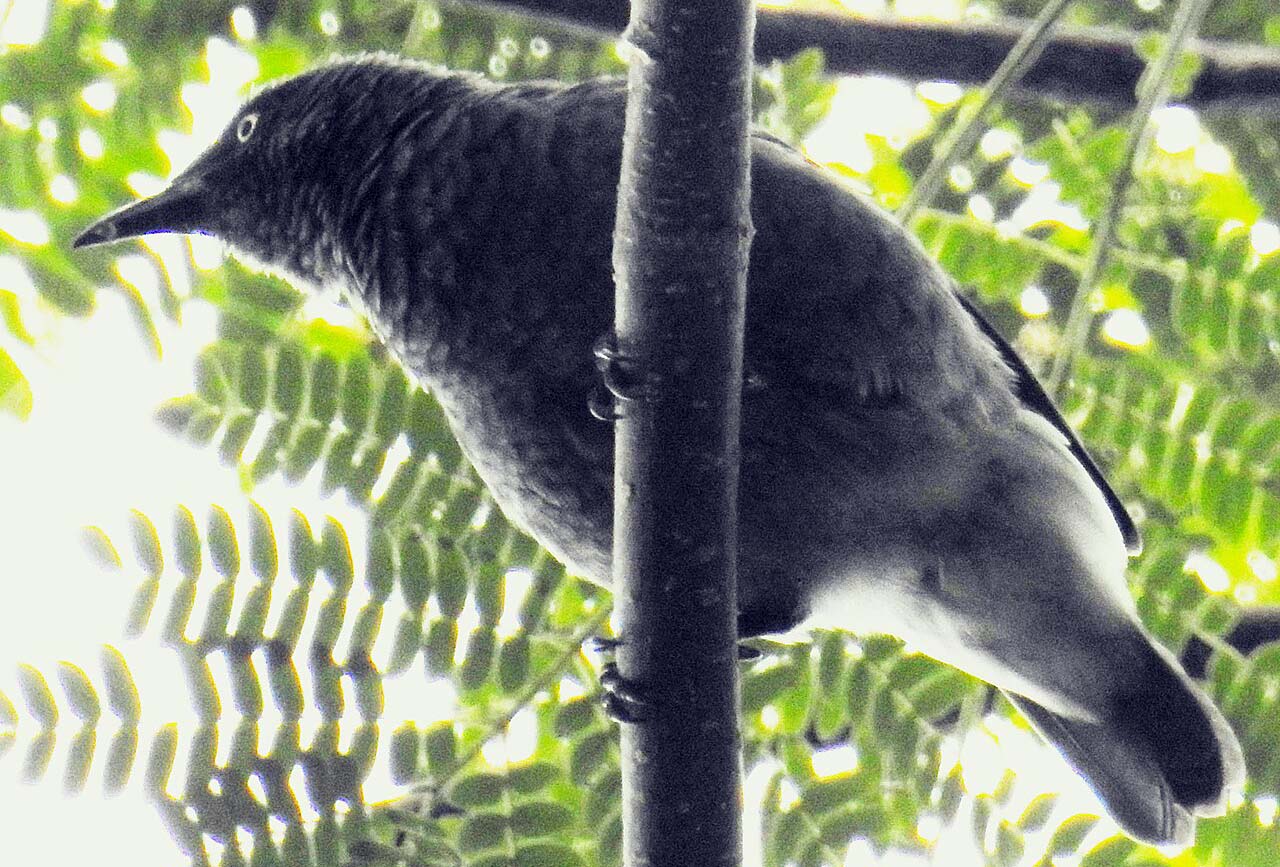
Striated Starling (Aplonis striata)
The Striated Starling is found in New Caledonia. IUCN Red List Status: Least Concern
Polynesian Starling (Aplonis tabuensis)
The Polynesian Starling is found in American Samoa, Fiji, Niue, Samoa, the Solomon Islands, Tonga, and Wallis and Futuna. IUCN Red List Status: Least Concern
Sulawesi Myna (Basilornis celebensis)
The Sulawesi Myna is found in Indonesia. IUCN Red List Status: Least Concern
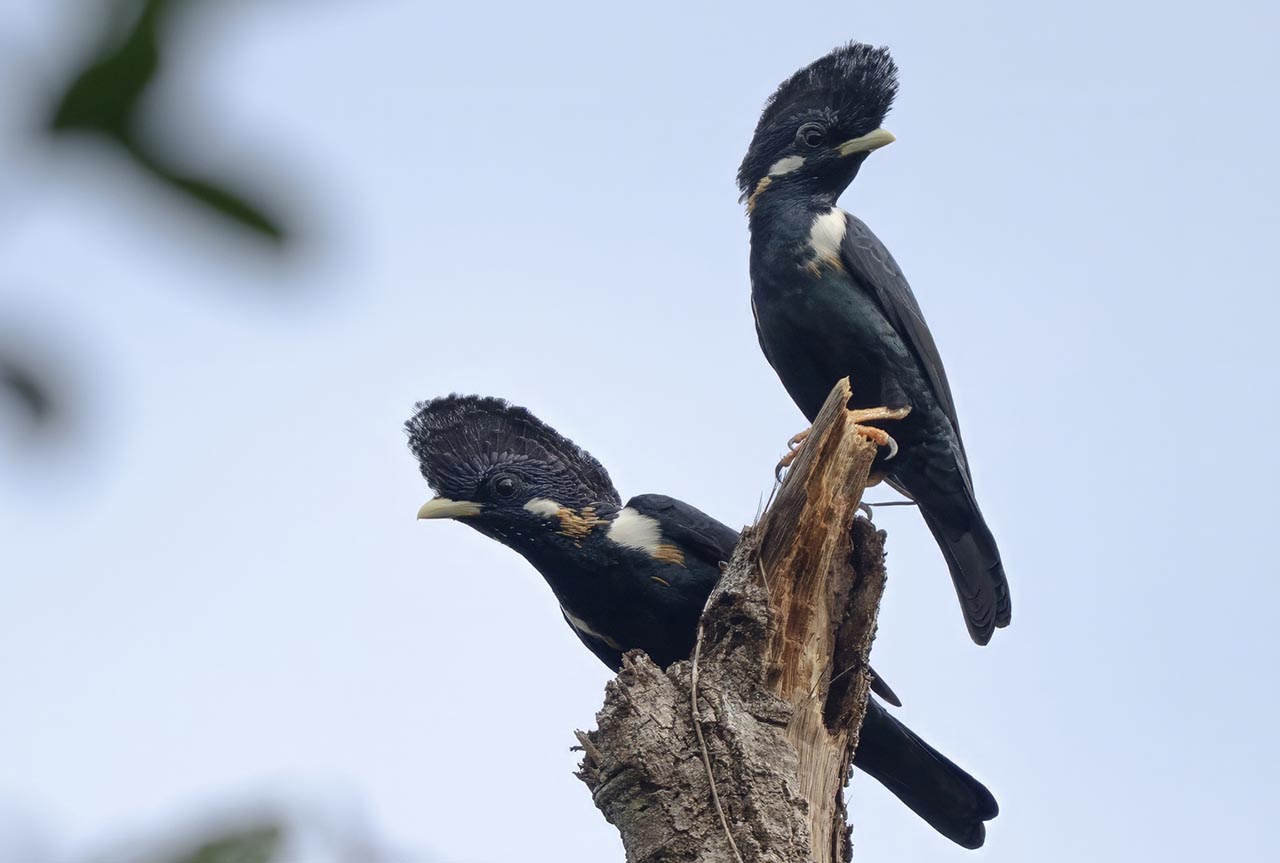
Long-crested Myna (Basilornis corythaix)
The Long-crested Myna is found in Indonesia. IUCN Red List Status: Least Concern
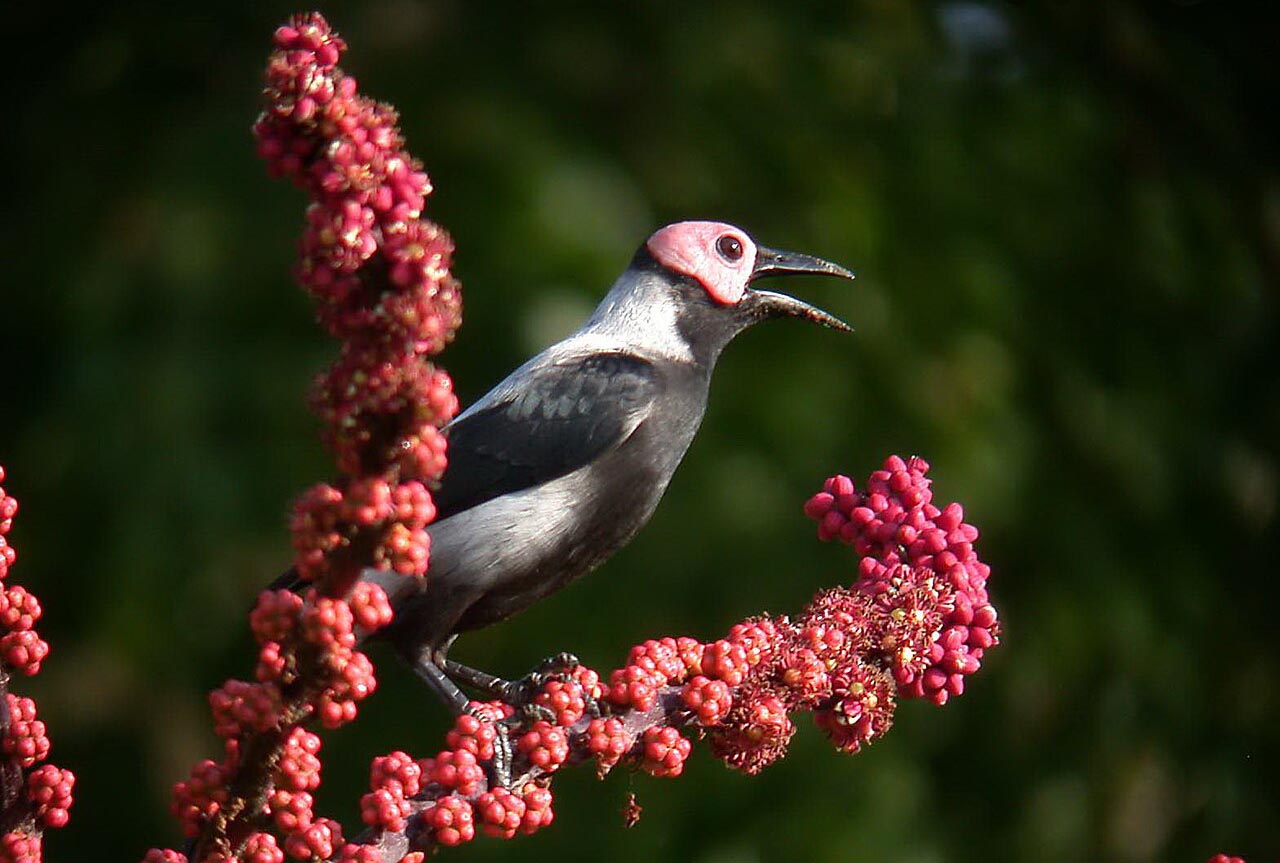
Helmeted Myna (Basilornis galeatus)
The Helmeted Myna is found in Indonesia. IUCN Red List Status: Near Threatened
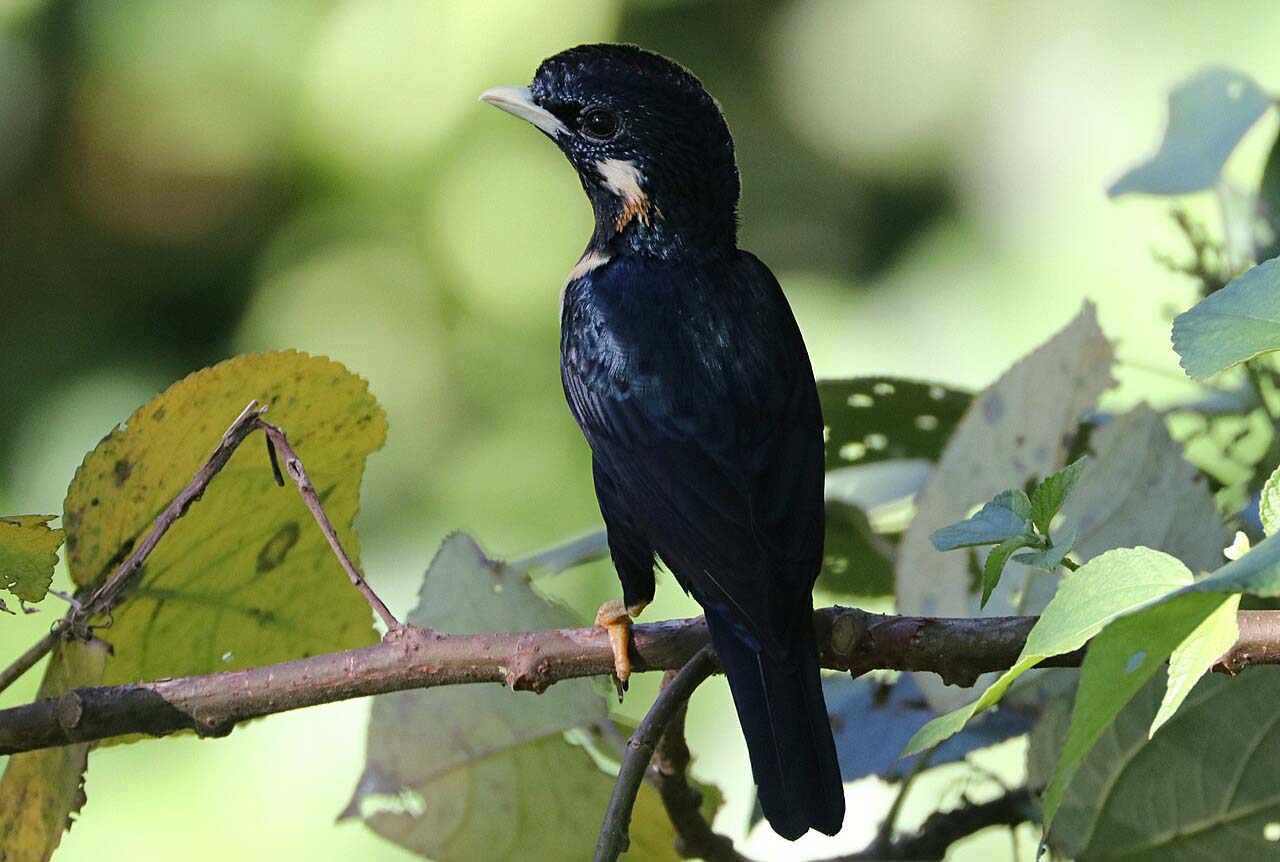
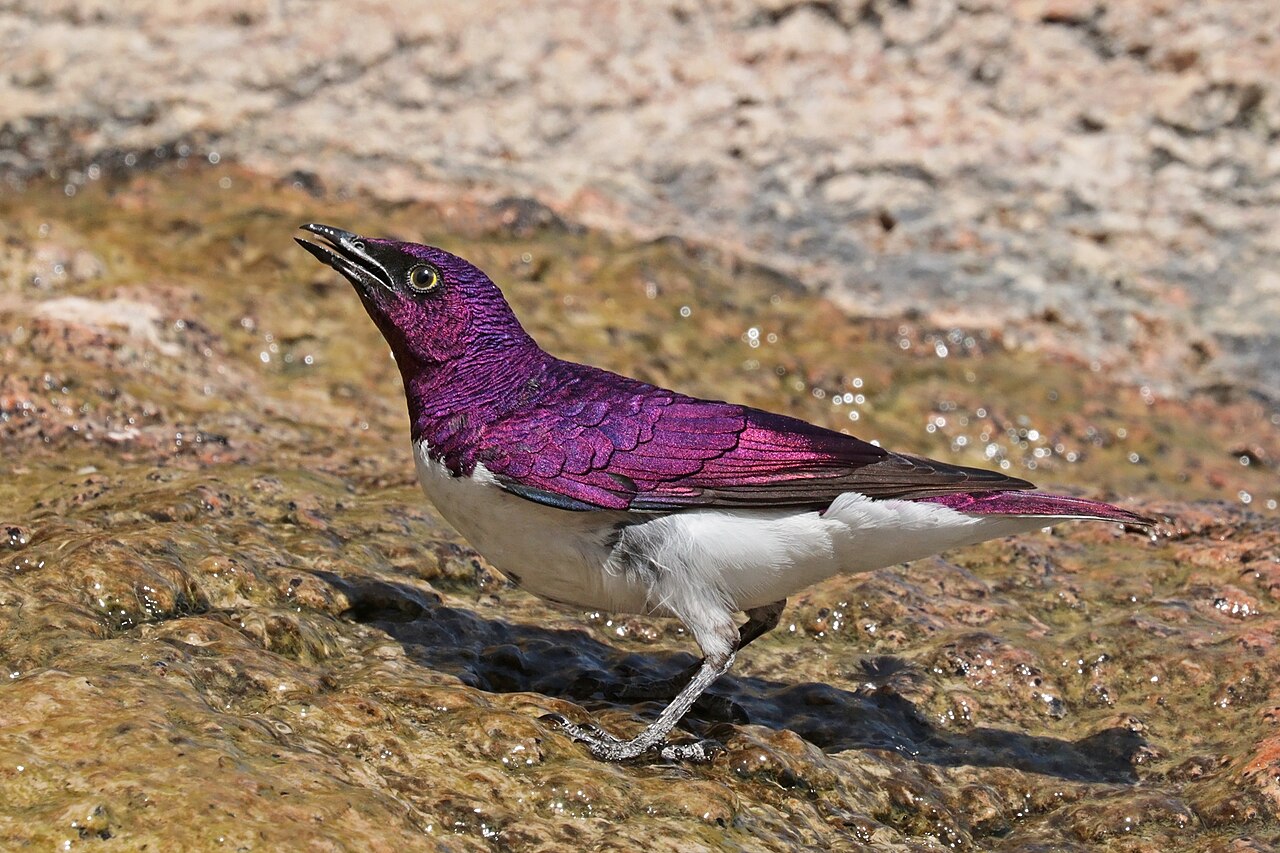
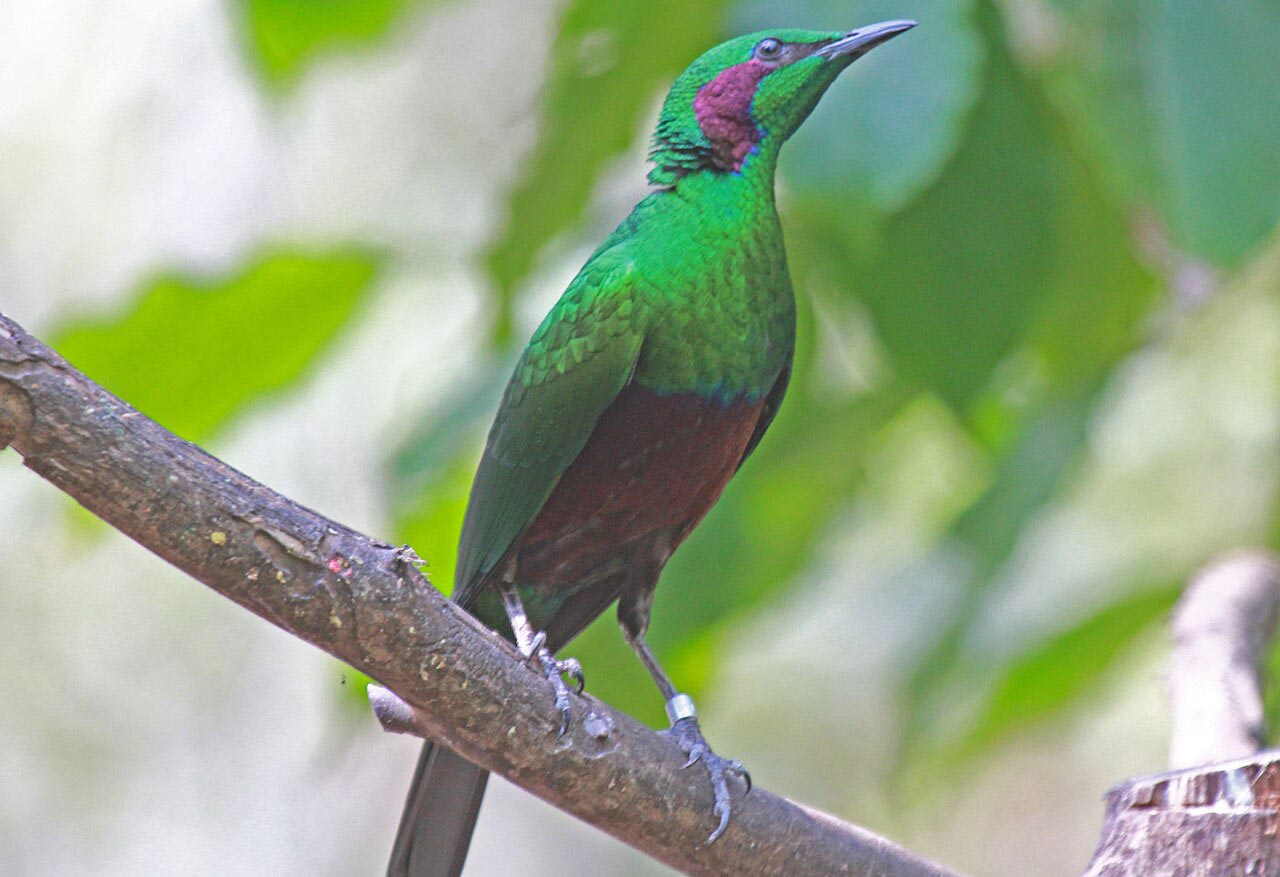
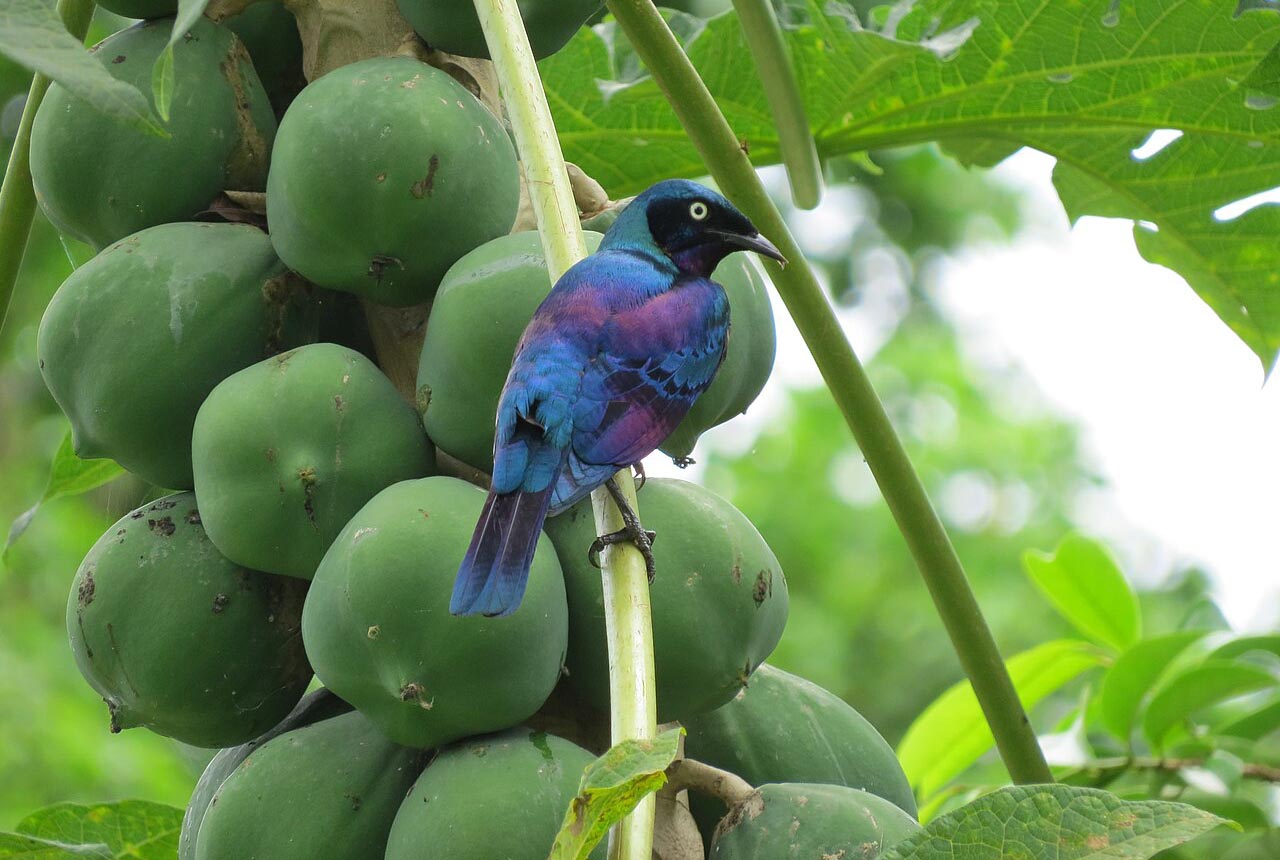
The Violet-backed Starling is found across mush of sub-Saharan Africa. IUCN Red List Status: Least Concern
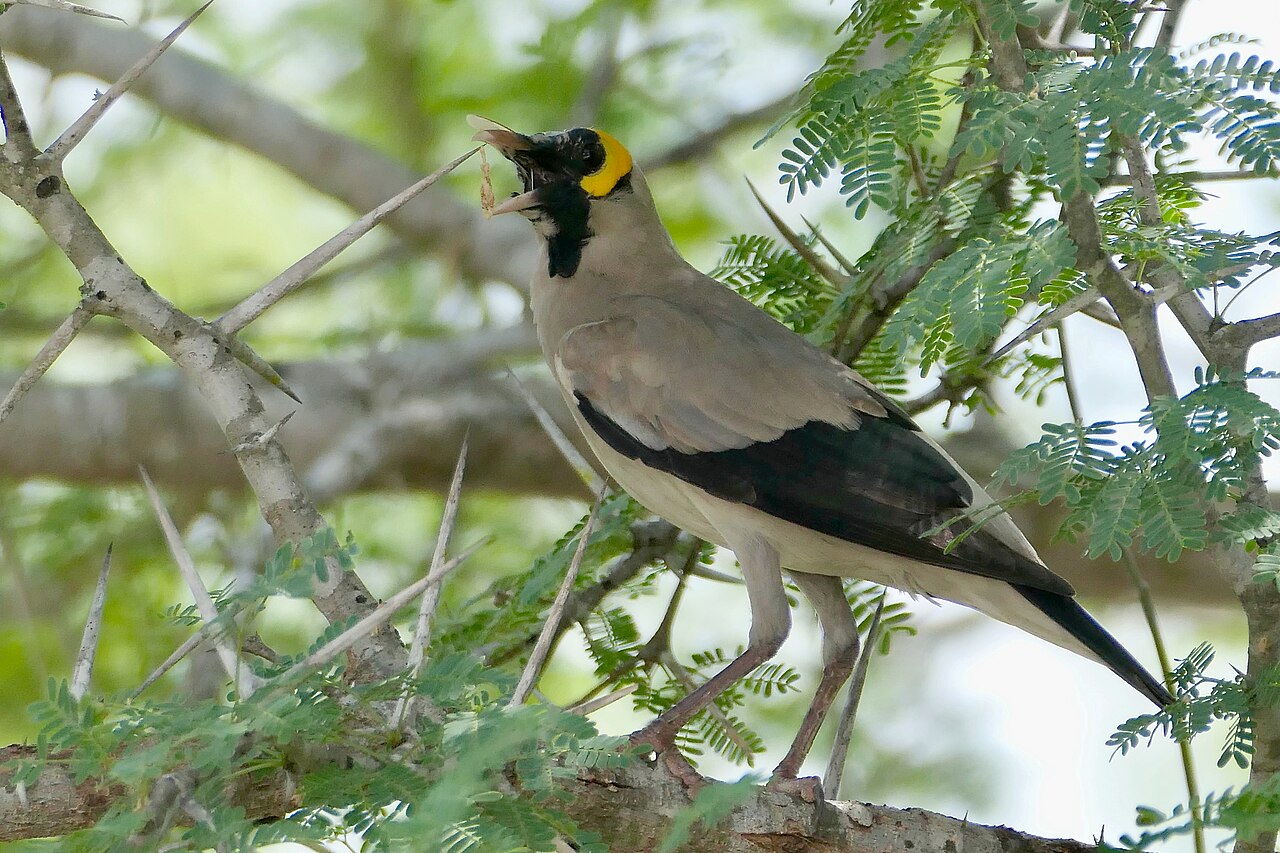
Wattled Starling (Creatophora cinerea)
The Wattled Starling is found in western and southern Africa. IUCN Red List Status: Least Concern
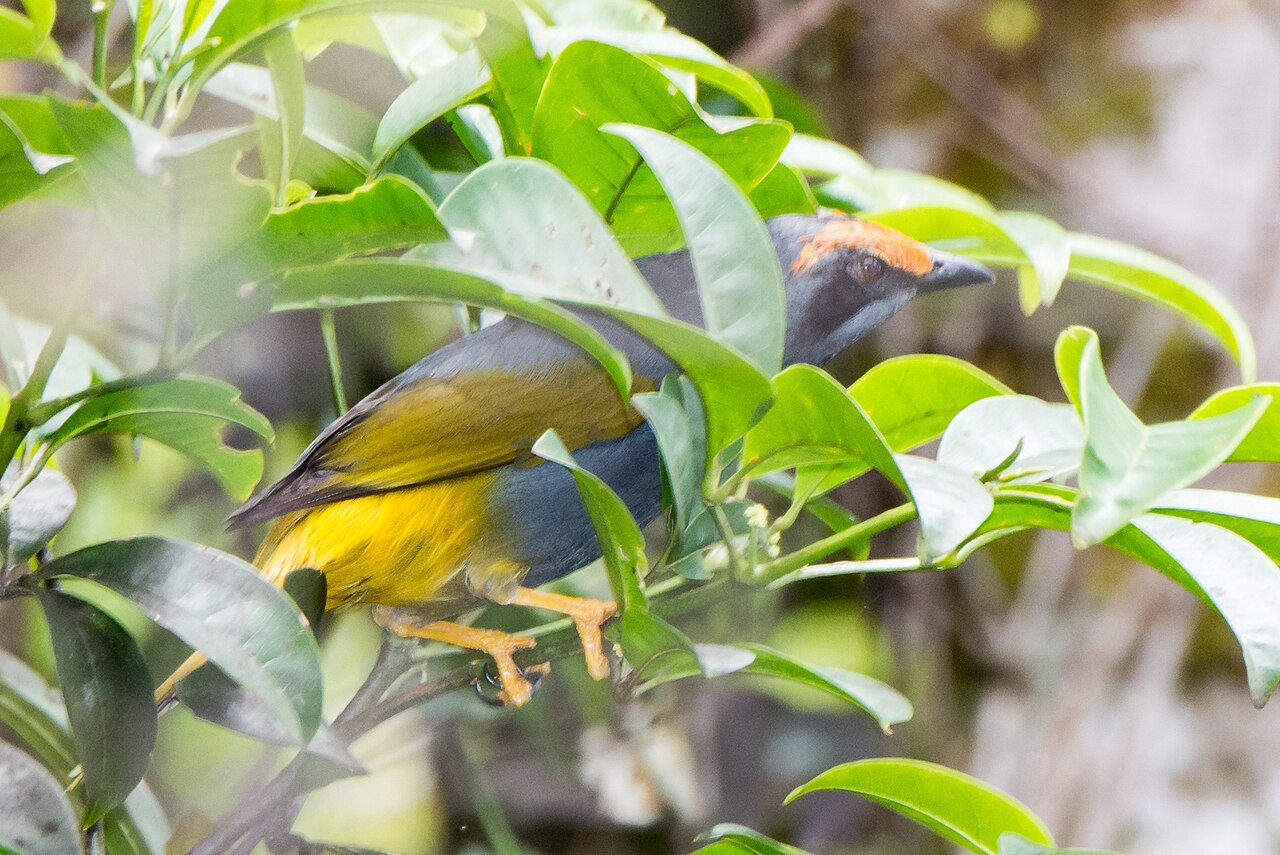
Fiery-browed Starling (Enodes erythrophris)
The Fiery-browed Starling is found in Indonesia. IUCN Red List Status: Least Concern
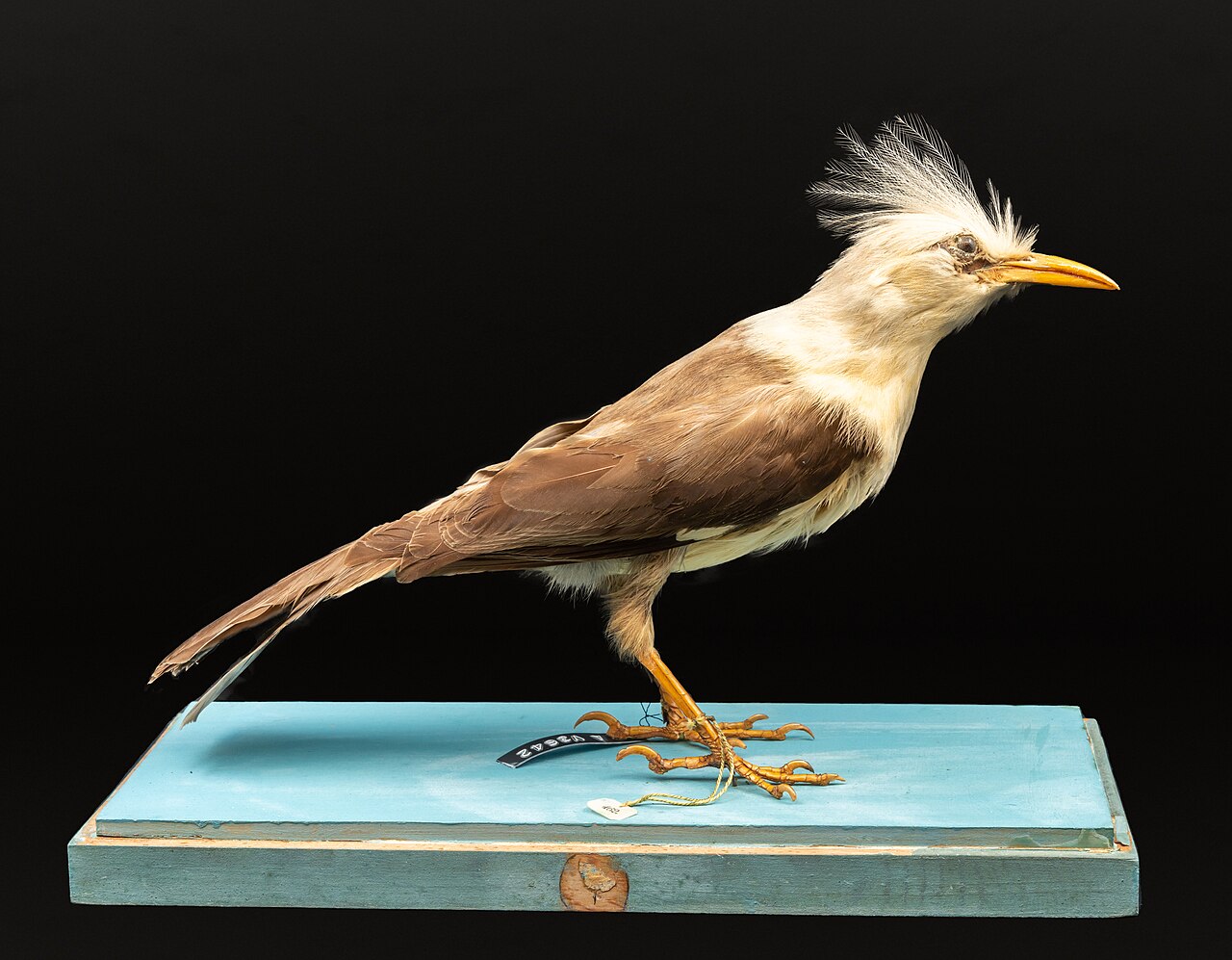
Reunion Starling (Fregilupus varius)
The Reunion Starling, also known as the Hoopoe Starling, was once found on Réunion Island. It has been extinct since the 1850s. IUCN Redlist Status: Extincta
Apo Myna (Goodfellowia miranda)
The Apo Myna is found ion just four mountains, Apo, Kitanglad, Mangabon and Balatukan, on Mindanao Island in the Philippines. IUCN Redlist: Near Threatened
Southern Hill Myna (Gracula indica)
The Southern Hill Myna is found in India and Sri Lanka. IUCN Redlist: Least Concern
Sri Lanka Hill Myna (Gracula ptilogenys)
The Sri Lanka Hill Myna is found in Sri Lanka. IUCN Redlist: Near Threatened
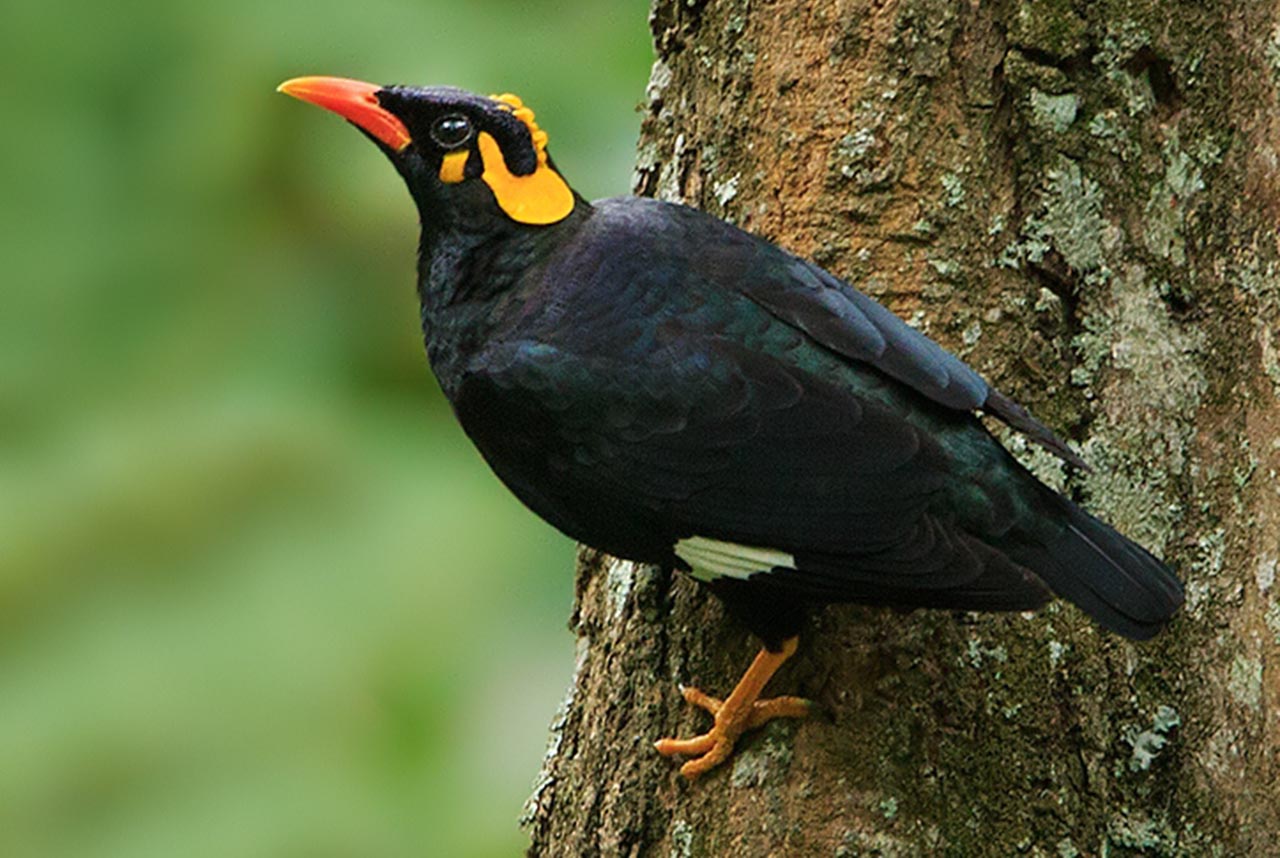
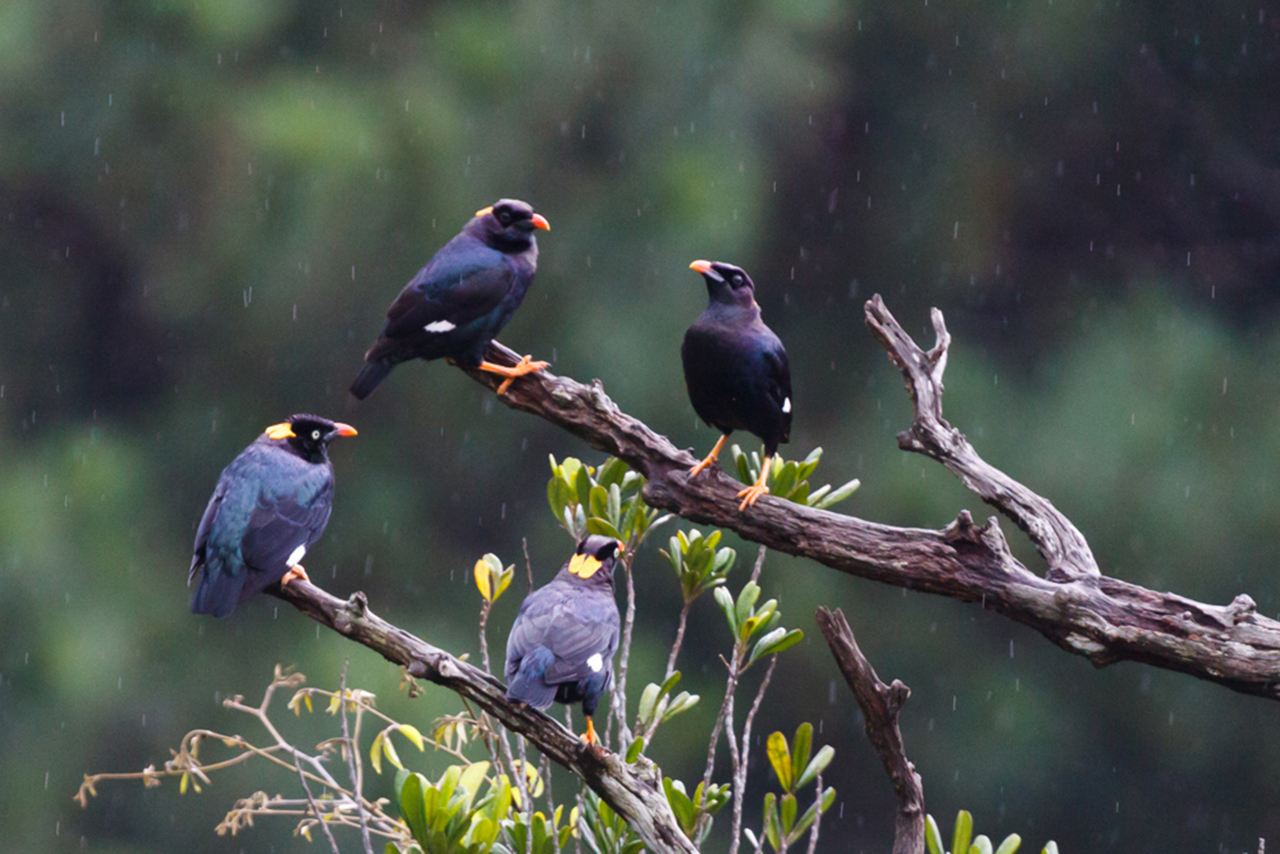
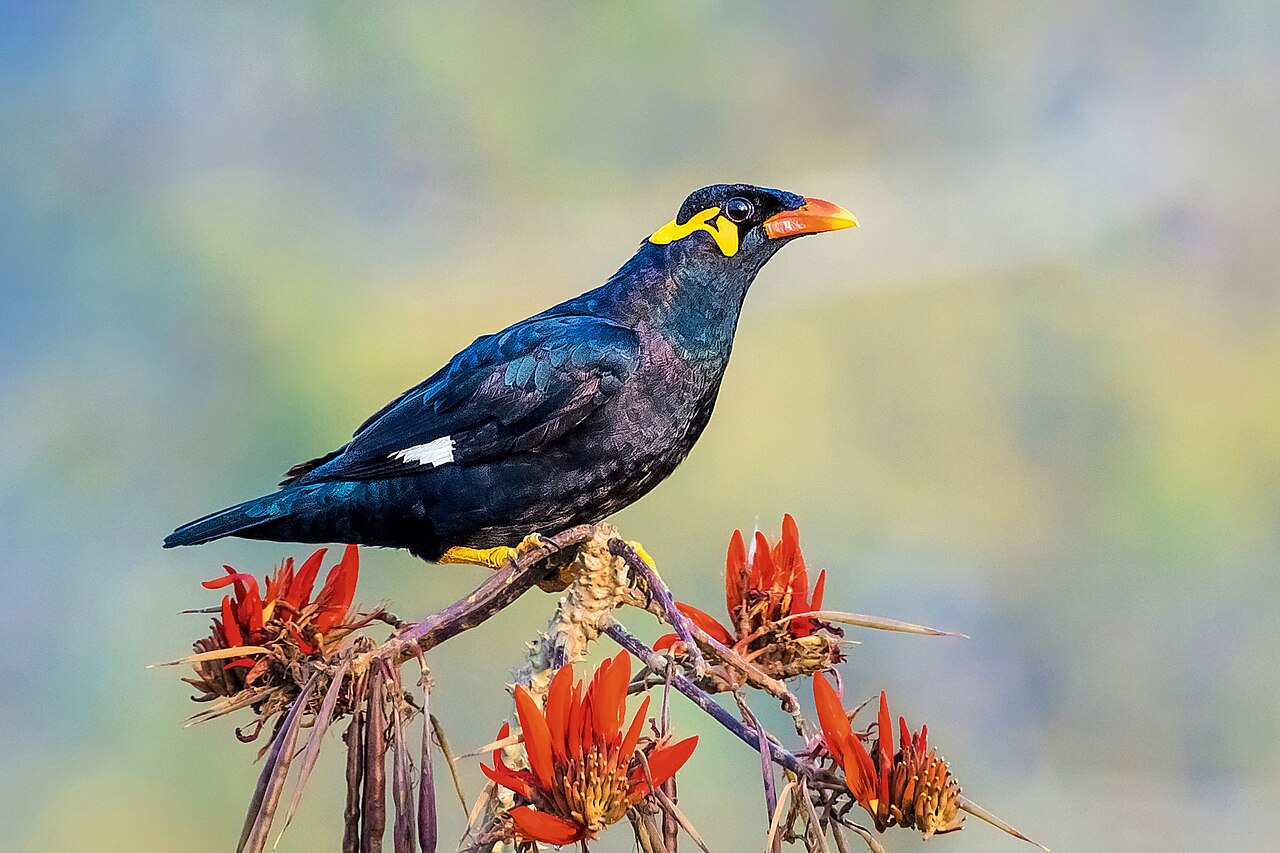
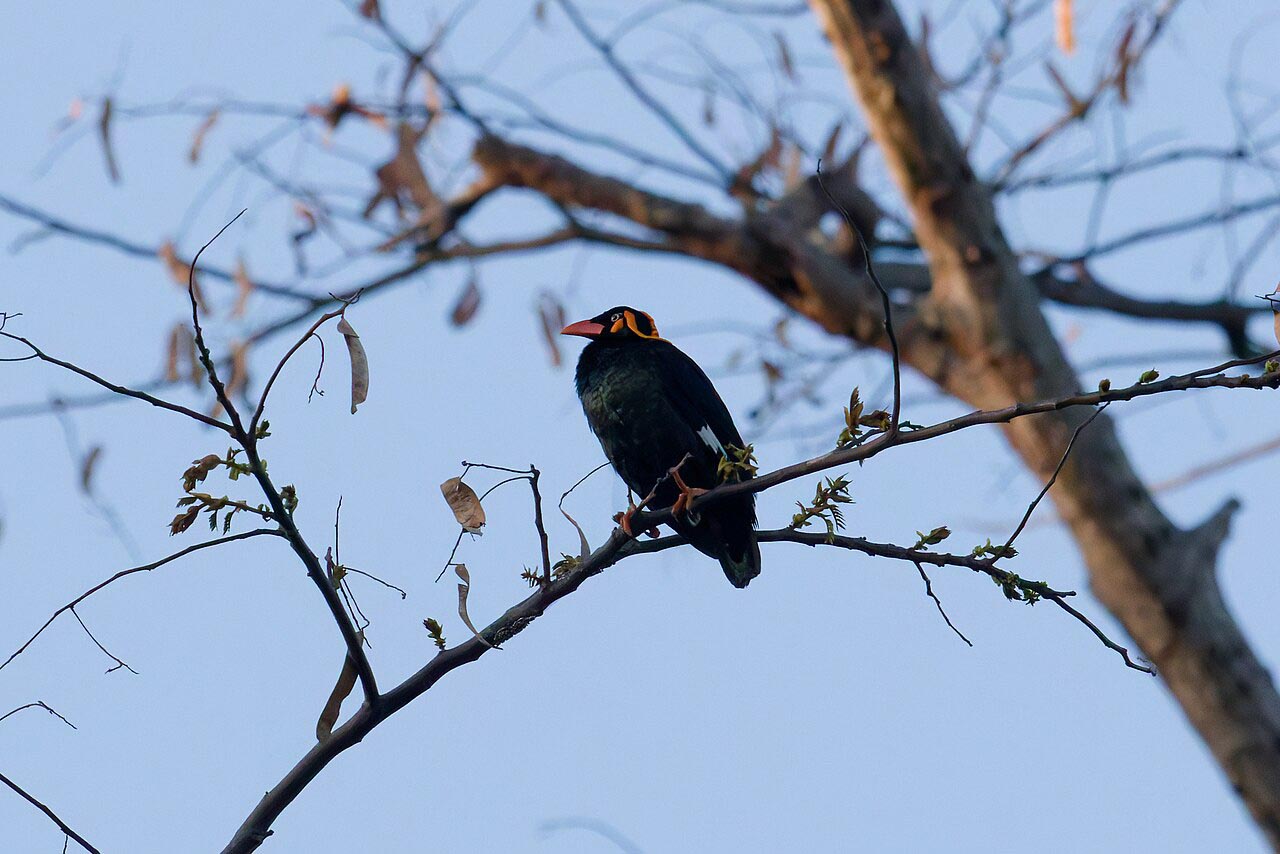
Common Hill Myna (Gracula religiosa)
The Common Hill Myna is found in Bhutan, Brunei Darussalam, Cambodia, China, India, Indonesia, Laos, Malaysia, Myanmar, Nepal, the Philippines, Singapore, Thailand, and Viet Nam. IUCN Redlist Status: Least Concern
Tenggara Hill Myna (Gracula venerata)
The Tenggara Hill Myna is found in the Lesser Sundas in Indonesia. IUCN Redlist Status: Endangered
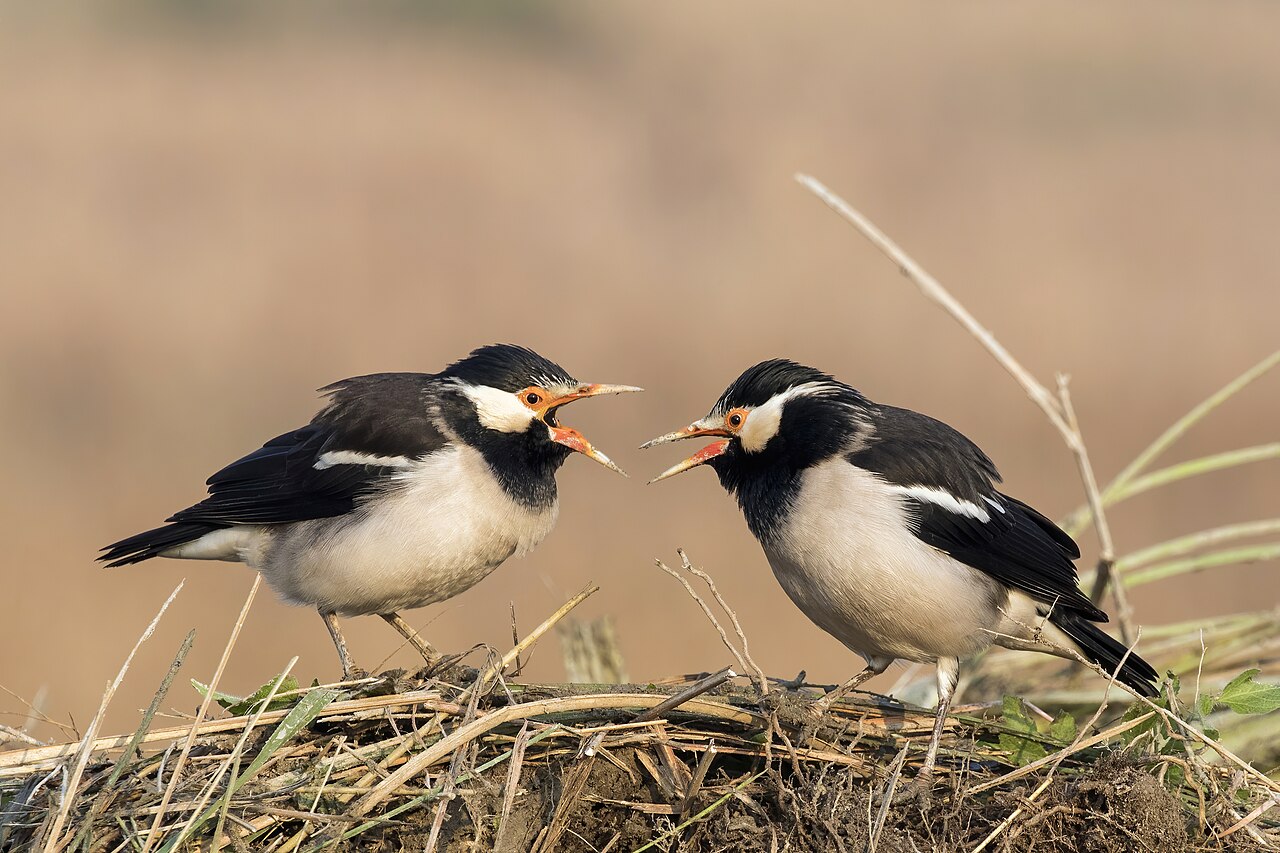
Indian Pied Starling (Gracupica contra)
The Indian Pied Starling is found in Bhutan, India, Myanmar, Nepal, and Pakistan. IUCN Redlist Status: Least Concern
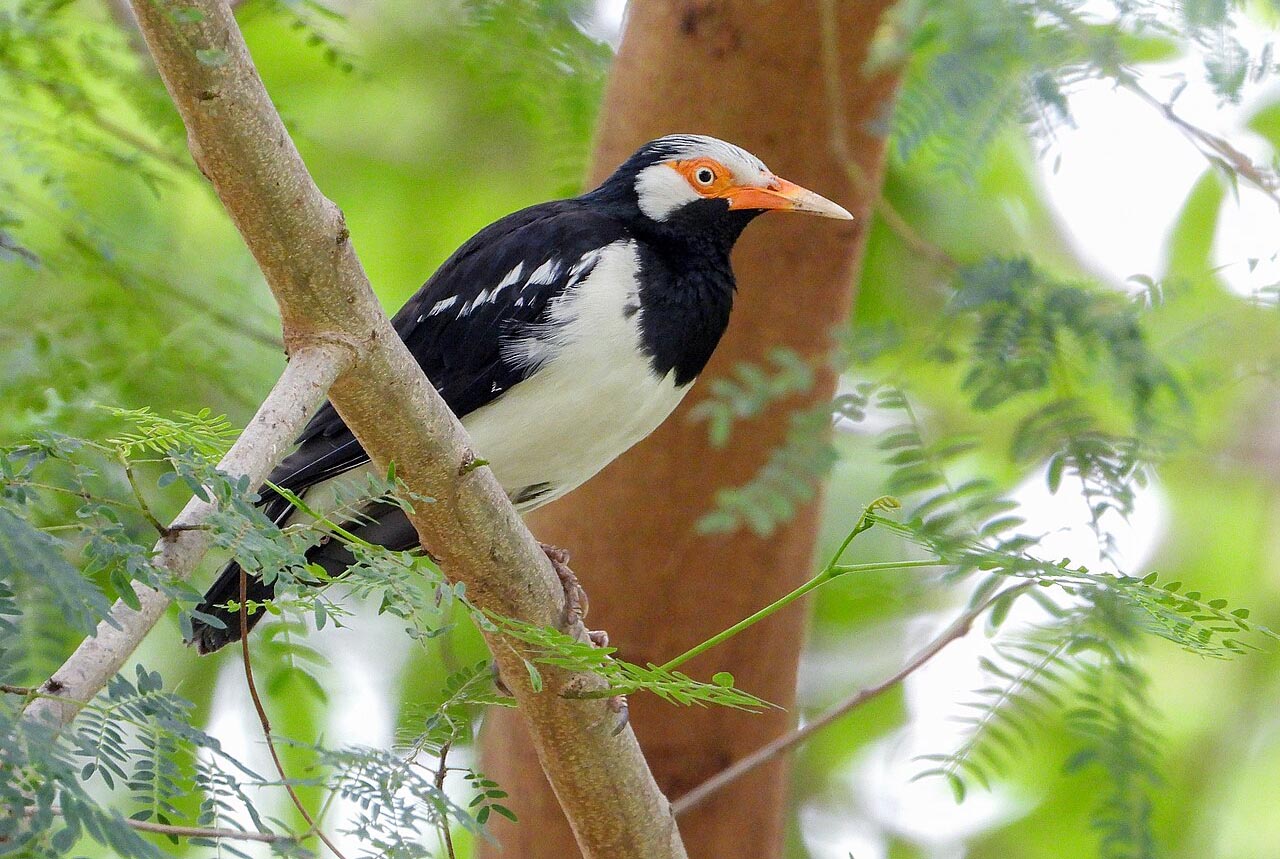
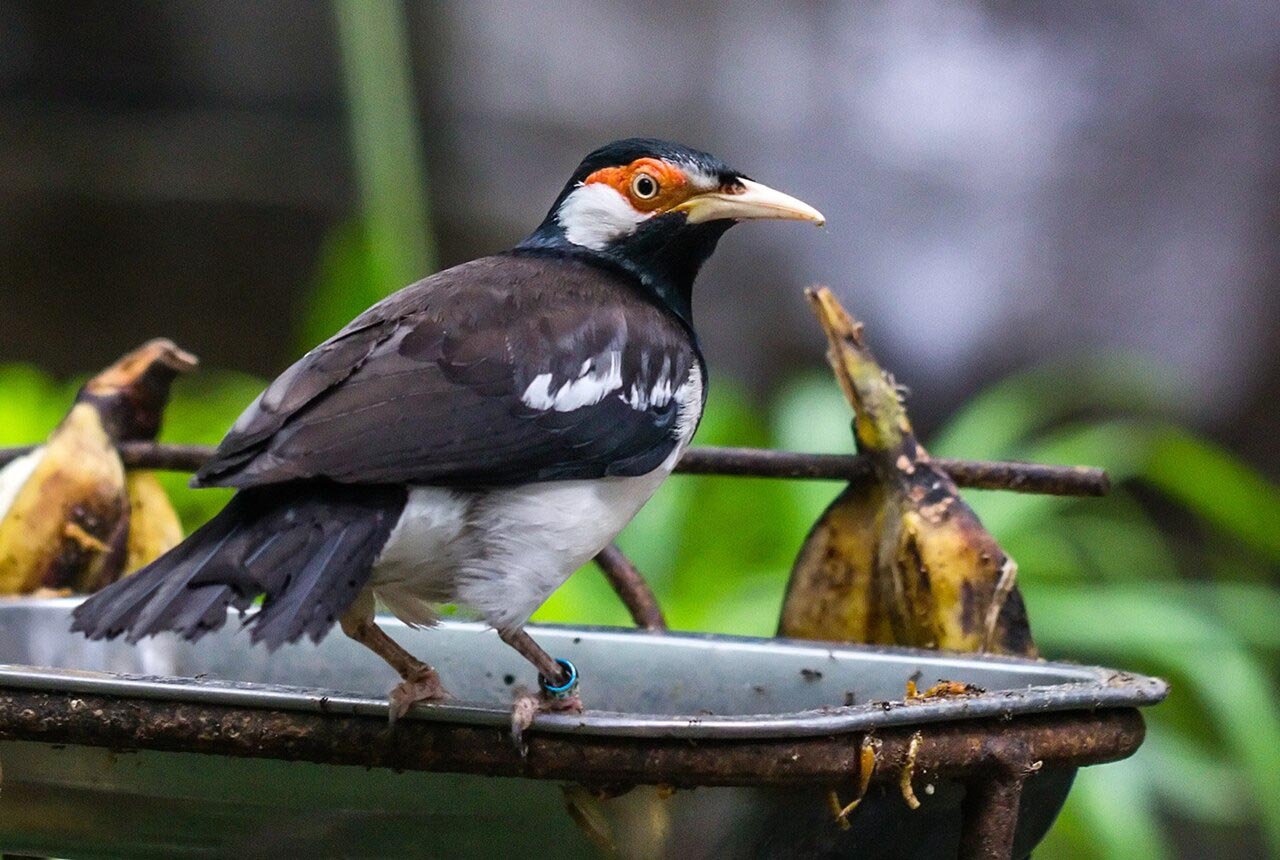
Thai Pied Starling (Gracupica floweri)
The Thai Pied Starling is found in Cambodia, China, Laos, Malaysia, and Thailand. IUCN Redlist Status: Least Concern
Javan Pied Starling (Gracupica jalla)
The Javan Pied Starling is found only on Java, Bali, Madura and Sapudi Islands in Indonesia. IUCN Redlist Status: Critically Endangered
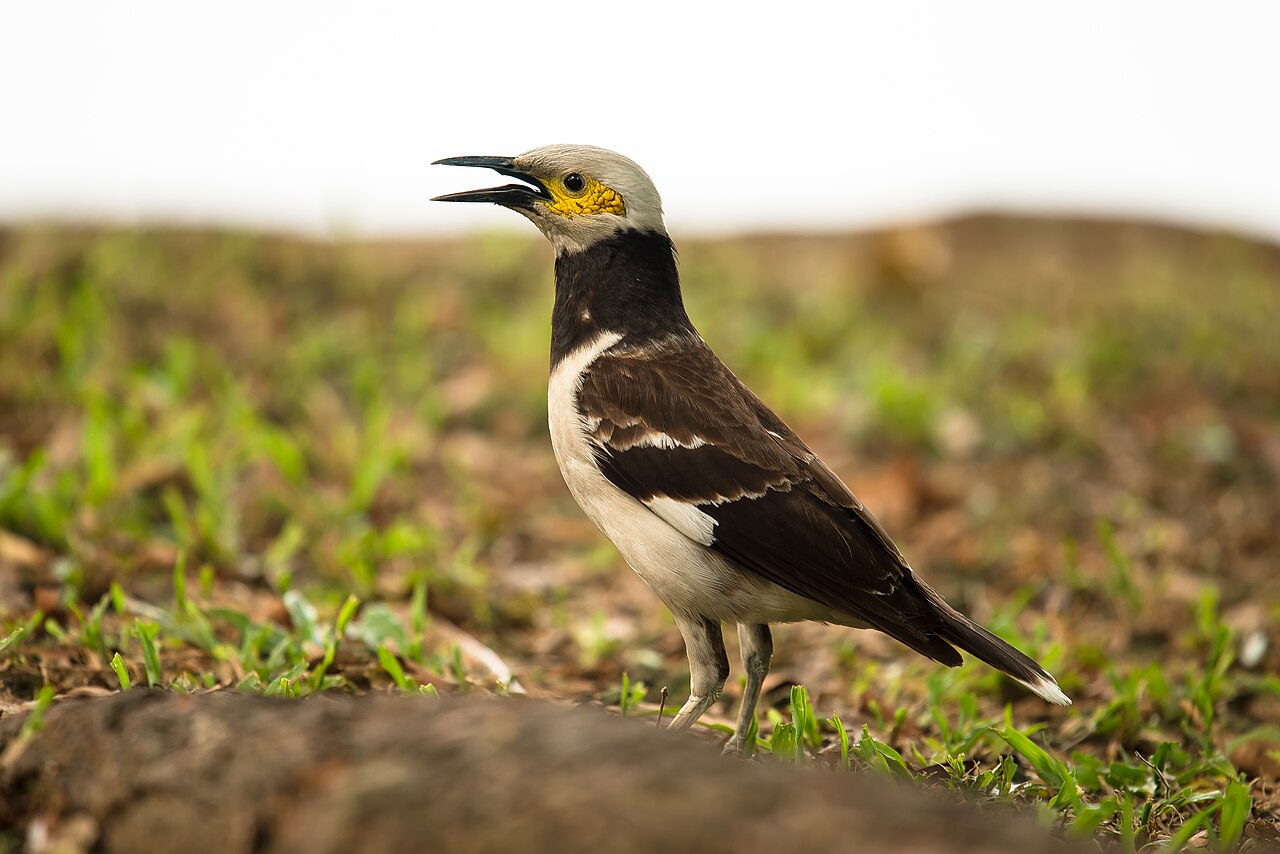
Black-collared Starling (Gracupica nigricollis)
The Black-collared Starling is found in Cambodia, China, Laos, Myanmar, Thailand, and Viet Nam. IUCN Redlist Status: Least Concern
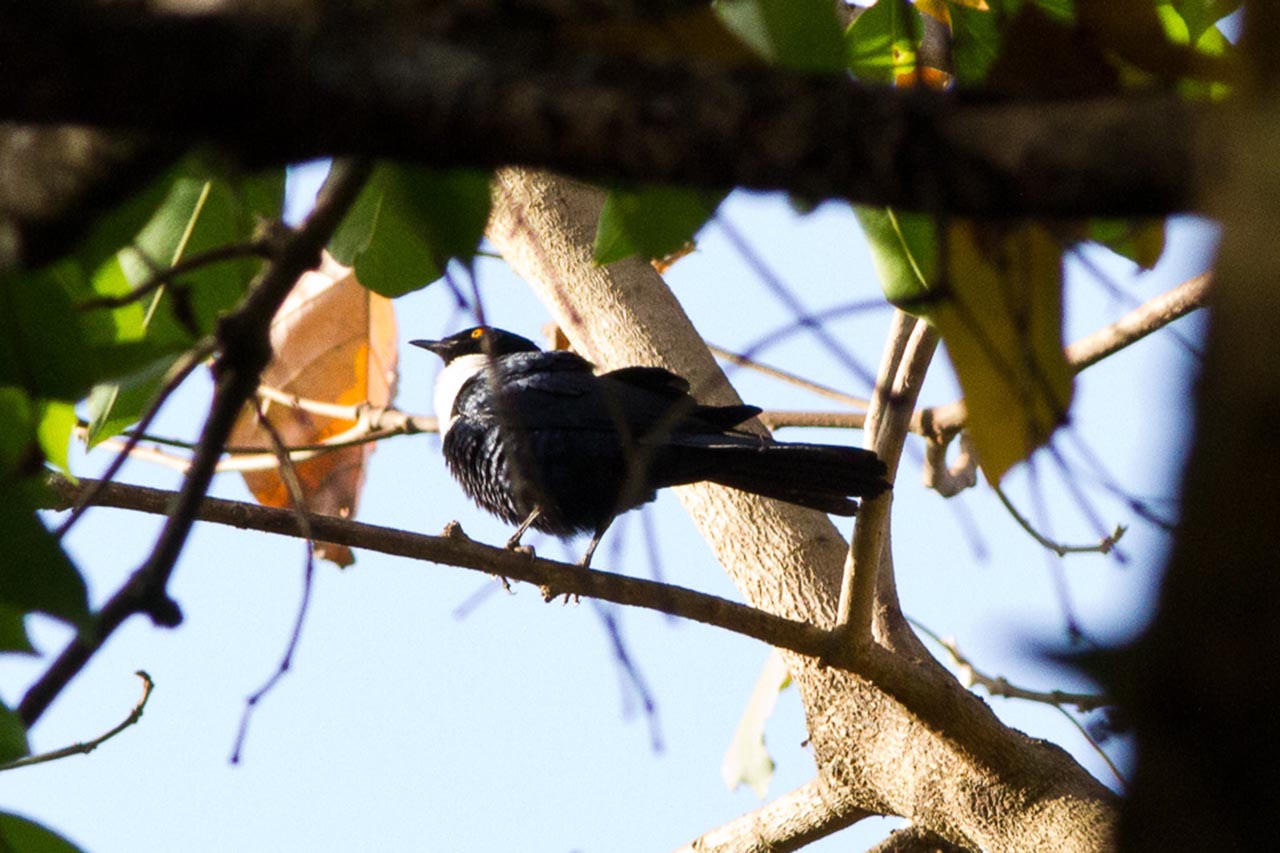
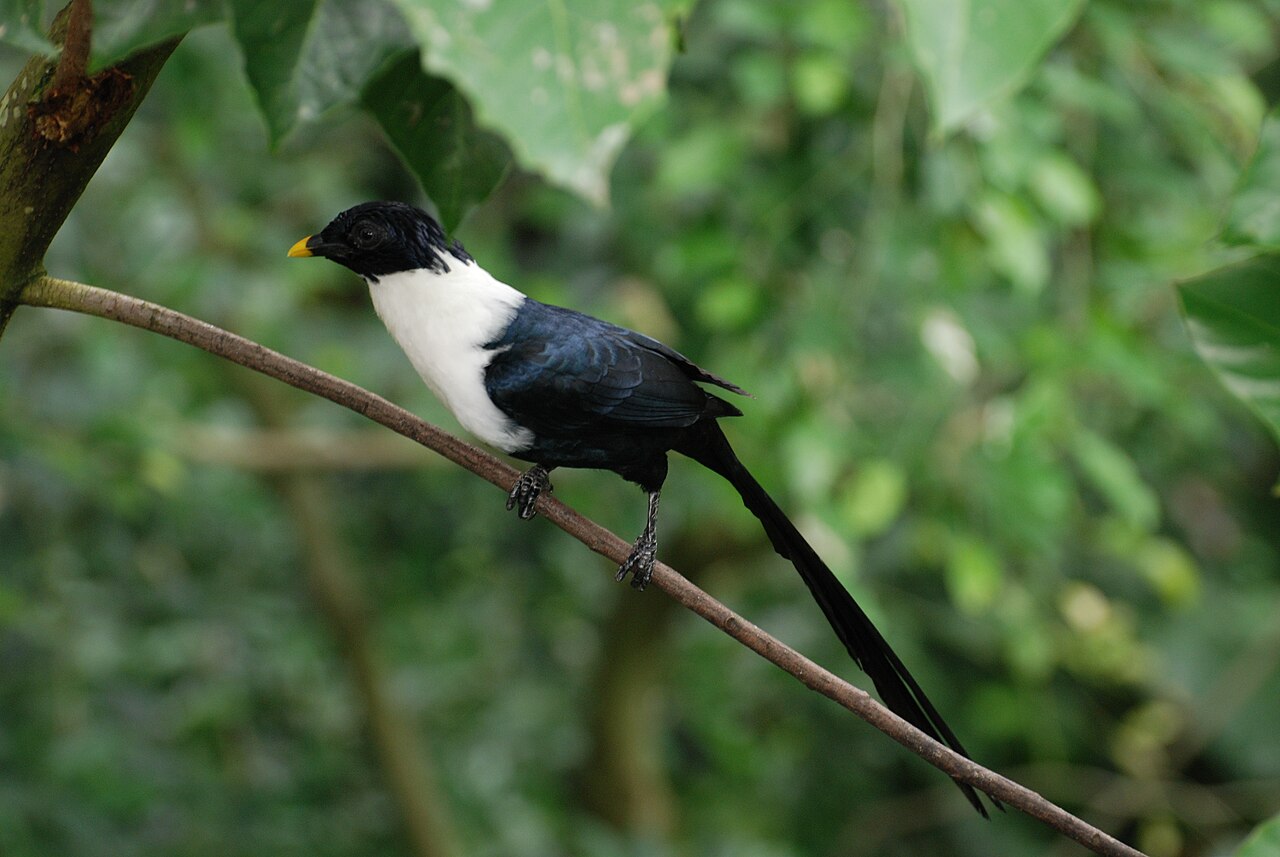
White-collared Starling (Grafisia torquata)
The White-collared Starling is found in Cameroon, Central African Republic, Chad, The Democratic Republic of the Congo, and Gabon. IUCN Redlist Status: Least Concern
Madagascar Starling (Hartlaubius auratus)
The Madagascar Starling is found in Madagascar. IUCN Redlist Status: Least Concern
Copper-tailed Starling (Hylopsar cupreocauda)
The Copper-tailed Starling is found in Côte d'Ivoire, Ghana, Guinea, Liberia, and Sierra Leone. IUCN Redlist Status: Near Threatened
Purple-headed Starling (Hylopsar purpureiceps)
The Purple-headed Starling is found in Angola, Benin, Cameroon, Central African Republic, Congo, The Democratic Republic of the Congo, Equatorial Guinea, Gabon, Nigeria, and Uganda. IUCN Redlist Status: Least Concern
Sharp-tailed Starling (Lamprotornis acuticaudus)
Angola, Botswana, The Democratic Republic of the Congo, Namibia, Tanzania, and Zambia. IUCN Redlist Status: Least Concern
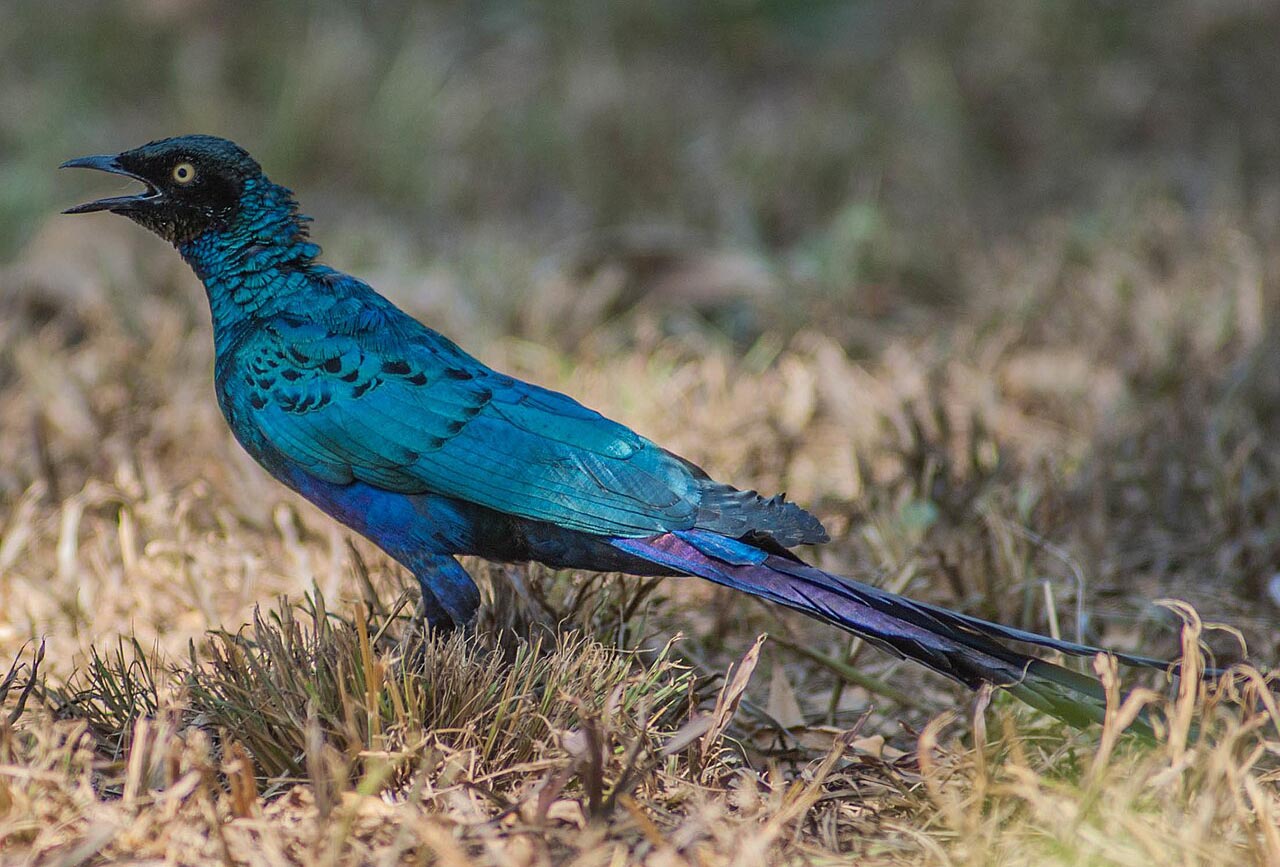
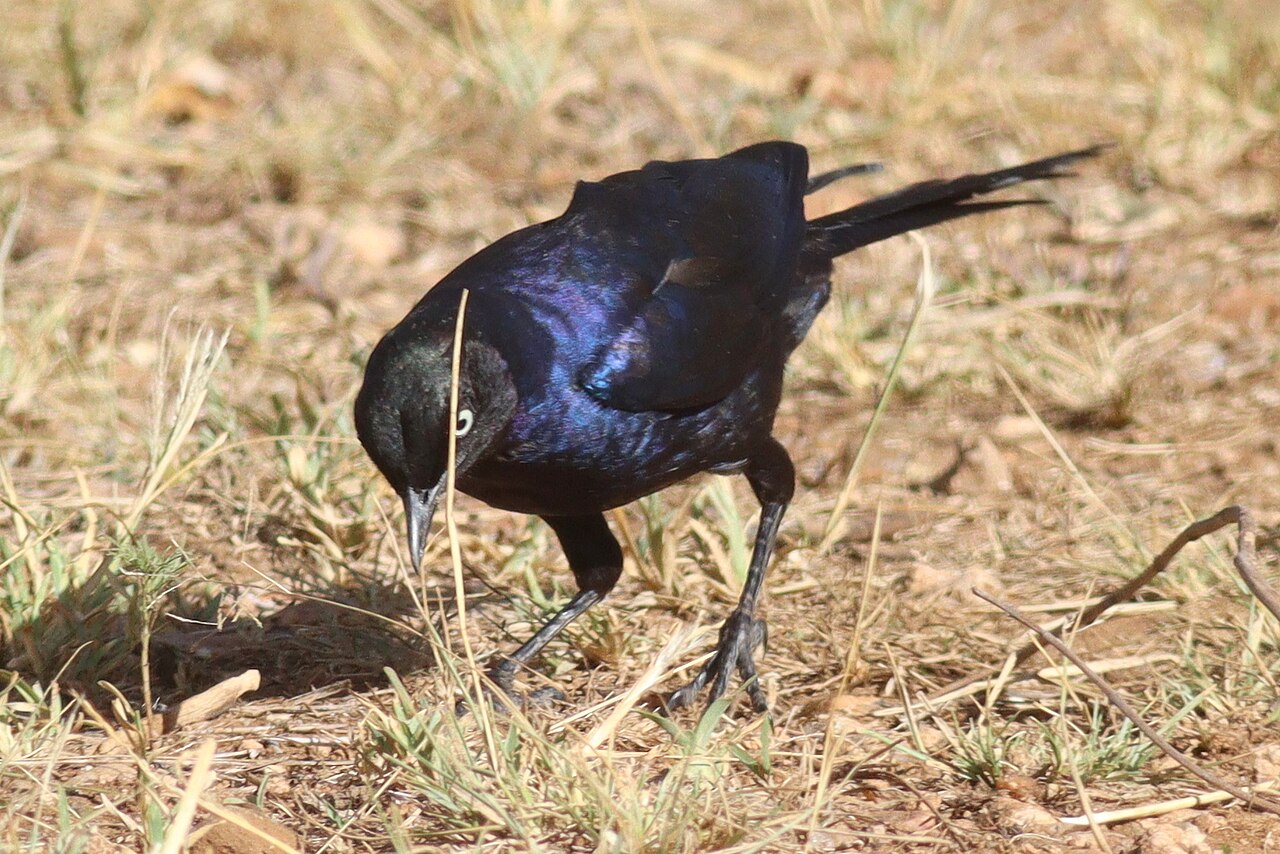
The Long-tailed Glossy Starling is found in Benin, Burkina Faso, Cameroon, Central African Republic, Chad, Côte d'Ivoire, Gambia, Ghana, Guinea, Guinea-Bissau, Liberia, Mali, Mauritania, Niger, Nigeria, Senegal, South Sudan, Sudan, Sudan, and Togo. IUCN Redlist Status: Least Concern
Bronze-tailed Starling (Lamprotornis chalcurus)
The Bronze-tailed Starling is found in Benin, Burkina Faso, Cameroon, Central African Republic, Chad, The Democratic Republic of the Congo, Côte d'Ivoire, Gambia, Ghana, Guinea, Guinea-Bissau, Kenya, Mali, Niger, Nigeria, Senegal, Sudan, South Sudan, Togo, and Uganda. IUCN Redlist Status: Least Concern
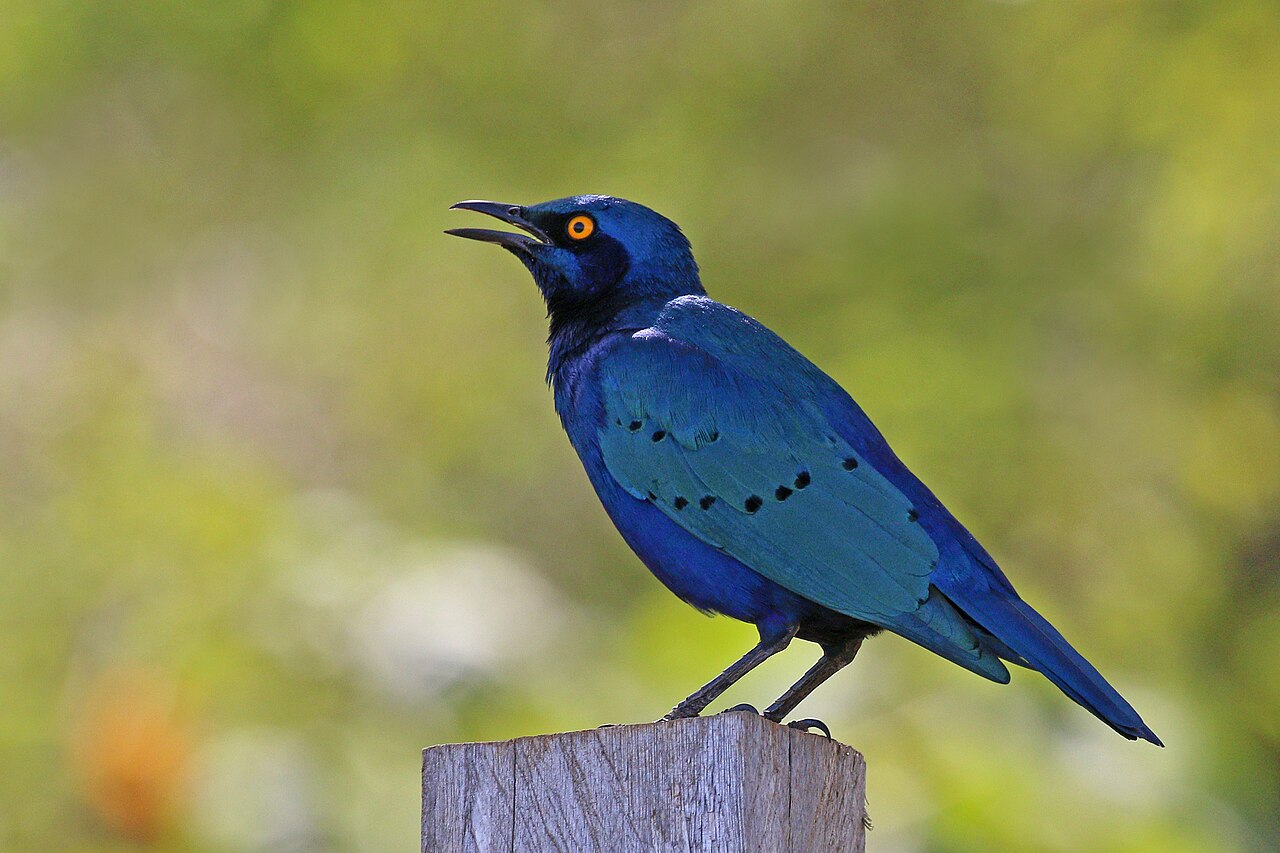
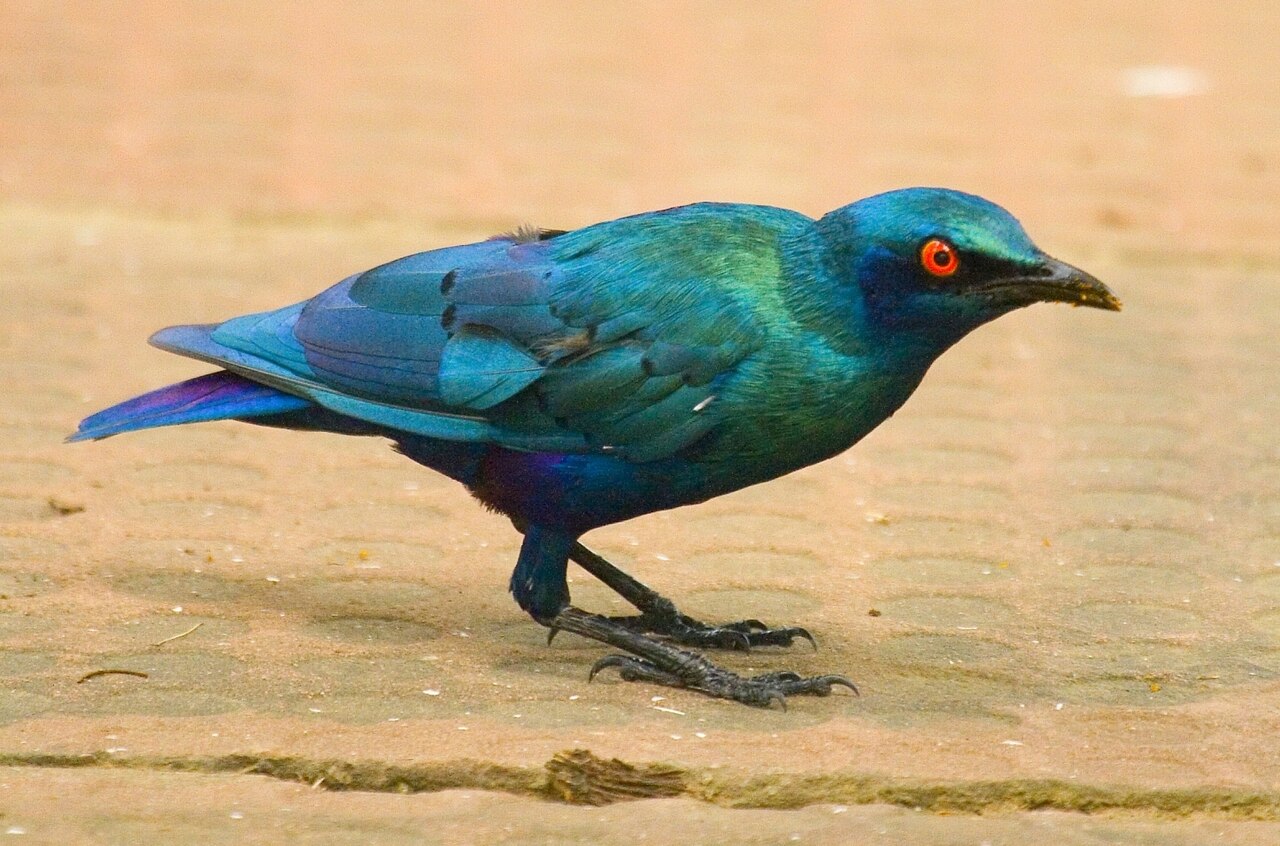
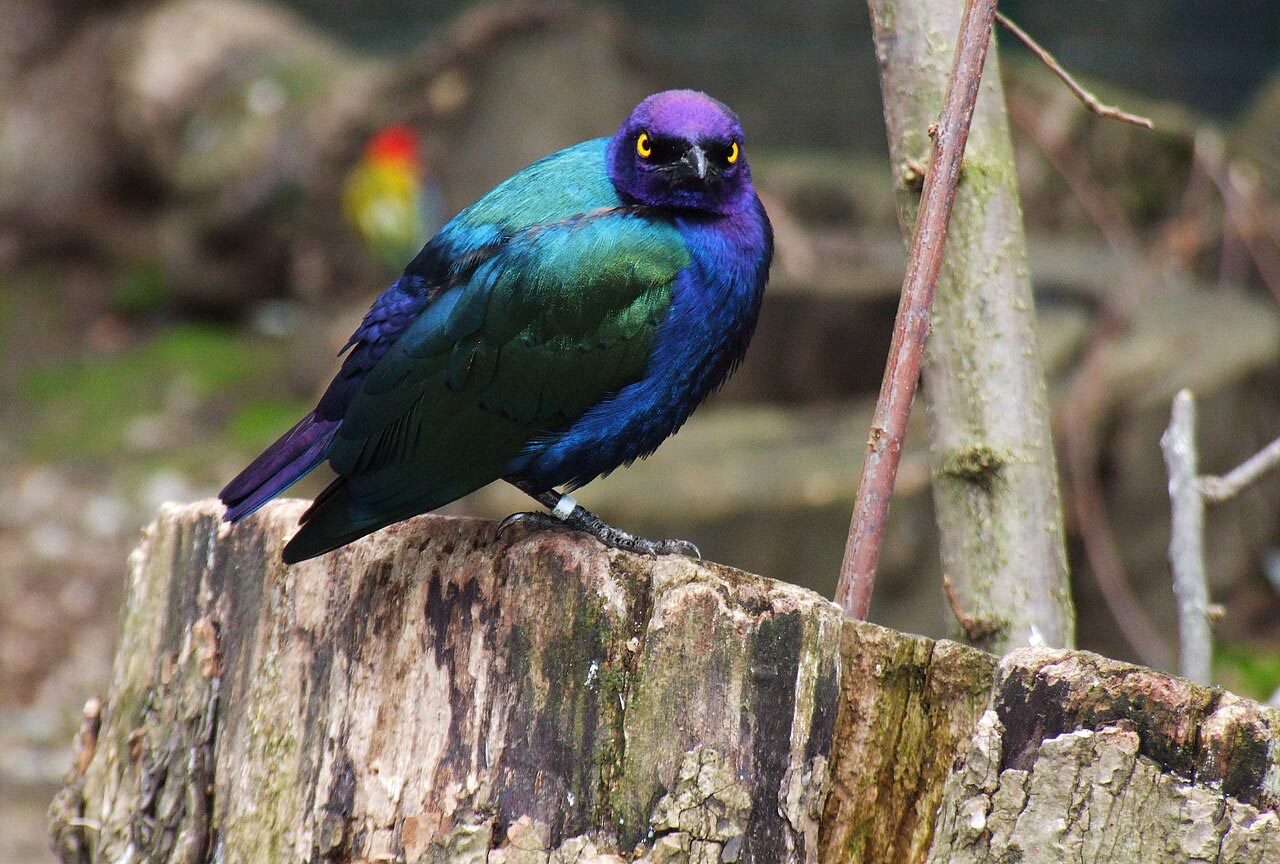
The Greater Blue-eared Starling is found in sub-Saharan Africa, from West Africa east to the Horn of Africa and south to southern Africa. IUCN Redlist Status: Least Concern
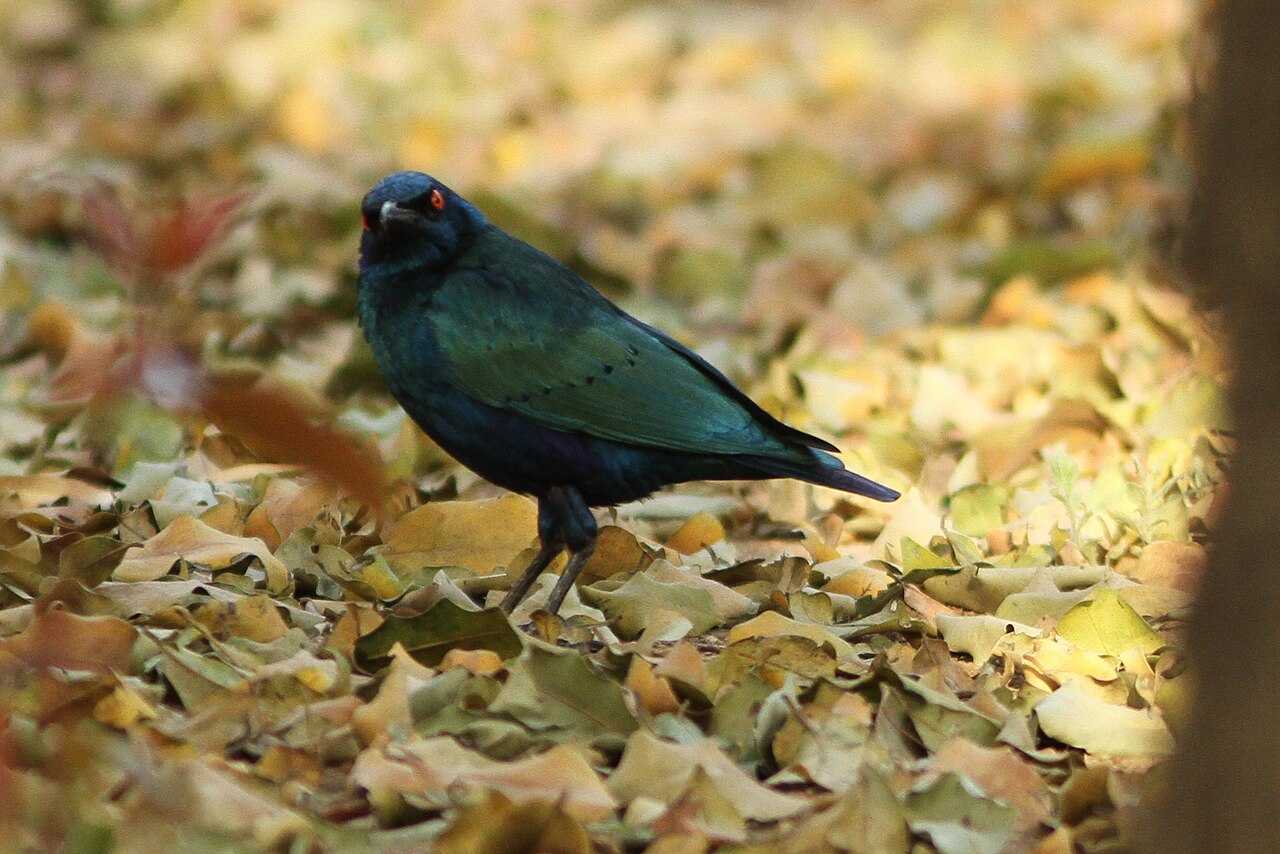
The Lesser Blue-eared Starling is found in sub-Saharan Africa, from West Africa east to the Horn of Africa and south to Zimbabwe and northern Botswana. IUCN Redlist Status: Least Concern
Fischer's Starling (Lamprotornis fischeri)
Fischer's Starling is found in Ethiopia, Kenya, Somalia, and Tanzania. IUCN Redlist Status: Least Concern
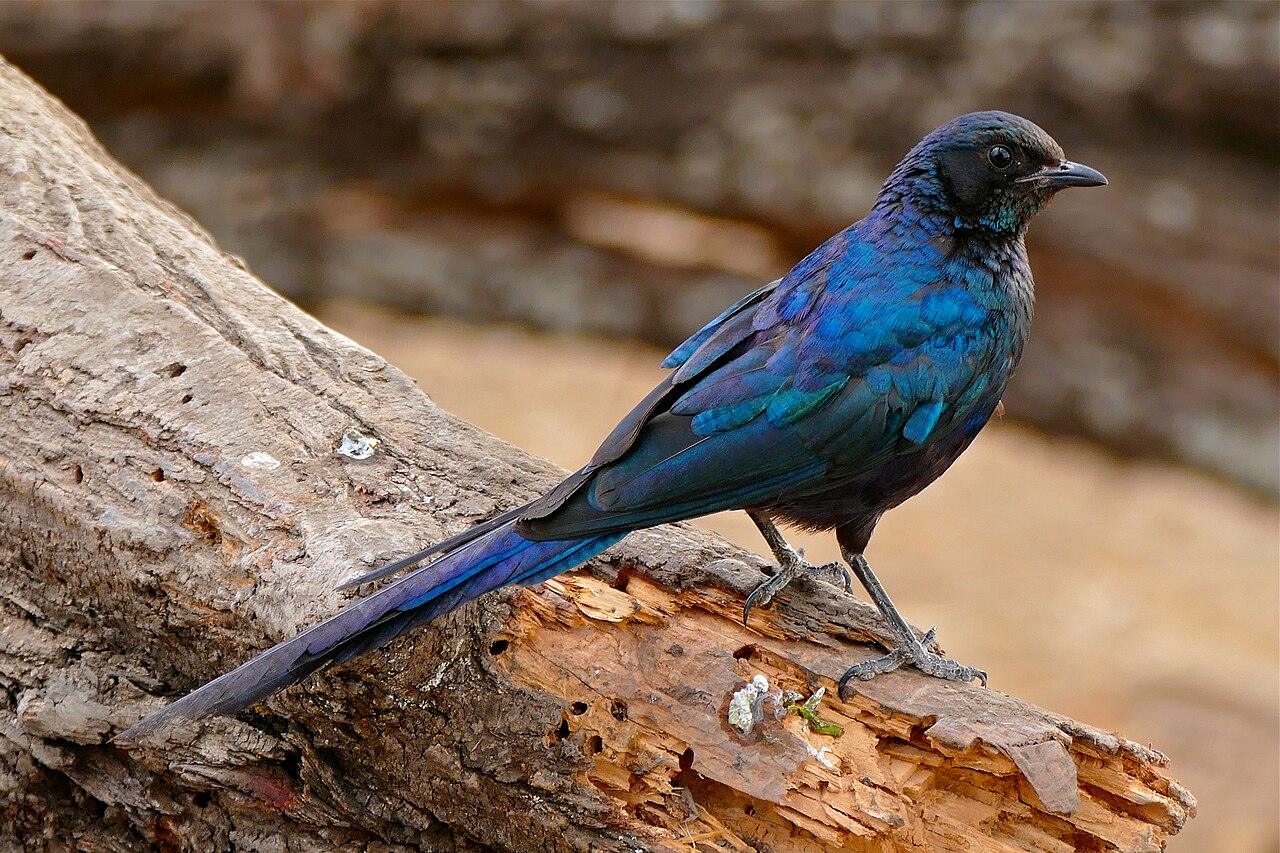
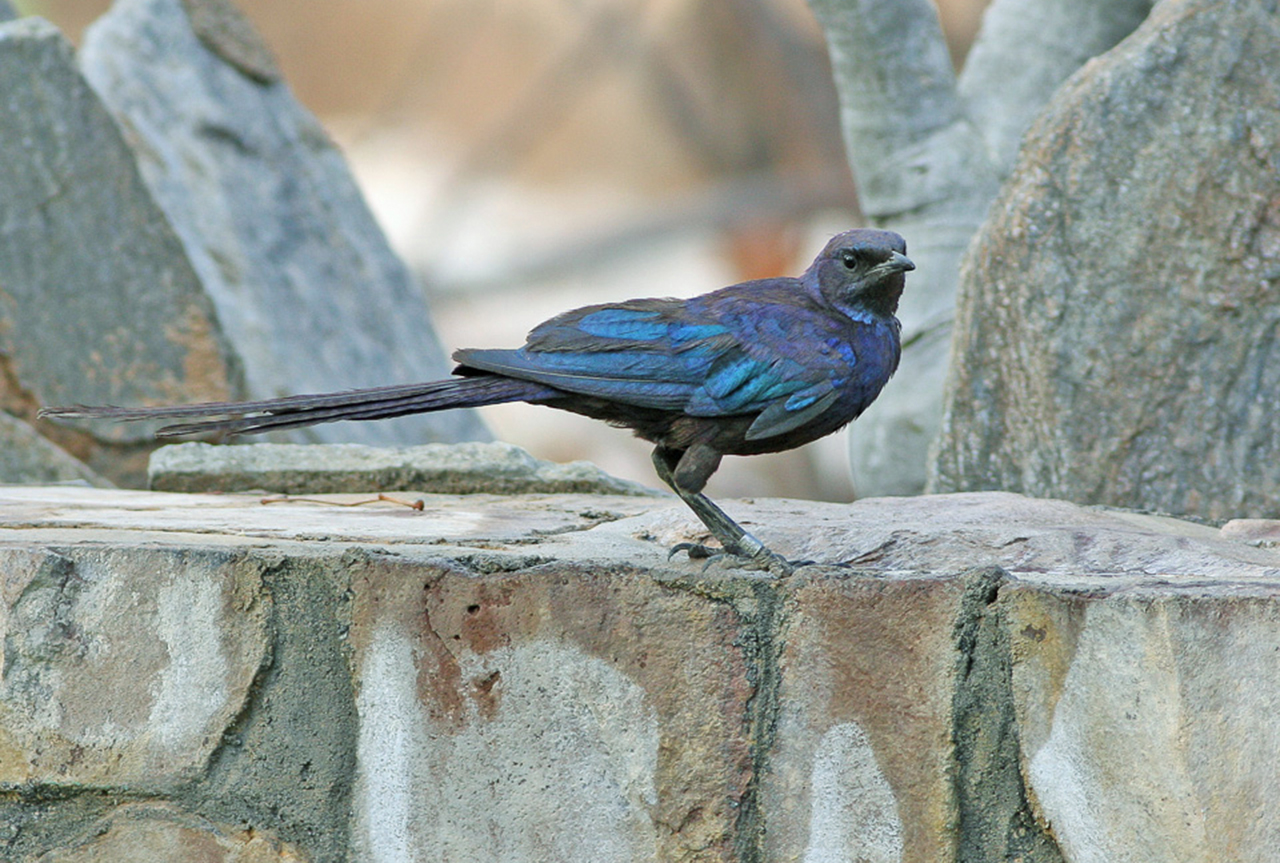
Meves's Long-tailed Starling is found in Angola, Botswana, Malawi, Mozambique, Namibia, South Africa, Zambia, and Zimbabwe. IUCN Redlist Status: Least Concern
Cape Starling (Lamprotornis nitens)
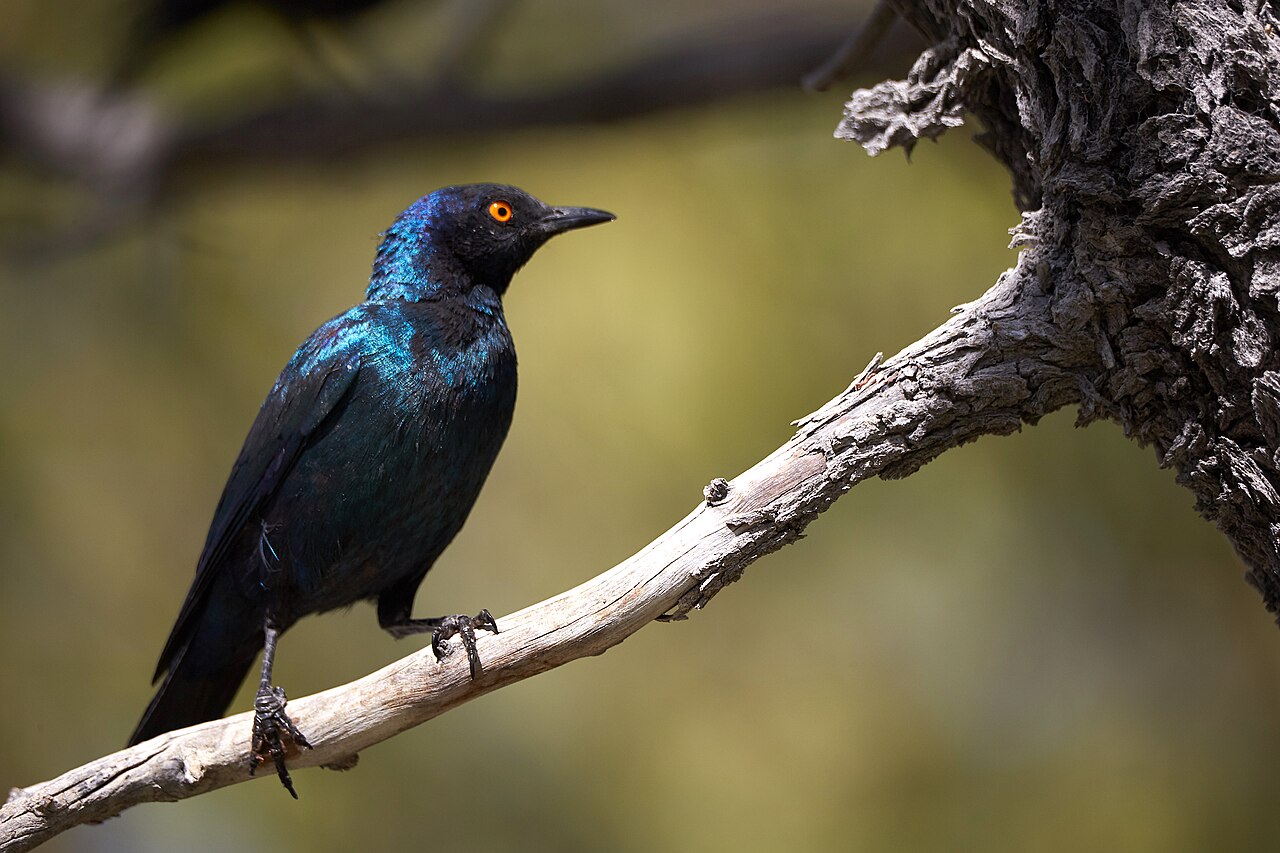
The Cape Starling is found in Angola, Botswana, Eswatini, Gabon, Lesotho, Mozambique, Namibia, South Africa, Zambia, and Zimbabwe. IUCN Redlist Status: Least Concern
Principe Starling (Lamprotornis ornatus)
The Principe Starling is found in Sao Tome and Principe. IUCN Redlist Status: Least Concern
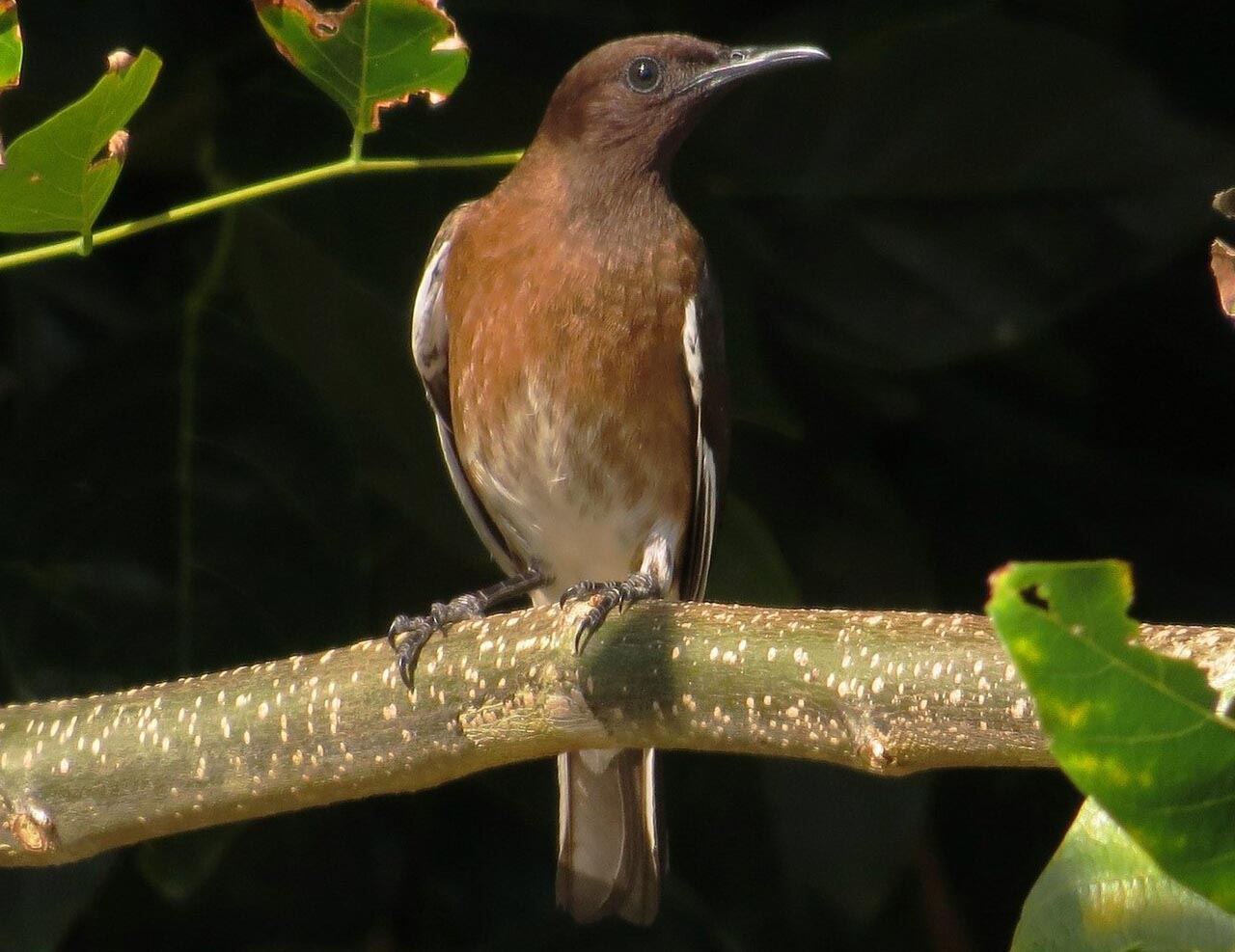
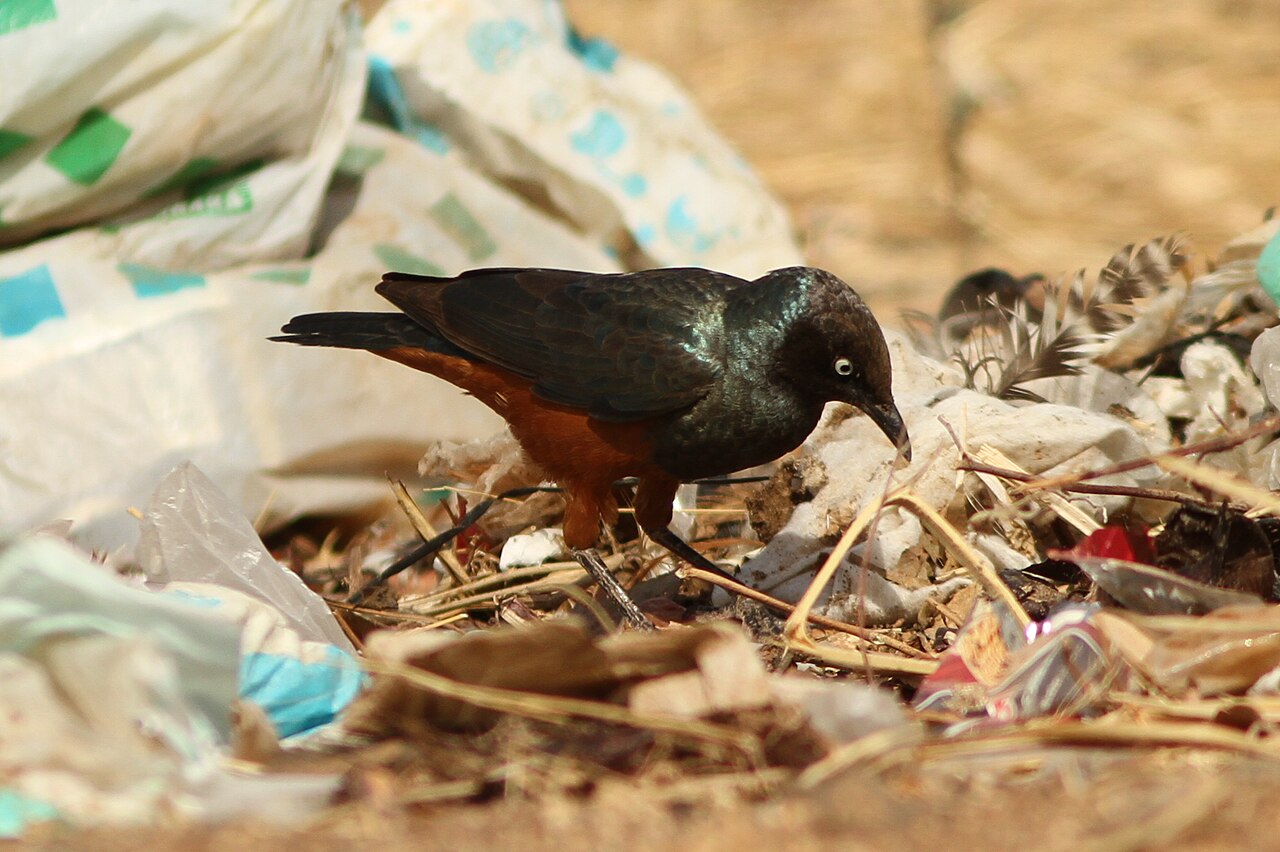
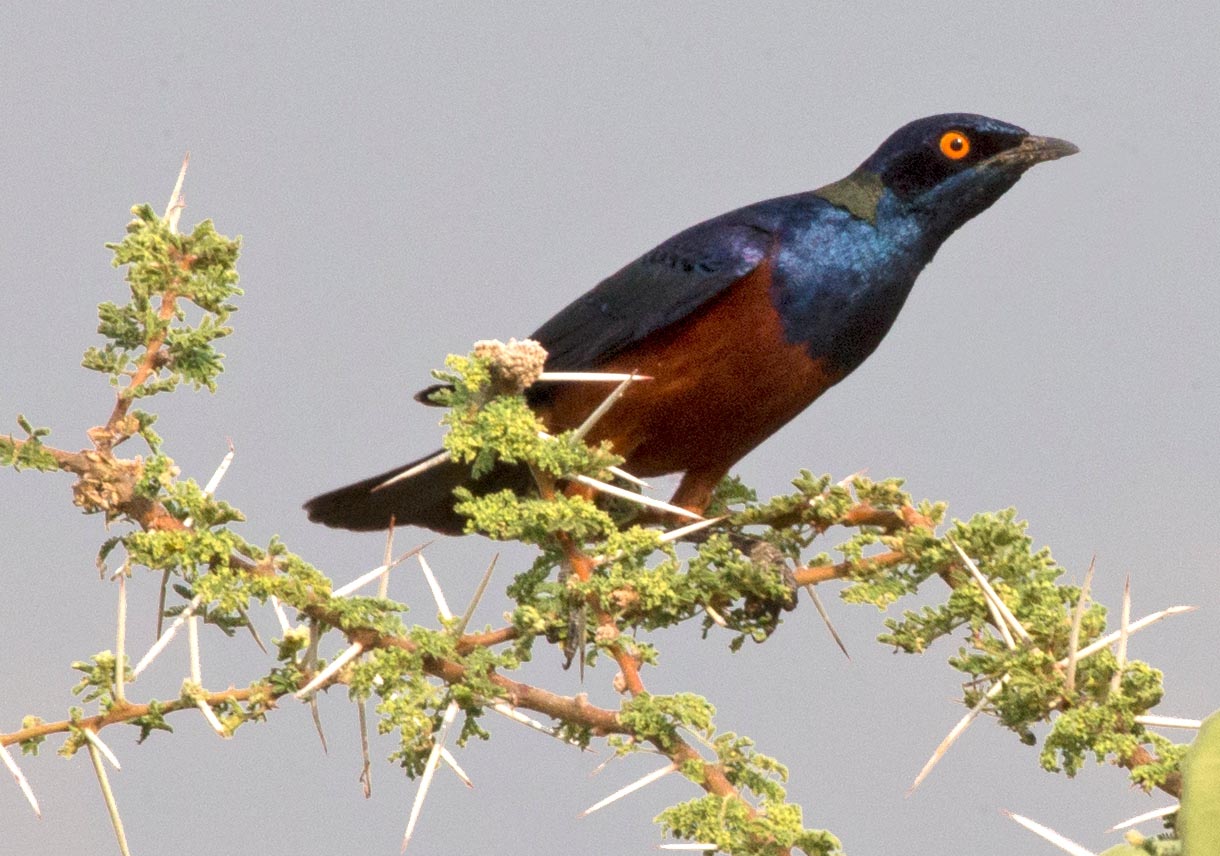
Chestnut-bellied Starling (Lamprotornis pulcher)
The Chestnut-bellied Starling is found in Benin, Burkina Faso, Cameroon, Chad, Eritrea, Ethiopia, Gambia, Ghana, Mali, Mauritania, Niger, Nigeria, Senegal, Sudan, and Togo. IUCN Redlist Status: Least Concern
Purple Starling (Lamprotornis purpureus)
The Purple Starling is found in Benin, Burkina Faso, Cameroon, Central African Republic, Chad, The Democratic Republic of the Congo, Côte d'Ivoire, Gambia, Ghana, Guinea, Guinea-Bissau, Kenya, Mali, Niger, Nigeria, Senegal, South Sudan, Sudan, Sudan, Togo, and Uganda. IUCN Redlist Status: Least Concern
Rüppell's Starling (Lamprotornis purpuroptera)
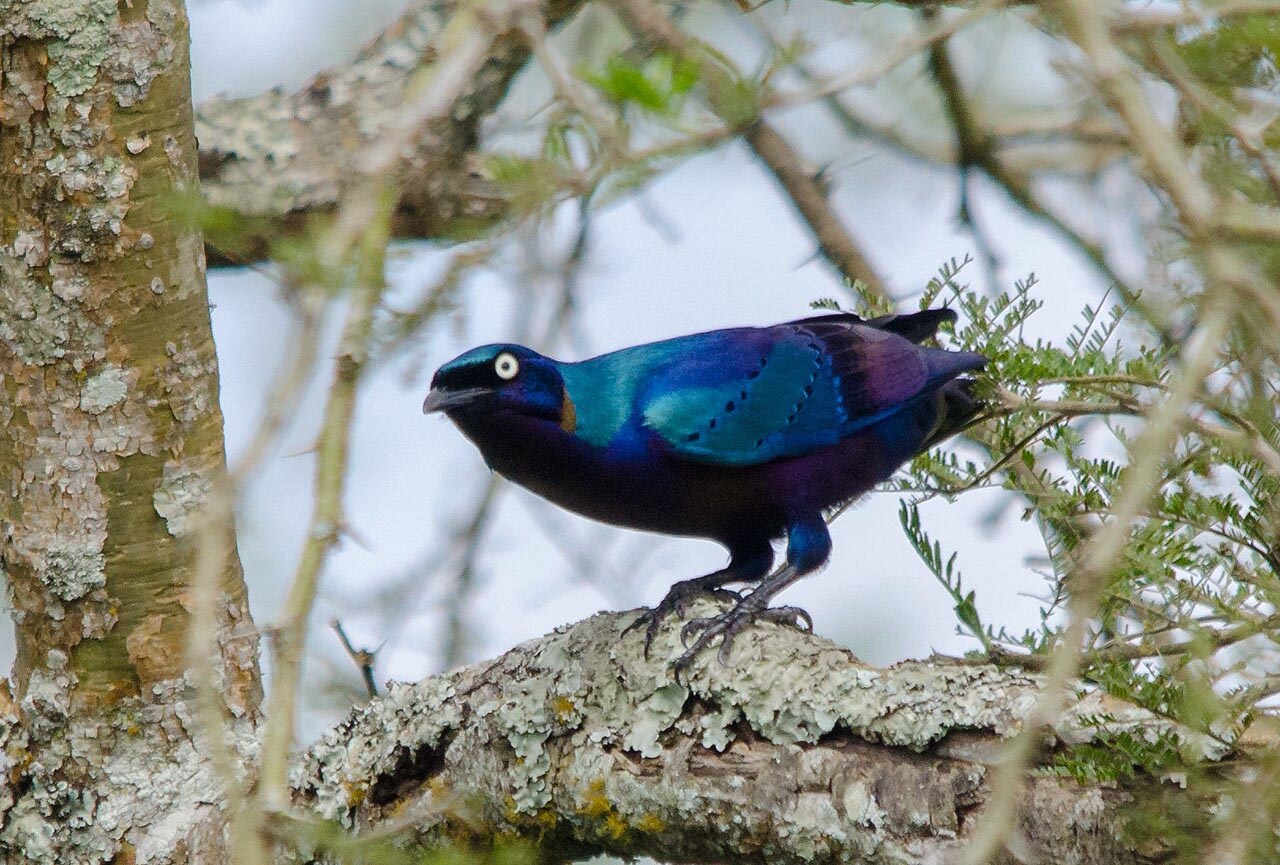
Rüppell's Starling is found in Burundi, The Democratic Republic of the Congo, Eritrea, Ethiopia, Kenya, Rwanda, Somalia, South Sudan, Sudan, Tanzania, and Uganda. IUCN Redlist Status: Least Concern
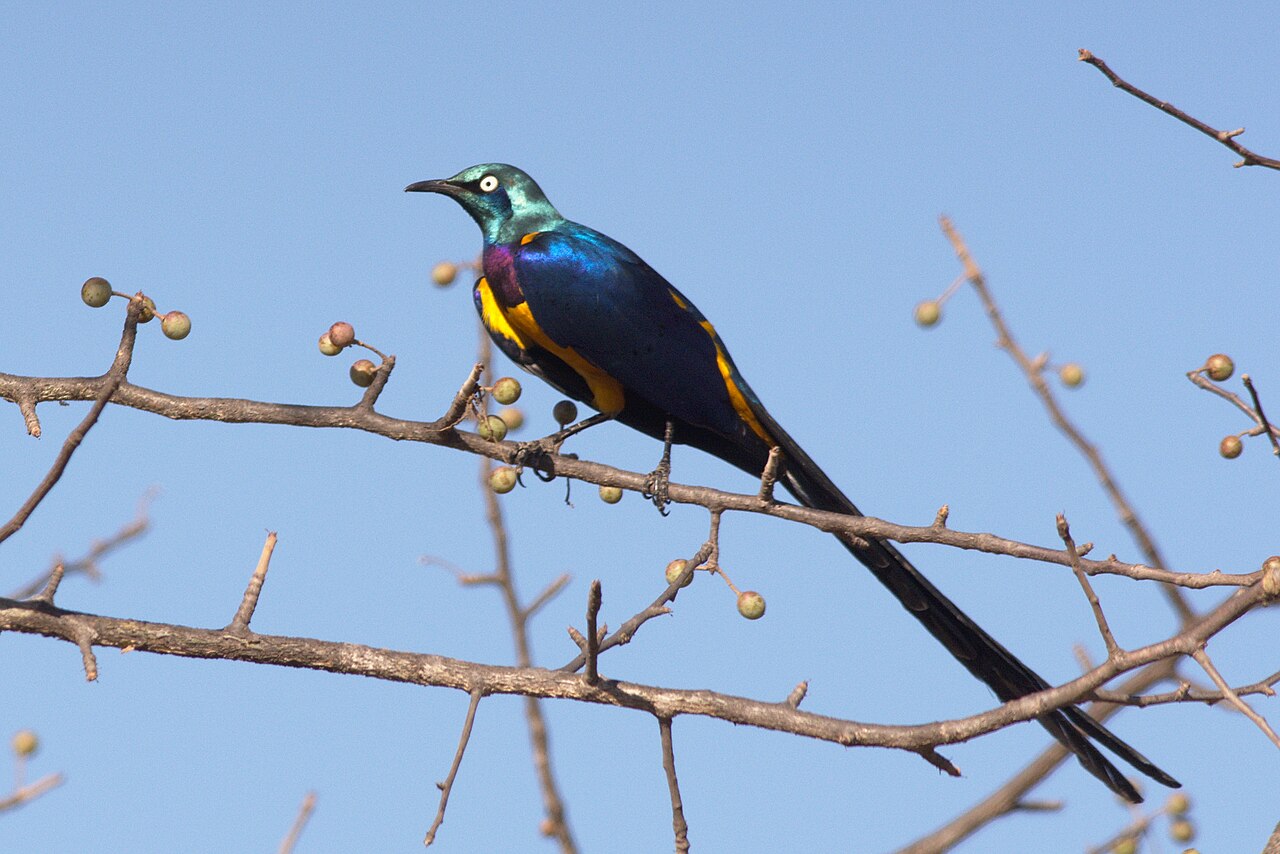
Golden-breasted Starling (Lamprotornis regius)
The Golden-breasted Starling is found in Ethiopia, Kenya, Somalia, and Tanzania. IUCN Redlist Status: Least Concern
Shelley's Starling (Lamprotornis shelleyi)
Shelley's Starling is found in Ethiopia, Kenya, Somalia, South Sudan, Sudan, and Tanzania. IUCN Redlist Status: Least Concern
Splendid Starling (Lamprotornis splendidus)
The Splendid Starling is found across western and central Africa, from Senegal east to Ethiopia and south to northern Angola and Zambia. It also occurs on São Tomé and Príncipe. IUCN Redlist Status: Least Concern
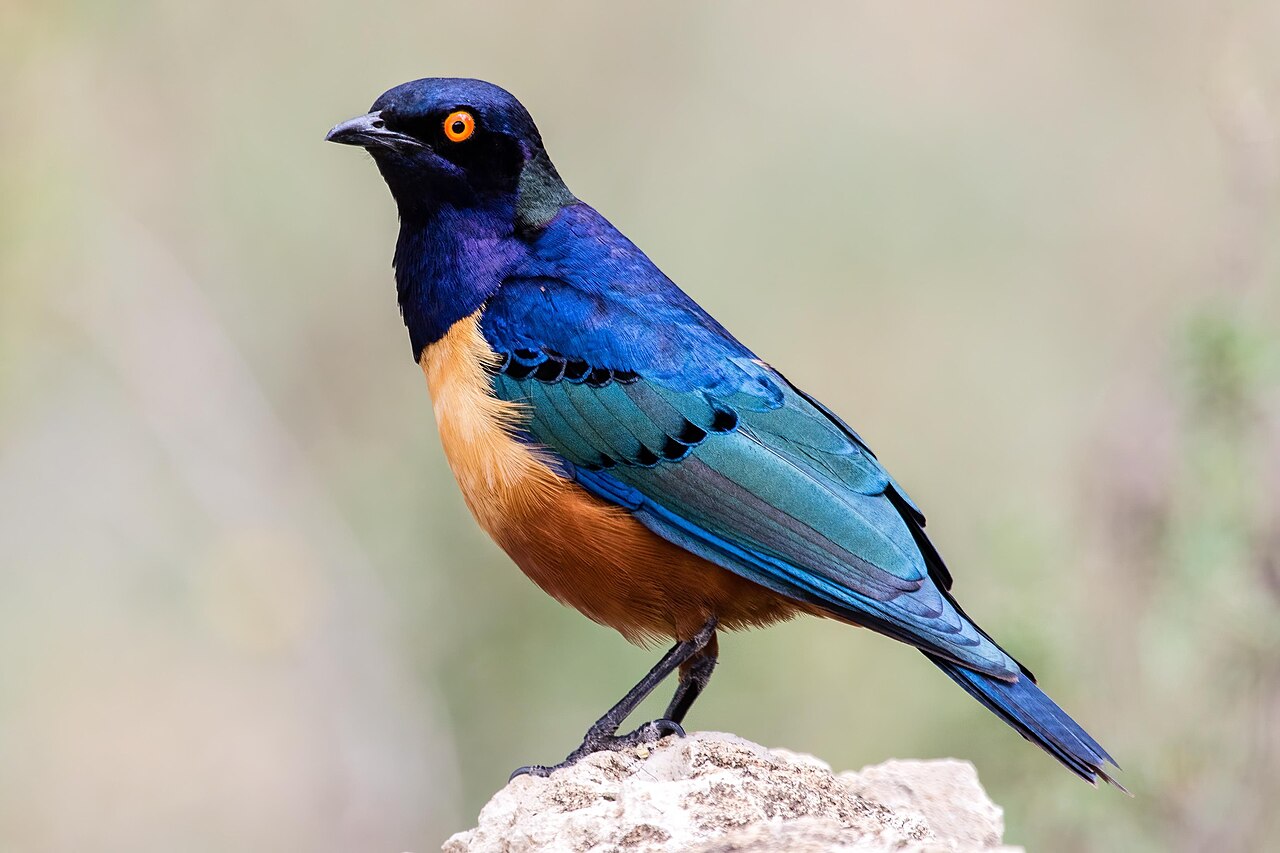
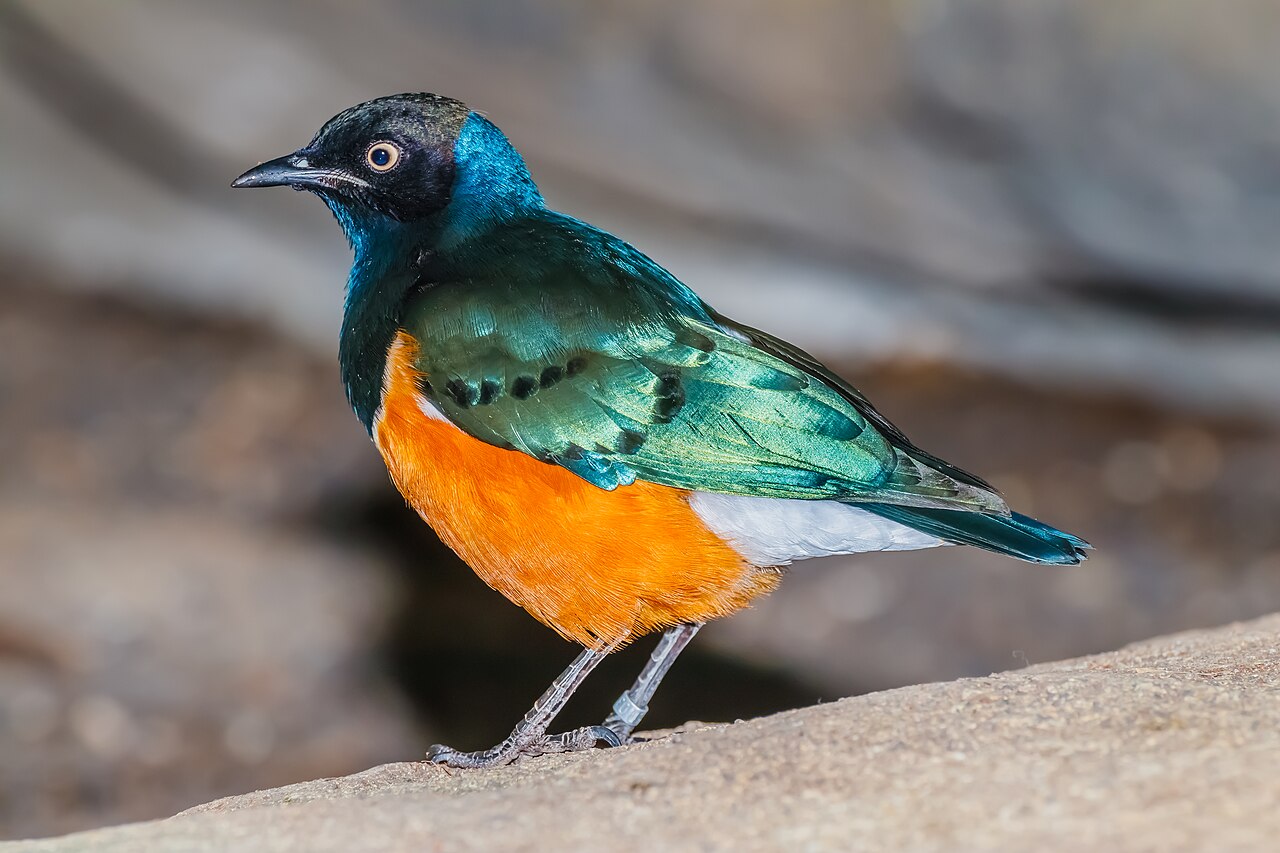
Superb Starling (Lamprotornis superbus)
The Superb Starling is found in Ethiopia, Kenya, Somalia, South Sudan, Sudan,Tanzania, and Uganda. IUCN Redlist Status: Least Concern
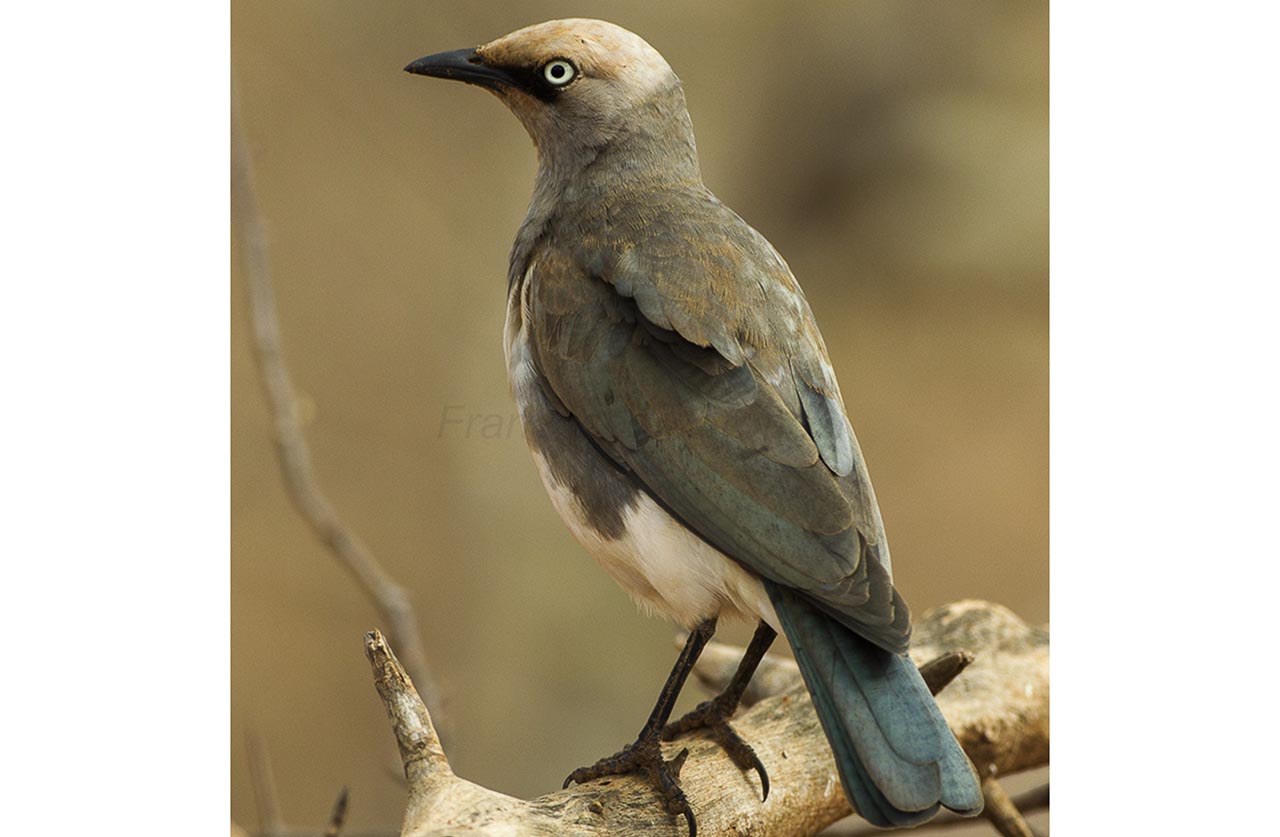
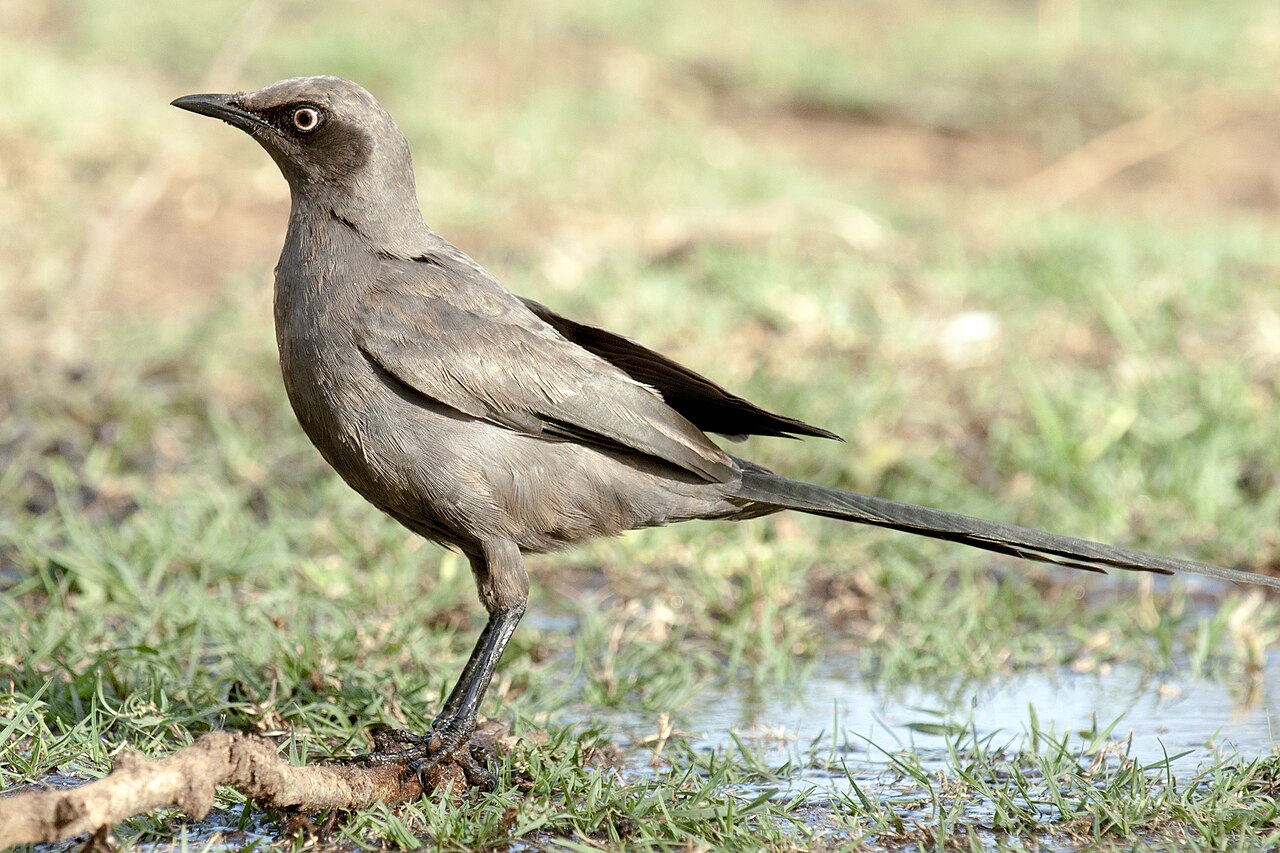
Ashy Starling (Lamprotornis unicolor)
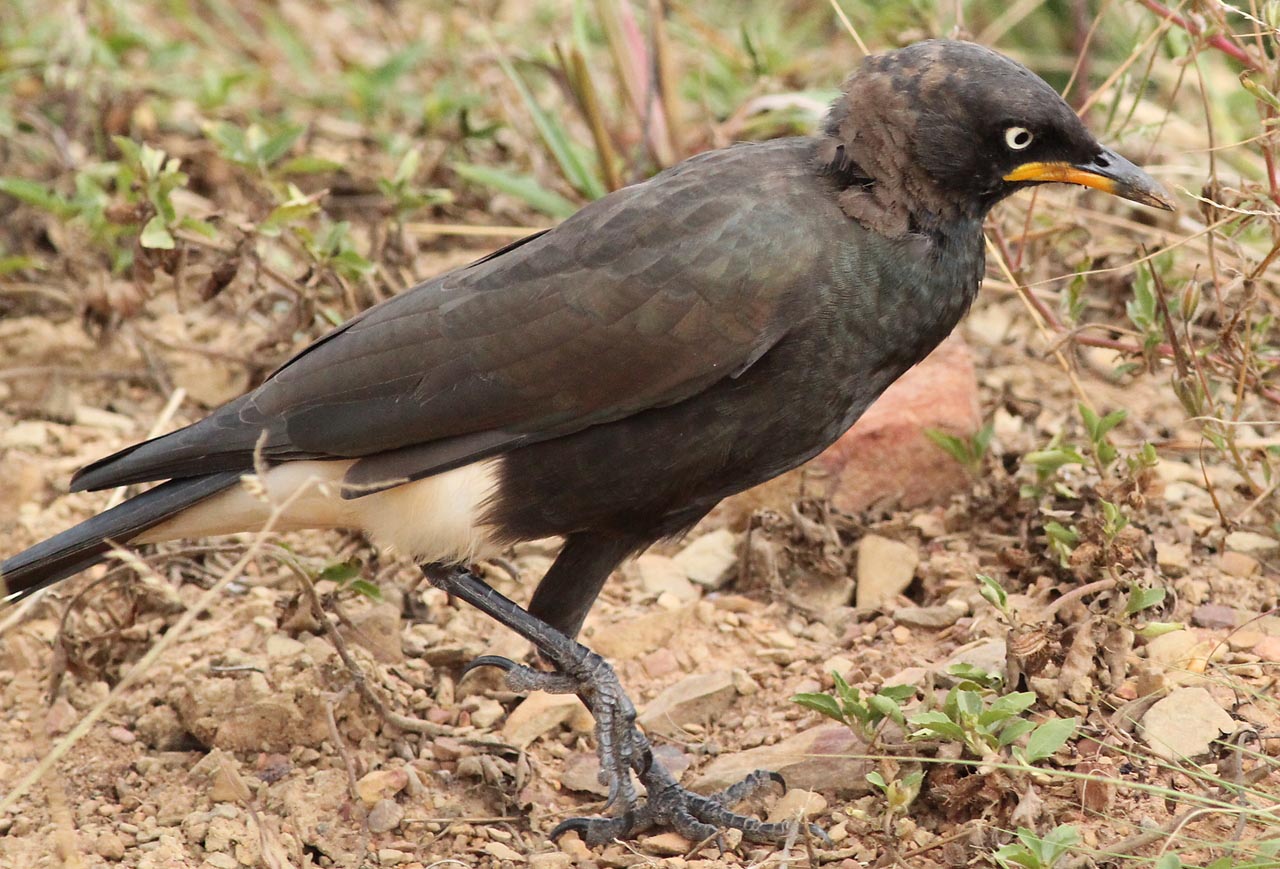
The Ashy Starling is found in Tanzania. IUCN Redlist Status: Least Concern
The Cunene Long-tailed Starling is found in Angola and Namibia. IUCN Redlist Status: Least Concern
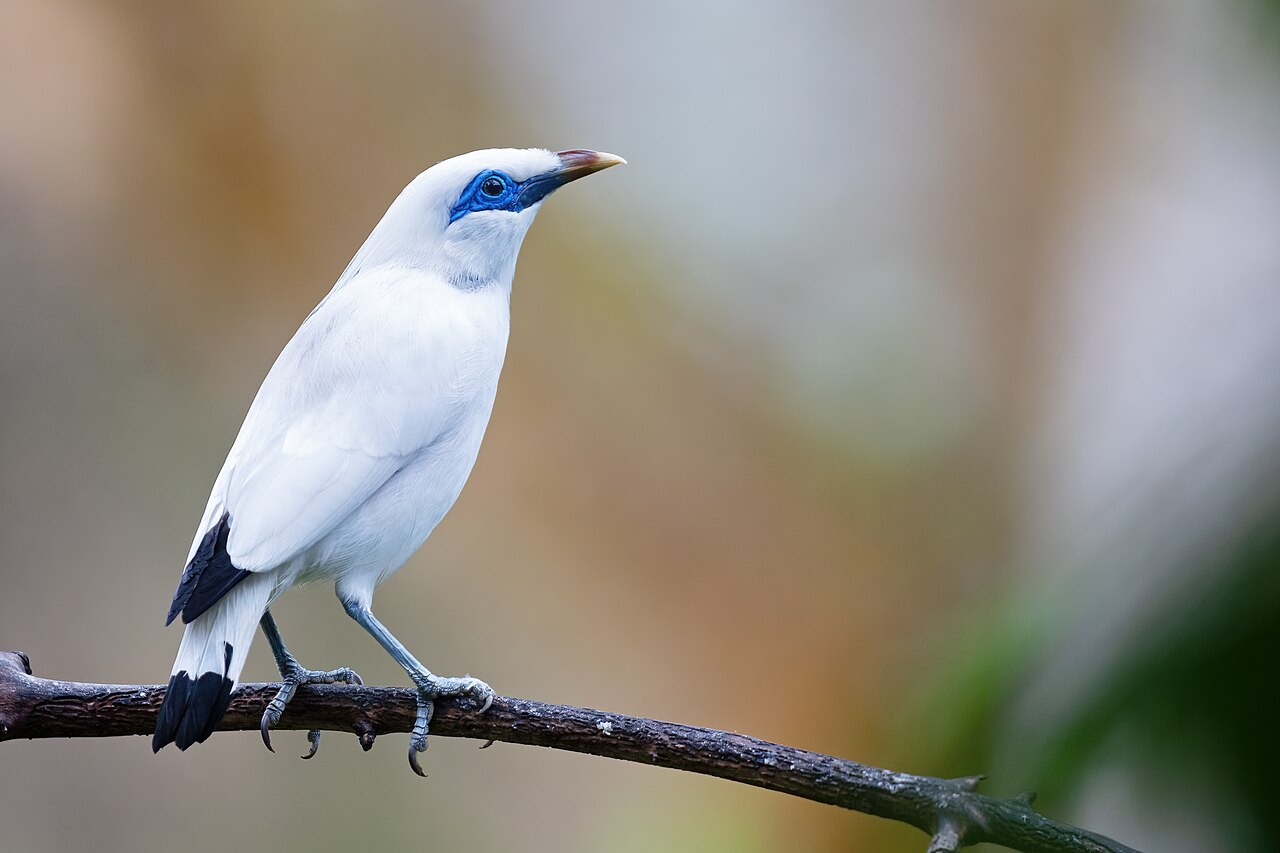
Bali Myna (Leucopsar rothschildi)
The Bali Myna Is only found on the island of Bali in Indonesia. IUCN Redlist Status: Critically Endangered
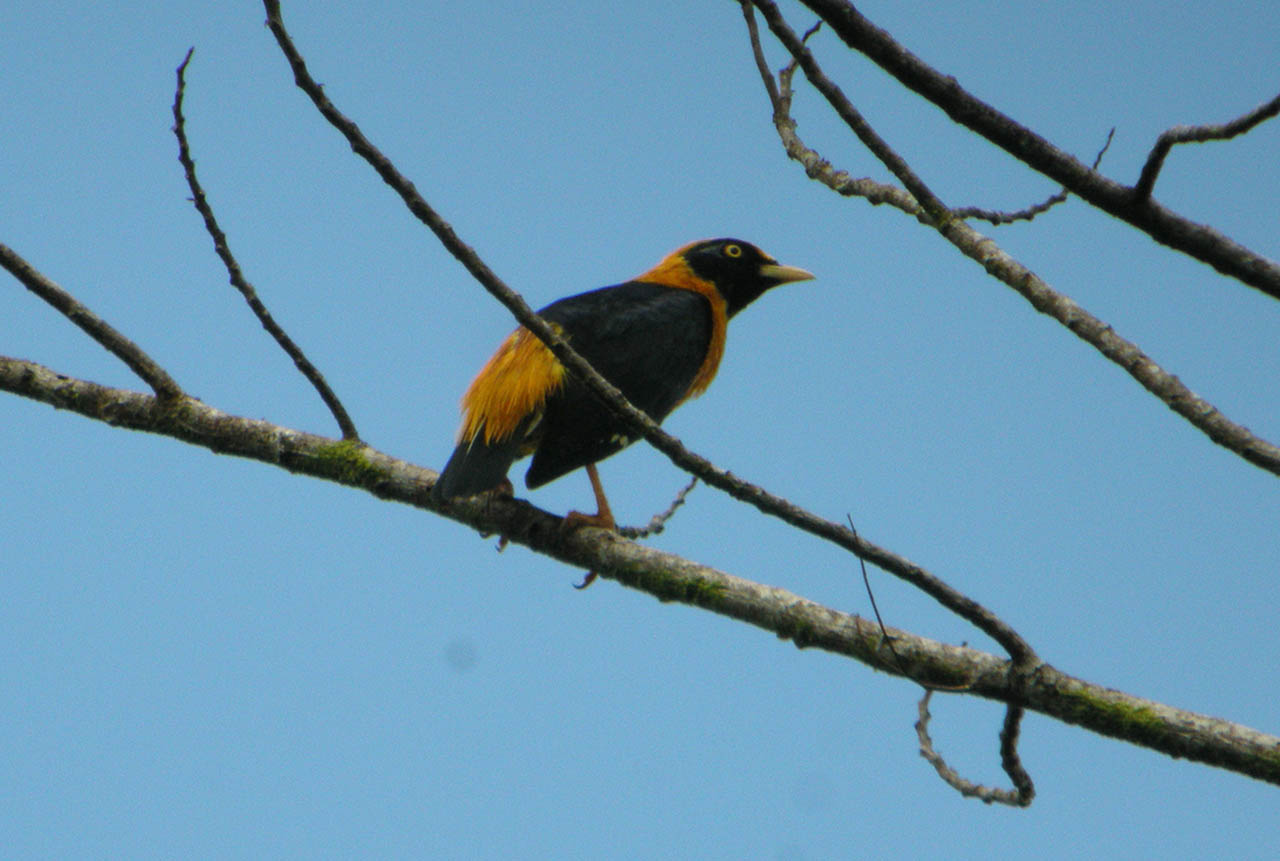
Golden Myna (Mino anais)
The Golden Myna is found in New Guinea. IUCN Redlist Status: Least Concern
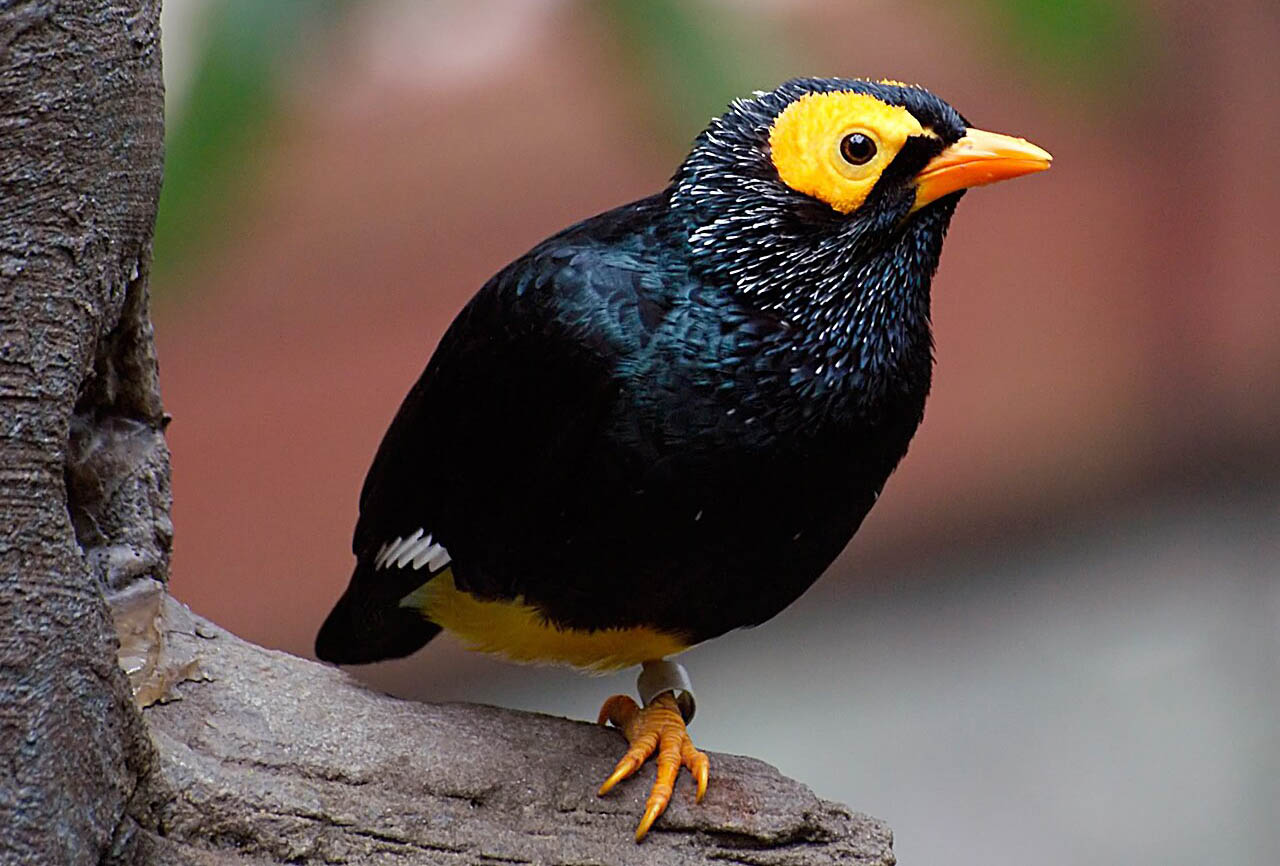
Yellow-faced Myna (Mino dumontii)
The Yellow-faced Myna is found in Indonesia and Papua New Guinea. IUCN Redlist Status: Least Concern
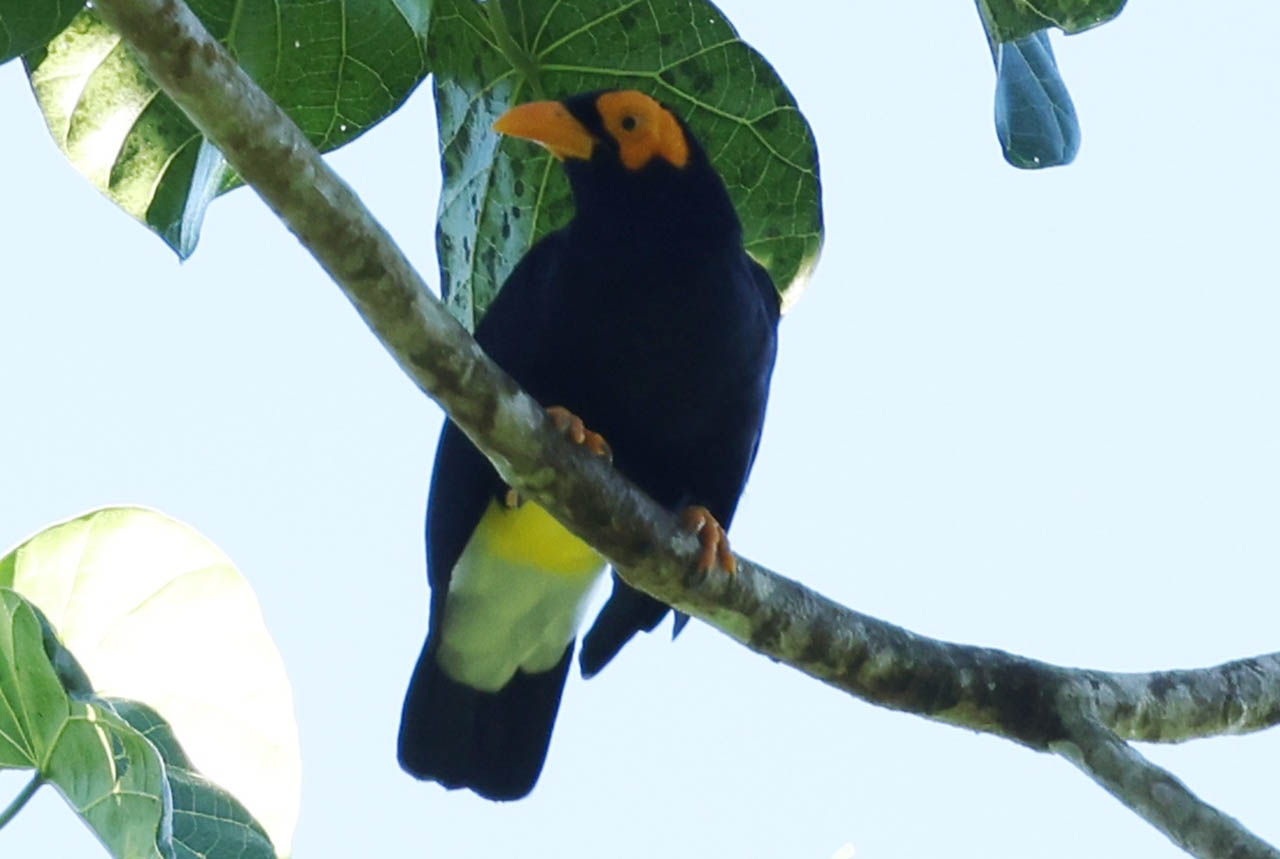
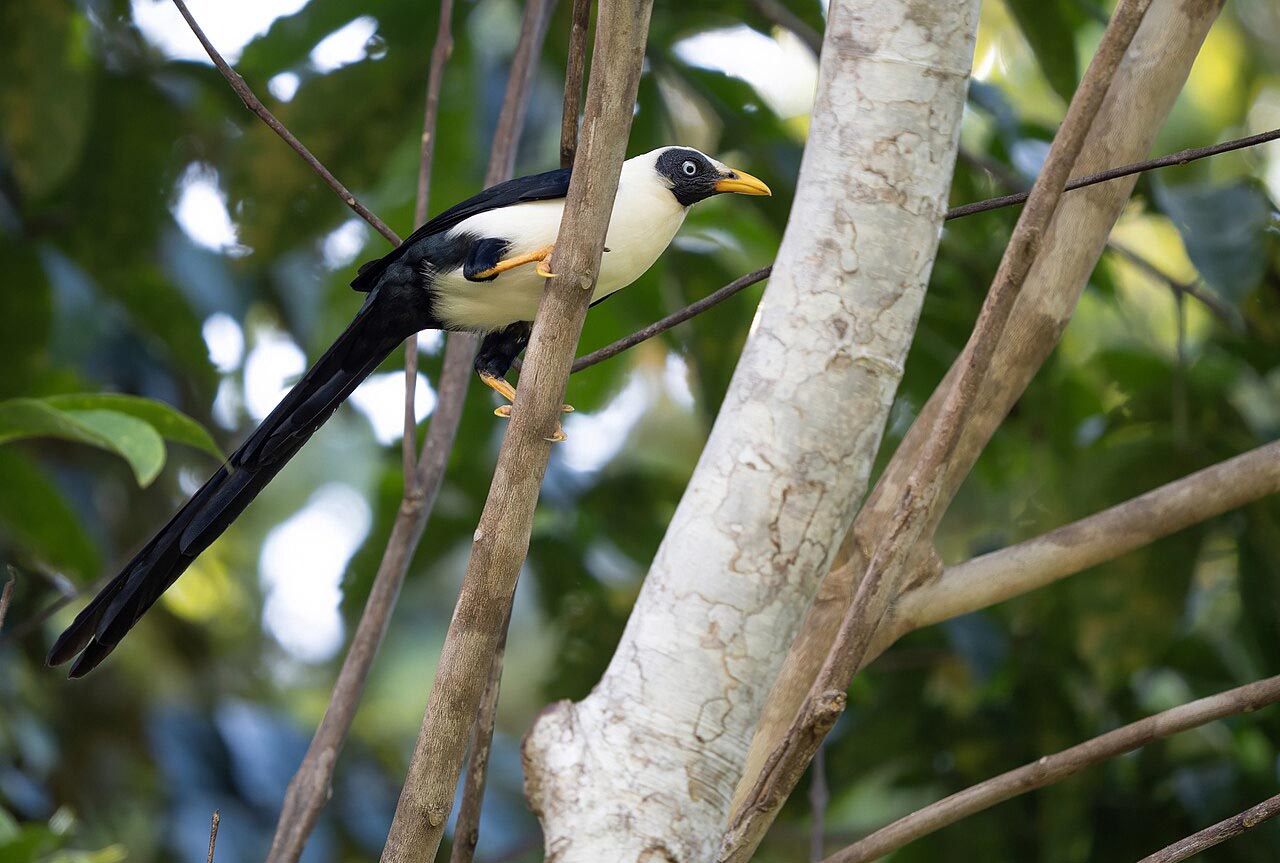
Long-tailed Myna (Mino kreffti)
The Long-tailed Myna is found in Papua New Guinea and the Solomon Islands. IUCN Redlist Status: Least Concern
Rodrigues Starling (Necropsar rodericanus)
The Rodrigues Starling is known only from bones found in Rodrigues, Mauritius. IUCN Redlist Status: Extinct
Black-bellied Starling (Notopholia corusca)
The Black-bellied Starling is found in Eswatini, Kenya, Mozambique, Somalia, South Africa, Tanzania, and Zimbabwe. IUCN Redlist Status: Least Concern
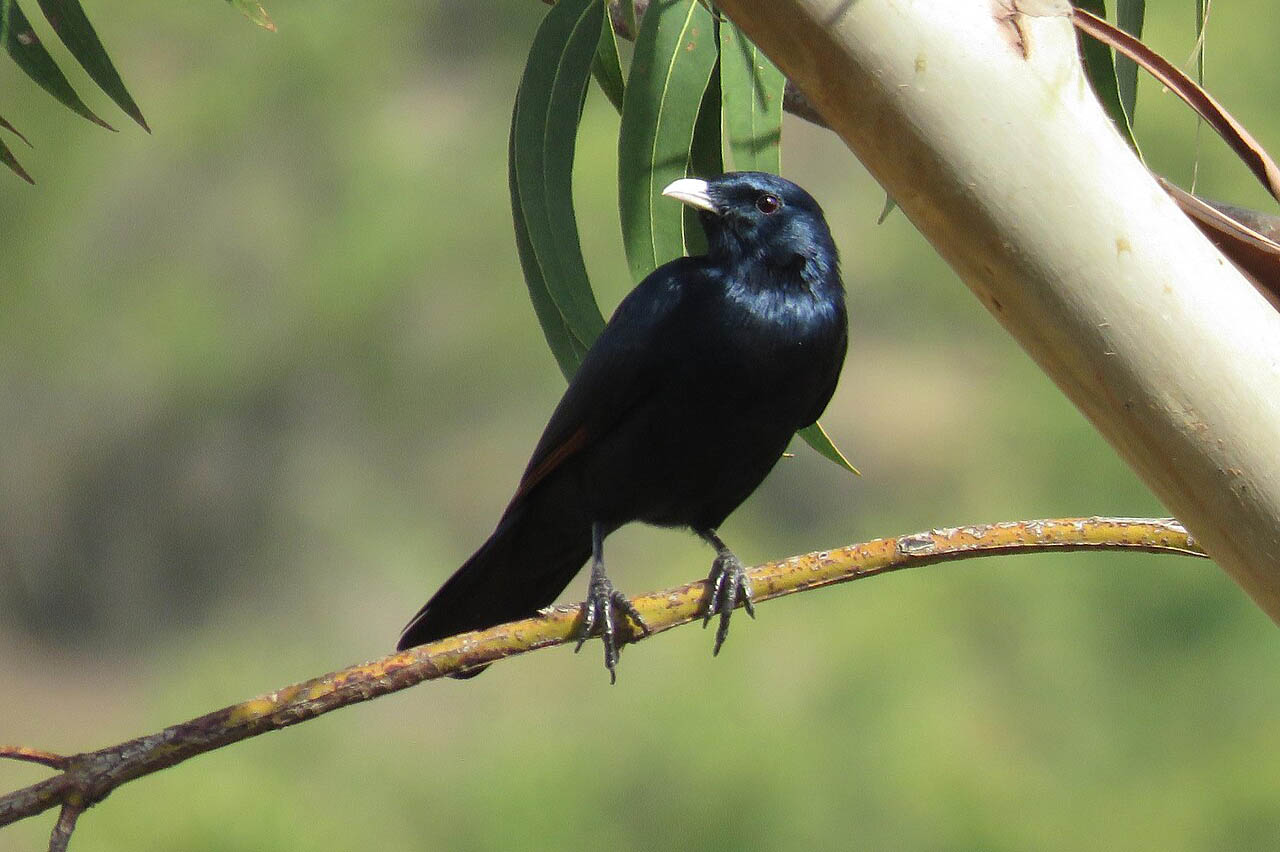
White-billed Starling (Onychognathus albirostris)
The White-billed Starling is found in Eritrea and Ethiopia. IUCN Redlist Status: Least Concern
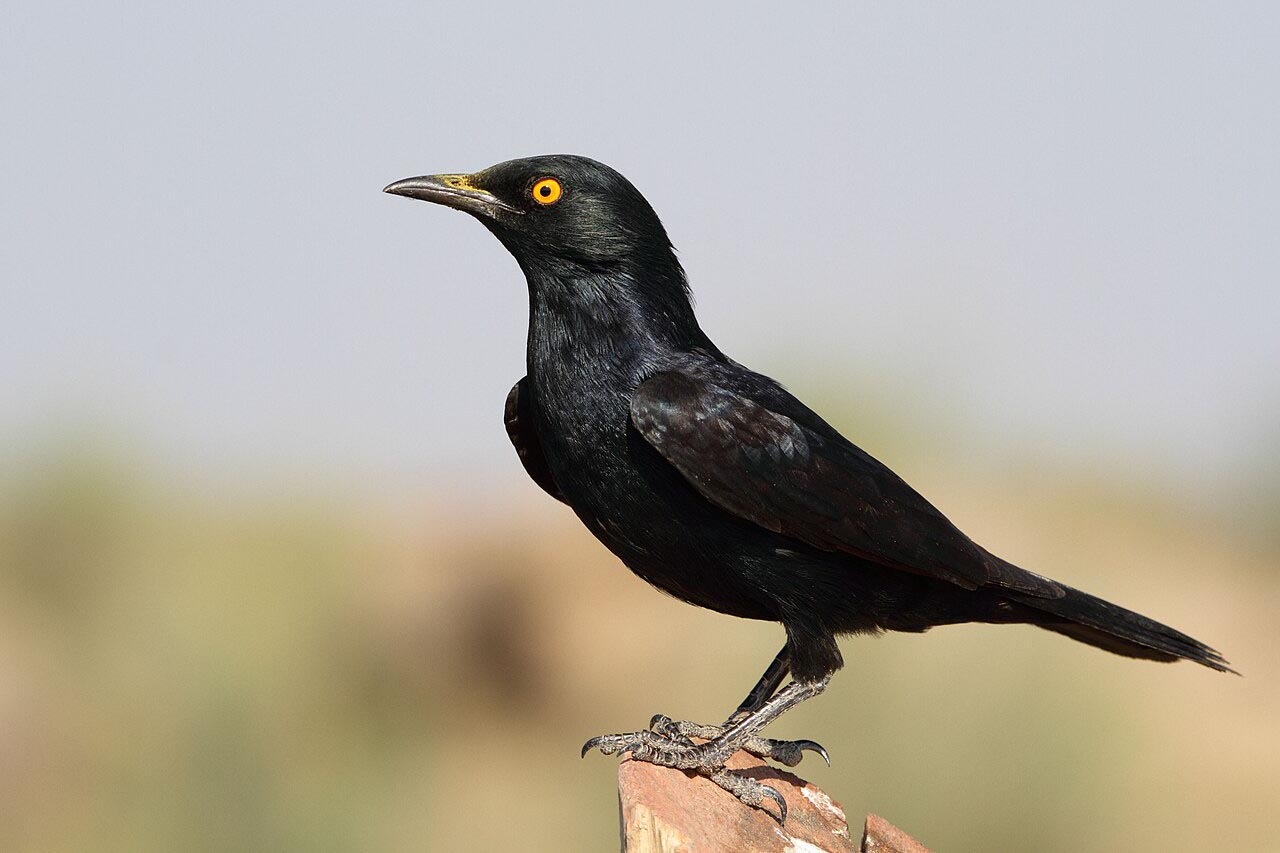
Somali Starling (Onychognathus blythii)
The Somali Starling is found in Djibouti, Eritrea, Ethiopia, Somalia, and Yemen. IUCN Redlist Status: Least Concern
Socotra Starling (Onychognathus frater)
The Socotra Starling is found in Yemen’s Socotra island. IUCN Redlist Status: Least Concern
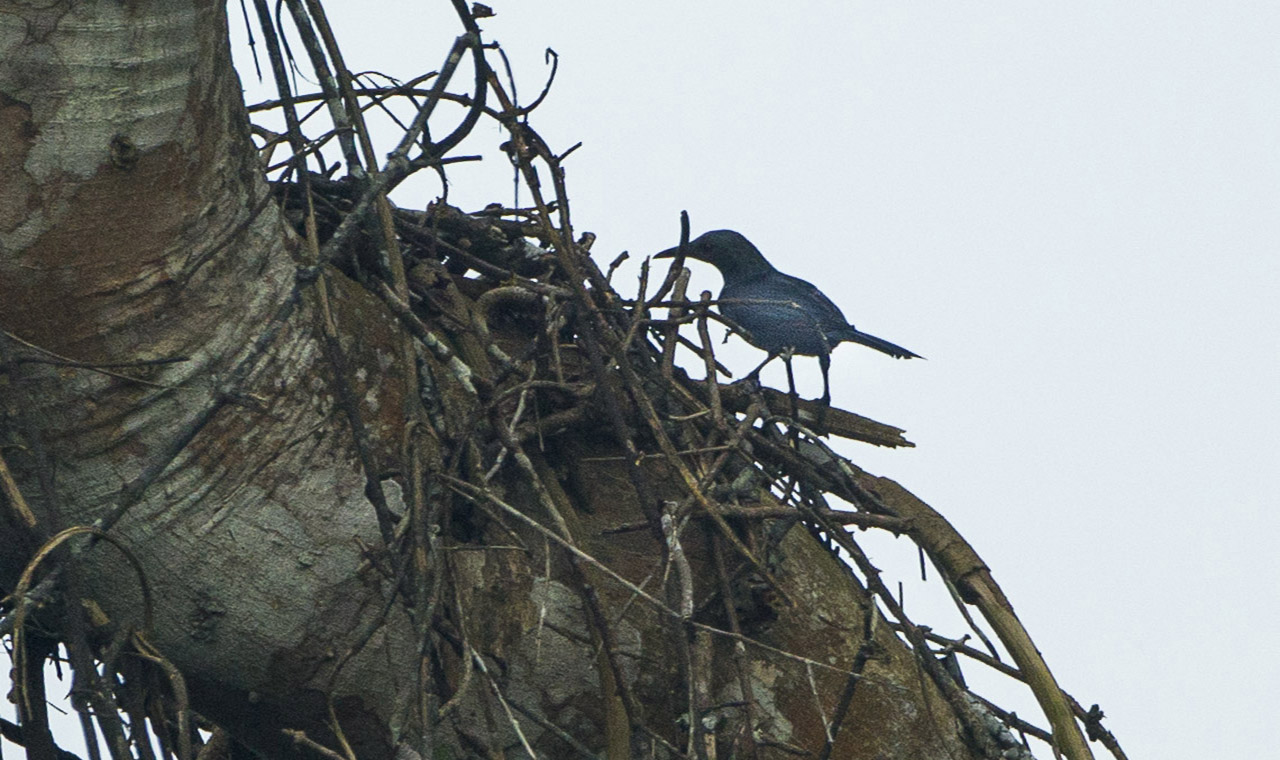
Chestnut-winged Starling (Onychognathus fulgidus)
The Chestnut-winged Starling is found in Angola, Benin, Cameroon, Central African Republic, Congo, The Democratic Republic of the Congo, Côte d'Ivoire, Equatorial Guinea, Gabon, Ghana, Guinea, Liberia, Nigeria, Sao Tome and Principe, Sierra Leone, Sudan, Sudan, Tanzania, Togo, and Uganda. IUCN Redlist Status: Least Concern
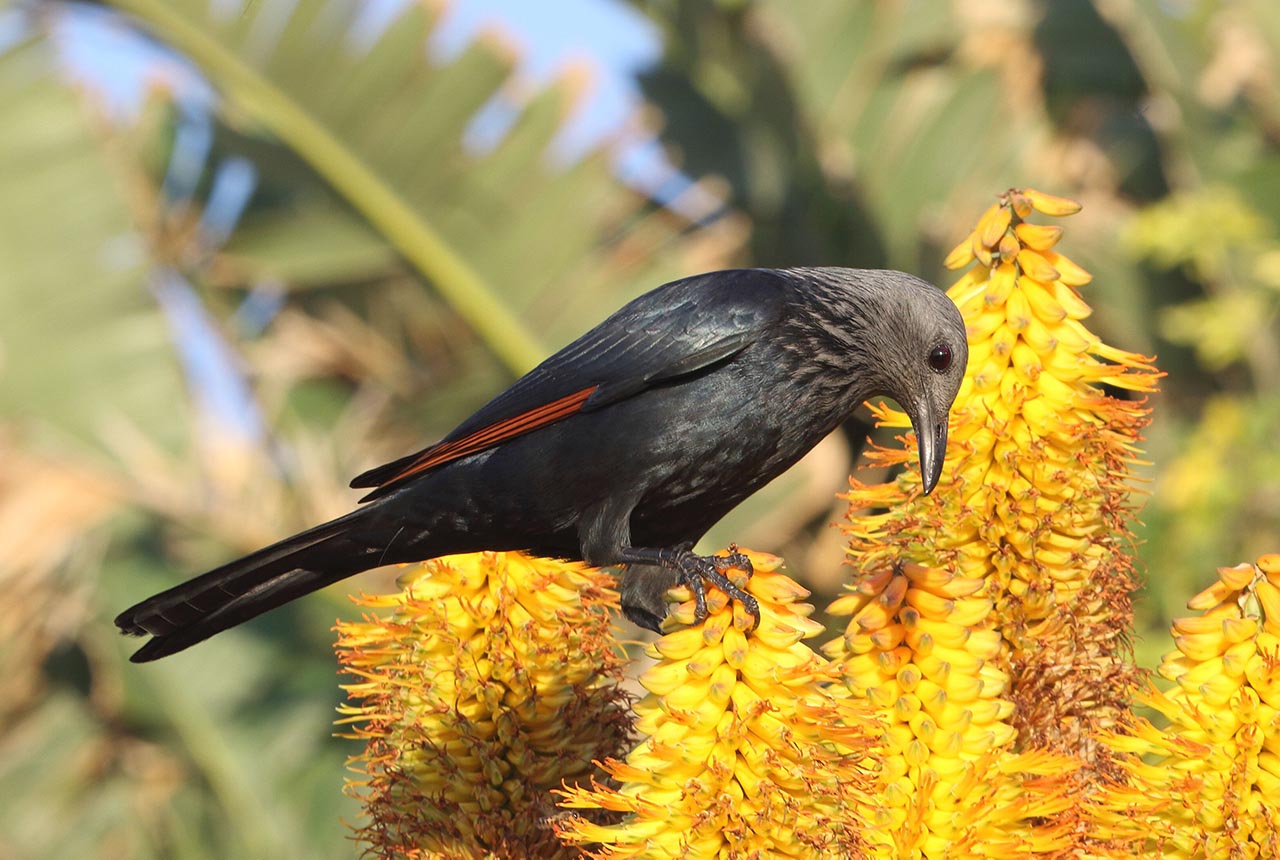
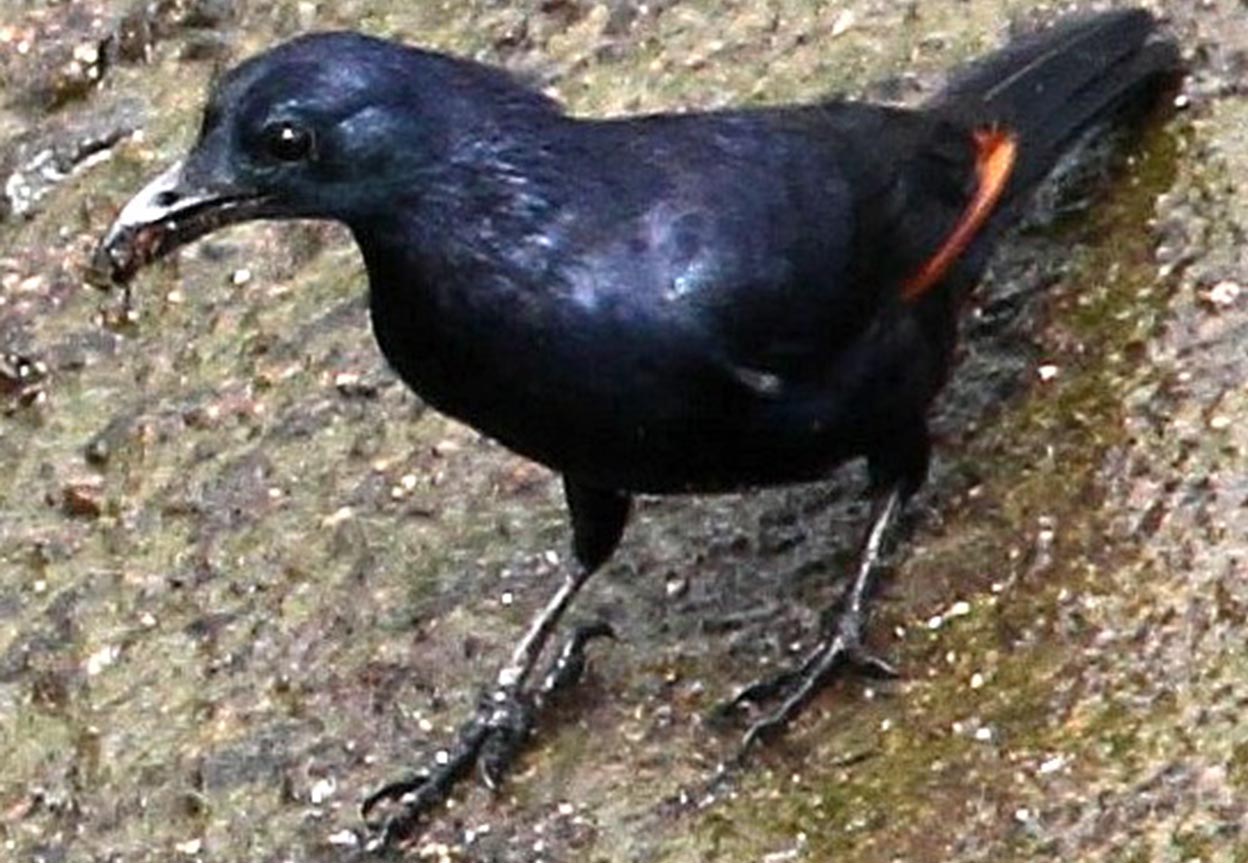
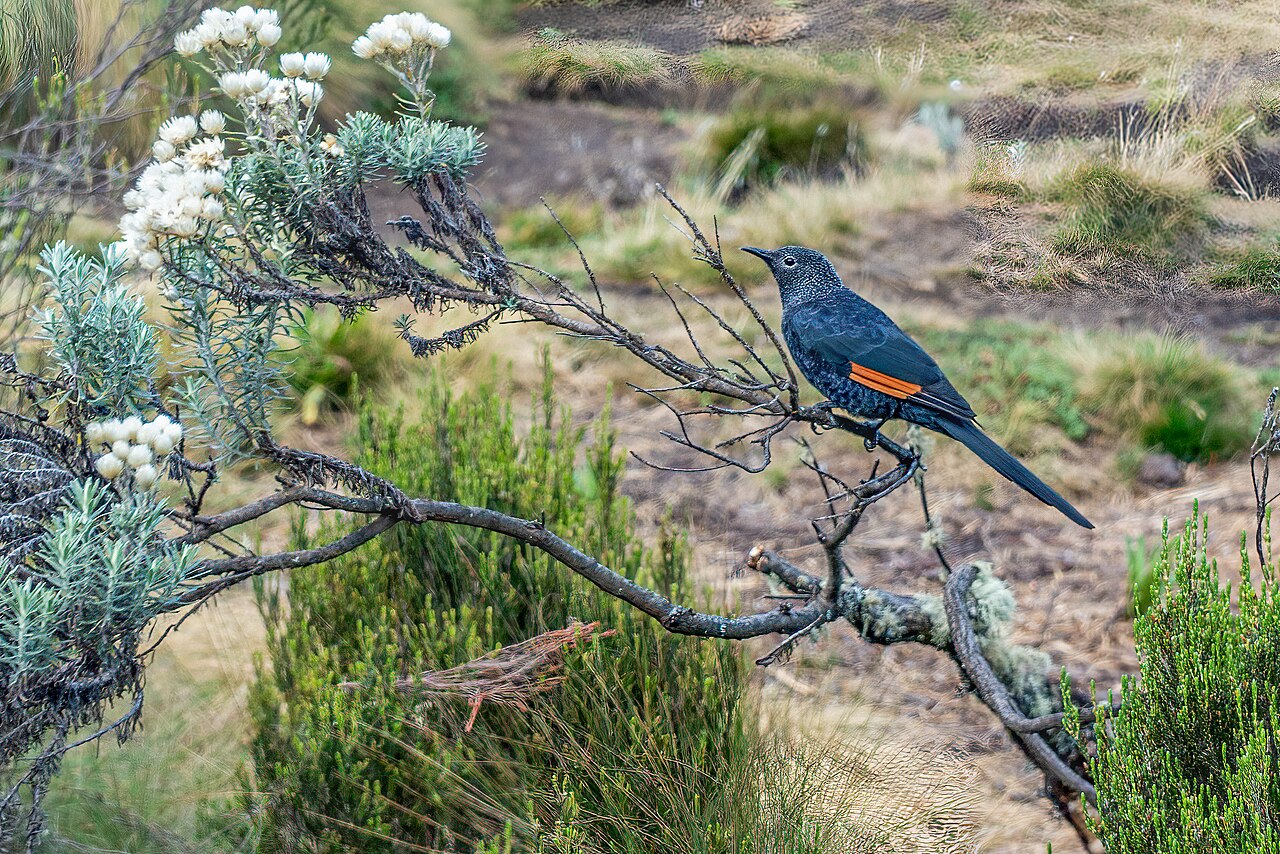
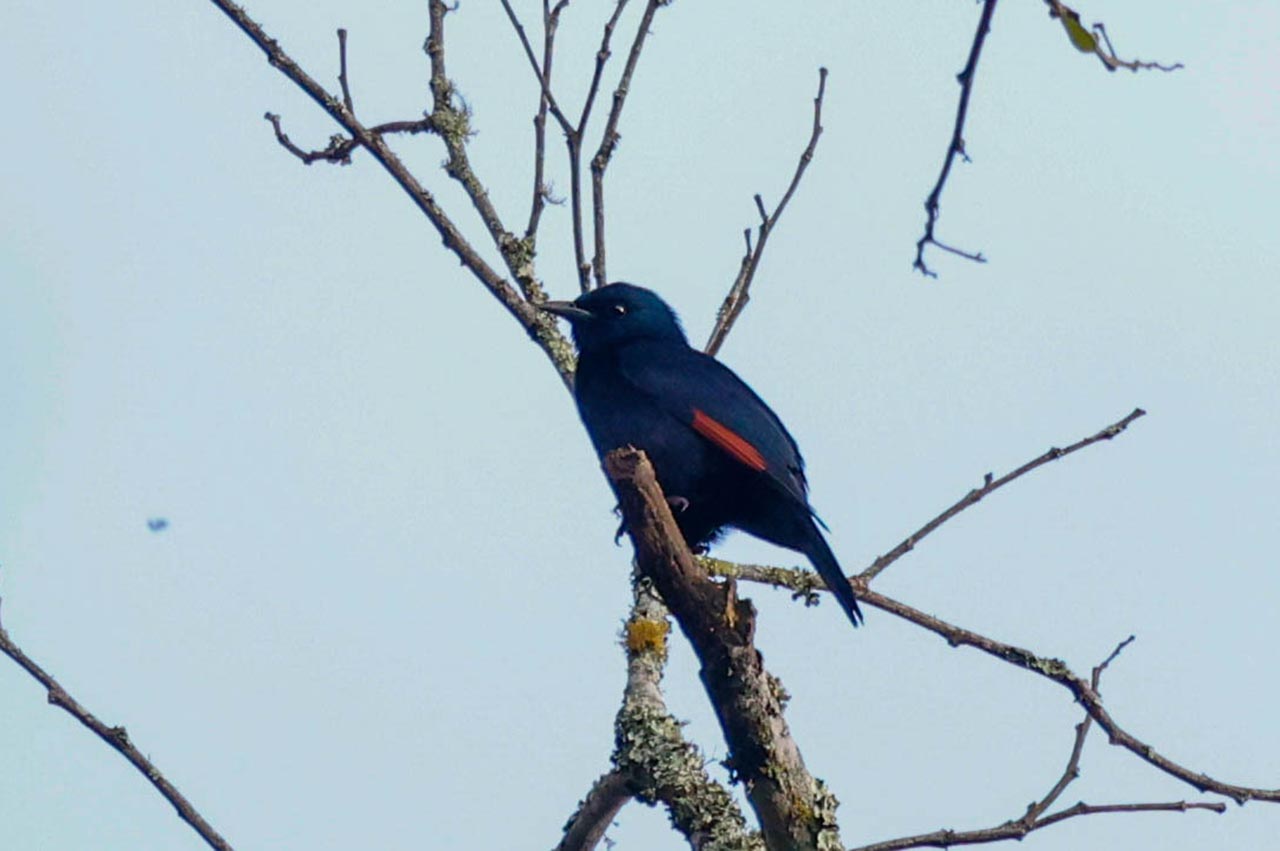
Red-winged Starling (Onychognathus morio)
The Red-winged StarlingRed-winged Starling is found in Botswana, The Democratic Republic of the Congo, Eritrea, Eswatini, Ethiopia, Kenya, Lesotho, Malawi, Mozambique, South Africa, South Sudan, Tanzania, Uganda, Zambia, and Zimbabwe. IUCN Redlist Status: Least Concern
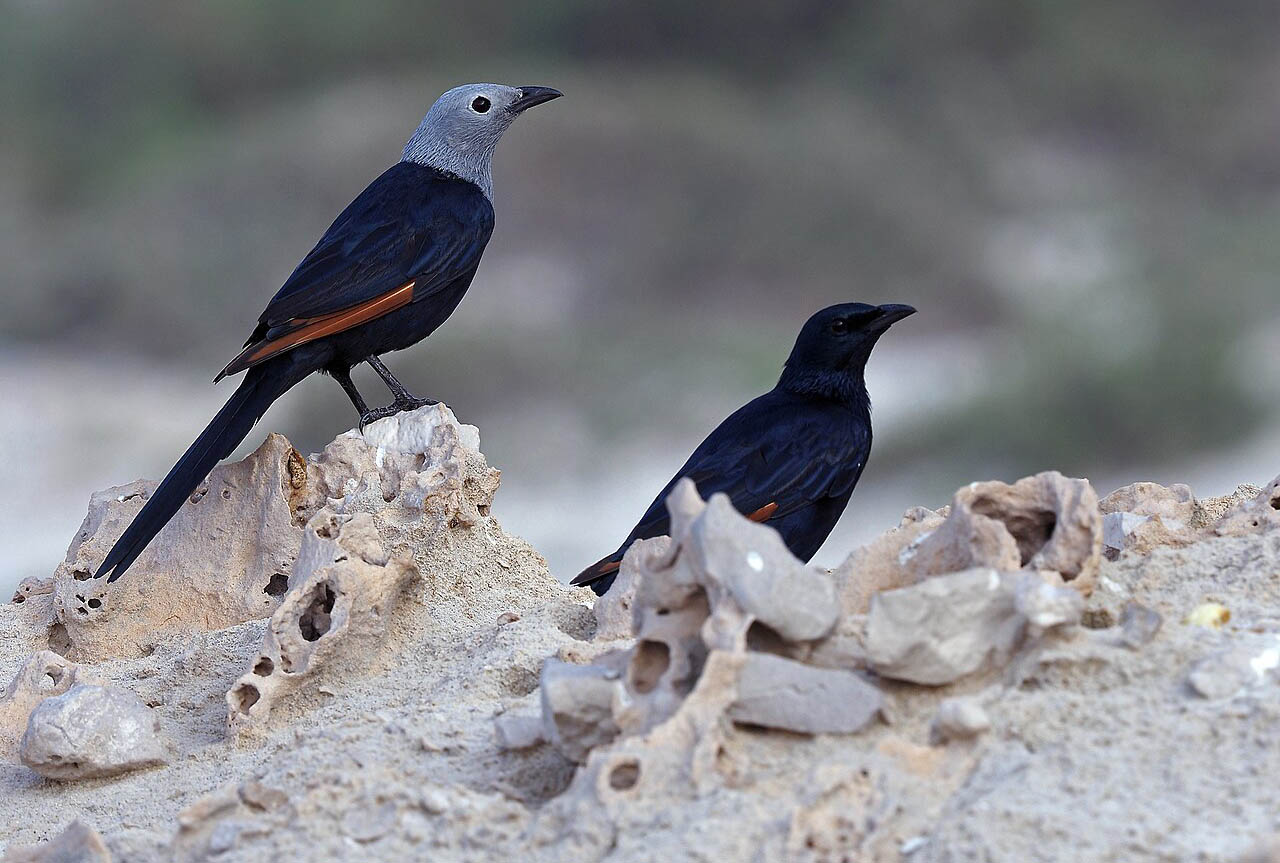
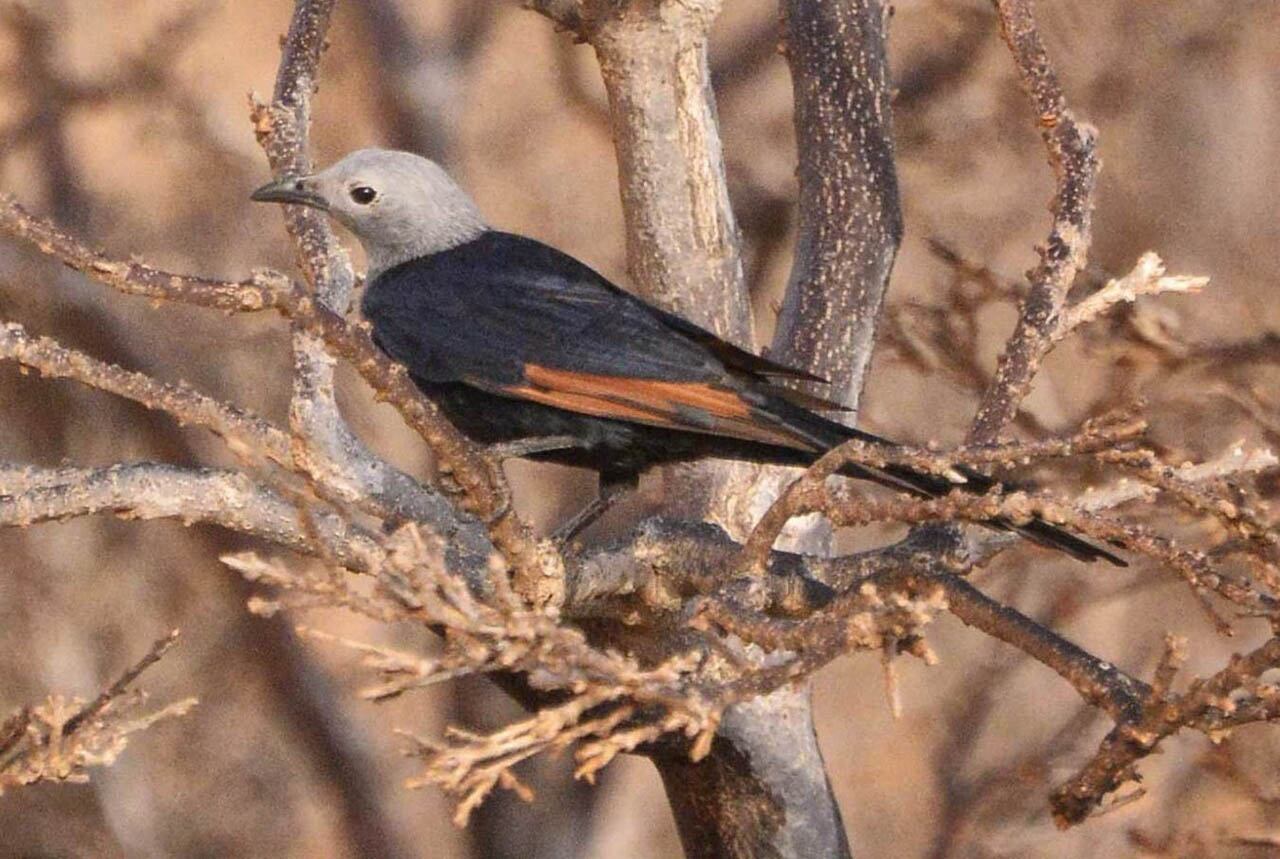
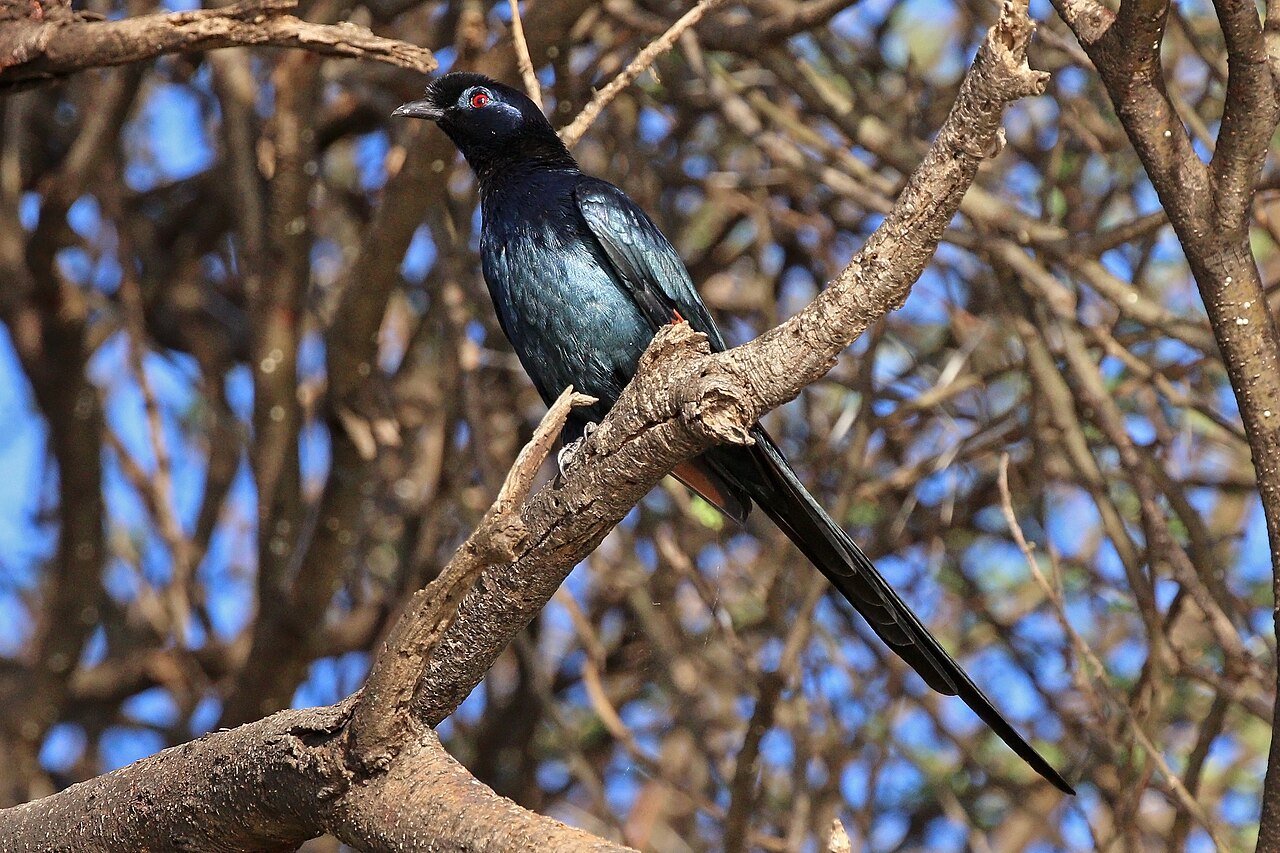
Pale-winged Starling (Onychognathus nabouroup)
The Pale-winged Starling is found iin Angola, Namibia, and South Africa. IUCN Redlist Status: Least Concern
Neumann's Starling (Onychognathus neumanni)
Neumann's Starling is found in Burkina Faso, Cameroon, Central African Republic, Chad, Côte d'Ivoire, Guinea, Mali, Mauritania, Niger, Nigeria, Senegal, South Sudan, and Sudan. IUCN Redlist Status: Least Concern
The Slender-billed Starling is found in Burundi, The Democratic Republic of the Congo, Eritrea, Ethiopia, Kenya, Malawi, Rwanda, Tanzania, Uganda, and Zambia. IUCN Redlist Status: Least Concern
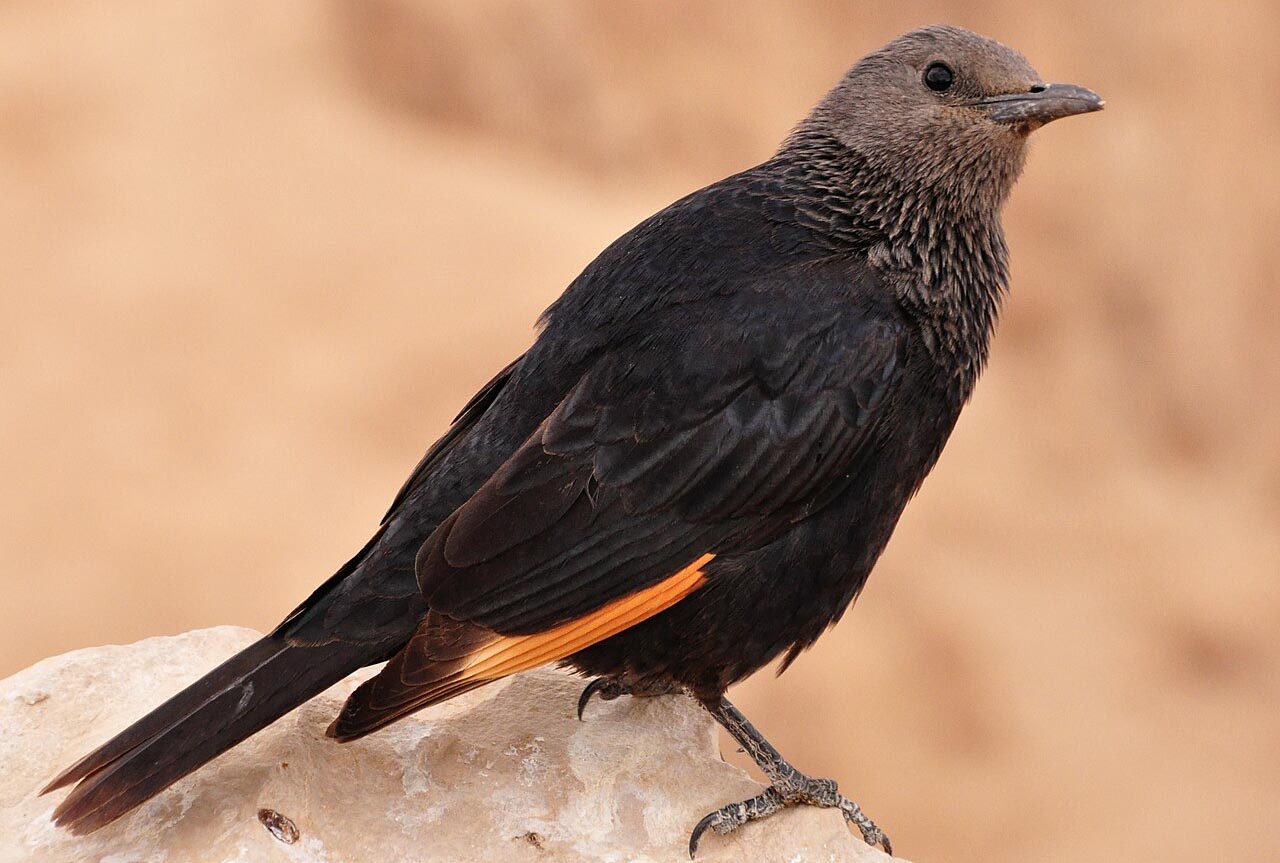
Tristram's Starling (Onychognathus tristramii)
Tristram's Starling is found in Egypt, Israel, Jordan, Oman, Palestine, Saudi Arabia, and Yemen. IUCN Redlist Status: Least Concern
Waller's Starling (Onychognathus walleri)
Waller's Starling is found in Burundi, Cameroon, The Democratic Republic of the Congo, Equatorial Guinea, Kenya, Malawi, Nigeria, Rwanda, South Sudan, Sudan, Tanzania, Uganda, and Zambia. IUCN Redlist Status: Least Concern
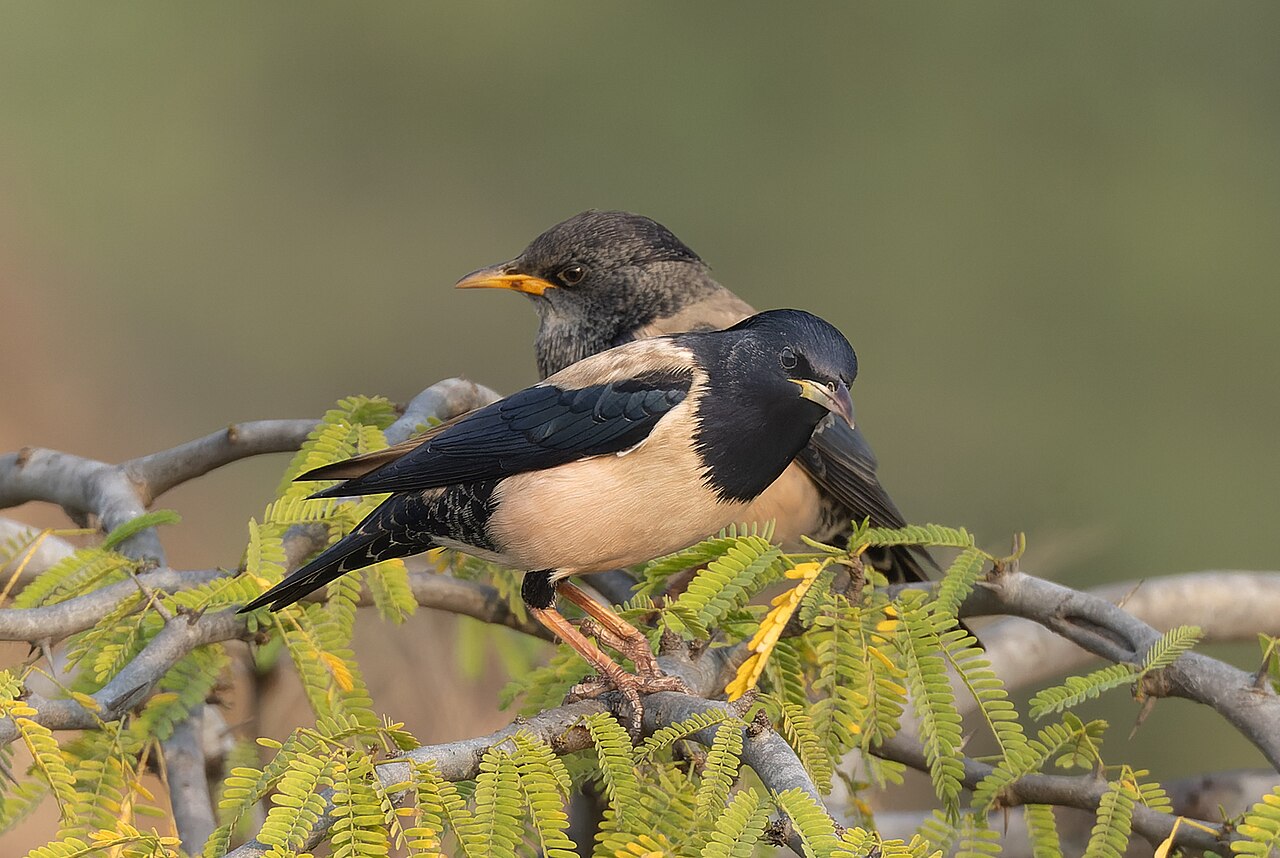
Rosy Starling (Pastor roseus)
The Rosy Starling breeds across southeastern Europe and Central Asia, from eastern Europe and Turkey east to northwestern China and Mongolia. It winters mainly in the Indian subcontinent, including India and Sri Lanka. IUCN Redlist Status: Least Concern
Sharpe's Starling (Pholia sharpii)
Sharpe's Starling is found in Burundi, The Democratic Republic of the Congo, Ethiopia, Kenya, Rwanda, South Sudan, Sudan, Tanzania, and Uganda. IUCN Redlist Status: Least Concern
Kenrick's Starling (Poeoptera kenricki)
Kenrick's Starling is found in Kenya and Tanzania. IUCN Redlist Status: Least Concern
Narrow-tailed Starling (Poeoptera lugubris)
The Narrow-tailed Starling is found in Angola, Cameroon, Central African Republic, Congo, Democratic Republic of the Congo, Côte d'Ivoire, Equatorial Guinea, Gabon, Ghana, Liberia, Nigeria, Sierra Leone, Togo, and Uganda. IUCN Redlist Status: Least Concern
Stuhlmann's Starling (Poeoptera stuhlmanni)
Stuhlmann's Starling is found in Burundi, Democratic Republic of the Congo, Ethiopia, Kenya, Rwanda, South Sudan, Sudan, Tanzania, and Uganda. IUCN Redlist Status: Least Concern
Grand Rhabdornis (Rhabdornis grandis)
The Grand Rhabdornis is found in the Philippines. IUCN Redlist Status: Least Concern
Stripe-breasted Rhabdornis (Rhabdornis inornatus)
The Stripe-breasted Rhabdornis is found in the Philippines. IUCN Redlist Status: Least Concern
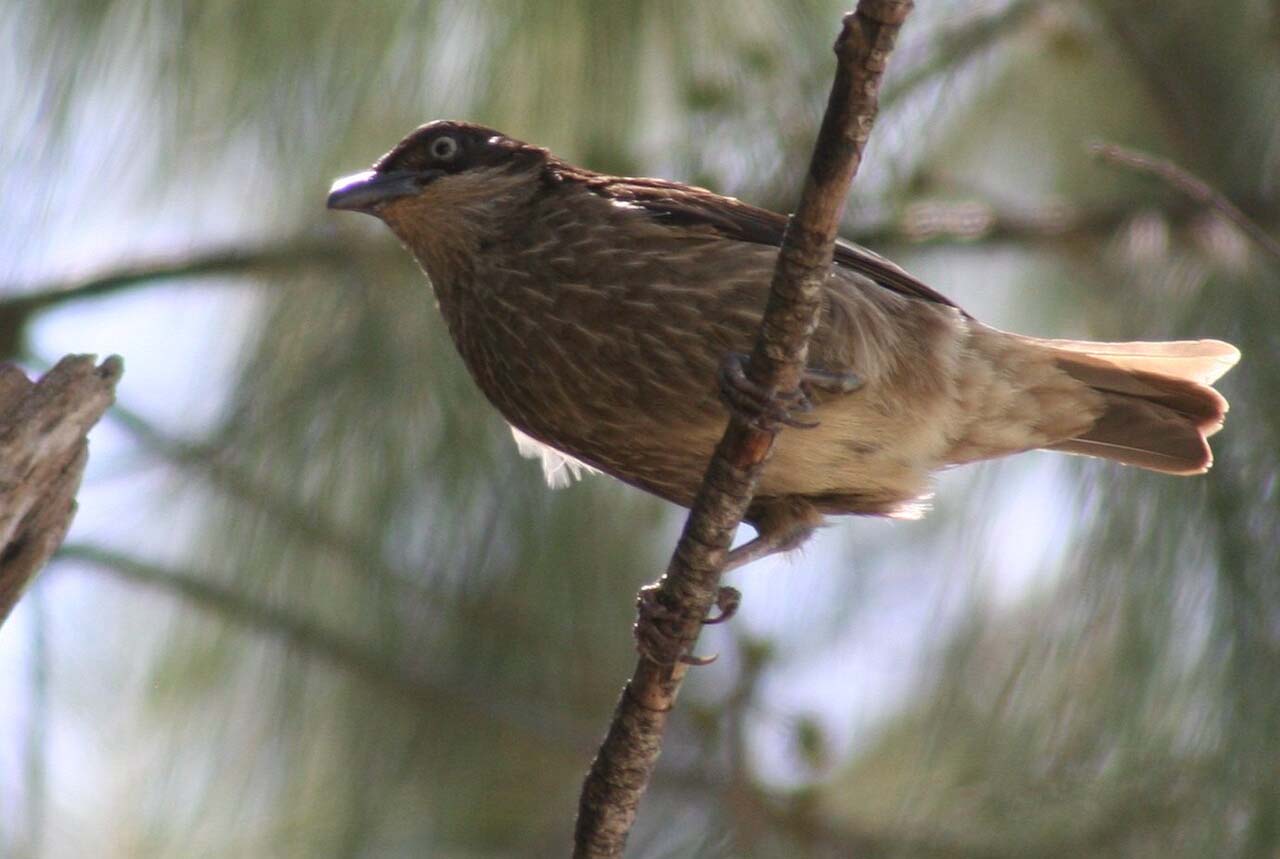
Stripe-headed Rhabdornis (Rhabdornis mystacalis)
The Stripe-headed Rhabdornis, also known as the Stripe-sideded Rhabdornis, is found in the Philippines. IUCN Redlist Status: Least Concern
Visayan Rhabdornis (Rhabdornis rabori)
The Visayan Rhabdornis is found on the islands of Panay and Negros in the Philippines. IUCN Redlist Status: Least Concern
Coleto (Sarcops calvus)
The Coleto is found in the Philippines. IUCN Redlist Status: Least Concern
Spot-winged Starlings (Saroglossa spilopterus)
The Spot-winged Starling is found in Bangladesh, Myanmar, India, Nepal, and Thailand. IUCN Redlist Status: Least Concern
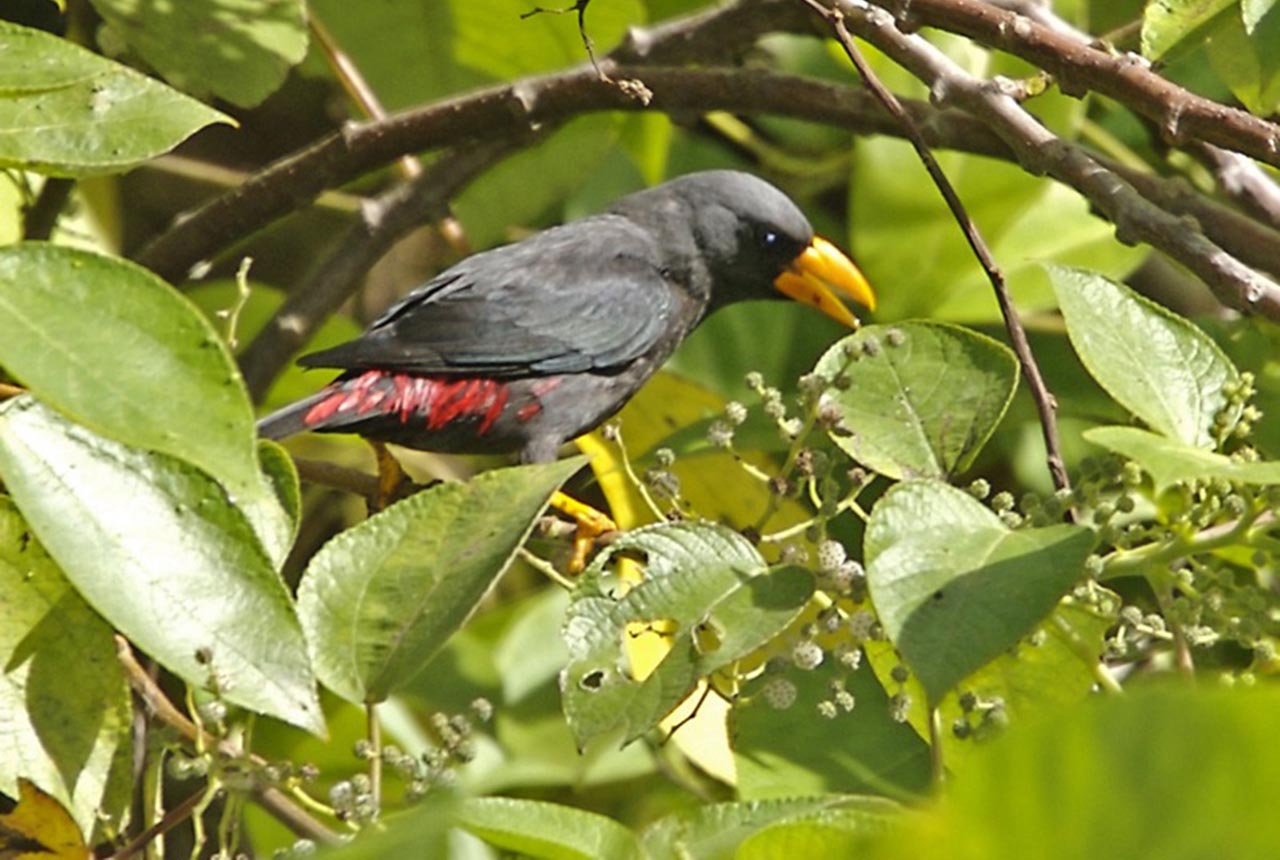
Grosbeak Starling (Scissirostrum dubium)
The Grosbeak Starling is found in Indonesia. IUCN Redlist Status: Least Concern
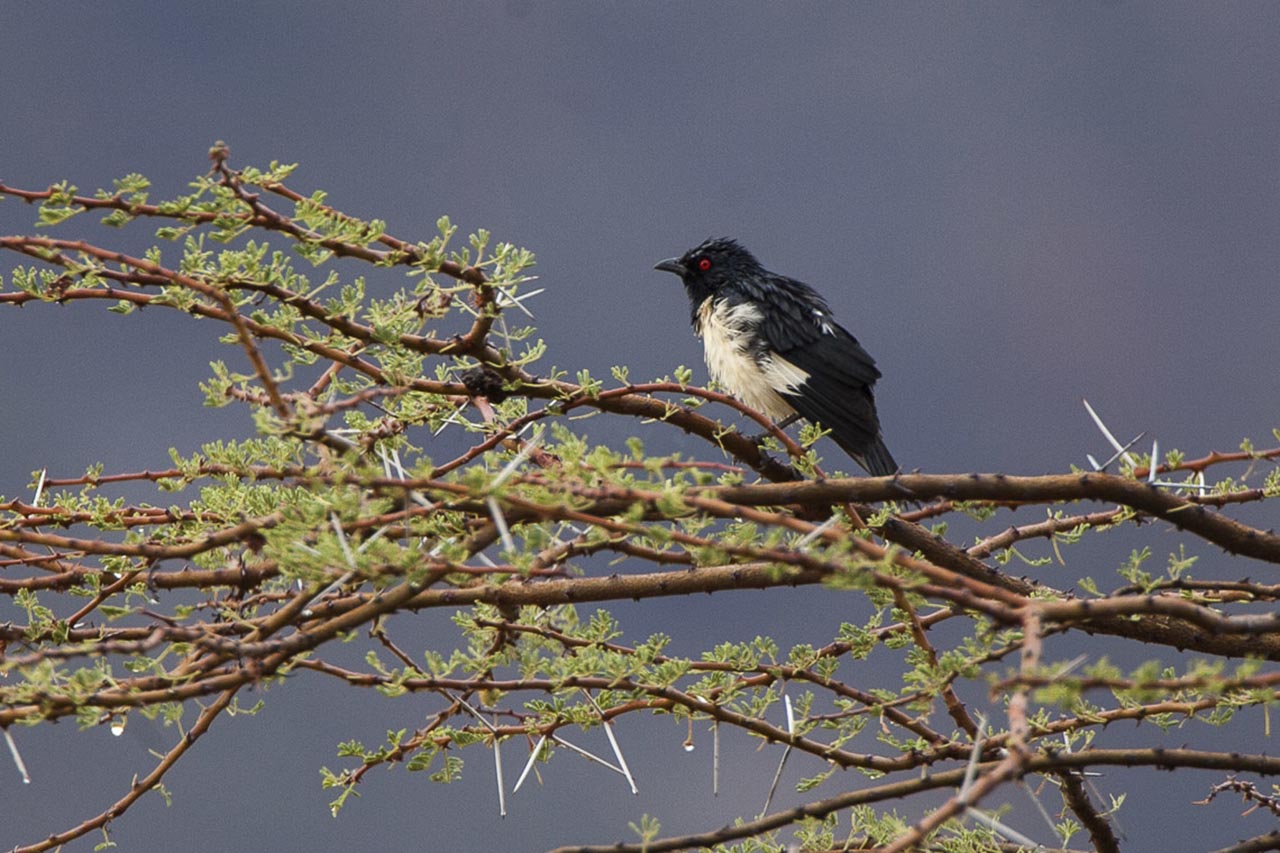
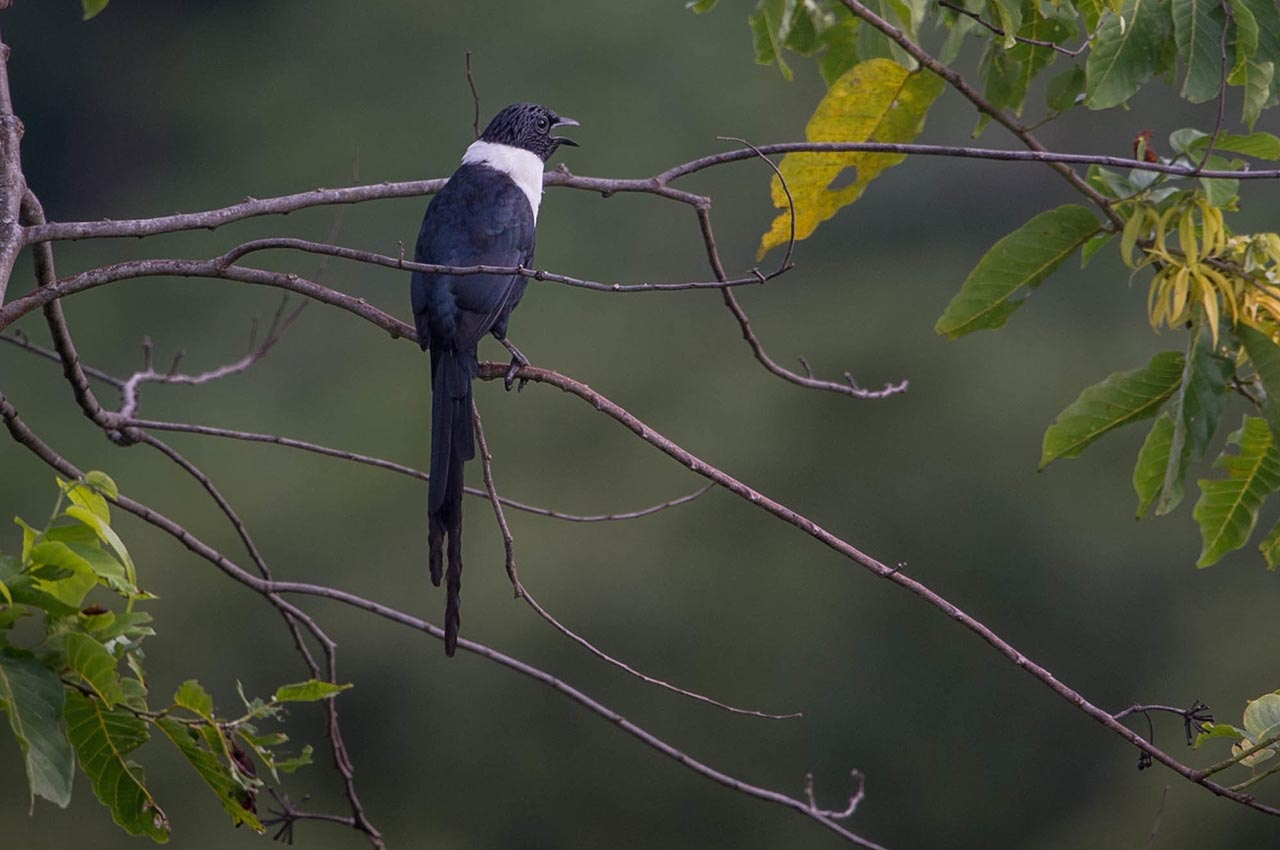
Magpie Starling (Speculipastor bicolor)
The Magpie Starling is found in Ethiopia, Kenya, Somalia, South Sudan, Sudan, Tanzania, and Uganda. IUCN Redlist Status: Least Concern
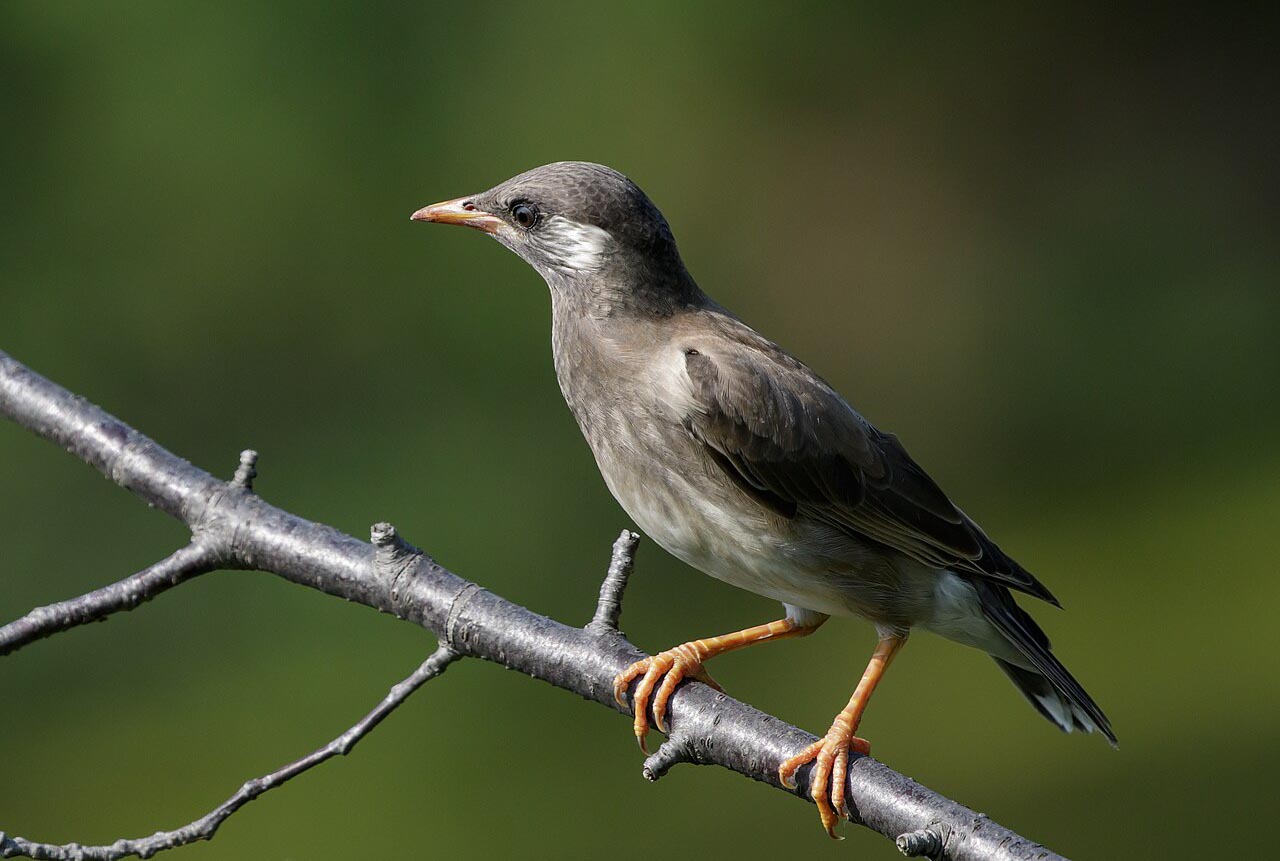
White-cheeked Starling (Spodiopsar cineraceus)
The White-cheeked Starling breeds in China, Japan, Korea and southeastern Siberia in Russia. During winter, it migrates to southern and eastern China, Japan, South Korea, Taiwan and northern Viet Nam. IUCN Redlist Status: Least Concern
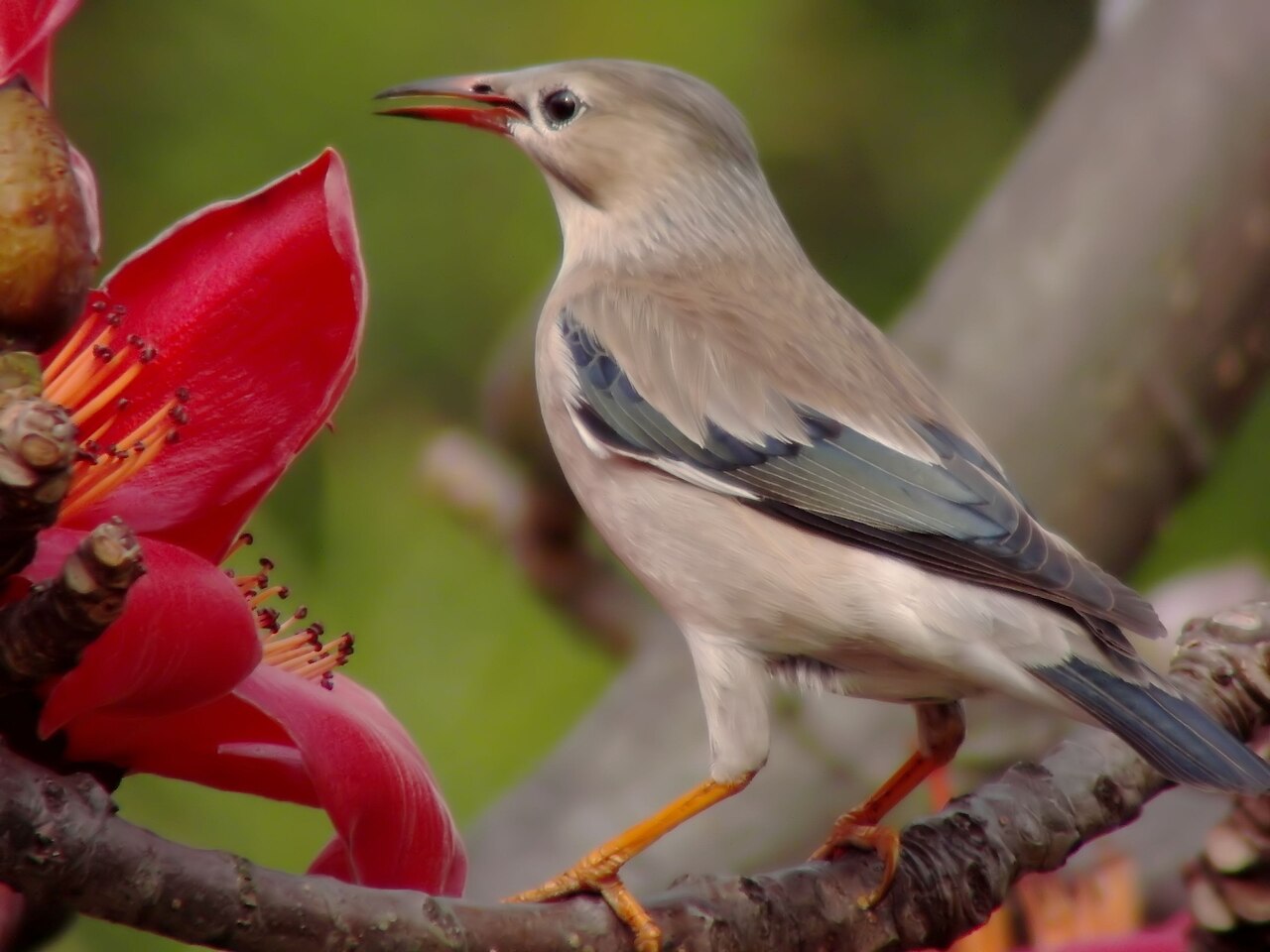
Red-billed Starling (Spodiopsar sericeus)
The Red-billed Starling is found in southeastern China and Hong Kong. During the non-breeding season, it also occurs in Taiwan and northern Viet Nam. IUCN Redlist Status: Least Concern
Bare-eyed Myna (Streptocitta albertinae)
The Bare-eyed Myna is found on Sula Islands (Taliabu and Mangole) and Banggai Island in Indonesia. IUCN Redlist Status: Near Threatened
The Northern White-necked Myna is found in Indonesia. IUCN Redlist Status: Least Concern
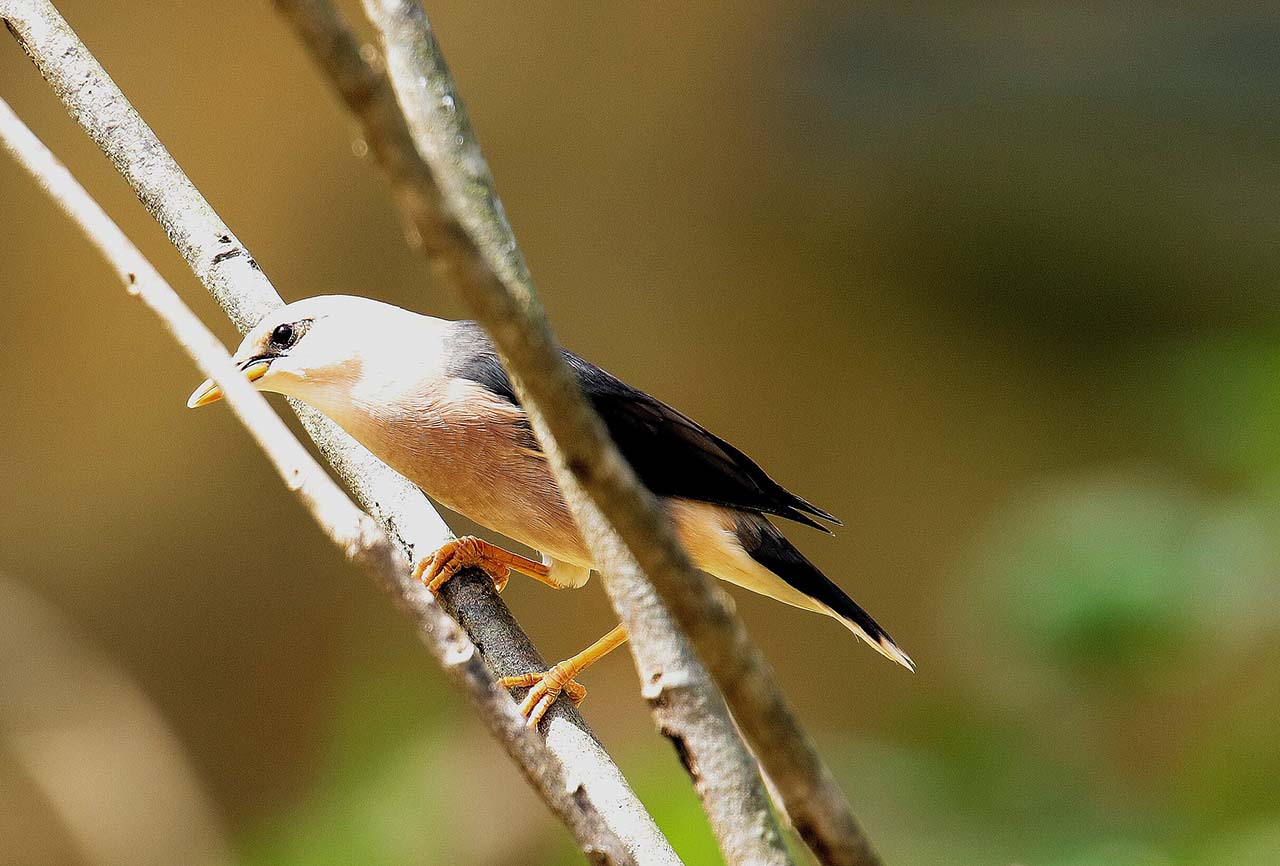
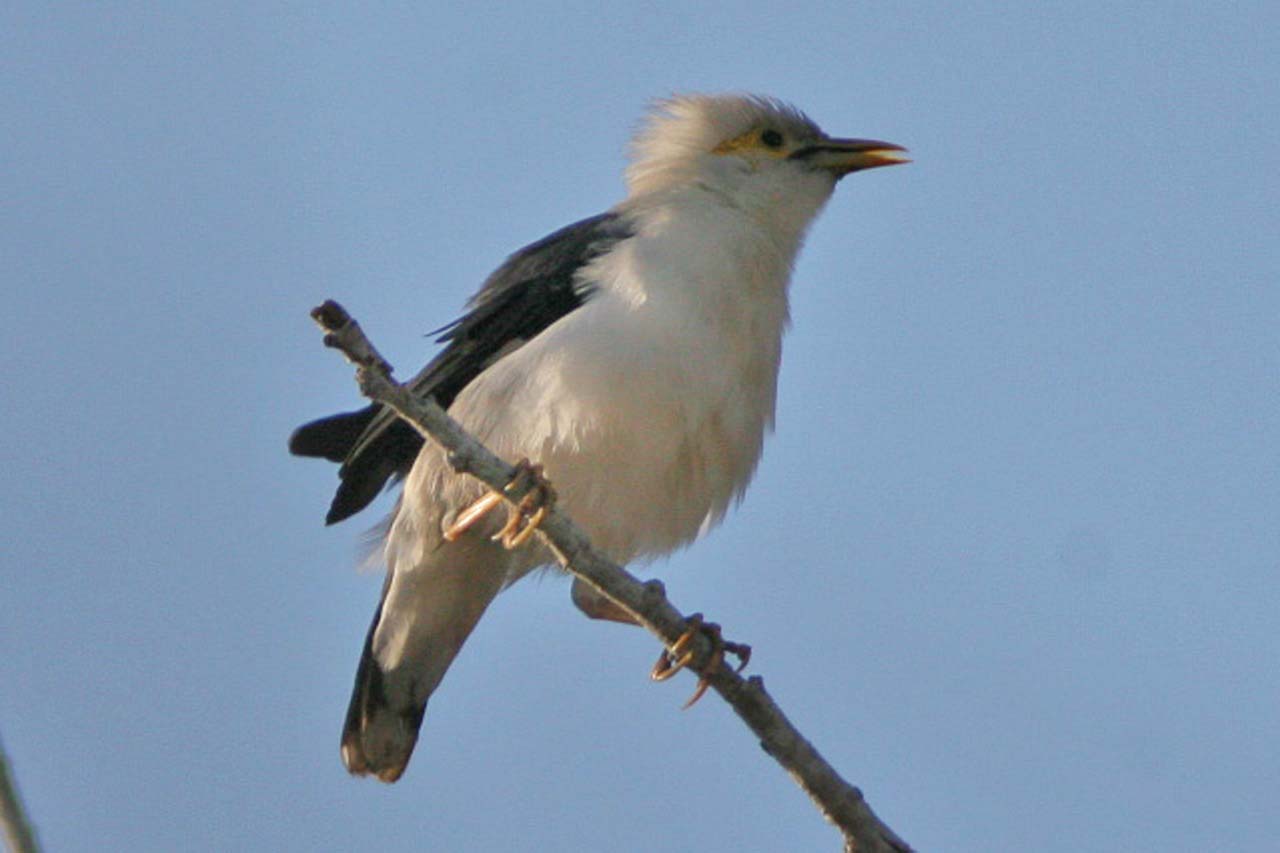
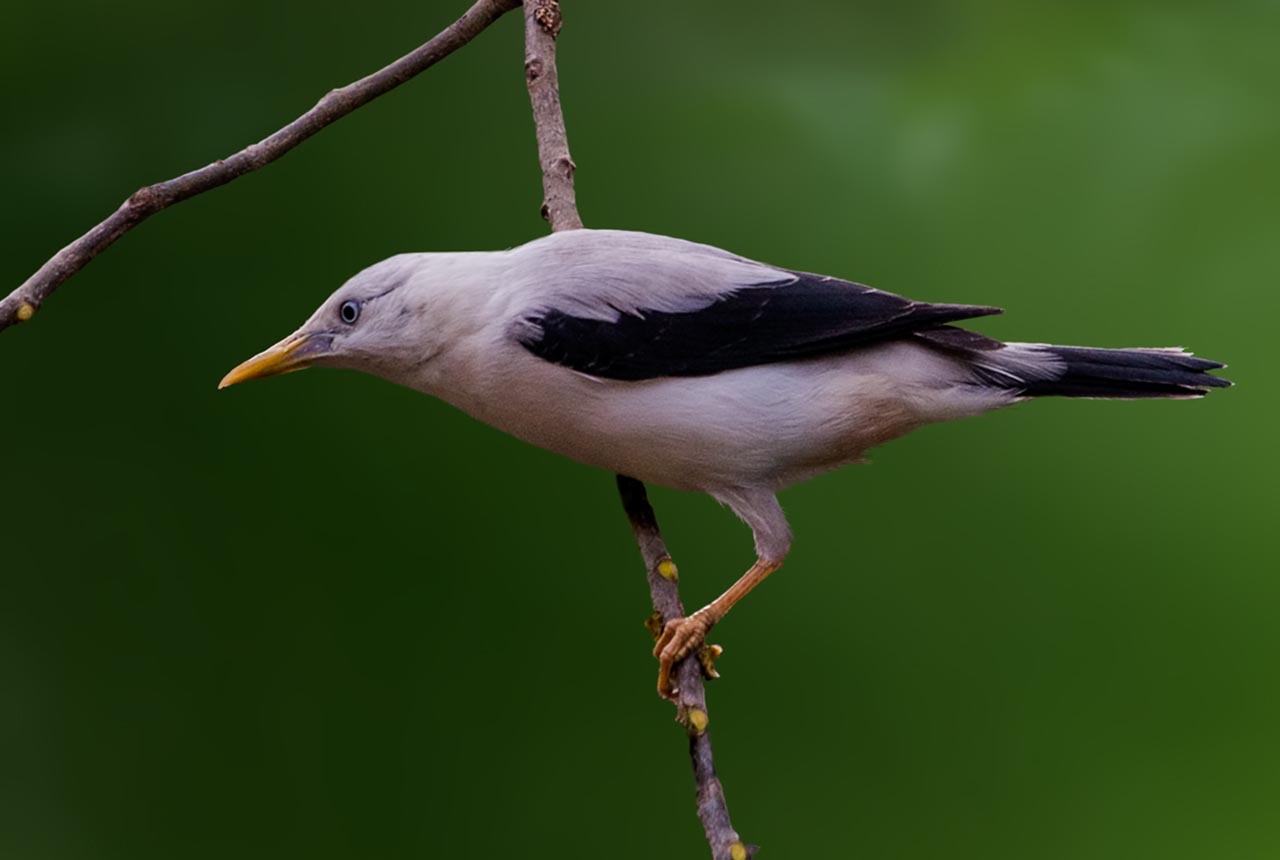
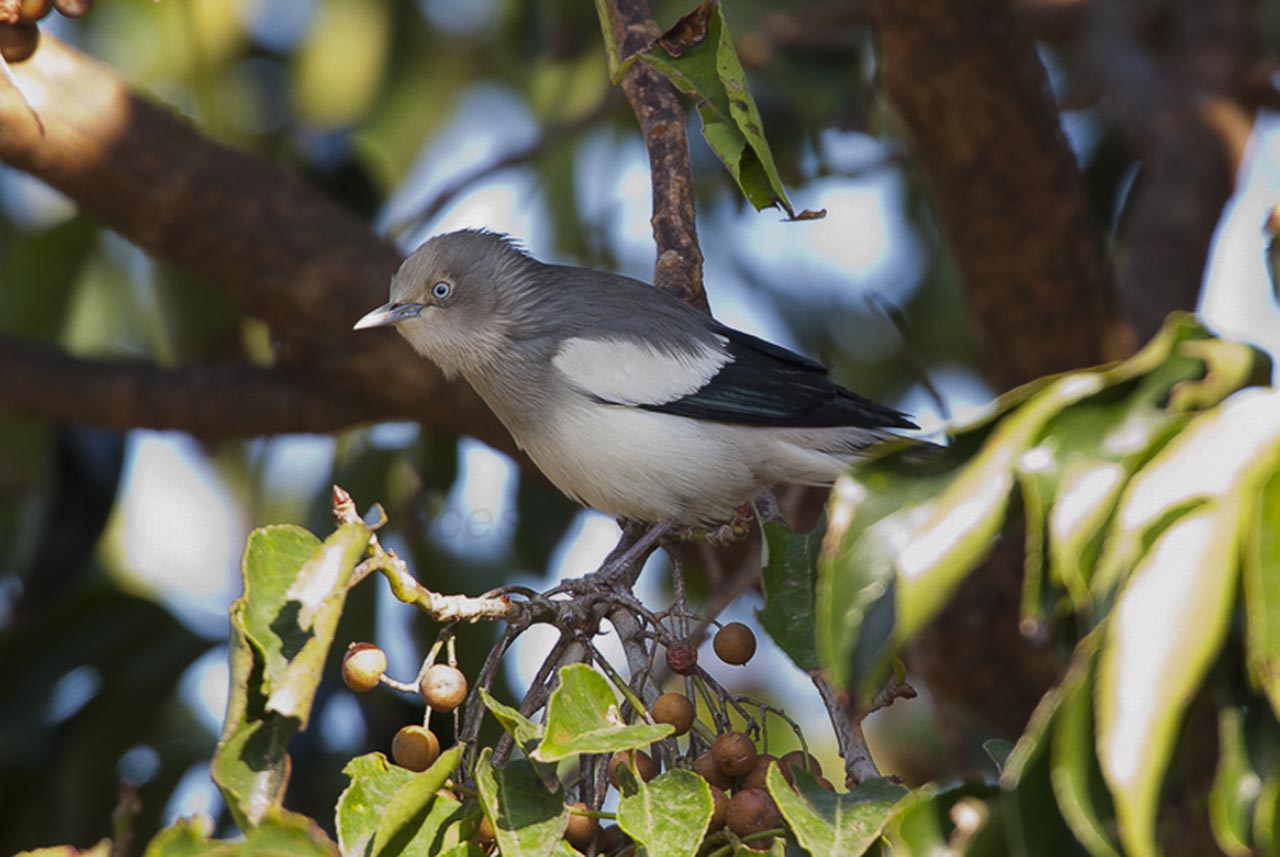
White-headed Starling (Sturnia erythropygia)
The White-headed Starling is found on India’s Andaman and Nicobar Islands. IUCN Redlist Status: Least Concern
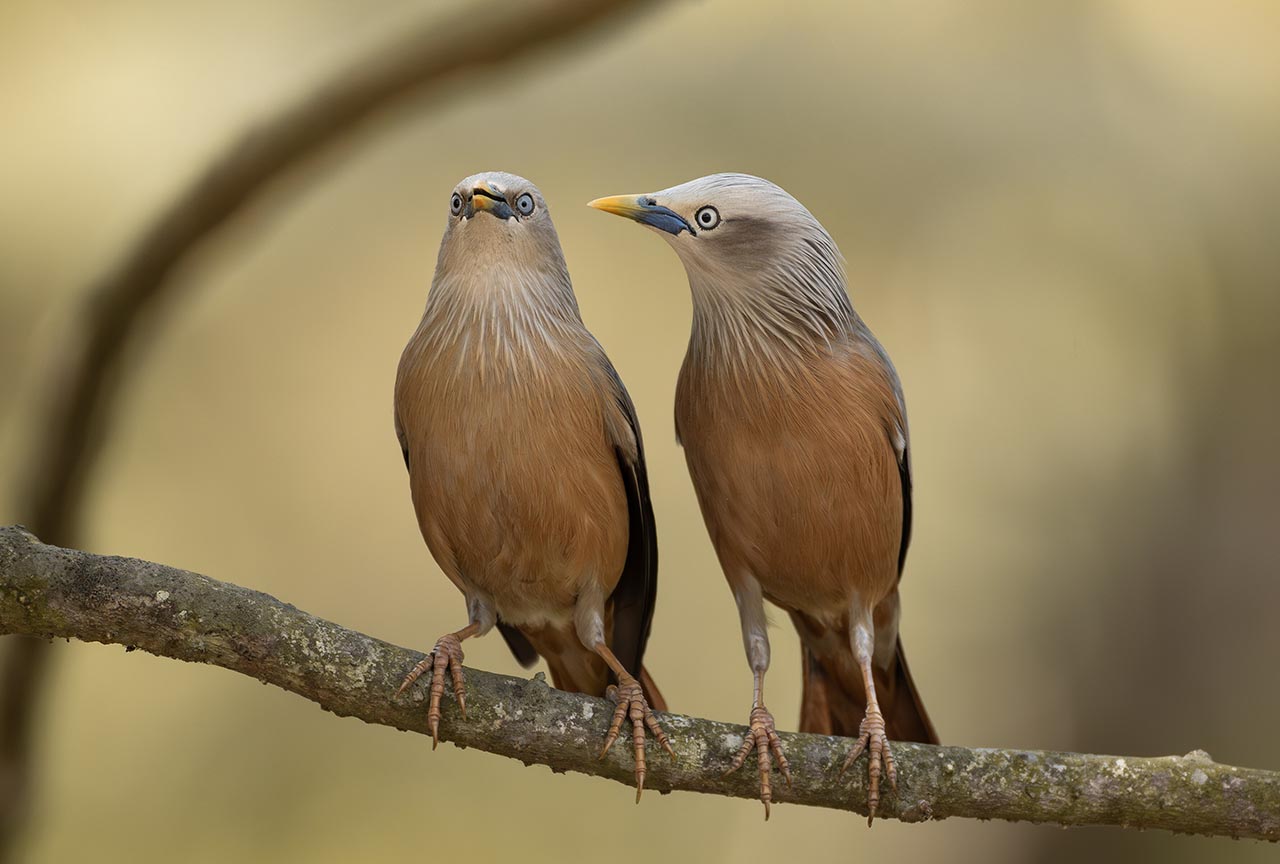
Chestnut-tailed Starling (Sturnia malabarica)
The Chestnut-tailed Starling is found in Bangladesh, Bhutan, Cambodia, China, India, Laos, Myanmar, Nepal, Pakistan, Thailand, and Viet Nam. IUCN Redlist Status: Least Concern
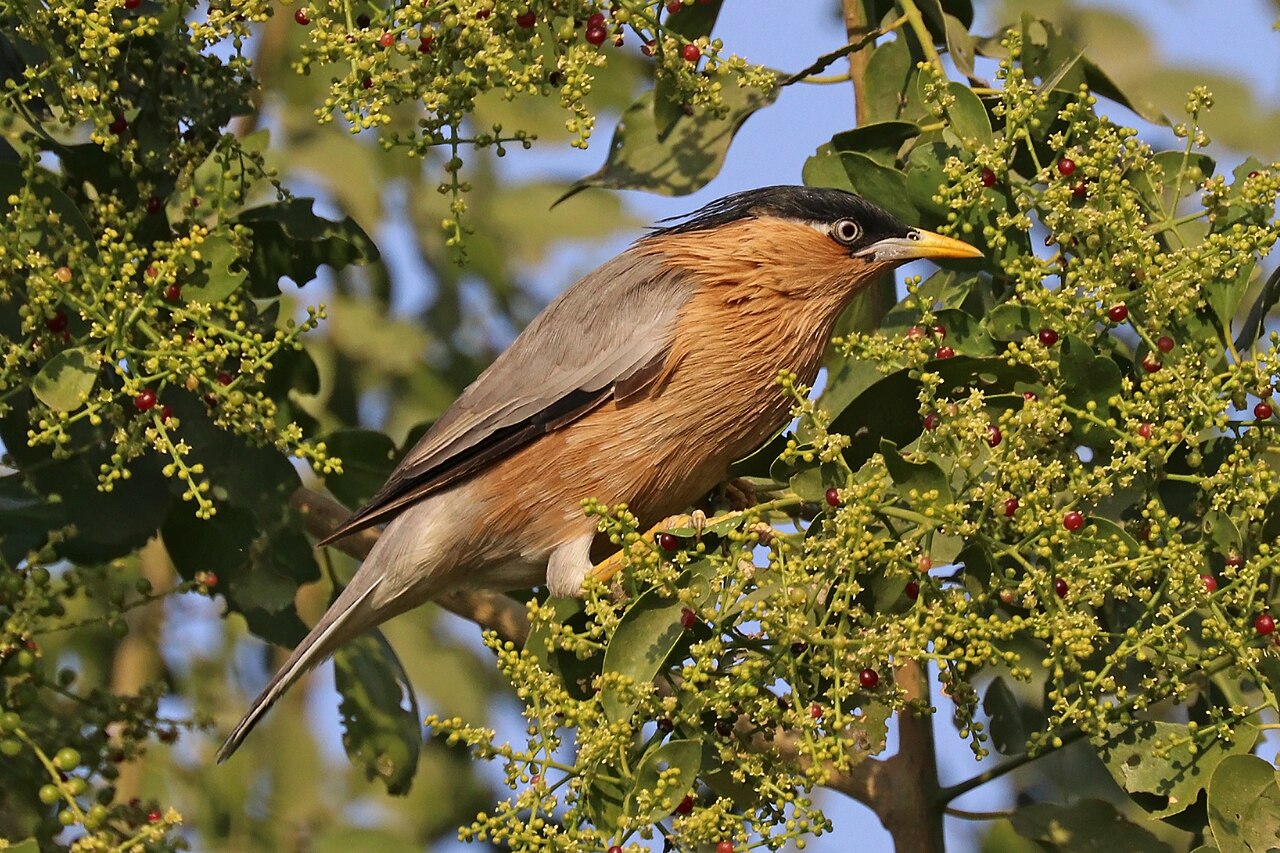
Brahminy Starling (Sturnia pagodarum)
The Brahminy Starling is native to India, Pakistan, Nepal, and Bangladesh. It also breeds in Afghanistan. It has been introduced to the United Arab Emirates and Oman. IUCN Redlist Status: Least Concern
White-shouldered Starling (Sturnia sinensis)
The White-shouldered Starling is found in Brunei Darussalam, Cambodia, China, India, Japan, Malaysia, Myanmar, Philippines, Singapore, South Korea, Taiwan, Thailand, and Viet Nam. IUCN Redlist Status: Least Concern
White-faced Starling (Sturnornis albofrontatus)
The White-faced Starling is found in Sri Lanka. IUCN Redlist Status: Vulnerable
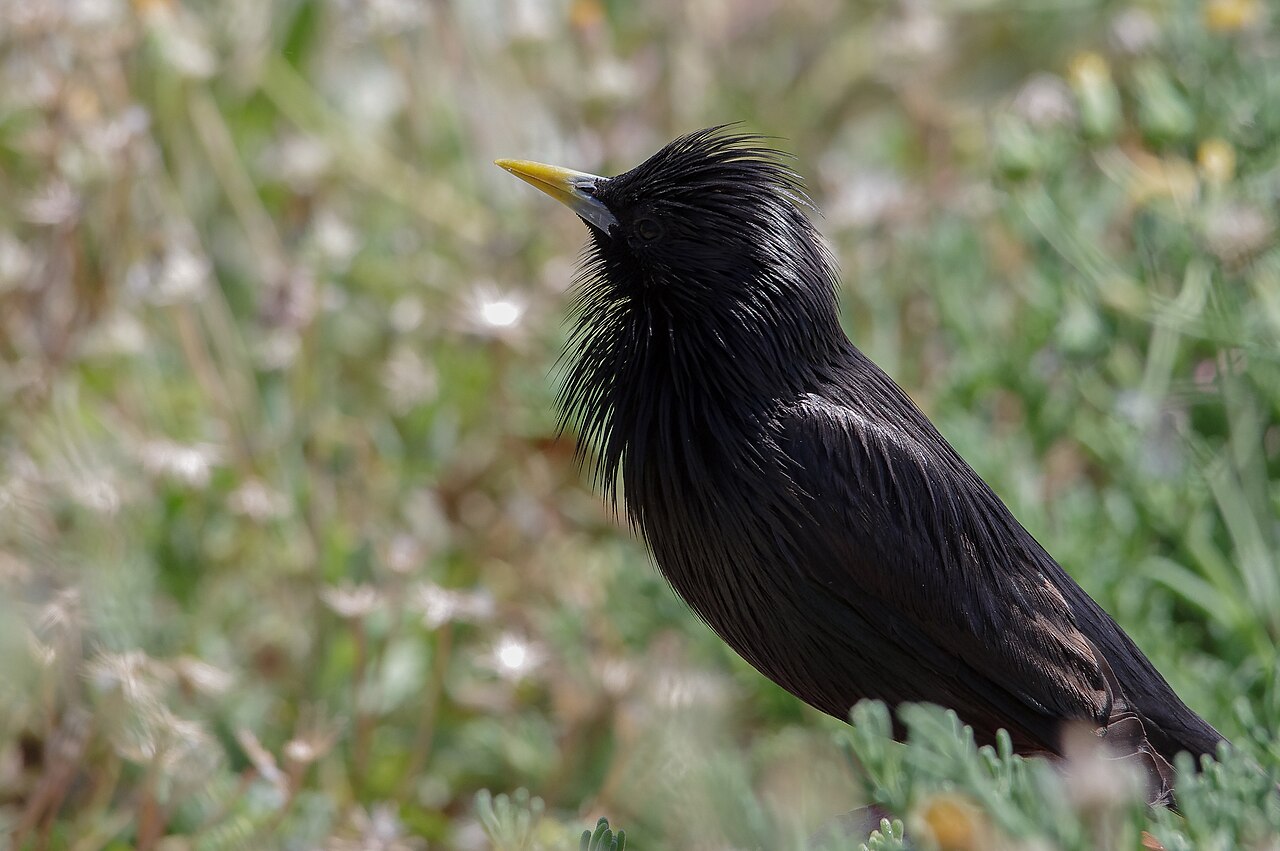
Spotless Starling (Sturnus unicolor)
The Spotless Starling is found in Algeria, France, Gibraltar, Italy, Morocco, Portugal, Spain, and Tunisia. IUCN Redlist Status: Least Concern
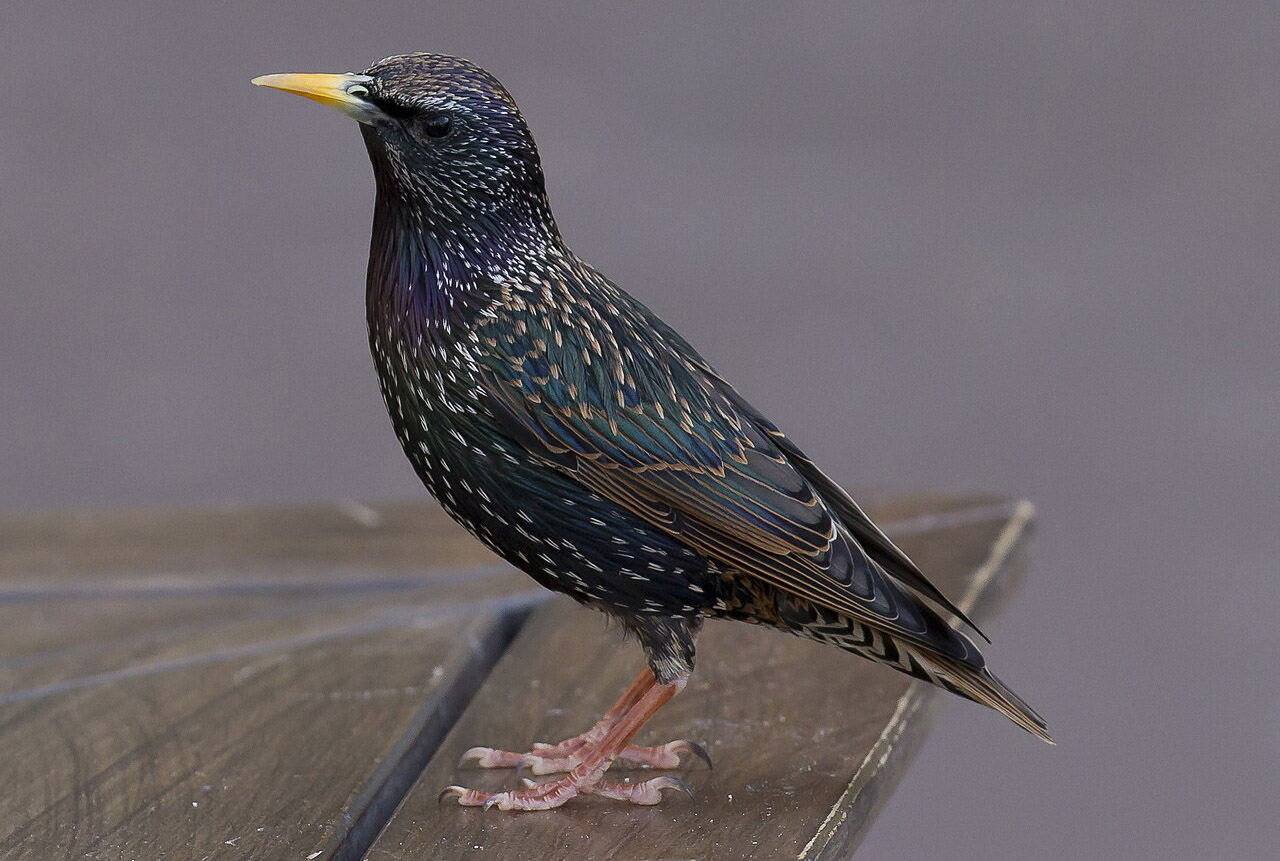
Common Starling (Sturnus vulgaris)
The Common Starling is native to Europe, western and central Asia, and northern Africa. It has been introduced to North America, Australia, New Zealand, and South Africa. In North America, it is found across the United States and southern Canada, extending into northern Mexico.. IUCN Redlist Status: Least Concern