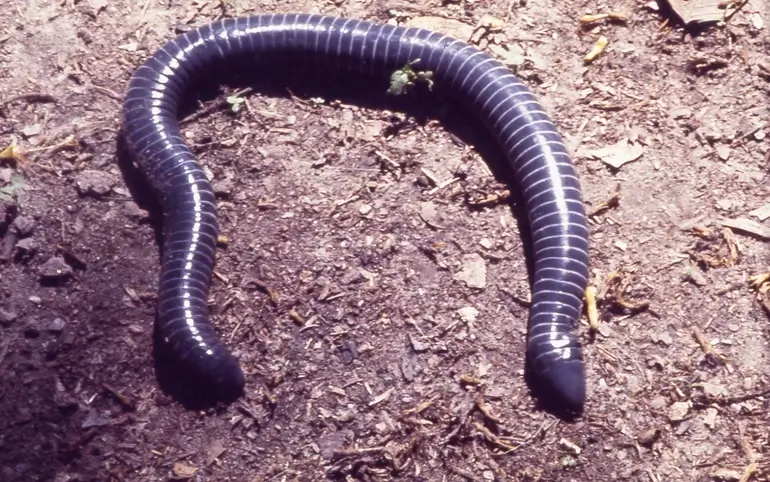
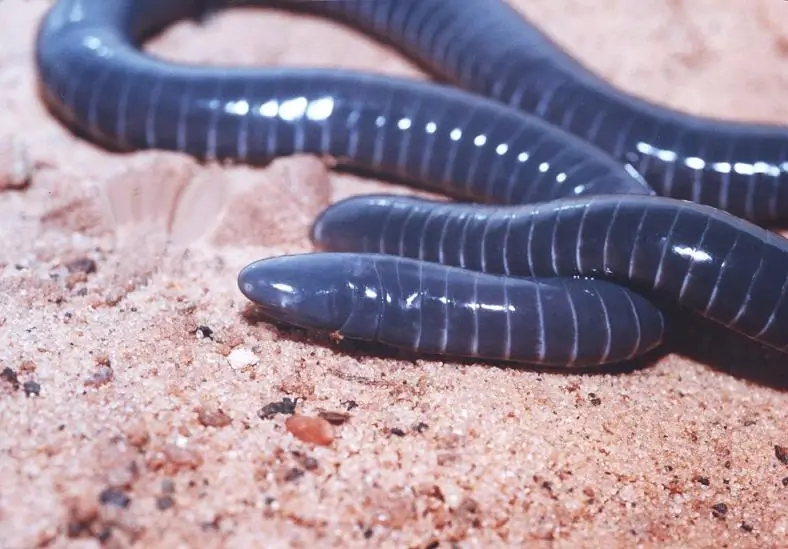
Common caecilians are found in Central America, South America, Africa, and India.
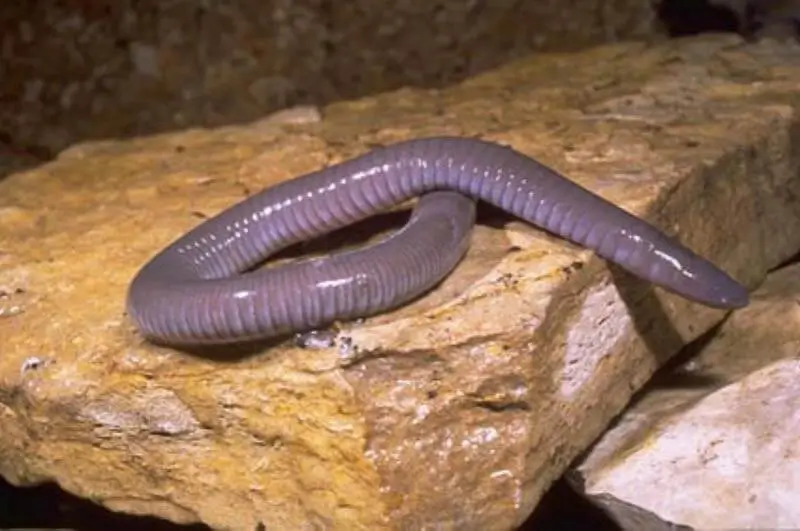
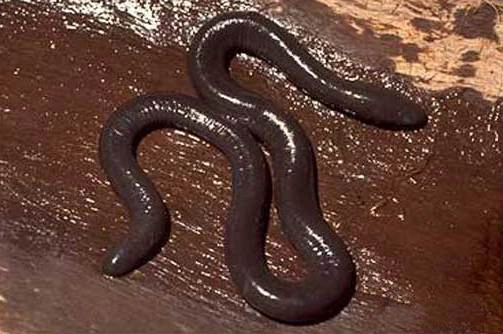
Caecilians look like worms, eels, or snakes. Caecilians have no tail, and their mouth is recessed under their snout. They have strong jaws and lots and lots of teeth.
Caecilians have no gills, but they have gill slits. The bones in their skulls are fused into what looks like a solid helmet. They use their heads to burrow into leaf litter and the ground.
Males and females look the same. Except for during the mating season, most caecilians are solitary. Caecilians eat insects, worms, and small snakes.
Mexican Caecilian (Dermophis mexicanus)
The Mexican caecilian is found in El Salvador, Guatemala, Honduras, Mexico, and Nicaragua. IUCN Redlist Status: Least Concern
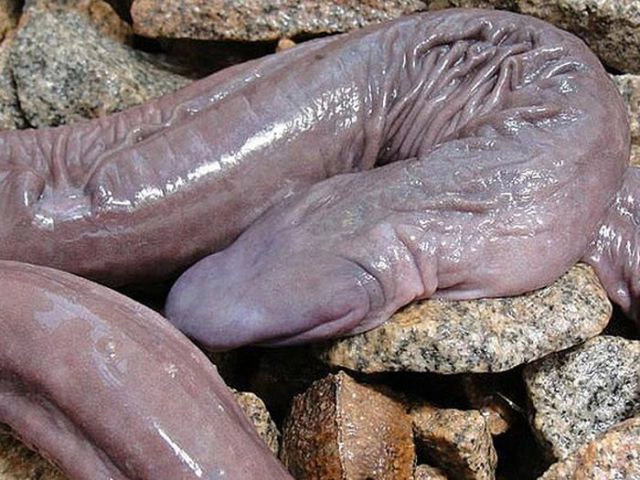
Eiselt's Caecilian (Atretochoana eiselti)
Eiselt's caecilianis found in Brazil. Until 2011, it was only known from preserved specimens. It can be up to 3 feet in length. IUCN Redlist Status: Least Concern
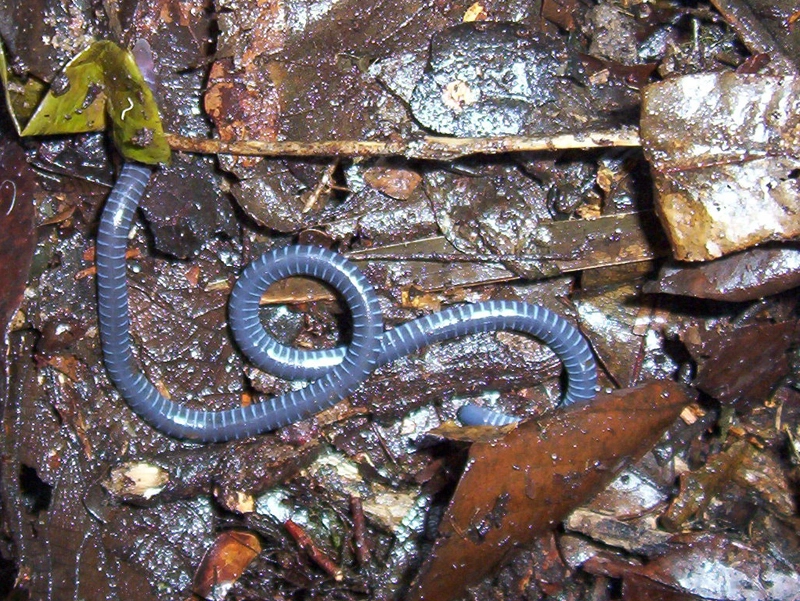
Taita Hills Caecilian (Boulengerula taitana)
The Tsitss Hills caecilian is found in the Taita Hills in Kenya. IUCN Redlist Status: Endangered
The Argentine caecilian is found in Argentina, Brazil, Paraguay, and Uruguay. IUCN Redlist Status: Least Concern
Ringed Caecilian (Siphonops annulatus)
The ringed caecilian is found in Argentina, Bolivia, Brazil, Colombia, Ecuador, French Guiana, Guyana, Paraguay, Peru, Suriname, and Venezuela. IUCN Redlist Status: Least Concern
Boettger's Caecilian (Siphonops paulensis)
Boettger's caecilian is found in Argentina, Bolivia, Brazil, and Paraguay. IUCN Redlist Status: Least Concern
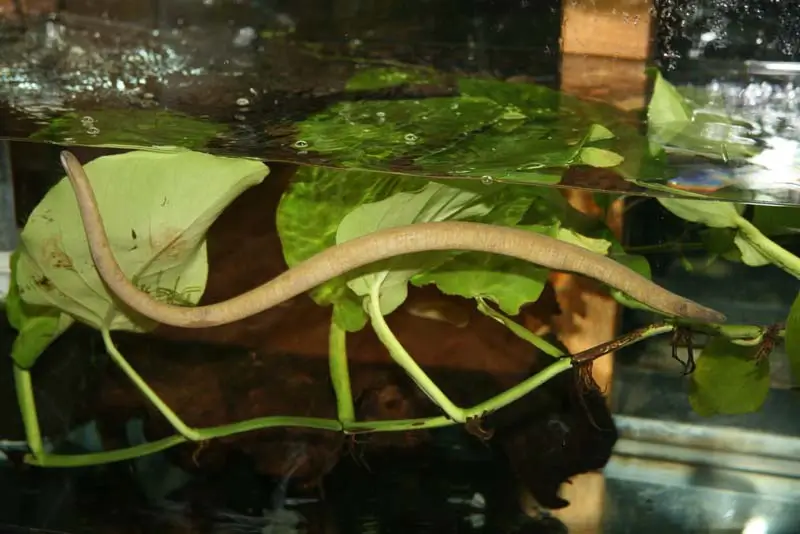
Rio Cauca Caecilian (Typhlonectes natans}
The Rio Cauca caecilian is 17-21 inches in length. It is found in Colombia and Venezuela. It is also known as the rubber eel, but it is not an eel. IUCN Redlist Status: Least Concern