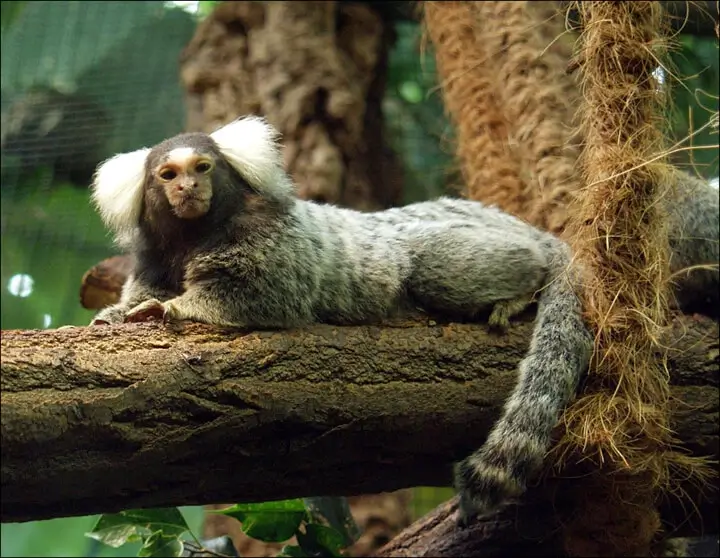
There are about 42 species of small primates in this family.
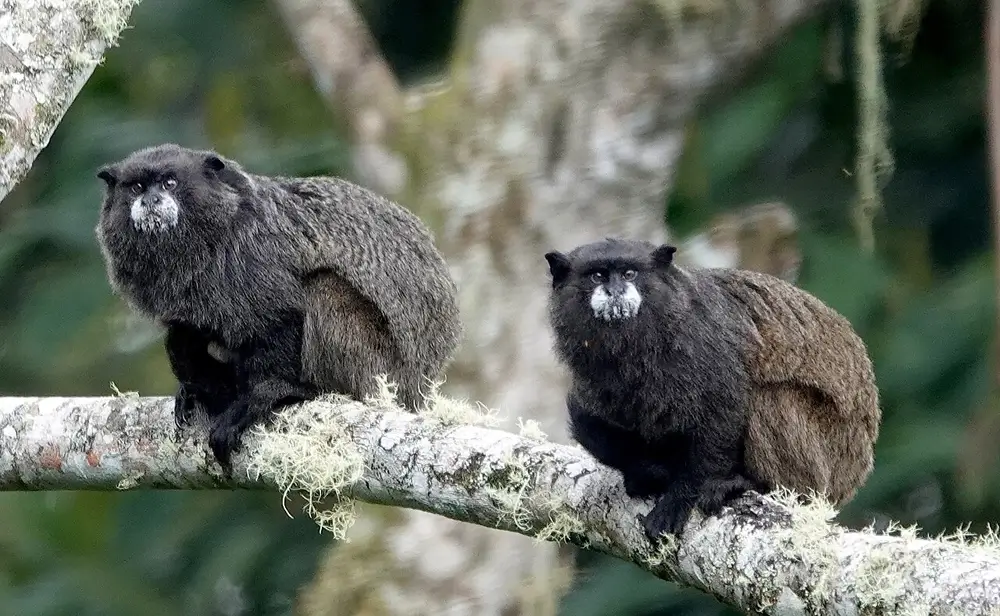
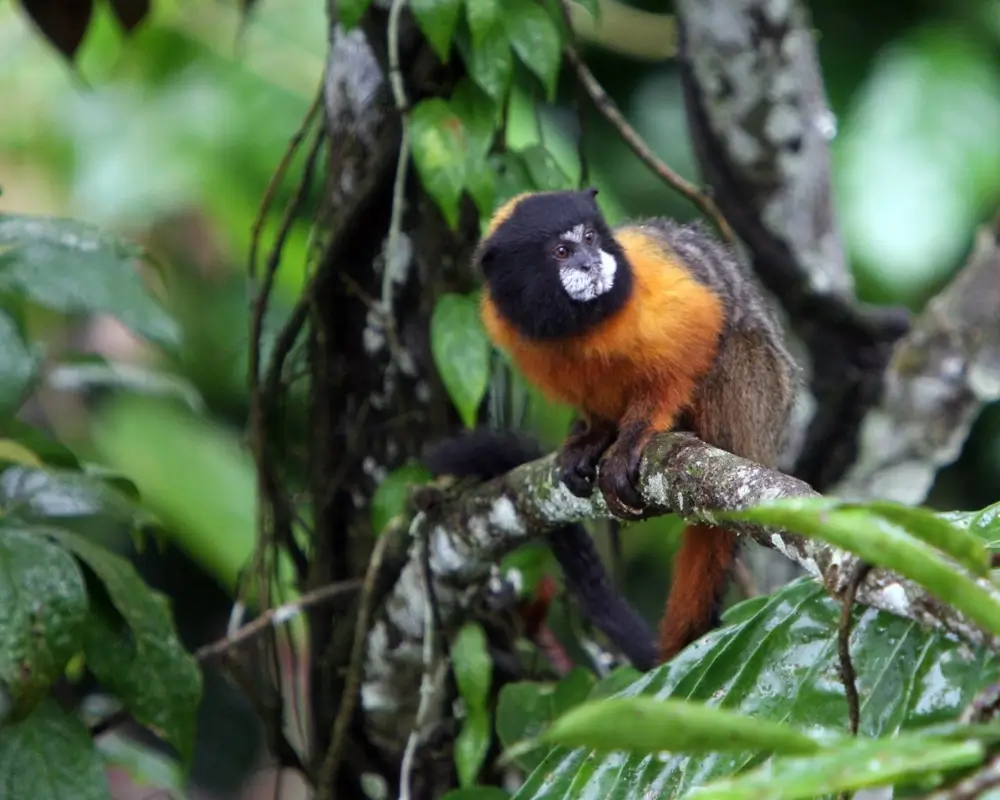
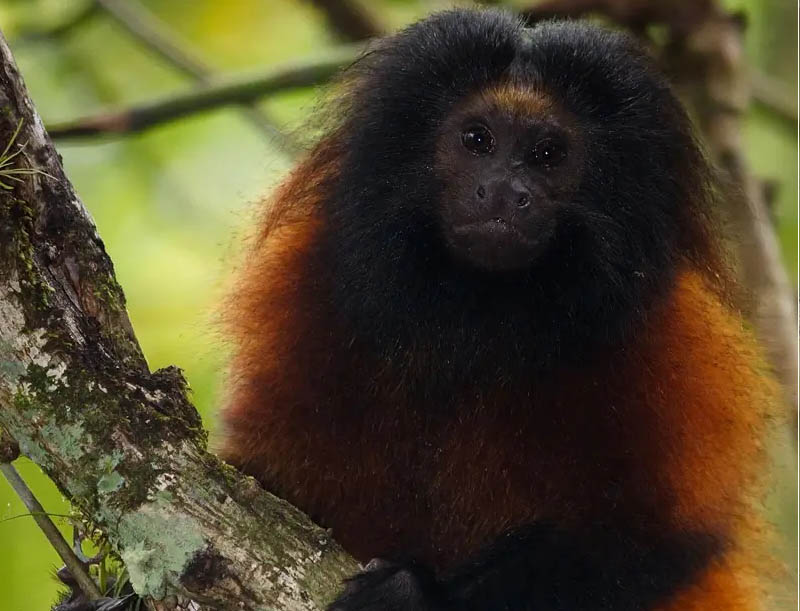
Marmosets and tamarins are found in Central and South America. They have rounded heads and eyes that face forward. Most species are covered in soft fur, except for on their faces. They have long, furred, non-prehensile tails, and most species have tufts of fur on their heads.
Most primates have flat nails on their fingers and toes, but marmosets and tamarins have sharp, downturned claws, except for on their big toes. These claws help them cling to bark as they climb through trees.
Females in this family usually have 1-3 babies a year. The babies are carried on their parents’ backs. Marmosets and tamarins live in family groups and are active during the day and at night.
Marmosets and tamarins spend most of their time in trees. Insects make up most of their diet, but they also eat birds, sap, fruits, and seeds.
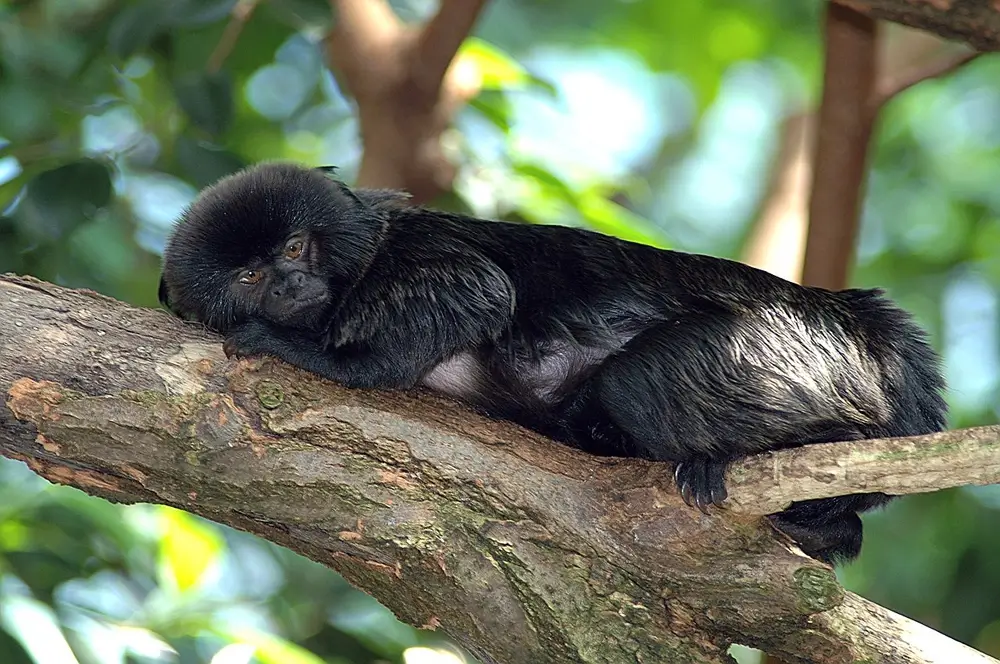
Goeldi's Monkey (Callimico goeldii)
Goeldi's monkey is found in the Amazon rainforests of Bolivia, Brazil, Colombia, and Peru. It is only a little larger than a squirrel and has claws rather than nails on its fingers. IUCN Redlist status: Vulnerable
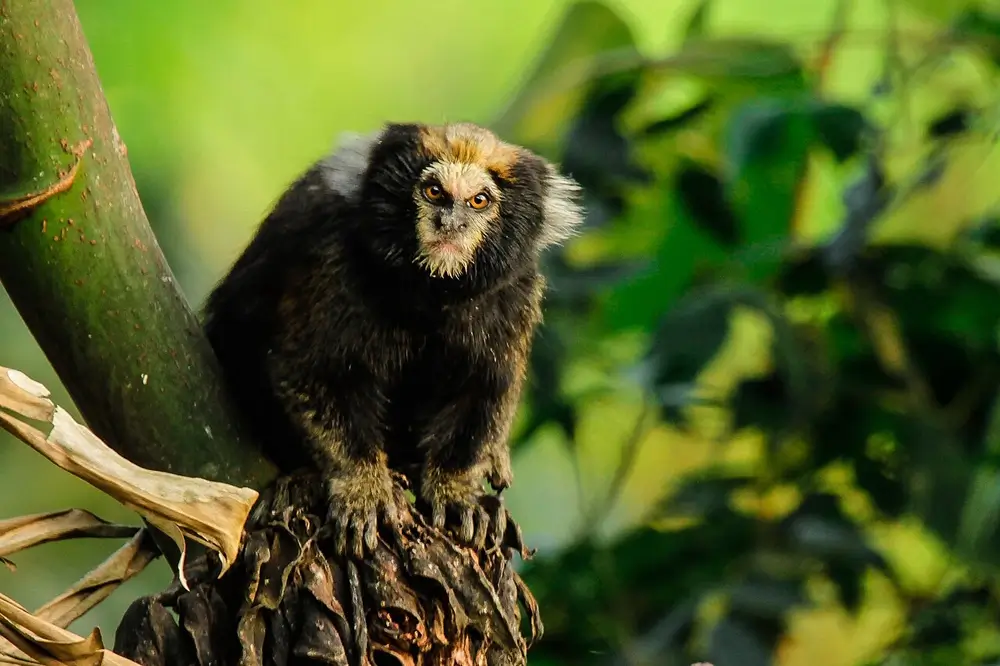
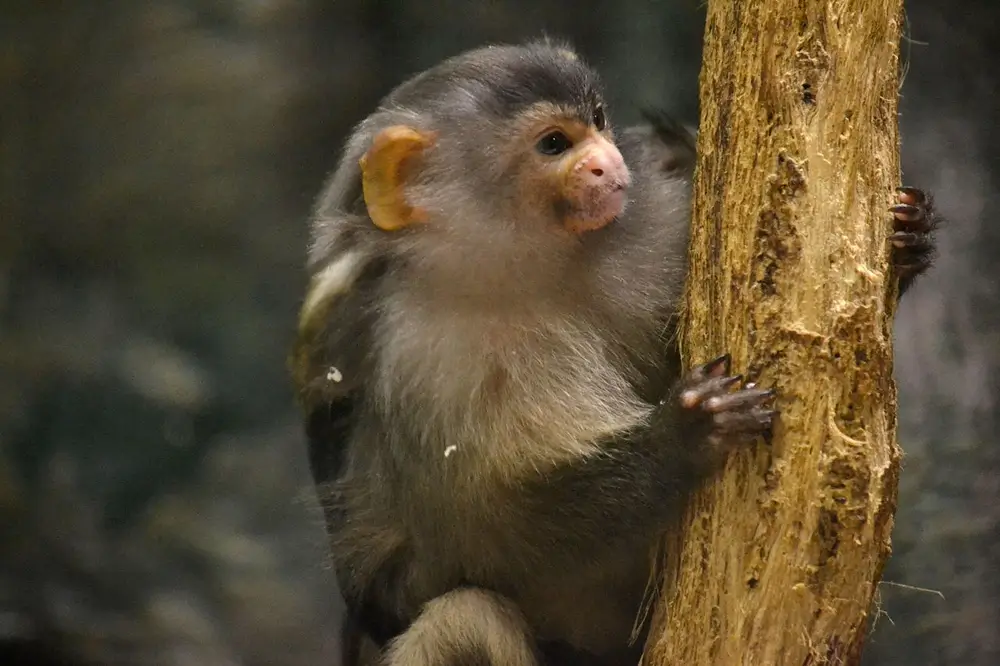
Buffy-Tufted-Ear Marmoset (Callithrix aurita)
The buffy-tufted-ear marmoset is found in southeastern Brazil. IUCN Redlist Status: Endangered
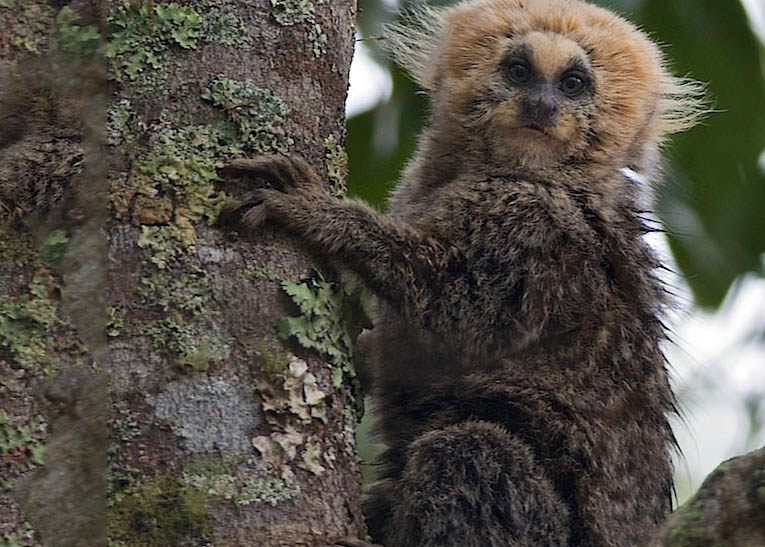
Buffy-Headed Marmoset (Callithrix flaviceps)
The buffy-headed marmoset is found in the southeastern states of Espirito Santo and Minas Gerais in Brazil. It has white tufts of hair that flare horizontally from the sides of its head. IUCN Redlist Status: Critically Endangered
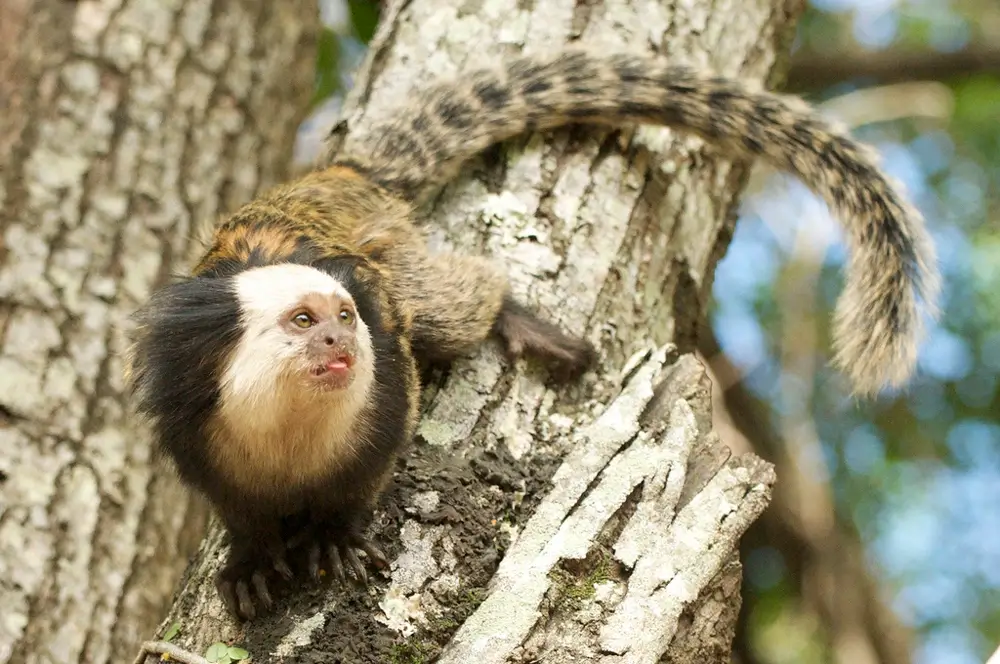
Geoffroy's tufted-ear marmoset is found in southeastern Brazil. It is around 8 inches in length, not including its tail. Adults are brown to black with white foreheads, cheeks, temples and throats and black ear tufts. IUCN Redlist Status: Least Concern
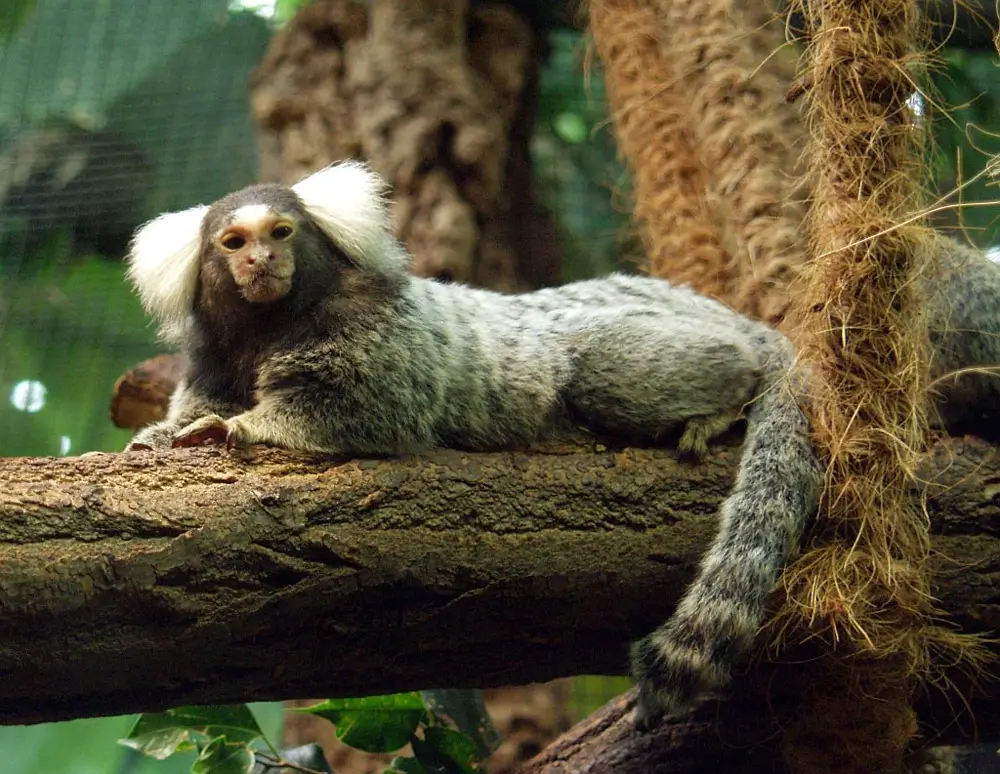
Common Marmoset (Callithrix jacchus)
The common marmoset is found in Brazil. IUCN Redlist Status: Least Concern
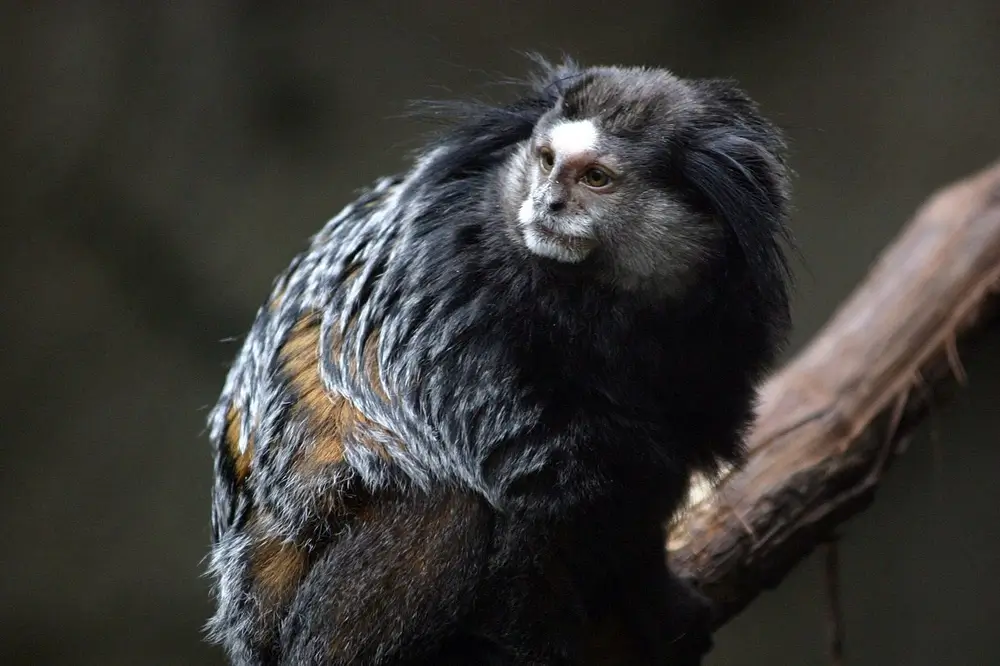
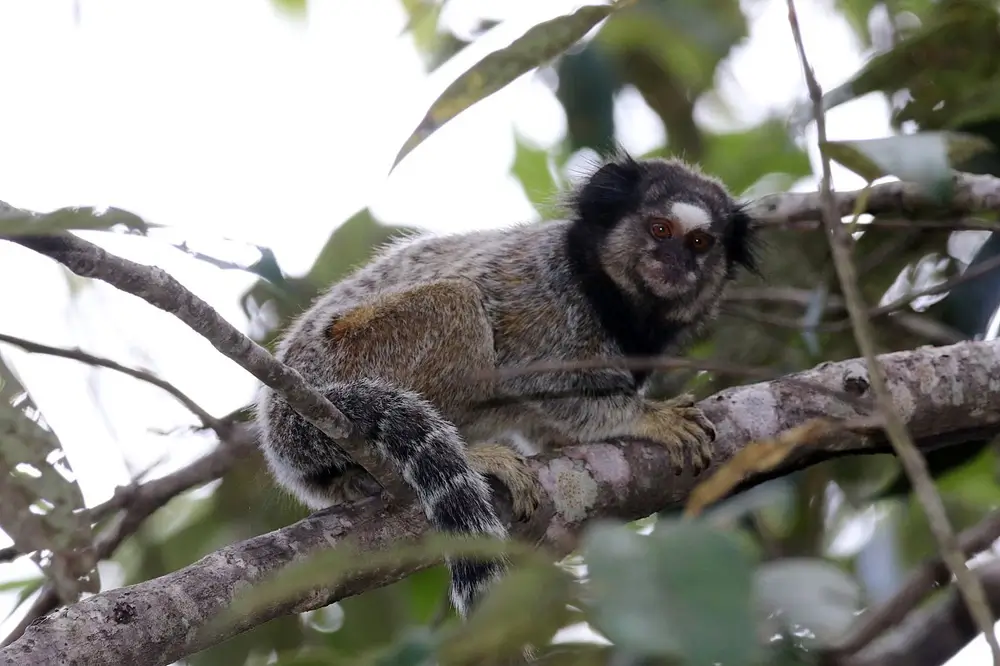
Wied's black-tufted-ear marmoset is found in southeastern Brazil in the states of Bahia and Minas Gerais. IUCN Redlist Status: Vulnerable
Black-Pencilled Marmoset (Callithrix penicillata)
The black pencilled marmoset is found in Brazil. IUCN Redlist Status: Least Concern
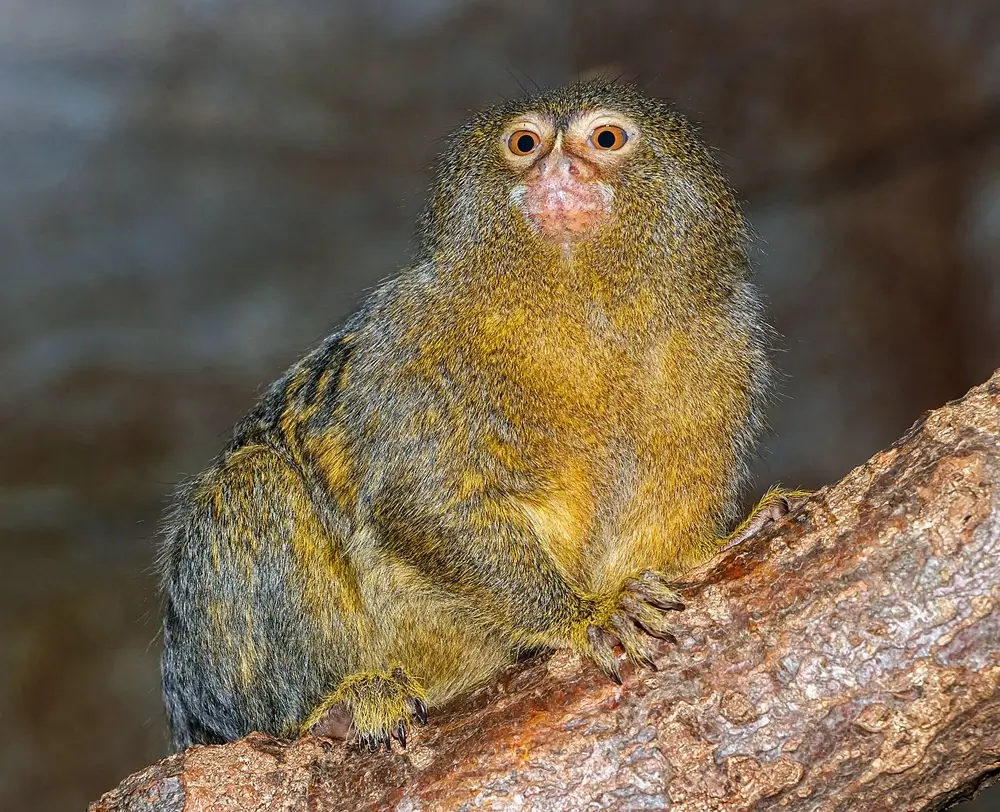
Pygmy Marmoset (Cebuella pygmaea)
Not including its tail, the pygmy marmoset is a little over five inches in length and is the world’s smallest true monkey. It is found in Brazil, Colombia, Ecuador, and Peru. IUCN Redlist Status: Vulnerable
Black Mantle Tamarin (Leontocebus nigricollis)
The black mantle tamarin is found in Brazil, Colombia, Ecuador, and Peru. IUCN Redlist Status: Least Concern
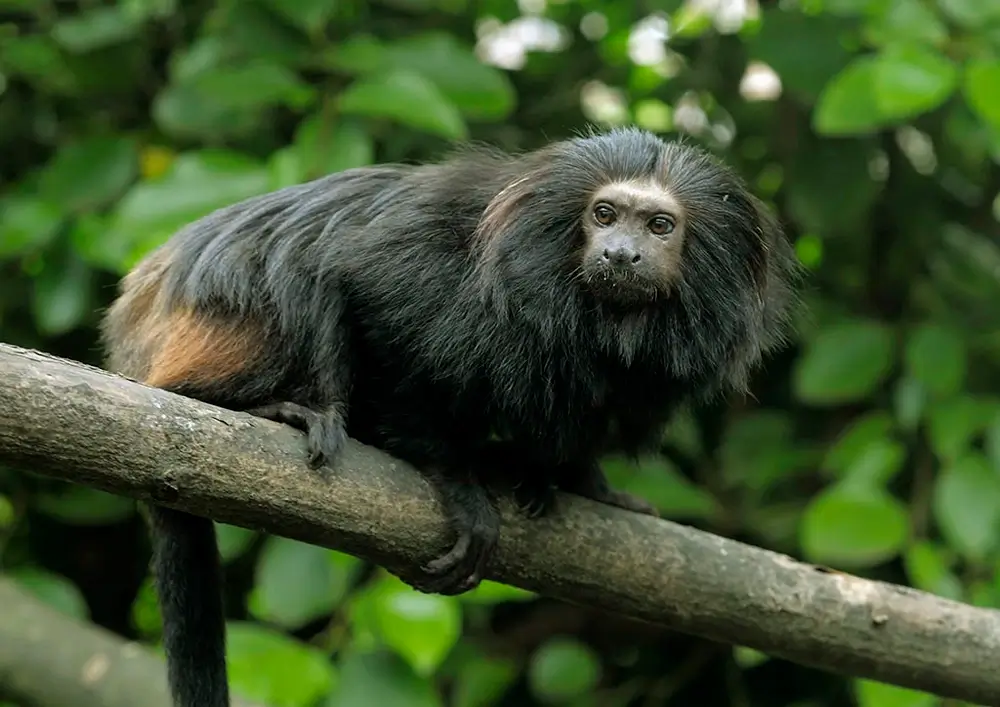
The black-faced lion tamarin was first identified in 1990. It is found in the states of Parana and Sao Paulo in Brazil. IUCN Redlist Status: Endangered
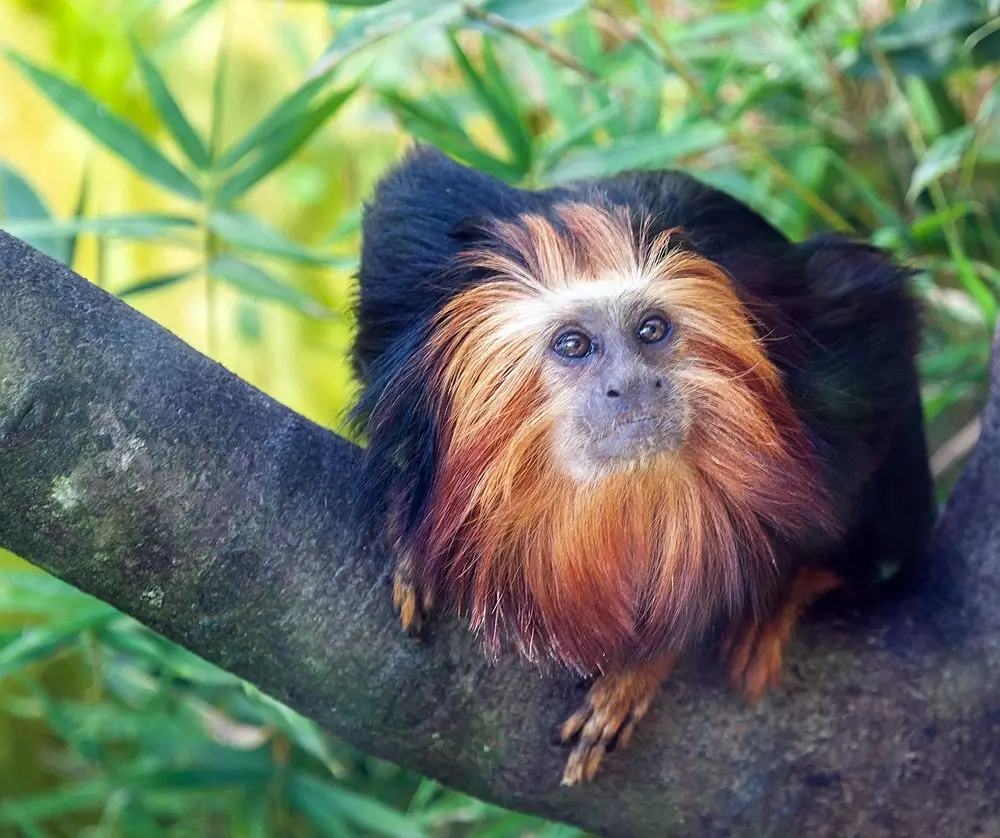
The golden-headed lion tamarin is a small, squirrel-sized monkey. It is found in coastal Atlantic forests in the state of Bahia in south-eastern Brazil. IUCN Redlist Status: Endangered
Black-Lion tamarin (Leontopithecus chrysopygus)
The black lion tamarin, also known as the Golden-rumped lion tamarin is found in the state of Sao Paulo in southeastern Brazil. IUCN Redlist Status: Endangered
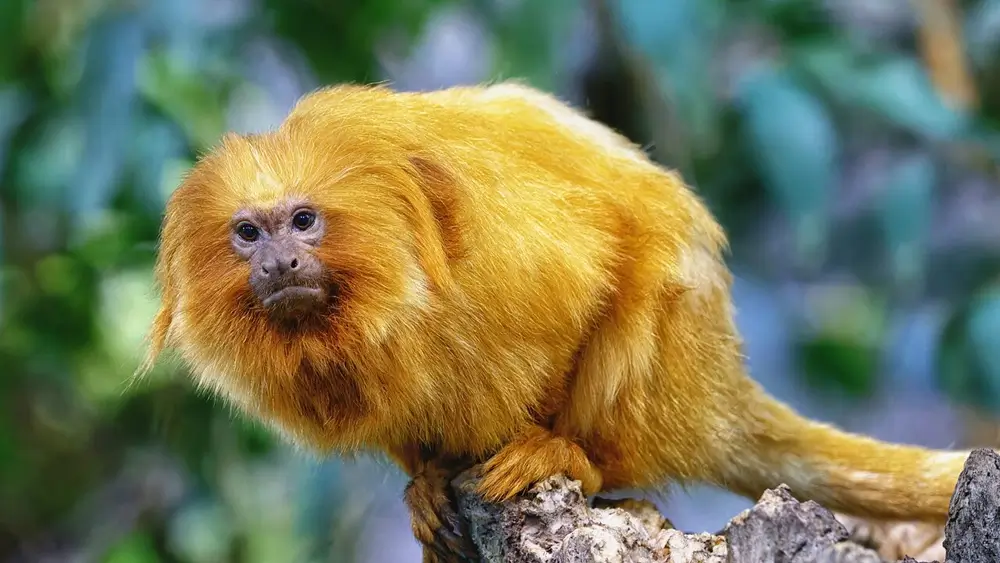
Golden Lion Tamarin (Leontopithecus rosalia)
The golden lion tamarin is found in southeastern Brazil in the state of Rio de Janeiro. They are 6-10 inches in length with a12-15-inch tail. IUCN Status: Endangered
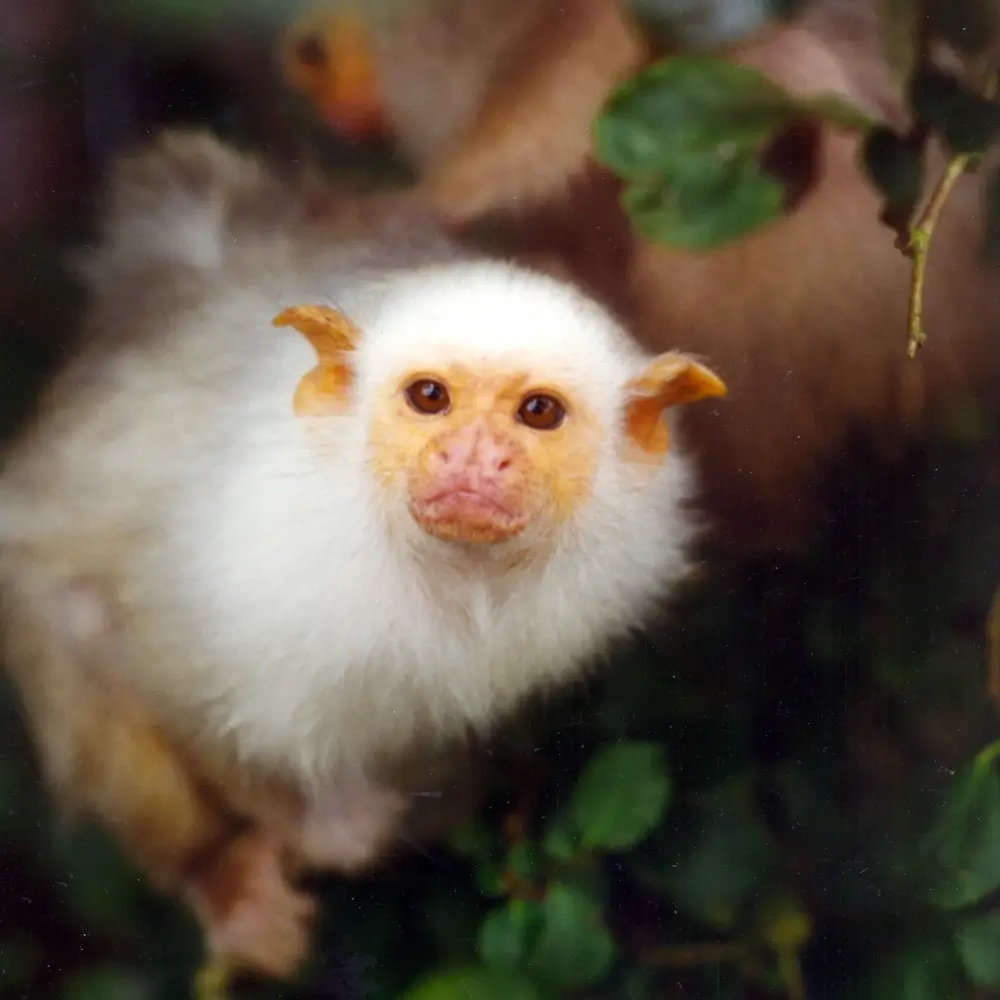
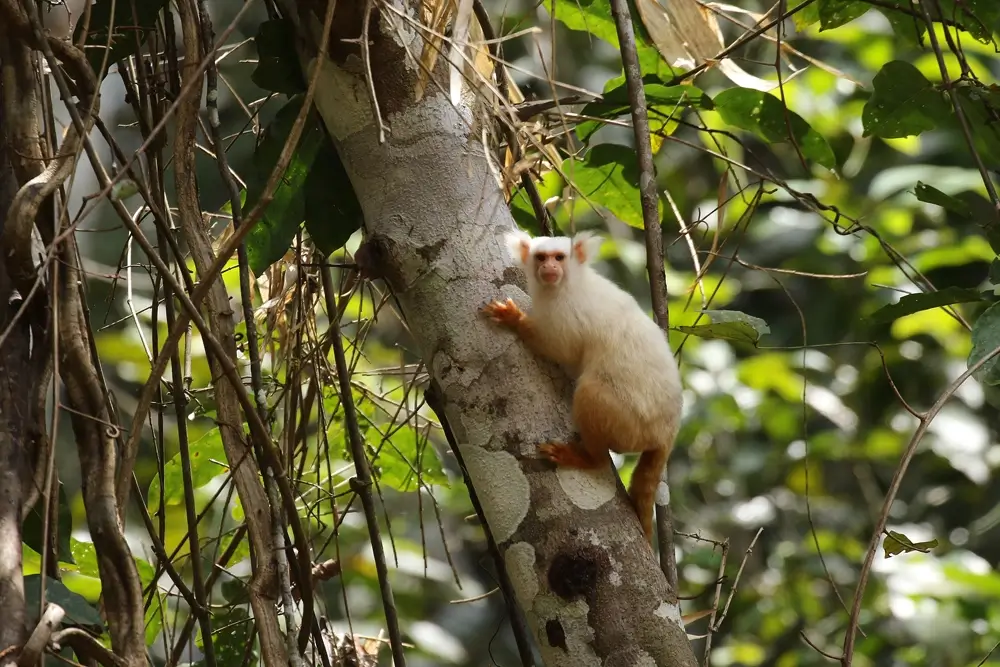
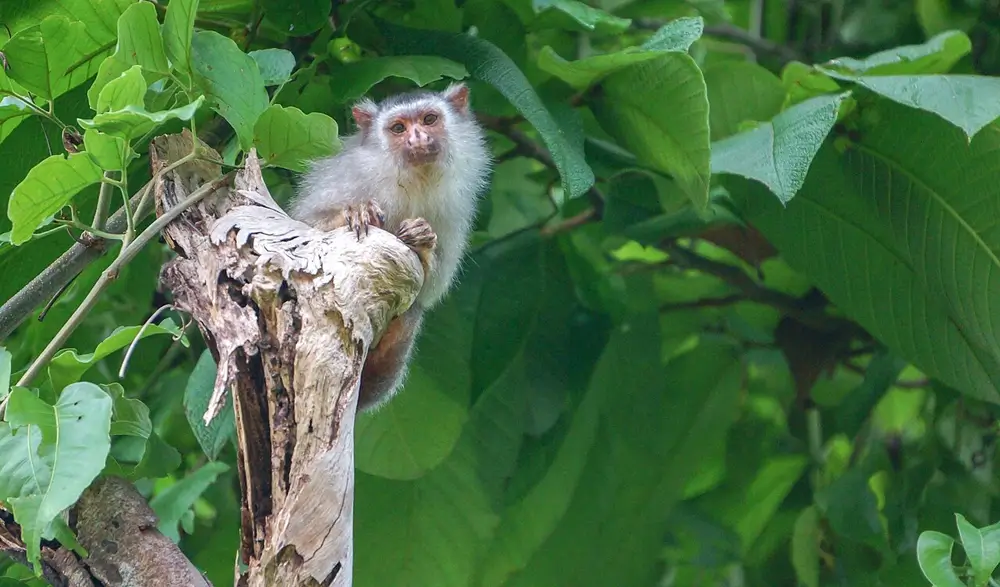
Silvery Marmoset (Mico argentatus)
The silvery marmoset is found in Brazil. IUCN Redlist Status: Least Concern
The golden-white tassel-ear marmoset is found in Brazil. IUCN Redlist Status: Least Concern
Snethlage's Marmoset (Mico emiliae)
Snethlage's marmoset is found in Brazil. IUCN Redlist Status: Least Concern
Black-Tailed Marmoset (Mico melanurus)
The black-tailed marmoset is found in Brazil, Bolivia, and Paraguay. IUCN Redlist Status: Near Threatened
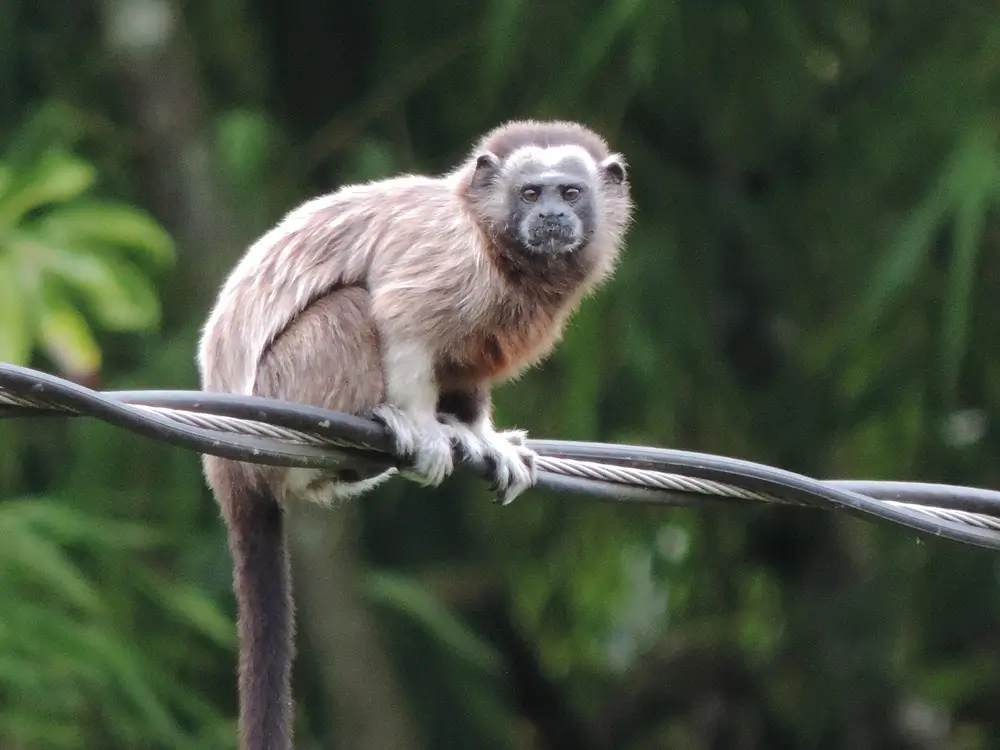
Silvery-Brown Tamarin (Oedipomidas leucopus)
The silvery-brown tamarin is found in Colombia. IUCN Redlist Status: Vulnerable
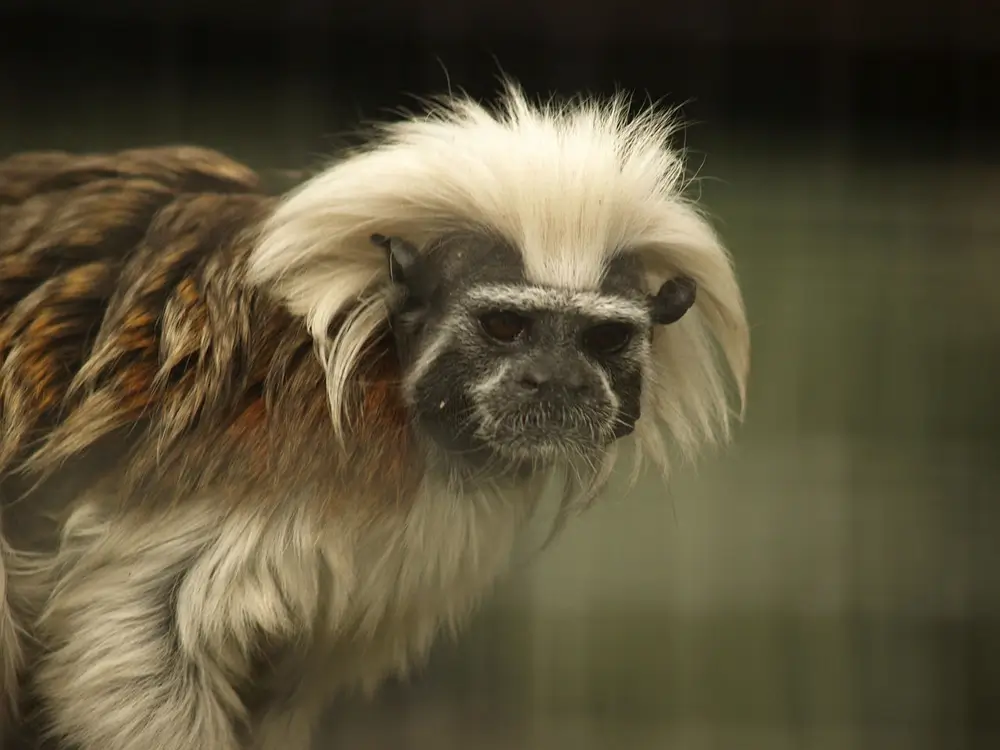
Cotton-Headed Tamarin (Oedipomidas oedipus)
The cotton-headed tamarin is found in Colombia. IUCN Redlist Status: Critically Endangered
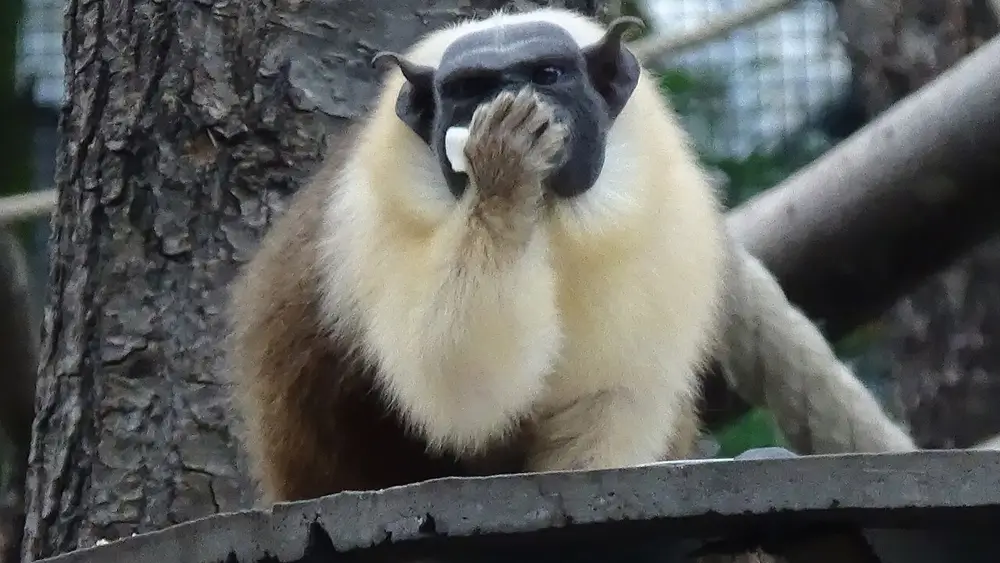
Brazilian Bare-faced Tamarin (Saguinus bicolor)
The Brazilian Bare-faced Tamarin, also known as the pied tamarin, I found in Brazil. IUCN Redlist Status: Critically Endangered
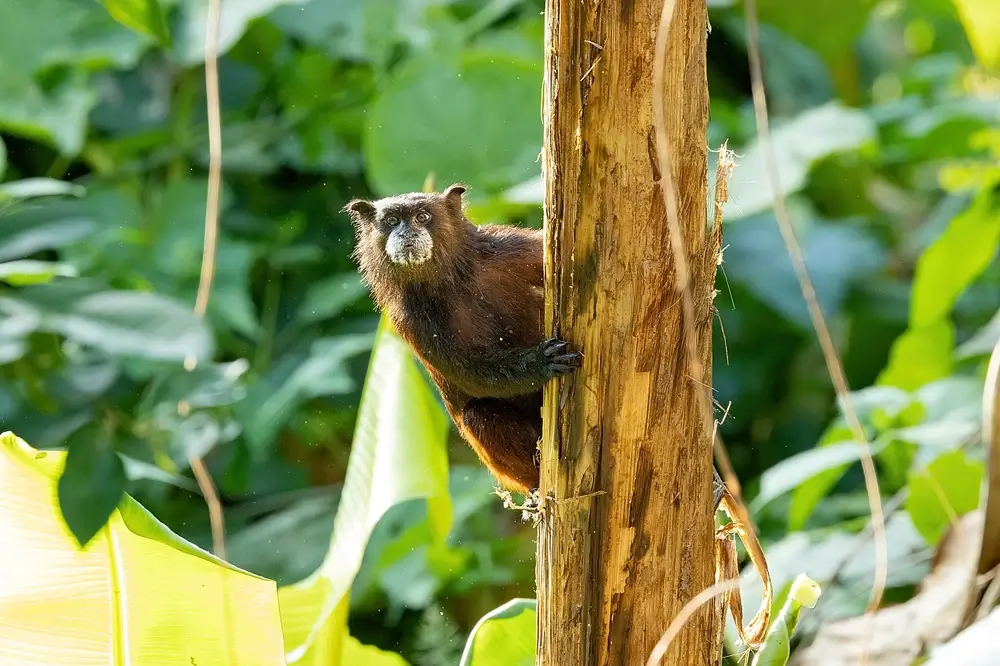
Saddleback Tamarin (Saguinus fuscicollis)
The saddleback tamarin is found in Bolivia, Brazil, Colombia, Ecuador, and Peru. IUCN Redlist Status: Least Concern
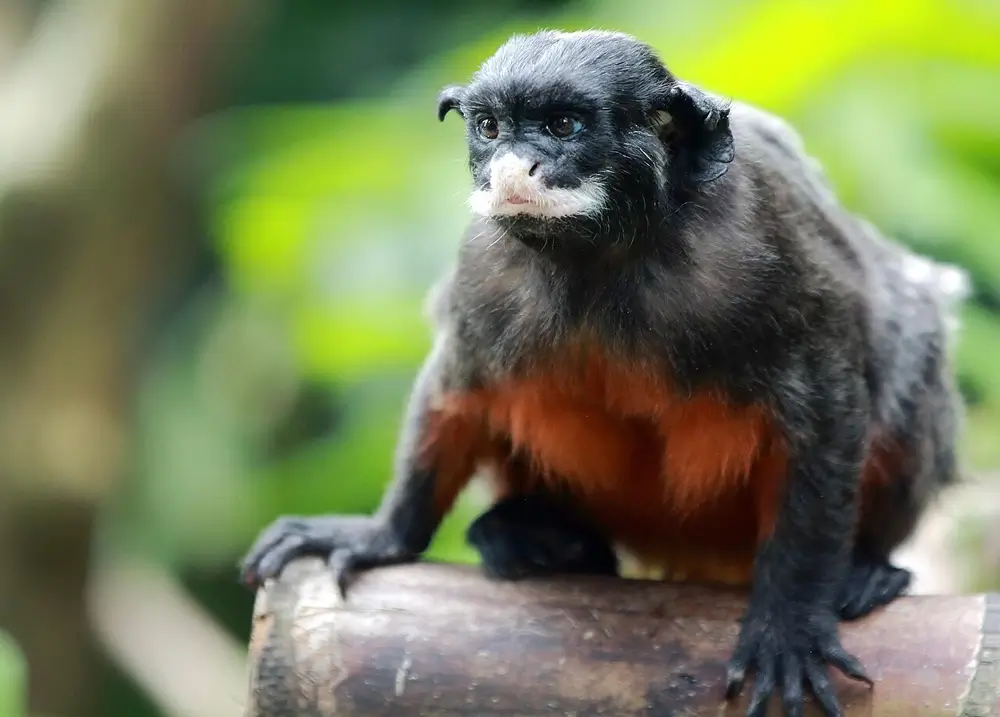
Red-Chested Mustached Tamarin (Saguinus labiatus)
The red-chested mustached tamarin is found in Bolivia, Peru, and Brazil. IUCN Redlist Status: Least Concern
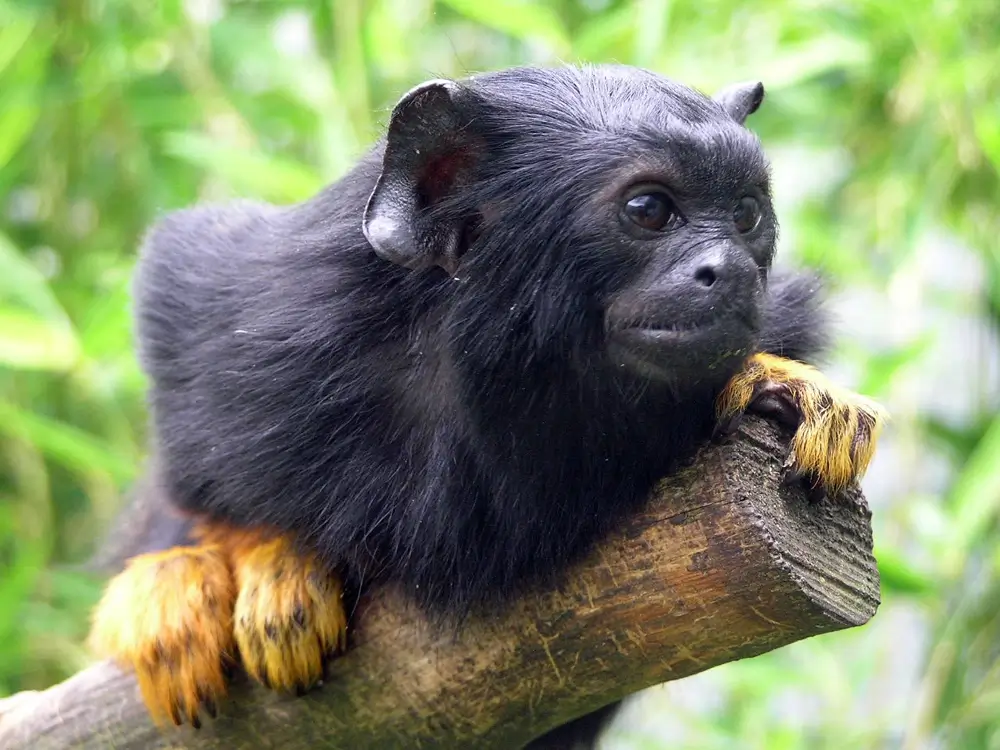
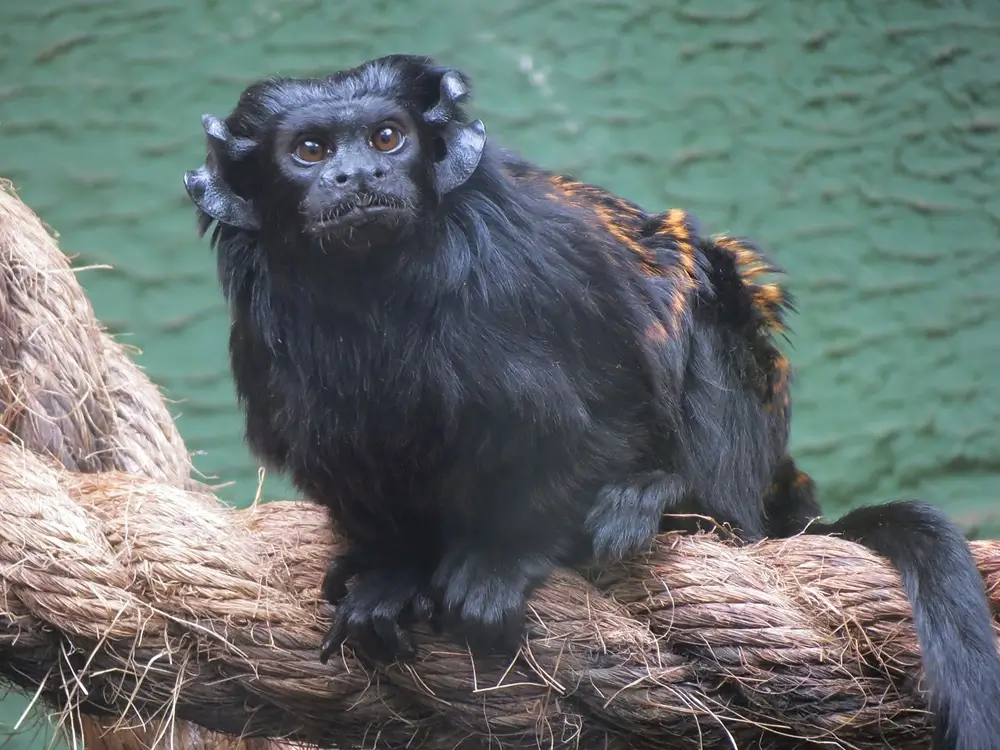
Yellow-Handed Tamarin (Saguinus midas)
The yellow-handed tamarin is found in Brazil, French Guiana, Guyana, and Suriname. IUCN Redlist Status: Least Concern
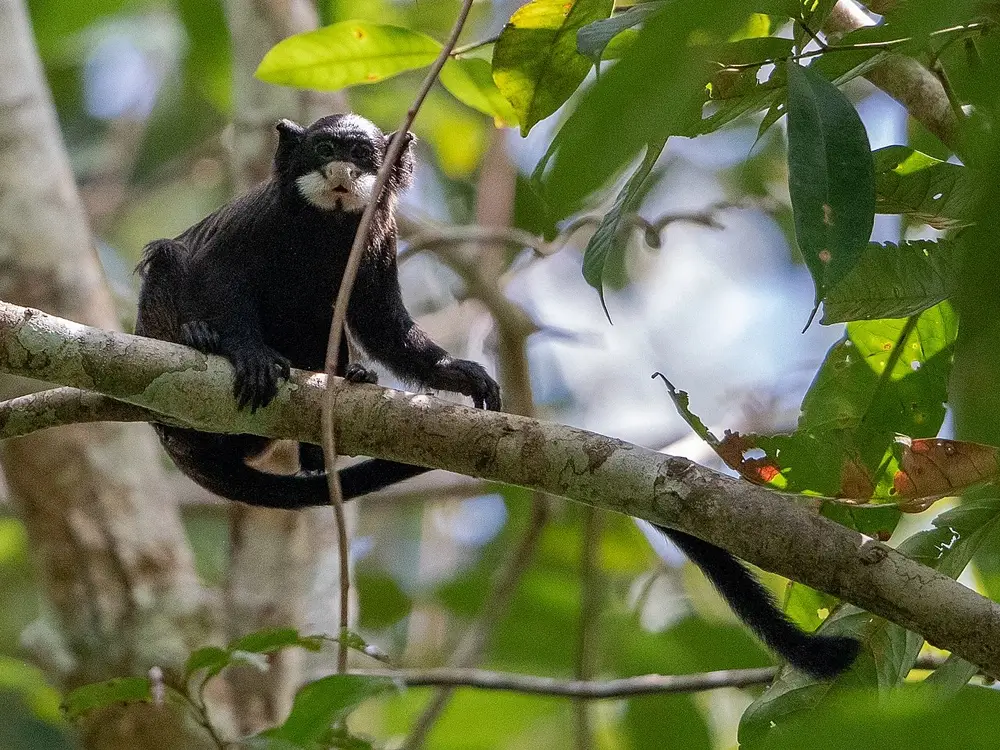
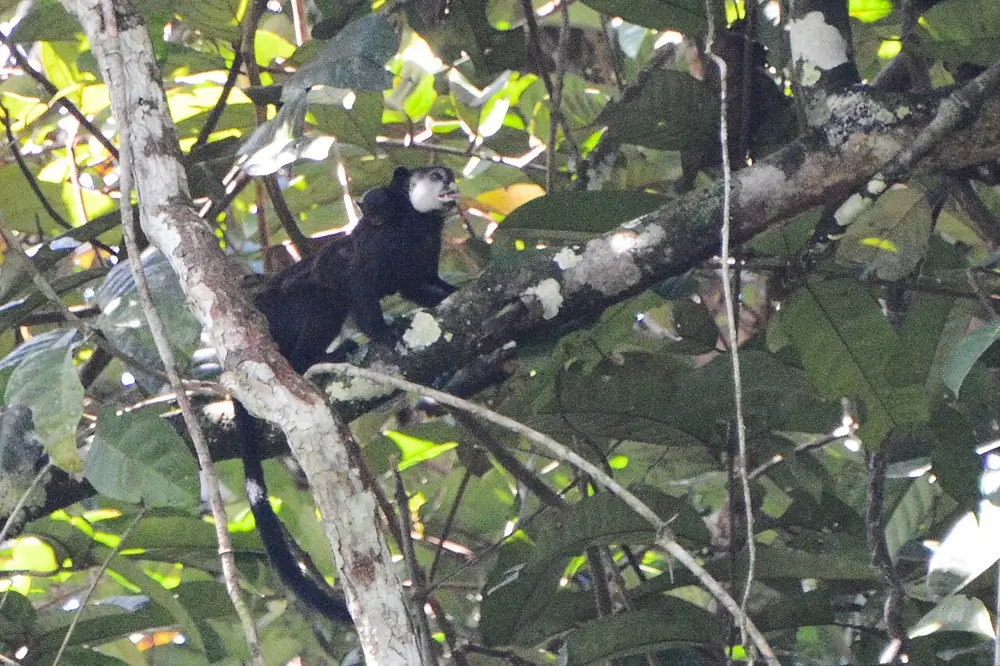
Moustached Tamarin (Saguinus mystax)
The mustached tamarin is found in Peru and Brazil. IUCN Redlist Status: Least Concern
Black-Handed Tamarin (Saguinus niger)
The black-handed tamarin is found in Brazil. IUCN Redlist Status: Vulnerable
Mottled-ace Tamarin (Tamarinus inustus)
The mottled-face tamarin is found in Colombia and Brazil. IUCN Redlist Status: Least Concern
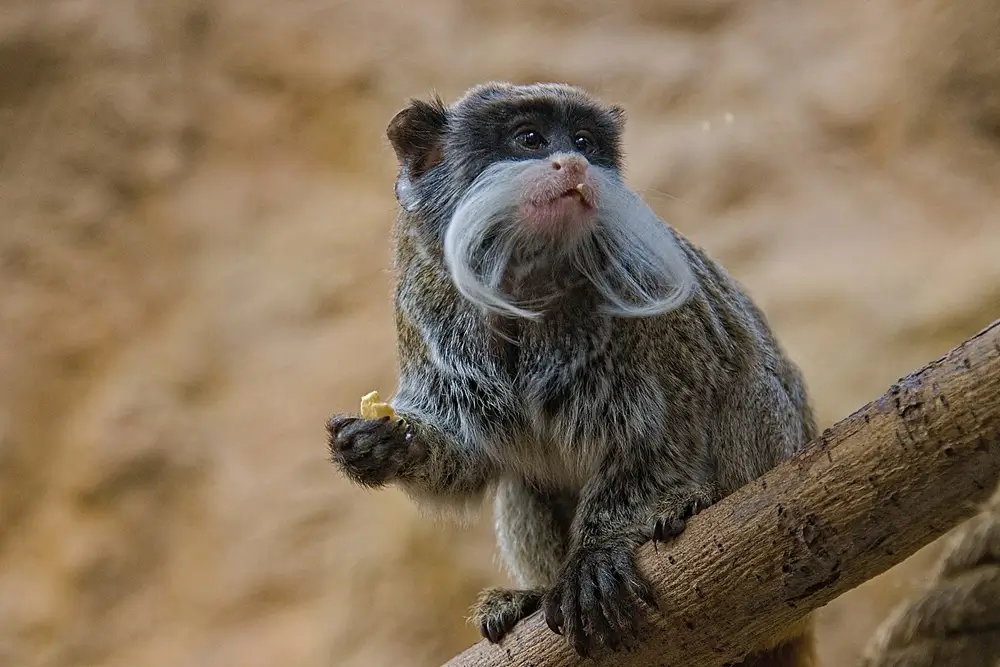
Bearded Emperor Tamarin (Tamarinus subgrisescens)
The bearded emperor tamarin is found in Bolivia, Brazil, and Peru. They are thought to be named after Emperor Wilhelm II of Germany, because of their long, white moustaches. IUCN Redlist Status: Least Concern