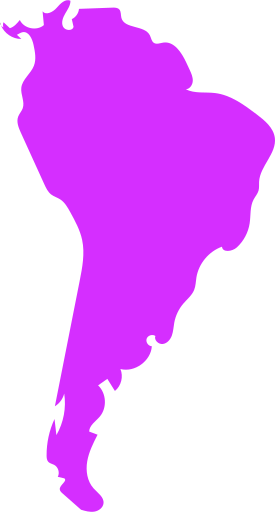
There are 18 species in this family, including maras, cavies, capybaras, and guinea pigs. They are all found in South America. One species, the lesser capybara, is found in Panama in Central America.
They are found in a variety of habitats, including mountains, grasslands, and wetlands. Most species live in groups in burrows and are active during the day. They are herbivores.
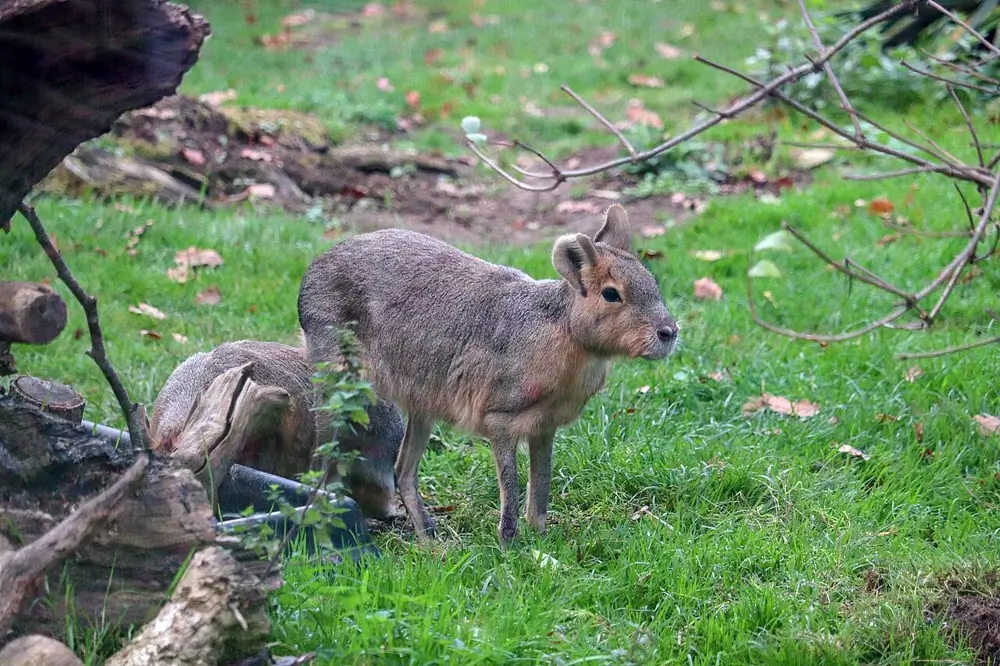
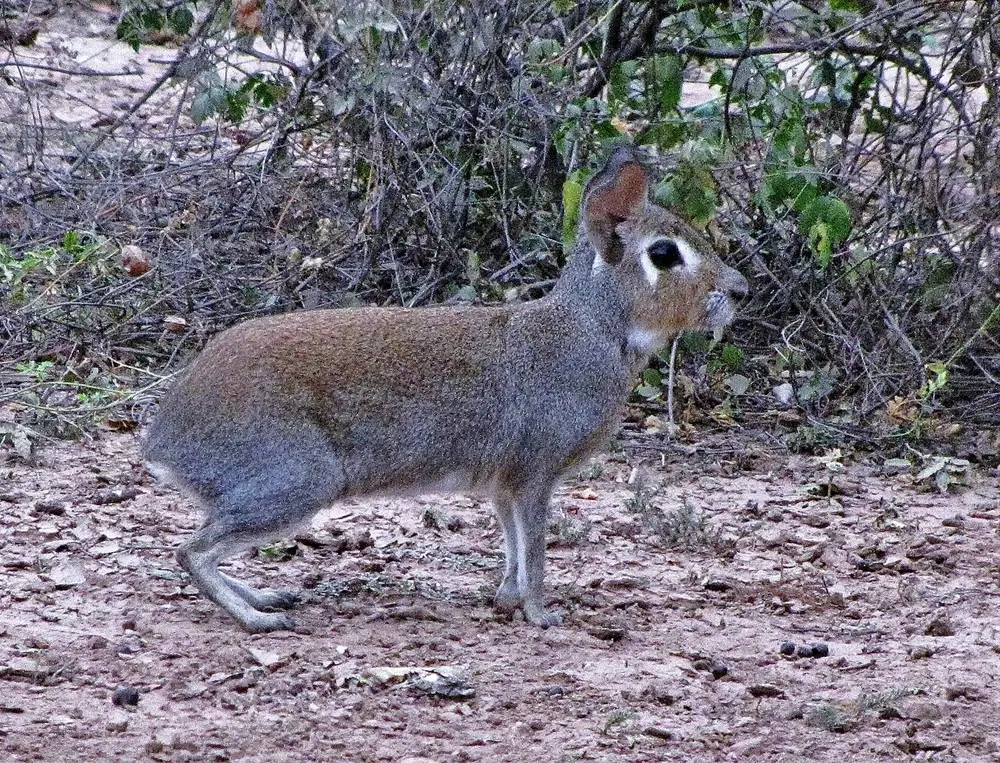
Cavies and guinea pigs look similar. They have rounded bodies, short legs, large heads, no tails, and short necks. Maras look a little bit like hares. They have long legs, and their rear legs are longer than their front legs.
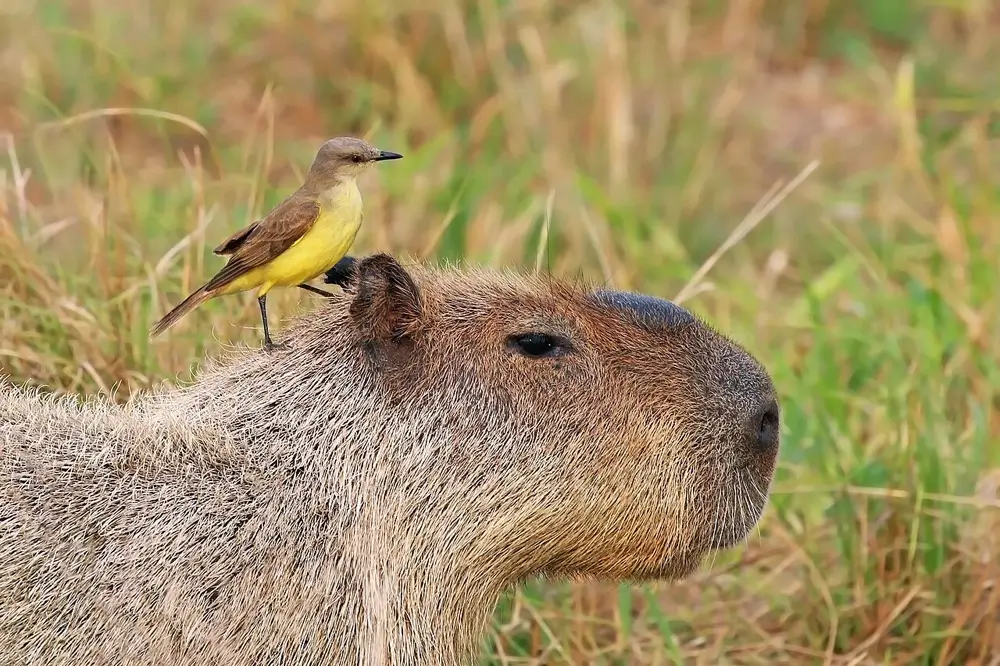
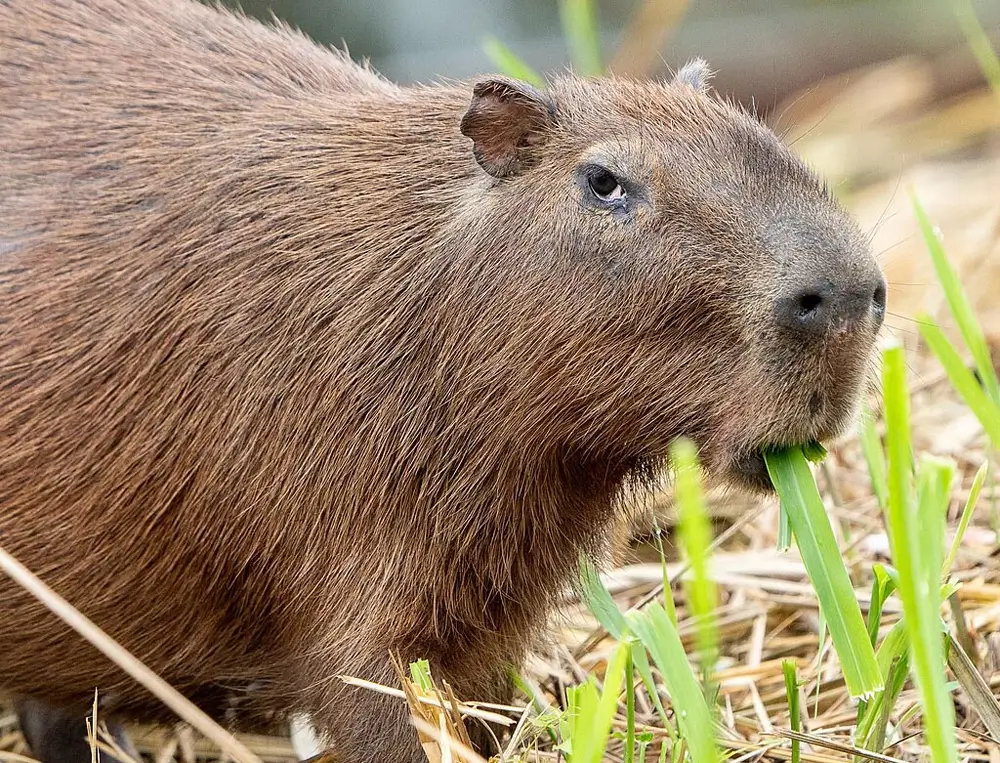
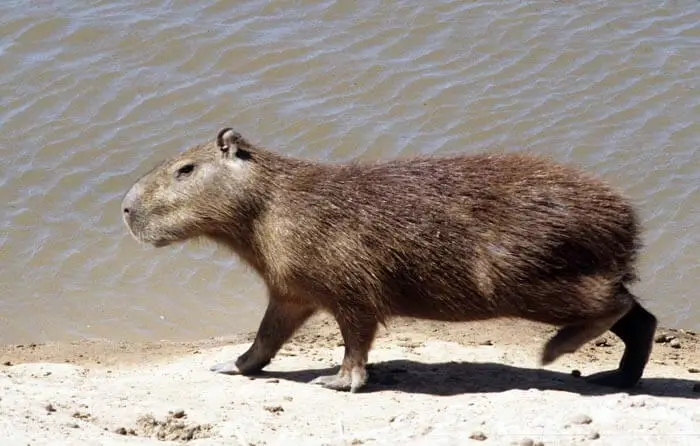
The capybara is found in South America and is the largest living rodent. They stand about 1.5 feet tall and are around 4 feet long, and weigh as much as 150 pounds. Capybaras have stocky bodies, reddish-brown fur, webbed toes with claws, and large heads with squared muzzles.
Capybaras are semi-aquatic and are found near lakes, ponds, swamps, rivers, and marshes. Capybaras can stay underwater for as long as five minutes! They are excellent swimmers. Their eyes and nose are on the top of their heads so they can keep them above the water. Capybaras are herbivores and eat grasses and aquatic plants. They are very social and live in groups of 10-40 individuals led by a male. Females have 4-7 babies at a time.
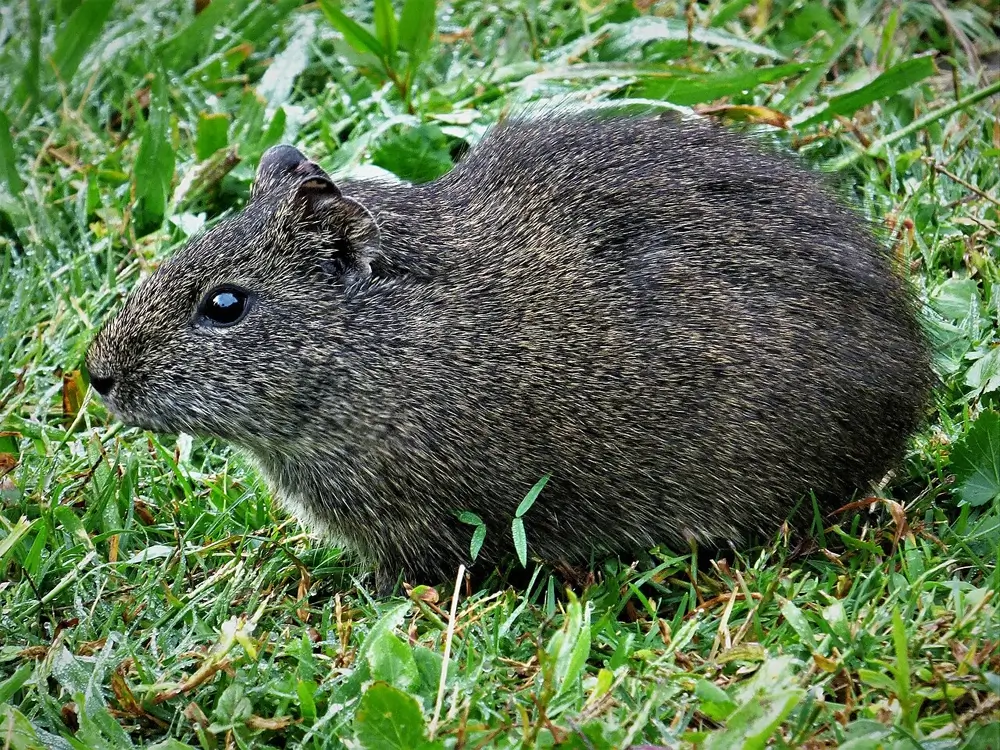
Brazilian Guinea Pig (Cavia aperea)
Brazilian guinea pigs are found in Argentina, Bolivia, Brazil, Colombia, Guyana, Paraguay, Peru, Suriname, Uruguay, and Venezuela. They are mostly found in scrub grasslands and savannas, but they are also found in the highlands of the Andes. IUCN Redlist Status: Least Concern
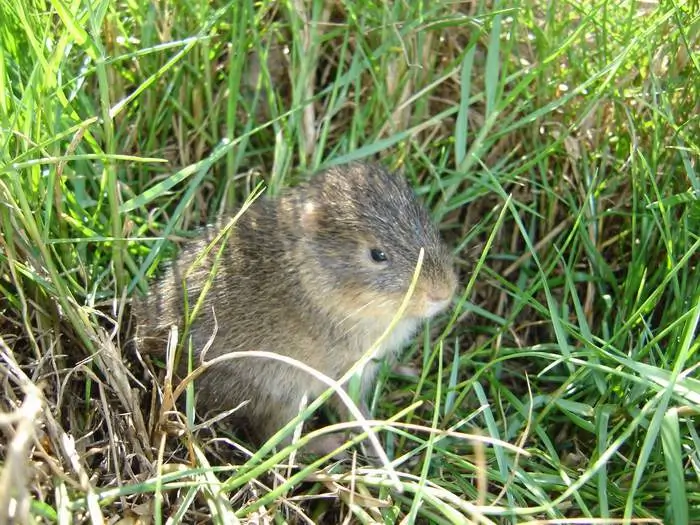
Santa Catarina's Guinea Pig (Cavia intermedia)
Santa Catarina's guinea pig is only found on Moleques Island do Sul, in the state of Santa Catarina, Brazil. IUCN Redlist Status: Critically Endangered
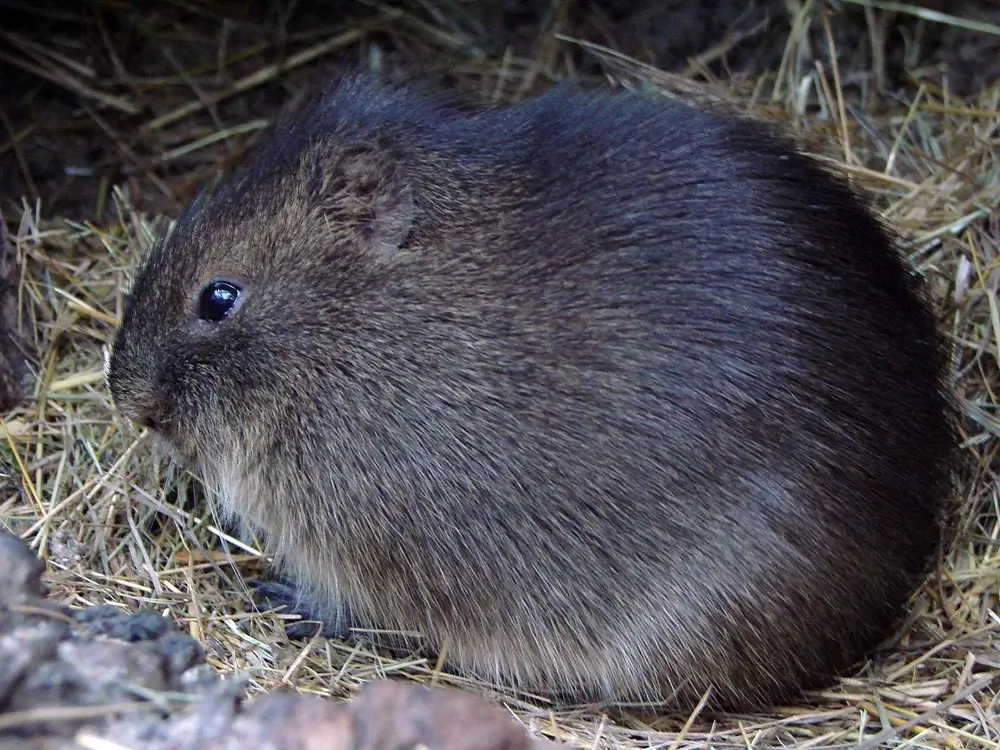
Greater Guinea Pig (Cavia magna)
The greater Guinea pig is found in Brazil and Uruguay. IUCN Redlist Status: Least Concern
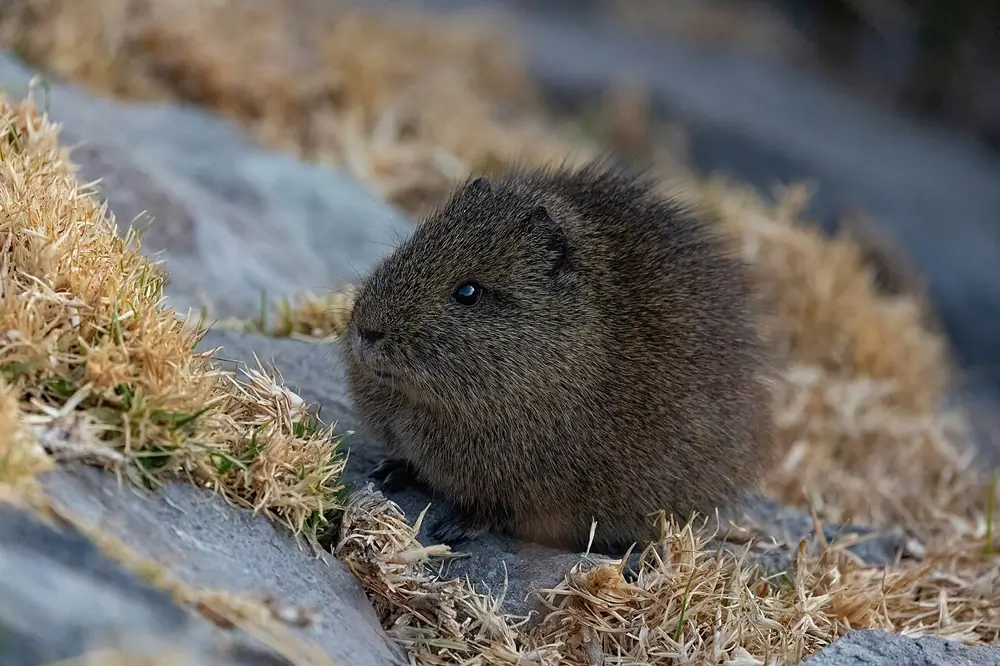
Montane Guinea Pig (Cavia tschudii)
The montane guinea pig is found in Argentina, Bolivia, Chile, and Peru. IUCN Redlist Status: Least Concern
Patagonian Mara (Dolichotis patagonum)
The Patagonian mara is found in central and southern Argentina. It has rabbit-like ears and a deer-like body. IUCN Redlist Status: Near Threatened
Chacoan Mara (Dolichotis salinicola)
The Chacoan mara is found in Argentina, Bolivia and Paraguay. IUCN Redlist Status: Least Concern
Spix's Yellow-Toothed Cavy (Galea spixii)
Spix’s yellow-toothed cavy is found in Brazil. IUCN Redlist Status: Least Concern
Capybara (Hydrochoerus hydrochaeris)
The capybara is the largest rodent in the world. It is found in Argentina, Bolivia, Brazil, Colombia, Ecuador, Guyana, Paraguay, Peru, Uruguay, and Venezuela. IUCN Redlist Status: Least Concern
Lesser Capybara (Hydrochoerus isthmius)
The lesser capybara is found in Colombia, Panama, and Venezuela. IUCN Redlist Status: Deficient Data
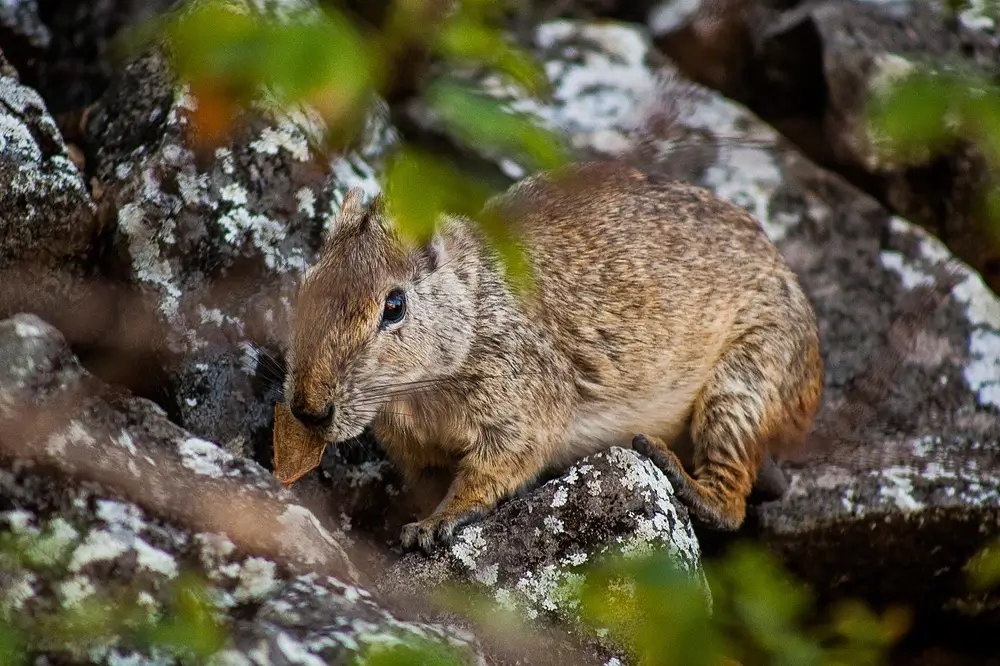
Acrobatic Cavy (Kerodon acrobata)
The acrobatic cavy is found in Brazil. IUCN Redlist Status: Deficient Data
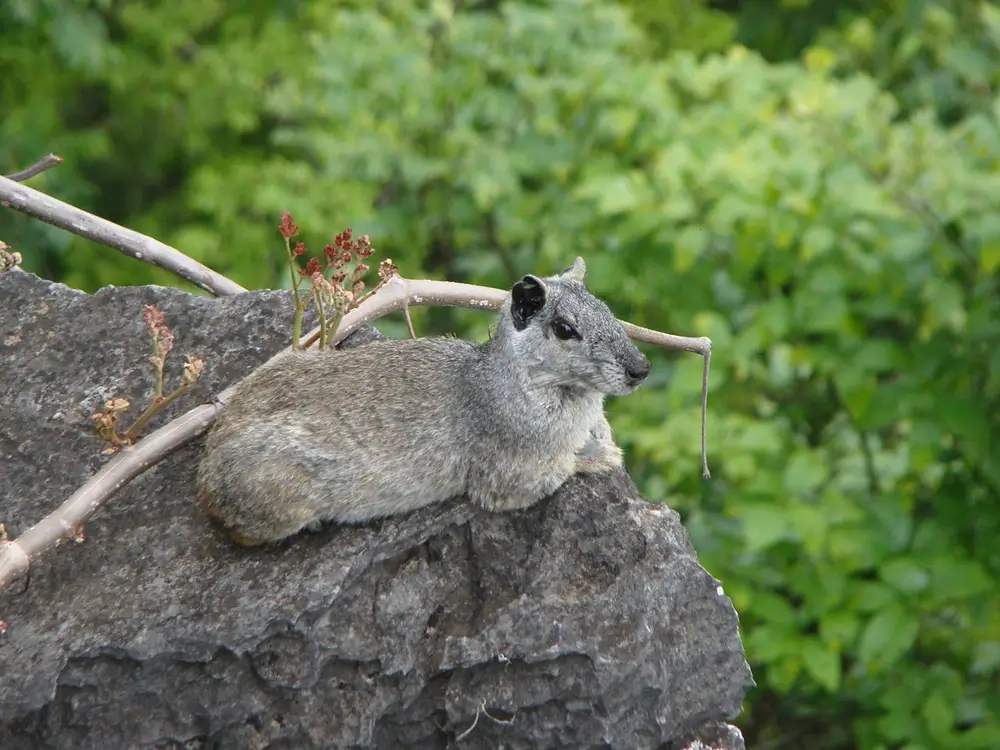
Rock Cavy (Kerodon rupestris)
The rock cavy is found in northeastern Brazil. It makes a variety of vocalizations, including an alarm whistle, chirps, and squeaks. IUCN Redlist Status: Least Concern
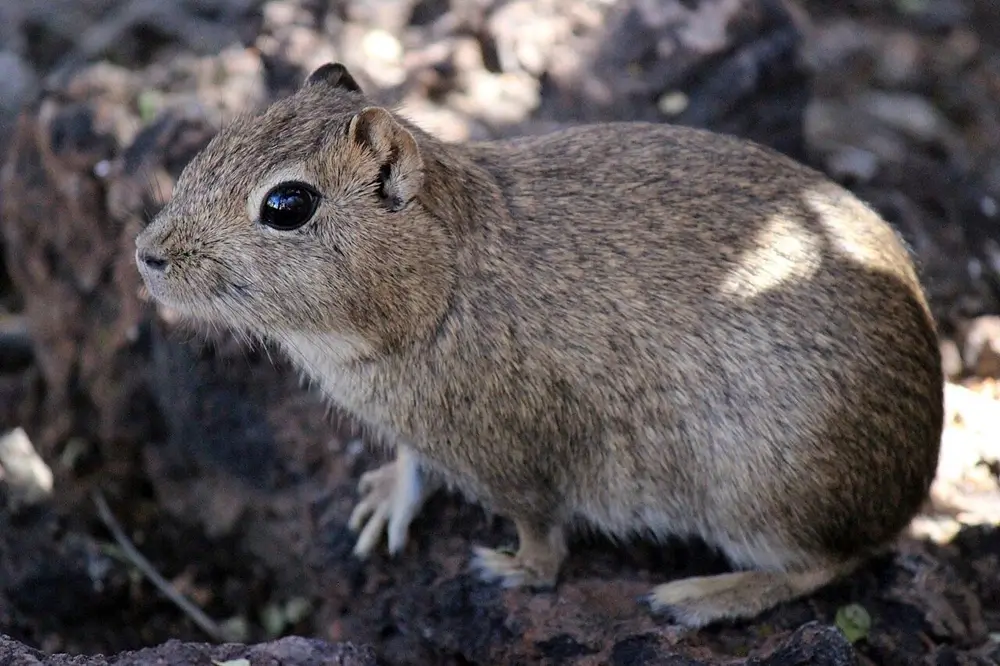
Southern Mountain Cavy (Microcavia australis)
Southern mountain cavies are found in Argentina, southern Chile, and southern Bolivia IUCN Redlist Status: Least Concern