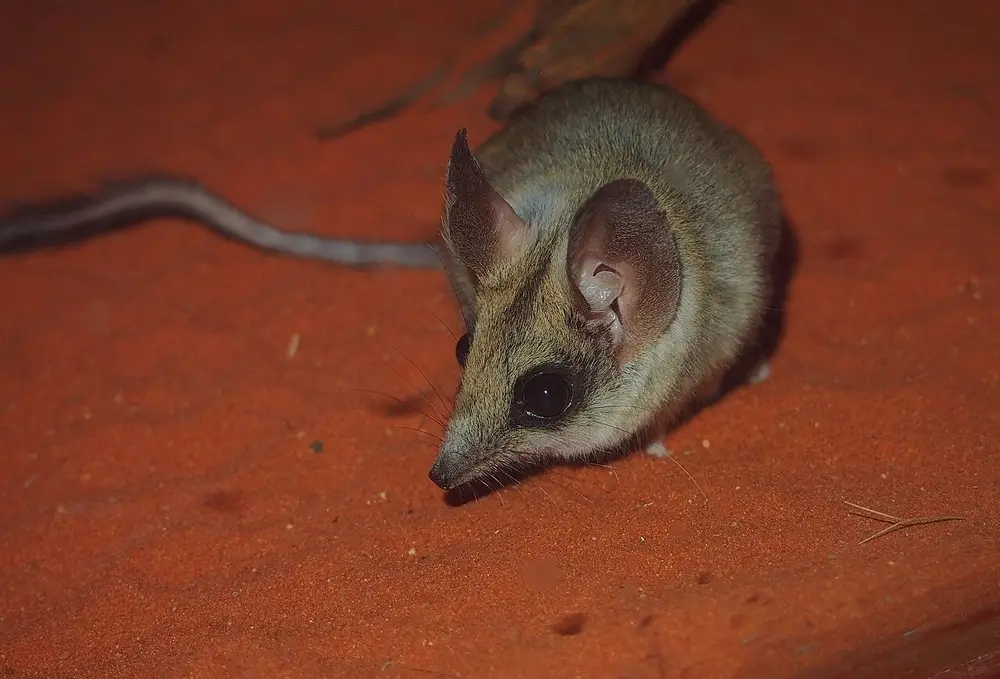
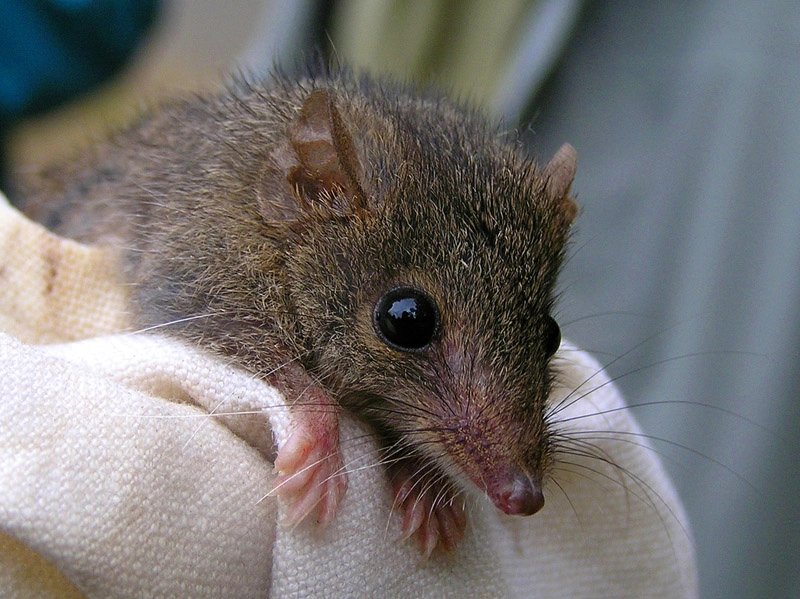
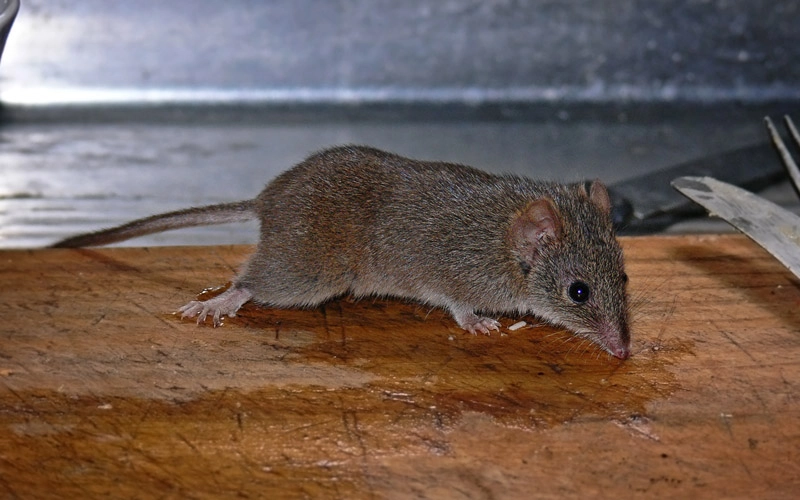
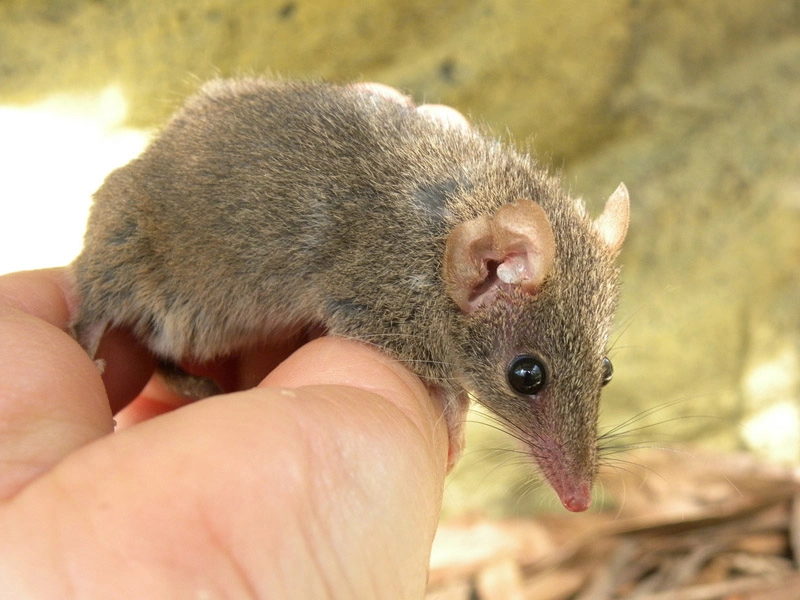
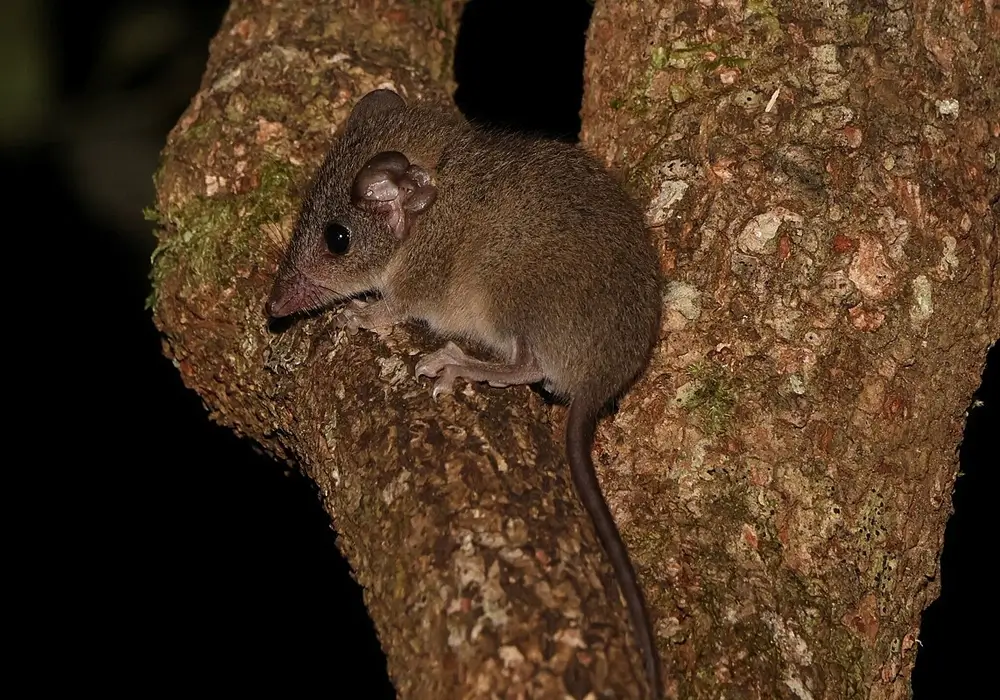
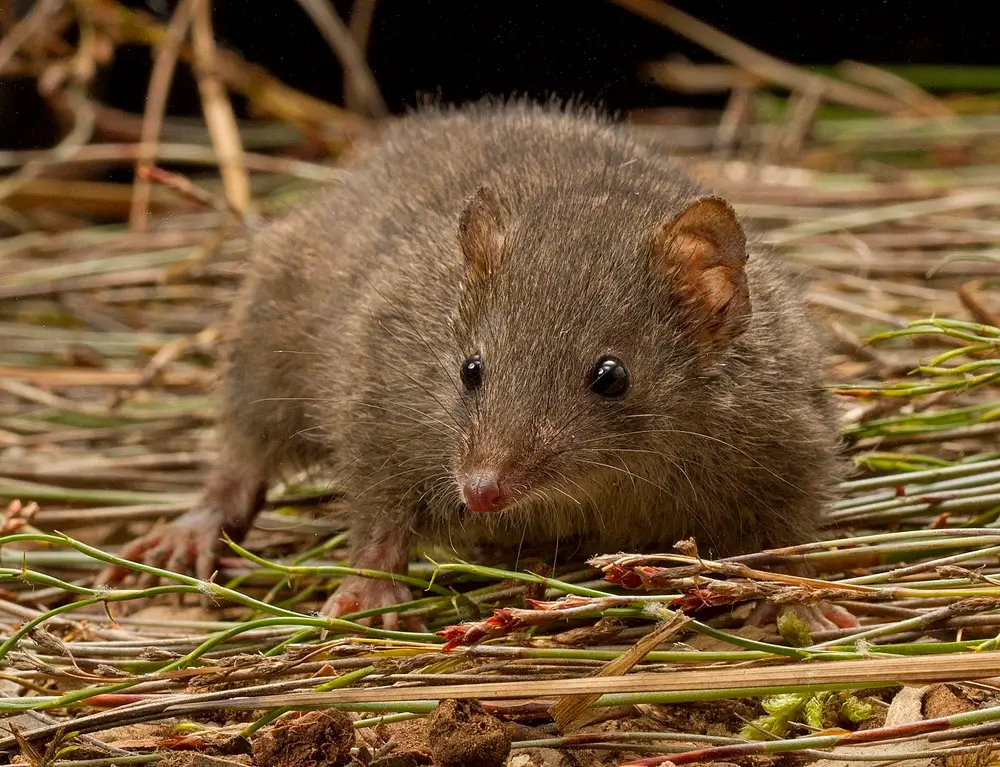
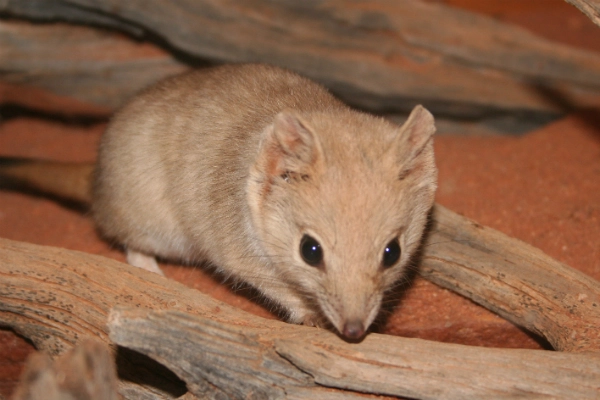
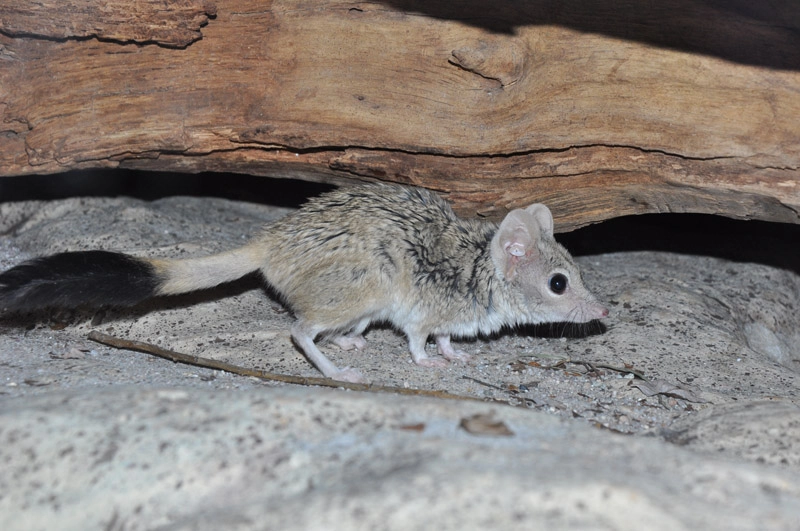
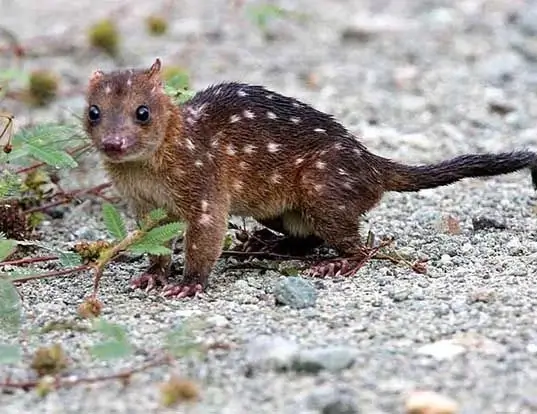
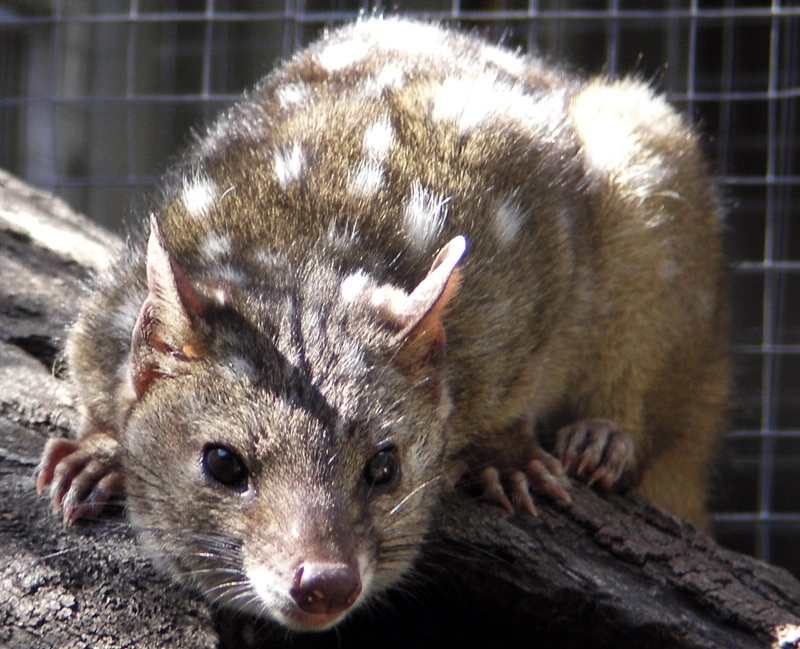
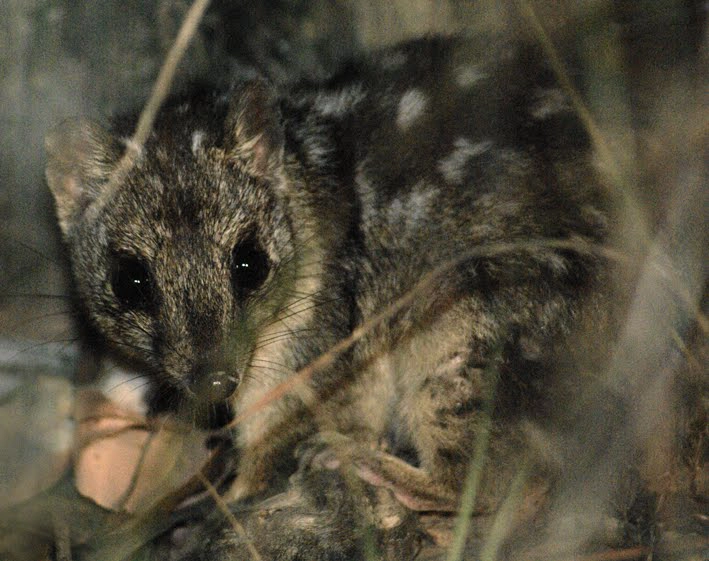
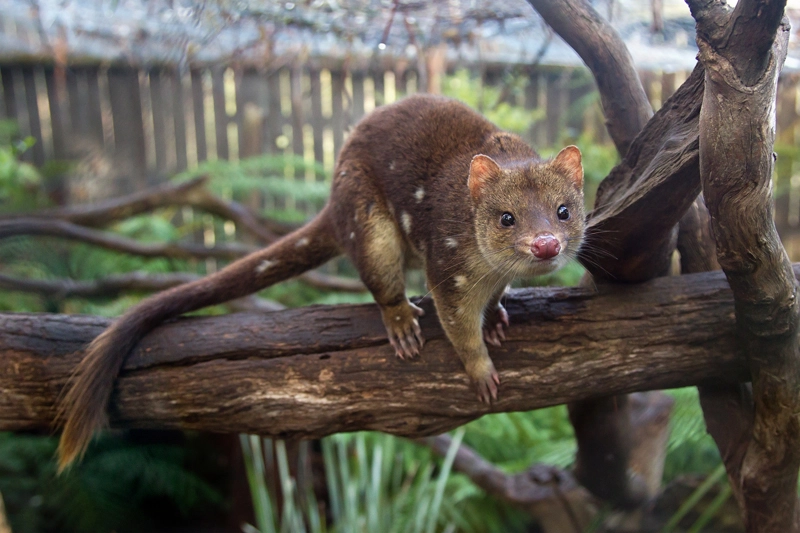
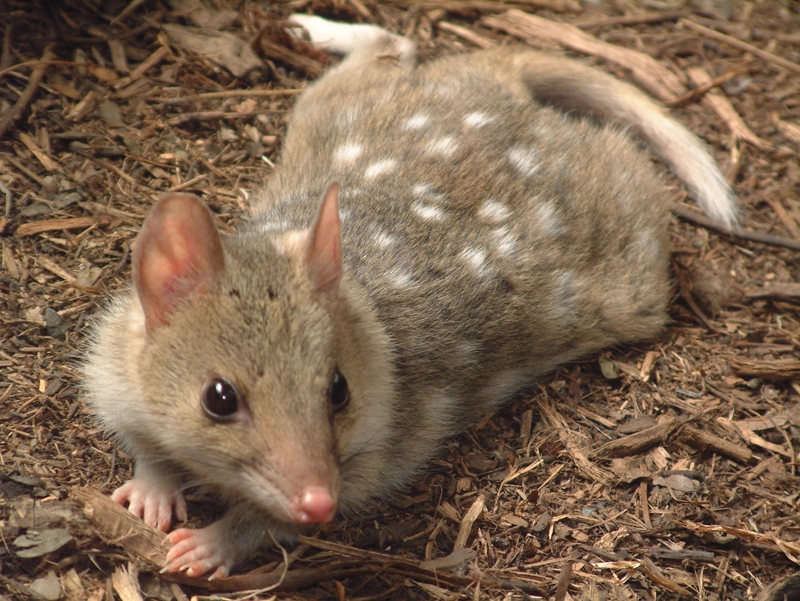
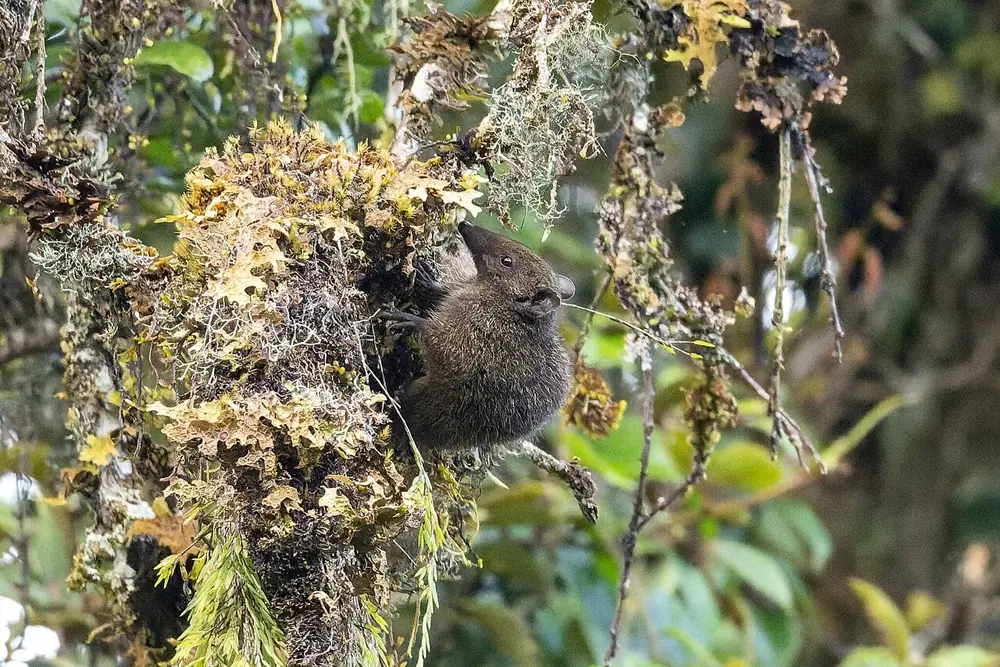
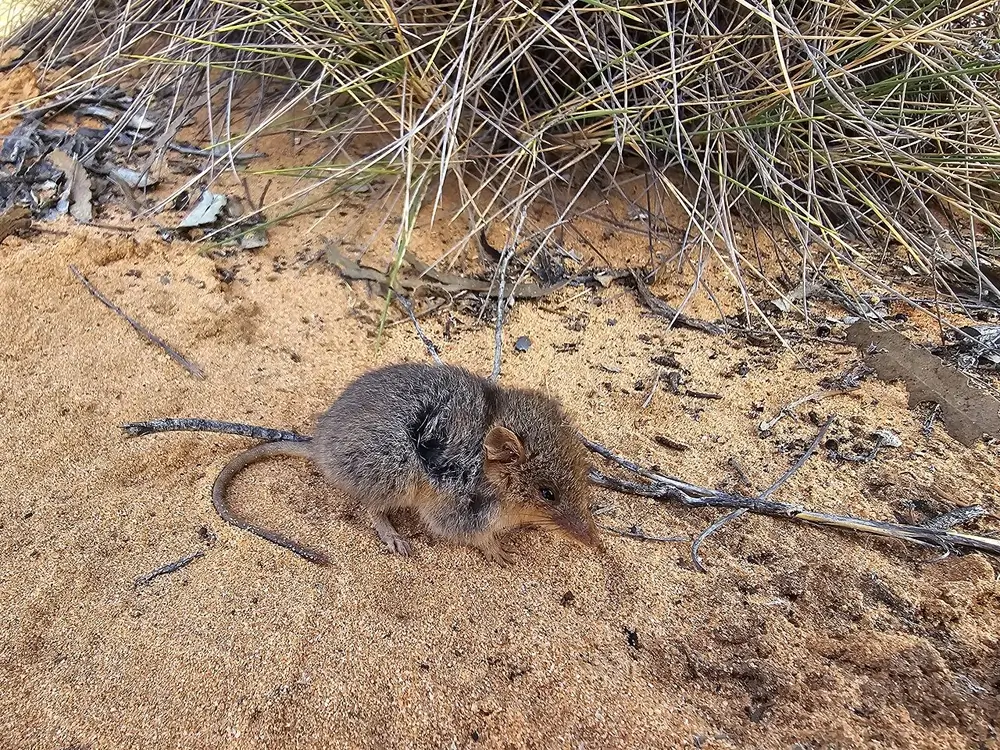
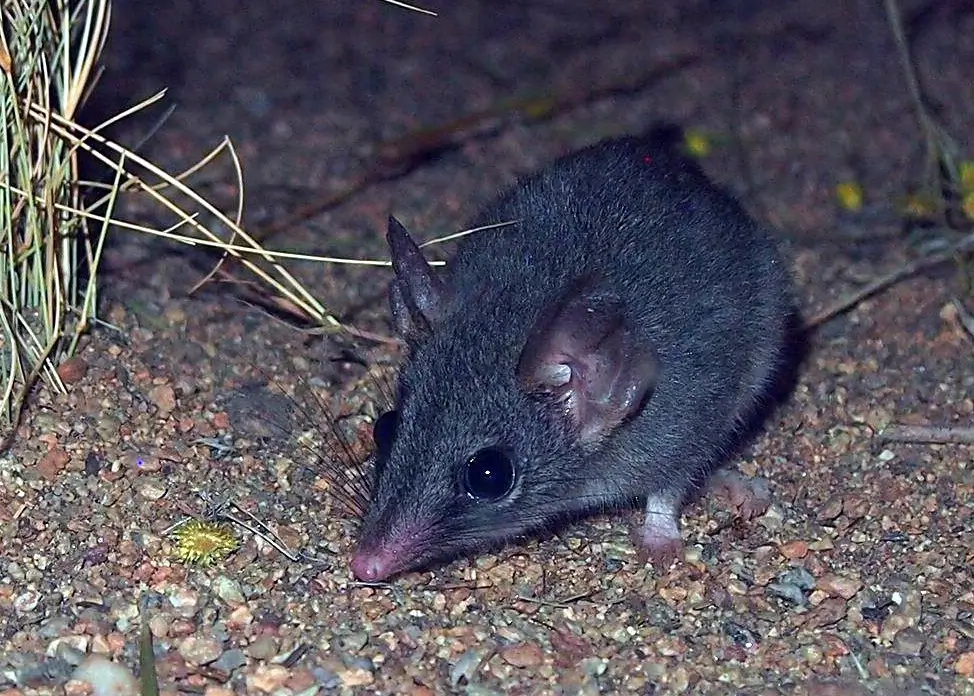
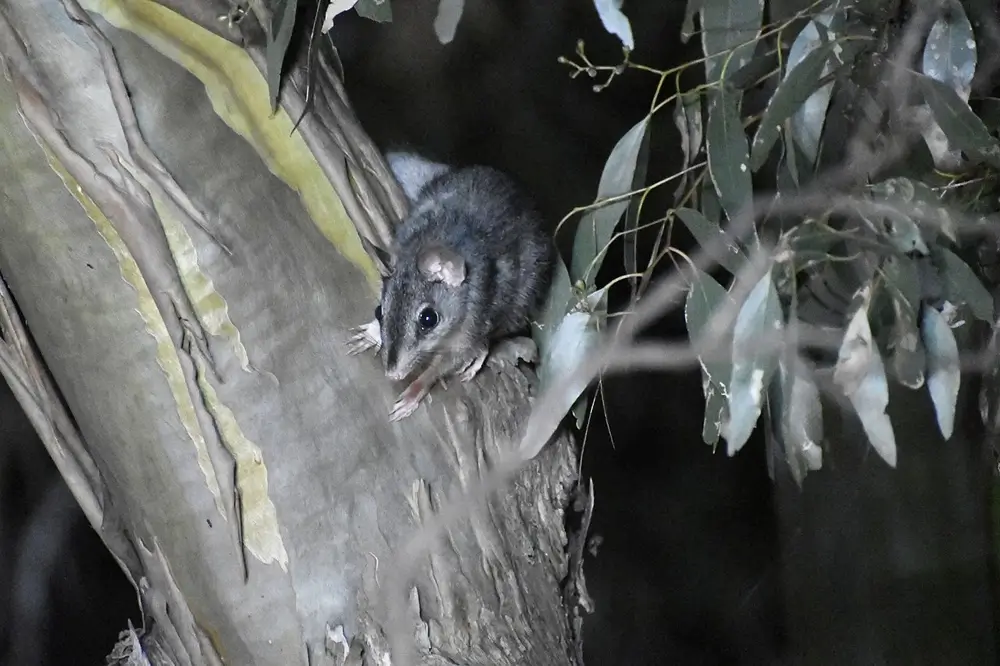
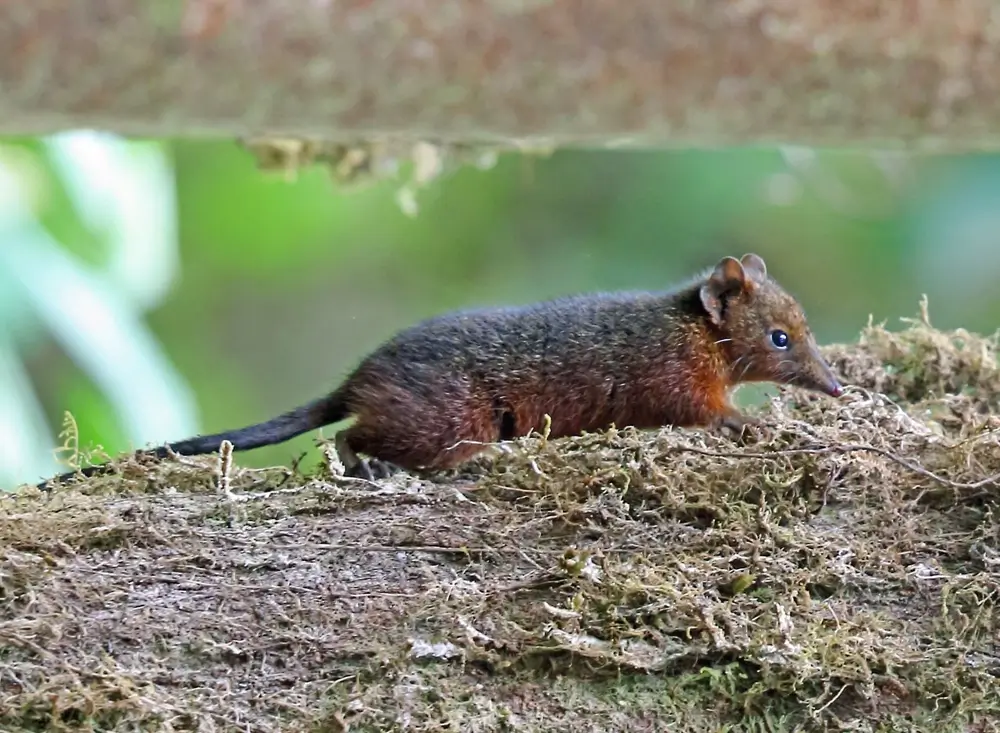
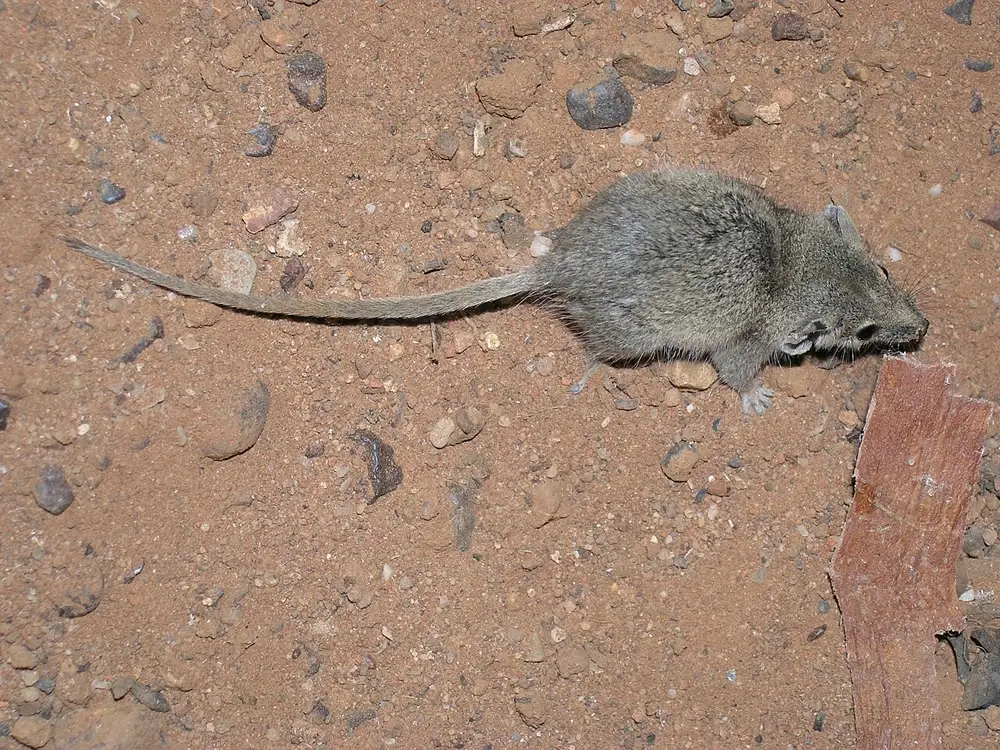
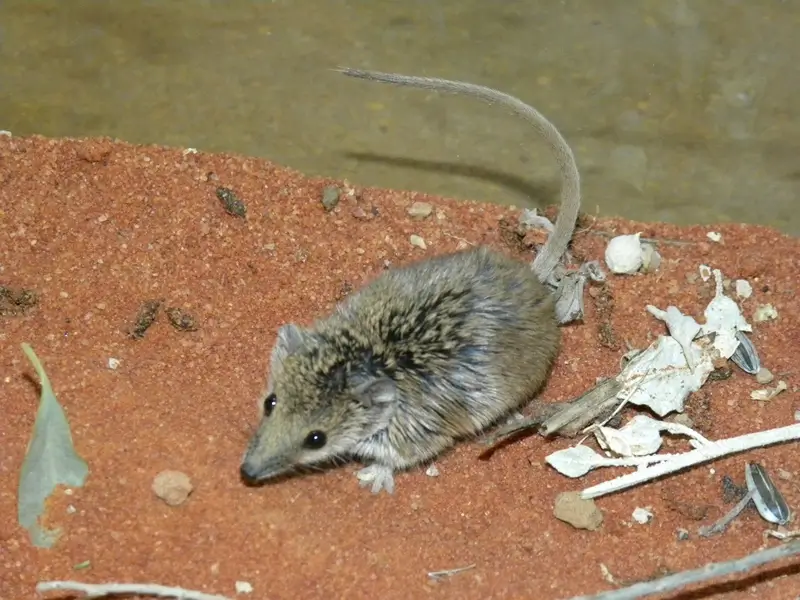
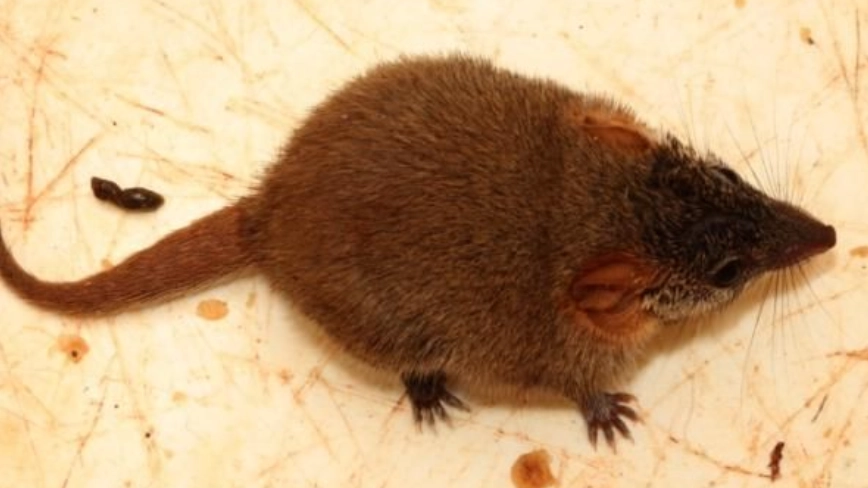
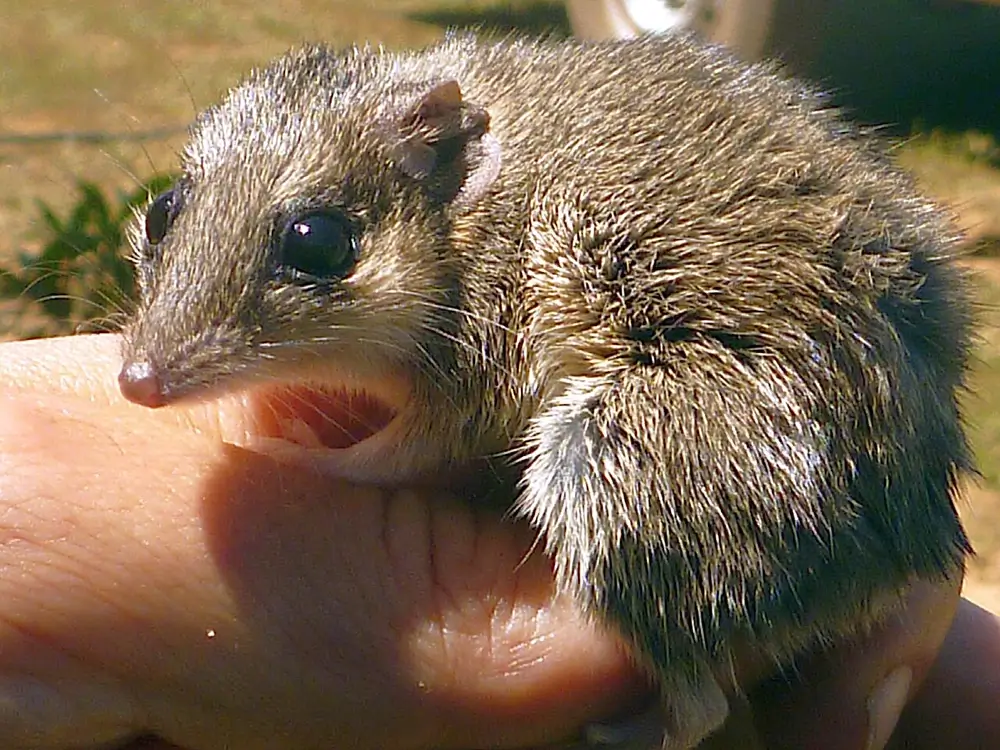
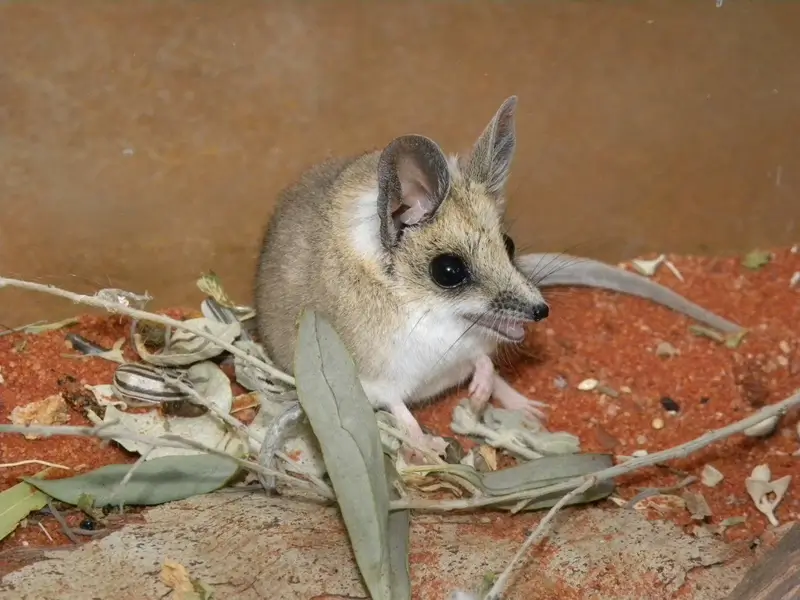
There are 72 species in this family. They are found in Australia, Tasmania, New Guinea, and Indonesia.
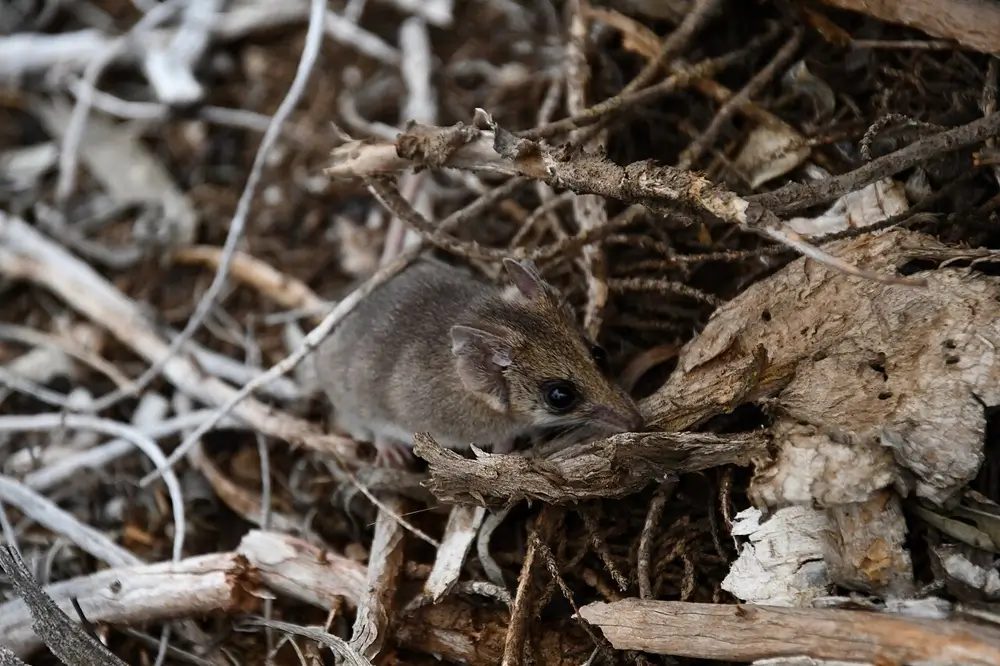
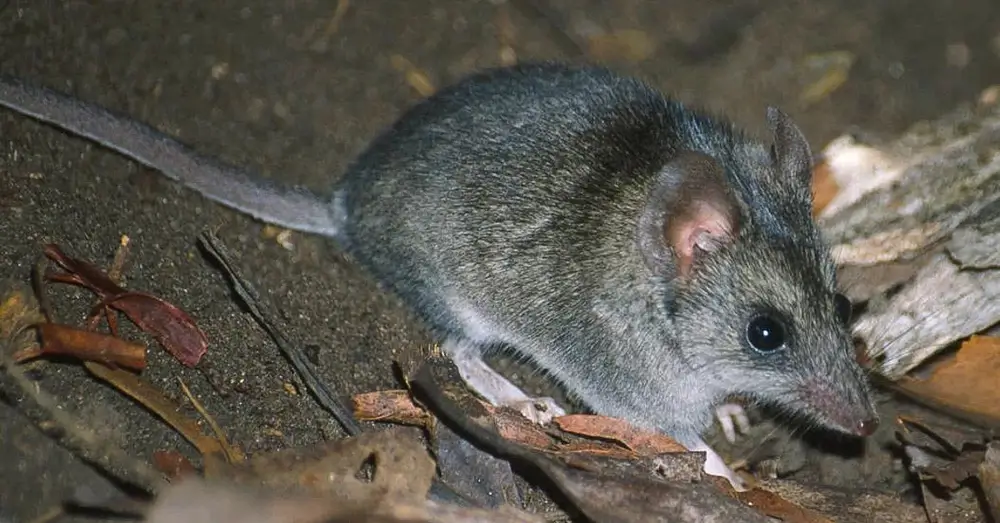
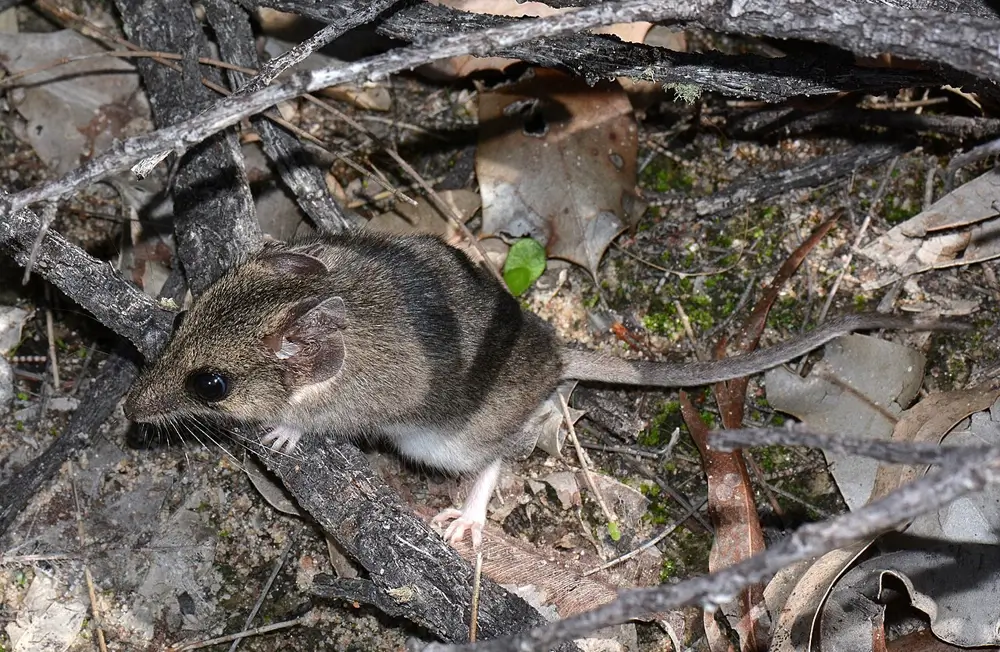
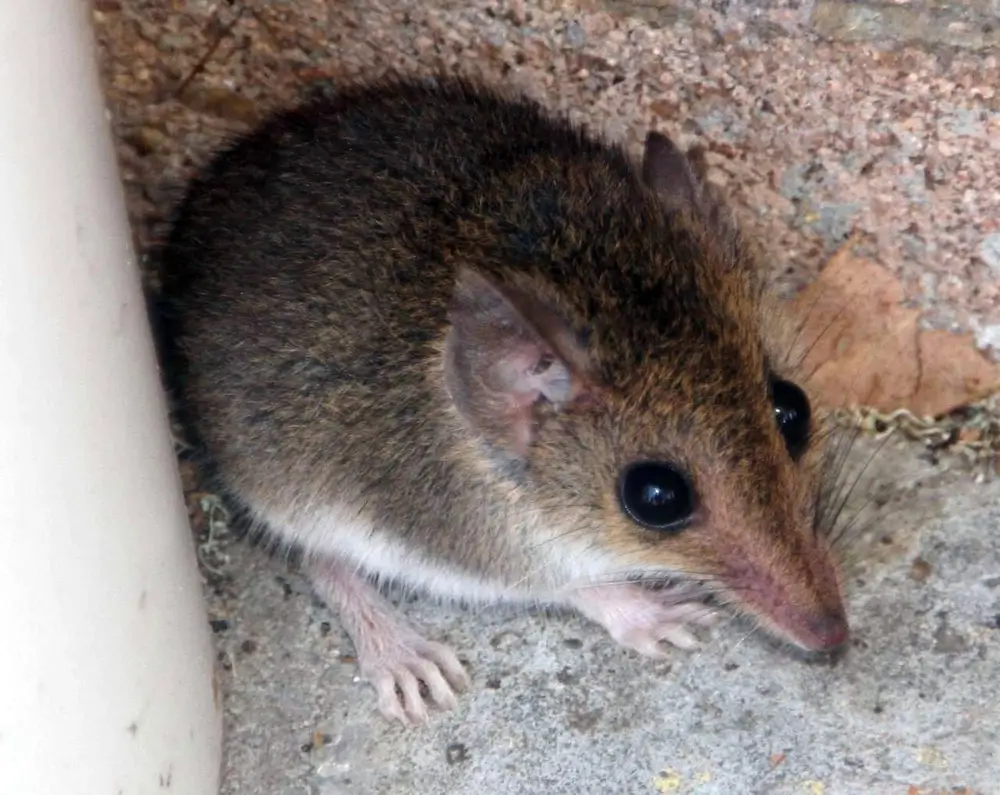
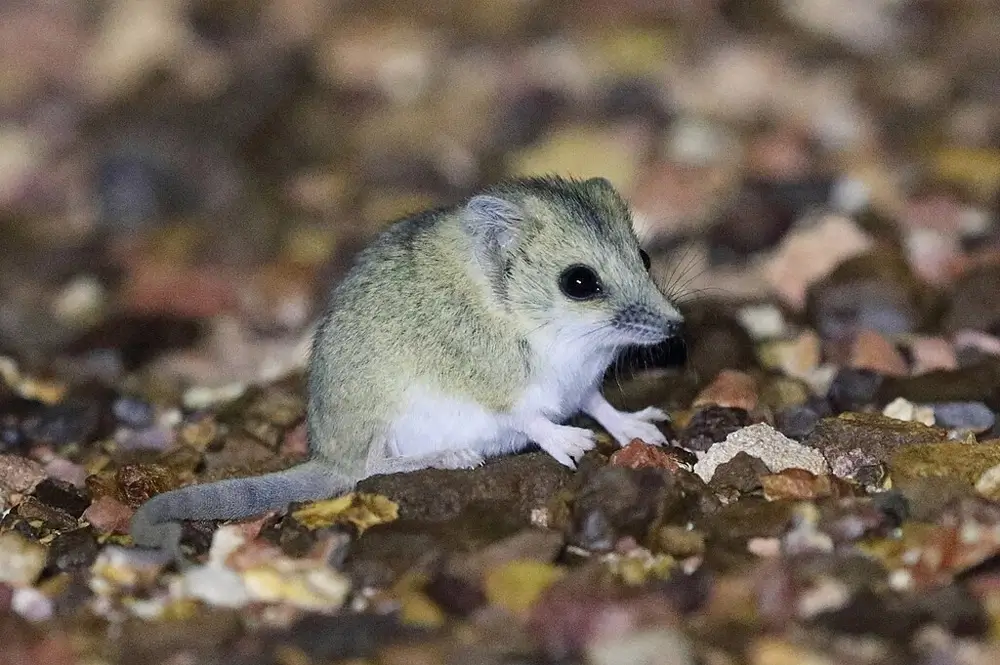
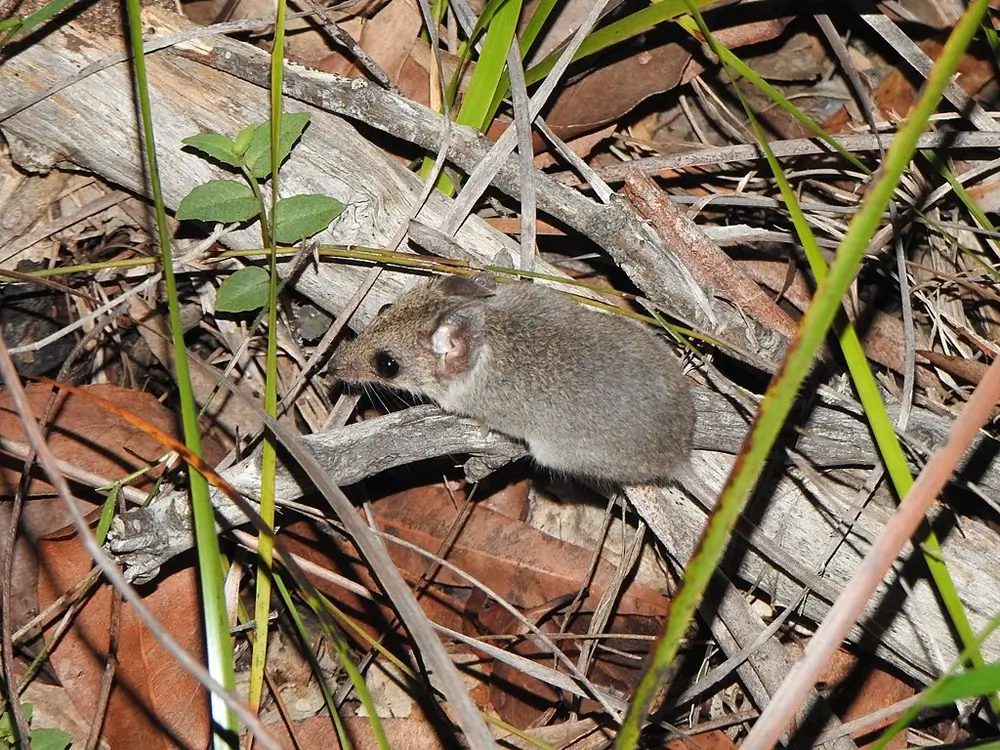
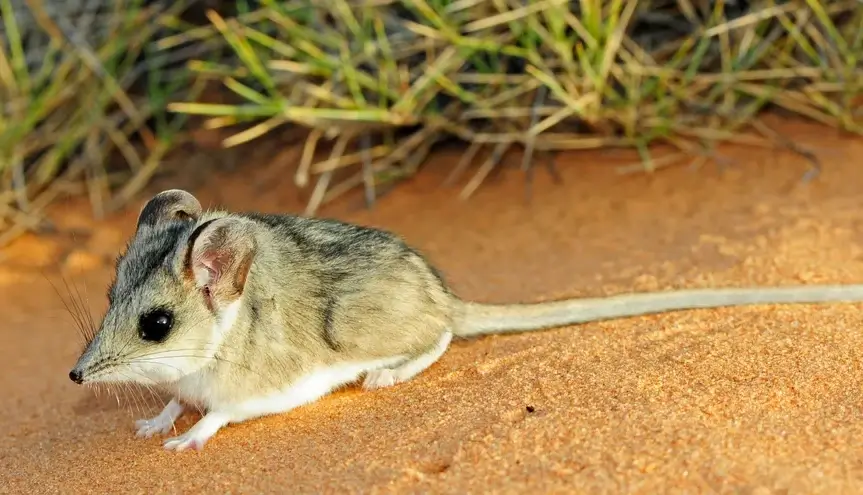
They vary in size from small and mouse-like to dog-sized. Most species in this family have long, pointed heads; rounded ears; and long, furred tails.
The species in this family are marsupials, but some species do not have a full pouch. Instead, they have folds of skin that hold their young. The species in this family are carnivores or insectivores (insect eaters).
TASMANIAN DEVIL
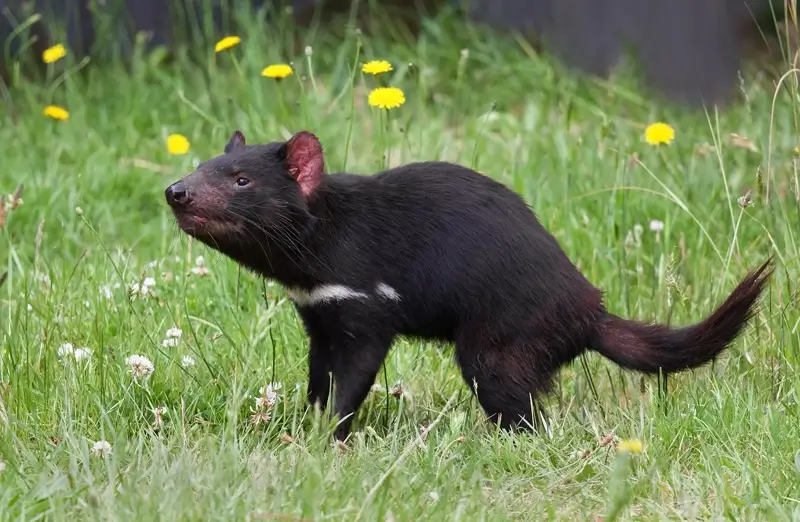
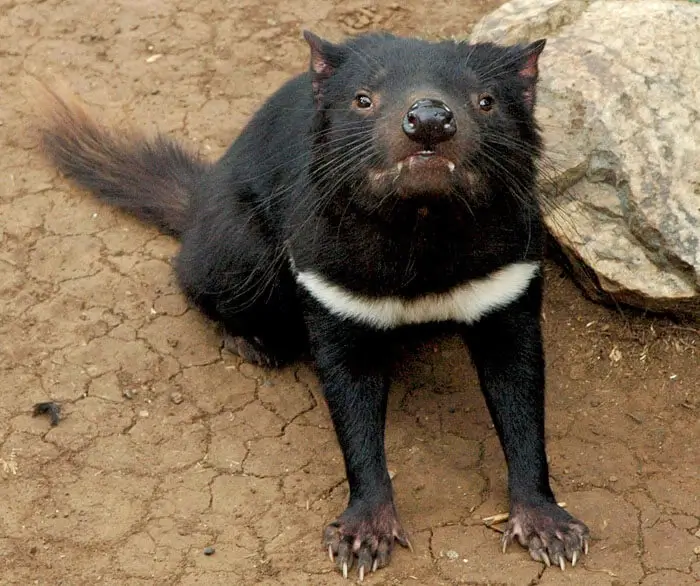
The Tasmanian devil is a member of this family. It is found in Tasmania in a wide variety of habitats.
The Tasmanian devil is about 3.5 feet in length and is the world’s largest living carnivorous marsupial. It has black fur and a squat, powerful body. It has a large head and a short, thick tail.
The Tasmanian devil is nocturnal and spends the day in the brush, a den, a hollow log, or a cave.
The female Tasmanian devil gives birth to up to 50 babies or joeys. The joeys climb from the birth canal to the mother’s pouch, where only four of them will be able to attach themselves to one of four teats. The other joeys will die. The joeys leave their mother when they are about 6 months old.
The Tasmanian devil uses its keen sense of smell to locate food. It is a scavenger, but it also eats live prey like small mammals, birds, reptiles, and amphibians. It uses its powerful teeth and jaws to eat every bit of its prey, even the bones.
The Tasmanian devil gets its name from the early European settlers who heard its eerie call and the bone-chilling screams it makes when feeding in packs.