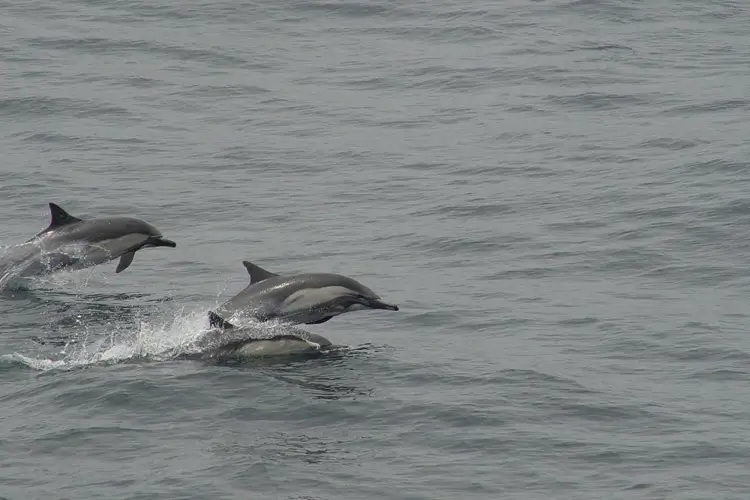
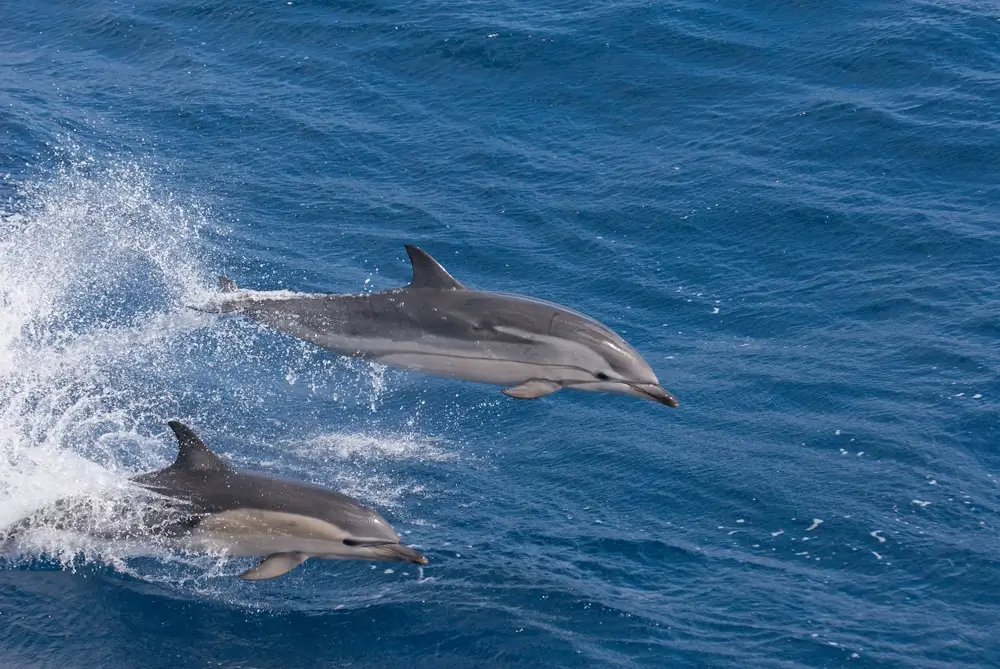
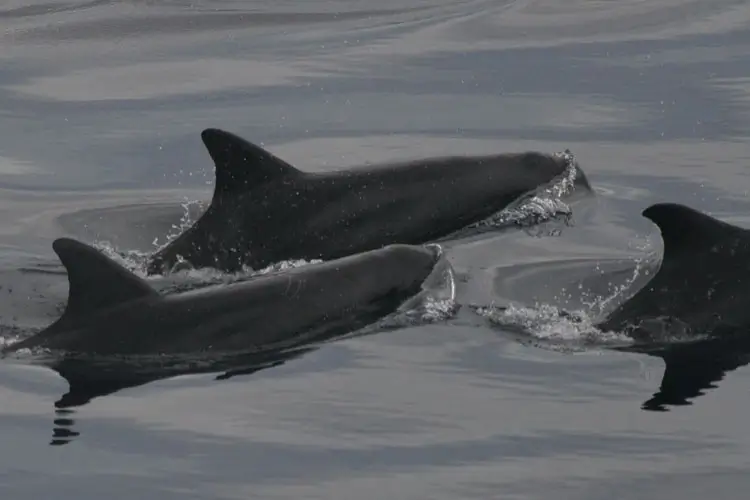
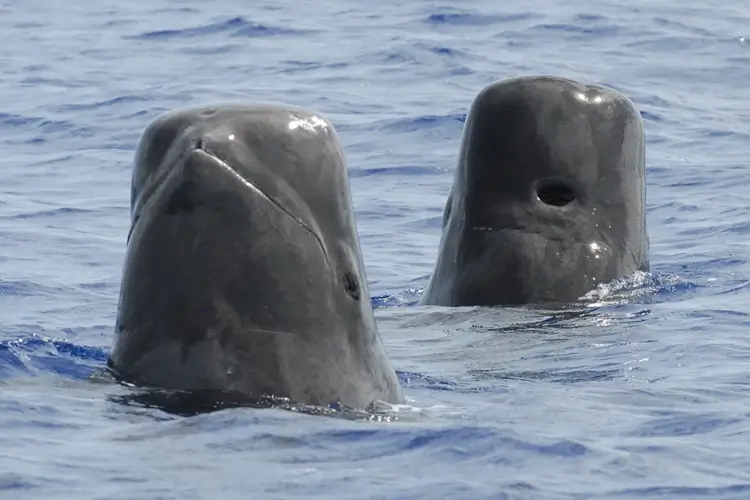
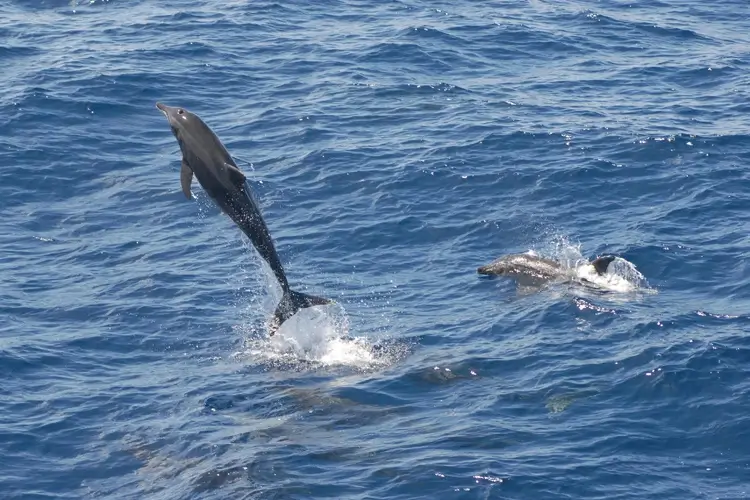
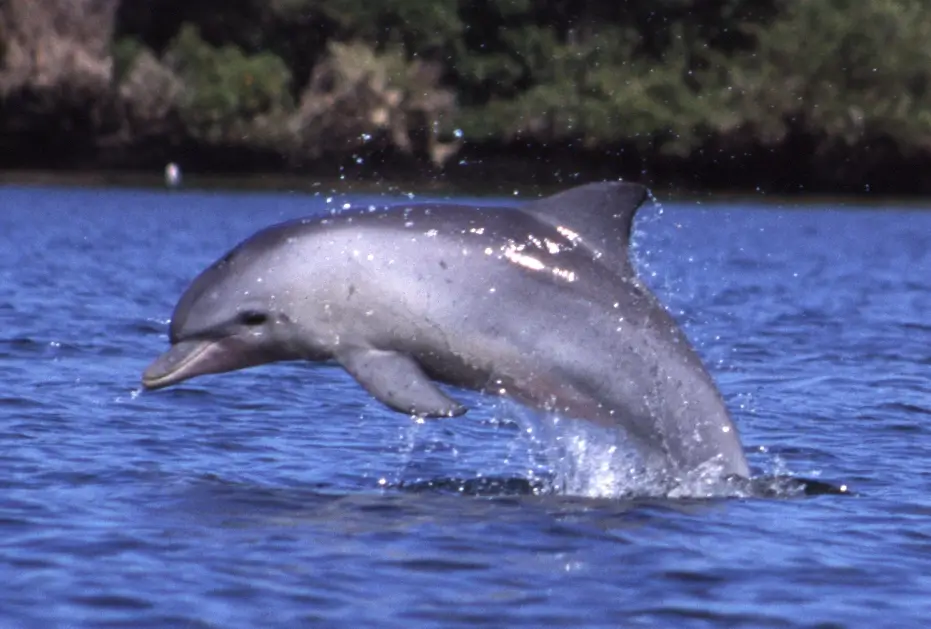
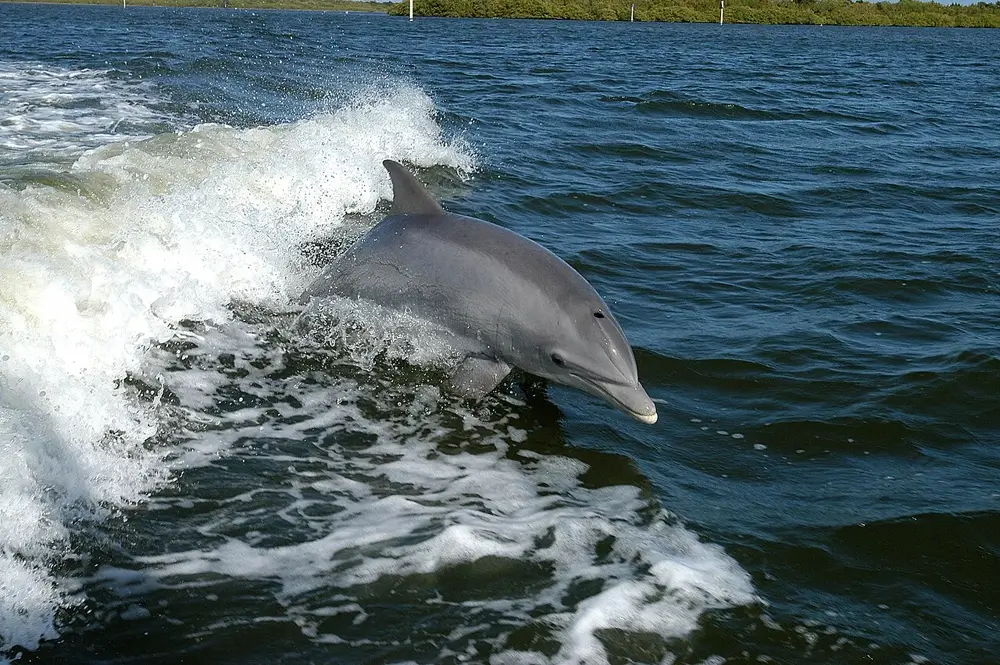
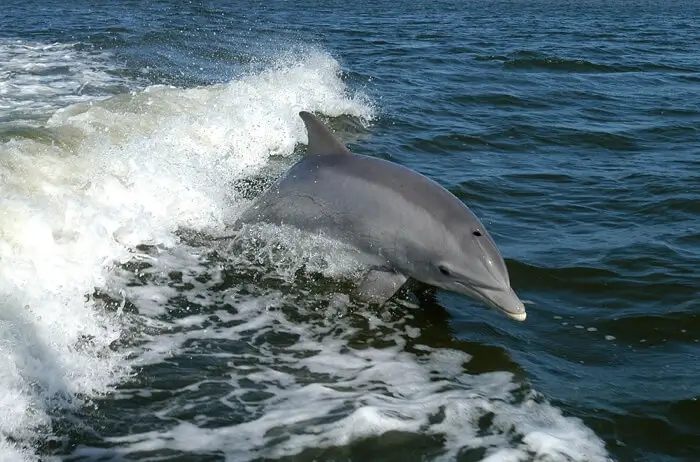
Delphinidae - Dolphins, Killer Whales, Pilot Whales
There are 36 species in this family. Delphinids are found in all of the world’s oceans, and some species are found in rivers, usually in shallow water.
Delphinids have a torpedo-shaped body, a long beak-like snout, cone-shaped teeth, a blowhole, and a bulging forehead.
The bulge in their forehead is caused by the melon. The melon is a fatty bulge between the dolphin’s skull and blowhole used for echolocation. Most species also have a curved dorsal fin.
Most species live in large groups called pods. Delphinids are fast and agile swimmers. Delphinids use echolocation to locate prey like fish and squid. Killer whales also eat seals and penguins.
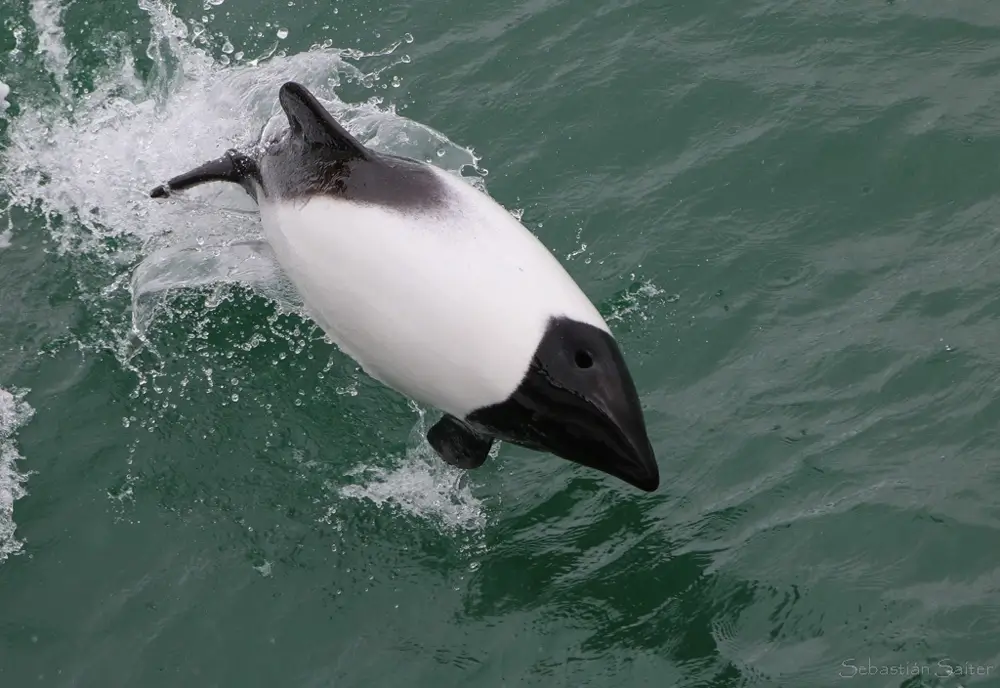
Commerson's Dolphin (Cephalorhynchus commersonii)
Commerson’s dolphin is also known as the skunk dolphin, piebald dolphin, panda dolphin, It is found in waters off of the tip of southern South America. IUCN Redlist Status: Least Concern
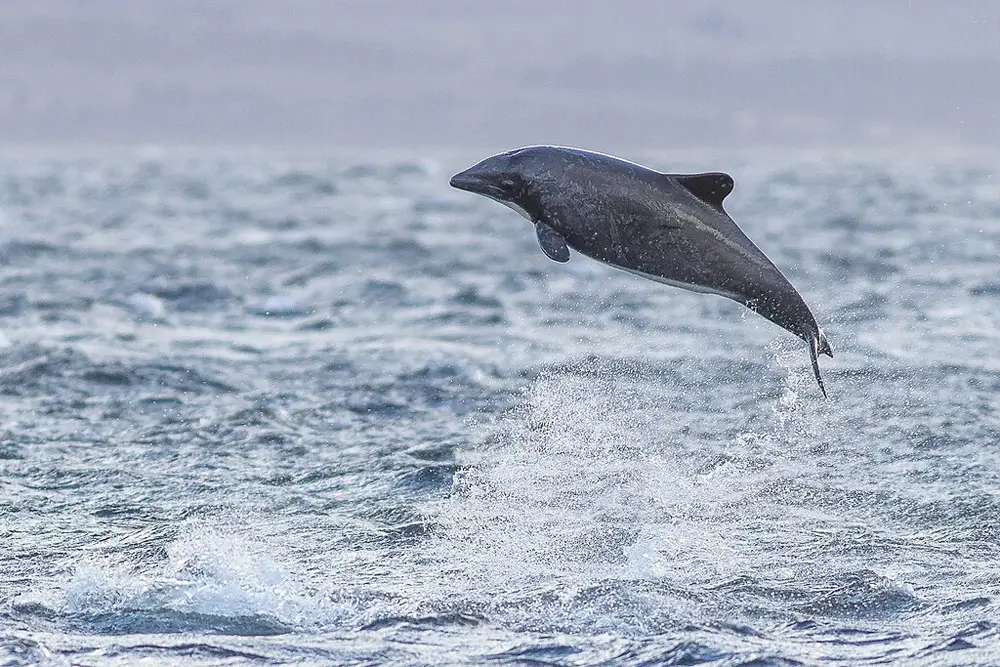
Chilean Dolphin (Cephalorhynchus eutropia)
The Chilean dolphin is found in off the coast of Chile. IUCN Redlist Status: Near Threatened
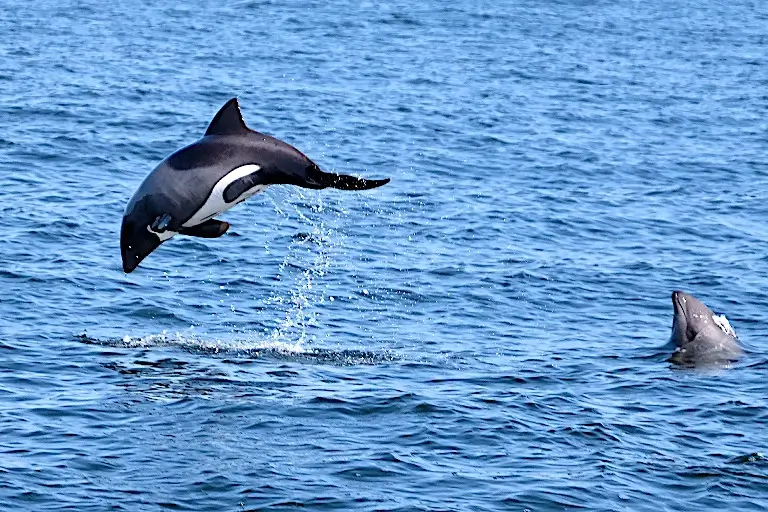
Heaviside's Dolphin (Cephalorhynchus heavisidii)
Heaviside's Dolphin s found off the coast of Angola, Namibia, and South Africa. IUCN Redlist Status: Near Threatened
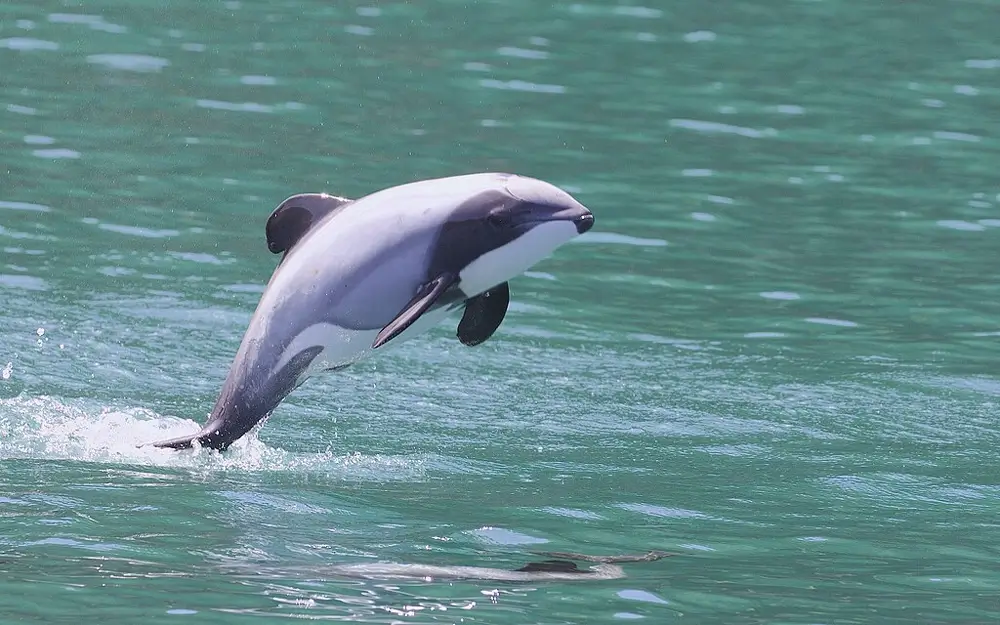
Hector's Dolphin (Cephalorhynchus hectori)
Hector’sdolphin is found oof the coast of New Zealand. IUCN Redlist Status: Endangered
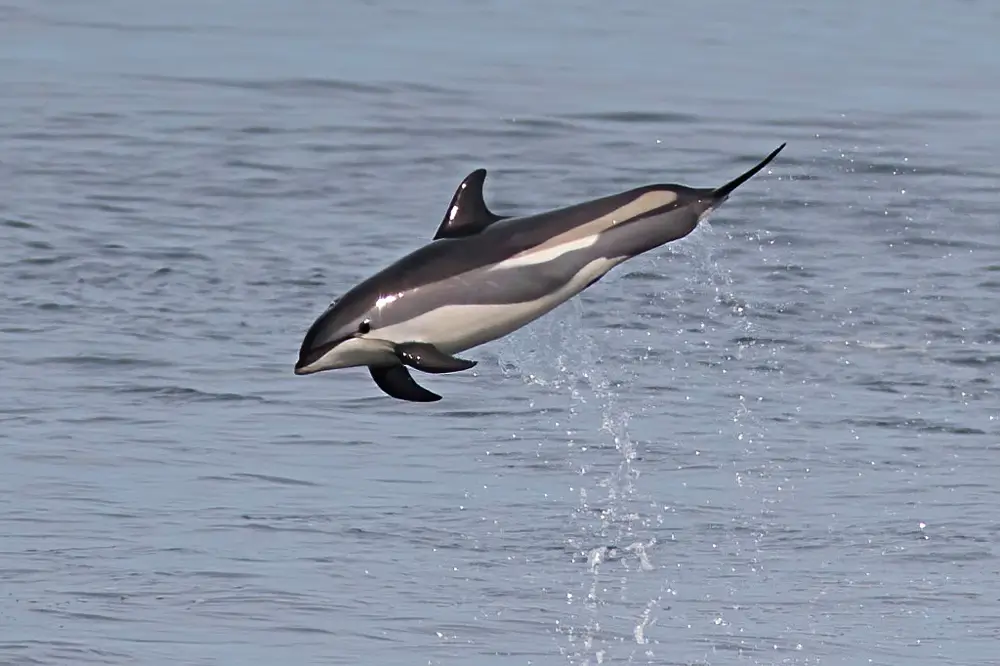
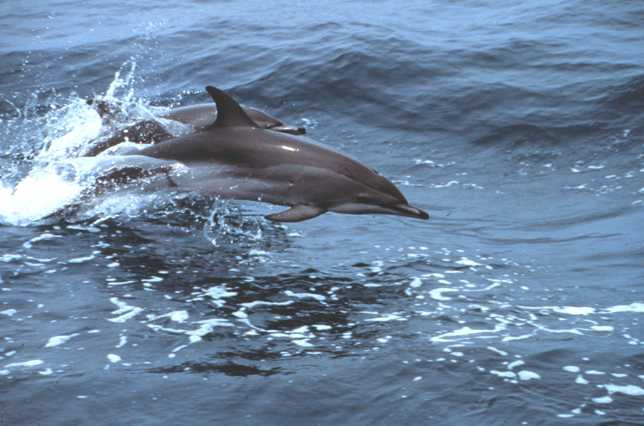
Long-Beaked Common Dolphin (Delphinus capensis)
Long-beaked common dolphins are found in the Atlantic, Indian, and Pacific Oceans.
The short-beaked saddleback dolphin is found in tropical to cool temperate waters of the Atlantic and Pacific oceans. IUCN Redlist Status: Least Concern
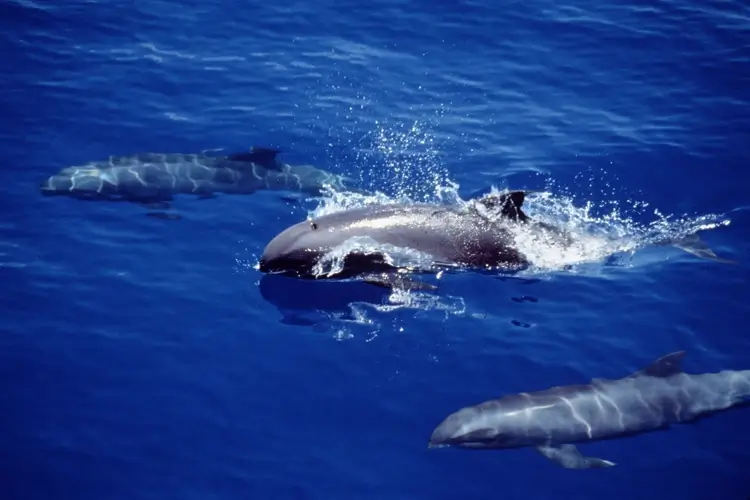
Pygmy Killer Whale (Feresa attenuata)
The pygmy killer whale is found in warm and deep ocean waters around the world. IUCN Redlist Status: Least Concern
Short-Finned Pilot Whale (Globicephala macrorhynchus)
The short-finned pilot whale is found in ocean waters around the world. IUCN Redlist Status: Least Concern
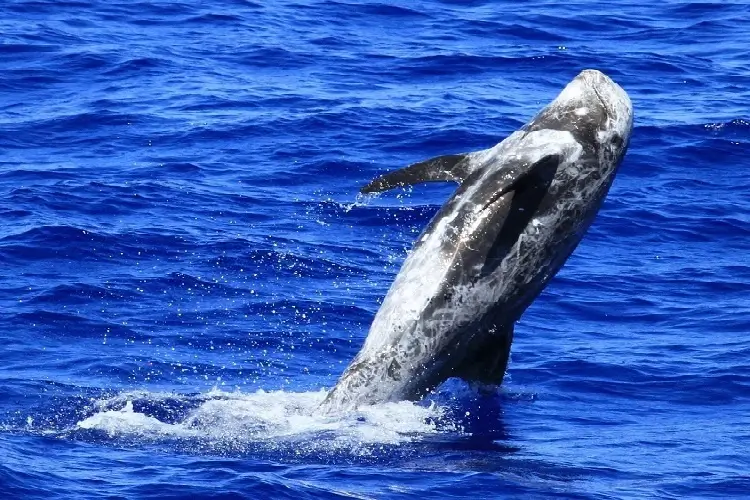
Risso's Dolphin (Grampus griseus)
Risso's dolphins, sometimes called gray dolphins, are found in the temperate and tropical zones of all the world's oceans. IUCN Redlist Status: Least Concern
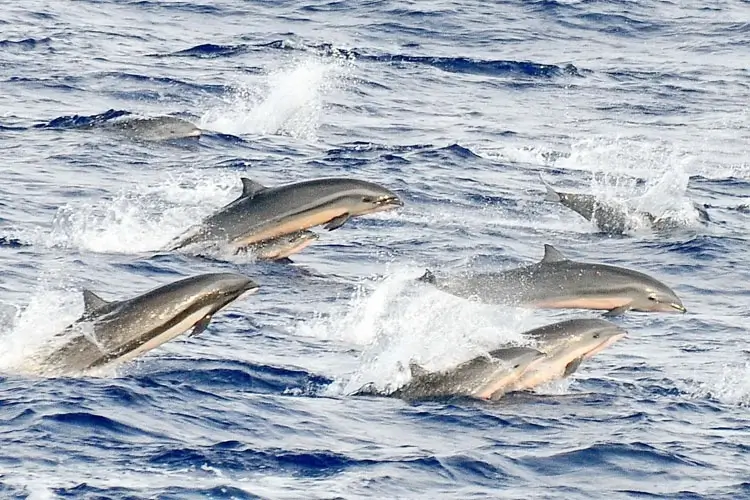
Fraser's Dolphin (Lagenodelphis hosei)
Fraser's dolphins are found in deep, tropical waters around the world. IUCN Redlist Status: Least Concern
Atlantic white-sided dolphins are found in the temperate waters of the North Atlantic, including waters off the coast of New Hampshire. IUCN Redlist Status: Least Concern
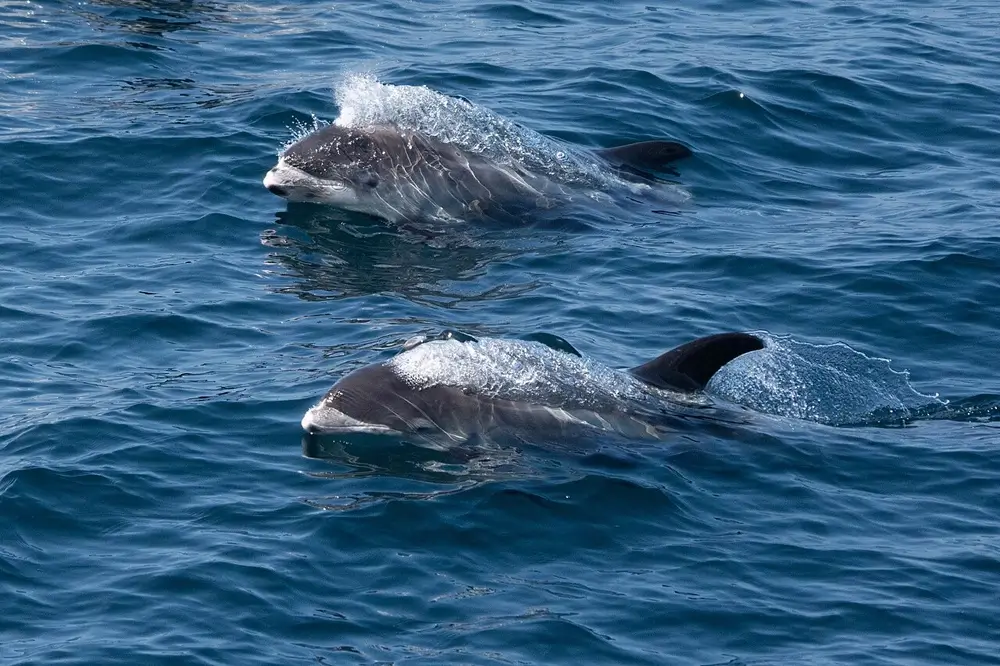
White-Beaked Dolphin (Lagenorhynchus albirostris)
White-beaked dolphins are found in cold waters of the North Atlantic Ocean. IUCN Redlist Status: Least Concern
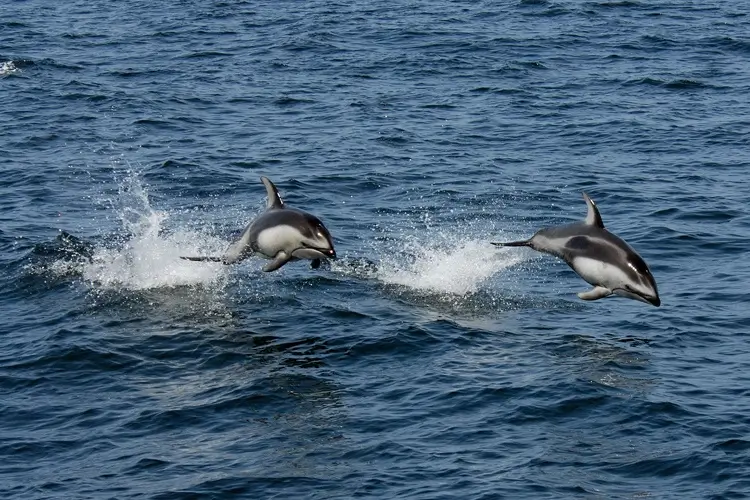
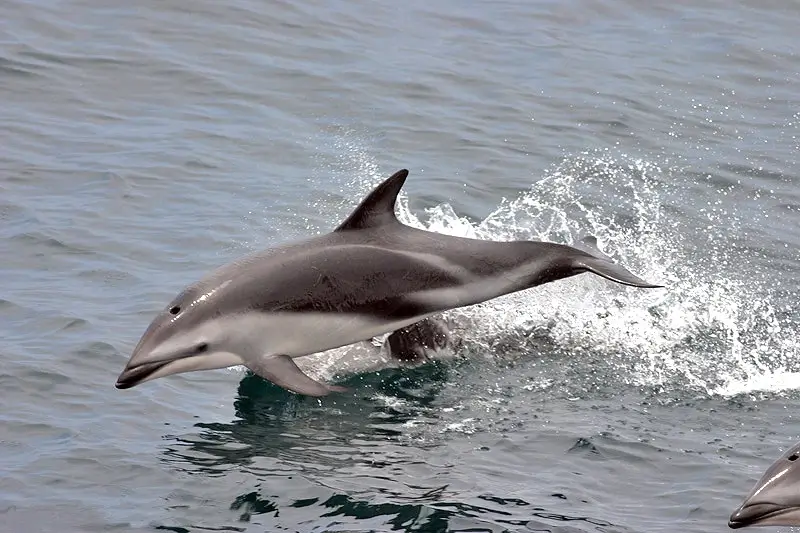
In the United States, Pacific white-sided dolphins live off the coasts of California, Oregon, Washington, and Alaska. They are also fund off the coasts of Canada and Mexico as well as China, Japan, North and South Korea, Russia and Taiwan. IUCN Redlist Status: Least Concern
Dusky Dolphin (Lagenorhynchus obscurus)
The dusky dolphin is found in coastal waters of the Southern Hemisphere. IUCN Redlist Status: Least Concern
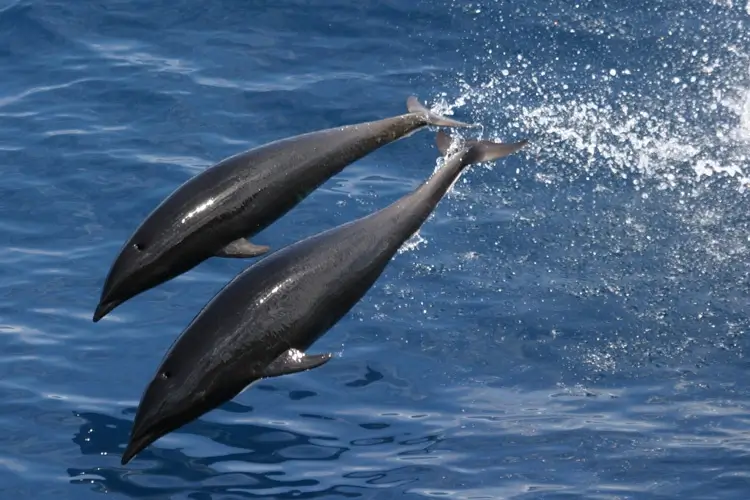
Northern Right Whale Dolphin (Lissodelphis borealis)
Northern right whale dolphins are found in the deep, cold waters of the Pacific Ocean. IUCN Redlist Status: Least Concern
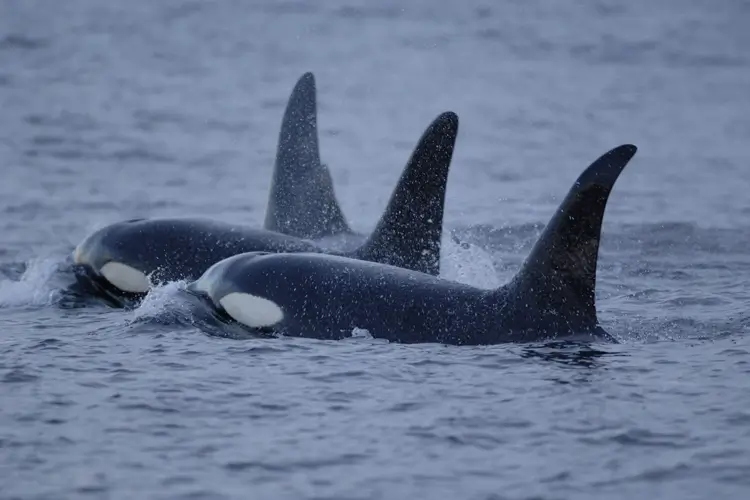
Killer Whale (Orcinus orca)
The killer whale, also known as the orca, is the largest member of the dolphin family. It is found in ocean waters around the world. IUCN Redlist Status: Date Deficient
Melon-Headed Whale (Peponocephala electra)
The melon-headed whale is found in deep, tropical waters around the world. IUCN Redlist Status: Least Concern
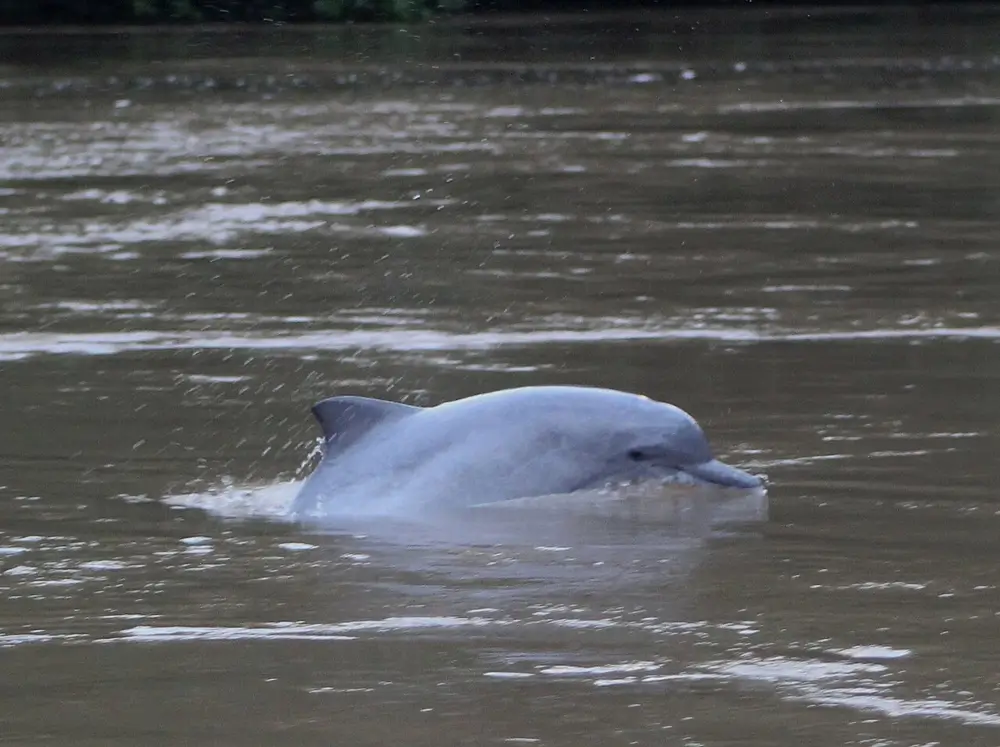
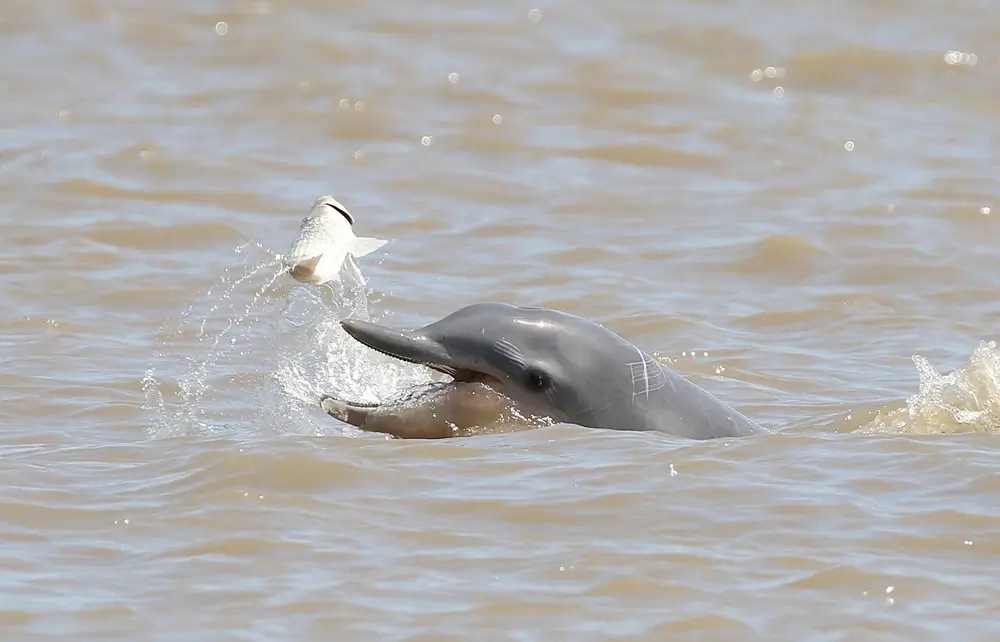
Tucuxi (Sotalia fluviatilis)
The Tucuxi is a freshwater dolphin. It found in rivers in Brazil, Colombia, Ecuador, and Peru. It is sometimes called the Amazon river dolphin. IUCN Redlist Status: Endangered
Guiana Dolphin (Sotalia guianensis)
The Guiana dolphin is fond along the eastern coast of Central and South America from Guatemala to Brazil. IUCN Redlist Status: Near Threatened
Pantropical Spotted Dolphin (Stenella attenuata)
The Pantropical spotted dolphin is found in tropical and subtropical ocean waters around the world. IUCN Redlist Status: Least Concern
Clymene Dolphin (Stenella clymene)
The Clymene dolphin deep, tropical waters of the Atlantic Ocean. IUCN Redlist Status: Least Concern
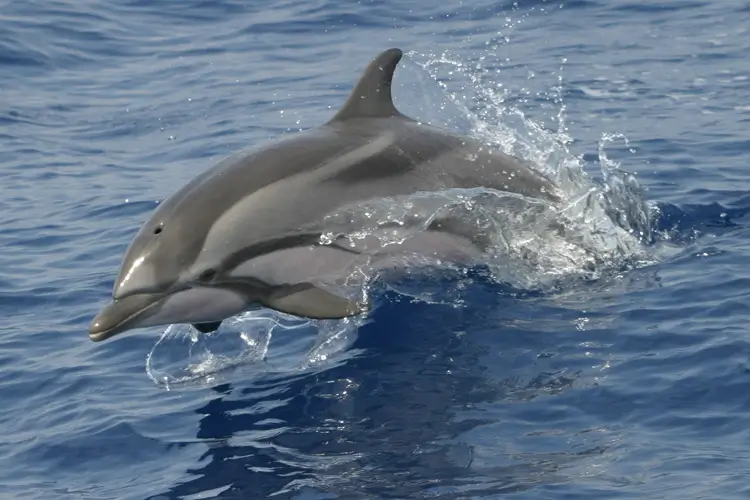
Striped Dolphin (Stenella coeruleoalba)
Th striped dolphin is found in ocean waters around the world. IUCN Redlist Status: Least Concern
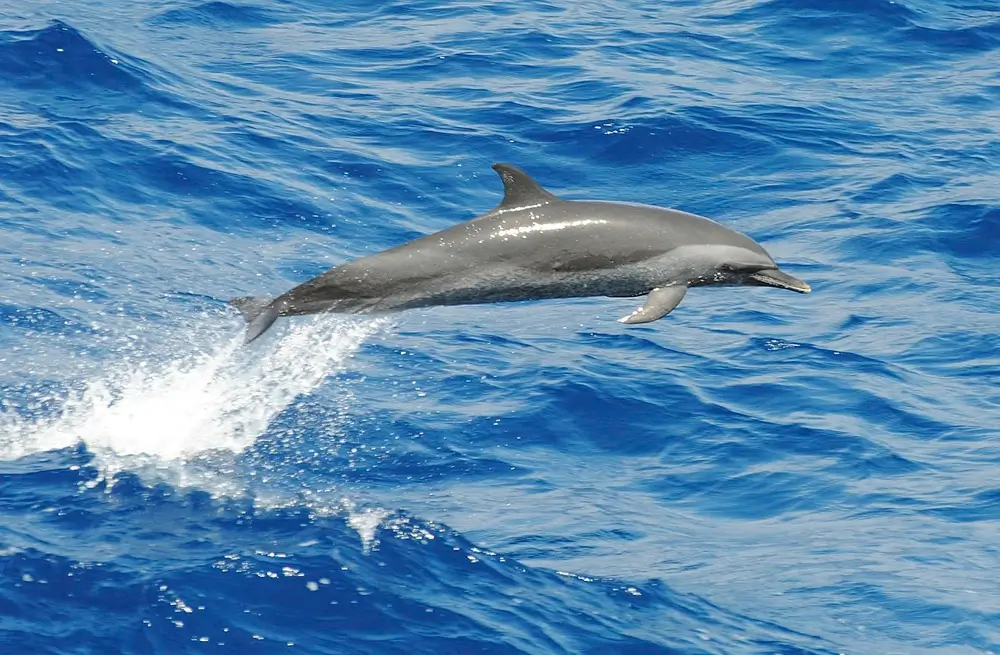
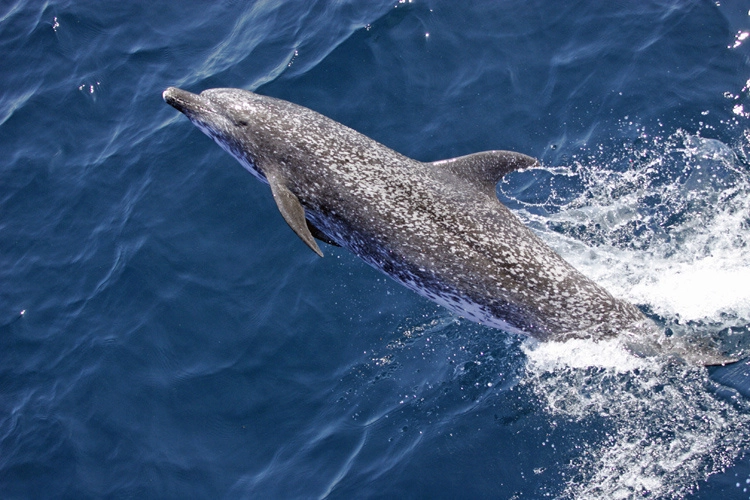
Atlantic Spotted Dolphin (Stenella frontalis)
The Atlantic spotted dolphin is found in the tropical waters of the Atlantic Ocean. IUCN Redlist Status: Least Concern
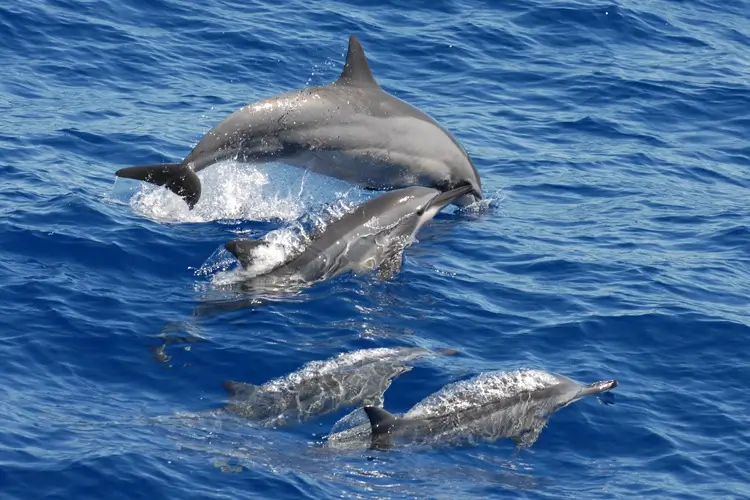
Spinner Dolphin (Stenella longirostris)
Spinner dolphins are found around the world in tropical and warm-temperate waters. IUCN Redlist Status: Least Concern
Rough-Toothed Dolphin (Steno bredanensis)
Rough-toothed dolphins are found throughout the world in tropical and warmer temperate waters. IUCN Redlist Status: Least Concern
The Indo-pacific bottlenose dolphin is found in waters around India, northern Australia, South China, the Red Sea, and the eastern coast of Africa IUCN Redlist Status: Near Threatened
Common Bottlenose Dolphin (Tursiops truncatus)
Common bottlenose dolphins are found in temperate and tropical waters around the world. IUCN Redlist Status: Least Concern