There are 22 species of large seabirds in this family. They are found in the Pacific Ocean, the southern Atlantic and Indian Oceans, and in the Southern Ocean around Antarctica.
They range in size from 27-55 inches in length and can have wingspans of up to 13 feet. They have thick, slightly curved bills with a pair of tubular nostrils and long, narrow wings. Most species are white, gray, or brown.
Albatrosses spend most of their time at sea and only settle on land to breed. Albatrosses dive from the surface of the water to catch fish, squid, and krill.
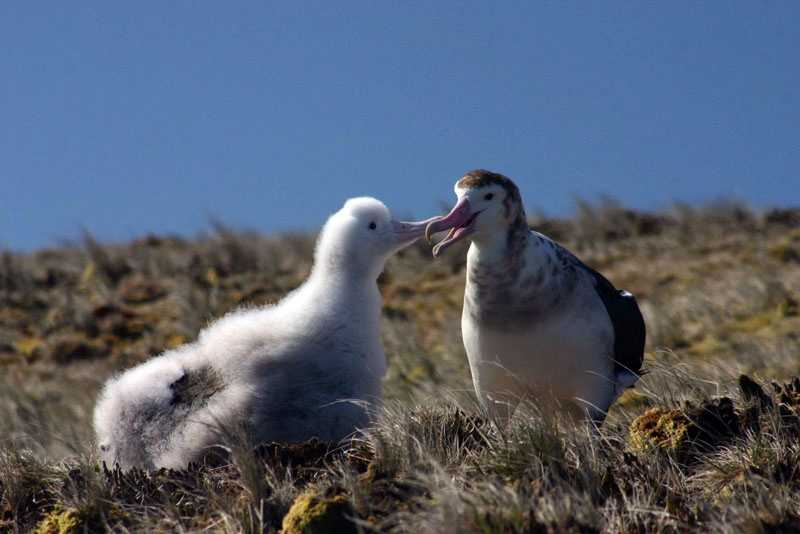
They nest in large colonies. Most species return to the place where they were born to nest. Females lay a single egg in a depression in the ground. Males help care for and feed the chick.
Male and female pairs may mate for life. Albatrosses can live as long as 50 years.
Amsterdam Albatross (Diomedea amsterdamensis)
The Amsterdam albatross breeds on Amsterdam Island in the southern Indian Ocean. IUCN Redlist Status: Critically Endangered
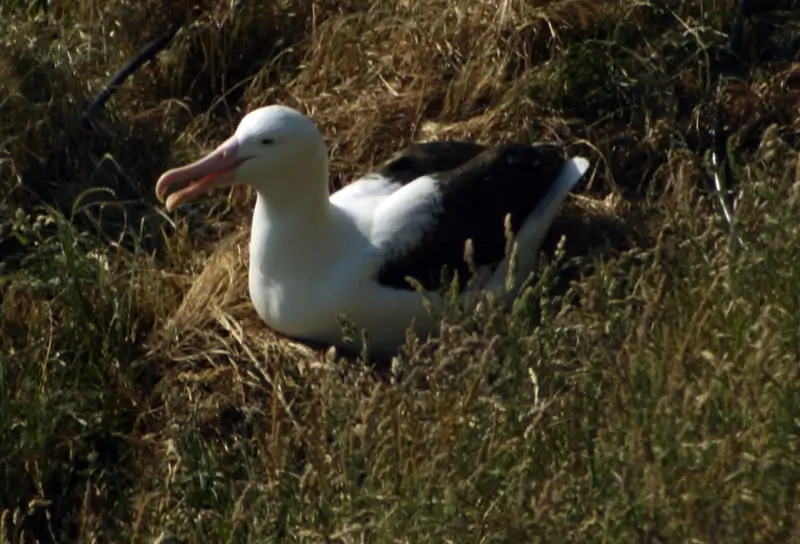
Southern Royal Albatross (Diomedea antipodensis)
The southern royal albatross breeds on Campbell Island, a subantarctic island in New Zealand. IUCN Redlist Status: Vulnerable
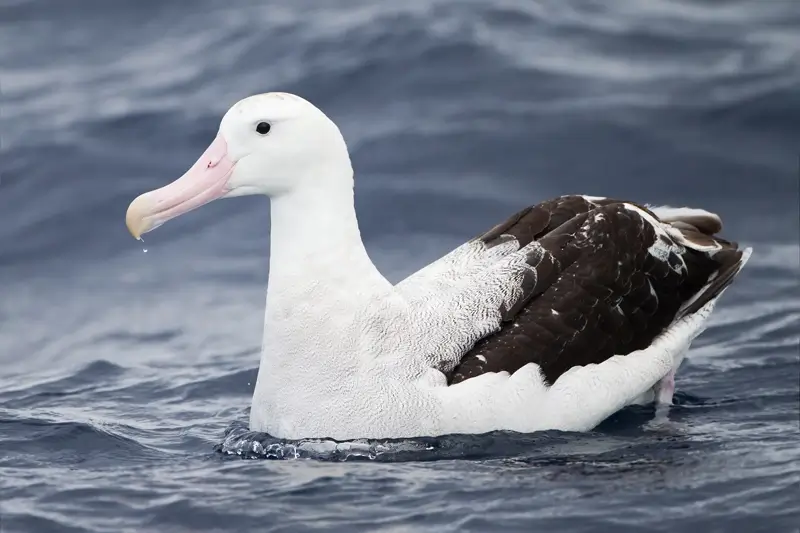
Wandering Albatross (Diomedea exulans)
The wandering albatross breeds on sub-Antarctic islands including: South Georgia Island in the southern Atlantic Ocean, the Prince Edward Islands, the Crozet Islands, and Kerguelen Islands in the southern Indian Ocean; and Macquarie Island in the southern Pacific Ocean. IUCN Redlist Status: Vulnerable
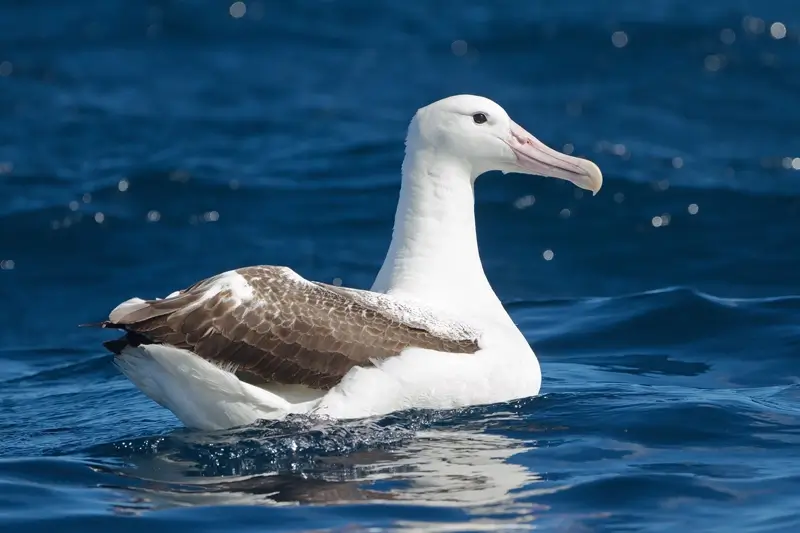
Northern Royal Albatross (Diomedea sanfordi)
Most of the northern royal albatross population breeds on the sub-Antarctic Chatham Islands of New Zealand. IUCN Redlist Status: Endangered
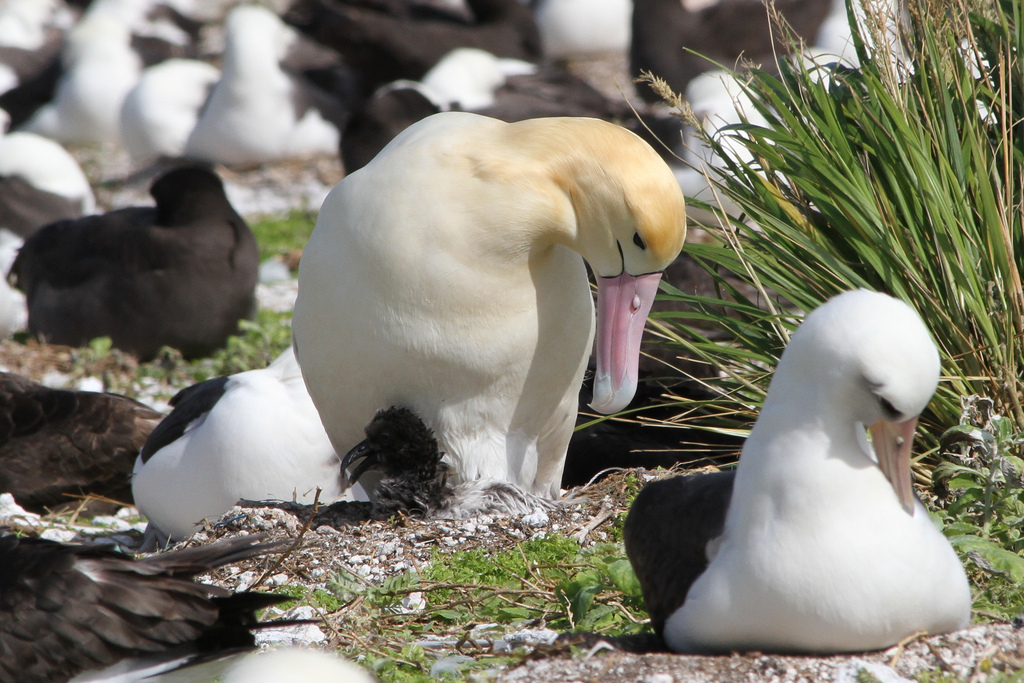
Short-tailed Albatross (Phoebastria albatrus)
The short-tailed albatross was once found in large numbers in the North Pacific Ocean around the seas of Taiwan and Japan. Today, the short-tailed albatross breeds on two islands in the Pacific Ocean. It occasionally is sighted off the Pacific Coast of the United States, south to California. It is an endangered species in the U.S. IUCN Redlist Status: Endangered
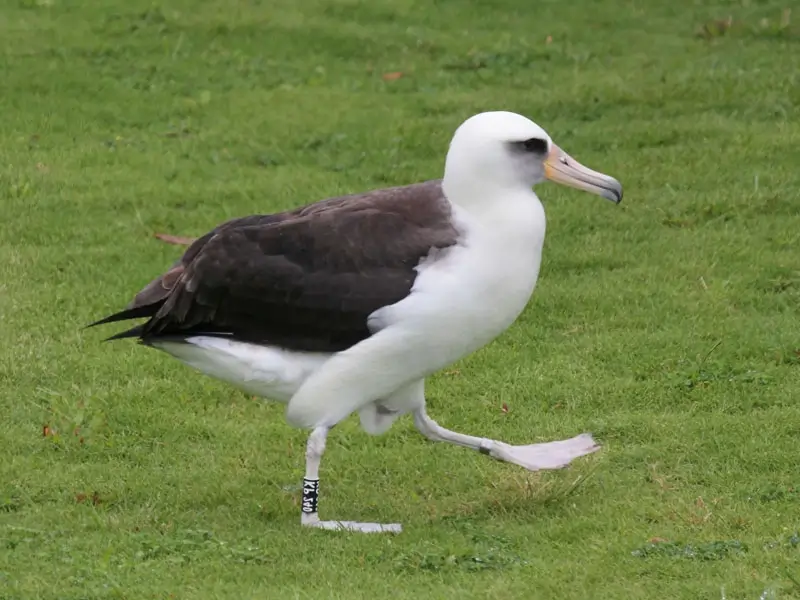
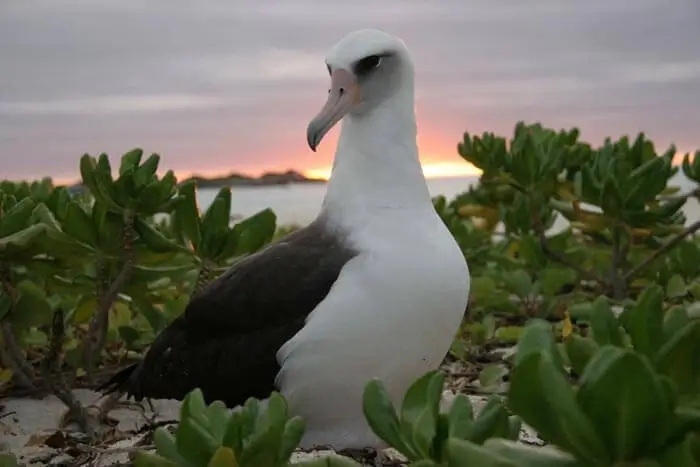
Laysan Albatross (Phoebastria immutabilis)
The Laysan albatross breeds on islands in the mid-Pacific, especially islands in the Hawaiian chain. Occasionally, it can be seen in the waters of the North Pacific and the Gulf of Alaska. IUCN Redlist Status: Near Threatened
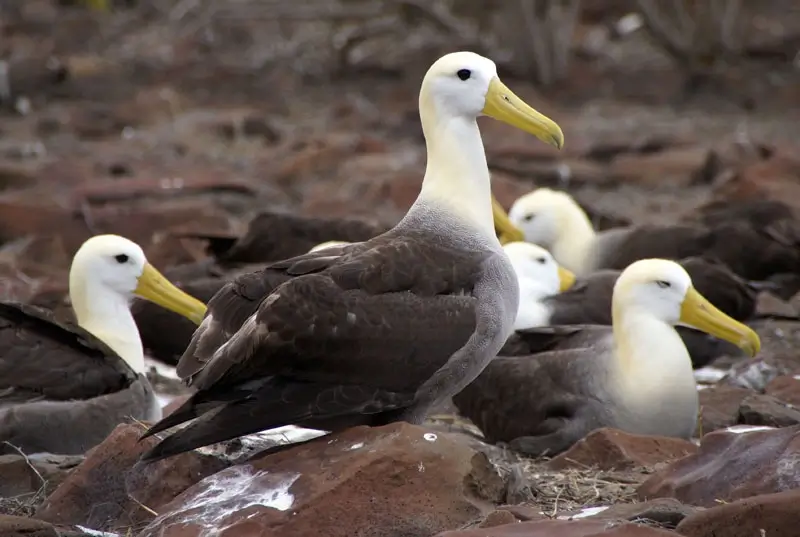
Waved Albatross (Phoebastria irrorata)
The waved albatross breeds on south Española Island in the Galápagos Islands. IUCN Redlist Status: Critically Endangered
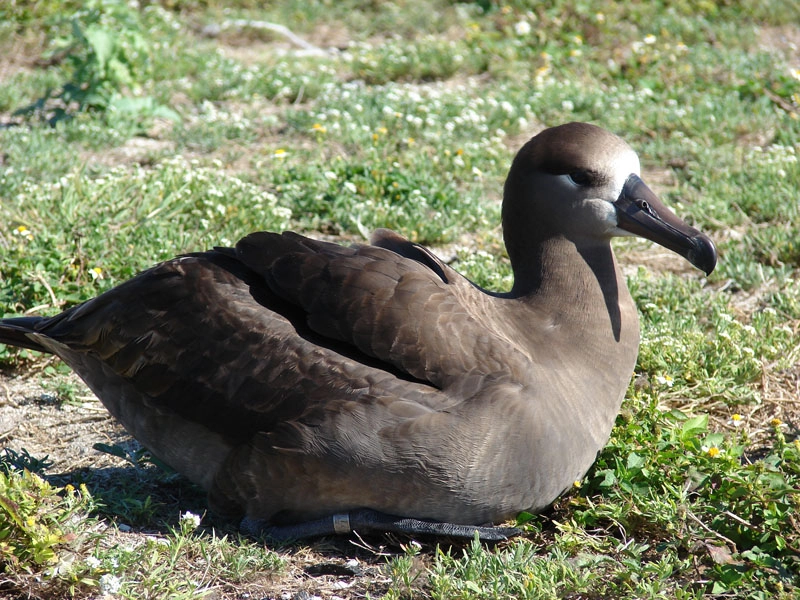
Black-Footed Albatross (Phoebastria nigripes)
The black-footed albatross breeds on islands in the mid-Pacific Ocean. Non-breeding albatrosses can be found along the Pacific coast of North America. IUCN Redlist Status: Vulnerable
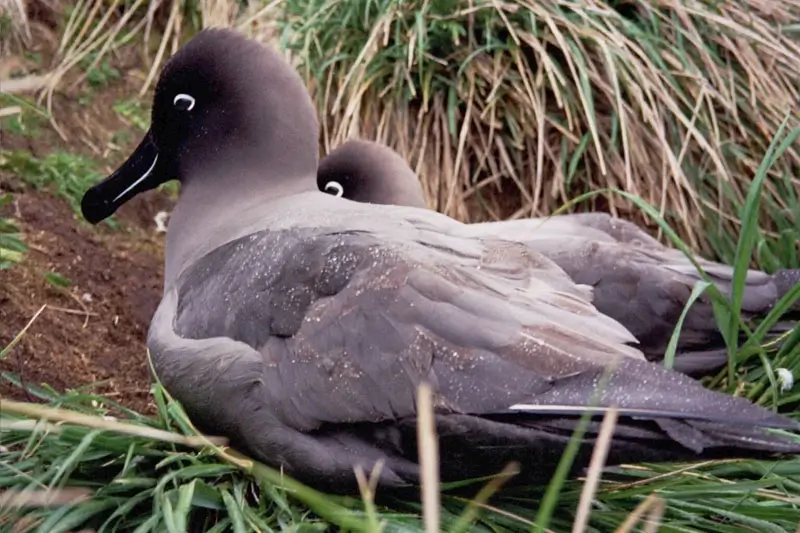
Light-Mantled Albatross (Phoebetria palpebrata)
The light-mantled albatross is found in sub-Antarctic and Antarctic waters and islands of the South Ocean. IUCN Redlist Status: Near Threatened
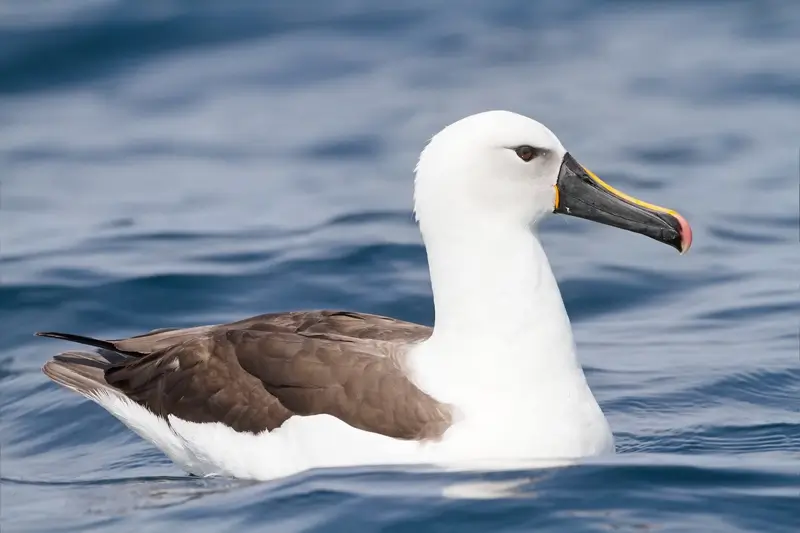
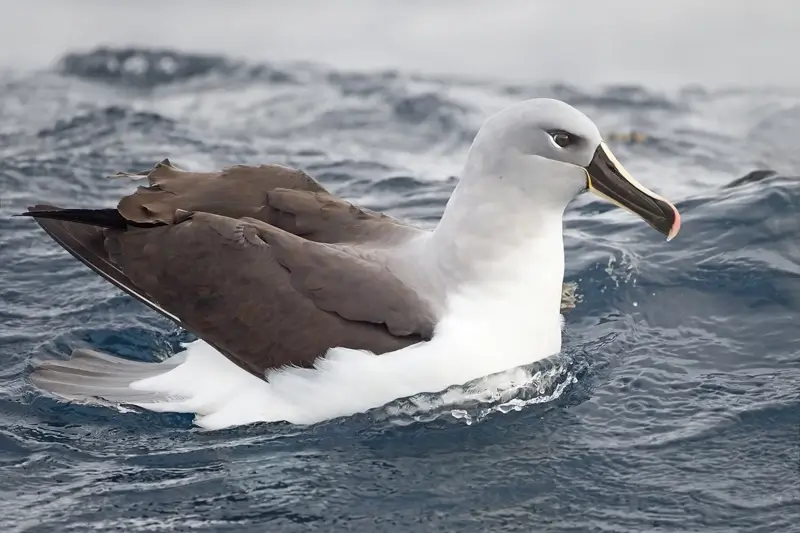
Indian Yellow-nosed Albatross (Thalassarche carteri)
The Indian yellow-nosed albatross breeds in the southern Indian Ocean on Prince Edward Island, the Crozet Islands, the Kerguelen Islands, Amsterdam Island, and the St Paul Islands. IUCN Redlist Status: Endangered
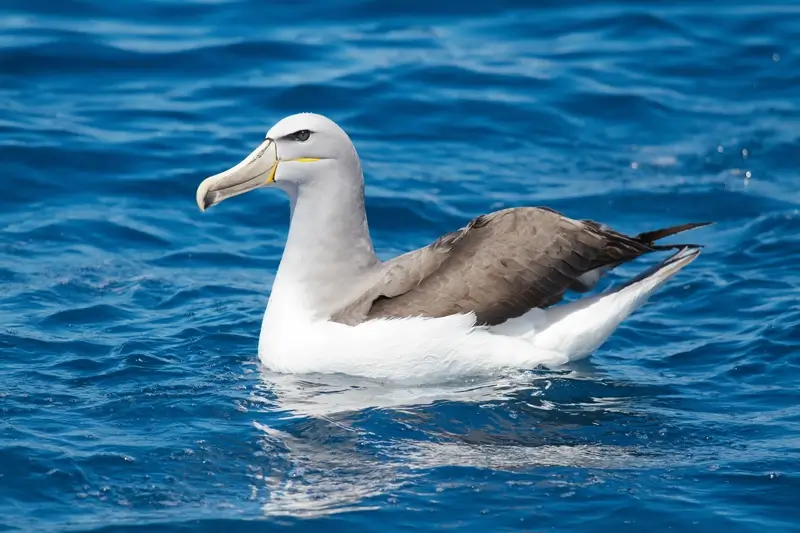
Shy Albatross (Thalassarche cauta)
The shy albatross breeds on three islands off the coast of Tasmania - Albatross Island, Pedra Branca, and Mewstone Island. IUCN Redlist Status: Near Threatened
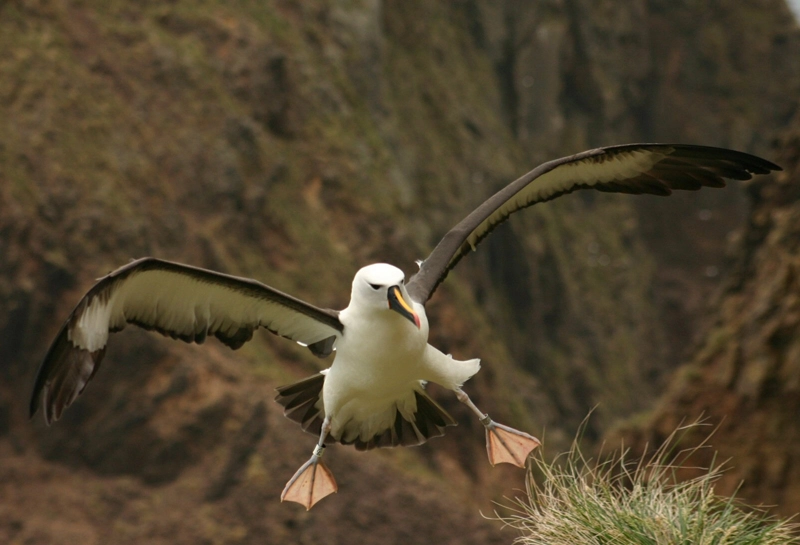
The Atlantic yellow-nosed albatross breeds on Gough Island and the islands of the Tristan da Cuhna archipelago in the Southern Ocean. IUCN Redlist Status: Endangered
Gray-Headed Albatross (Thalassarche chrysostoma)
The gray-headed albatross has a circumpolar distribution over cold sub-Antarctic and Antarctic waters. IUCN Redlist Status: Vulnerable
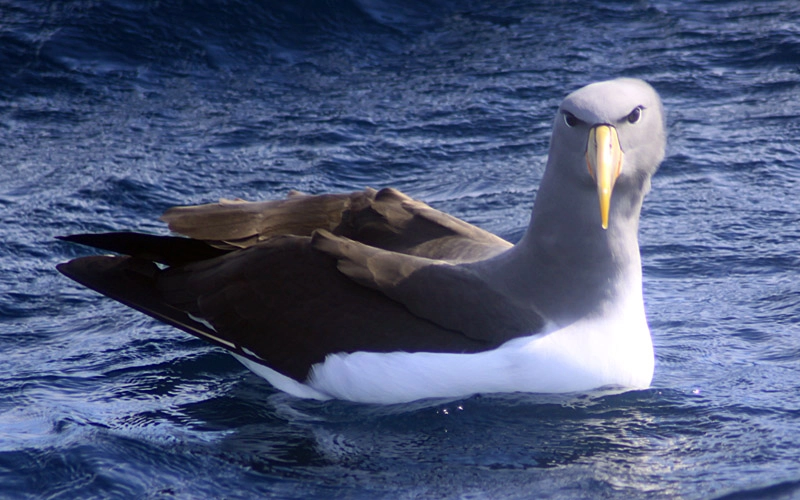
Chatham Albatross (Thalassarche eremita)
The Chatham albatross only breeds on a rock stack called the Pyramid on New Zealand's Chatham Islands. IUCN Redlist Status: Vulnerable
Campbell Albatross (Thalassarche impavida)
The Campbell albatross only breeds only on the northern and western coastline of New Zealand's Campbell Island and the tiny offshore islet, Jeanette Marie. IUCN Redlist Status: Vulnerable
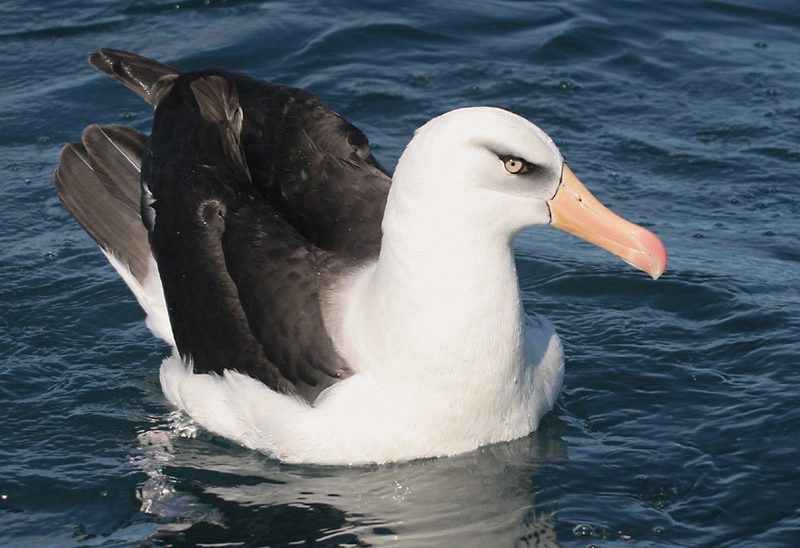
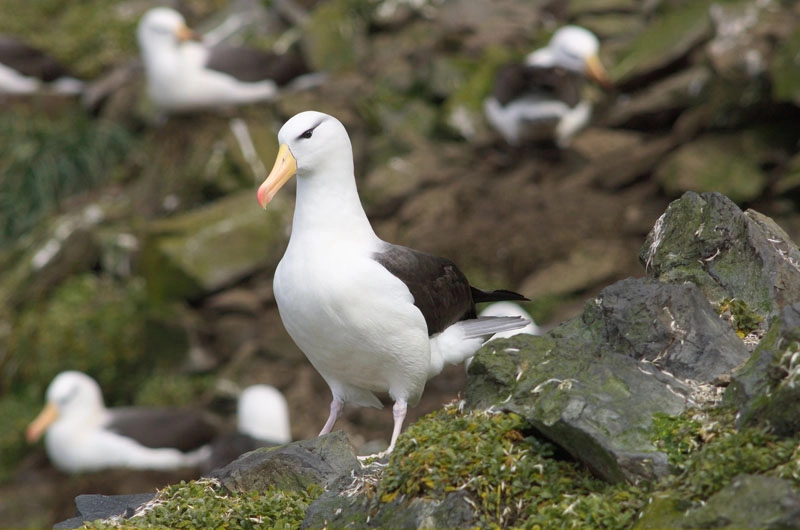
Black-Browed Albatross (Thalassarche melanophrys)
The black-browed albatross breeds on islands in the southern Atlantic, Indian, and Pacific Oceans. IUCN Redlist Status: Endangered
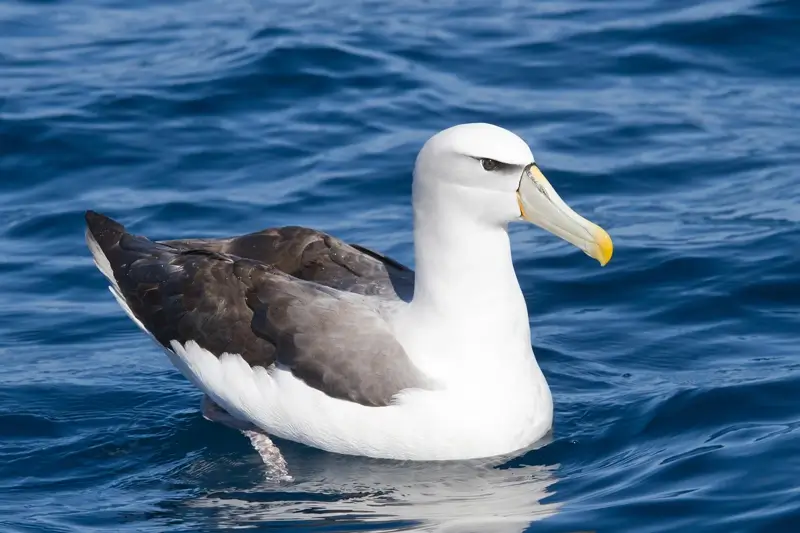
Salvin's Albatross (Thalassarche salvini)
Salvin's albatross breeds on New Zealand's Bounty Islands, Western Chain islets, and Chatham Islands. IUCN Redlist Status: Vulnerable