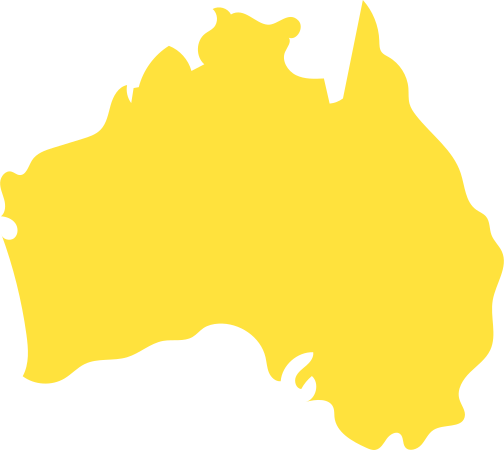
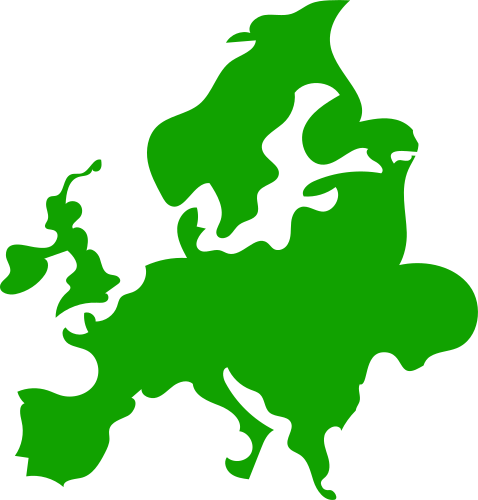
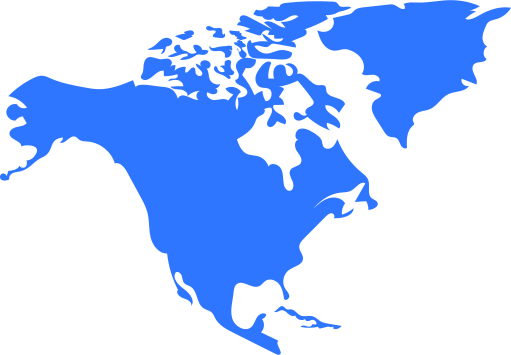
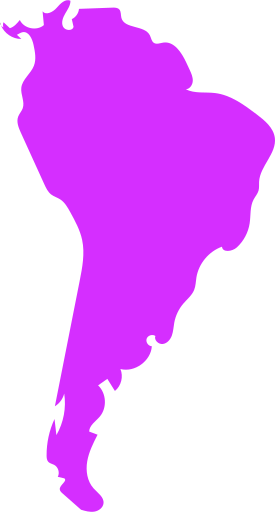
There are 1o living species in this family. Oystercatchers live on coasts in all areas of the world, except for the Arctic and Antarctic regions.
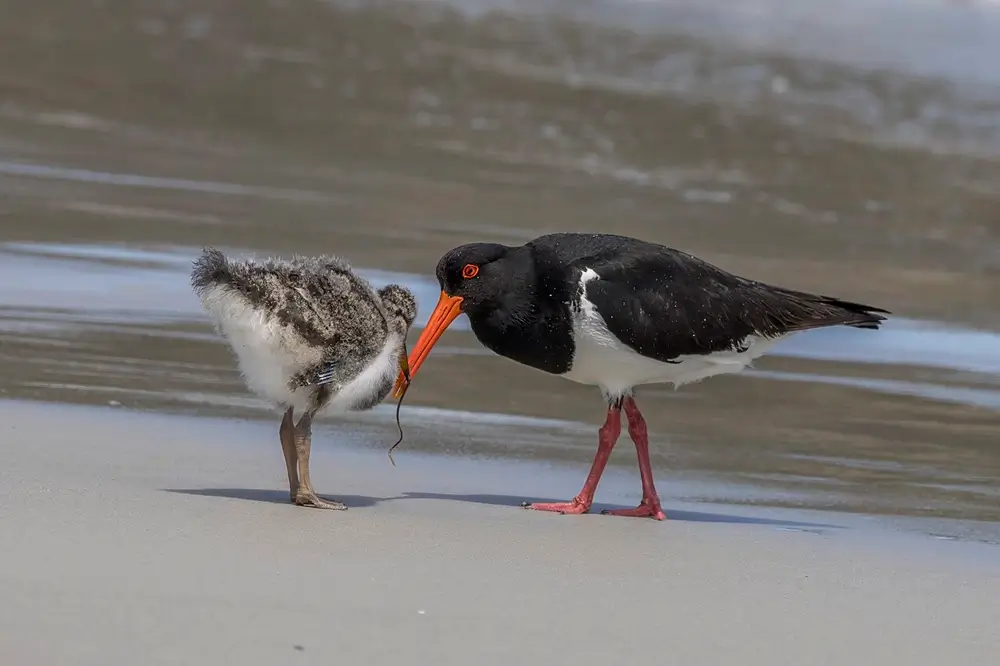
Oystercatchers are shorebirds with long, strong, pointed orange or red bills that they use to open oysters and other bivalves. They also eat fish and crabs.
Most species are black or dark brown with white undersides. Males and females look alike.
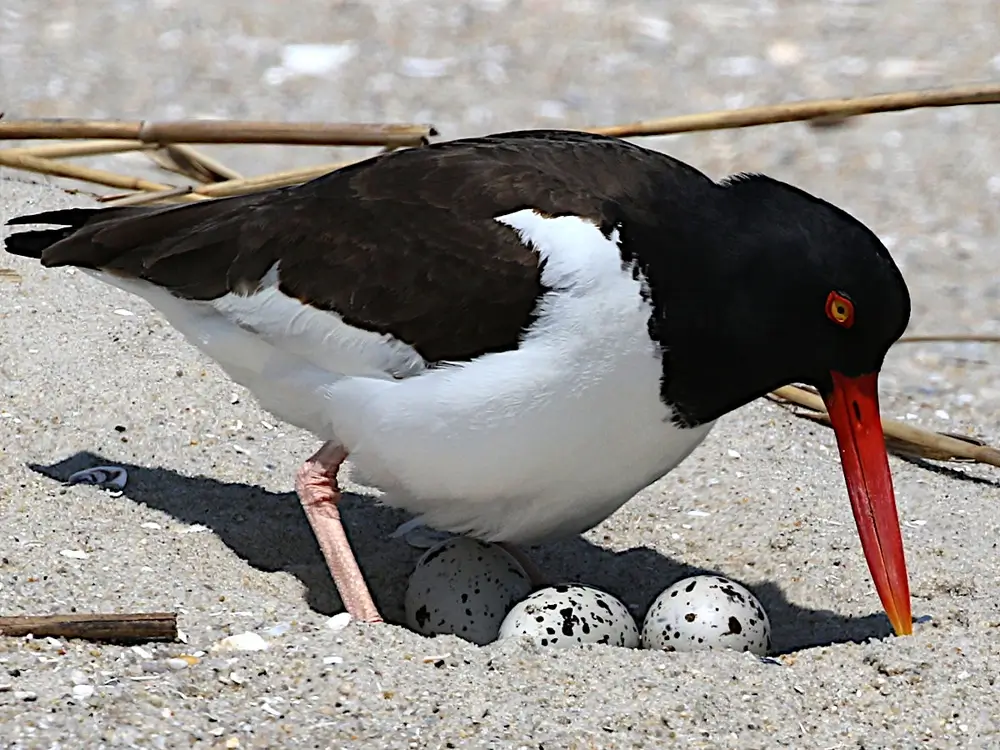
Oystercatchers nest in a scrape on the ground. The female lays 1-3 eggs. Both the female and the male incubate the eggs. During the breeding season, oystercatchers are very territorial.
The species in this family include the black oystercatcher, the South Island oystercatcher, the sooty oystercatcher, the pied oystercatcher, the African oystercatcher, the Eurasian oystercatcher, and the American oystercatcher. One species, the Canarian black oystercatcher, is extinct.
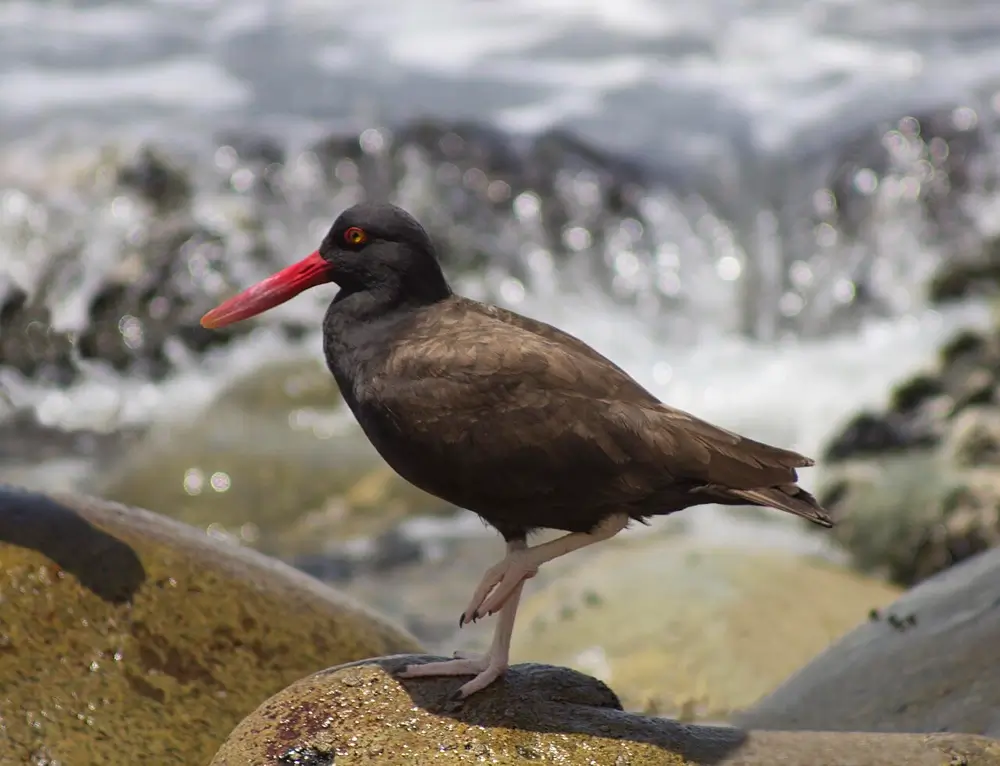
Blackish Oystercatcher (Haematopus ater)
The blackish oyster catcher is found along the pacific coast of South America from Peru to the tip of Chile and Argentina and north on the Atlantic side to Uruguay. IUCN Redlist Status: Least Concern
The Chatham Islands oystercatcher is found in the Chatham Islands in New Zealand. IUCN Redlist Status: Endangered
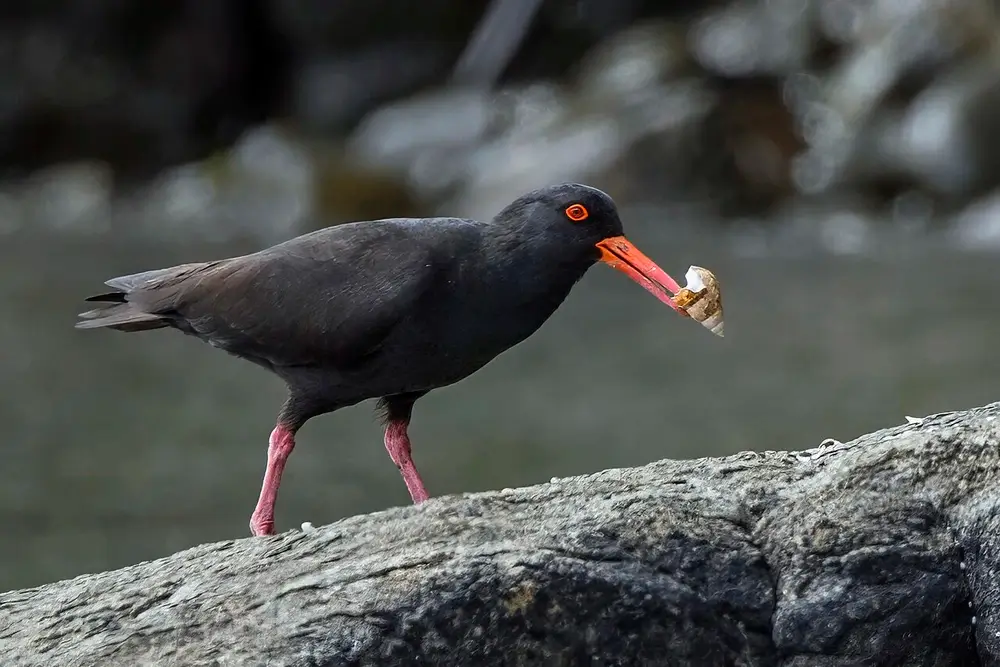
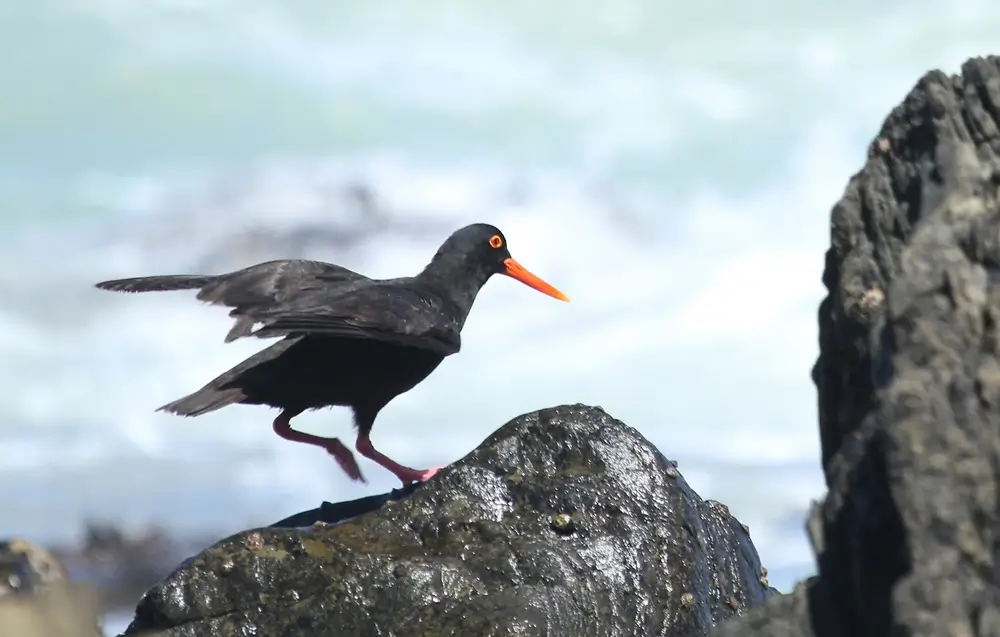
Sooty Oystercatcher (Haematopus fuliginosus)
The sooty oystercatcher is found in Australia. IUCN Redlist Status: Least Concern
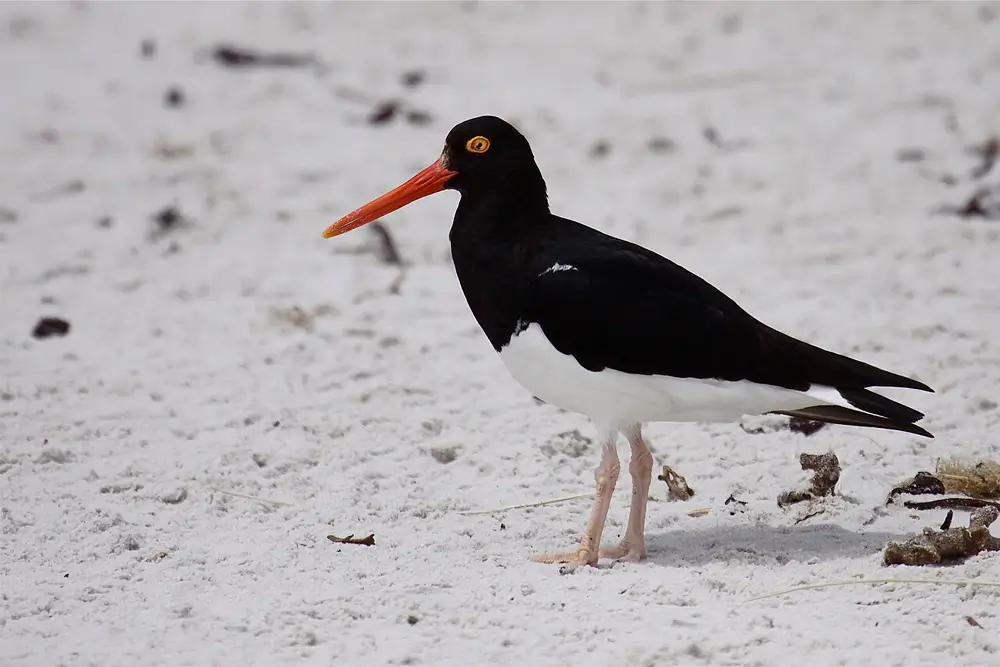
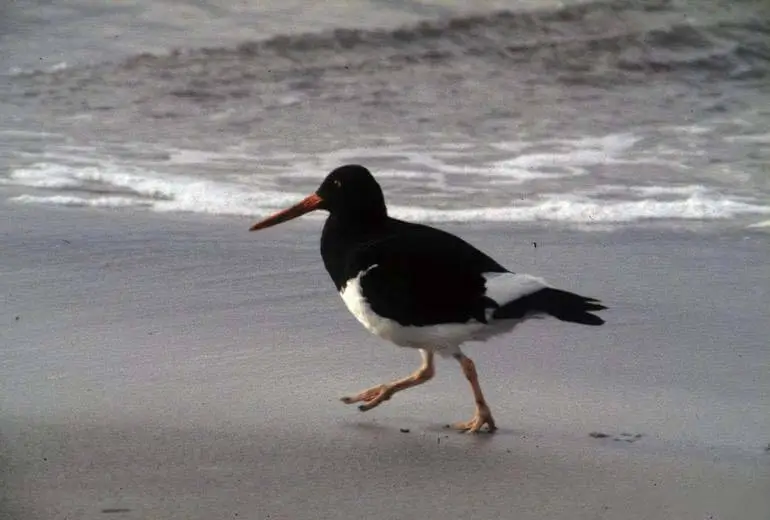
Magellanic Oystercatcher (Haematopus leucopodus)
The Magellanic oystercatcher is found in Argentina, Chile, the Falkland Islands, South Georgia, and the South Sandwich Islands IUCN Redlist Status: Least Concern South America. IUCN Redlist Status: Least Concern
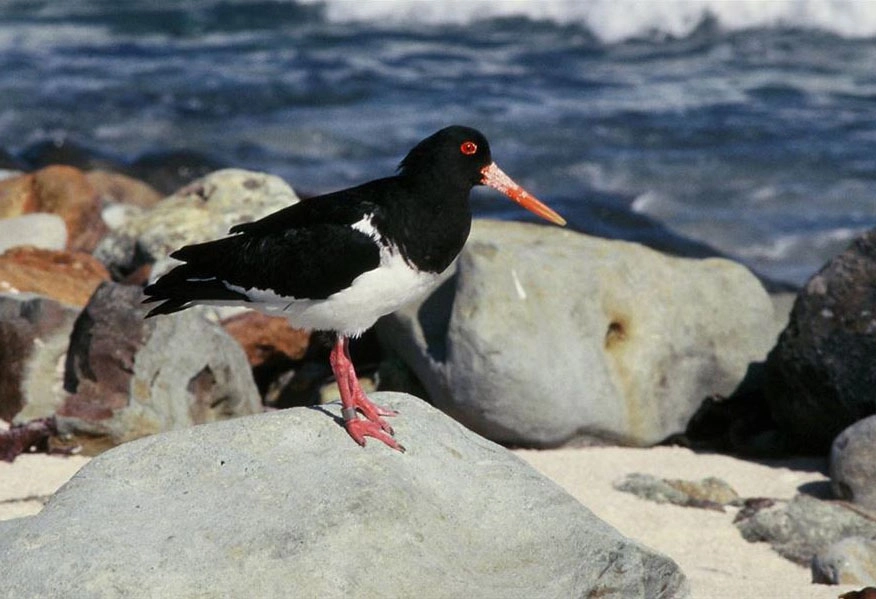
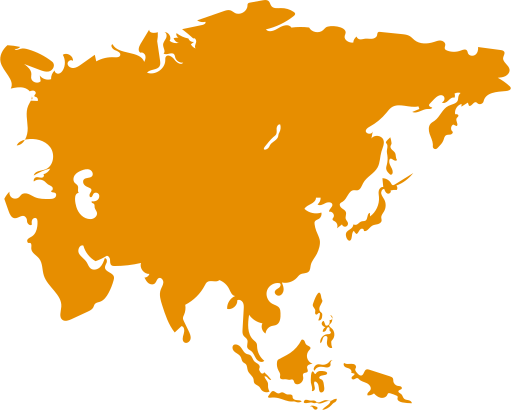
Pied Oystercatcher (Haematopus longirostris)
The pied oyster catcher is found in Australia, Indonesia, and Papua New Guinea. IUCN Redlist Status: Least Concern Asia Australia. IUCN Redlist Status: Least Concern
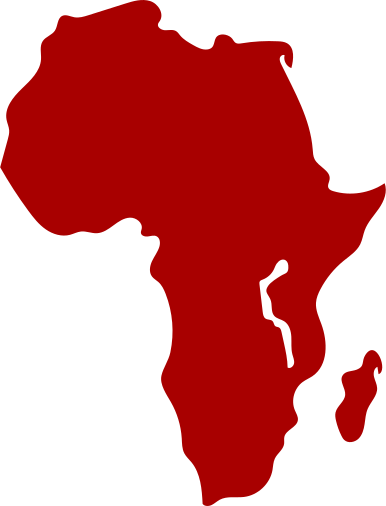
African Oystercatcher (Haematopus moquini)
The African oystercatcher is found in Angola, Mozambique, Namibia and South Africa. IUCN Redlist Status: Least Concern
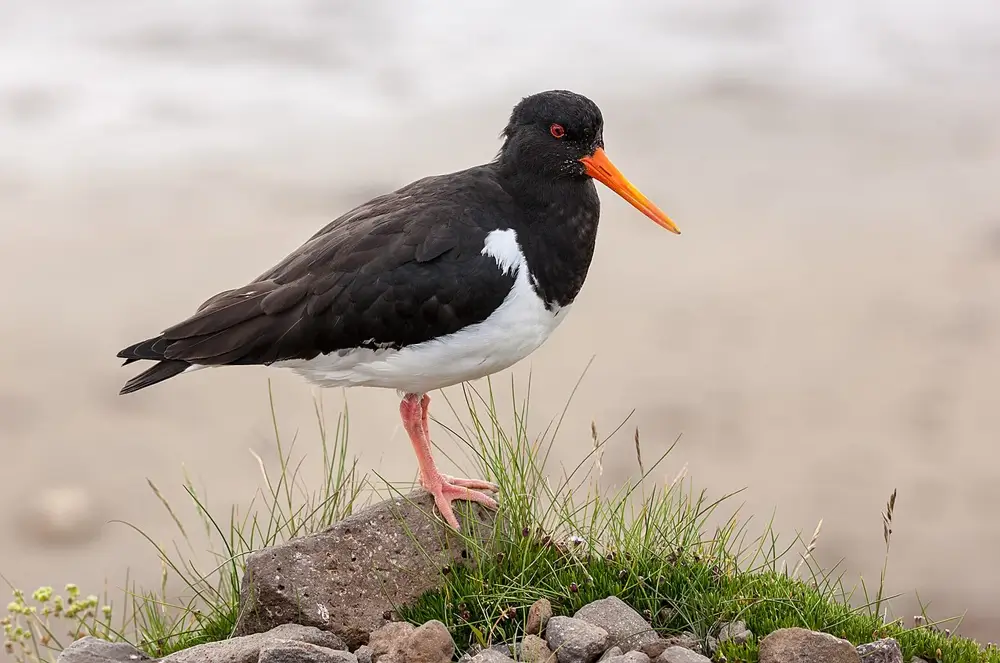
Eurasian Oystercatcher (Haematopus ostralegus)
The Eurasian oystercatcher is found throughout Europe, Asia, and Africa. IUCN Redlist Status: Near Threatened
American Oystercatcher (Haematopus palliatus)
The American oystercatcher is found along the Atlantic Coast from southern New England south to South America. It is also found in the Gulf Coast and on the Pacific Coast north to Southern California. It is the largest shorebird in the Americas. IUCN Redlist Status: Least Concern
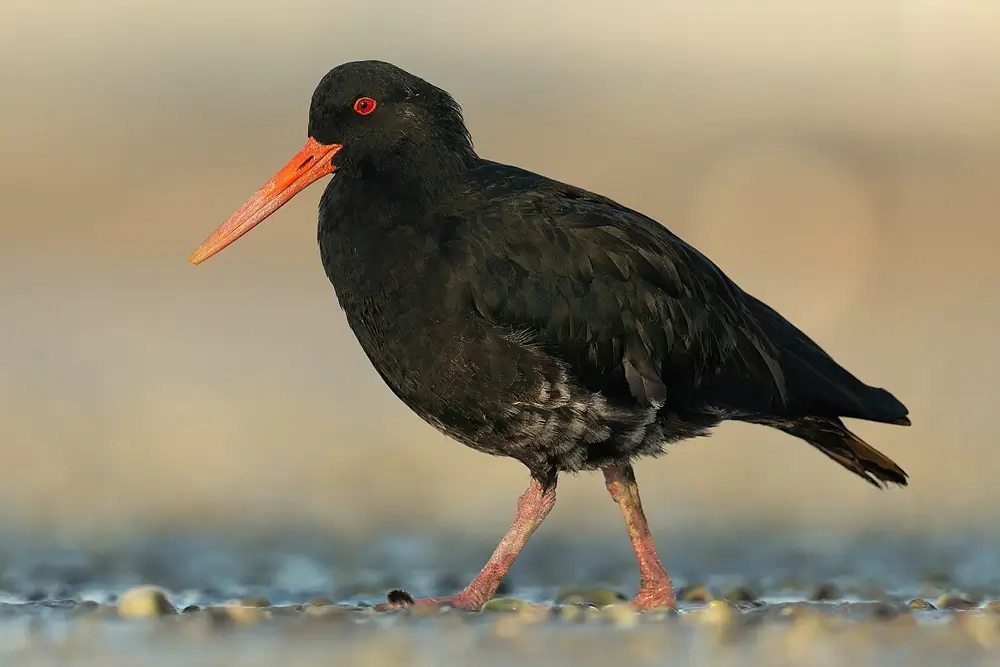
Variable Oystercatcher (Haematopus unicolor)
The variable oystercatcher is found in New Zealand. IUCN Redlist Status: Least Concern