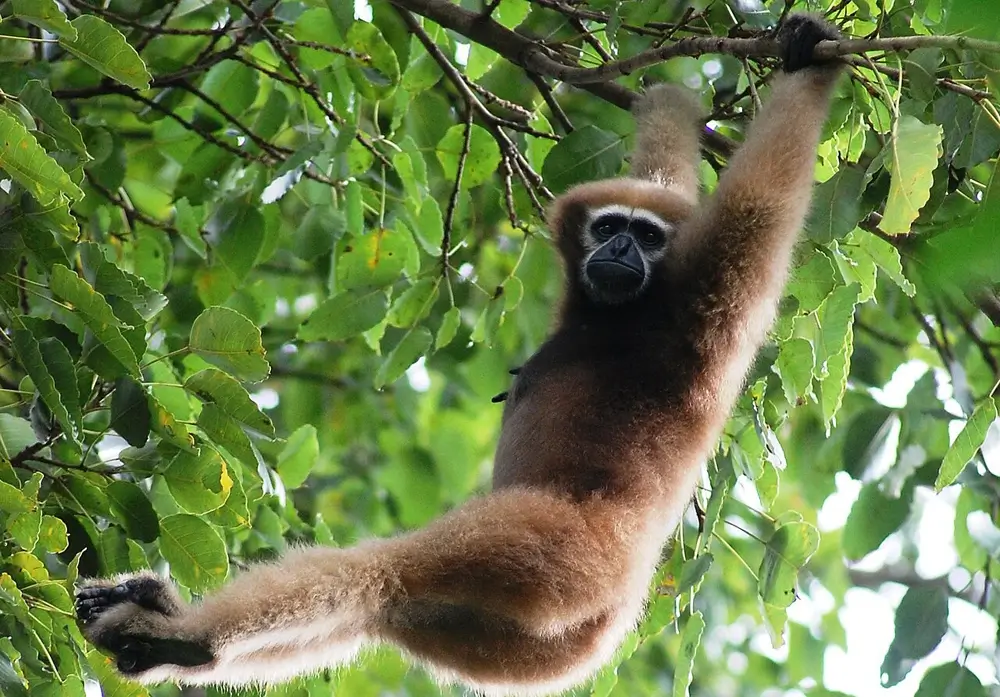
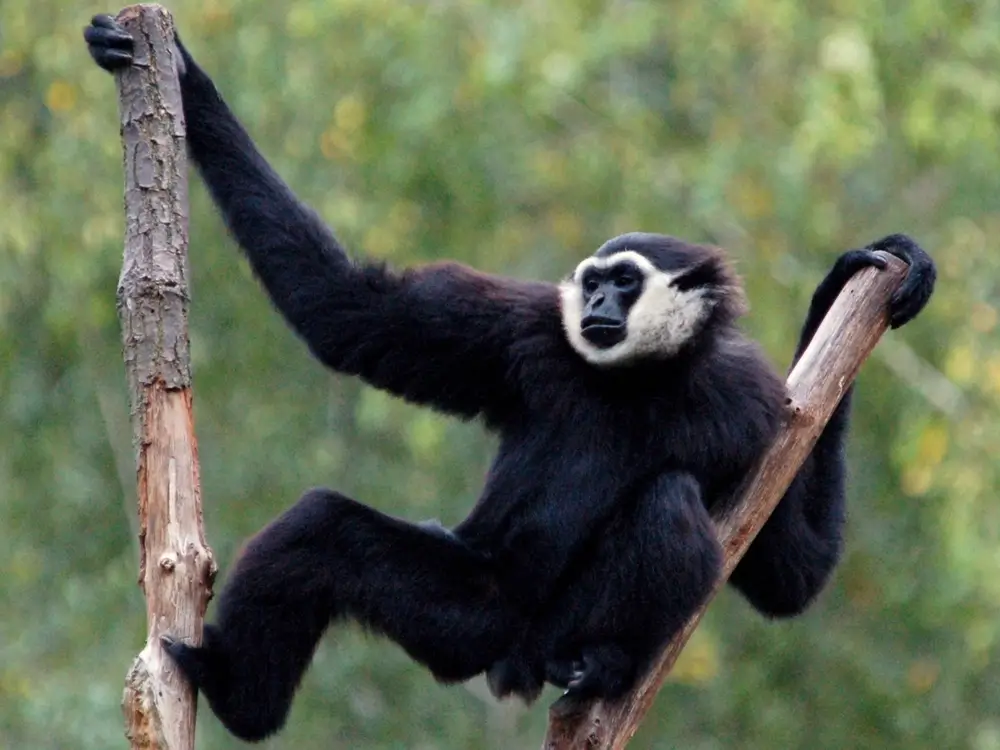
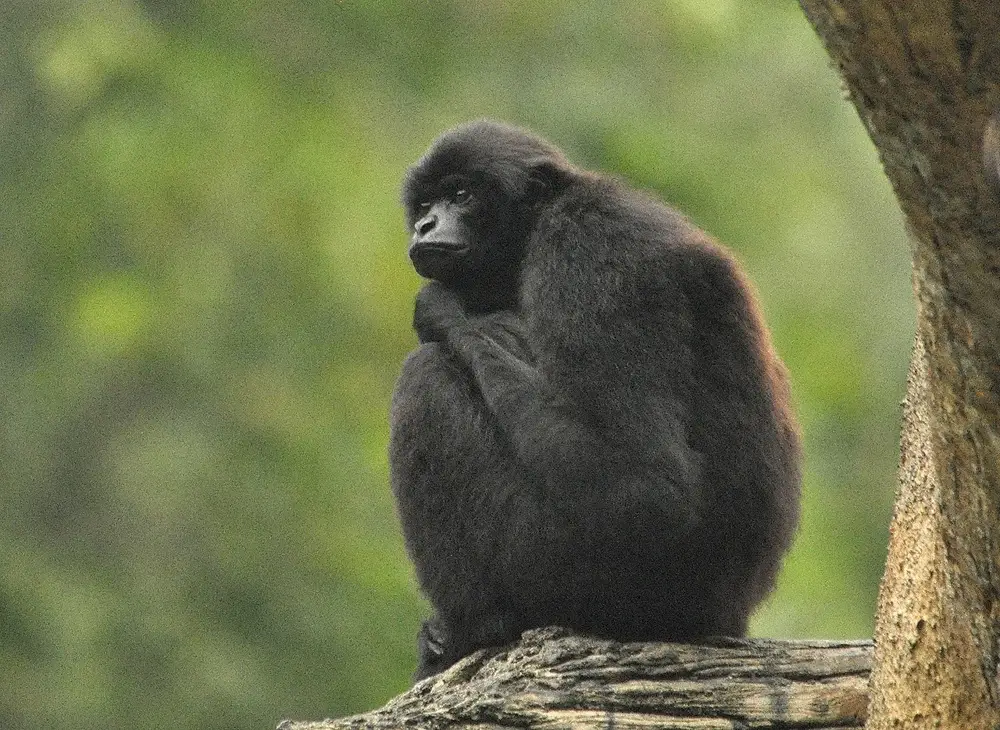
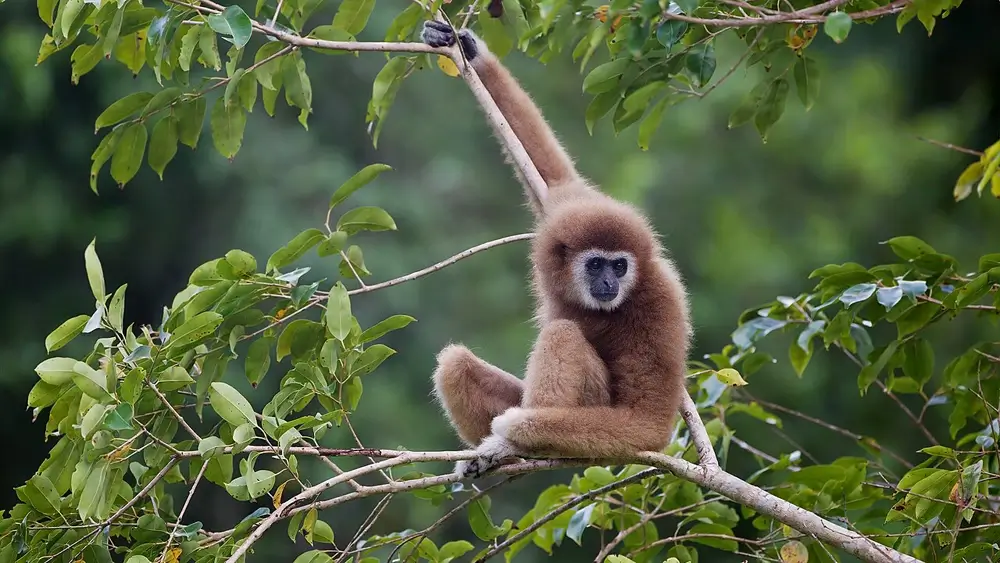
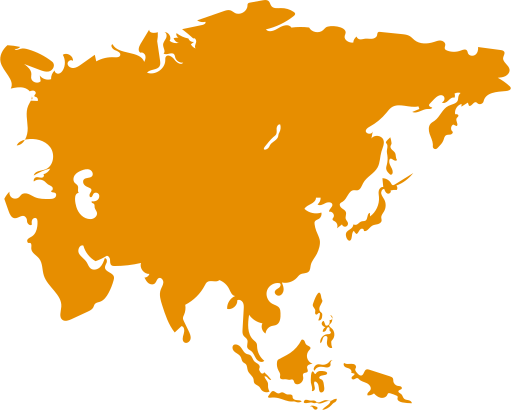
There are 11 species in this family. They are found in tropical forests in southeastern Asia.
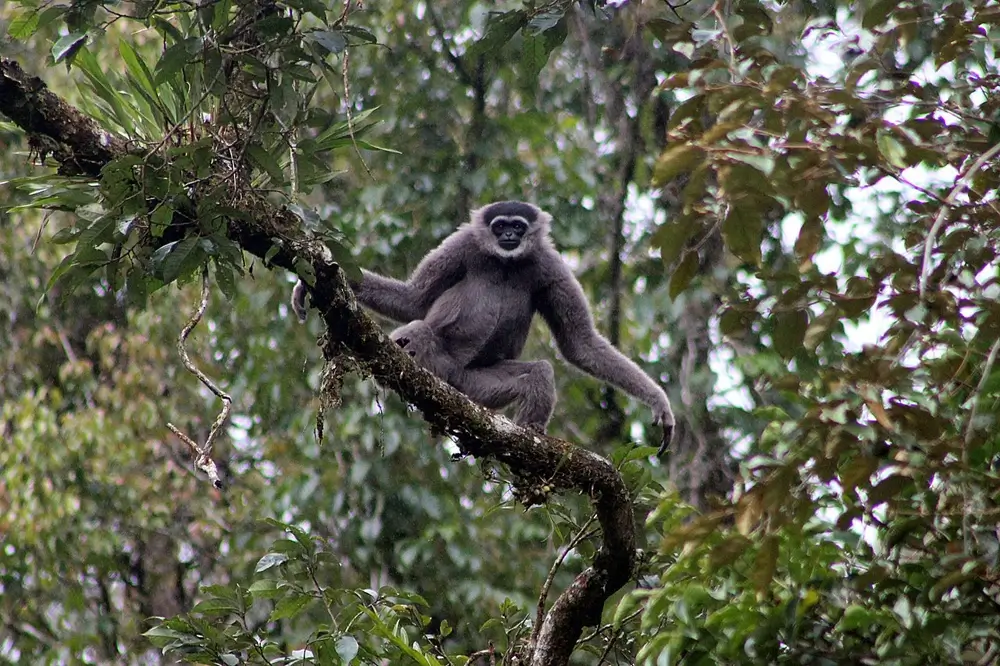
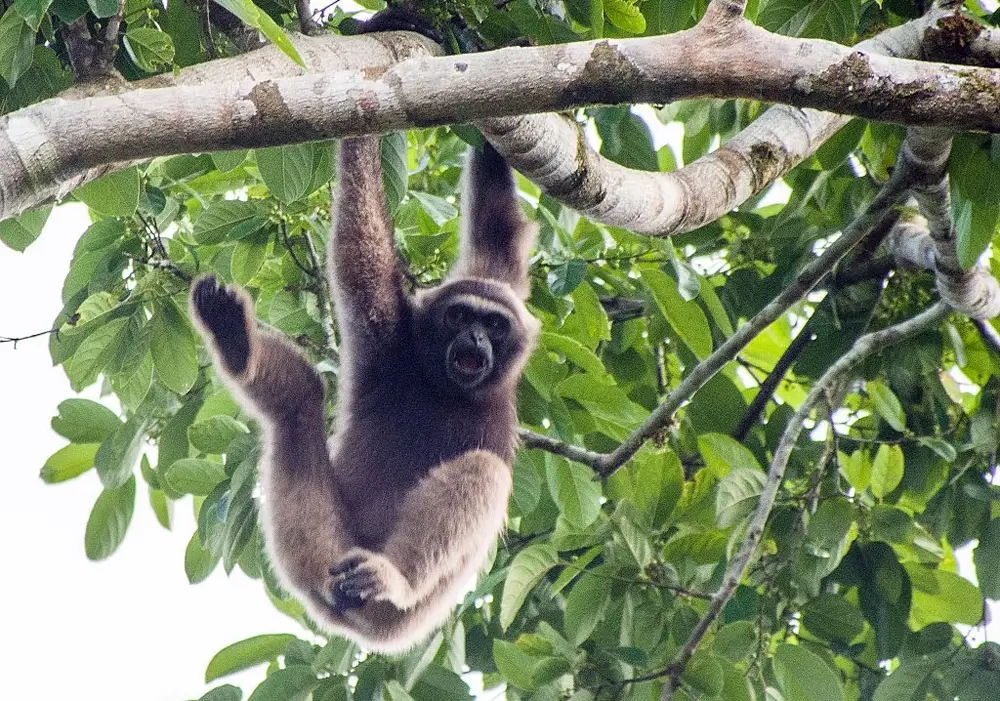
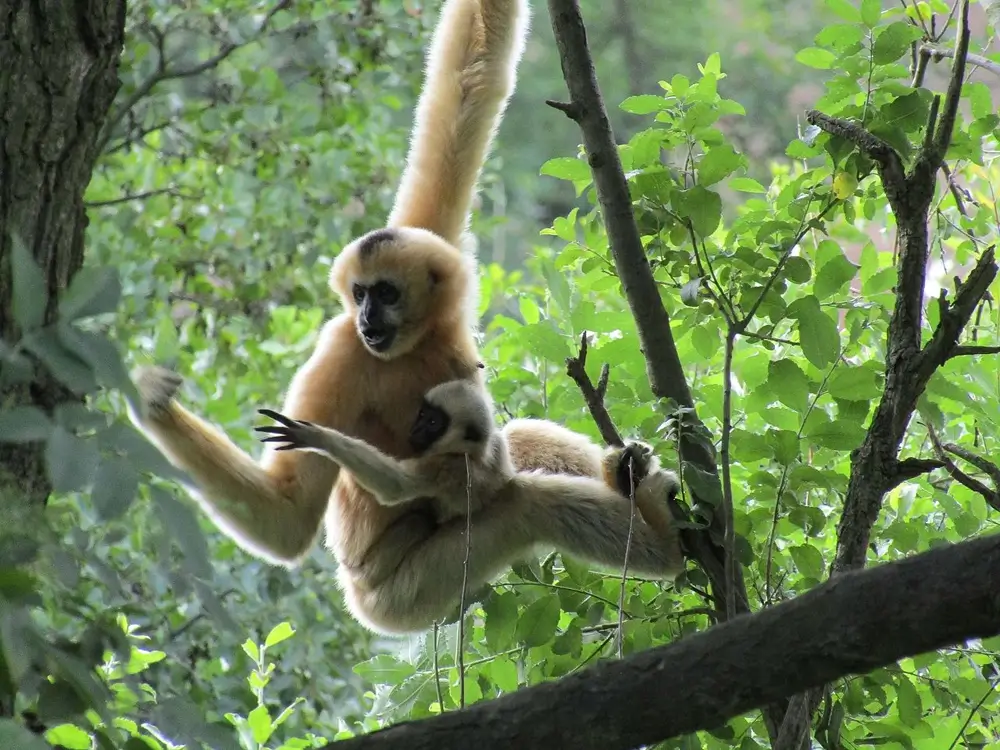
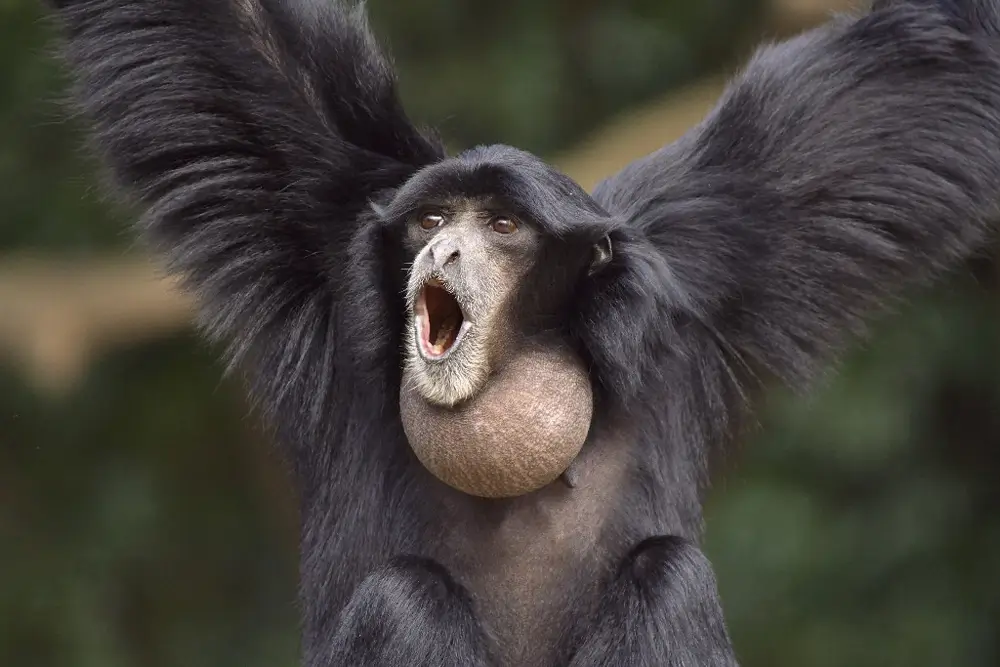
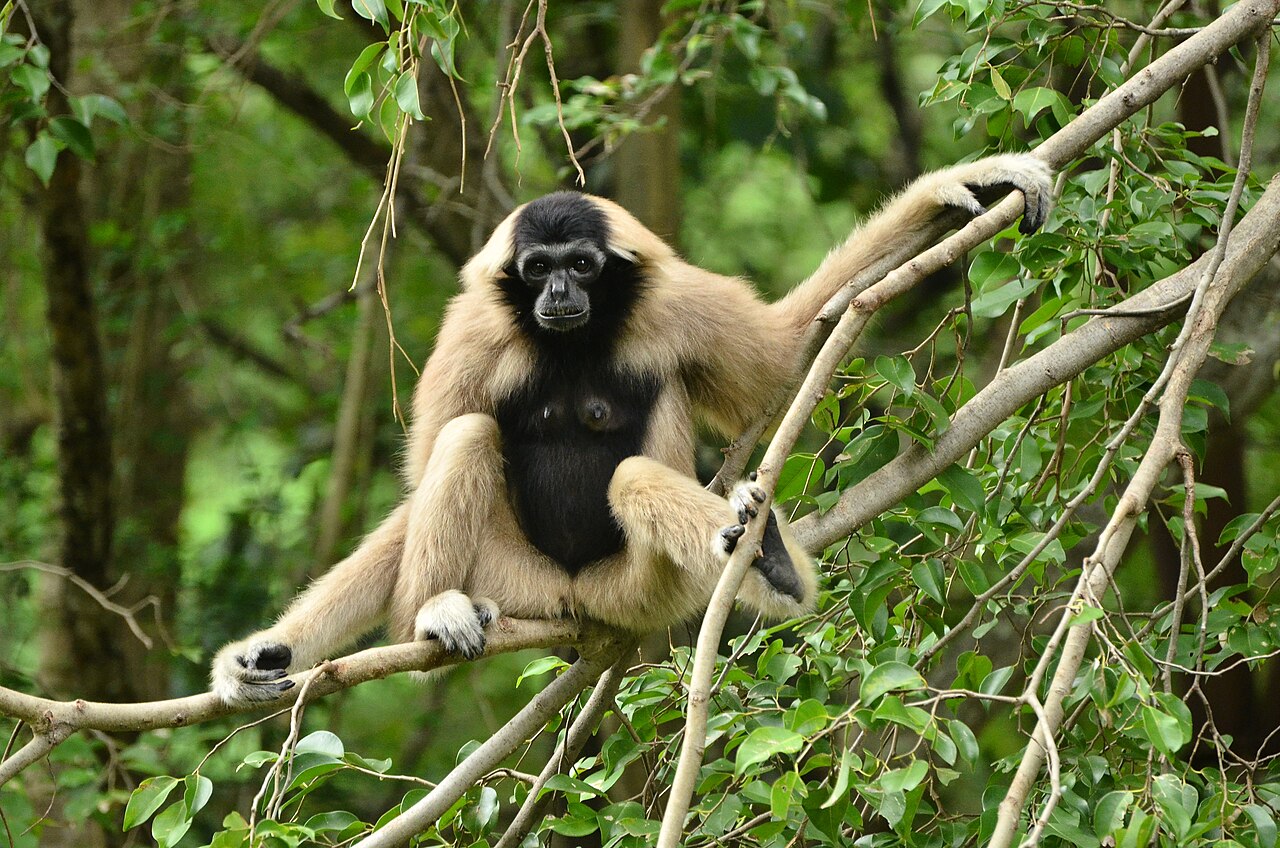
They have very long arms, long fingers, and no tails. They are brown, gray, or black. Some species have white fur on their faces, hands, and feet. Some species have a throat sac that expands when they call out. Males and females are the same size.
Gibbons and siamangs are active during the day and move among the trees by swinging from branch to branch.
When they have to walk, they walk on their legs and raise their arms over their heads! Sometimes they use their arms like crutches and swing their legs to move.
They are omnivores and live in family groups. They are very vocal and territorial. Their loud booming call can often be heard miles away.
Western Hoolock Gibbon (Hoolock hoolock)
The western Hoolock gibbon is found in Bangladesh, India, and Myanmar. IUCN Redlist Status: Endangered
Agile Gibbon (Hylobates agilis)
The agile gibbon is found in Indonesia, Malaysia, and Thailand. IUCN Redlist Status: Endangered
Kloss's Gibbon (Hylobates klossii)
Kloss’s gibbon is found in Indonesia. IUCN Redlist Status: Endangered
Lar Gibbon (Hylobates lar)
The Lar gibbon is found in Indonesia, Laos, Malaysia, Myanmar, and Thailand. IUCN Redlist Status: Endangered
Silvery Javan Gibbon (Hylobates moloch)
The silvery gibbon is found in Indonesia. IUCN Redlist Status: Endangered
Muller's Bornean Gibbon (Hylobates muelleri)
Muller's Bornean gibbon is found in Indonesia. IUCN Redlist Status: Endangered
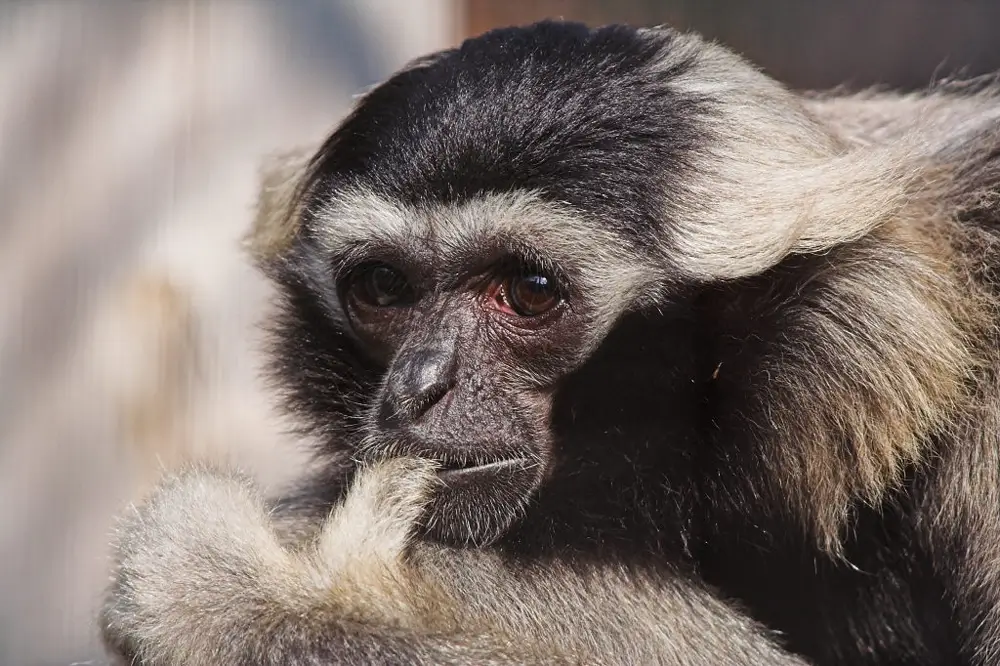
Pileated Gibbon (Hylobates pileatus)
The pileated gibbon is found in Cambodia, Laos, and Thailand. IUCN Redlist Status: Endangered
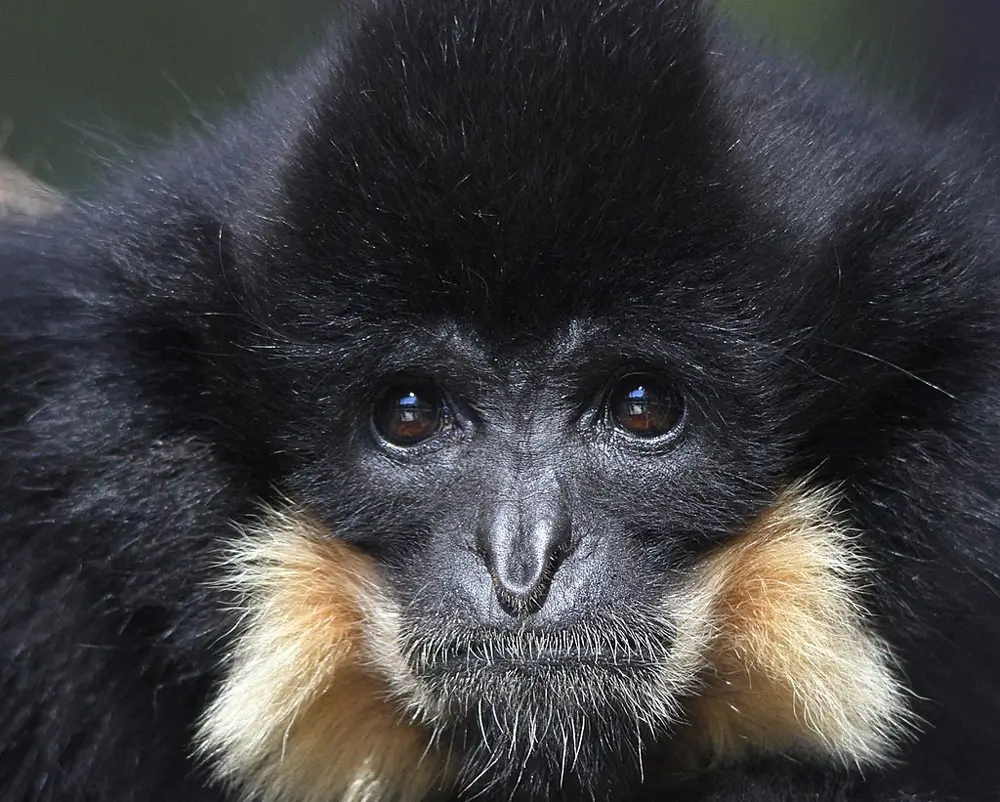
Red-cheeked Gibbon (Nomascus gabriellae)
The red-cheeked gibbon is found in Cambodia, Laos, and Vietnam. IUCN Redlist Status: Endangered