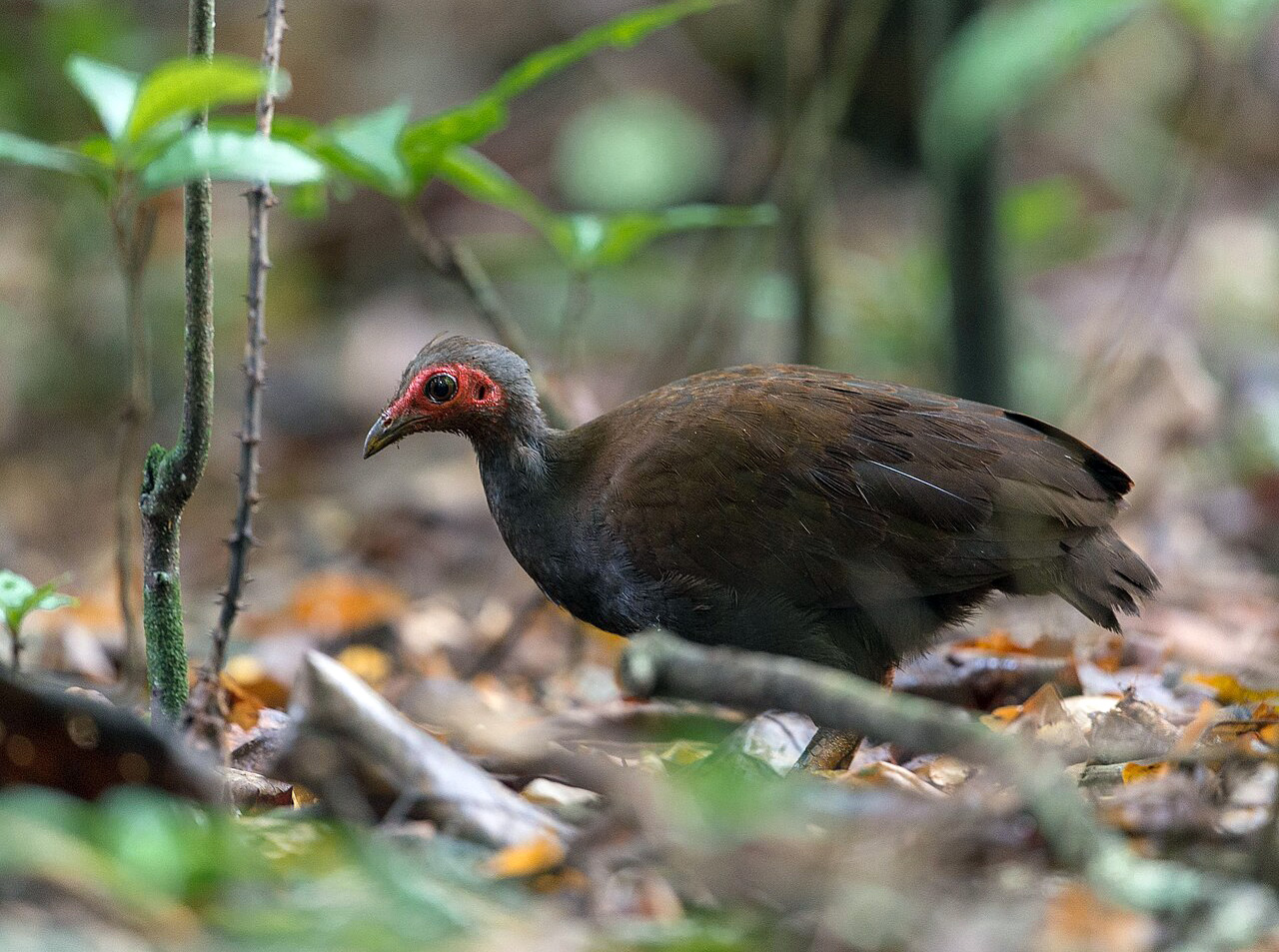
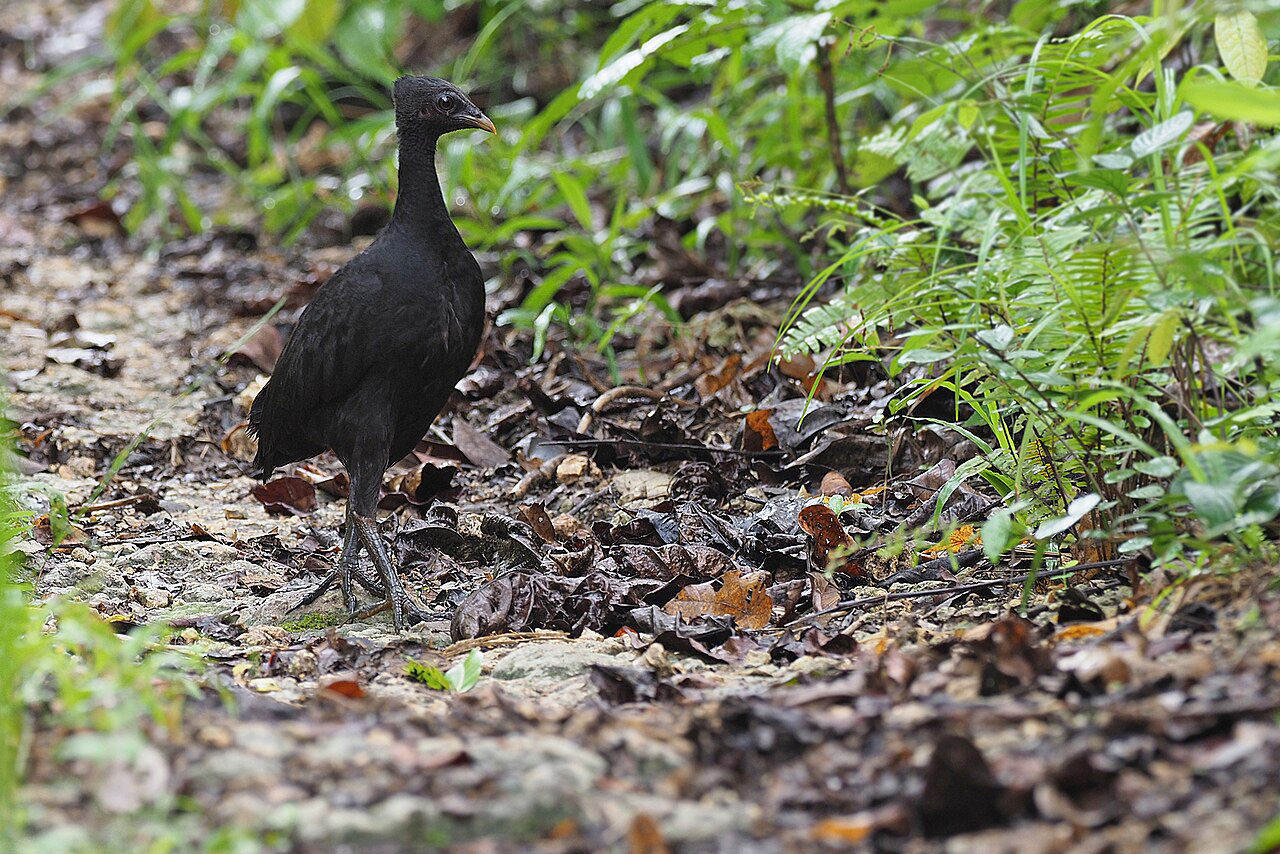
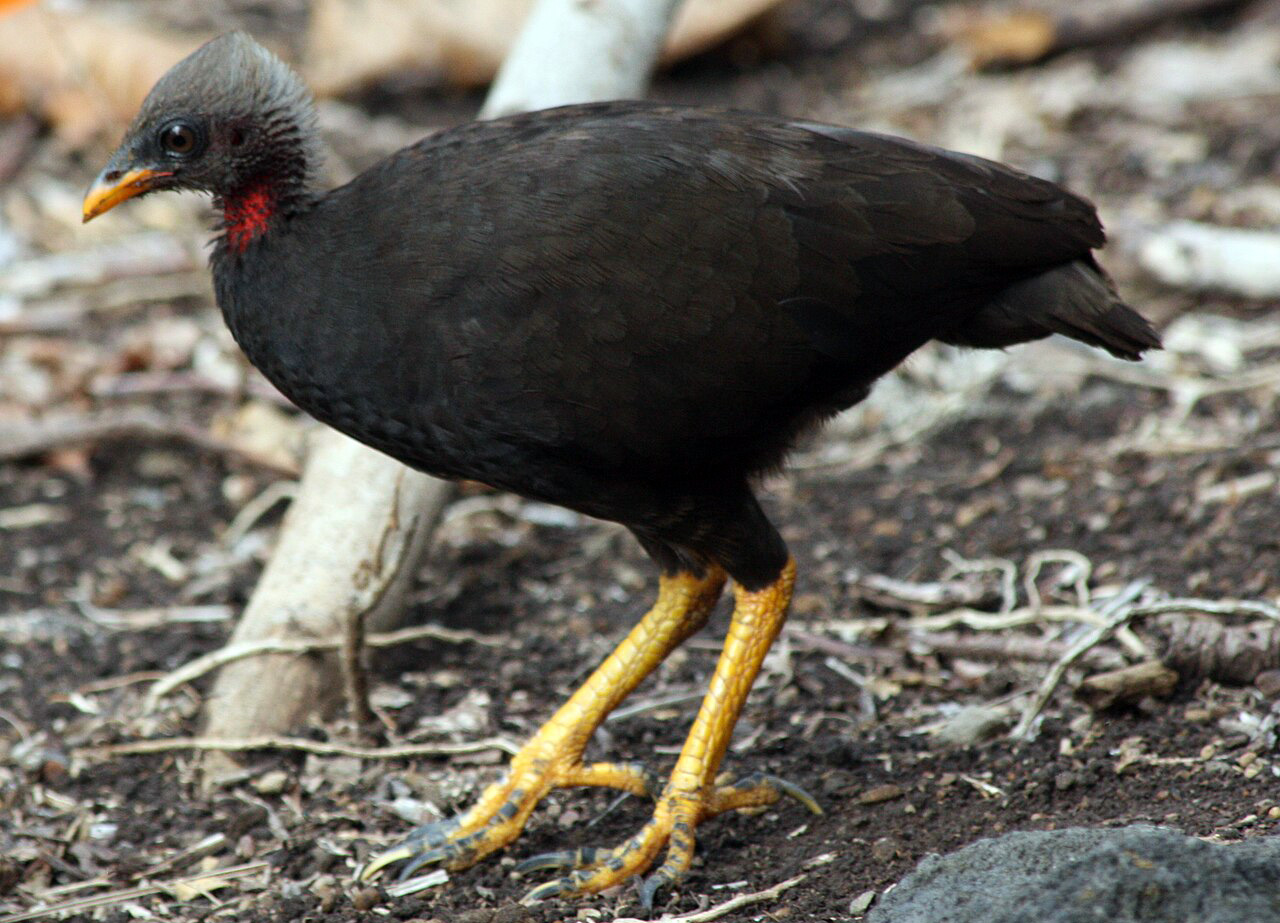
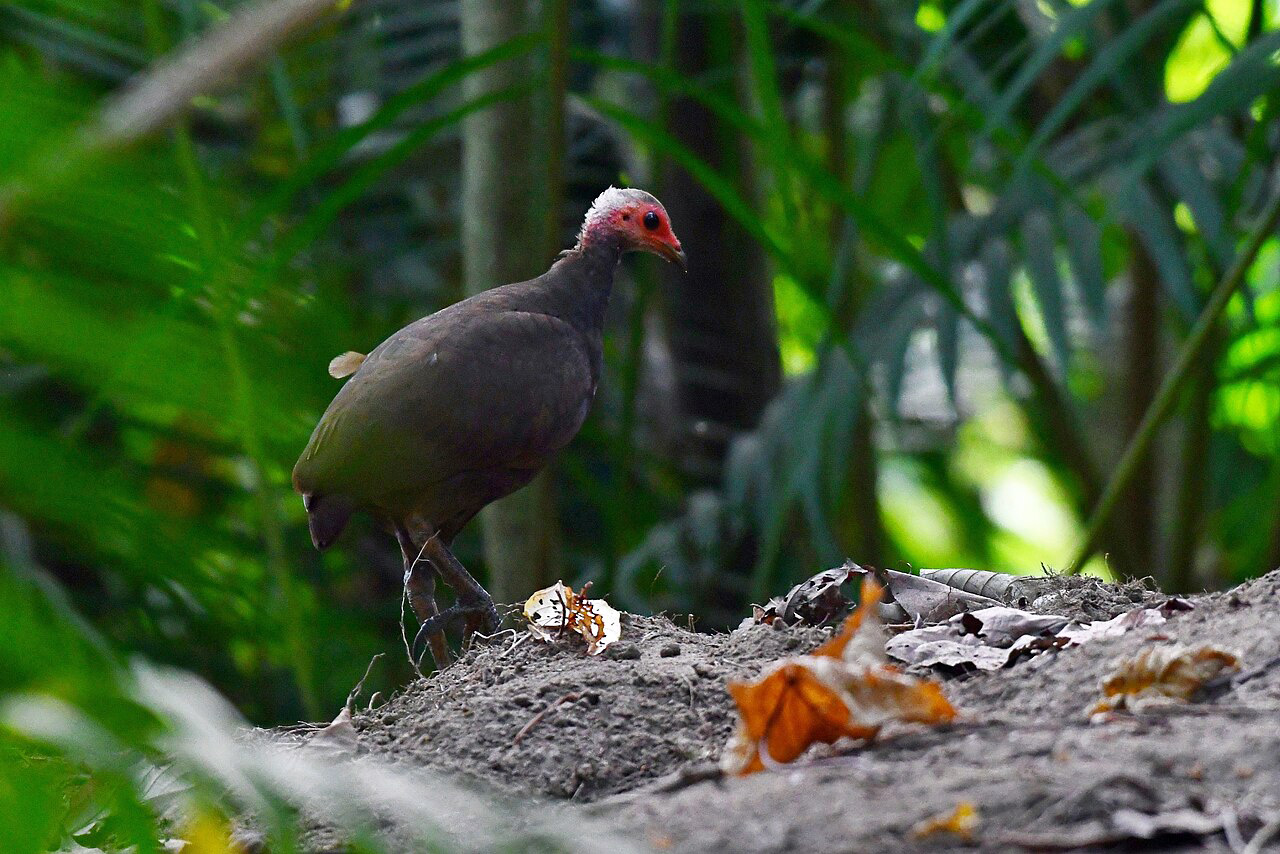
There are 21 species in this family. They are found in forests in Australia, New Guinea, and surrounding islands though to Indonesia and the Philippines.
They are large turkey-like birds, 20-27 inches in length. The Megapodes are also known as scrub fowl and brush turkeys.
Megapodes are also known as mound builders because of their unique nest-building and incubation method.
They create a nest mound of dried vegetation and sand and bury their eggs in the mound. The heat of the decaying vegetation incubates the eggs.
Both parents add and take material off of the mound to regulate the temperature of the mound. After hatching, the chicks dig their way out of the mound.
The chicks are precocial and can feed and care for themselves after hatching. Some members of this family place their eggs in burrows or pits in the ground and let the sun’s warmth incubate the eggs.
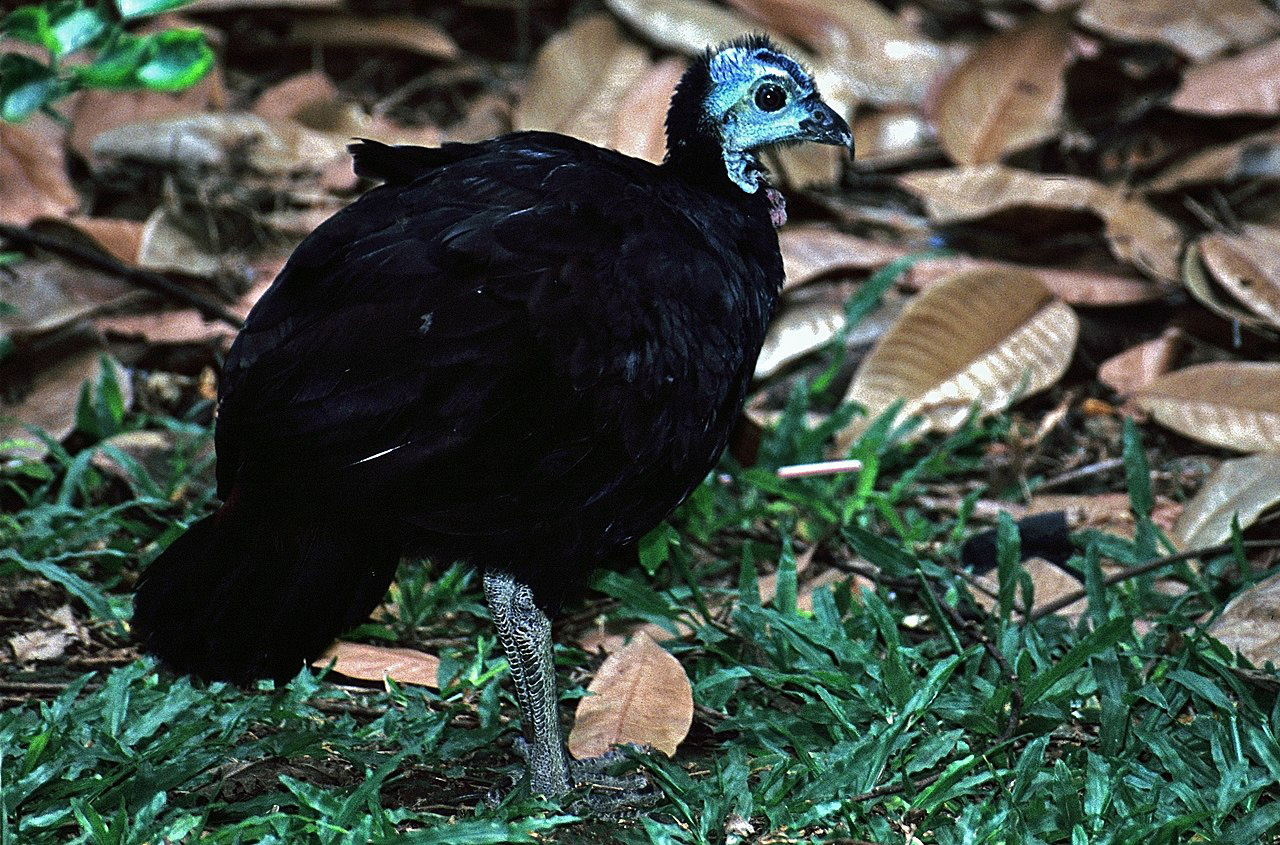
Wattled Brush-Turkey (Aepypodius arfakianus)
The wattled brush-turkey is found in Indonesia and Papua New Guinea. IUCN Redlist Status: Least Concern
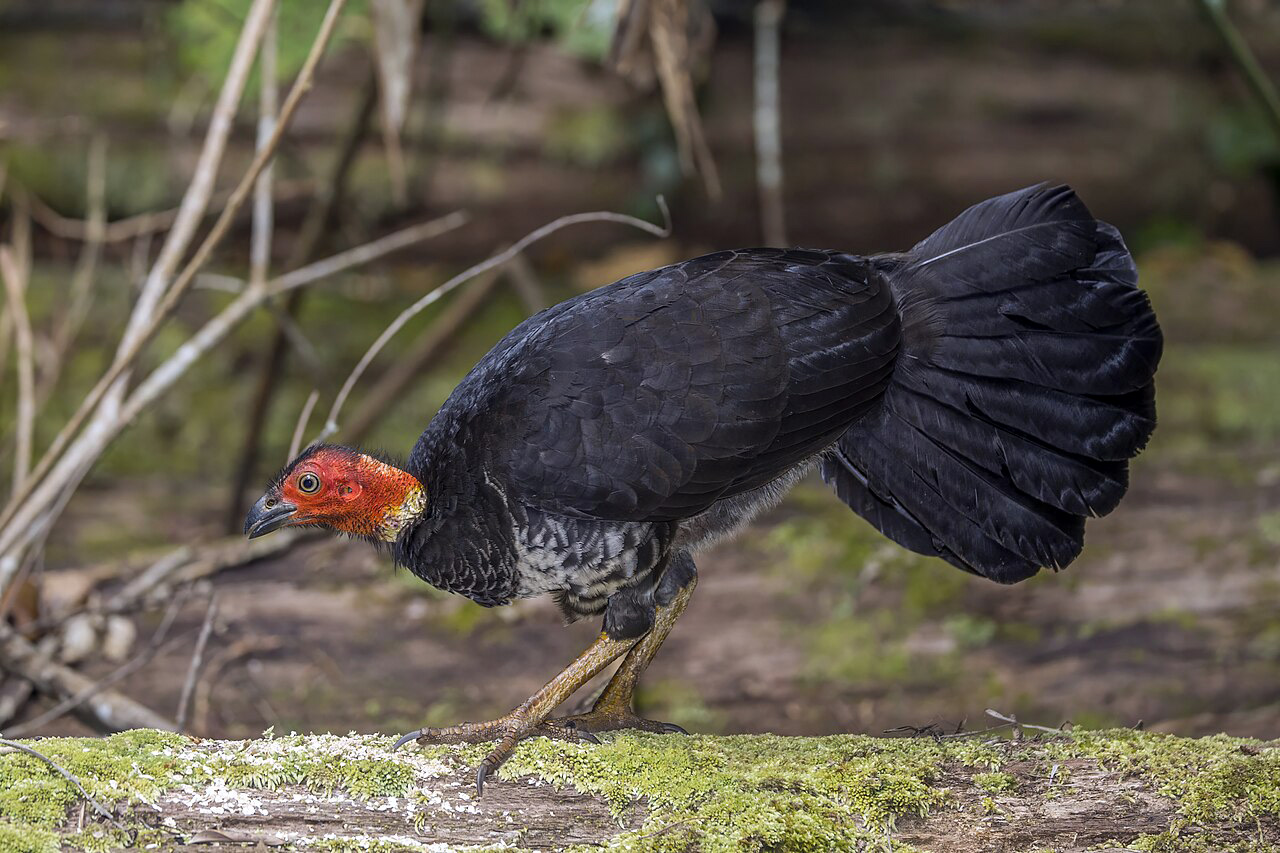
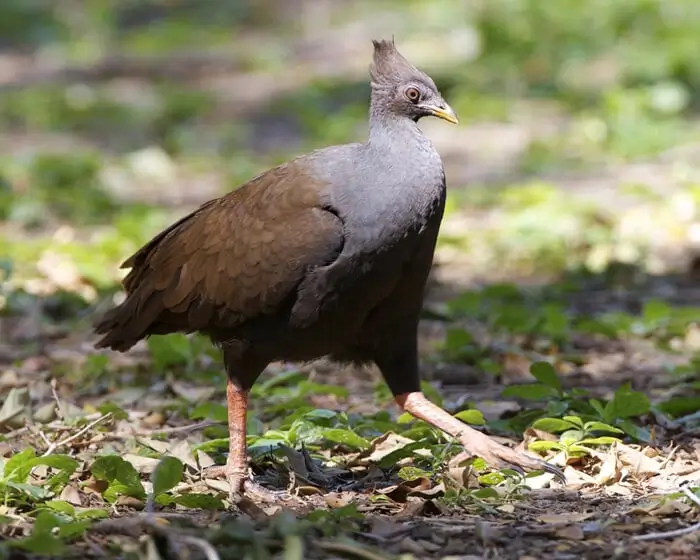
Australian Brush-Turkey (Alectura lathami)
The Australian brush-turkey is found in eastern Australia. IUCN Redlist Status: Least Concern
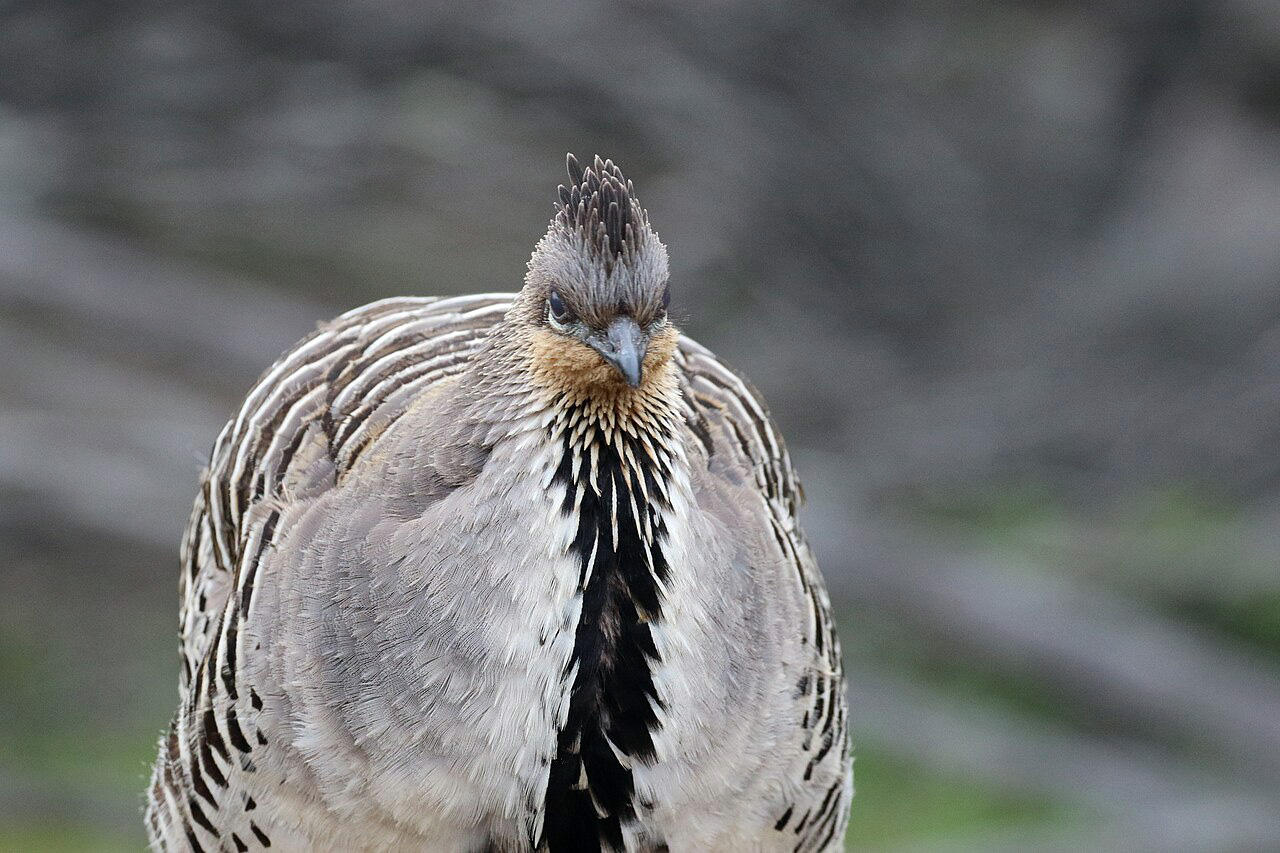
Malleefowl (Leipoa ocellata)
The Malleefowl is found in Australia. IUCN Redlist Status: Vulnerable
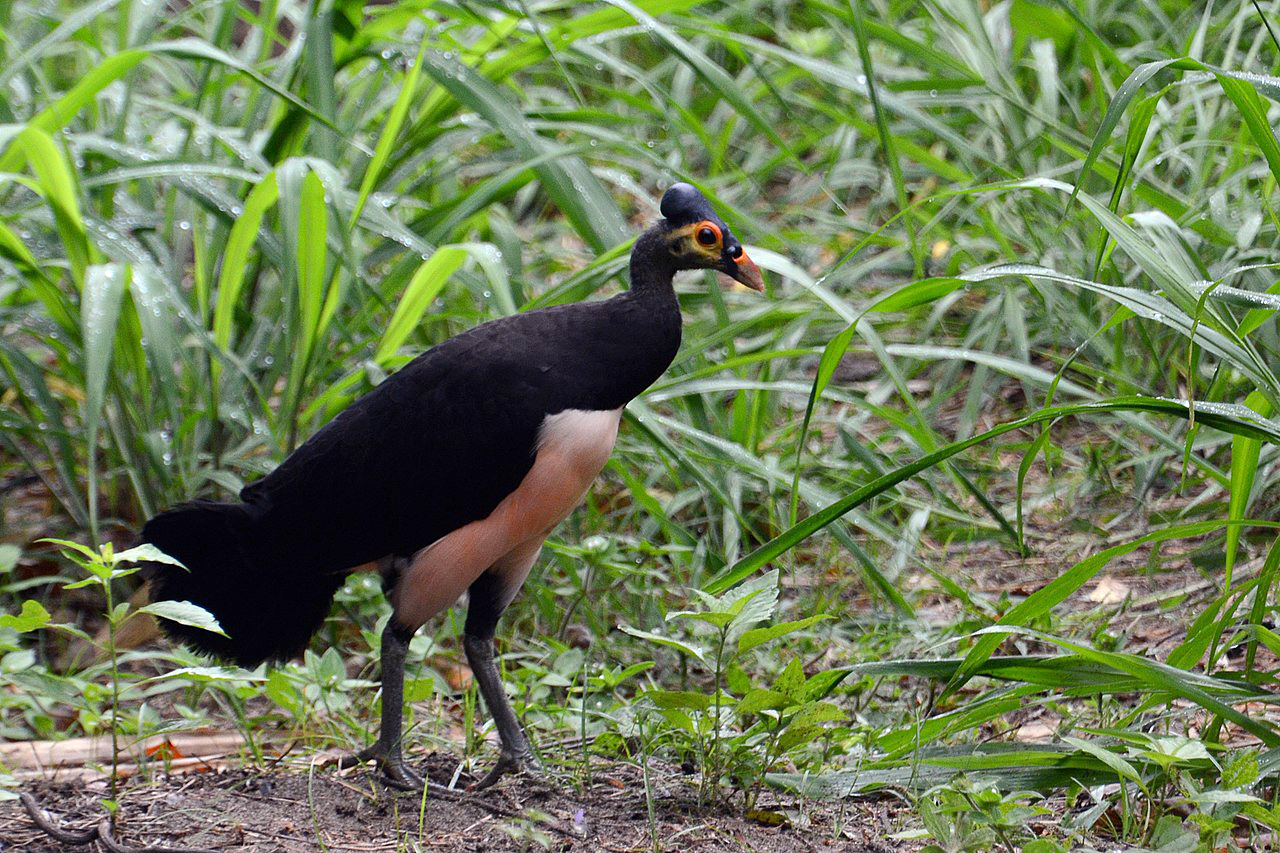
Maleo (Macrocephalon maleo)
The malleo is found in Indonesia. IUCN Redlist Status: Critically Endangered
Philippine Scrubfowl (Megapodius cumingii)
The Philippine scrubfowl is found in Indonesia, Malaysia, and the Philippines. IUCN Redlist Status
Dusky Megapode (Megapodius freycinet)
The dusky megapode is found in Indonesia. IUCN Redlist Status: Least Concern
Micronesian Megapode (Megapodius laperouse)
The Micronesian megapode, also known as the Micronesian scrubfowl, is found in Northern Mariana Islands and Palau. IUCN Redlist Status: Near Threatened
Nicobar Megapode (Megapodius nicobariensis)
The Nicobar megapode is found on Nicobar Island in India. IUCN Redlist Status: Vulnerable
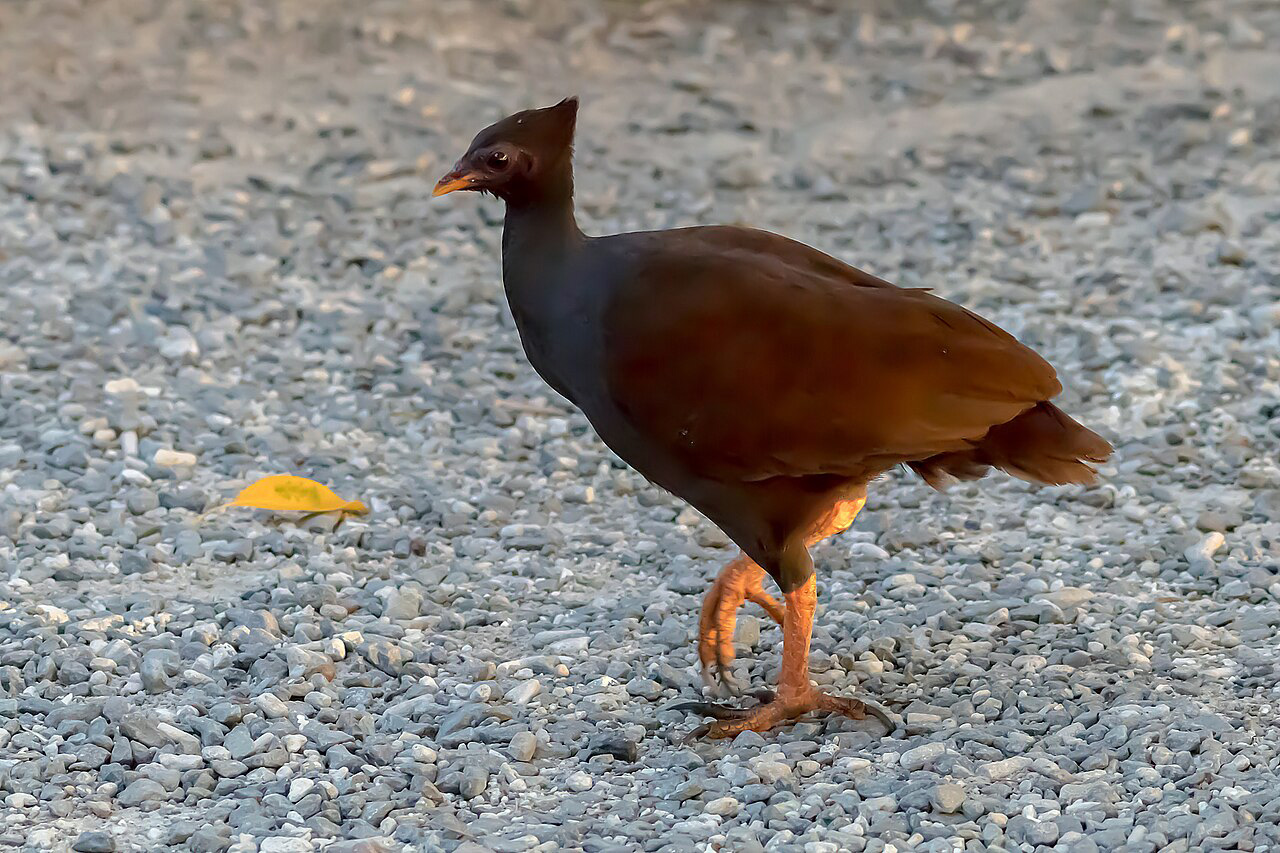
Orange-Footed Megapode (Megapodius reinwardt)
The Orange-footed Megapode is found in Timor-Leste, Australia, Indonesia, and Papua New Guinea. IUCN Redlist Status: Least Concern