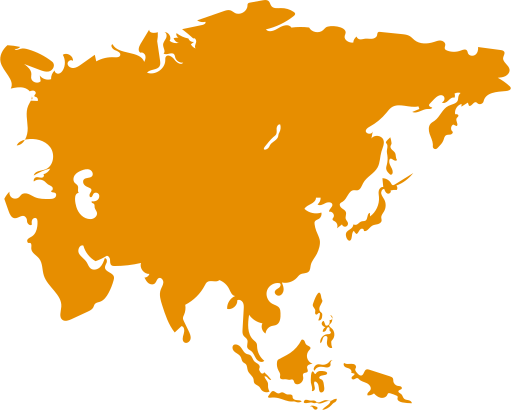
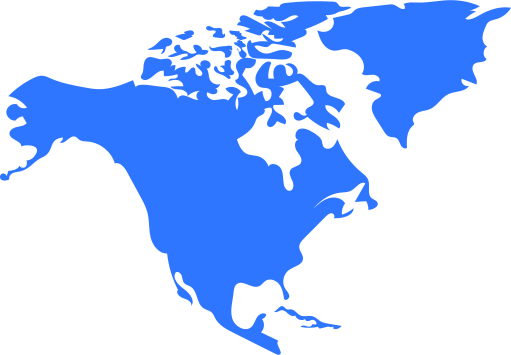
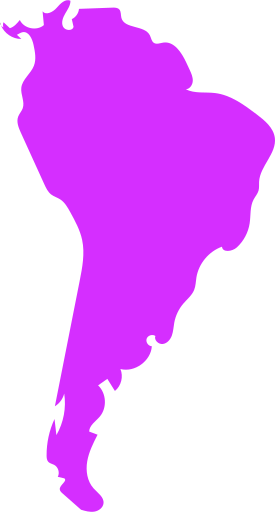
There are around 100 species in this family of small to large bats. They are found from the mid-United States south to Central and South America. They are also found in Europe and Africa.
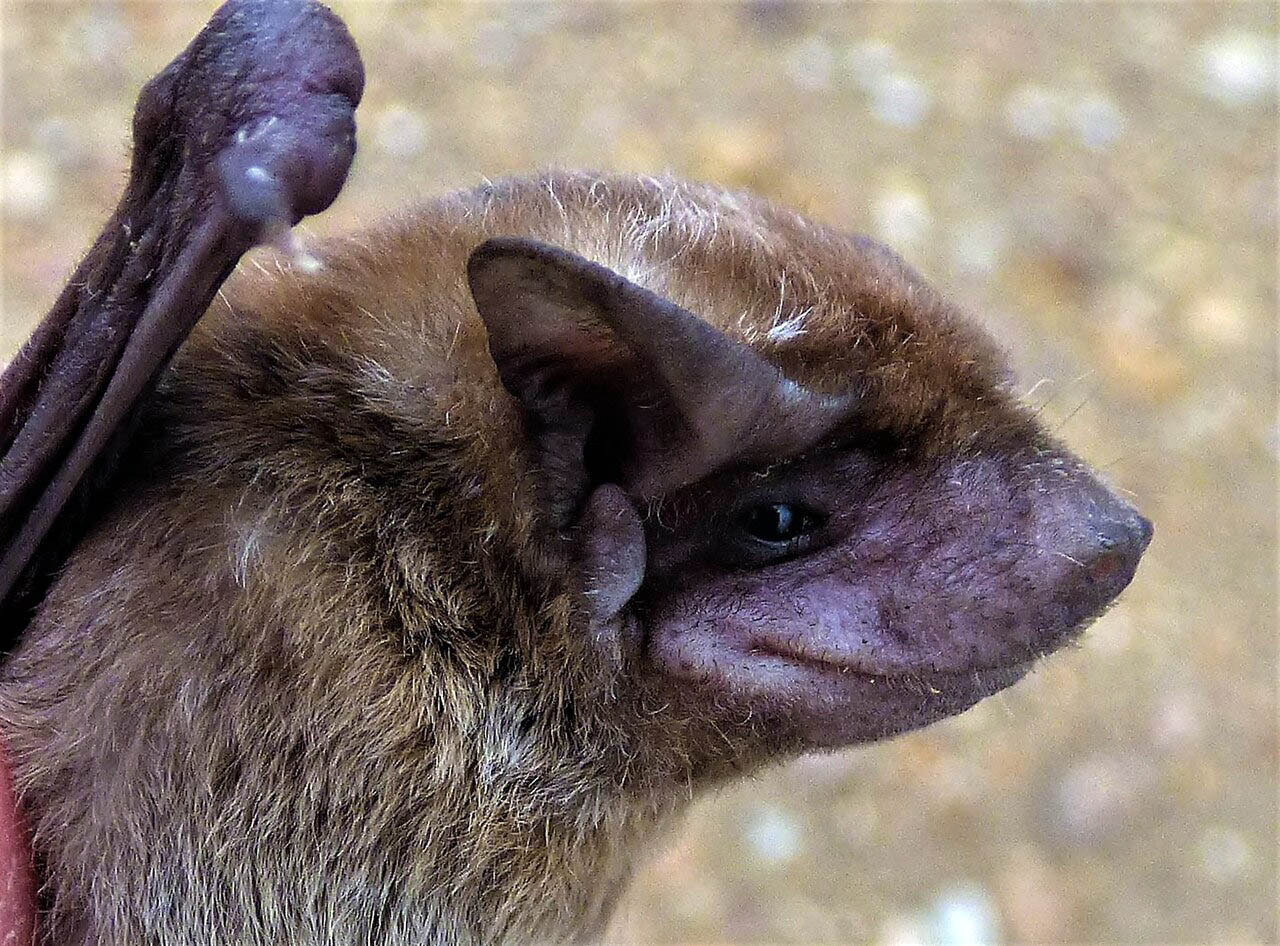
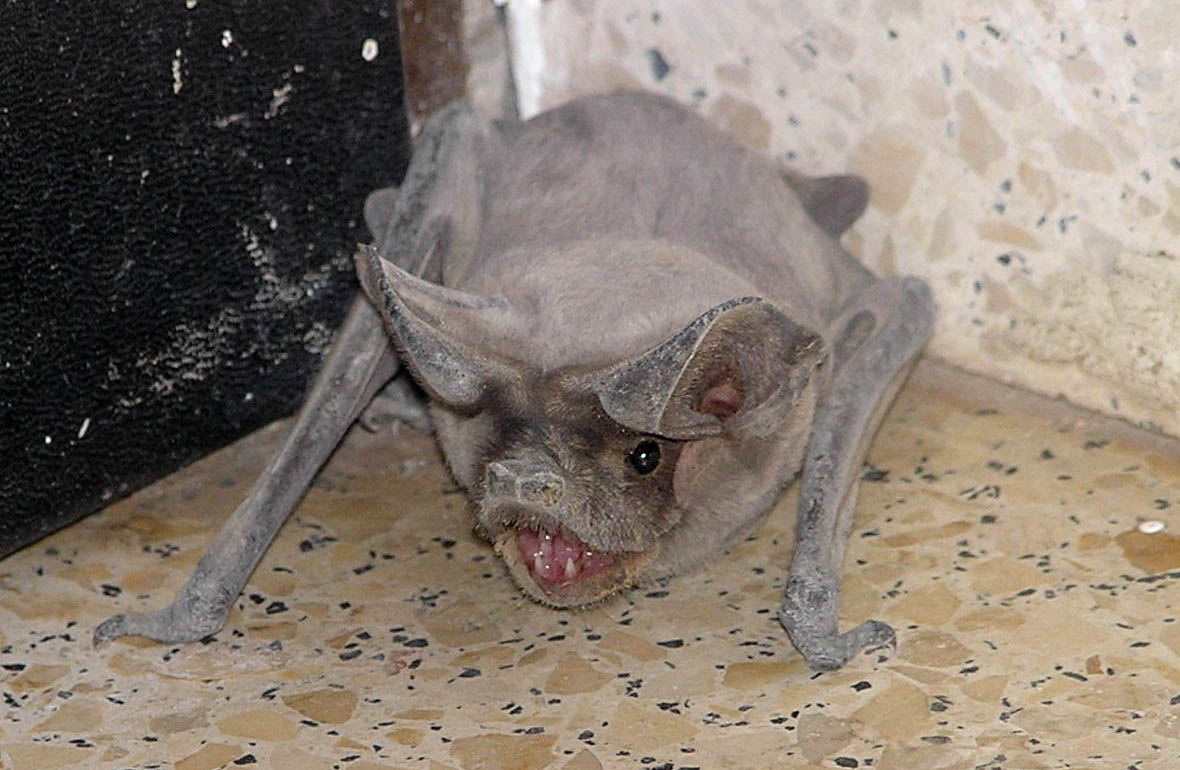
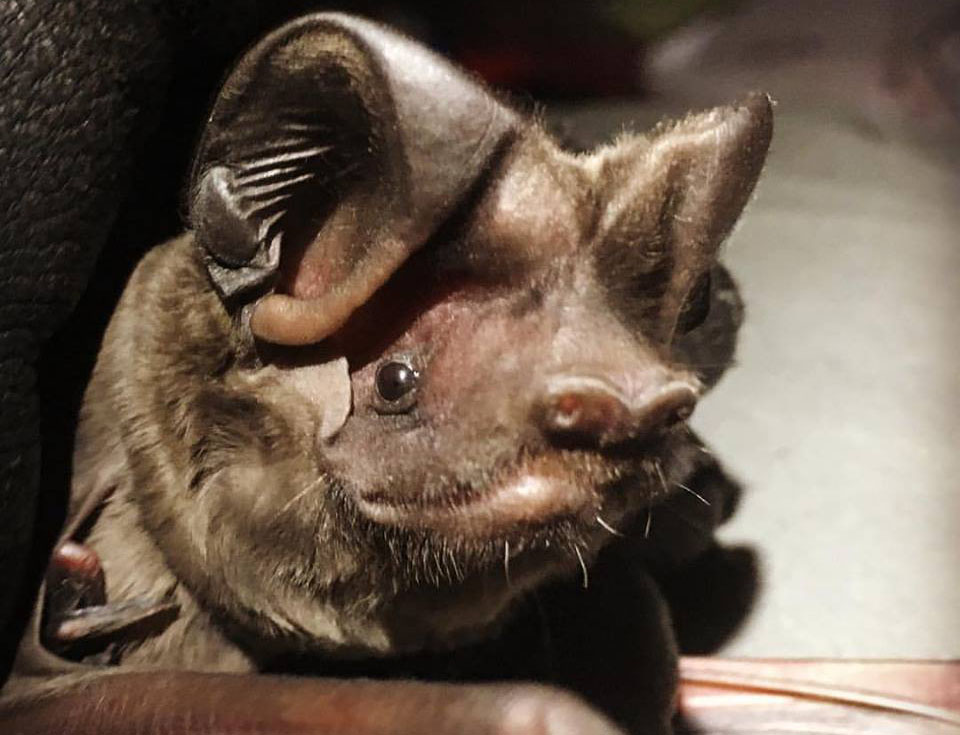
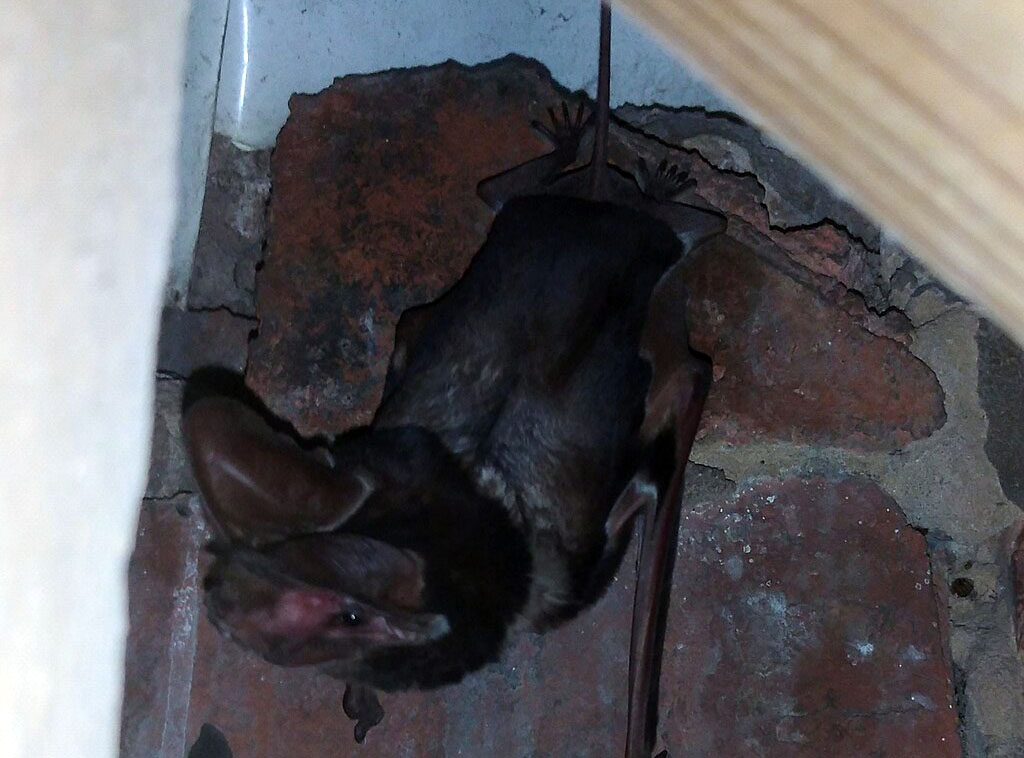
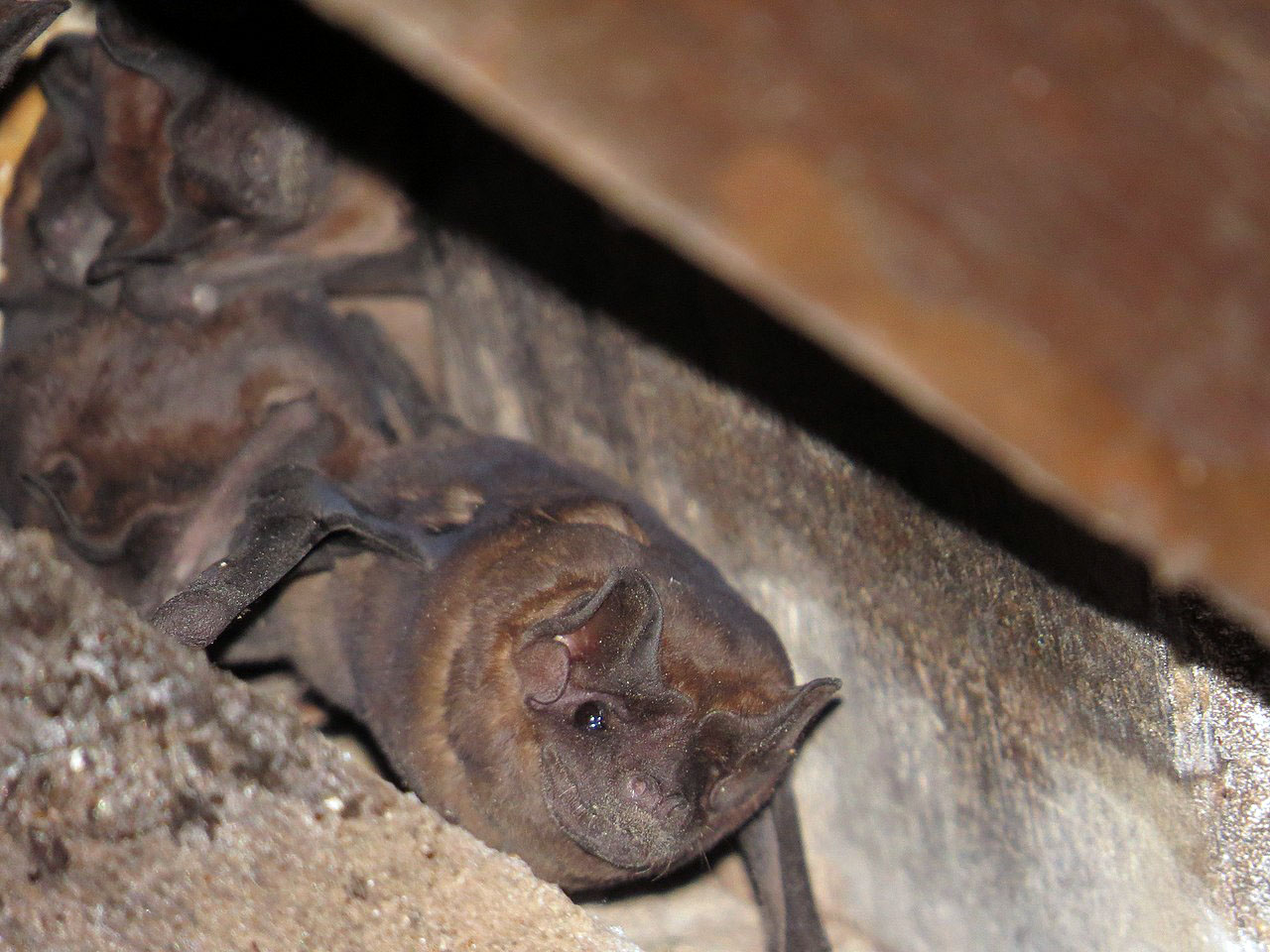
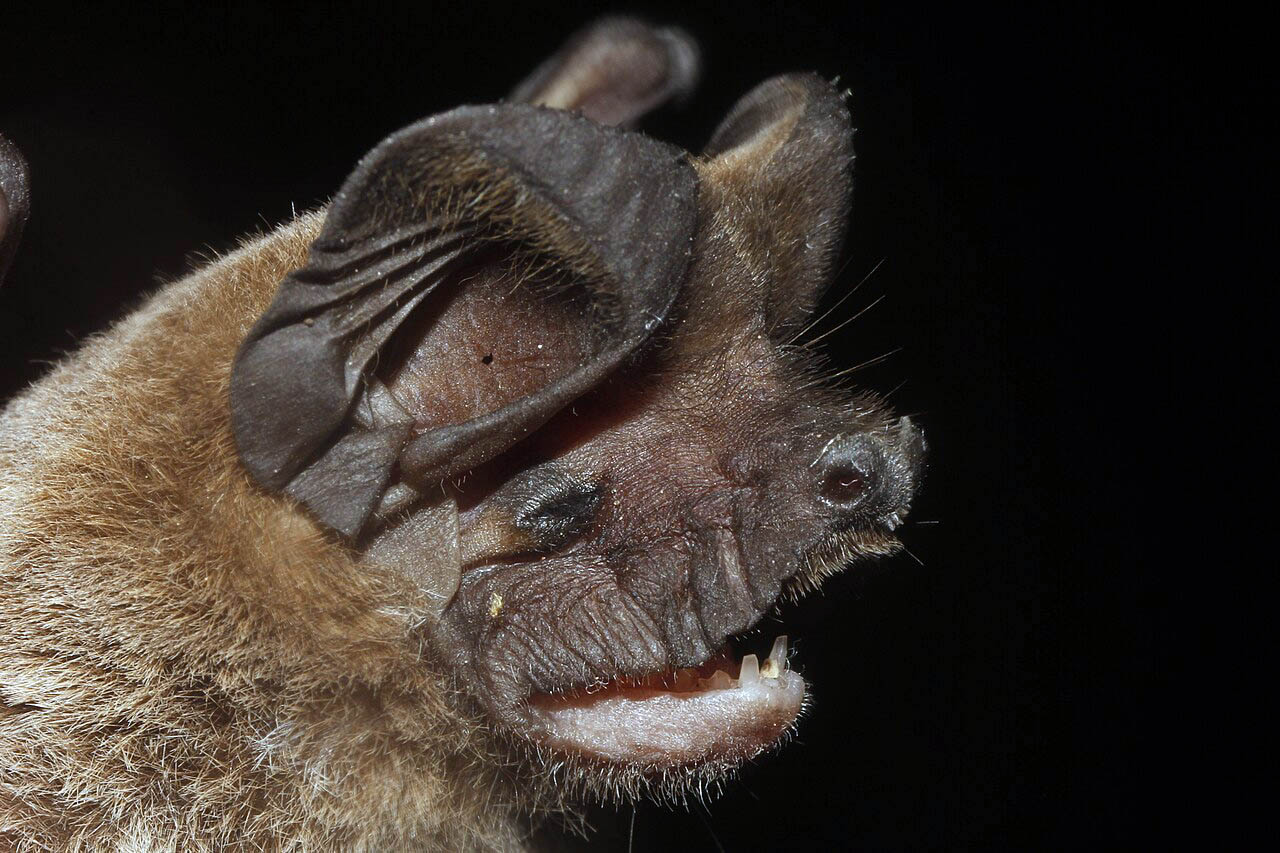
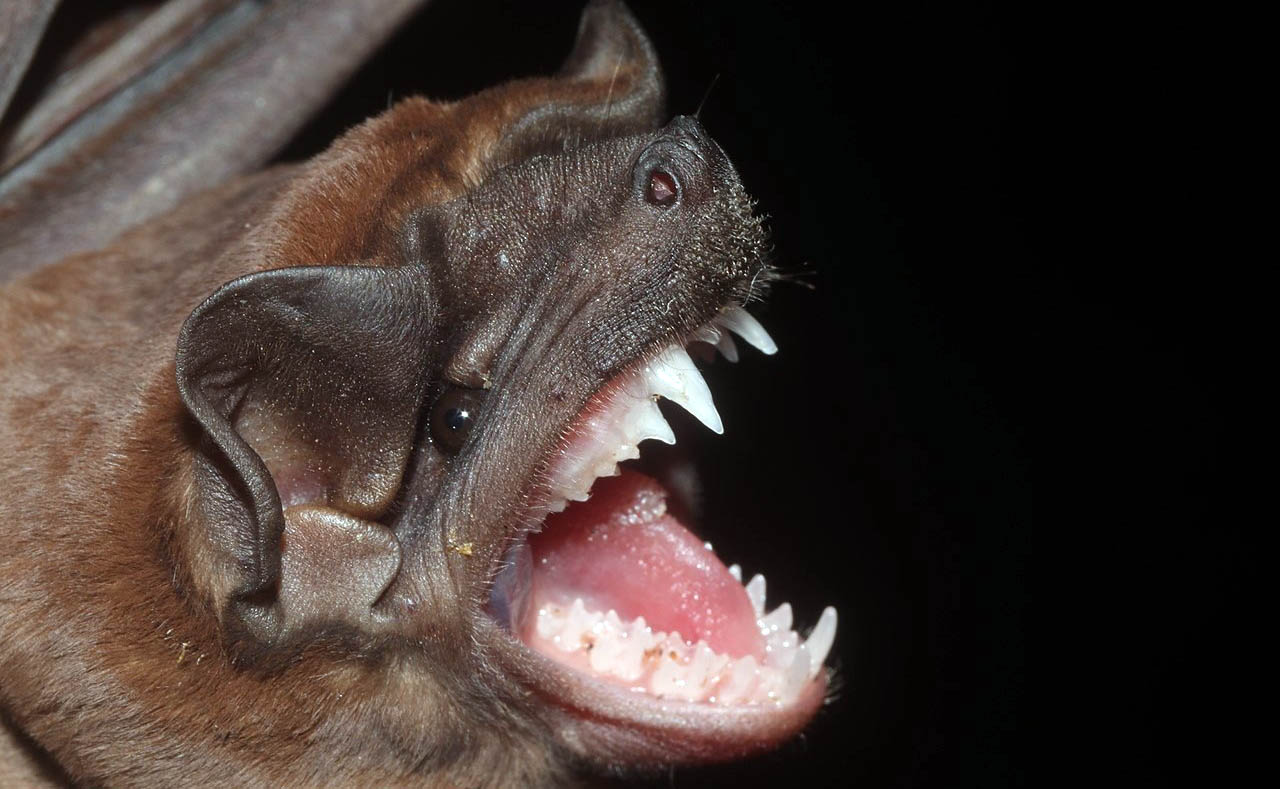
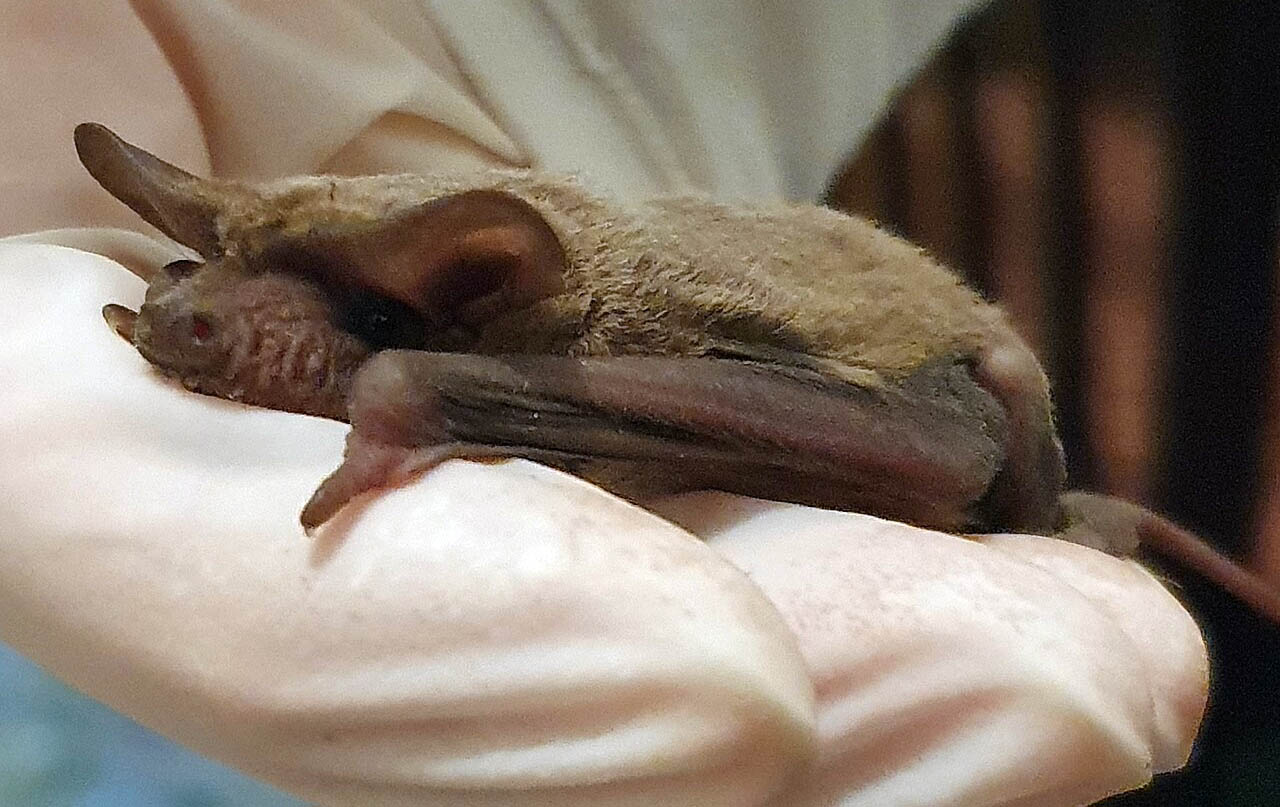
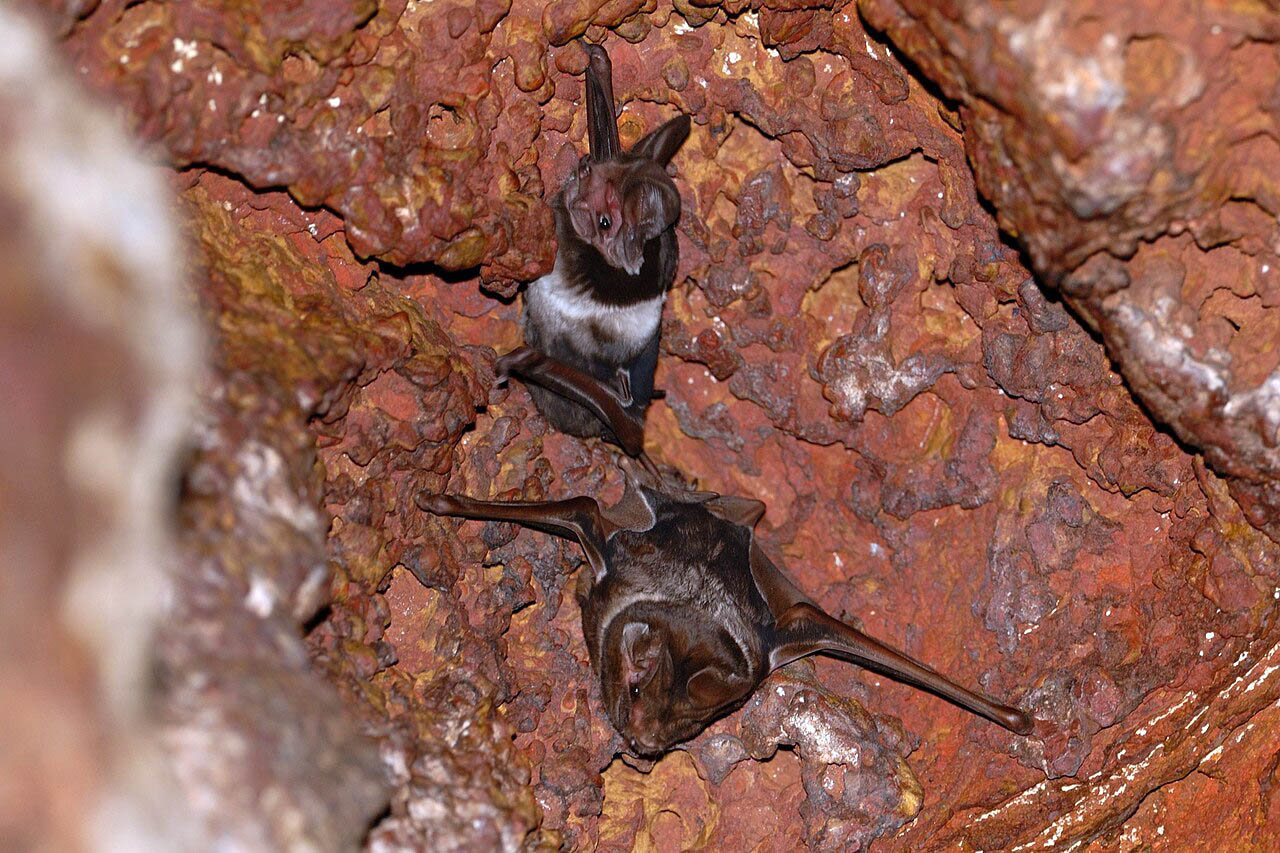
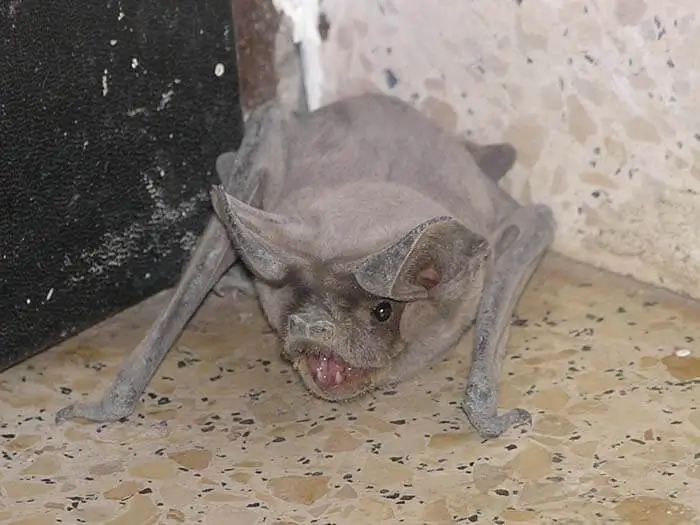
They have long, external tails; large, sometimes uniquely-shaped, ears that are joined by a membrane at the base; small eyes; long, narrow wings; and well-developed legs that they use for walking. They have short black or brown fur and thick lips and snouts.
They are found in caves, old buildings, and hollow trees. Most species roost in colonies. They eat flying insects.
Angolan Free-tailed Bat (Tadarida condylura)
The Angolan free-tailed bat is found in central and southern Africa. IUCN Redlist Status: Least Concern
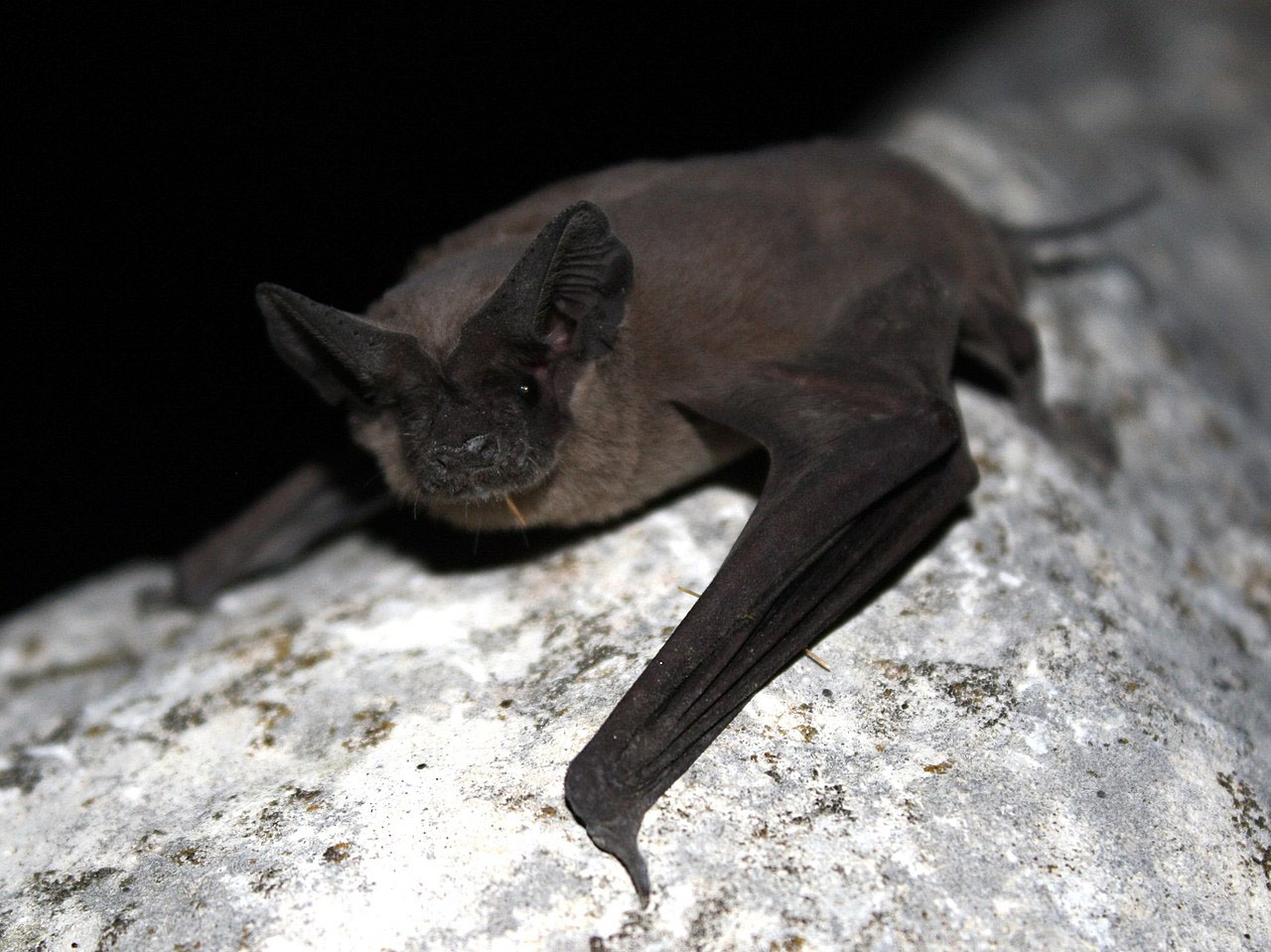
Big Free-Tailed Bat (Nyctinomops macrotis)
The big free-tailed bat is found in Minnesota, Kansas, Iowa, Colorado, California, Arizona, Nevada, New Mexico, Oklahoma, Texas, and Utah. It is also found in the Caribbean, Mexico, Central America, and South America. IUCN Redlist Status: Least Concern
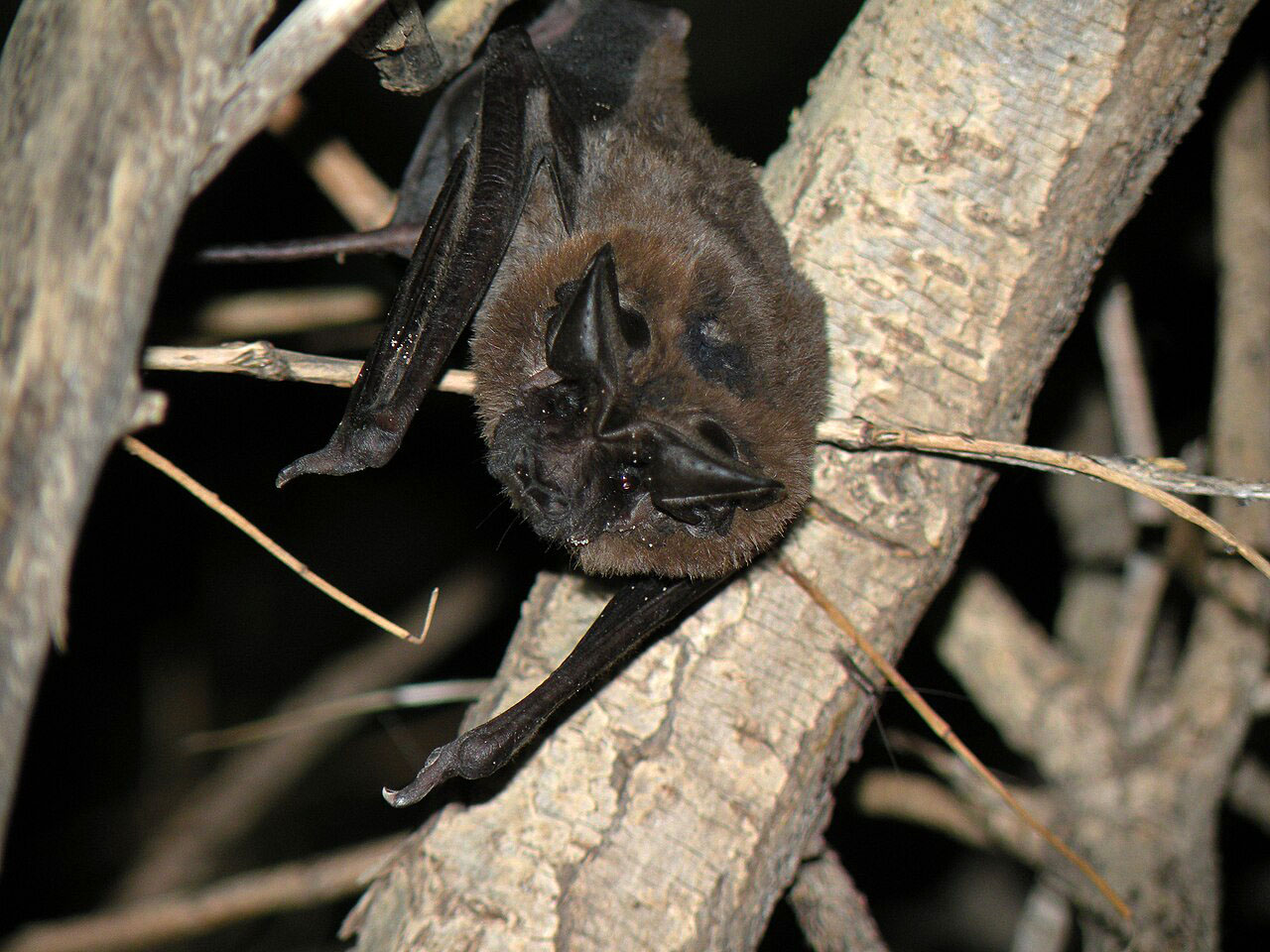
Brazilian Free-Tailed Bat (Tadarida brasiliensis)
Brazilian free-tailed bats, also known as Mexican free-tailed bats, have powerful legs and are good climbers. They are found from Oregon east to South Carolina and south to the Caribbean and South America. IUCN Redlist Status: Least Concern
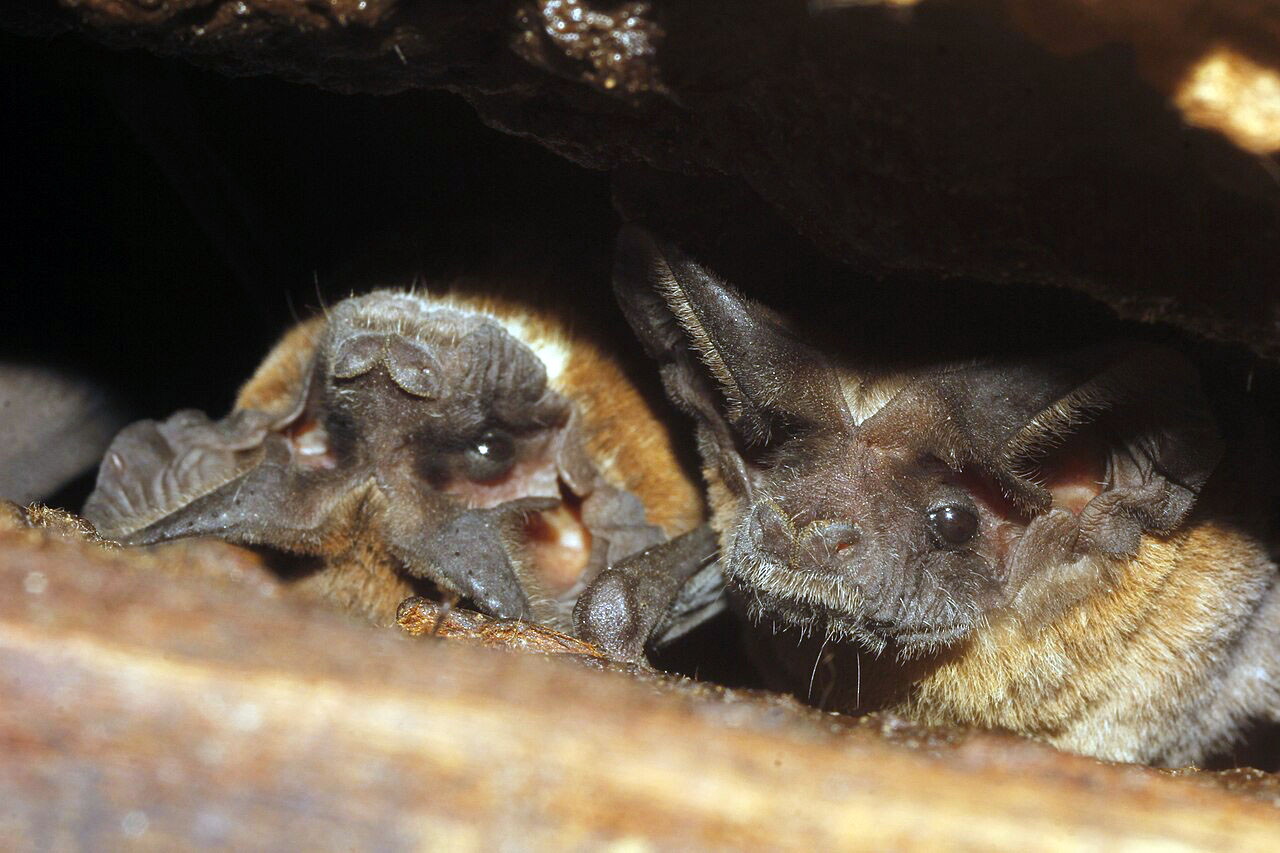
Broad-Eared Free-Tailed Bat (Nyctinomops laticaudatus)
The broad-eared free-tailed bat is found in Cuba, Mexico, Central America, and South America. IUCN Redlist Status: Least Concern
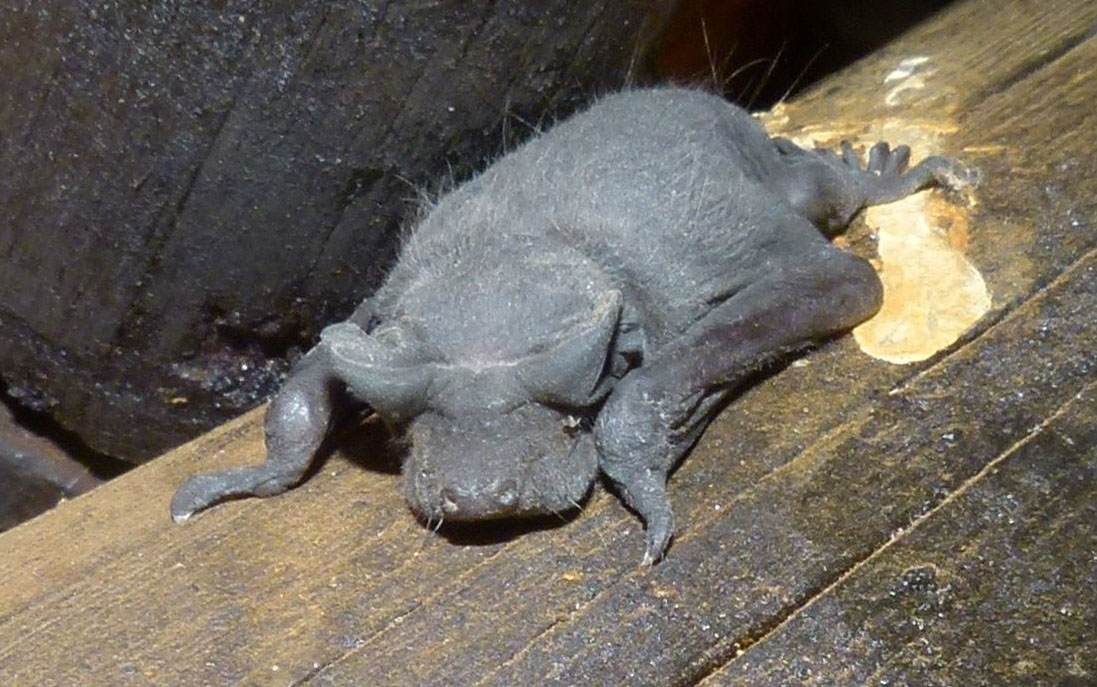
Dwarf Dog-Faced Bat (Molossops temminckii)
The dwarf dog-faced bat is found in Argentina, Bolivia, Brazil, Colombia, Ecuador, Guyana, Paraguay, Peru, Uruguay, and Venezuela. IUCN Redlist Status: Least Concern
European Free-Tailed Bat (Tadarida teniotis)
The European free-tailed bat is found in southern Europe, northern Africa, the Middle East and central Asia. IUCN Redlist Status: Least Concern
Florida Bonneted Bat (Eumops floridanus)
The Florida bonneted bat is found in Florida. IUCN Redlist Status: Vulnerable
Large-Eared Free-Tailed Bat (Otomops martiensseni)
The large-eared free-tailed bat is found in Angola, Central African Republic, The Democratic Republic of the Congo, Côte d'Ivoire, Ghana, Kenya, Malawi, Rwanda, South Africa, Tanzania, Uganda, Zambia, and Zimbabwe. IUCN Redlist Status: Near Threatened
Velvety Free-Tailed Bat (Molossus molossus)
The velvety free-tailed bat is found in Mexico, Central America, South America and the Caribbean. IUCN Redlist Status: Least Concern
Peale's Free-Tailed Bat (Nyctinomops aurispinosus)
Peale's free-tailed bat is found in Mexico, Bolivia, Brazil, Colombia, Ecuador, Honduras, Peru, and Venezuela. IUCN Redlist Status: Least Concern
Sinaloan Mastiff Bat (Molossus sinaloae)
The Sinaloan mastiff bat is found in from Mexico through Central America and into northern South America. IUCN Redlist Status: Least Concern
Southern Free-Tailed Bat (Ozimops planiceps)
The southern free-tailed bat is found in Australia. IUCN Redlist Status: Least Concern
Wroughton's Free-Tailed Bat Otomops wroughtoni)
Wroughton's free-tailed bat is found in Cambodia and India. IUCN Redlist Status: Data Deficient