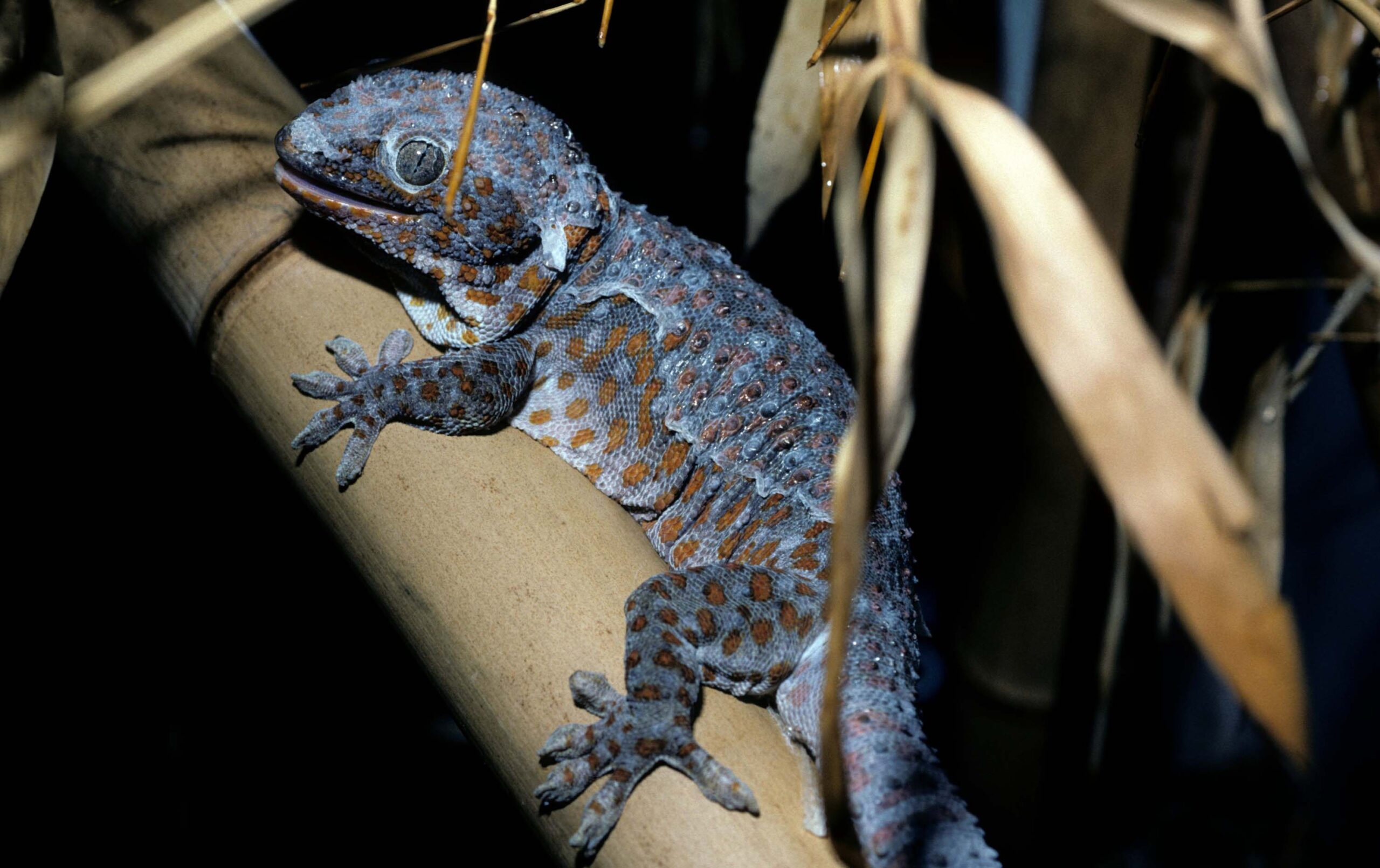
The Squamata order includes lizards, snakes, and amphisbaenians (worm lizards). These reptiles are instantly recognizable by their scaly skin, which protects them and helps prevent water loss. Squamates are cold-blooded and rely on the sun to regulate their body temperature.
Many species have incredibly flexible jaws—especially snakes—allowing them to swallow prey larger than their heads. While most lizards can blink with movable eyelids, snakes have a clear protective scale over their eyes. As Squamates grow, they shed their old skin and replace it with a fresh, new layer.
Sizes in this order vary dramatically, from tiny geckos to massive pythons, and they inhabit a wide range of environments across the globe. Today, around 10,000 extant (living) species of squamates are found around the world in a variety of habitats. Because they are cold-blooded, most are found in warmer habitats; species that live in colder habitats may hibernate in the winter.