The Viperidae family includes snakes commonly known as vipers. These snakes are usually venomous. That means they produce poison to catch their prey and defend themselves.
Vipers have long, hinged fangs that can fold back when not in use, which makes them very effective hunters.
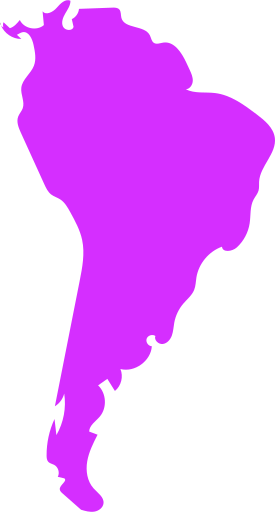
Vipers come in many shapes and sizes, from the small puff adder to the large Gaboon viper. They are found all over the world, except in places like Australia and Antarctica. Most vipers live on land, but some can climb trees or swim in water.
They usually have thick, triangular-shaped heads and rough, keeled scales, which help them blend into their surroundings. Their venom can vary—some affect the blood, while others attack nerves.
Despite their fearsome reputation, vipers are important for nature because they help control populations of rodents and other small animals.