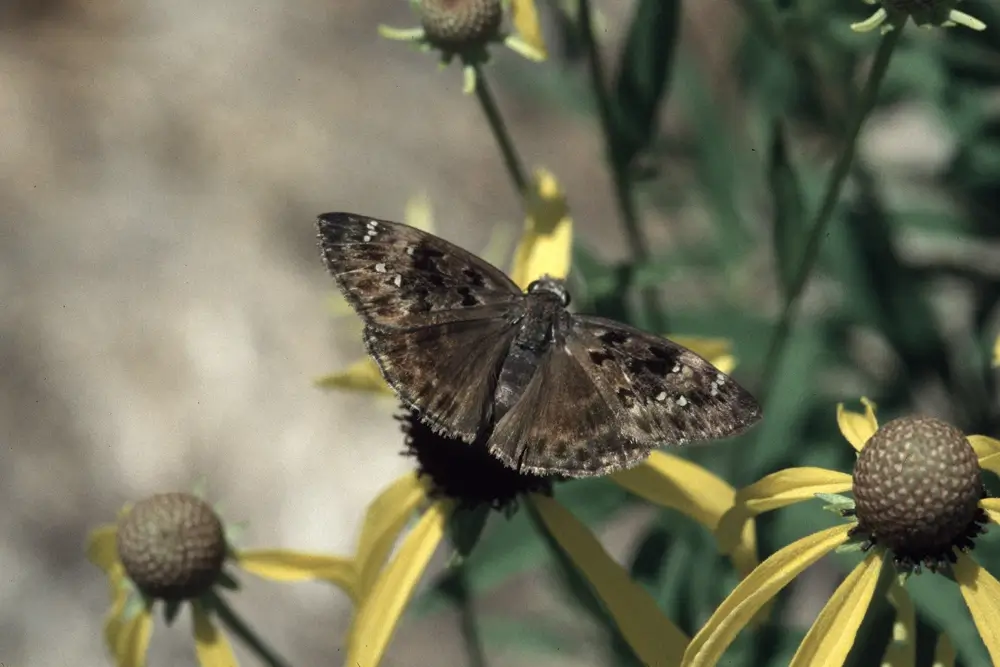
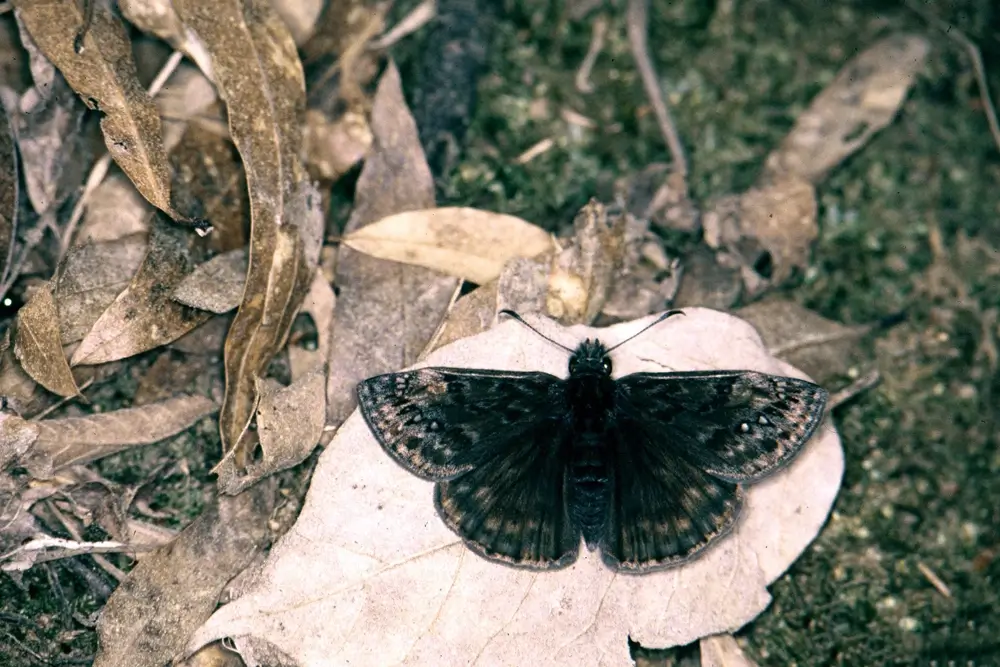
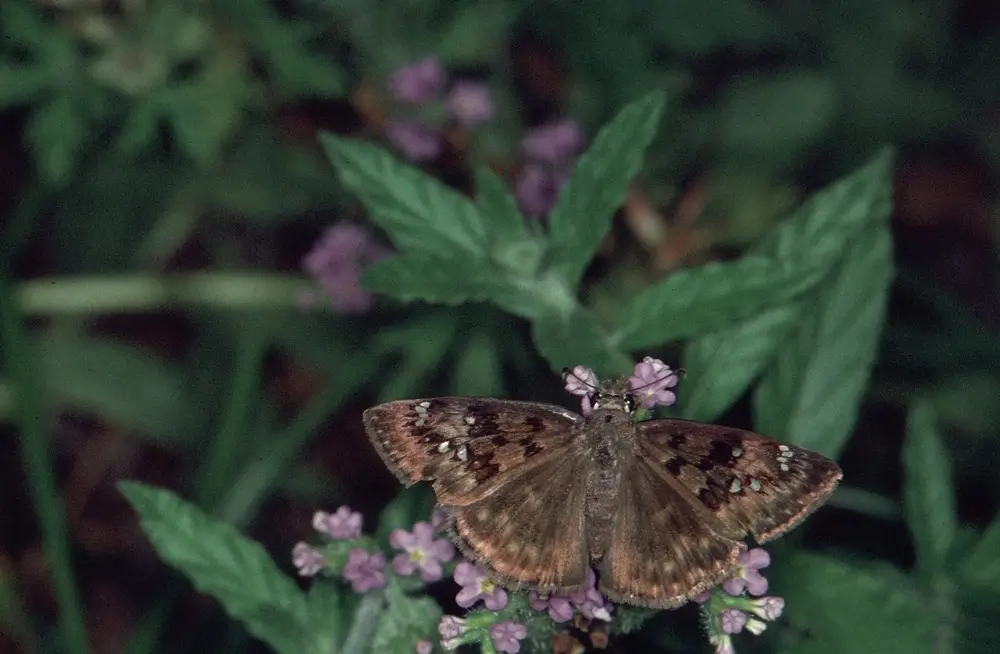
Juvenal’s Duskywing is a large skipper butterfly with a wingspan of about 1.25–2 inches (3.2–5.1 cm).
Its wings have fringes that may look white or brown. The male has dark brown forewings covered with black spots, chevron-shaped markings, and small white spots. Its hindwings are a lighter brown with pale brown spots.
The female is lighter brown than the male. She has similar markings, but they are usually larger and easier to see. The underside of the hindwings has two pale spots that can help identify this butterfly.
Juvenal’s Duskywing is found in oak woodlands, oak scrub, roadsides, and fields near oak.
The Juvenal’s Duskywing caterpillar eats the leaves of northern red oak, white oak, and black oak.
The adult eats nectar from the flowers of blueberry, winter cress, lilac, Carolina vetch, wild plum, wisteria, and dandelion.
Male Juvenal’s Duskywing butterflies perch on oak branches about 10–12 feet (3–3.7 m) above the ground while waiting for females.
Females lay one egg at a time on oak tree leaves. Juvenal’s Duskywing butterflies produce one brood, or generation, each year.
The caterpillar is light green with a red, orange, or yellow head. It survives the winter as a caterpillar before changing into an adult butterfly.
Male Juvenal’s Duskywings are very protective of their perching spot and will swoop out to chase away any insects that fly by.
The Juvenal’s Duskywing gets its name from the ancient Roman poet Juvenal.
In the 1800s, many entomologists (scientists who studied insects) gave butterflies and moths names from Greek and Roman history, literature, and mythology.
That’s how this small brown butterfly ended up with such a unique name.

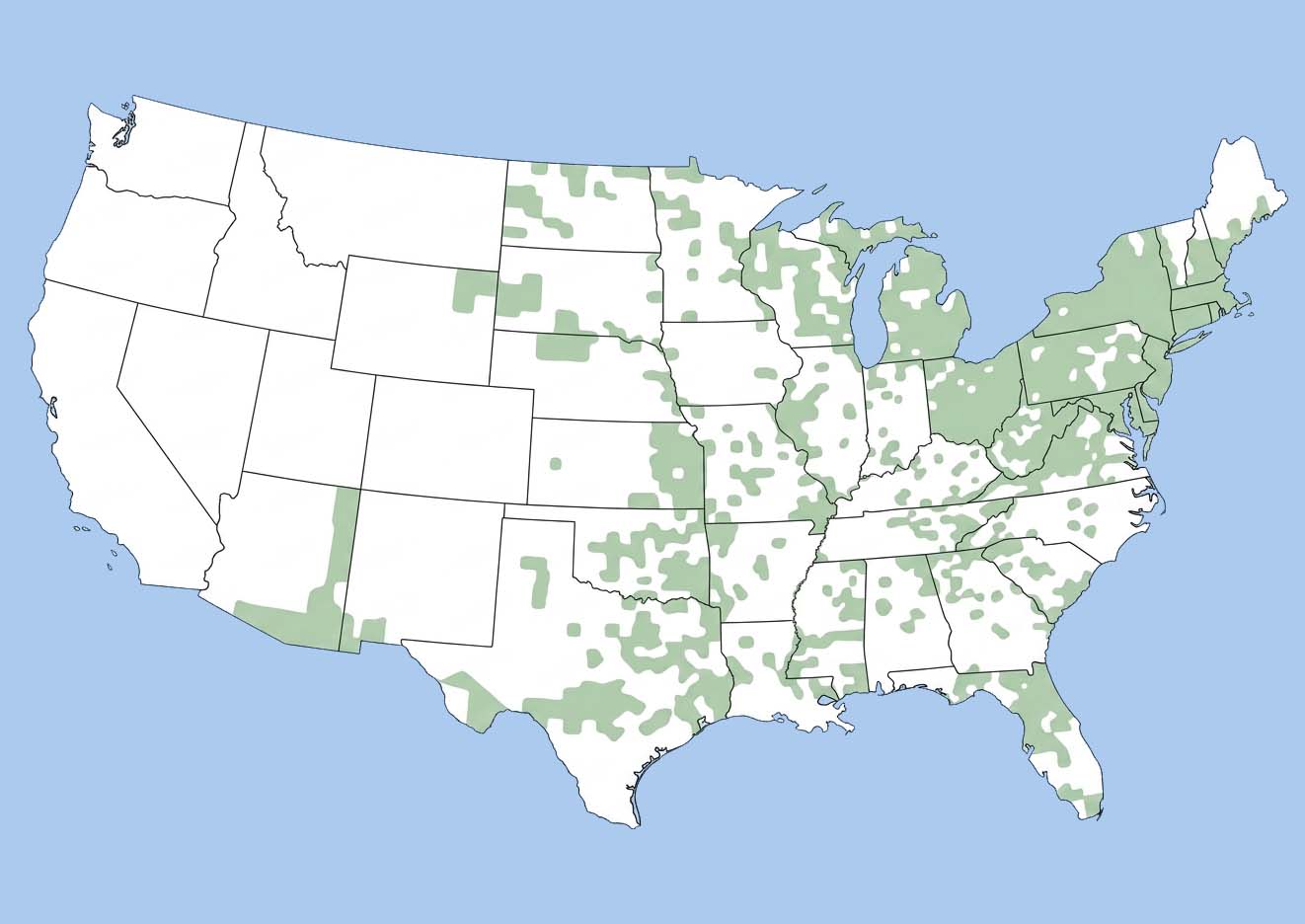
Juvenal’s Duskywing is found in New Hampshire.
Juvenal’s Duskywing is found in the eastern U.S. and in parts of Texas, New Mexico, and Arizona. It is also found in southern Canada and Mexico.
NHPBS inspires one million Granite Staters each month with engaging and trusted local and national programs on-air, online, in classrooms and in communities.