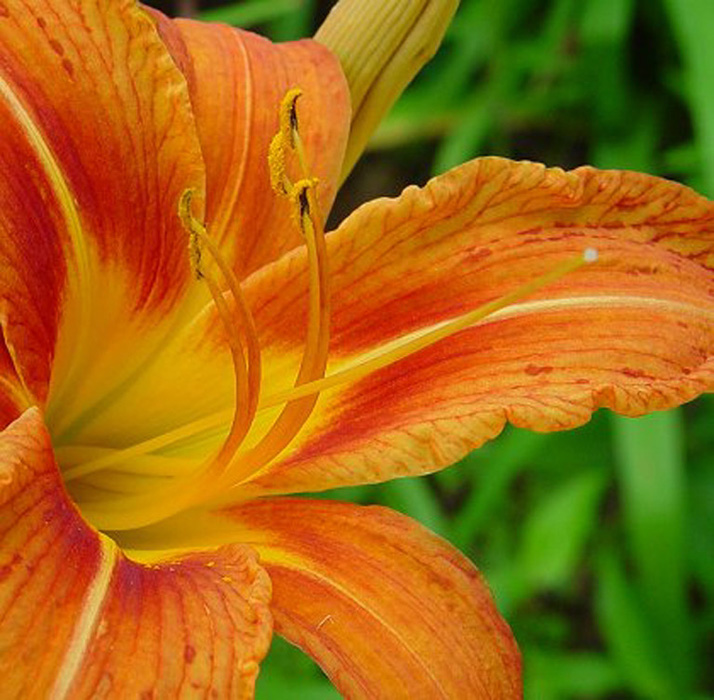
Angiosperms have male sex organs called stamens. (Tawny Daylily)
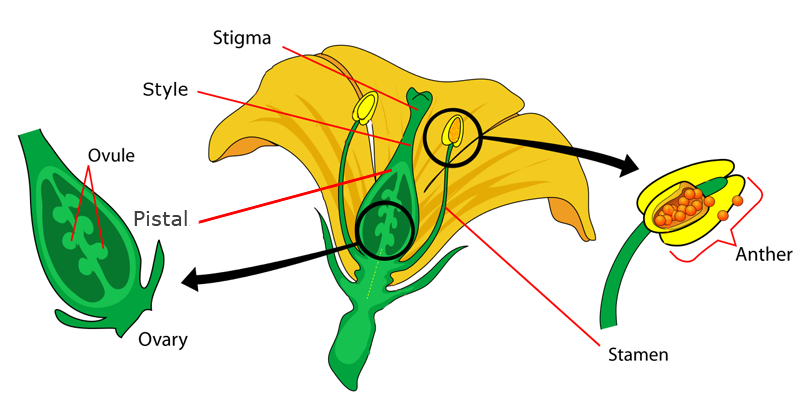
Angiosperms have to undergo a process called pollination before they can reproduce. Angiosperms have male sex organs called stamens. On the end of the stamen is the anther. This is where pollen is made. The pollen has to be taken to the pistil, or the female part of the flower. The pollen is left on the stigma at the end of the pistil. The stigma carries the pollen down a tube called the style to the ovary.
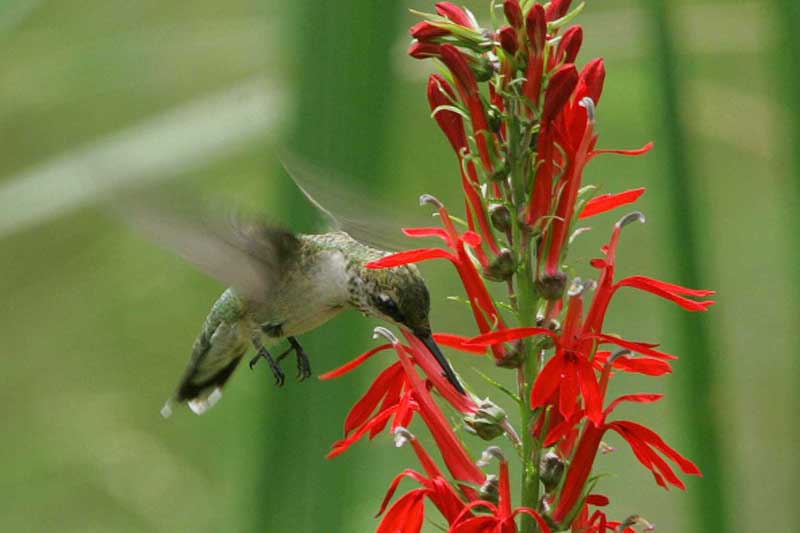
Animals like birds and insects can be pollinators.(Ruby-throated hummingbird)
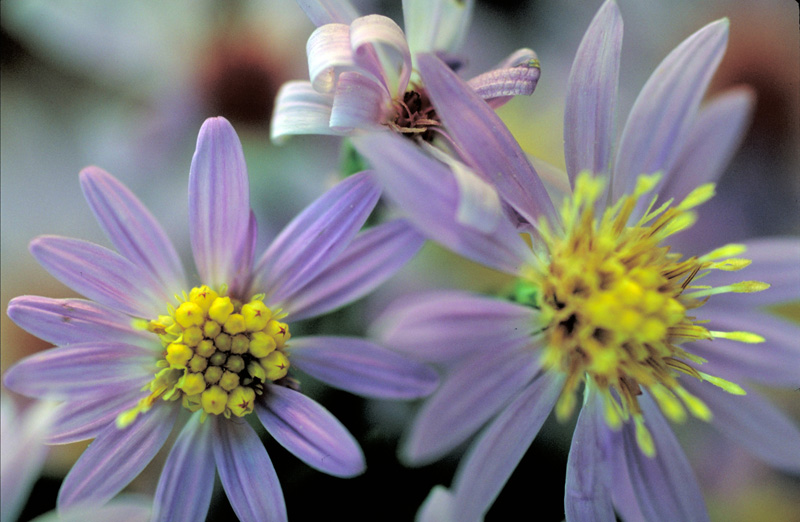
Most plants are dicots, including most trees, shrubs, vines, fruit and vegetable plants and flowers.(Short's Aster)
Angiosperms in this group grow two seed-leaves. Their leaves usually have a single main vein that starts at the base of the leaf blade or three or more main veins that spread out from the base of the leaf. Most plants are dicots, including most trees, shrubs, vines, fruit and vegetable plants, and flowers. There are about 200,000 species of dicots.
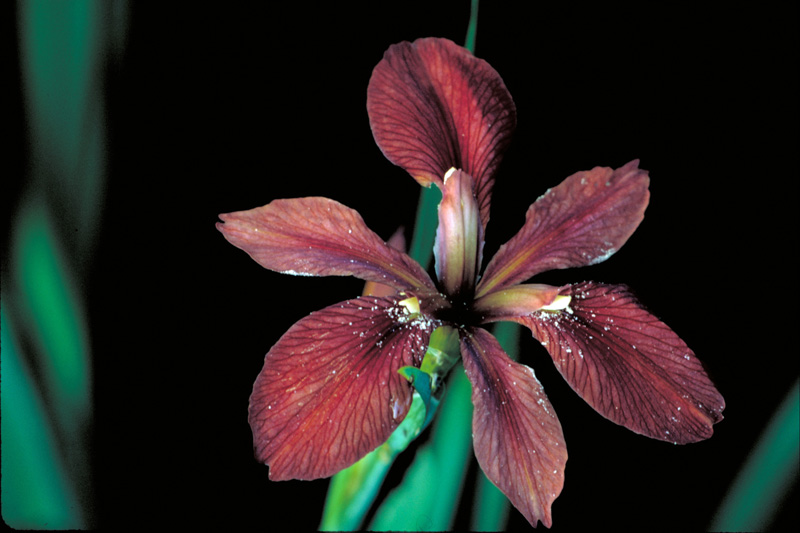
Monocots include orchids, lilies, irises, palms, grasses, and grains like wheat, corn, and oats.(Copper Iris)
These angiosperms start with one seed-leaf. The main veins of their leaves are usually unbranched. There are about 30,000 species of monocots. Monocots include orchids, lilies, irises, palms, grasses, and grains like wheat, corn, and oats. Fruits like dates and bananas also belong to this group.