Wilson's Snipe

Gallinago delicata

Kingdom
Phylum
Class
Order
Family
Genus

Wilson's Snipe

Gallinago delicata

Kingdom
Phylum
Class
Order
Family
Genus

Characteristics

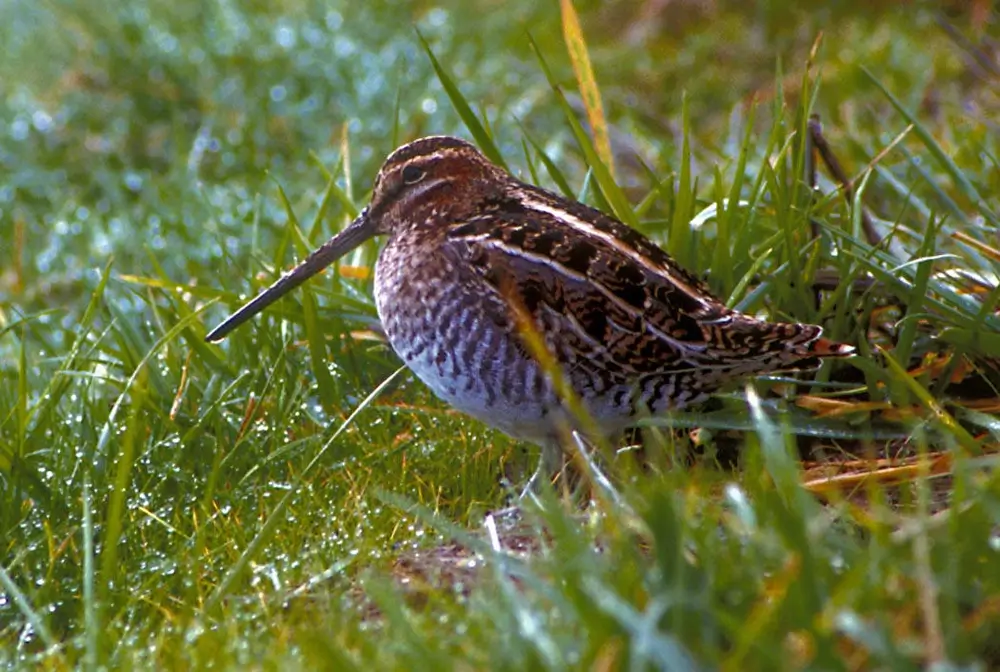
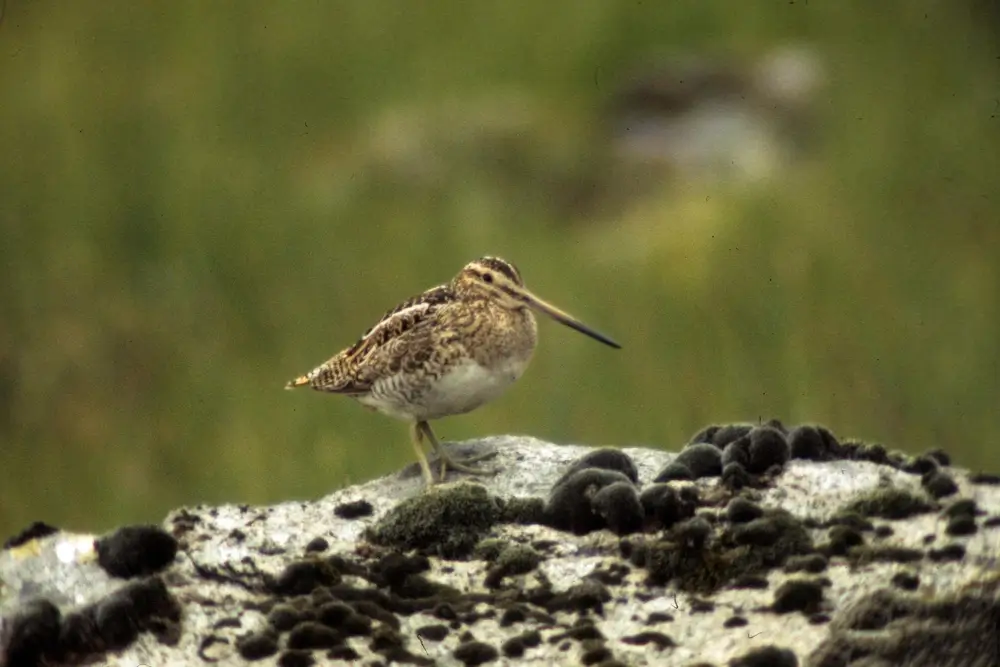
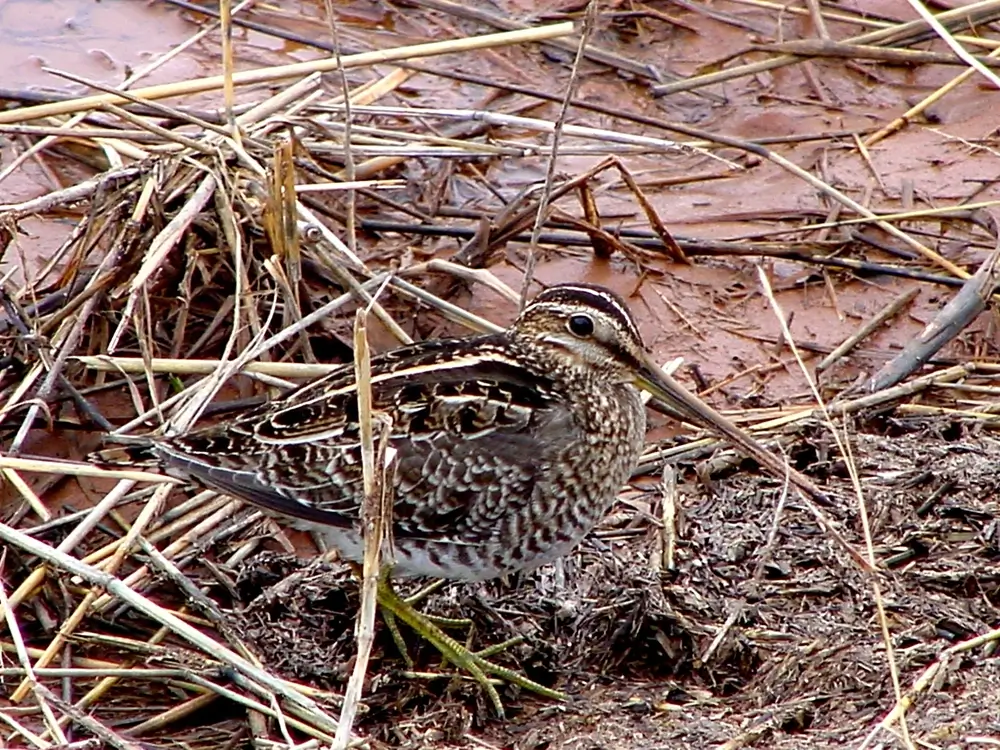
Wilson’s snipe is a medium-sized wading bird with a long, straight, pointed black bill. It is  9.8–10.6 inches (25-27 cm) in length with a wingspan of 17-19 inches (44-47 cm).

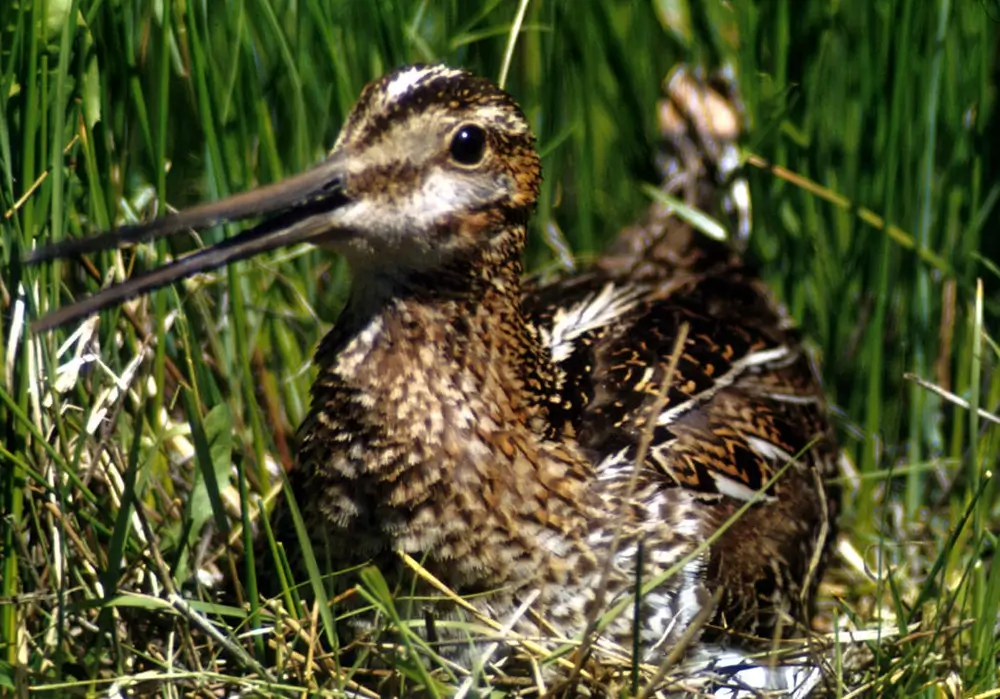
It has a brown body with black bars, a striped head and back, and a white belly. Wilson’s snipe’s legs are shorter than most wading birds’ legs.

Habitat

Wilson’s snipes are found in wet grassy areas of freshwater marshes, ponds, flooded meadows, fields, and occasionally, salt marshes.

Diet

The long, pointed bill of Wilson’s snipe helps it to probe in the mud for snails, small crustaceans, insects, larvae, and earthworms. It also eats some plant matter.

Life Cycle

The male Wilson’s snipe arrives at the breeding ground first and stakes out a territory. To attract a mate, he flies and dives in the air and makes a loud drumming noise as air passes through his tail feathers.

The female lays four eggs in a grass-lined depression in a grass tussock. The chicks hatch after 18-20 days and fledge (develop flight feathers) at 19-20 days old.

Wilson’s snipe has a lifespan of around 3 years in the wild.

Behavior

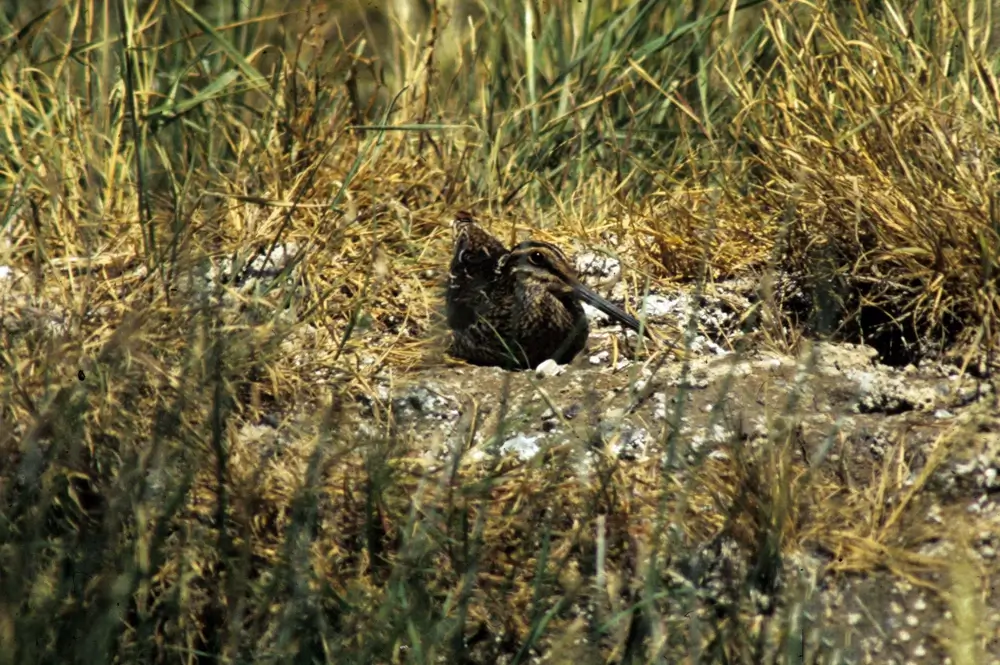
Wilson’s snipe usually stays hidden in the grass, but if it is startled, it bursts out from its cover and flies in a zig-zag pattern to evade predators.

Did You Know?

Wilson’s snipe was once considered a subspecies of the common snipe (Gallinago gallinago), a closely related bird found in Europe, Asia, and Africa. In 2003, the American Ornithologists’ Union officially recognized Wilson’s snipe as a separate species.


Support for NatureWorks is provided by:

The Wilson's Snipe in NH

Wilson’s snipe is found in New Hampshire.

World Status: Least Concern

Listen Here

Patrik Aberg, xeno-canto.org
common snipe

Range

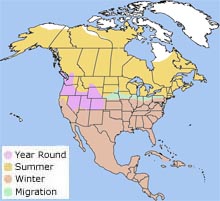
Wilson’s snipe breeds from Alaska to Newfoundland, south to the mid-United States.

It winters north from northern South America to British Columbia, the northern Gulf states, and Virginia.