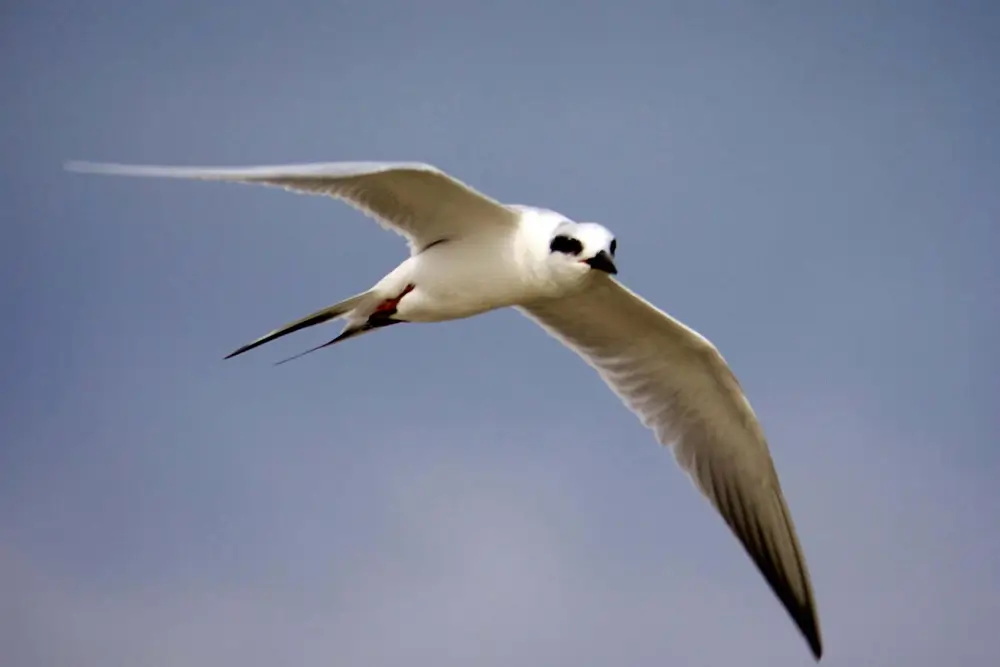
Forster’s tern is medium-sized and slender. It is 13-14.2 inches (33-36 cm) in length with a wingspan of 30.7-31.5 inches (78-80 cm).
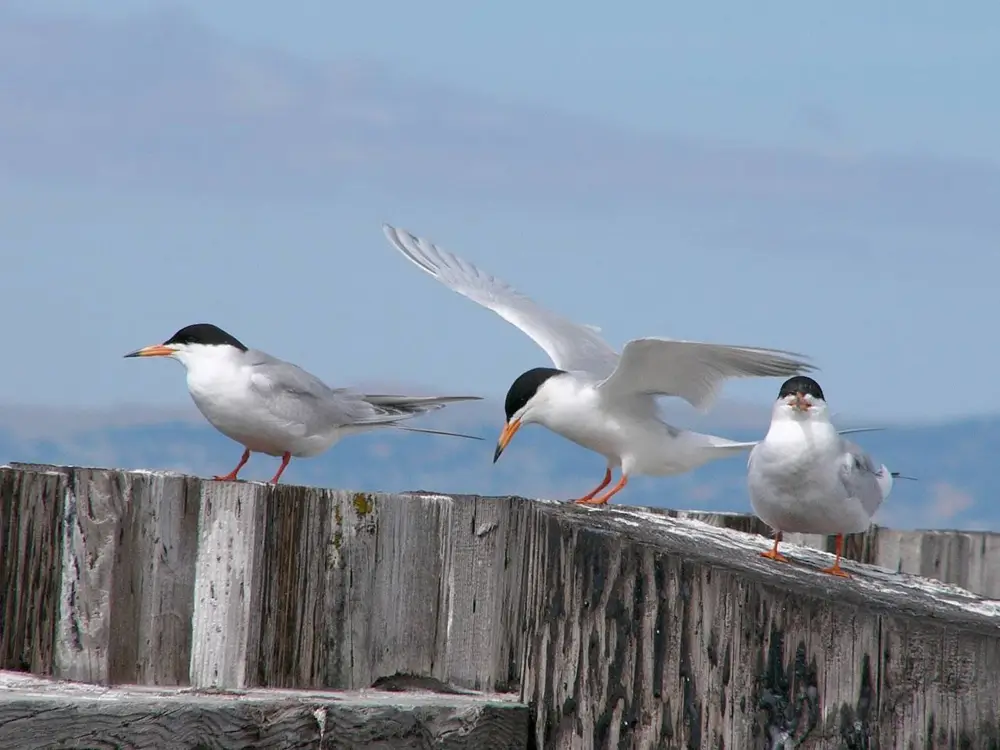
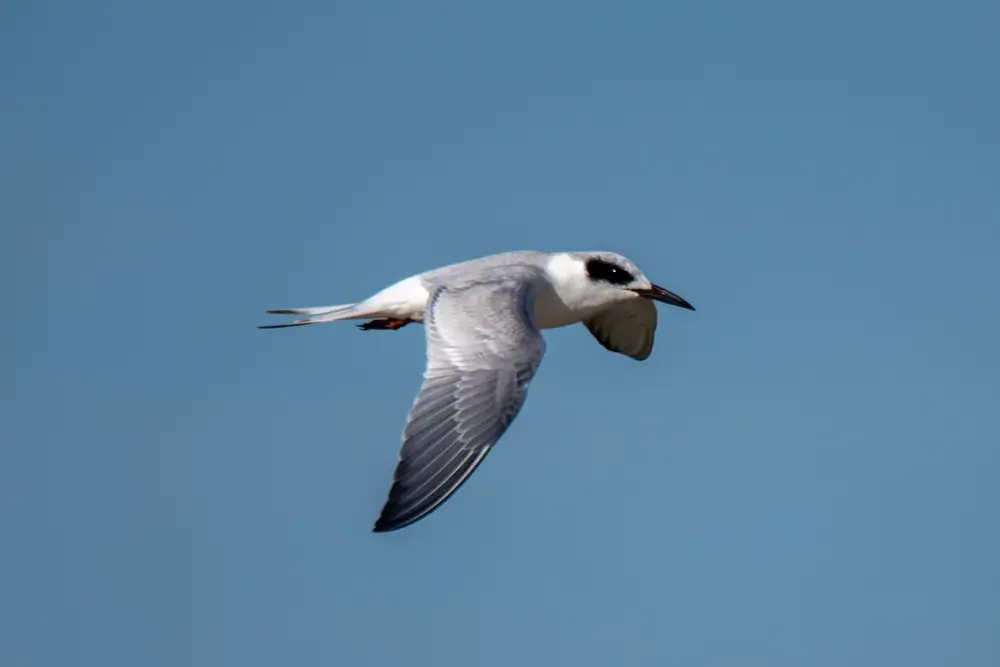
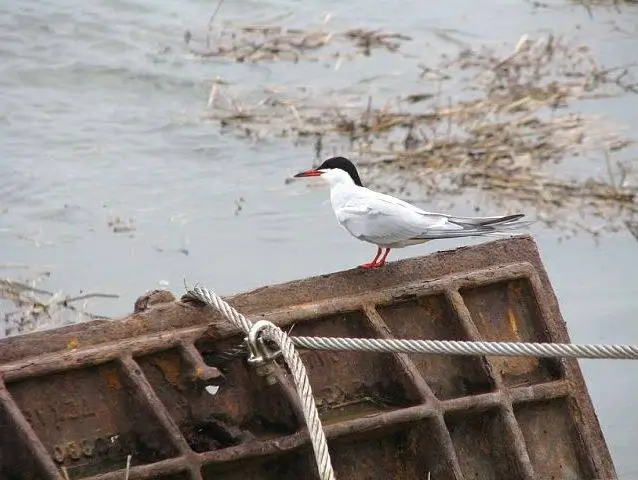
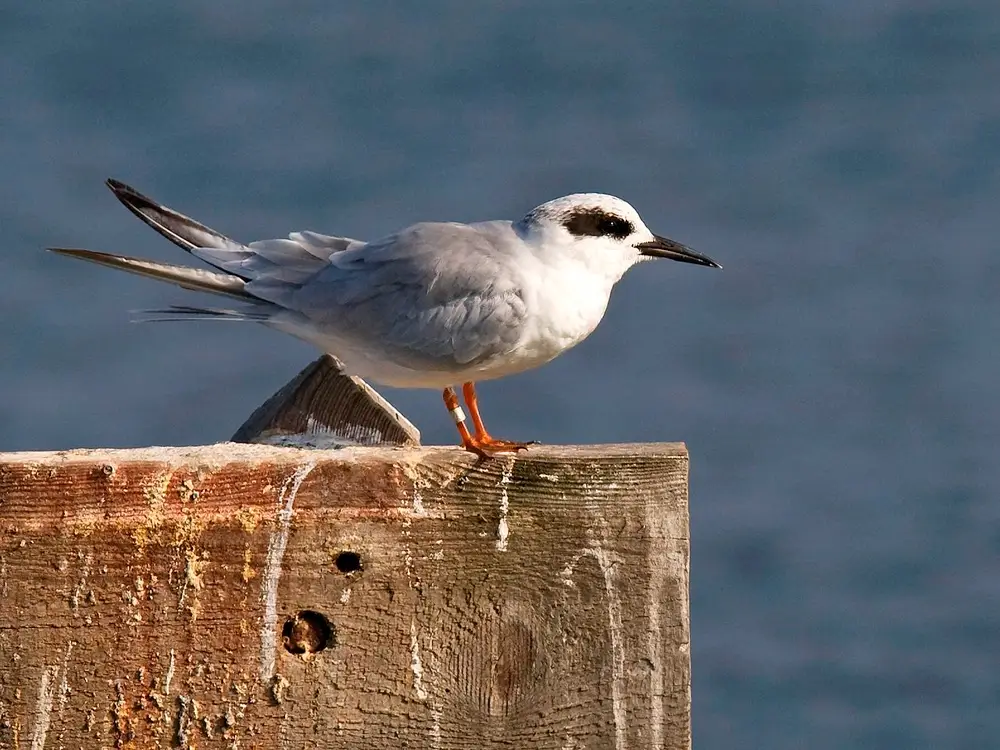
It has white undersides and a white throat and breast, a light gray back, and white-tipped gray wings. It has a black cap on its head, a deeply forked gray tail, orange legs and feet, and a long orange bill with a black tip.
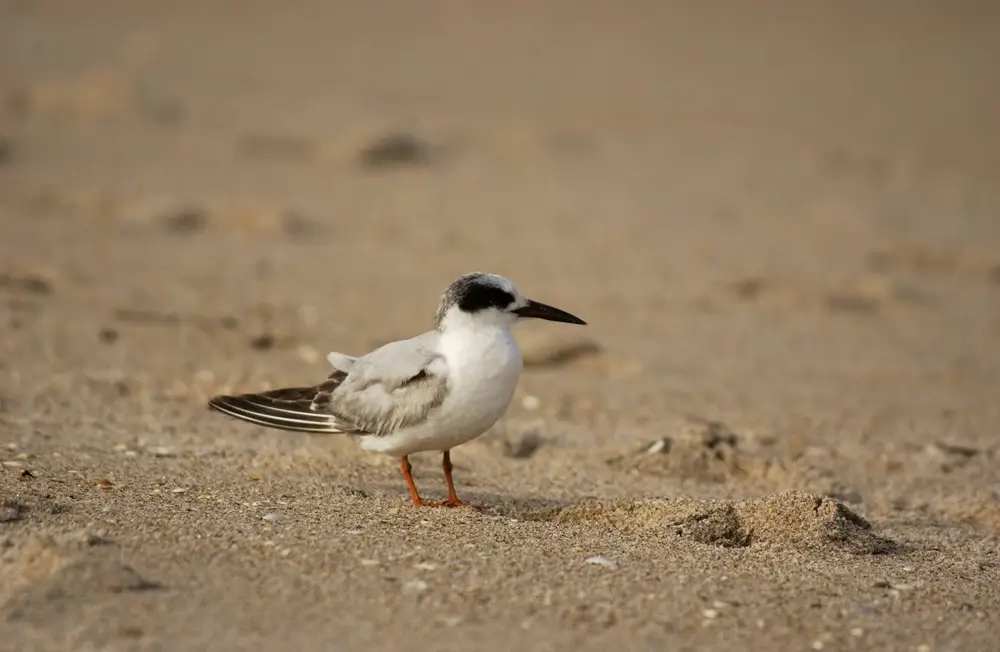
In the winter, it loses the black cap on its head, and its bill turns black. It also develops black patches on its eyes and on the side of its head.
Forster’s tern eats small fish. It flies over the water and then dives below the surface to snatch up its prey. It also eats insects from the surface of the water.
Life Cycle
Forster’s terns nest in colonies. The nest is an unlined scrape in the mud or sand, or it is a platform of dead grass and marsh vegetation. It may also build its nest on a muskrat house.
The female lays 3-4 eggs, and the male and the female incubate them for 24 days. Both parents care for and feed the chicks. The chicks fledge when they are 27-30 days old, but stay with their parents until they migrate in the fall.
The oldest Forster’s tern on record lived to be 12 years old.
Behavior
Forster’s tern winter’s farther north than any other North American tern species.
Did You Know?
Forster’s tern is the only tern species that is found only in North America.
It is named after Johann Reinhold Forster, a German naturalist who accompanied Captain Cook on his second voyage around the world from 1772-1775.
Support for NatureWorks is provided by:
The Forster's Tern in NH
Forster’s tern does not breed in New Hampshire, but it is an uncommon visitor to the state.
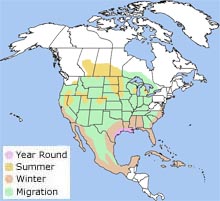
Forster’s tern can be found along the Atlantic Coast from the coast of New Hampshire south to Florida, as well as on the California coast, on the Gulf Coast, along the Great Lakes, and in scattered locations in Nevada, southern Idaho, Utah, Colorado, the Midwest, and south-central Canada.
It winters along the Pacific Coast south to Central America and along the Atlantic Coast from Virginia south to the Caribbean.