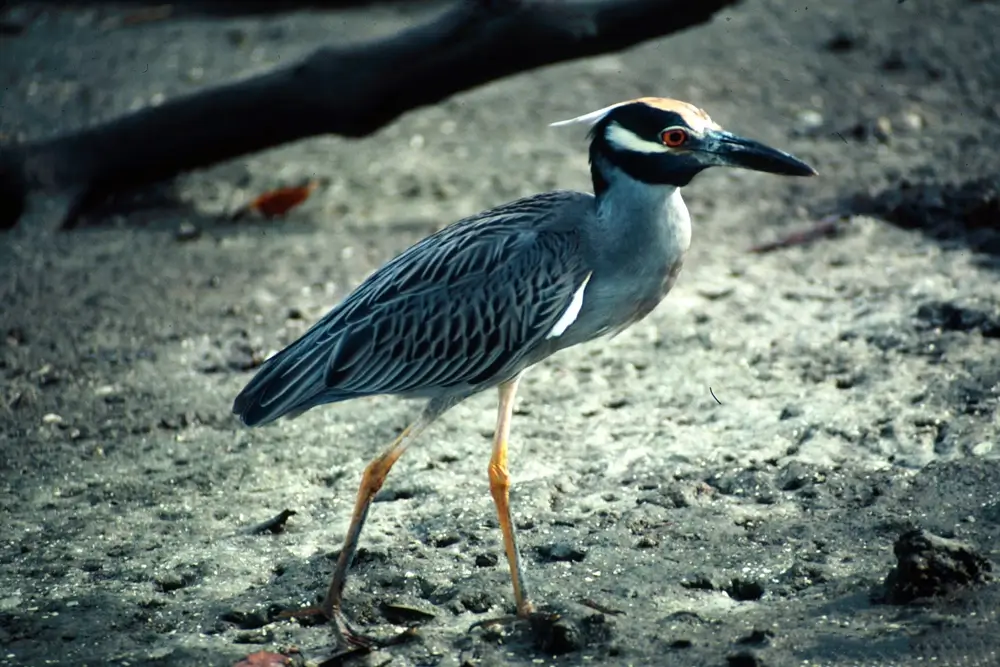
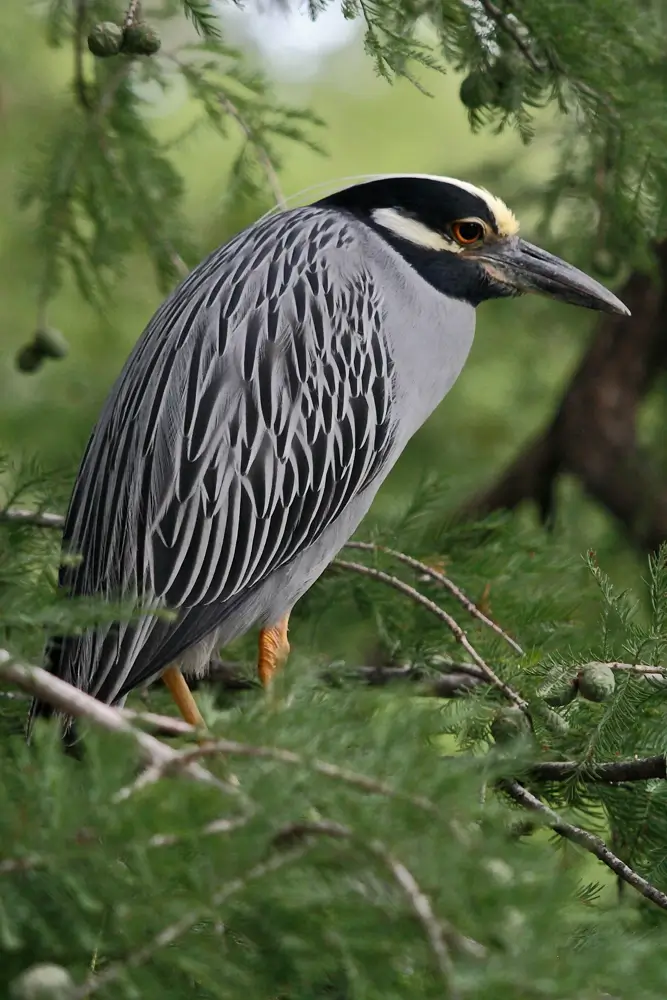
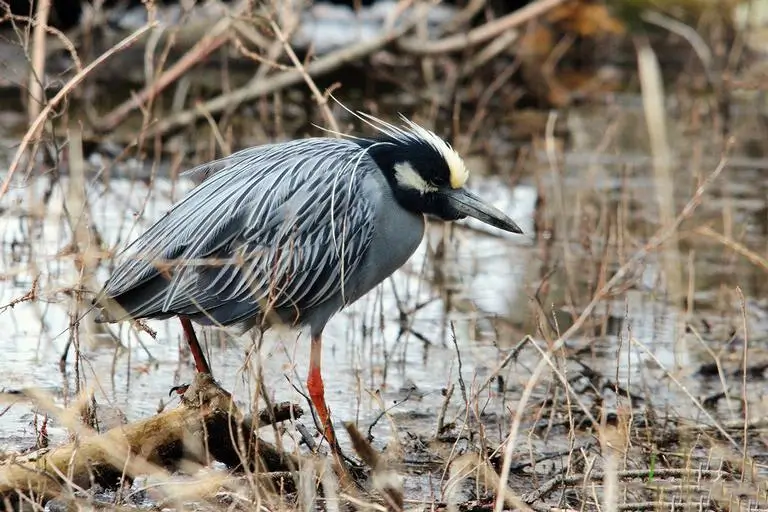
The yellow-crowned night heron is a short, stocky, wading bird about 2 feet (0.61 m) in length with a wingspan of a little under 4 feet (1.2 m).
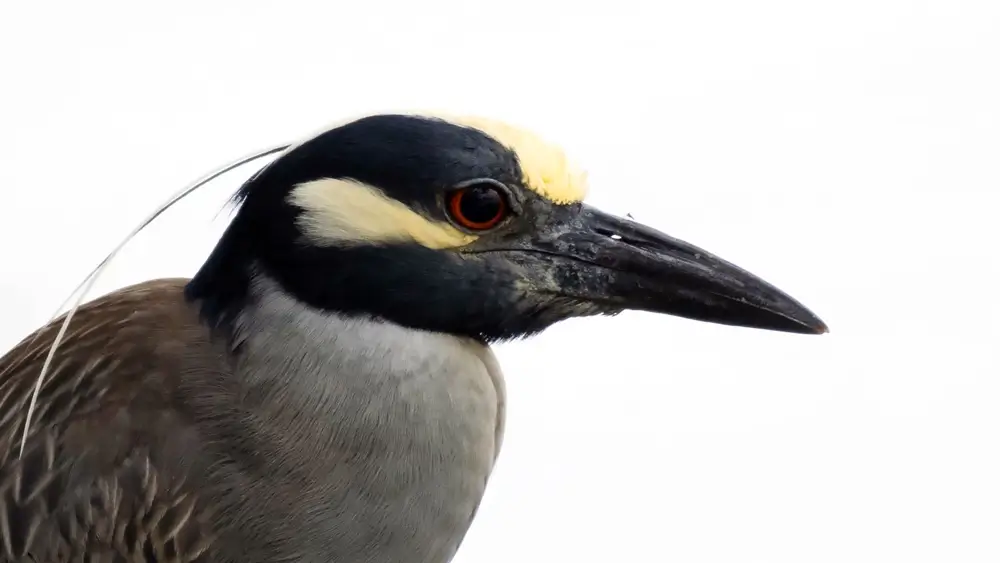
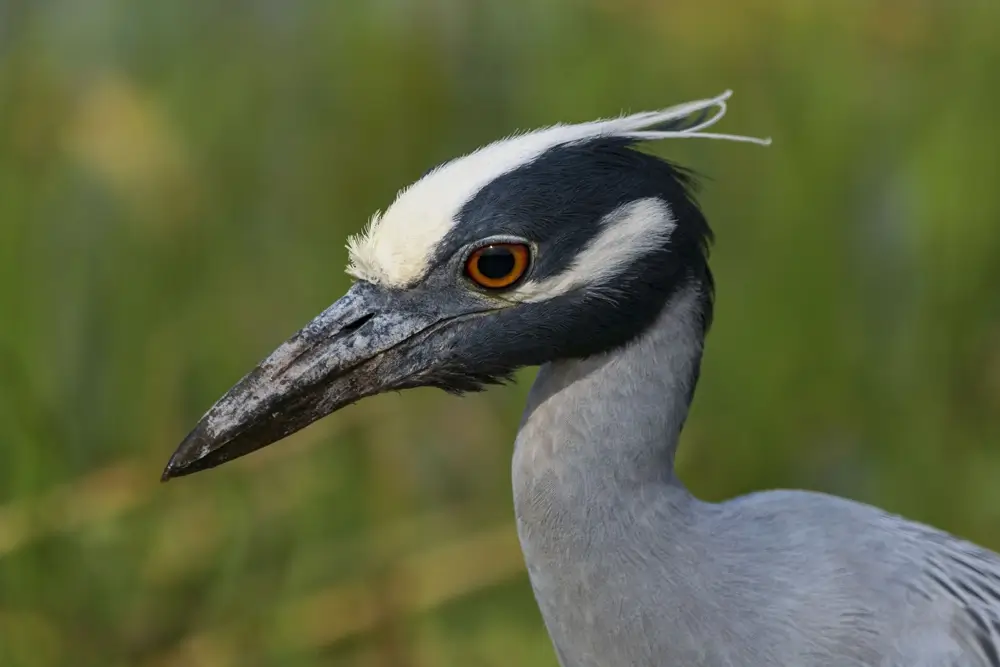
It has long, yellow to orange legs, red eyes, a black bill, and a short neck. It has a slate-gray body, a black head with a white streak on the side of its face, and a yellowish-white crown. In the breeding season, it has a yellow plume of feathers on its head.
Males and females look alike. Immature yellow-crowned night herons are a mottled grayish-brown.
Habitat
The yellow-crowned night heron lives in wooded swamps, fresh and saltwater marshes, and thickets.
Diet
The yellow-crowned night heron forages for food both in the day and at night. Most of the yellow-crowned night heron’s diet is made up of crustaceans like crabs and crayfish. It sometimes eats fish, eels, mussels, frogs, tadpoles, aquatic insects, snails, and small snakes.
It either stands and waits for its prey to swim by or wades in the shallow water and slowly stalks its prey.
Life Cycle
The female lays 3-5 eggs in a nest of sticks placed in a tree or sometimes on the ground. Both males and females build the nest and incubate the eggs.
The eggs hatch in about 3 weeks. Both parents care for the chicks and feed them regurgitated food. The chicks fledge when they are about 25 days old.
The yellow-crowned night heron has a lifespan of 6-10 years in the wild.
Behavior
The yellow-crowned night heron is more solitary than other herons. It prefers to nest separately from other birds.
Did You Know?
Support for NatureWorks is provided by:
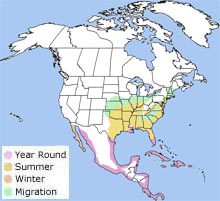
The Yellow-Crowned Night Heron in NH
The yellow-crowned night heron does not breed in New Hampshire. It can be seen in the state during migration.