


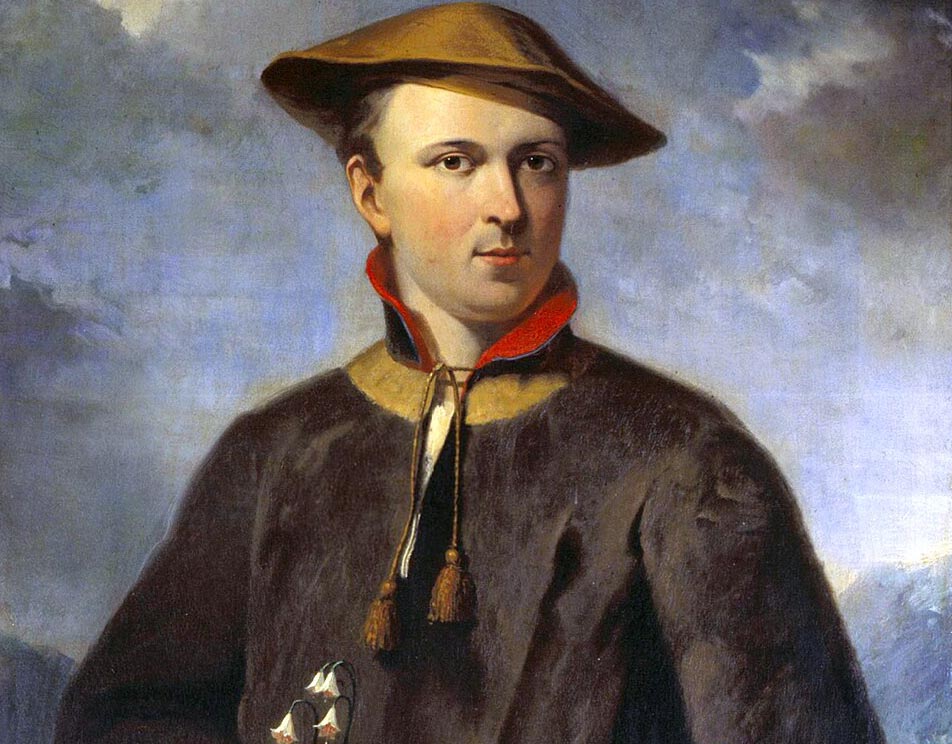
Carolus Linnaeus gave organisms two-word Latin names.
Scientists have a system for naming all the living organisms on Earth. The system was devised by a Swedish scientist named Carolus Linnaeus over 200 years ago. He gave organisms two-word Latin names. Linnaeus decided that the first part of the Latin name should be the genus.
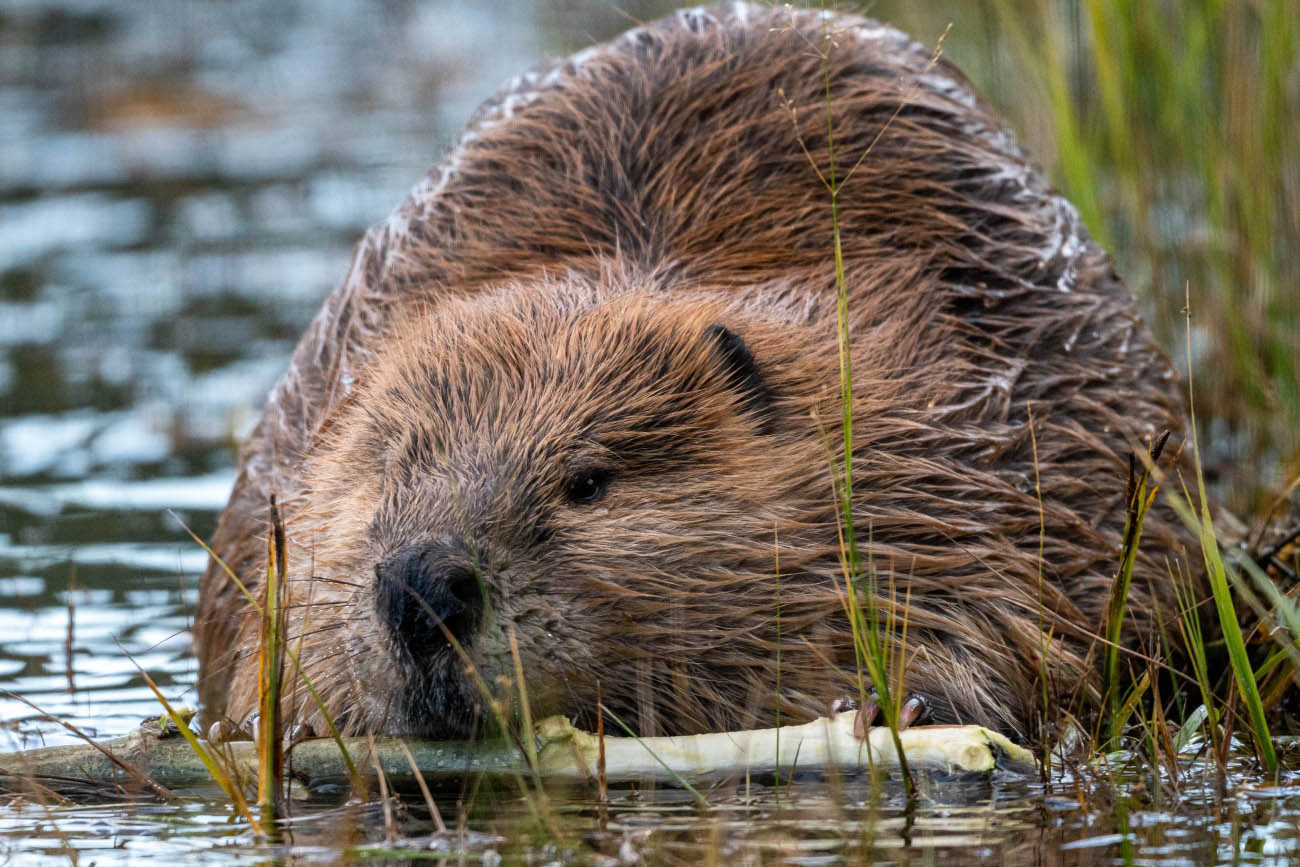
Beaver with a stick.
A species is a group of living organisms that can breed and reproduce offspring. For example, a beaver is a species. It can breed with other beavers and produce more beavers. It can’t mate with a wolf and produce beavers.
Some closely related species can mate and produce hybrid species. One well-known example is a mule, which is created when a horse mates with a donkey.
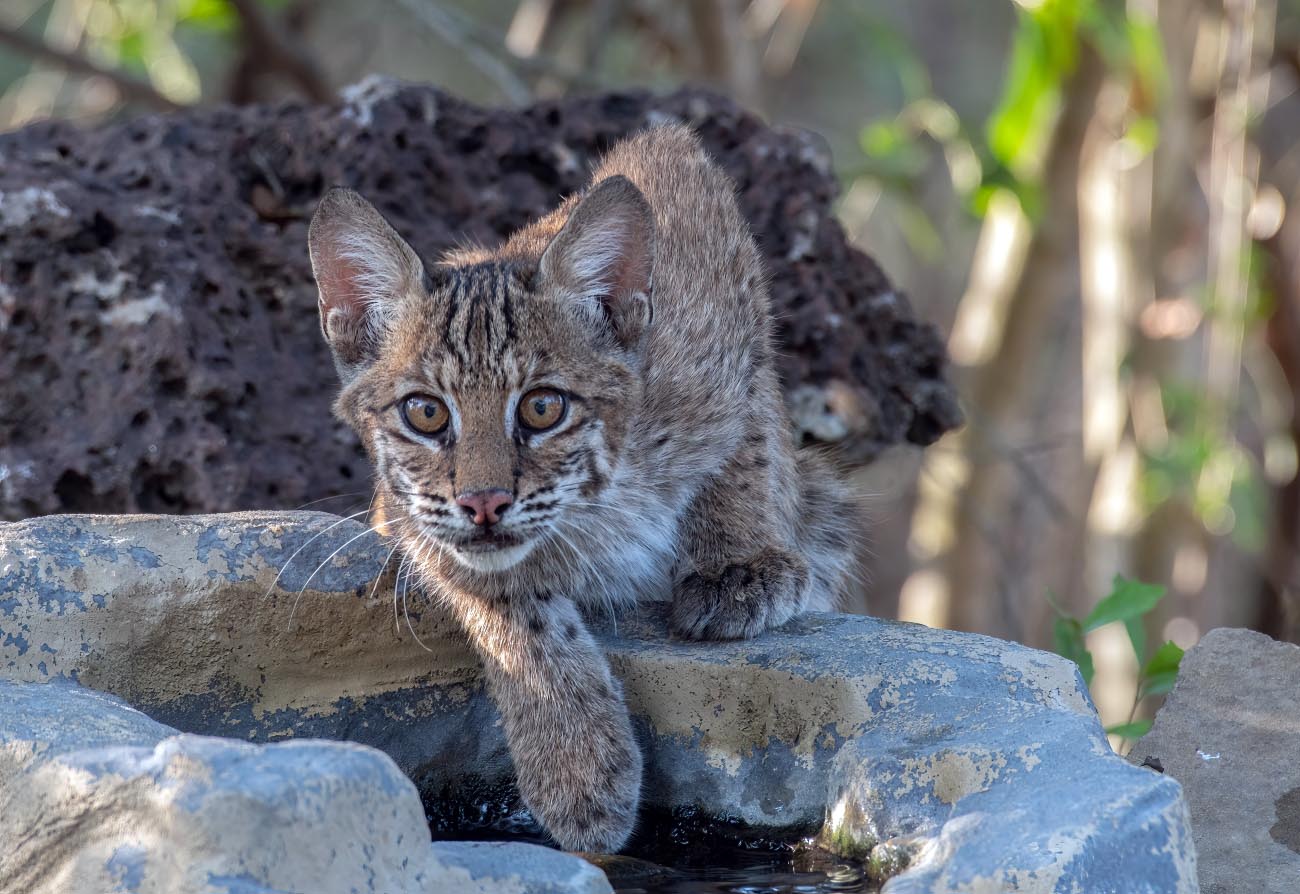
Bobcat (Lynx rufus)
When scientists organize living organisms, they break them up into groups of decreasing size and separate them until they get down to the individual species. For example, the groups they use for animals, starting with the largest, are: Kingdom, Phylum, Class, Order, Family, Genus, and Species
Let’s look at the bobcat as an example. – BobcatTaxonomy
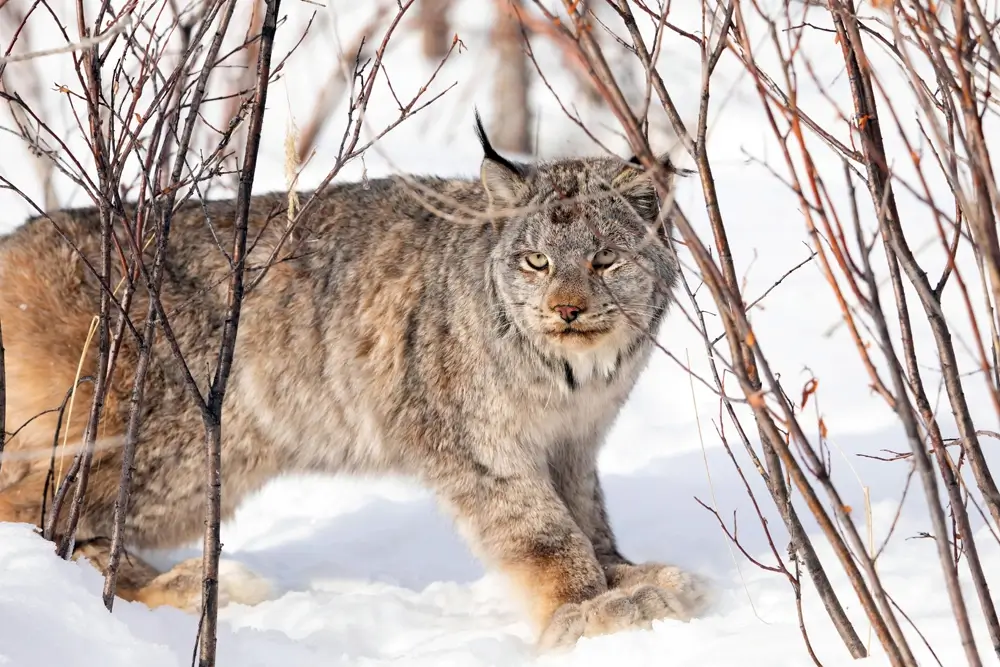
Canada Lynx (Lynx canadensis)
The genus is a group name for very similar species. For example, the Canada lynx and the bobcat are part of the genus Lynx. The genus name is always capitalized. The second part of the name is specific to each animal and usually is a word that describes the animal. The second part of the name is not capitalized, and both parts are italicized. The Latin name for the bobcat is Lynx rufus. Rufus is Latin for red or ruddy.
