

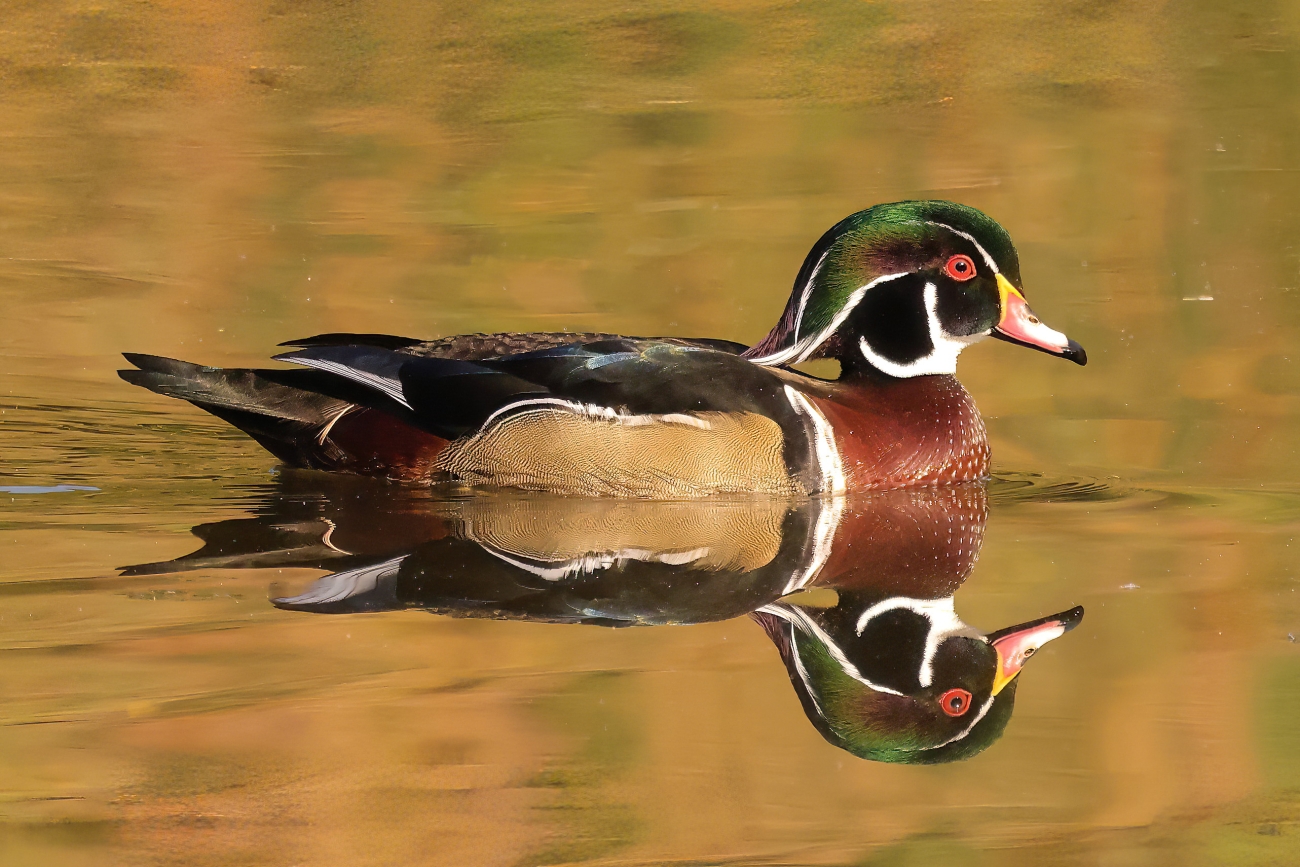
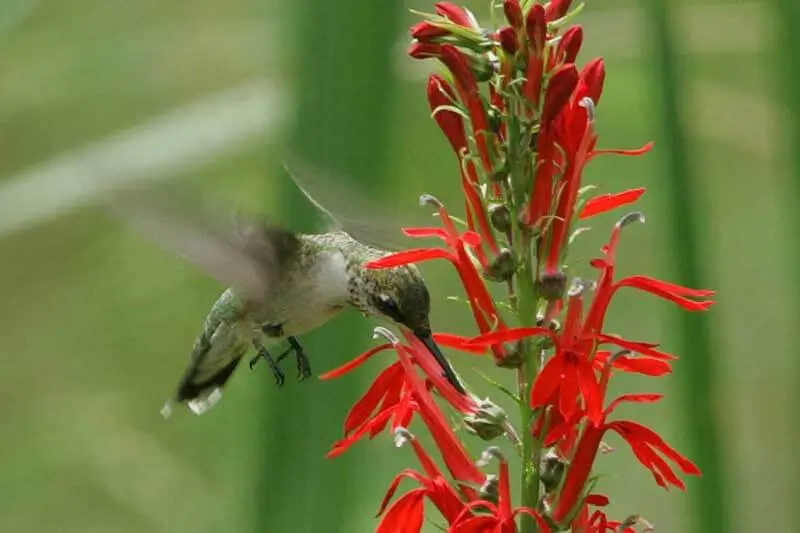
Individuals within an animal species are not exactly the same.
Individuals within the same animal species are not exactly alike. Just like you are different from your parents, your friends, and every other person on Earth, each organism has its own unique set of genes, or genetic makeup.
Some individuals have traits—such as better camouflage, sharper senses, or stronger bodies—that help them survive better in their environment. These organisms are more likely to stay alive long enough to reproduce and pass those helpful traits on to their offspring.
Other individuals may have traits that make survival more difficult. They might have trouble finding food, avoiding predators, or coping with changes in their environment. Because of this, they may not live long enough to reproduce or pass on their traits.
This process is called natural selection. Over many generations, traits that help organisms survive and reproduce become more common in a species. At the same time, less helpful traits may slowly disappear. This is one of the main ways species change and adapt to their environments over time.
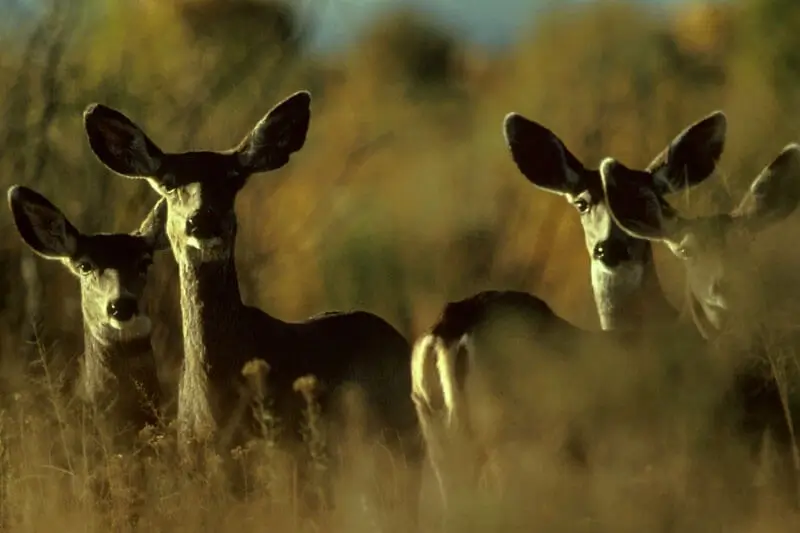
All of the genes in a population of organisms is called a gene pool.
All of the genes in a population of organisms are called the gene pool. A gene pool includes all the traits that can be passed from one generation to the next within that population.
Sometimes, a gene pool does not have enough variety, or it becomes mixed with genes from a closely related species. When this happens, the species may become endangered.
For example, the red wolf is in danger of extinction because it sometimes mates with coyotes. As a result, red wolf genes are being mixed with coyote genes. If this continues, the unique gene pool of the red wolf could disappear.
In other cases, a population may become very small, which limits mating choices. The Florida panther is an example of this. Because the population is so small and lives in a limited area, many panthers are closely related. This leads to a gene pool with less variety.
When a gene pool becomes too small, harmful traits are more likely to be passed down from one generation to the next. This can make it harder for the species to survive.
