

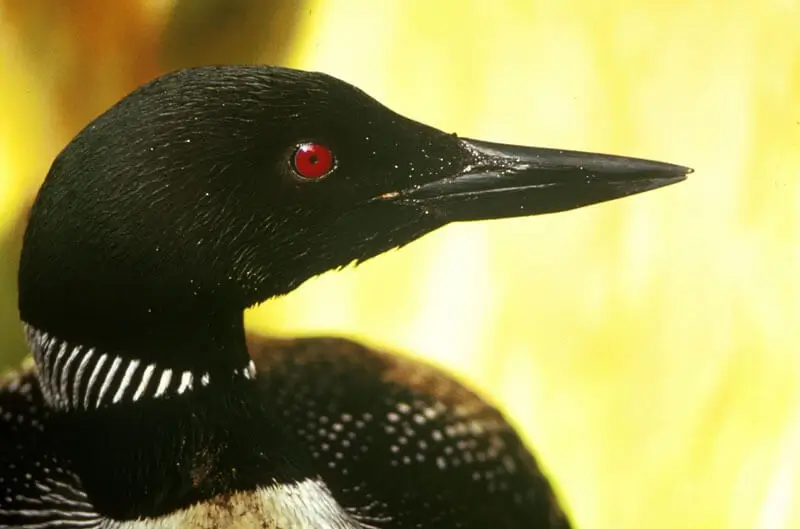
Some loon nesting places have been taken over by human development and the loon population has decreased.
Humans can have a big impact on plant and animal populations. When people build houses, roads, and cities, they often cut down trees and change natural habitats. Some animals, like raccoons and striped skunks, can adapt to these changes. However, many other animals cannot adapt, and their populations may decrease.
For example, the common loon builds its nest on land near large lakes. When people develop land near these lakes, loon nesting areas can be destroyed, causing their population to drop.
Pollution can also harm plants and animals. In addition, overhunting has reduced populations of some species, such as American bison and right whales.
Predator/prey relationships play a big role in animal populations. If the balance between predator and prey is changed, populations are changed.
Predator/prey relationships play a big role in animal populations. If the balance between predators and prey changes, populations are changed.
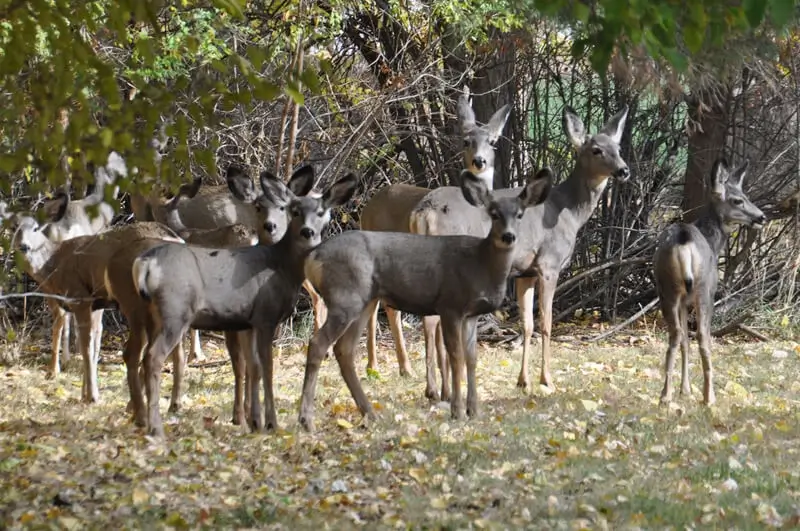
The white-tailed deer population in some areas has grown too large because there are no natural predators.
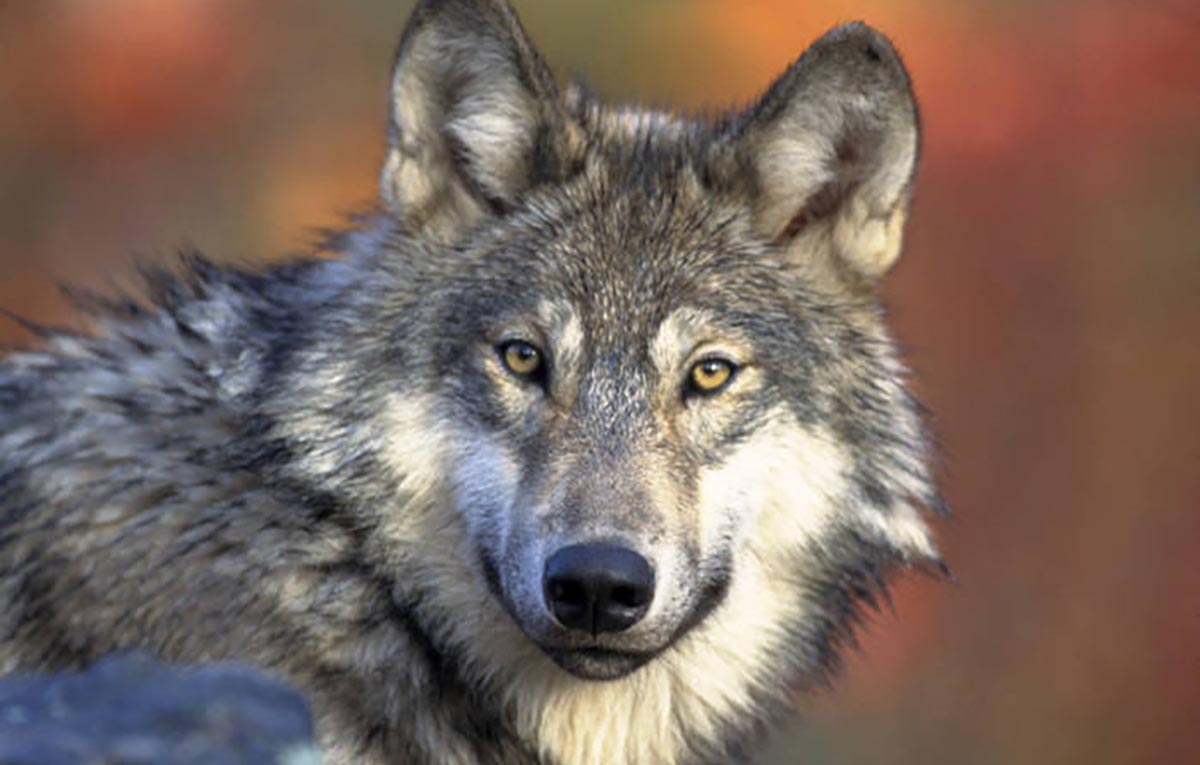
Mountain lions and wolves are the natural predators of the white-tailed deer. Wolf and mountain lion populations have been lowered due to overhunting and habitat loss.
This loss of a natural predator for the white-tailed deer, along with other factors, has led to white-tailed deer overpopulation in some areas.
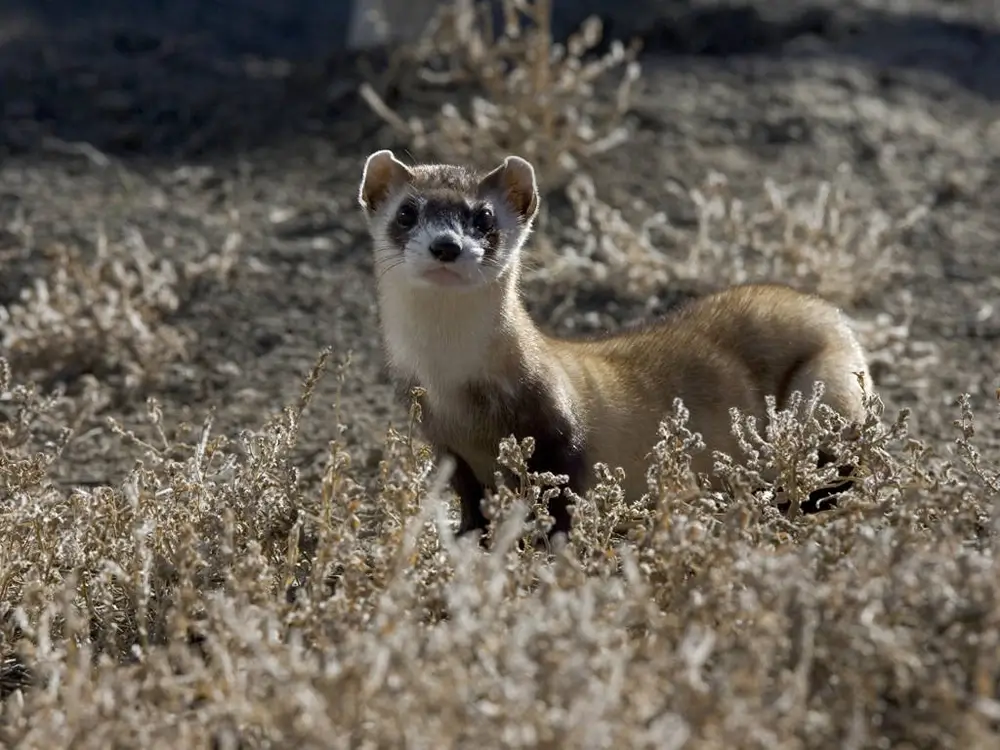
As prairie dog populations decreased in the 20th century, black-footed ferret populations also decreased.
Some limiting factors can cause populations to decrease. For instance, if a disease spreads through a population, many individuals may die. As a result, the populations of animals that depend on them for food may also decrease. Loss of habitat can also cause populations to drop and affect other species that rely on them.
A real-world example involves prairie dogs and black-footed ferrets. Prairie dogs were heavily affected by a disease called sylvatic plague. When prairie dog populations decreased, black-footed ferrets—which depend on them for food—also declined. This, along with habitat loss, made the black-footed ferret one of the most endangered mammals in North America.
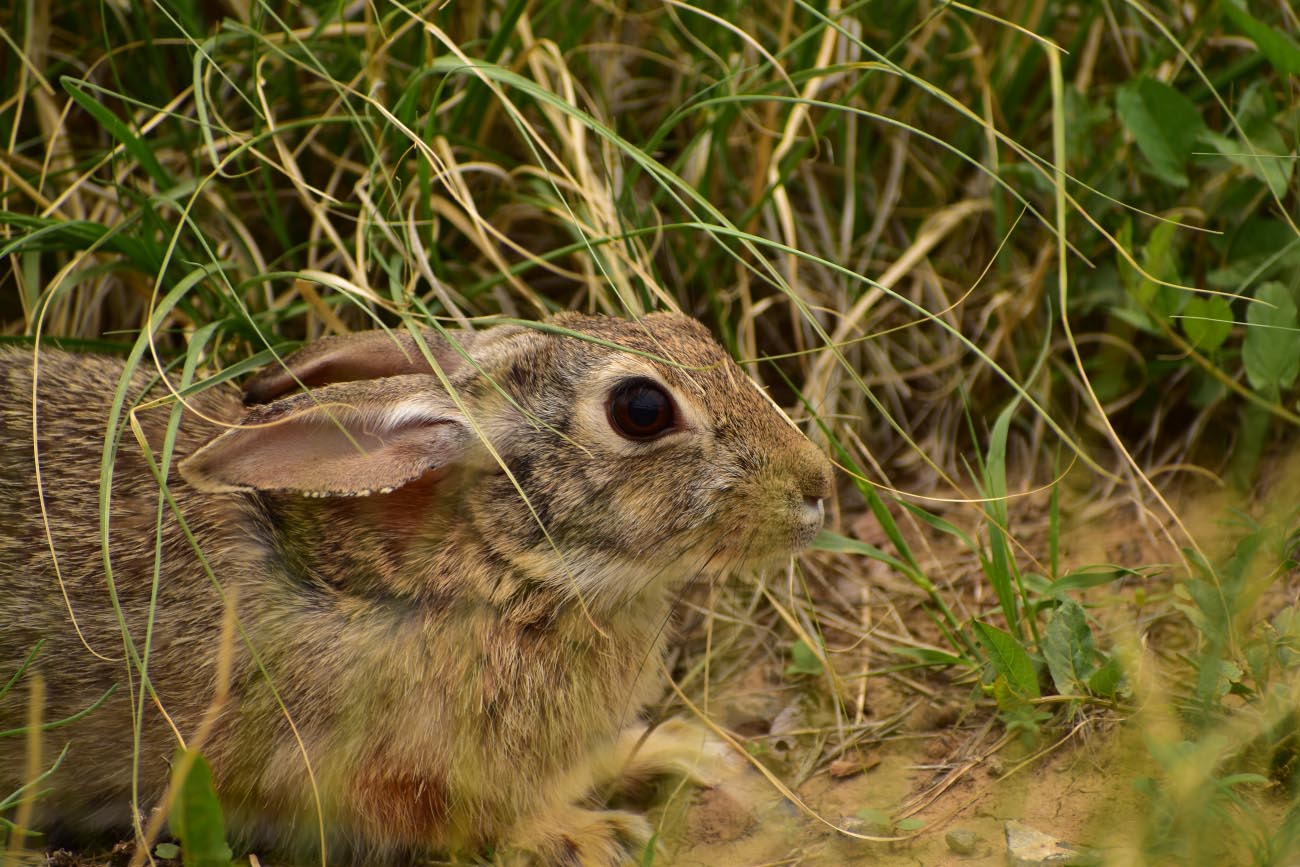
If a population grows too large, it can use up important resources.
Population growth is not always a good thing. Sometimes a population becomes too large for its environment to support. When this happens, there may not be enough food, water, or space for all the individuals, and the population can begin to suffer.
Changes in the environment can cause populations to increase. For example, if there are more plants than usual in an area, plant-eating animals may grow in number. If those animals increase, the animals that hunt them may also increase.
However, these increases can lead to problems. If a population grows too large, it can use up important resources. For example, if a population of rabbits becomes too big, they may eat too much grass and other plants. This can damage the habitat and reduce the food supply. Eventually, the rabbits may not have enough to eat, which can lead to starvation, disease, and a decrease in the population.
