

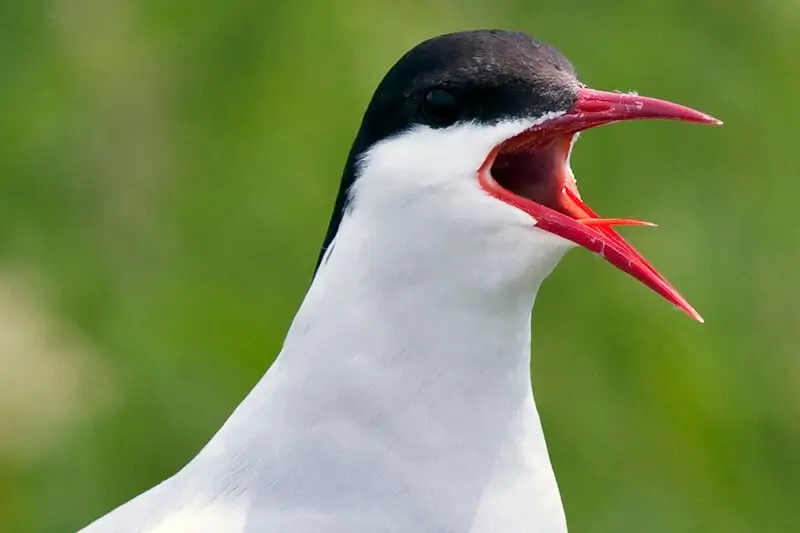
The robin-sized Arctic Tern travels 10,000 miles from pole to pole and back again every year.
The robin-sized Arctic tern makes one of the longest migrations of any animal, traveling more than 25,000 miles (40,233 km) each year from the Arctic to the Antarctic and back again.
In late summer and fall, Arctic terns leave the Arctic and begin a long journey south. They usually follow curved ocean routes, taking advantage of winds and food-rich waters as they move across the Atlantic and down toward the Southern Ocean near Antarctica.
In spring, they make the return trip north, often following different routes back to the Arctic for the breeding season.
Arctic terns spend most of their lives in flight or resting on the ocean. They feed by diving into the water to catch small fish and rarely stop on land during migration.
Because they experience summer in both hemispheres, they receive more daylight over the course of a year than almost any other animal.
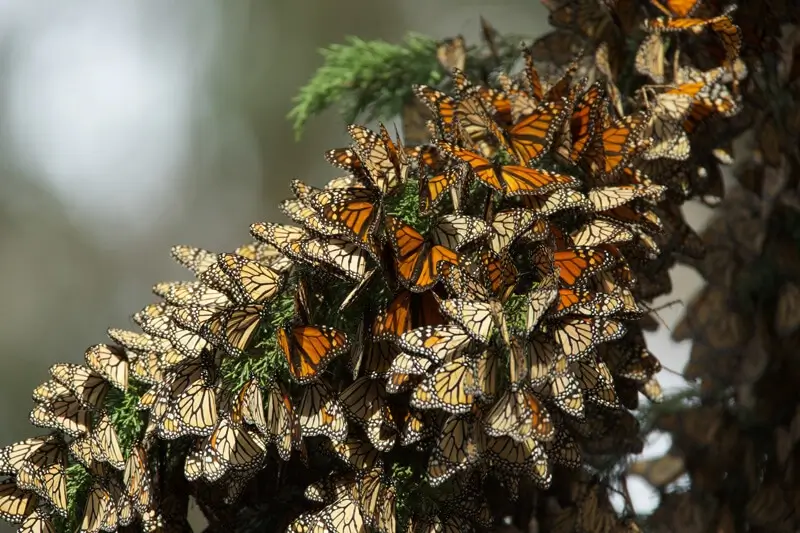
Most monarchs east of the Rocky Mountains overwinter in the Sierra Madres in central Mexico where they live in fir forests at high altitudes.
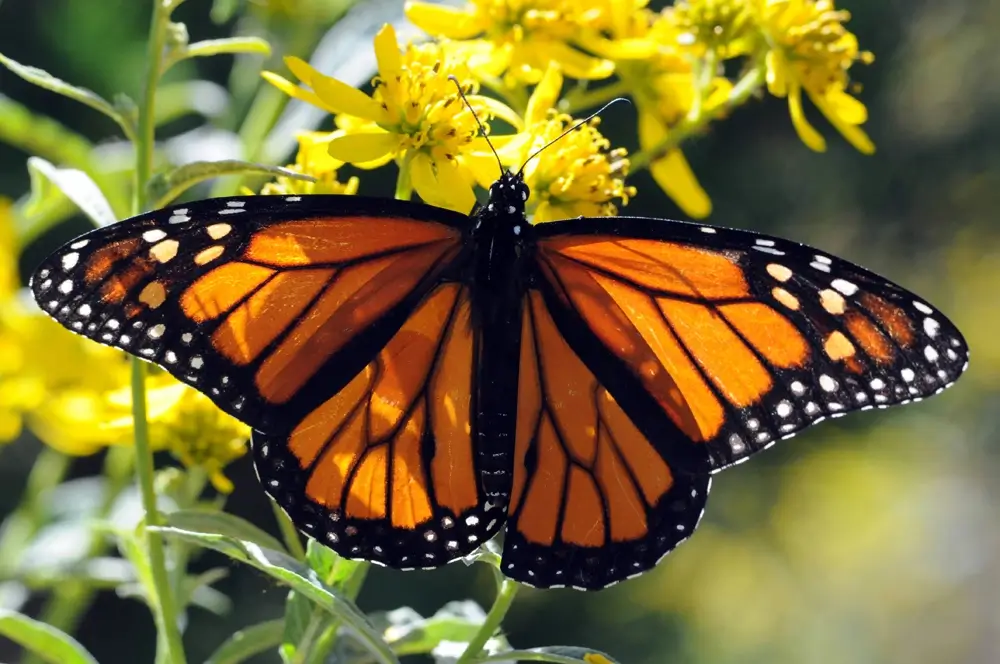
The monarch butterfly is a long-distance migrator. It travels both north and south each year, similar to many birds. However, unlike birds, no single monarch completes the entire round-trip migration. Instead, it takes several generations to complete the journey.
In the fall, monarchs in northern regions gather and begin migrating south. In North America, there are two main migratory populations. Most monarchs east of the Rocky Mountains travel to central Mexico, where they spend the winter in the cool fir forests of the Sierra Madre Mountains at high elevations.
Western monarchs migrate to coastal California, where they overwinter in groves of trees such as eucalyptus, pine, and cypress. In the spring, these butterflies move north again and reproduce along the way.
Monarch migration is like a relay race. The original butterfly dies during migration, but its offspring continue the journey north, and the cycle repeats each year.
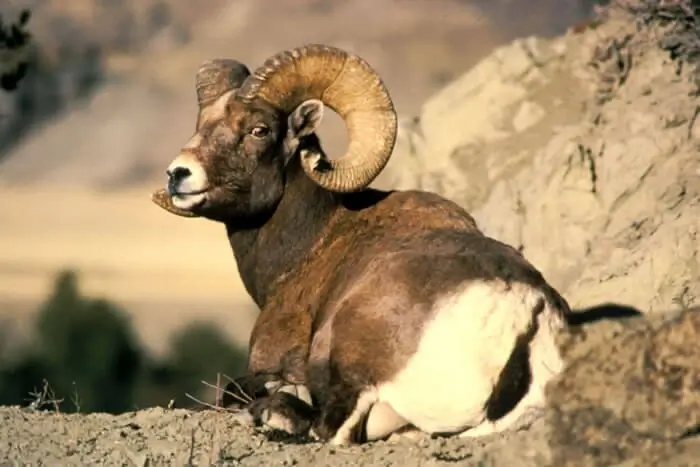
The bighorn sheep has tan or brown fur. It has a white belly, rump, and muzzle.
The bighorn sheep changes its home range seasonally, a behavior known as altitudinal (or vertical) migration. In warmer months, it moves higher up mountain slopes and alpine areas where fresh grasses and plants are abundant, and temperatures are cooler.
In colder months, it travels down to lower valleys where snow is less deep, temperatures are milder, and food is easier to find. This seasonal movement helps the sheep survive changing weather conditions and food availability throughout the year.
This strategy is common in many mountain-dwelling animals that move up and down in elevation rather than long distances across regions.
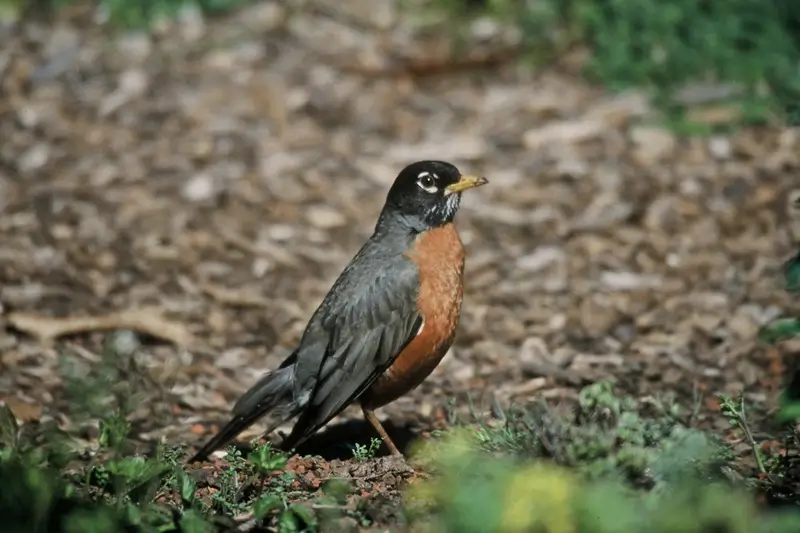
Some animals, like the American robin, may migrate or they may stay where they are, depending on where their home range is and how plentiful food is in the winter.
Some animals, like the American robin, may migrate or stay in the same area depending on where they live and how much food is available in winter.
Migration is the seasonal movement of animals to find better conditions, often warmer weather or more food. In northern regions, robins often migrate south when insects and fruit become scarce. But in milder climates, many robins stay year-round.
Some Canada geese migrate long distances, while others remain in areas where food and open water are available. White-tailed deer usually stay in one region but may move locally to find shelter and food.
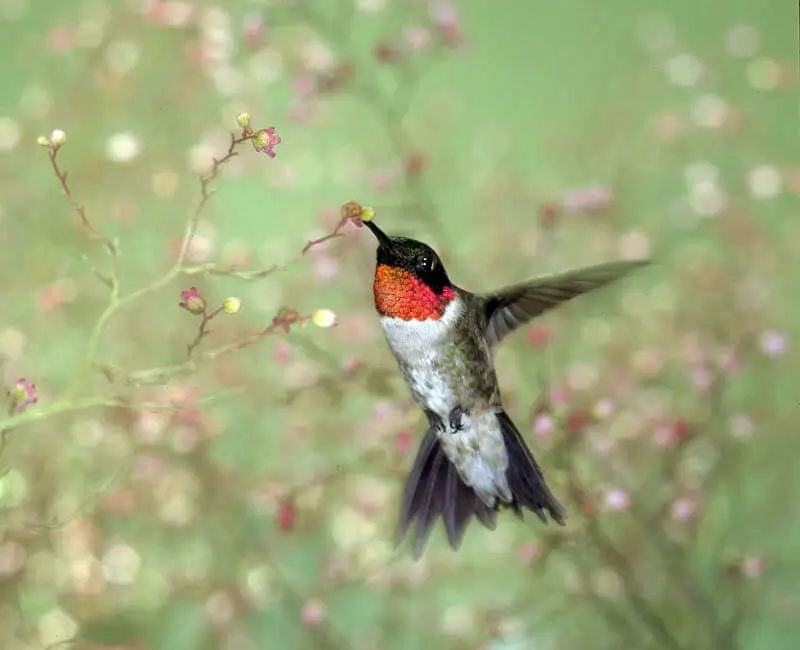
Migration can be hazardous for animals. They can face many barriers on the way to their destination.
Migration can be dangerous for animals because they face many obstacles along the way.
The ruby-throated hummingbird migrates from breeding areas in the eastern United States and Canada to wintering grounds in Central America. This journey often includes a long nonstop flight across the Gulf of Mexico.
During migration, they may face predators, storms, strong winds, and a lack of food. Human-made structures like tall buildings and communication towers can also be dangerous because birds may collide with them, especially at night. Because of these challenges, many hummingbirds do not survive the trip.
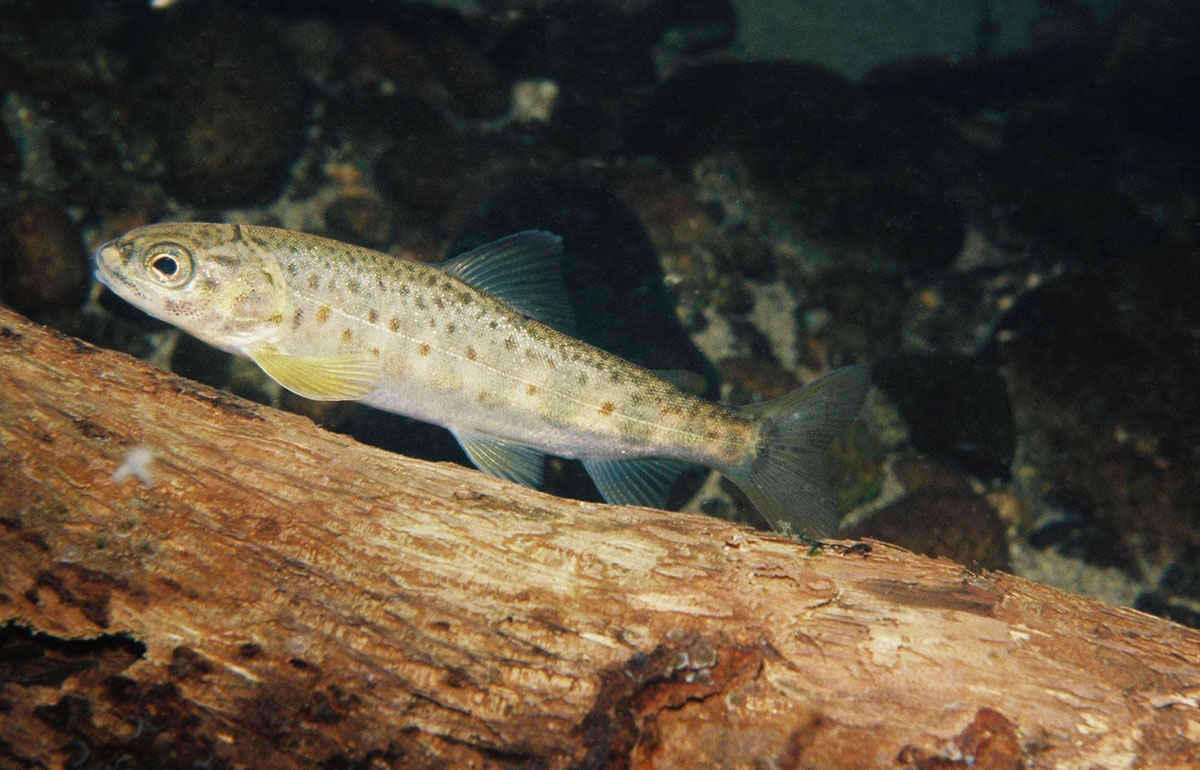
Juvenile Atlantic Salmon
People can strongly affect migrating animals by changing or blocking their habitats. When forests are cut down and wetlands are drained for farming or development, animals lose important resting and feeding areas along their migration routes. Dams built on rivers can also block fish migration, making it harder for species to reach breeding grounds.
For example, Atlantic salmon must travel from the ocean back into freshwater rivers to spawn, often facing obstacles like dams and waterfalls.
Migration is not a vacation for animals—it is a critical survival adaptation they rely on to find food, suitable climates, and safe places to reproduce.
