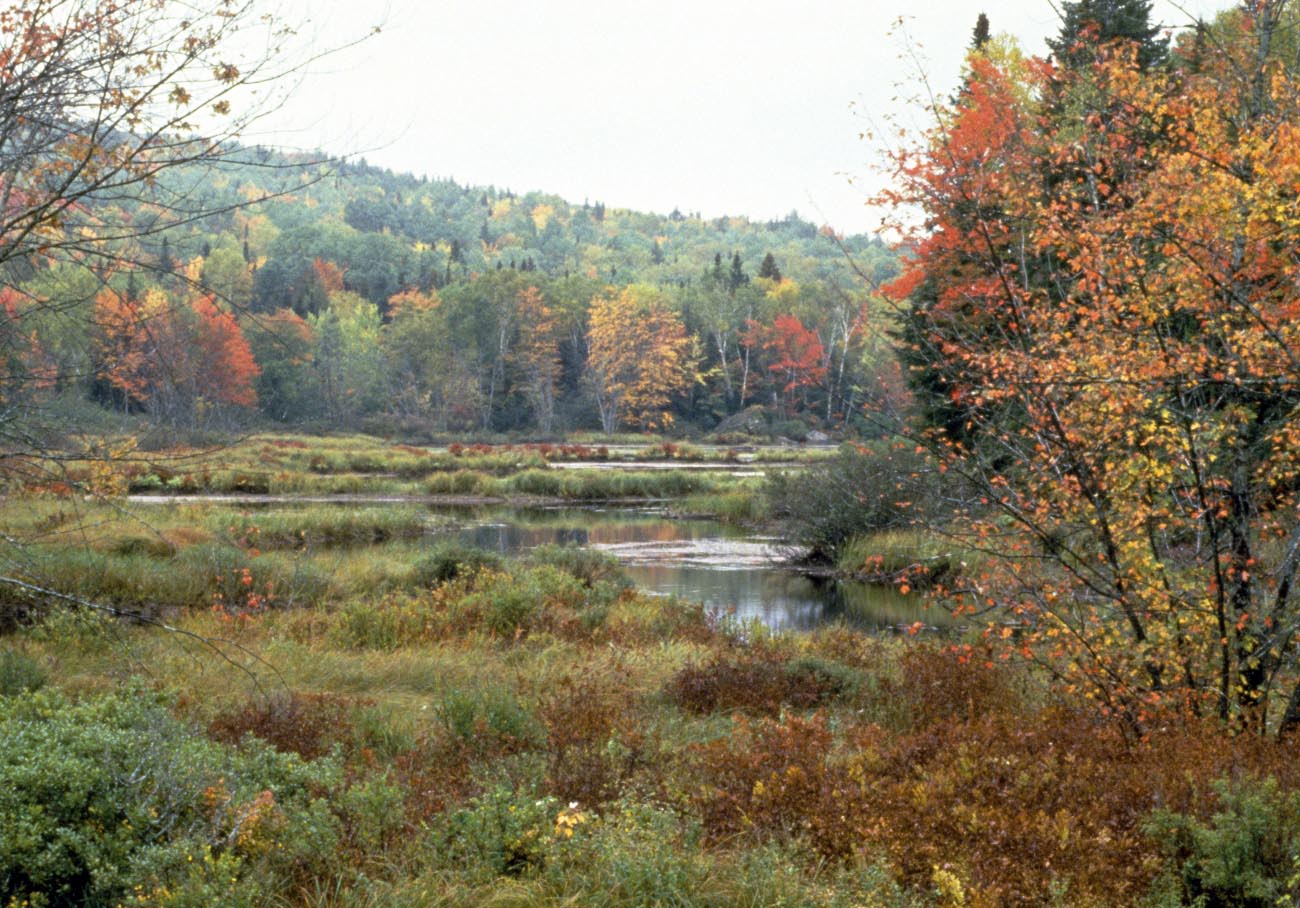
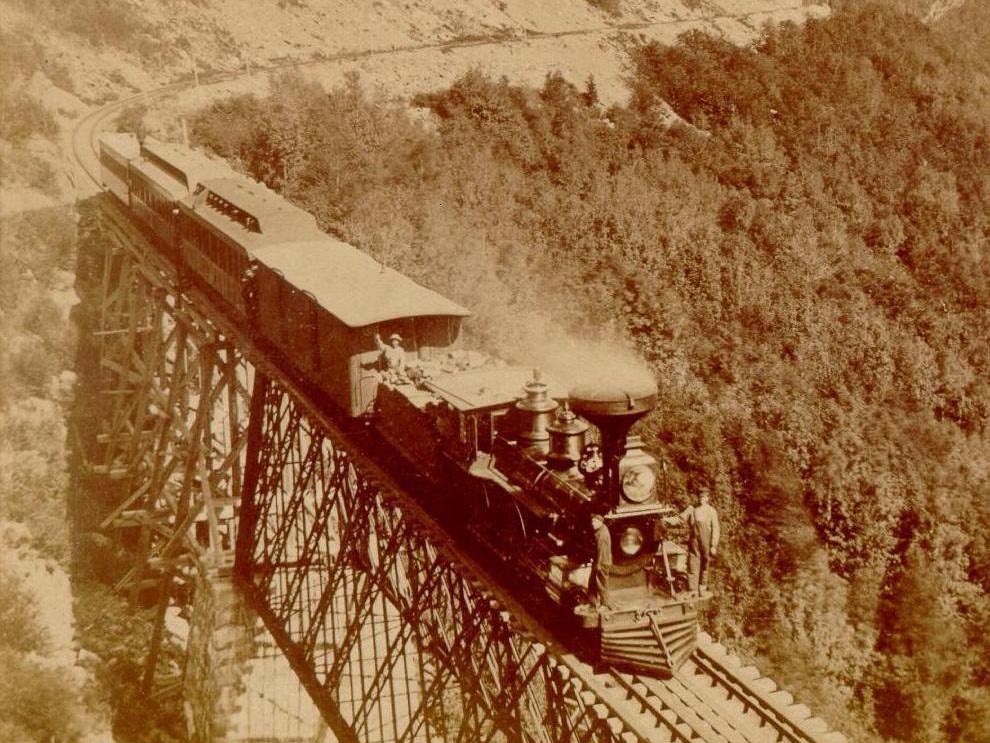
Pass of the Crawford Notch and Train
By the 1850s, about 70% of the land south of the White Mountains had been cleared of trees. The land in the northern part of the state had been left alone because it was too difficult to transport lumber from the mountains. The railroads changed that.
By 1851, the Atlantic and St. Lawrence railroad reached Gorham along the Androscoggin River, and other lines to the northern parts of the state quickly followed. Now that the forest of the north was accessible, logging interests began showing an interest in buying land. At that time, most of the land in the White Mountains was owned by the state. In 1867, Governor Harriman and the legislature sold the state’s White Mountain holdings to logging companies, and by 1890, the state no longer owned any forests.
The logging companies that came into the state clear-cut the northern forests, causing enough damage that a state commission was formed in 1881 to study the impact of logging. The sale of state forests to logging companies was not limited to New Hampshire. Up and down the East Coast, forests were disappearing as more and more land became privately owned.
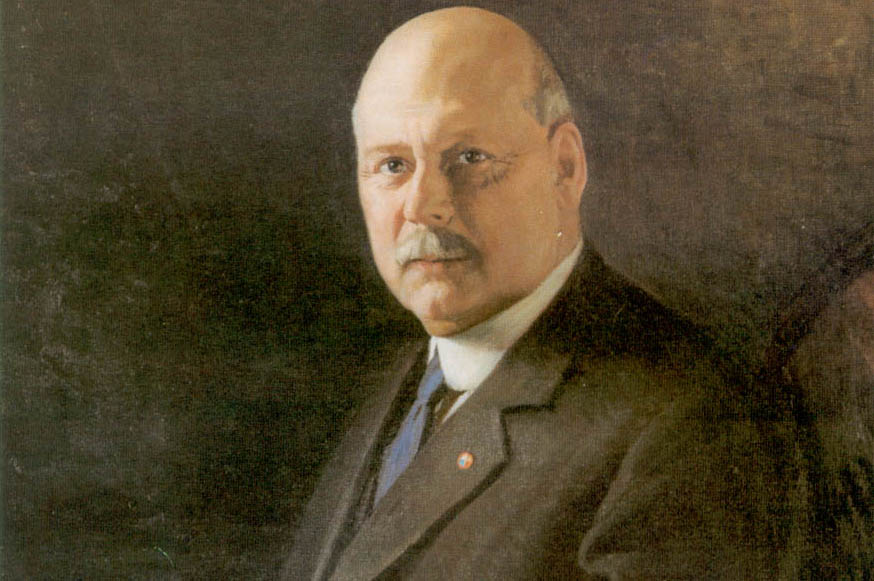
John Wingate Weeks, 1936
John Wingate Weeks, a U.S. congressman from Newton, Massachusetts, was born in Lancaster, New Hampshire. As he grew up and later worked in government, he became concerned about what was happening to forests in the eastern United States. By the late 1800s and early 1900s, many forests had been heavily logged, which led to problems like flooding, soil erosion, and damaged watersheds (the land areas that drain into rivers and streams).
Weeks helped lead the effort to pass the Appalachian-White Mountains Forest Reservation Bill. This law allowed the federal government to buy private land in the East to protect forests and watersheds. It was passed in 1911 and is sometimes called the Weeks’ Act or Weeks’ Law. Thanks to this law, places like the White Mountain National Forest were created and protected for future generations.
Weeks later served as a U.S. senator and then as Secretary of War from 1921 to 1925. After leaving government service, he returned to his childhood home on Mount Prospect in New Hampshire.
John Wingate Weeks died in 1926, and his home is now preserved as Weeks State Park.
In New Hampshire, the Society for the Protection of New Hampshire Forests (SPNHF) was established during the Conservation Movement. The SPNHF was started in 1901 by eight individuals who were concerned about clear-cutting in the White Mountains.
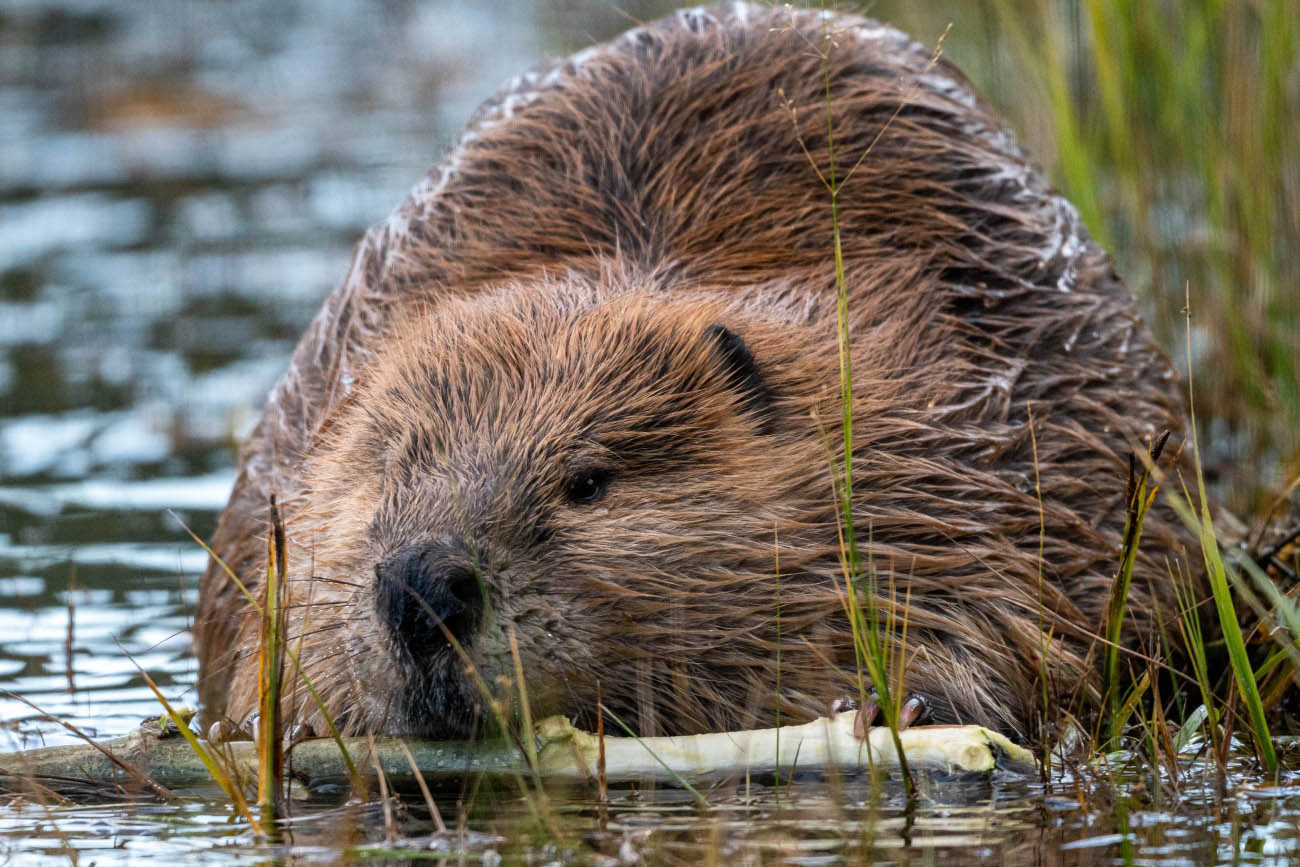
Over the next few years, the SPNHF successfully lobbied the state to purchase Crawford Notch and to appoint a state forester. In 1920, the SPNHF released two breeding pairs of beavers at Lost River. The beaver had been extinct in the state for 30 years due to trapping and people killing beavers because they thought they were a nuisance.
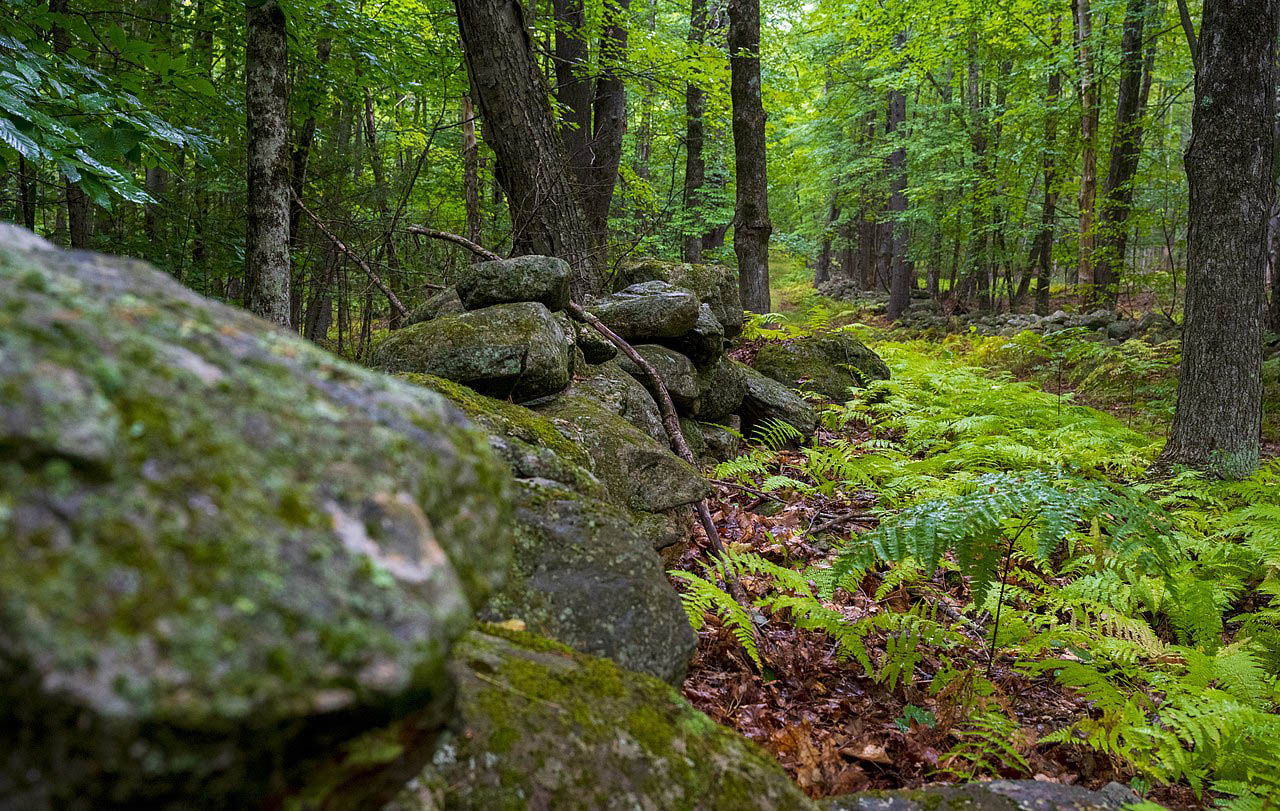
Stone wall in New Boston, NH.
New Hampshire has had forests for at least 2,000 years. But the trees you see in forests today are probably not more than 100 years old. When the first settlers came to New Hampshire in the 1600s, over 90% of the state was forested. The settlers cleared the land for farms and towns, and by the mid 1800s, only 45% of the state was forested, and most of that land was in the White Mountains.
Farming in New Hampshire was never easy; the land was hilly and rocky, and the soil was often poor. Farmers in the state were often able to farm just enough to support their families. In the mid 1800s, farms across New Hampshire were being abandoned for the promise of better land and more opportunities in the West and in the South. As farms were abandoned, the land was slowly taken over by trees and eventually woods and forests. In fact, it is not unusual to see old stone walls from those early farms when hiking in the woods in New Hampshire today.
Today, New Hampshire is second only to Maine in the percentage of forested land. Close to 85% of the state’s 5.7 million acres is forested. Forested land in the state is owned by private businesses and corporations (11%); local, state, and federal governments (18%); and by individual landowners (71%).