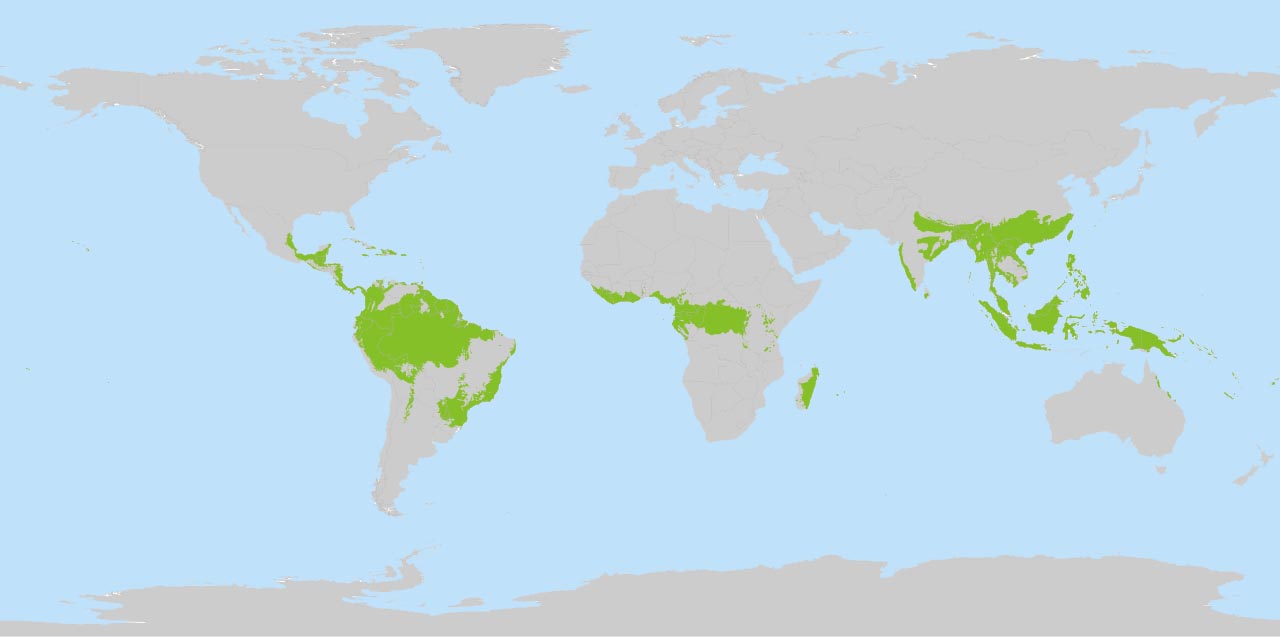
Tropical rainforests are found near the equator.
Tropical rainforests are found near the equator, where the climate is warm and wet all year. These regions receive a lot of rain—usually between 80 and 160 inches (200–400 cm) each year, though some areas can get even more.
Unlike places with four distinct seasons, tropical rainforests do not have big seasonal changes. Instead, they stay warm and humid year-round, with an average temperature of about 77–82°F (25–28°C).
About half of the world’s tropical rainforests are located in Central and South America. The rest are found in parts of Africa, Asia, and on islands in the Pacific Ocean.
These forests are some of the most biodiverse places on Earth, and are home to an incredible variety of plants and animals. Many species found in tropical rainforests cannot live anywhere else in the world.
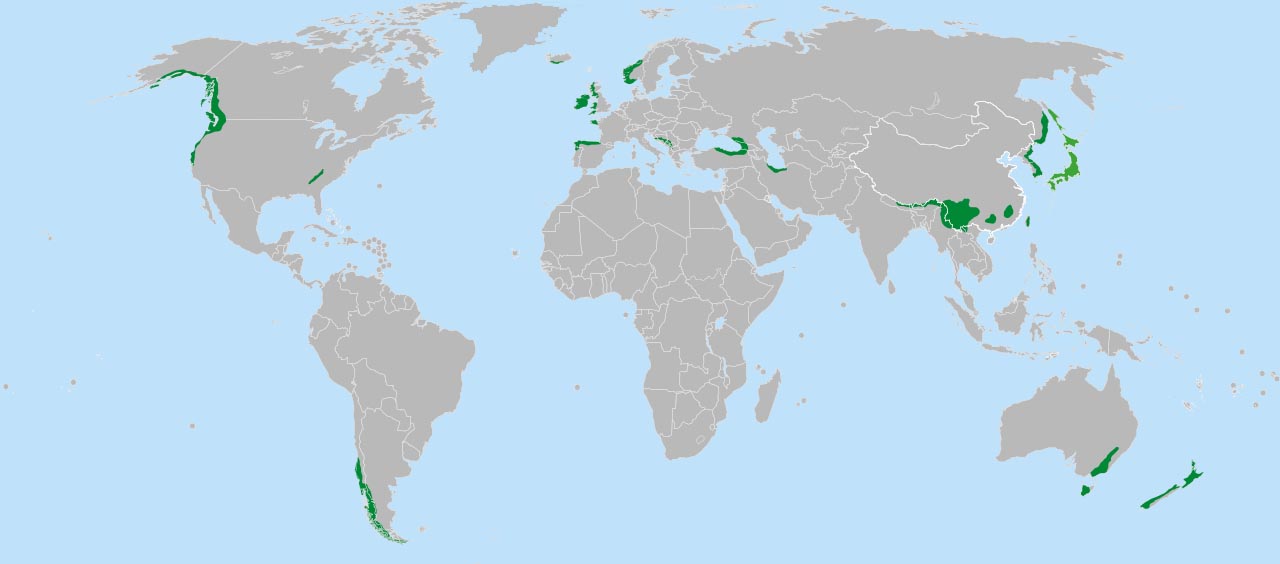
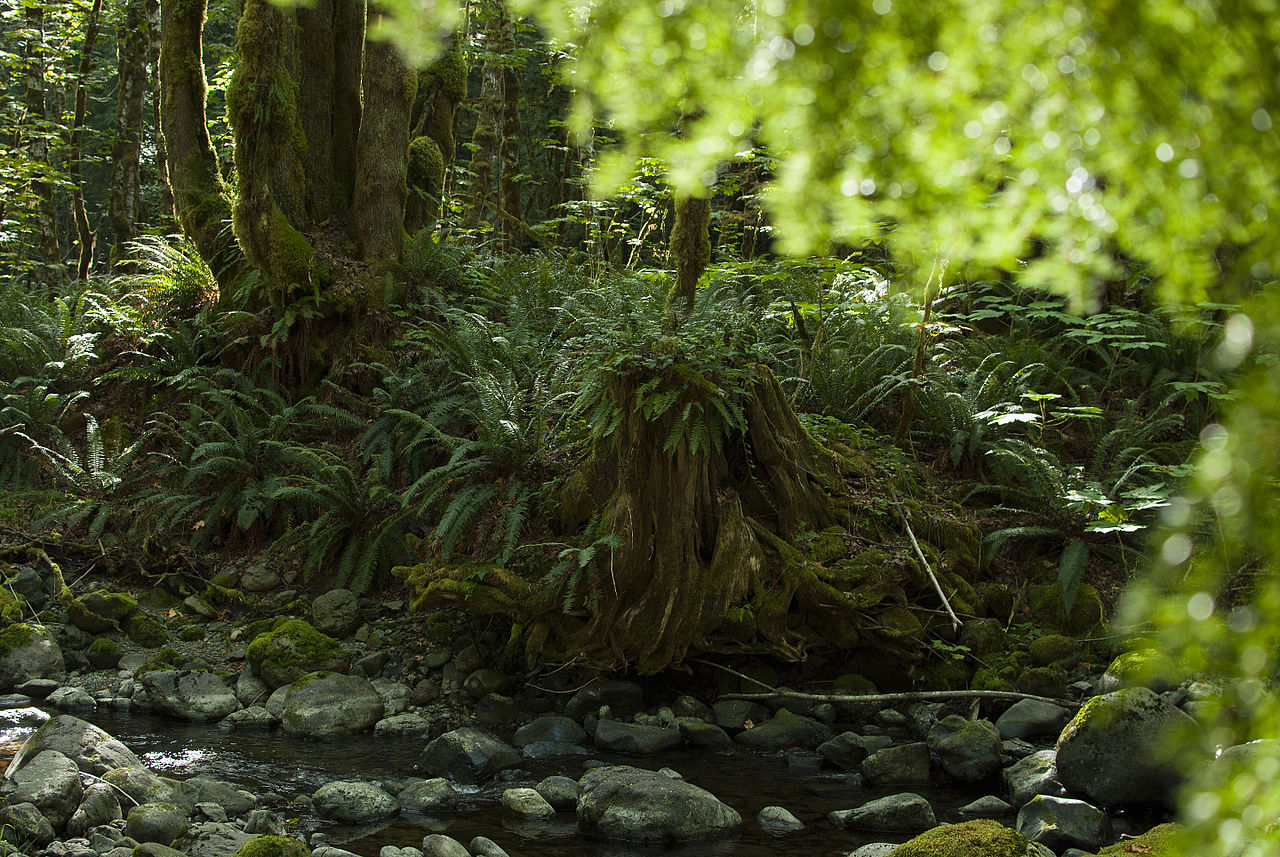
Temperate rainforests are found near coastlines.
Temperate rainforests are usually found near coastlines, where ocean air keeps the climate mild and wet. The largest temperate rainforest stretches for more than 1,000 miles (1,609.3 km) along the Pacific Northwest coast of North America, from northern California through Oregon, Washington, and British Columbia up to Alaska.
Smaller temperate rainforests are found in parts of Chile, Australia, New Zealand, Japan, China, Russia, and along the coasts of Norway, England, Scotland, and Ireland.
Because they are near oceans, temperate rainforests have cool temperatures and plenty of moisture. Many receive 60 to over 100 inches (152.4-254 cm) of precipitation each year, including both rain and fog. This damp, cool environment supports a wide variety of plants—such as mosses, ferns, and tall trees—and animals, making temperate rainforests some of the most diverse ecosystems in the world.
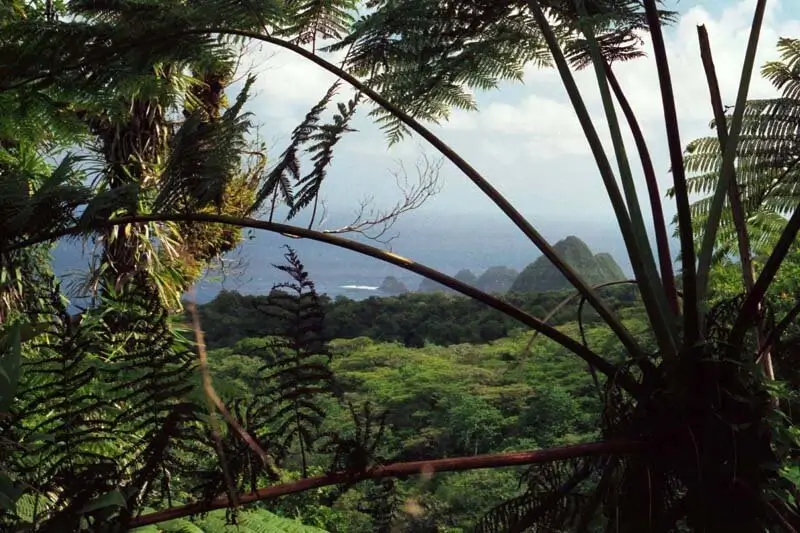
During the day, water in the rainforest evaporates and rises where it condenses and forms clouds above the trees. When enough water vapor collects in the clouds, it rains!
Rainforests recycle their water. During the day, water in the rainforest evaporates and rises. It then condenses and forms clouds above the trees. When enough water vapor collects in the clouds, it rains.
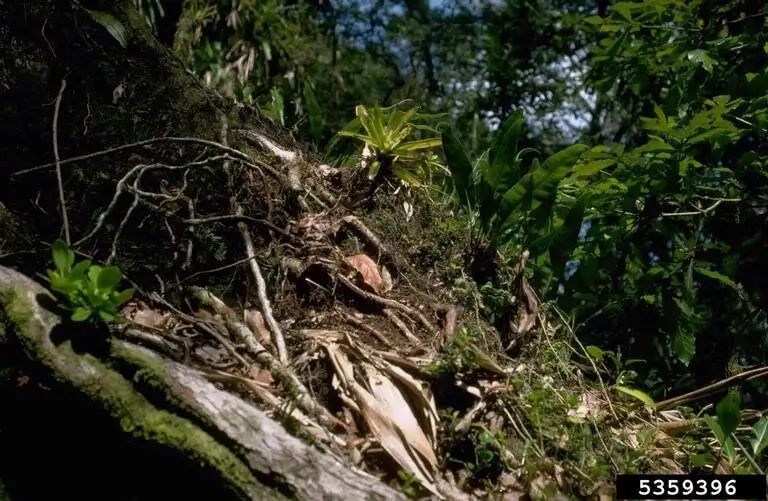
Tropical rainforests are warm and wet. The soil in the tropical rainforest is nutrient-rich.
Tropical rainforests are warm and wet. The soil in the tropical rainforest is nutrient-rich. The warm, wet conditions cause vegetation and animals to rot very quickly once they’ve died. Decaying plants and animals get recycled back into the soil.
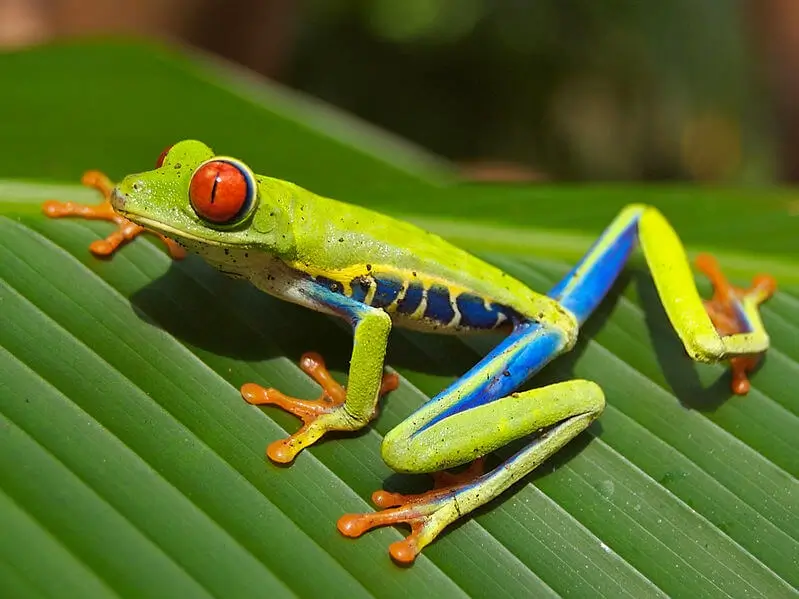
More than half of the world's species live in tropical rainforests. (Red-eyed Tree Frog)
More than half of the world’s species live in tropical rainforests, and some scientists estimate that the number could be as high as 90 percent. The warm temperatures and high levels of moisture in tropical rainforests create ideal conditions for supporting an extraordinary diversity of plant and animal life.
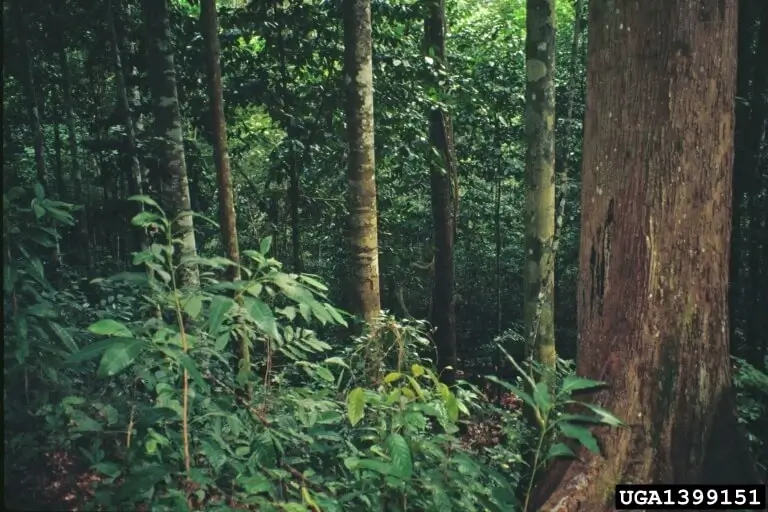
Trees in the tropical rainforest can grow very tall.
Trees in the tropical rainforest can grow very tall. Their leaves are usually thick and have pointed “drip tips” that help rainwater run off easily. Tree trunks are often wide with flared bases, which help support the tall trees in shallow, wet soil.
The bark is typically thin and smooth. Some trees also develop roots that grow above the ground to help them stay stable and absorb nutrients.
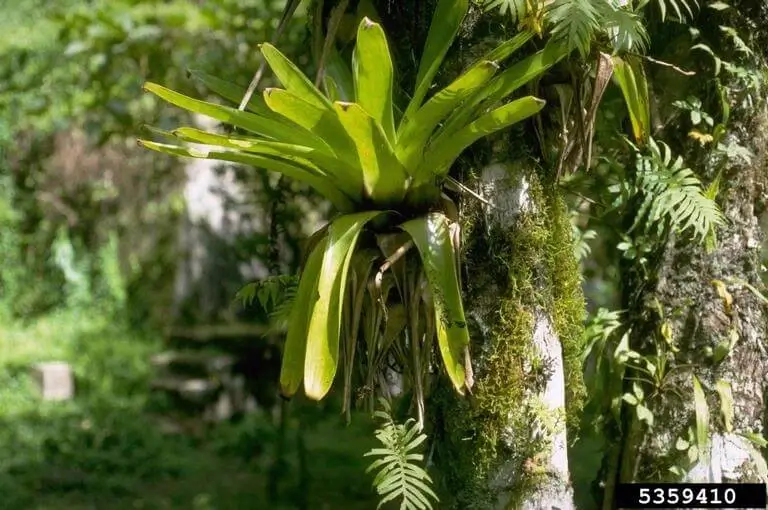
The tropical rainforest is also home to bromeliads.
The tropical rainforest is also home to bromeliads, special plants that can collect water in the center of their leaves. These leaf “cups” hold rainwater and form small, natural pools high up in the trees.
These tiny water pools can support their own miniature ecosystems. Many different organisms live in them, including bacteria, insects, crustaceans, tadpoles, and frogs. In some cases, even small birds or other animals may visit the pools to drink water or search for food.
Because bromeliads create their own little habitats, they play an important role in helping increase biodiversity in the rainforest canopy.
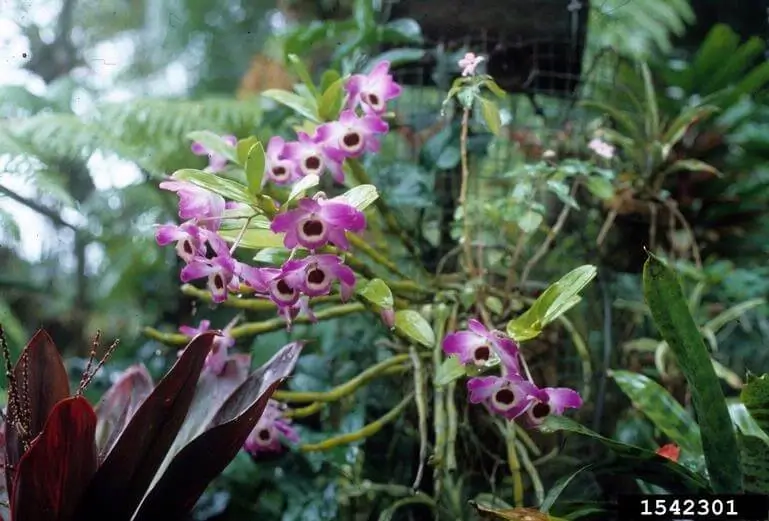
The rainforest is also home to epiphytes.
The rainforest is also home to Epiphytes. Epiphytes do not grow in soil; instead, they grow on other plants, usually trees. They obtain nutrients and moisture from the air, rain, and accumulated debris around them rather than from the ground. Ferns, lichens, mosses, orchids, and bromeliads are all examples of epiphytes.
The tropical rainforest is also home to Nepenthes, commonly known as pitcher plants. Unlike epiphytes, pitcher plants grow in soil. They have specialized leaves that form cup- or pitcher-shaped structures that collect rainwater. These pitchers trap insects, which the plant then uses as a source of nutrients.