

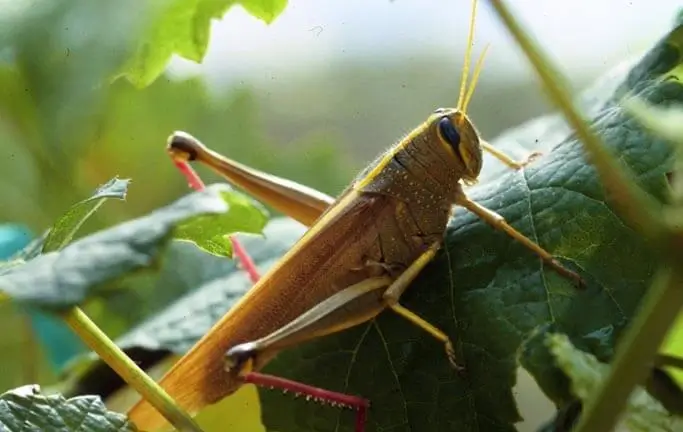
There are over 9 million species of animals found on Earth. They range from tiny organisms made up of only a few cells, to the polar bear and the giant blue whale. All of the organisms in this kingdom are multicellular and heterotrophs – that means they rely on other organisms for food.
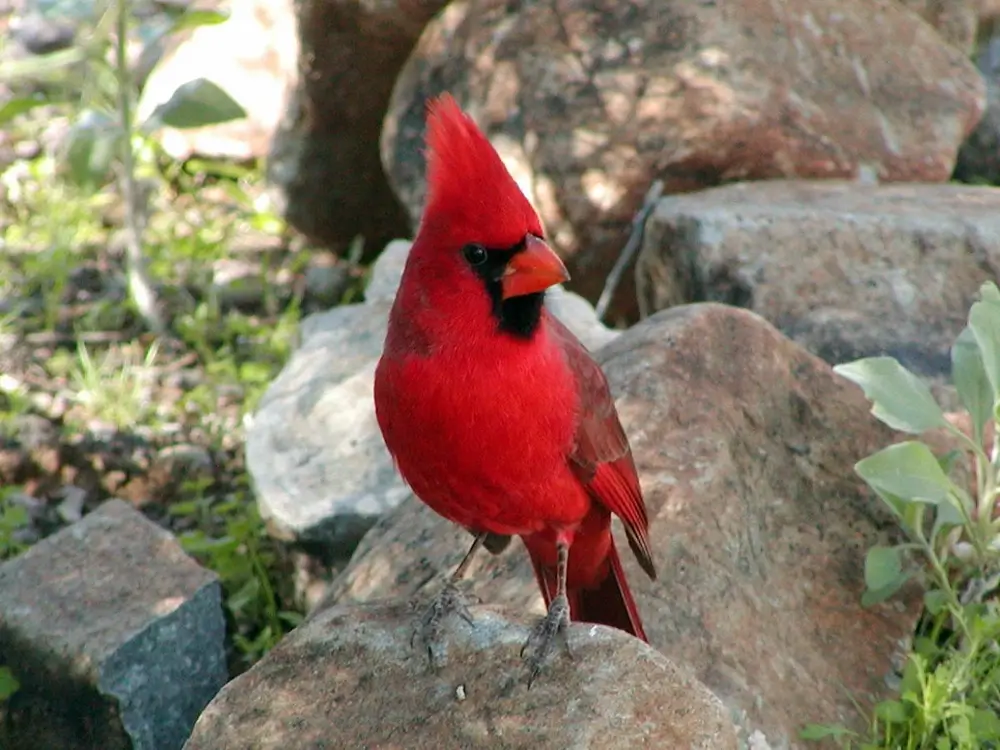
Chordata are animals that are symmetrical. This means that their left sides and their right sides are alike. At some point in their lives, all chordata also had or have gill slits. (Yes, even humans! When humans are embryos they have gill slits, which eventually turn into lungs.) Chordata also have a skeleton of some type at some point in their lives. The chordates include mammals, birds, reptiles, amphibians, and fish.
Some people think all chordates have backbones, but they don’t. Lanclets are in the chordata phylum. They are small, fish-like marine animals without skeletons. Tunicates are also in the chordata phylum. Tunicates are small, tube-like filter-feeding marine animals without skeletons. Seasquirts are tunicates.

Mammals are animals that have hair, three middle ear bones and produce milk for their young.
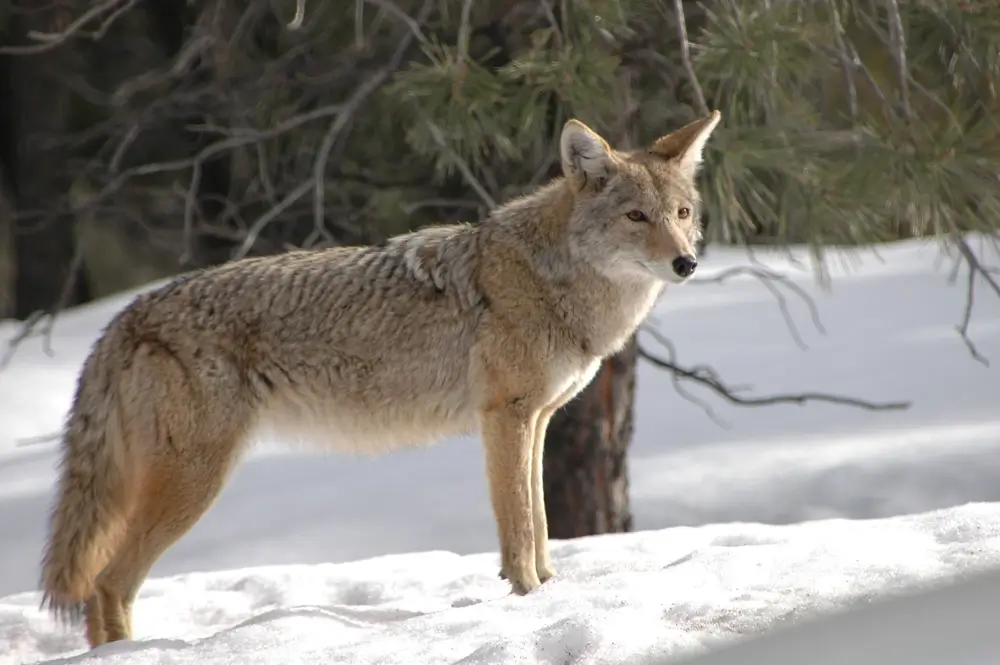
Animals in the carnivore order usually eat meat, so they have strong jaws and sharp teeth. Most animals in this order eat meat, although some, like the raccoon, eat meat and plants and some don’t eat meat at all. Animals in this order include American minks, fishers, long-tailed weasels, red wolves, black bears and raccoons.
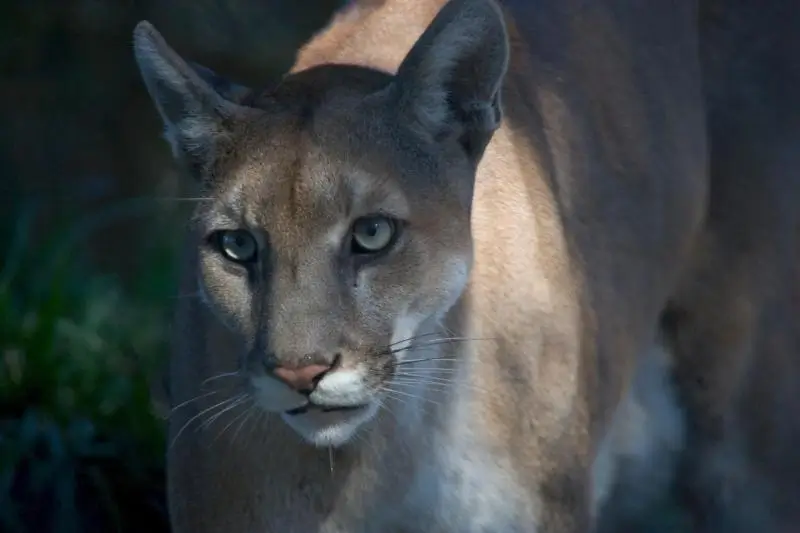
The Florida panther population is limited to a very small area.
The felidae are the cats. They are meat eaters and hunters. Animals in this family include tigers, lions, cougars, bobcats, Canada lynx, Florida panthers, jaguars, jaguarundis, margays, ocelots, leopards, cheetahs, and domestic cats.
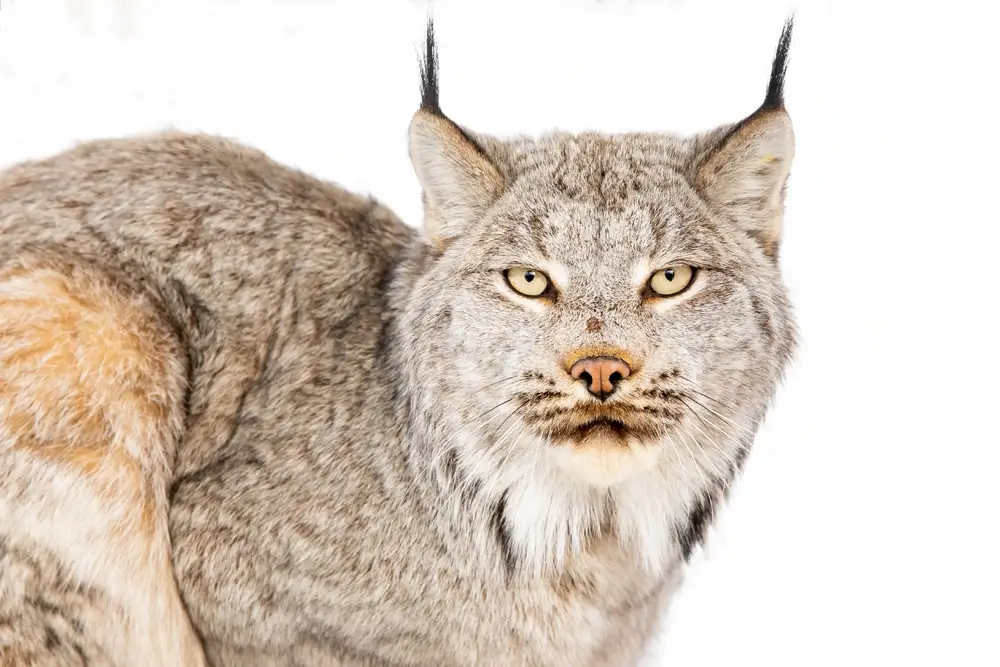
The Canada lynx has large ears with long black tufts at the ends.
The lynx genus includes the bobcat and the Canada lynx, animals that are very similar but not exactly the same.
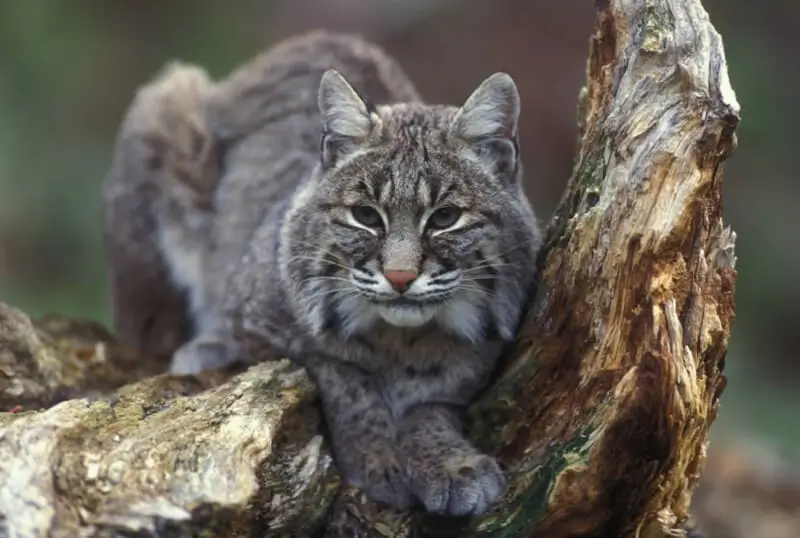
A Bobcat
This is the bobcat. Its Latin name is Lynx rufus.