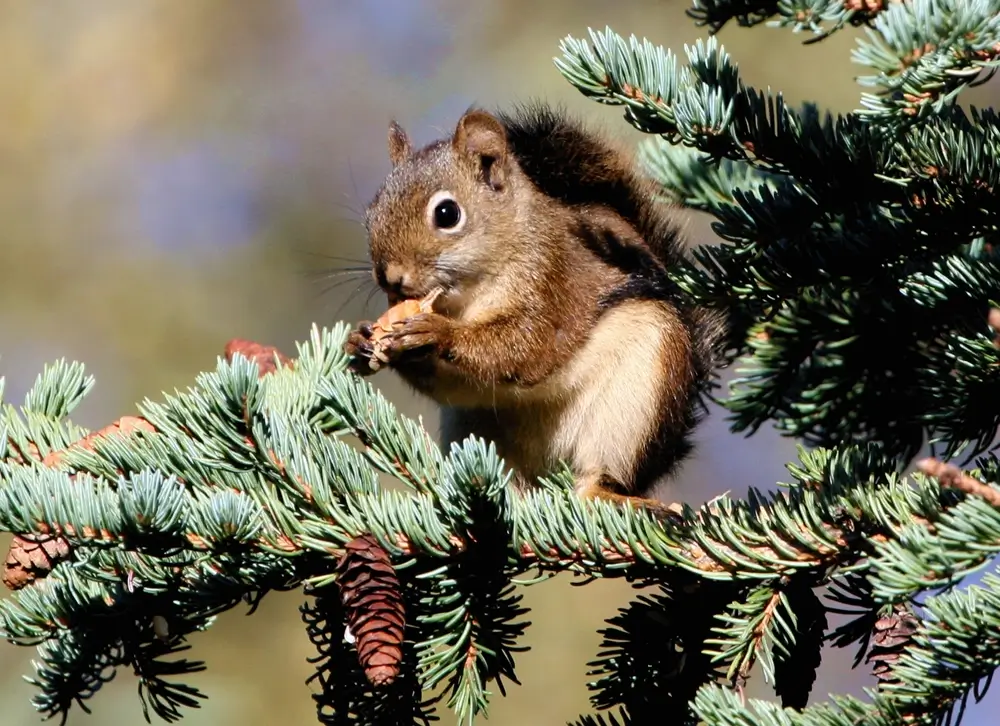
Animals like squirrels are called consumers because they get their energy by eating other living things.
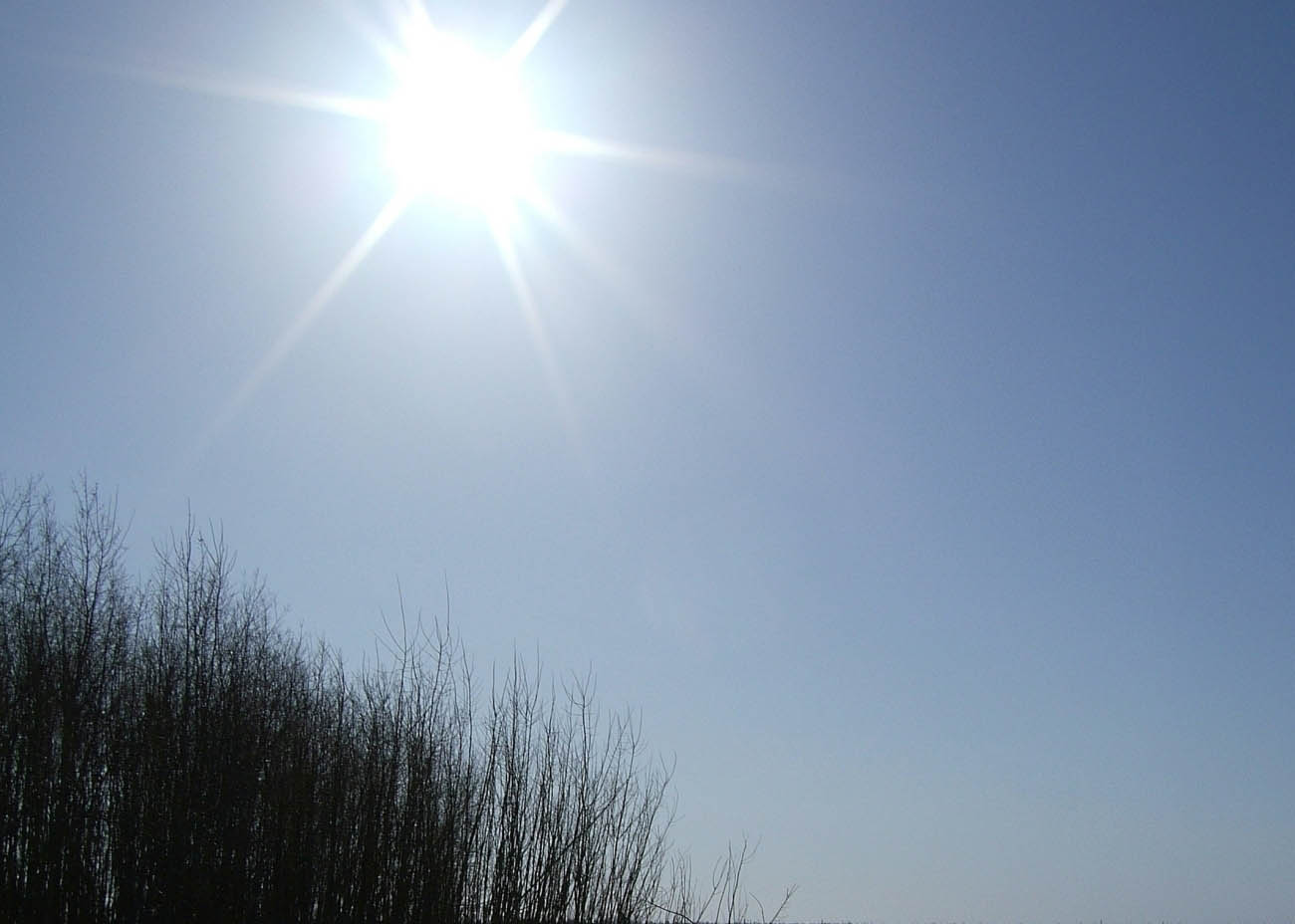
The Sun is the starting point of the wildlife web. It shines down on plants, giving them the energy they need to grow through a process called photosynthesis. These plants are called producers because they make their own food using sunlight.
Next, a squirrel eats the plant’s seeds. The seeds contain stored energy from the Sun, which the squirrel uses to grow, move, and survive. Animals like squirrels are called consumers because they get their energy by eating other living things.
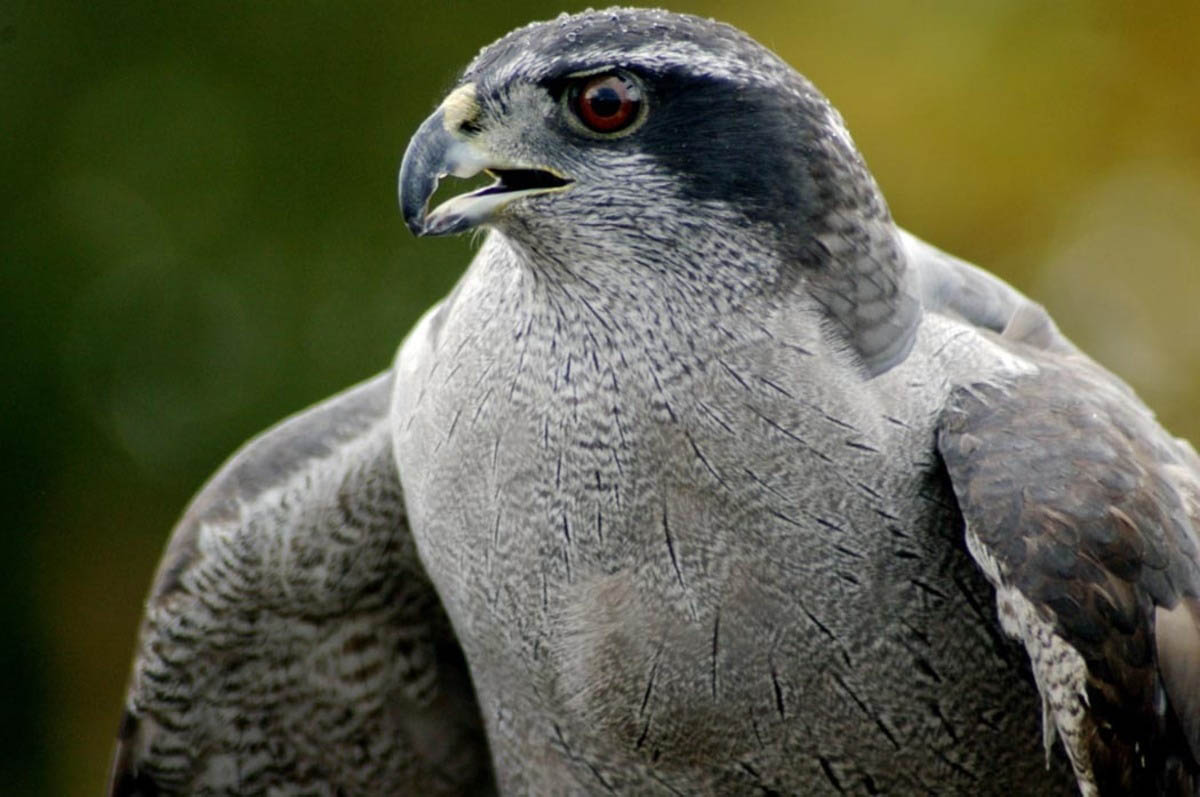
Then, a goshawk hunts and eats the squirrel. By doing this, the goshawk gains the energy that was passed along from the plant to the squirrel. This shows how energy moves through a food chain—from the Sun to plants, then to animals.
When the goshawk eventually dies, its body is broken down by decomposers like fungi and bacteria. These decomposers return important nutrients to the soil. The nutrients help new plants grow, and the cycle begins again.
This continuous movement of energy and nutrients is what makes up a wildlife web, connecting all living things in an ecosystem.
When squirrels and goshawks die, their bodies break down through decomposition. This process returns nutrients to the soil, making it richer and healthier.
Plants play a central role in the Wildlife Web because they are the foundation of most ecosystems. They produce their own food through photosynthesis and provide energy for nearly all other living things, either directly or indirectly.
Plants produce seeds that are an important food source for squirrels. If there were too many squirrels, they could eat too many seeds, making it harder for new plants to grow and spread. This is why the goshawk is important—it helps keep the squirrel population in balance, which protects the plant community.
Squirrels also help plants. As they collect seeds, they store some just below the ground, and they drop or forget others. These “lost” seeds often grow into new plants in different places. In this way, squirrels help plants spread and reproduce.
The connection continues even after death through decomposition. This process returns nutrients to the soil, making it richer and healthier. Stronger soil helps new plants grow, continuing the cycle of life.
Together, plants, animals, and decomposers form a connected system where each part depends on the others. Plants are especially important because they support the entire Wildlife Web from the ground up.