

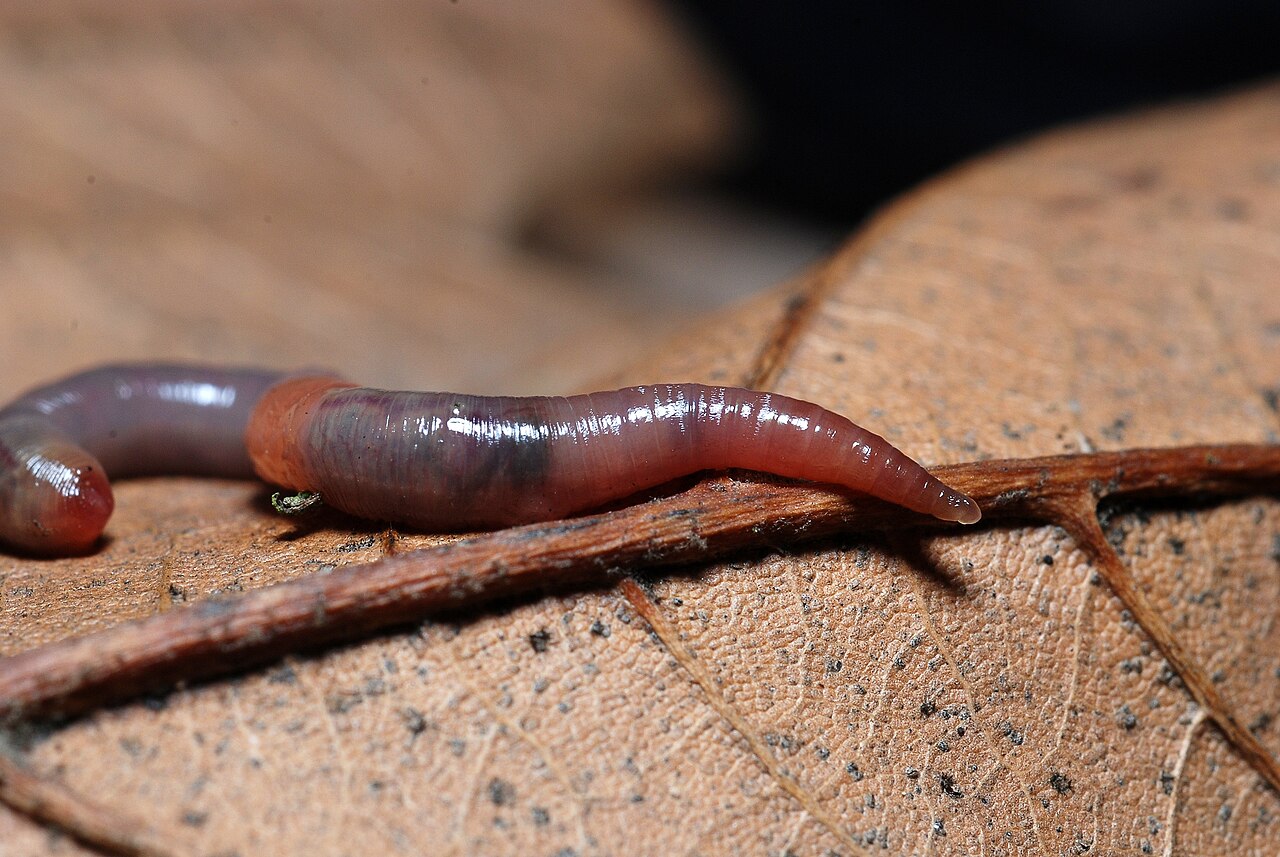

Some ruminants like moose, sheep, and deer have bacteria in their stomachs that help them digest plants.
Bacteria can be found almost everywhere. They live in water, in the air, on land, and even inside your body. Bacteria are prokaryotic, which means they are simple cells that do not have a nucleus or mitochondria like more complex cells do.
Bacteria are some of the smallest forms of life on Earth. In fact, there may be up to 100 million bacteria in your body right now! Some bacteria are harmful and can cause diseases such as typhoid and cholera, but many bacteria are helpful.
Some animals, like moose, sheep, and deer, have special bacteria in their stomachs that help them break down tough plant material. Helpful bacteria also live in your digestive system and help fight off harmful bacteria. Bacteria are also useful to people in other ways—they help turn milk into cheese, cucumbers into pickles, and cabbage into sauerkraut.
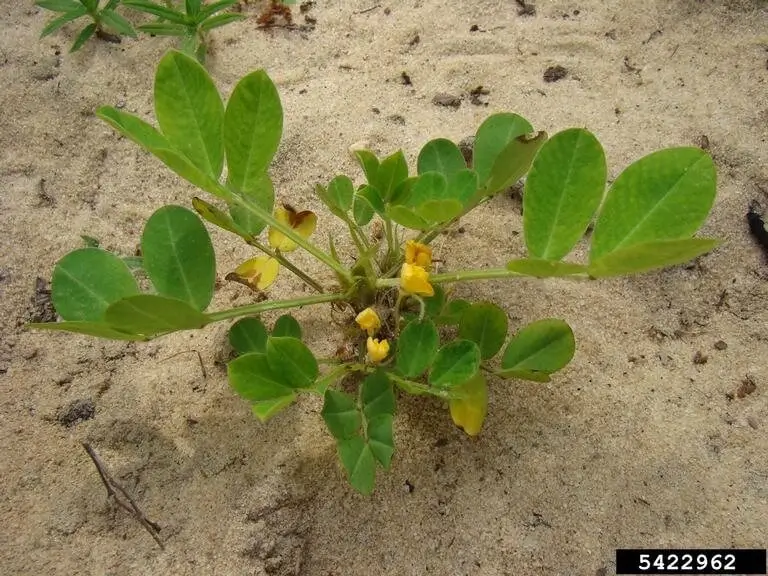
Most species of legumes (alfalfa, lentils, beans, chick-peas, peas, peanuts) and bacteria have a symbiotic relationship.
Most legumes—such as alfalfa, lentils, beans, chickpeas, peas, and peanuts—have a special relationship with a nitrogen-fixing bacterium called rhizobium. This is a type of symbiotic relationship, where both living things benefit.
The rhizobium bacteria live in the roots of these plants. They enter tiny root hairs and help form small bumps called root nodules. Inside these nodules, the bacteria do something very important: they take nitrogen gas from the air and change it into a form called nitrates. Plants need nitrates to make proteins and grow.
The plants benefit because they get the nutrients they need, and the bacteria benefit because they get food and a safe place to live. Some of the nitrates also stay in the soil, which helps other plants grow better.
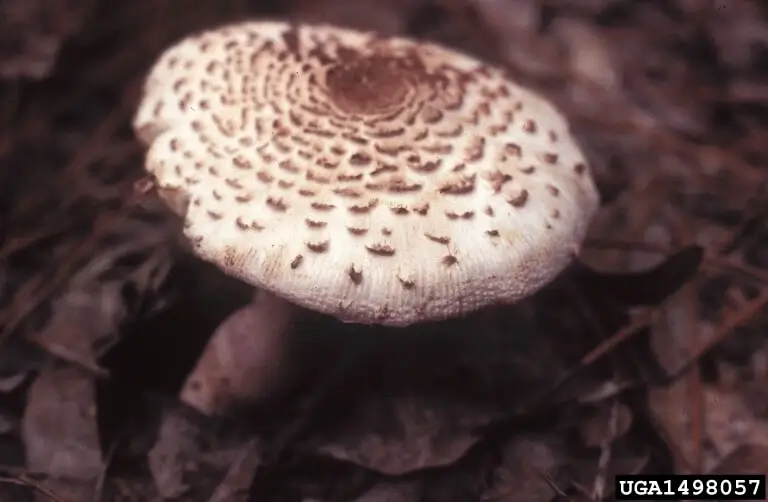
Fungi like mushrooms, mildew, mold, and toadstools are not plants.
Fungi such as mushrooms, mildew, mold, and toadstools are not plants. They do not contain chlorophyll, so they cannot make their own food through photosynthesis. Instead, fungi release enzymes that break down dead plants and animals. They then absorb nutrients from the organisms they decompose.
There are over 50,000 known species of fungi, and most of them are very small—many can only be seen with a microscope. Fungi can be helpful in many ways. For example, penicillin and other antibiotics are made from fungi.
Some fungi, such as mushrooms, truffles, and yeast, are edible or used in food production. However, other fungi can be harmful and cause diseases or food spoilage.
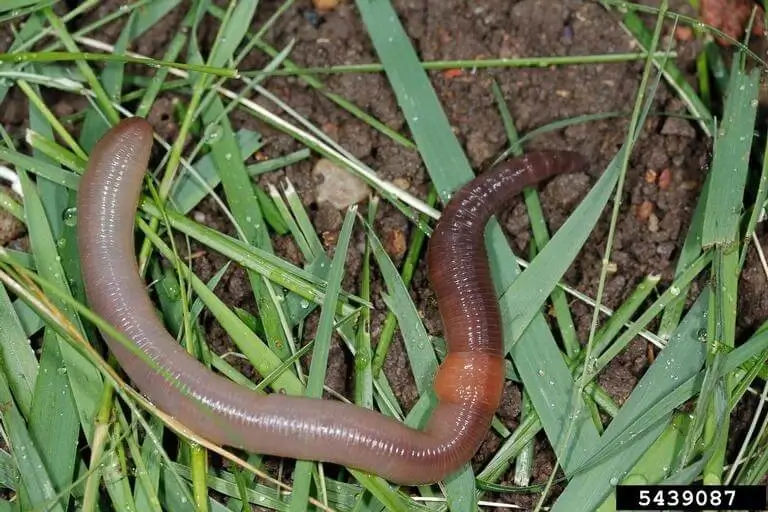
There are over 1,800 species of earthworms.
There are over 1,800 species of earthworms. Earthworms are hermaphroditic, meaning each one has both male and female reproductive organs.
Earthworms need moist environments to survive. If their skin dries out, they can’t breathe properly or move through the soil, and they can die.
Earthworms feed on dead plants and animals. As they eat, they also ingest soil and tiny bits of rock. Inside their bodies, they absorb nutrients from microorganisms found in the decaying material. The remaining waste is released as casts, which are small clumps of soil. These casts are rich in nutrients such as nitrogen, phosphorus, and potassium, which help plants grow.
In addition to recycling nutrients, earthworms help improve soil by loosening it as they burrow. This allows air and water to move more easily through the soil, creating better conditions for plant growth.
