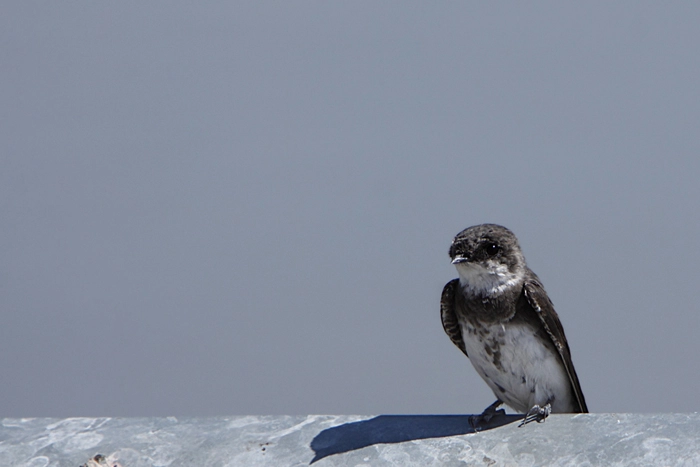
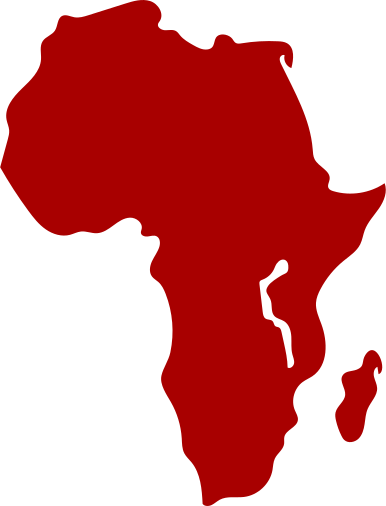
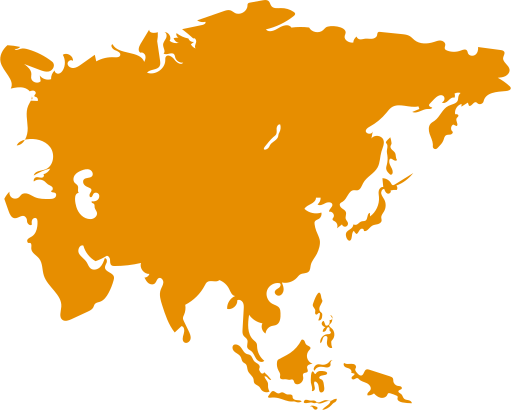
There are about 89 species in the Hirundinidae family, which includes swallows and martins. Members of this family are found on every continent except Antarctica.
They have short, wide bills, short legs, and small, weak feet. Their bodies are slender, with long, pointed wings that make them excellent fliers.
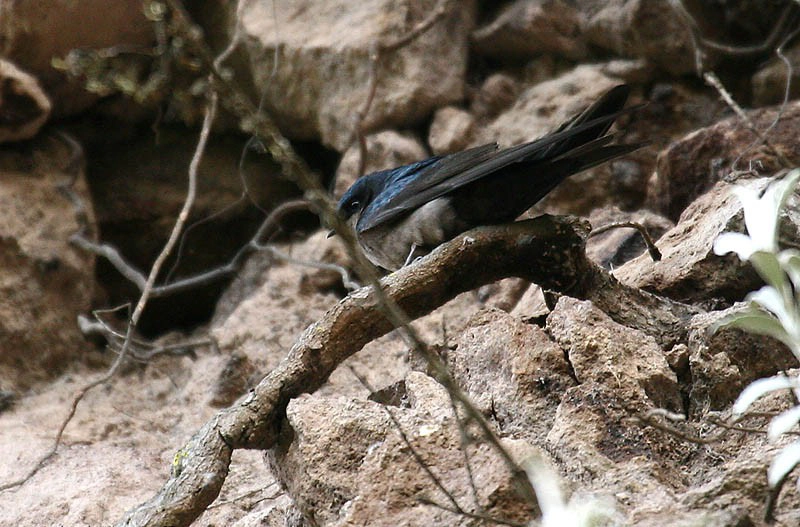
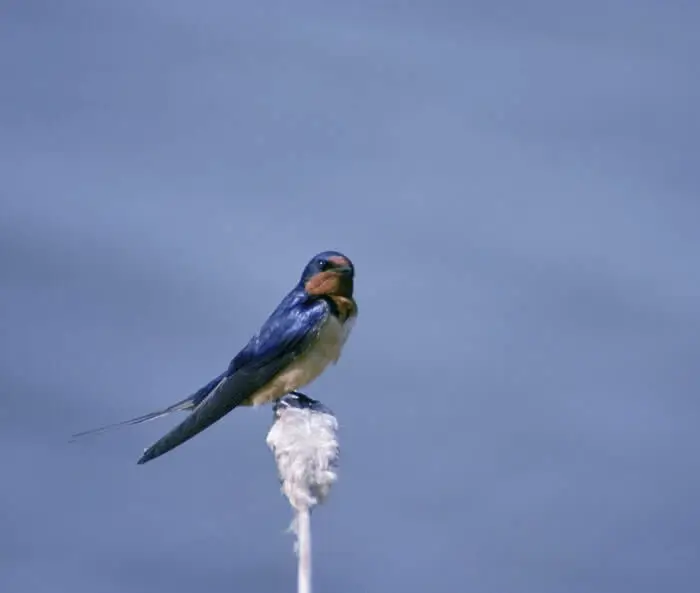
Many species have long, forked tails and glossy upperparts with a metallic sheen that contrasts with their paler undersides.
Most species measure between four and nine inches (10–23 cm) in length. In many species, males and females look similar.
Swallows and martins feed primarily on insects, which they catch in flight. Some species, such as the barn swallow, have adapted well to living alongside humans and often build their nests in barns and other structures.
Most species are social and gather in flocks, and all swallow and martin species that breed in North America migrate south for the winter.
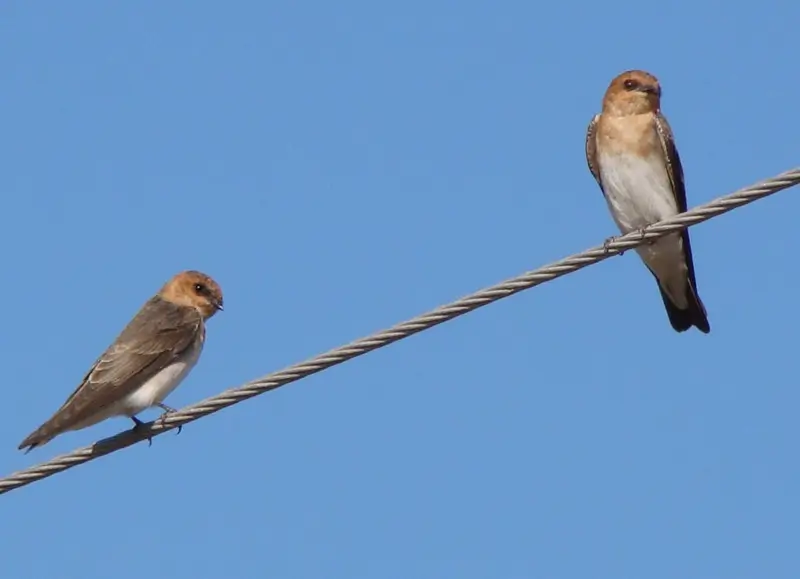
Tawny-headed Swallow (Alopochelidon fucata)
The Tawny-headed Swallow is found in Argentina, Bolivia, Brazil, Colombia, Paraguay, Peru, Uruguay, and Venezuela. IUCN Redlist Status: Least Concern
Forest Swallow (Atronanus fuliginosus)
The Forest Swallow is found in Cameroon, Congo, Equatorial Guinea, Gabon, and Nigeria. IUCN Redlist Status: Least Concern
White-banded Swallow (Atticora fasciata)
The White-banded Swallow is found in Bolivia, Brazil, Colombia, Ecuador, French Guiana, Guyana, Peru, Suriname, and Venezuela. IUCN Redlist Status: Least Concern
Black-capped Swallow (Atticora pileate)
The Black-capped Swallow is found in El Salvador, Guatemala, Honduras, and Mexico. IUCN Redlist Status: Least Concern
White-thighed Swallow (Atticora tibialis)
The White-thighed Swallow is found in Bolivia, Brazil, Colombia, Ecuador, French Guiana, Guyana, Panama, Peru, Suriname, and Venezuela. IUCN Redlist Status: Least Concern
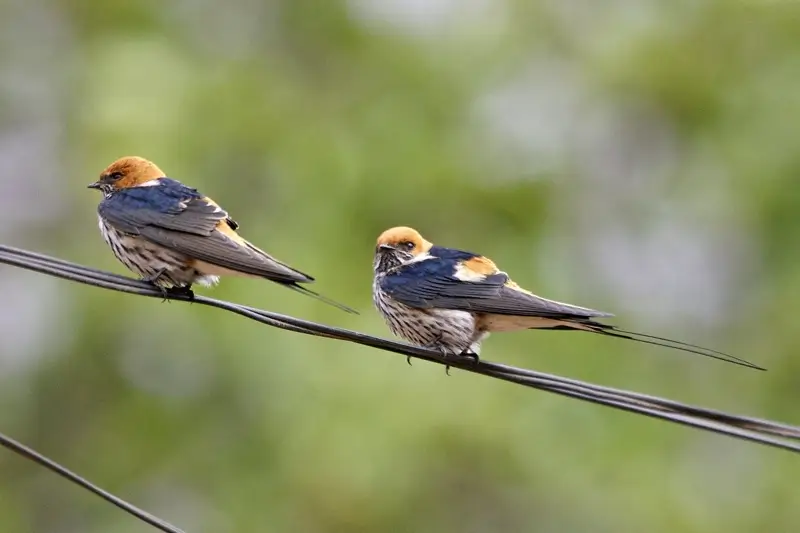
Lesser Striped Swallow (Cecropis abyssinica
The Lesser Striped Swallow is found in Sub-Saharan Africa. IUCN Redlist Status: Least Concern
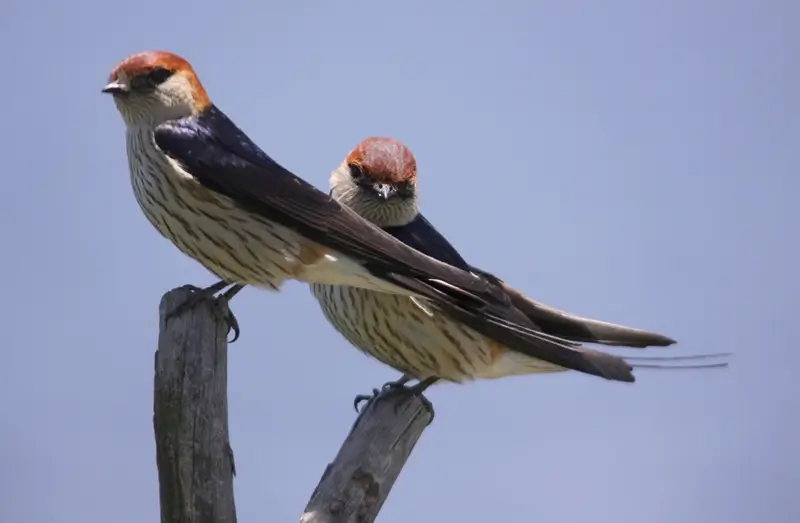
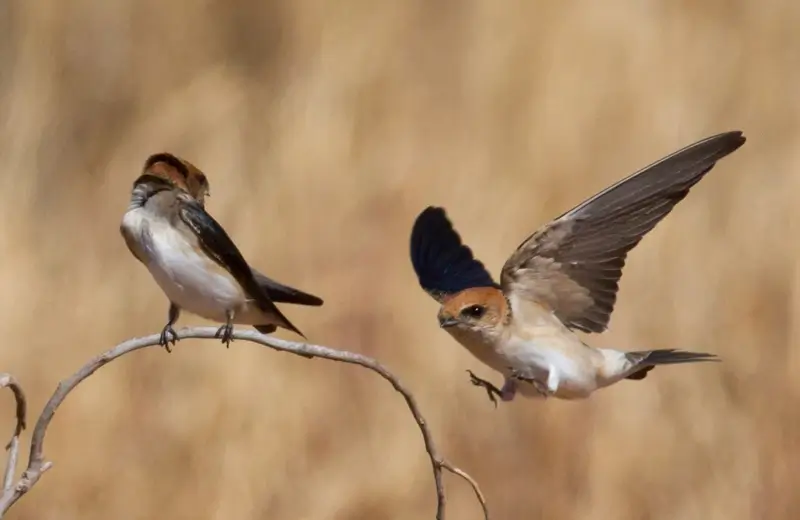
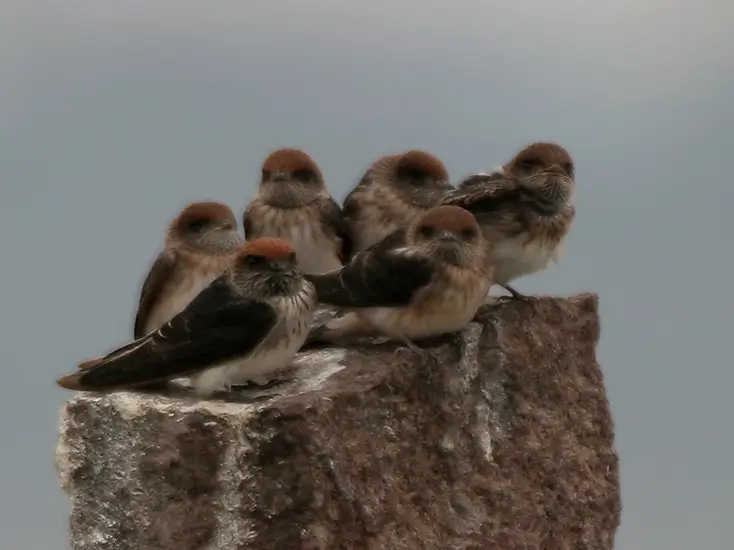
Greater Striped Swallow (Cecropis cucullate)
The Greater Striped Swallow is found in Angola, Botswana, Congo, Lesotho, Namibia, South Africa, Swaziland, Zambia, and Zimbabwe. IUCN Redlist Status: Least Concern
Red-rumped Swallow (Cecropis daurica)
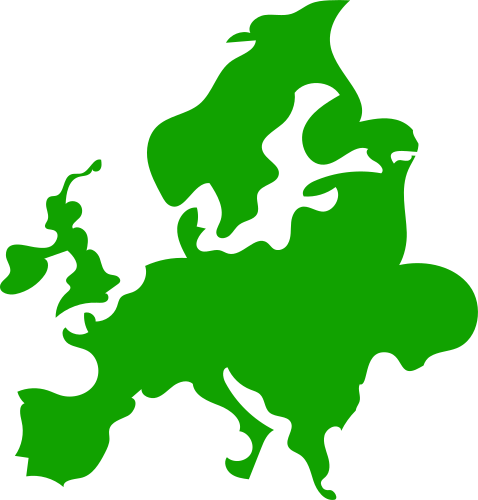
The Red-rumped Swallow is found in Europe, Africa, Asia, and Oceania. IUCN Redlist Status: Least Concern
Sri Lanka Swallow (Cecropis hyperythra)
The Sri Lanka Swallow is found in Sri Lanka. IUCN Redlist Status: Least Concern
Rufous-chested Swallow (Cecropis semirufa)
The Rufous-chested Swallow is found in sub-Saharan Africa. IUCN Redlist Status: Least Concern
Mosque Swallow (Cecropis senegalensis)
The Mosque Swallow is found in sub-Saharan Africa. IUCN Redlist Status: Least Concern
White-backed Swallow (Cheramoeca leucosterna)
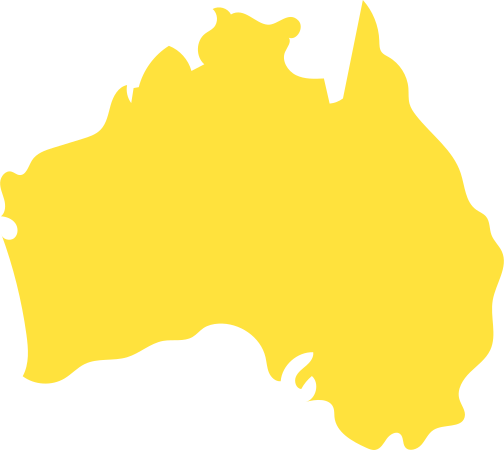
The White-backed Swallow is found in Australia. IUCN Redlist Status: Least Concern
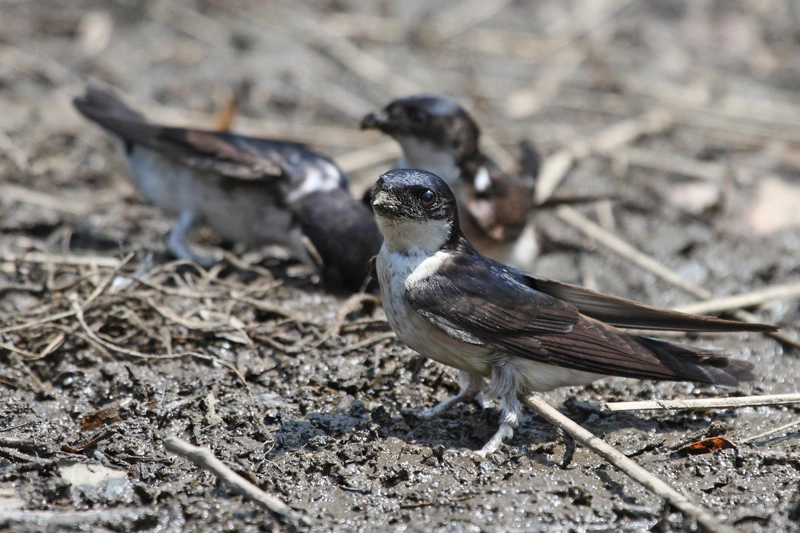
Asian House Martin (Delichon dasypus)
The Asian House Martin is found in Bangladesh, Bhutan, Cambodia, China, India, Indonesia, Japan, North and South Korea, Laos, Malaysia, Myanmar, Nepal, Pakistan, Philippines, Russia, Singapore, Taiwan, Thailand, and Vietnam. IUCN Redlist Status: Least Concern
Eastern House Martin (Delichon lagopodum)
The Eastern House Martin is found in Cambodia, China, Laos, North Korea, South Korea, Mongolia, Myanmar, Thailand, Viet Nam, and Russia. IUCN Redlist Status: Least Concern
Nepal House Martin (Delichon nipalense)
The Nepal House Martin is found in Bhutan, China, India, Laos, Myanmar, Nepal, Thailand, and Vietnam. IUCN Redlist Status: Least Concern
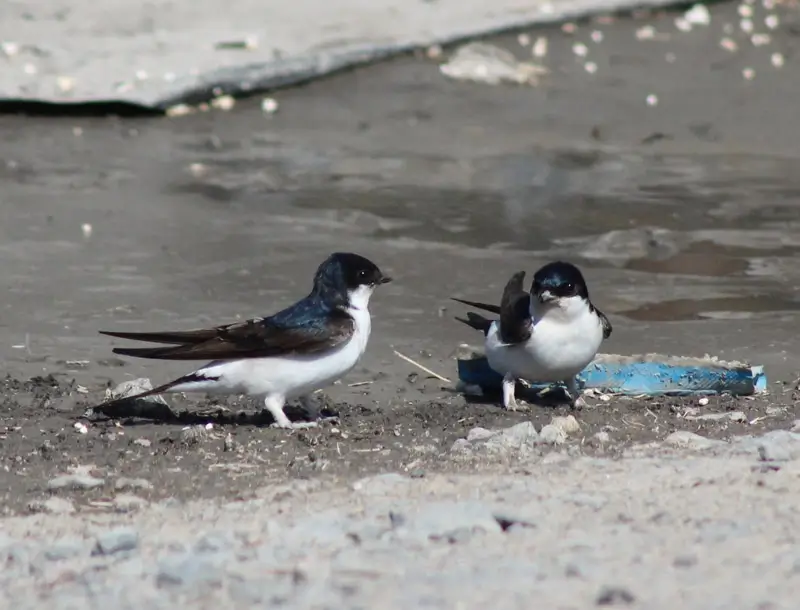
Northern House Martin (Delichon urbicum)
The Northern House Martin is breeds across most of Europe and Northern Asia. It winters in southern Africa and Southeast Asia. IUCN Redlist Status: Least Concern
Ethiopian Swallow (Hirundo aethiopica)
The Ethiopian Swallow is found in Benin, Burkina Faso, Cameroon, Central African Republic, Chad, The Democratic Republic of the Congo, Côte d'Ivoire, Eritrea, Ethiopia, Ghana, Guinea, Kenya, Mali, Niger, Nigeria, Senegal, Somalia, South Sudan, Sudan, Tanzania, Togo, Uganda. IUCN Redlist Status: Least Concern
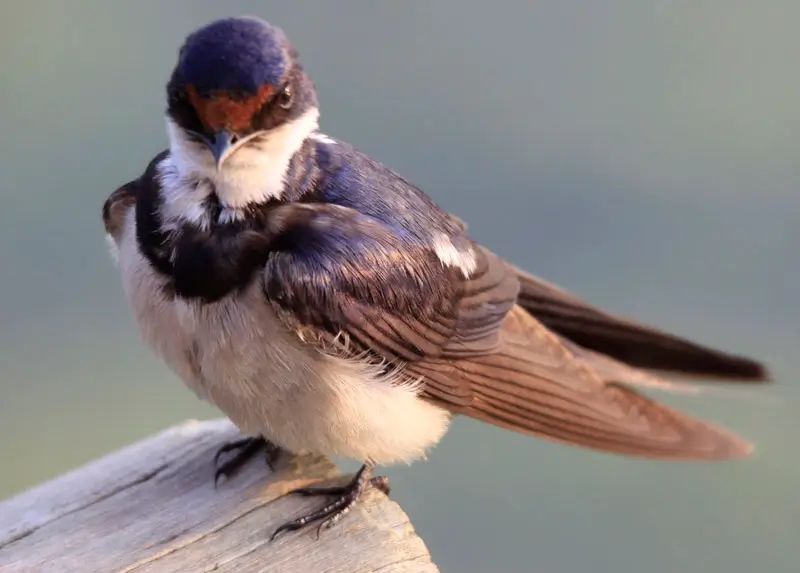
White-throated Swallow (Hirundo albigularis)
The White-throated Swallow is found in Angola, Botswana, Congo, Lesotho, Malawi, Mozambique, Namibia, South Africa, Swaziland, Zambia, and Zimbabwe. IUCN Redlist Status: Least Concern
Angola Swallow (Hirundo angolensis)
The Angola Swallow is found in Angola, Burundi, Congo, Gabon, Kenya, Malawi, Rwanda, Tanzania, Uganda, and Zambia. IUCN Redlist Status: Least Concern
Blue Swallow (Hirundo atrocaerulea)
The Blue Swallow is found in the Democratic Republic of the Congo, Eswatini, Kenya, Malawi, Mozambique, South Africa, Tanzania, Uganda, Zambia, and Zimbabwe. IUCN Redlist Status: Endangered
Pearl-breasted Swallow (Hirundo dimidiata)
The Pearl-breasted Swallow is found in Angola, Botswana, The Democratic Republic of the Congo, Lesotho, Malawi, Mozambique, Namibia, South Africa, Tanzania, Zambia, and Zimbabwe. IUCN Redlist Status: Least Concern
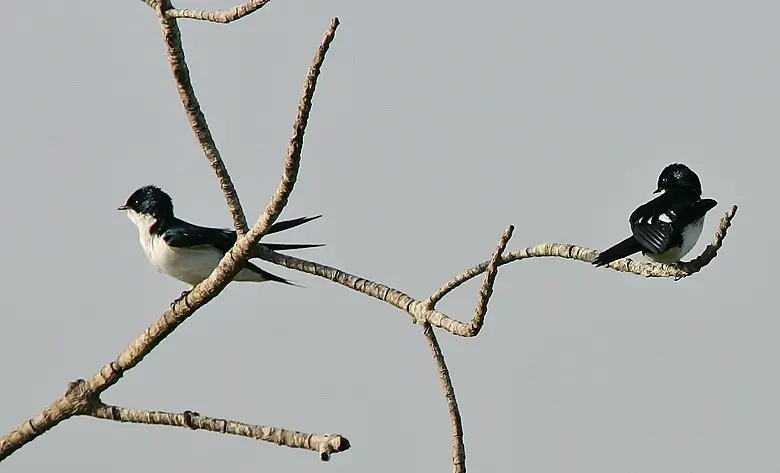
Pied-winged Swallow (Hirundo leucosoma)
The Pied-winged Swallow is found in Benin, Burkina Faso, Cameroon, Côte d'Ivoire, Gambia, Ghana, Guinea, Guinea-Bissau, Mali, Niger, Nigeria, Senegal, Sierra Leone, and Togo. IUCN Redlist Status: Least Concern
Red-chested Swallow (Hirundo lucida)
The Red-chested Swallow is found in Benin, Burkina Faso, Congo, Côte d'Ivoire, Ethiopia, Gabon, Gambia, Ghana, Guinea, Guinea-Bissau, Mali, Mauritania, Niger, Nigeria, Senegal, Sierra Leone, and Togo. IUCN Redlist Status: Least Concern
White-tailed Swallow (Hirundo megaensis)
The White-tailed Swallow is found in Ethiopia. IUCN Redlist Status: Vulnerable
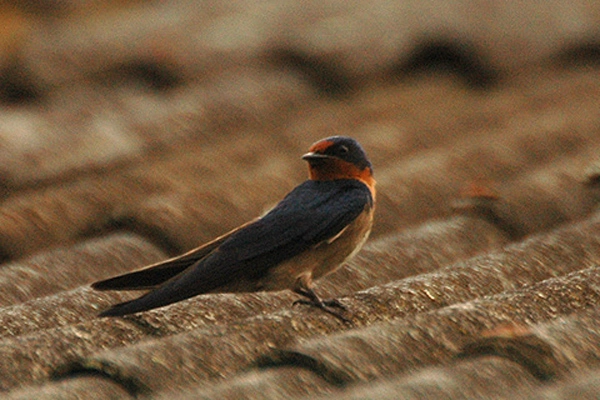
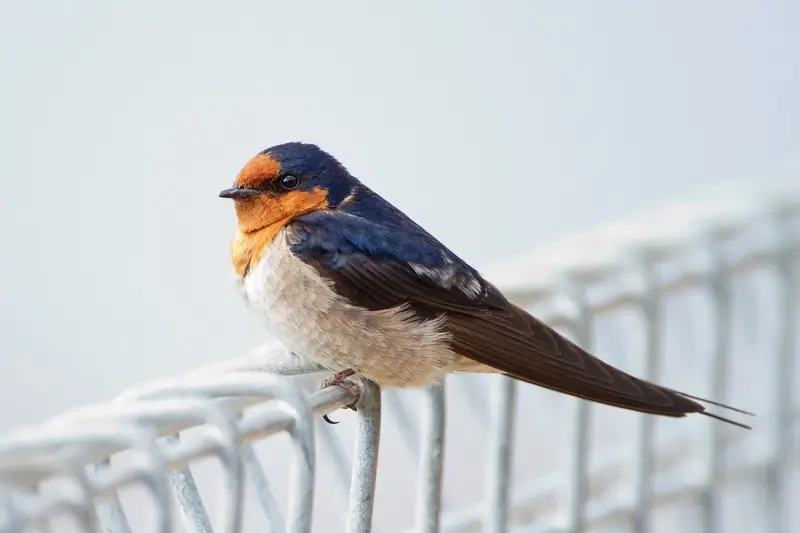
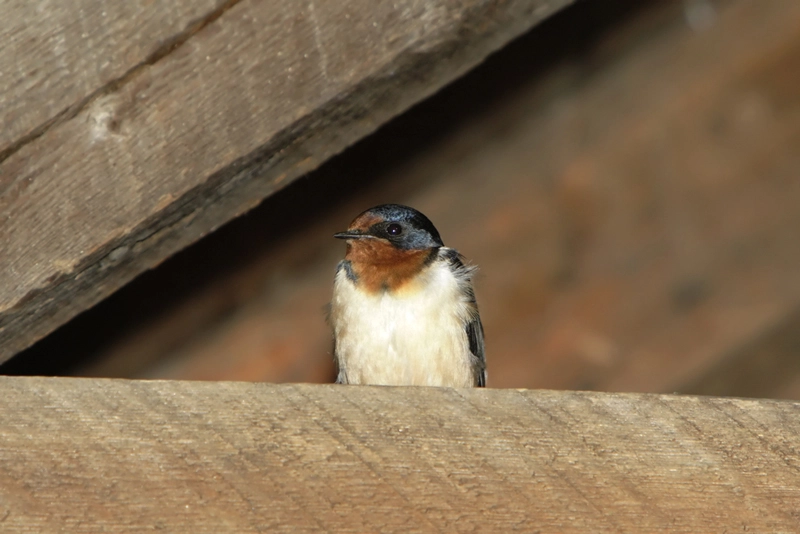
Welcome Swallow (Hirundo neoxena)
The Welcome swallow is found in Australia and New Zealand. IUCN Redlist Status: Least Concern
White-bibbed Swallow (Hirundo nigrita)
The White-bibbed Swallow is found in Angola, Benin, Cameroon, Central African Republic, Congo, The Democratic Republic of the Congo, Côte d'Ivoire, Equatorial Guinea, Gabon, Ghana, Guinea, Liberia, Nigeria, Sierra Leone, Togo, and Uganda. IUCN Redlist Status: Least Concern
Black-and-rufous Swallow (Hirundo nigrorufa)
The Black-and-rufous Swallow is found in Angola, The Democratic Republic of the Congo, and Zambia. IUCN Redlist Status: Least Concern
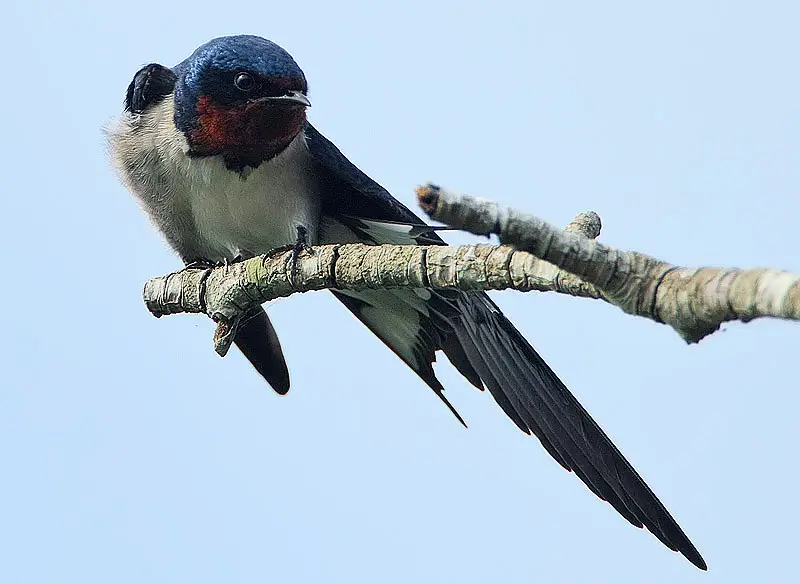
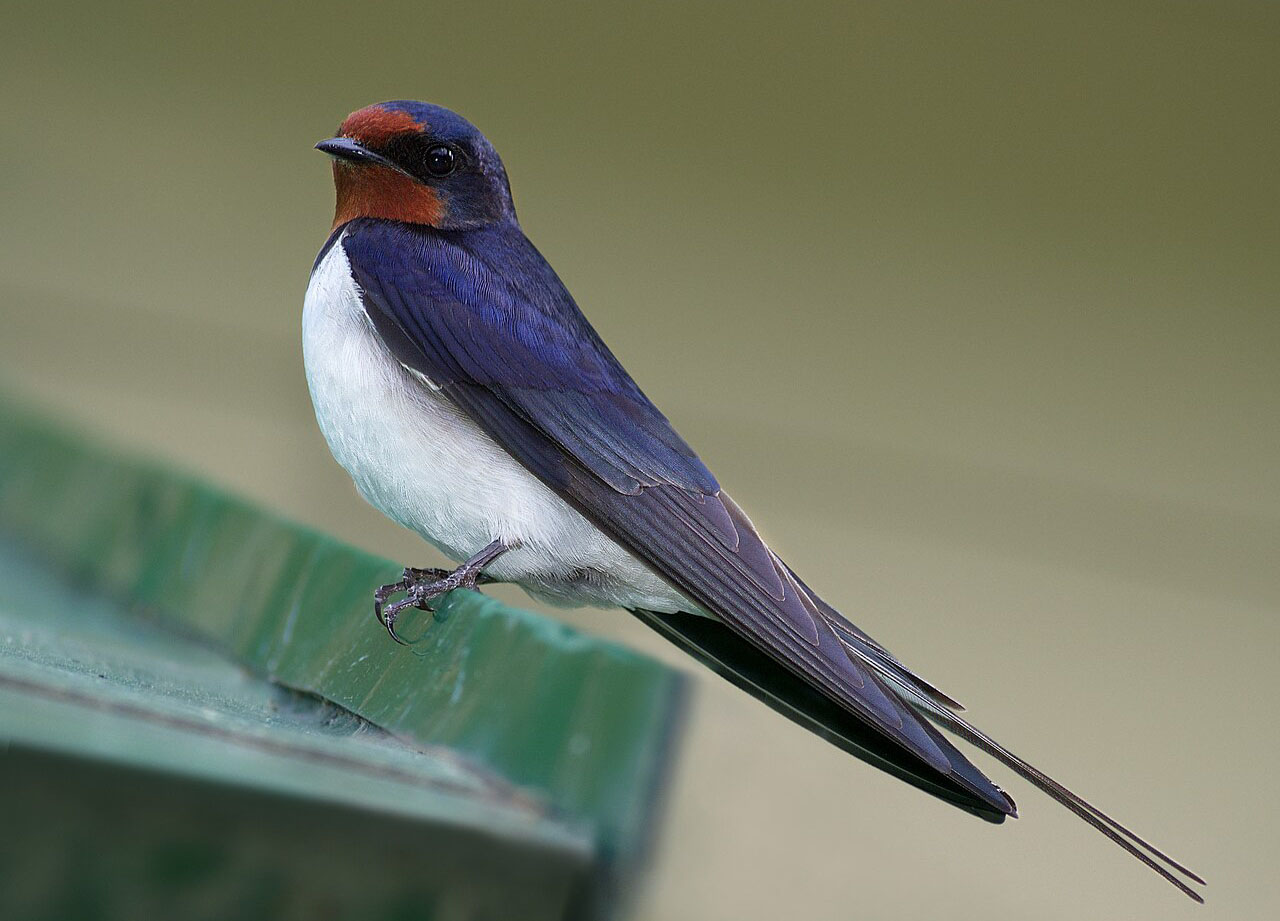
Barn Swallow (Hirundo rustica)
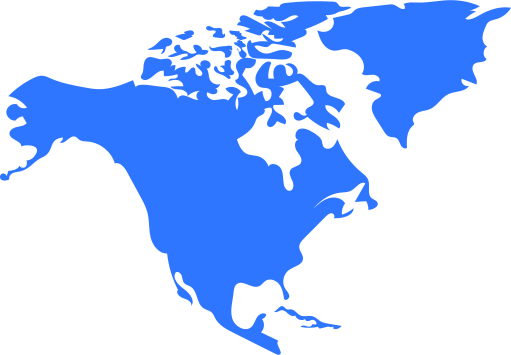
In North America, the Barn Swallow breeds from Alaska east to Newfoundland, Canada, and south to California and northern Florida. It winters in Mexico, Central America, and South America. It also breeds in Europe, Asia, the Middle East, and Africa. IUCN Redlist Status: Least Concern
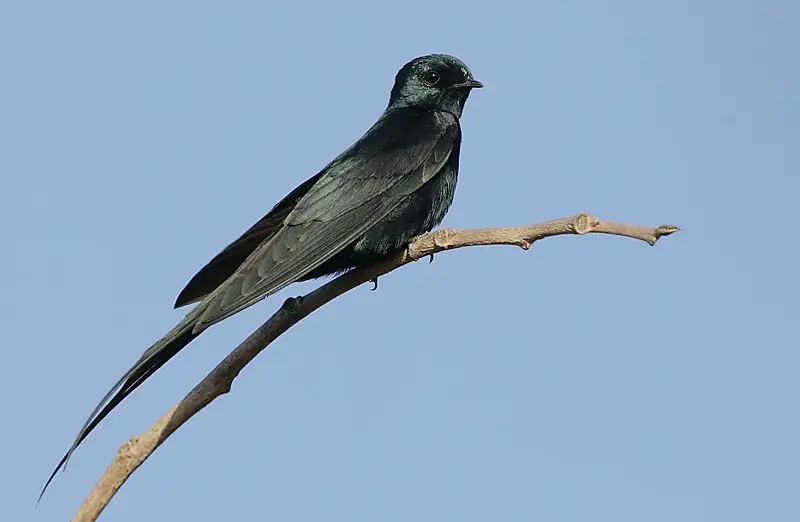
Wire-tailed Swallow (Hirundo smithii)
The Wire-tailed Swallow is found in Africa and Asia. IUCN Redlist Status: Least Concern
Banded Martin (Neophedina cincta)
The Banded Martin is found in sub- Saharan Africa. IUCN Redlist Satus: Least Concern
Andean Swallow (Orochelidon andecola)
The Andean Swallow is found in Argentina, Bolivia, Chile, and Peru. IUCN Redlist Status: Least Concern
Pale-footed Swallow (Orochelidon flavipes)
The Pale-footed Swallow is found in Bolivia, Colombia, Ecuador, Peru, and Venezuela. IUCN Redlist Status: Least Concern
Brown-bellied Swallow (Orochelidon murina)
The Brown-bellied Swallow is found in Bolivia, Colombia, Ecuador, Peru, and Venezuela. IUCN Redlist Status: Least Concern
Fairy Martin (Petrochelidon ariel)
The Fairy Martin is found in Australia, Papua New Guinea, and Timor-Leste. IUCN Redlist Status: Least Concern
Streak-throated Swallow (Petrochelidon fluvicola)
The Streak-throated Swallow is found in Afghanistan, Bangladesh, India, Nepal, and Pakistan. IUCN Redlist Status: Least Concern
Cave Swallow (Petrochelidon fulva)
In the U.S., the Cave Swallow breeds in New Mexico, Texas, and Florida. It is also found in Cuba, Jamaica, Haiti, the Dominican Republic, and Puerto Rico. IUCN Redlist Status: Least Concern
Tree Martin (Petrochelidon nigricans)
The Tree Martin is found in Australia, Indonesia, Papua New Guinea, the Solomon Islands, and Timor-Leste. IUCN Redlist Status: Least Concern
Preuss's Swallow (Petrochelidon preussi)
Preuss's Swallow is found in Sudan. IUCN Redlist Status: Least Concern
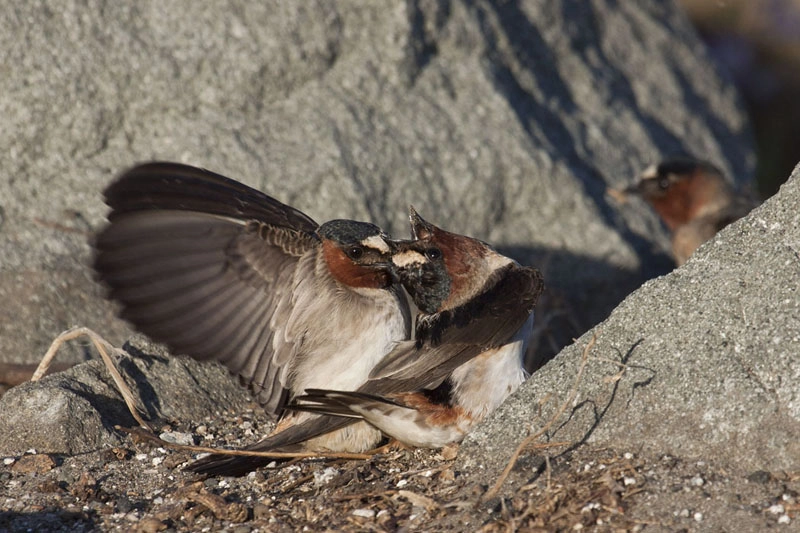
Cliff Swallow (Petrochelidon pyrrhonota)
The Cliff Swallow breeds from Alaska east across most of Canada and south across all but the southeastern U.S. into Mexico. IUCN Redlist Status: Least Concern
Red-throated Swallow (Petrochelidon rufigula)
The Red-throated Swallow is found in Angola, Congo, The Democratic Republic of the Congo, Gabon, and Zambia. IUCN Redlist Status: Least Concern
The Chestnut-collared Swallow is found in Ecuador and Peru. IUCN Redlist Status: Least Concern
South African Swallow (Petrochelidon spilodera)
The South African Swallow is found in Botswana, Congo, The Democratic Republic of the Congo, Gabon, Lesotho, Malawi, Namibia, South Africa, Zimbabwe, and Zambia. IUCN Redlist Status: Least Concern
Mascarene Martin (Phedina borbonica)
The Mascarene Martin is found in Comoros, Madagascar, Malawi, Mauritius, Mozambique, Réunion, Seychelles, and Tanzania. IUCN Redlist Status: Least Concern
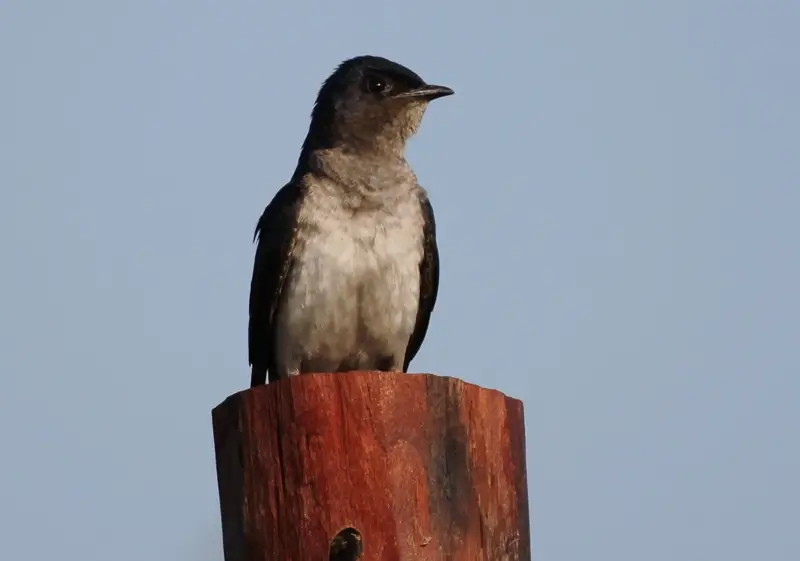
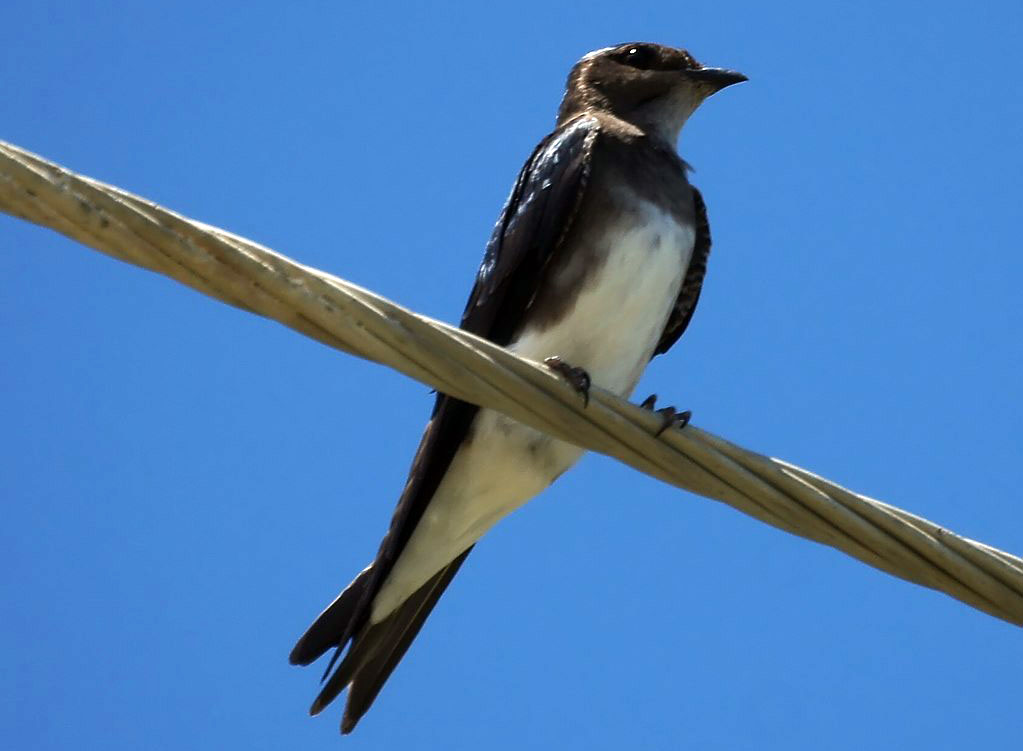
Gray-breasted Martin (Progne chalybea)
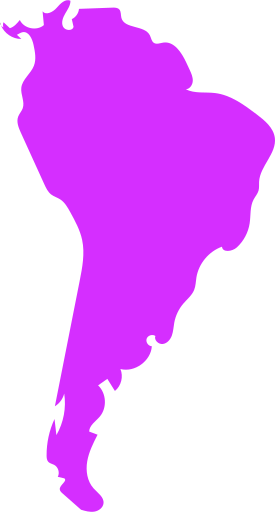
The Gray-breasted Martin is found in Mexico, Central America, and South America. IUCN Redlist Status: Least Concern
Cuban Martin (Progne cryptoleuca)
The Cuban Martin is found in Cuba. IUCN Redlist Status: Least Concern
Caribbean Martin (Progne dominicensis)
The Caribbean Martin is found in the islands of the Caribbean. IUCN Redlist Status: Least Concern
Southern Martin (Progne elegans)
The Southern Martin is found in Argentina, Bolivia, Brazil, Colombia, Panama, Paraguay, Peru, and Uruguay. IUCN Redlist Status: Least Concern
Galapagos Martin (Progne modesta)
The Galapagos Martin is found in central and southern islands of Peru’s Galápagos Archipelago. UCN Redlist Status: Endangered
Peruvian Martin (Progne murphyi)
The Peruvian Martin is found in Chile and Peru. IUCN Redlist Status: Near Threatened
Sinaloa Martin (Progne sinaloae)
The Sinaloa Martin is found in Mexico. IUCN Redlist Status: Vulnerable
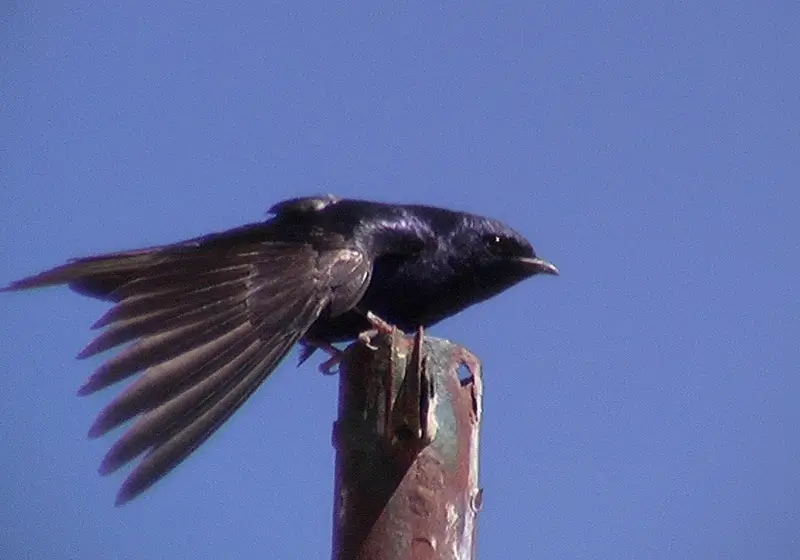
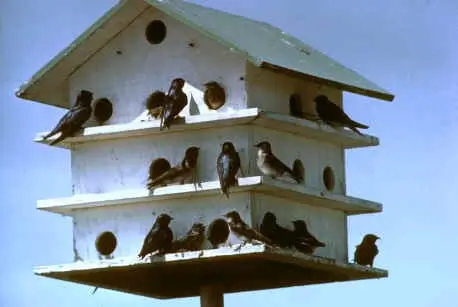
Purple Martin (Progne subis)
The Purple Martin breeds in central and southern Canada; the eastern half of the U.S.; along the Pacific Coast; and in Utah, Colorado, Arizona, New Mexico, and Mexico. It winters in South America. The purple martin breeds in New Hampshire. IUCN Redlist Status: Least Concern
Brown-chested Martin (Progne tapera)
The Brown-chested Martin is found throughout South America. It is also found in Panama. IUCN Redlist Status: Least Concern
White-headed Saw-wing (Psalidoprocne albiceps)
The White-headed Saw-wing is found across central and eastern Africa, from the Democratic Republic of the Congo and Uganda to Tanzania, Zambia and Malawi. IUCN Redlist Status: Least Concern
Mountain Saw-wing (Psalidoprocne fuliginosa)
The Mountain Saw-wing is found in Cameroon, Equatorial Guinea, and Nigeria. UCN Redlist Status: Least Concern
Square-tailed Saw-wing (Psalidoprocne nitens)
The Square-tailed Saw-wing is found in Angola, Cameroon, Central African Republic, Congo, The Democratic Republic of the Congo, Côte d'Ivoire, Equatorial Guinea, Gabon, Ghana, Guinea, Liberia, Nigeria, Sierra Leone, and Togo. UCN Redlist Status: Least Concern
Fanti Saw-wing (Psalidoprocne obscura)
The Fanti Saw-wing is found in Benin, Burkina Faso, Cameroon, Côte d'Ivoire, Gambia, Ghana, Guinea, Guinea-Bissau, Liberia, Mali, Nigeria, Senegal, Sierra Leone, and Togo. IUCN Redlist Status: Least Concern
Black Saw-wing (Psalidoprocne pristoptera)
The Black Saw-wing is found in Angola, Burundi, Cameroon, Central African Republic, Congo, The Democratic Republic of the Congo, Equatorial Guinea, Eritrea, Eswatini, Ethiopia, Gabon, Kenya, Malawi, Mozambique, Nigeria, Rwanda, South Africa, South Sudan, Sudan, Tanzania, Uganda, Zambia, and Zimbabwe. IUCN Redlist Status: Least Concern
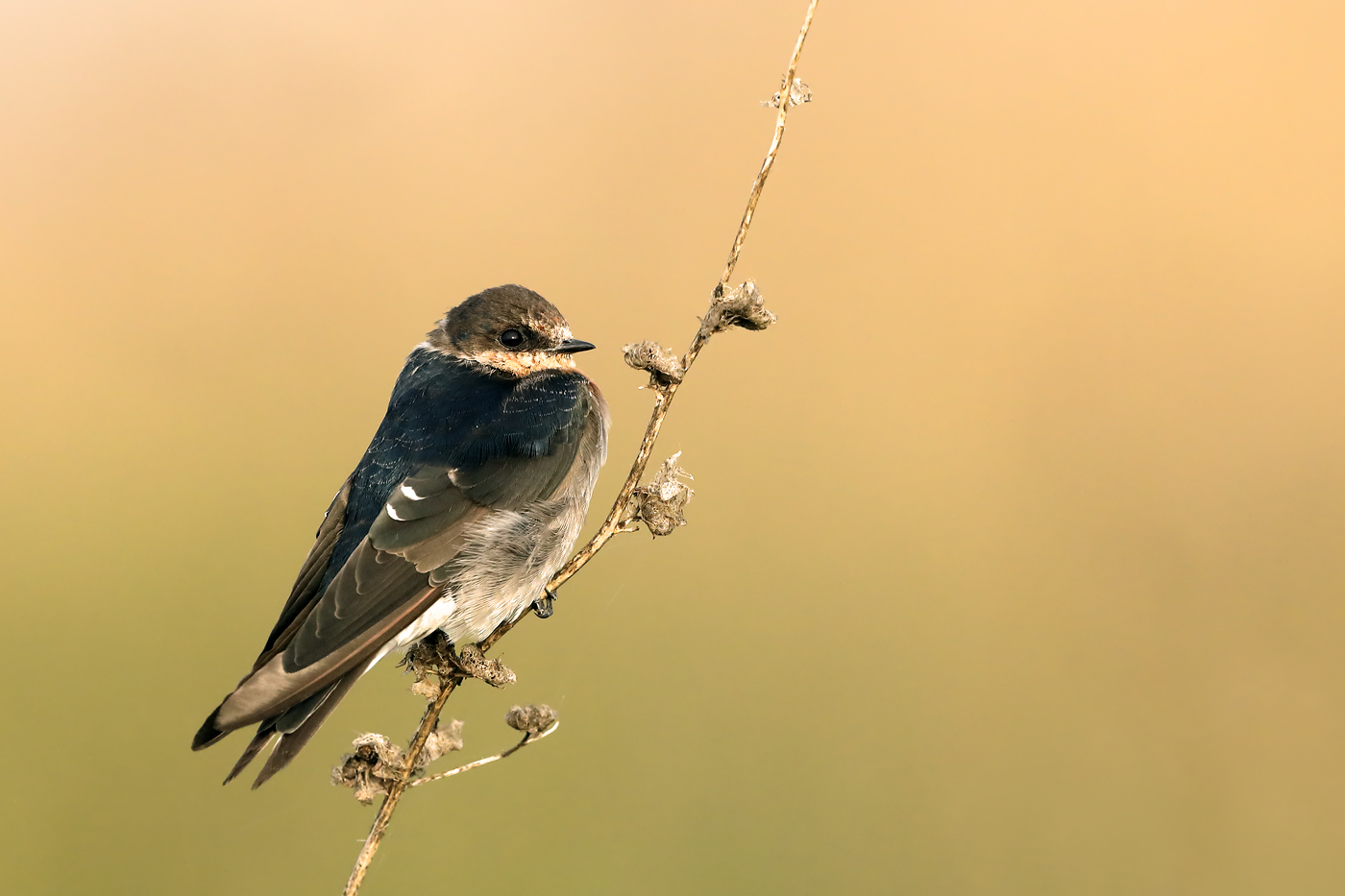
Gray-rumped Swallow (Pseudhirundo griseopyga)
The Gray-rumped Swallow is found in sub-Saharan Africa. IUCN Redlist Status: Least Concern
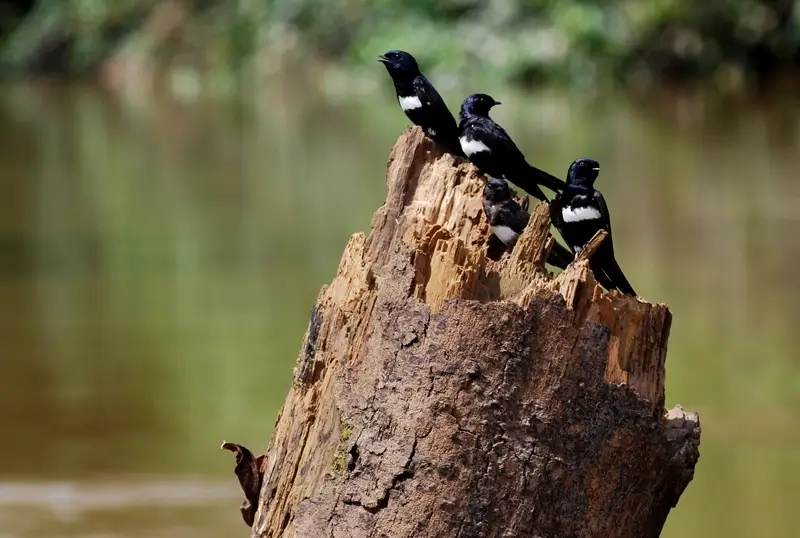
African River Martin (Pseudochelidon eurystomina)
The African River Martin is found in Angola, Central African Republic, Congo, The Democratic Republic of the Congo, and Gabon. IUCN Redlist Status: Least Concern
Dusky Crag Martin (Ptyonoprogne concolor)
The Dusky Crag Martin is found in China, India, Laos, Malaysia, Myanmar, Nepal, Pakistan, Thailand, and Viet Nam. IUCN Redlist Status: Least Concern
Large Rock Martin (Ptyonoprogne fuligula)
The Large Rock Martin is found in Angola, Botswana, Eswatini, Lesotho, Mozambique, Namibia, South Africa, and Zimbabwe. IUCN Redlist Status: Least Concern
Pale Rock Martin (Ptyonoprogne obsoleta)
The Pale Rock Martin is found iacross northern Africa and the Middle East, east to southern Pakistan, extending south into parts of the Sahel and Ethiopia.. IUCN Redlist Status: Least Concern
Eurasian Crag-martin (Ptyonoprogne rupestris)
The Eurasian Crag-martin is found in mountainous regions of southern Europe, northwestern Africa, and southern Asia. IUCN Redlist Status: Least Concern
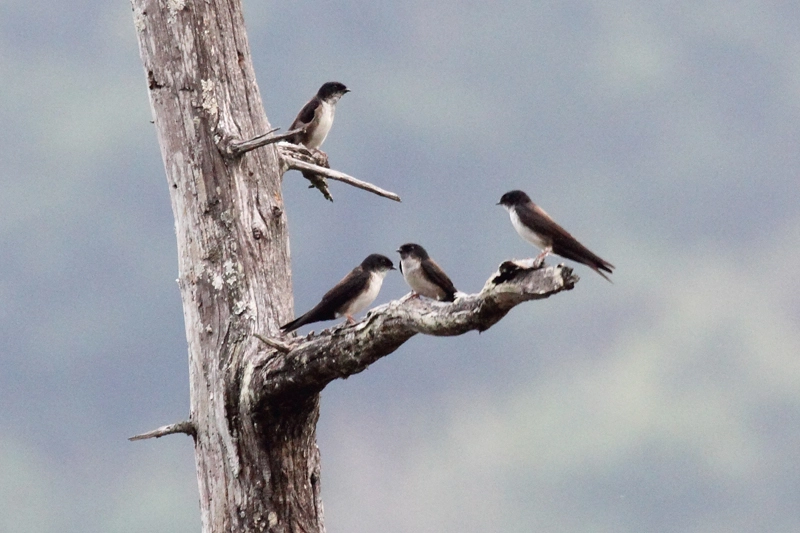
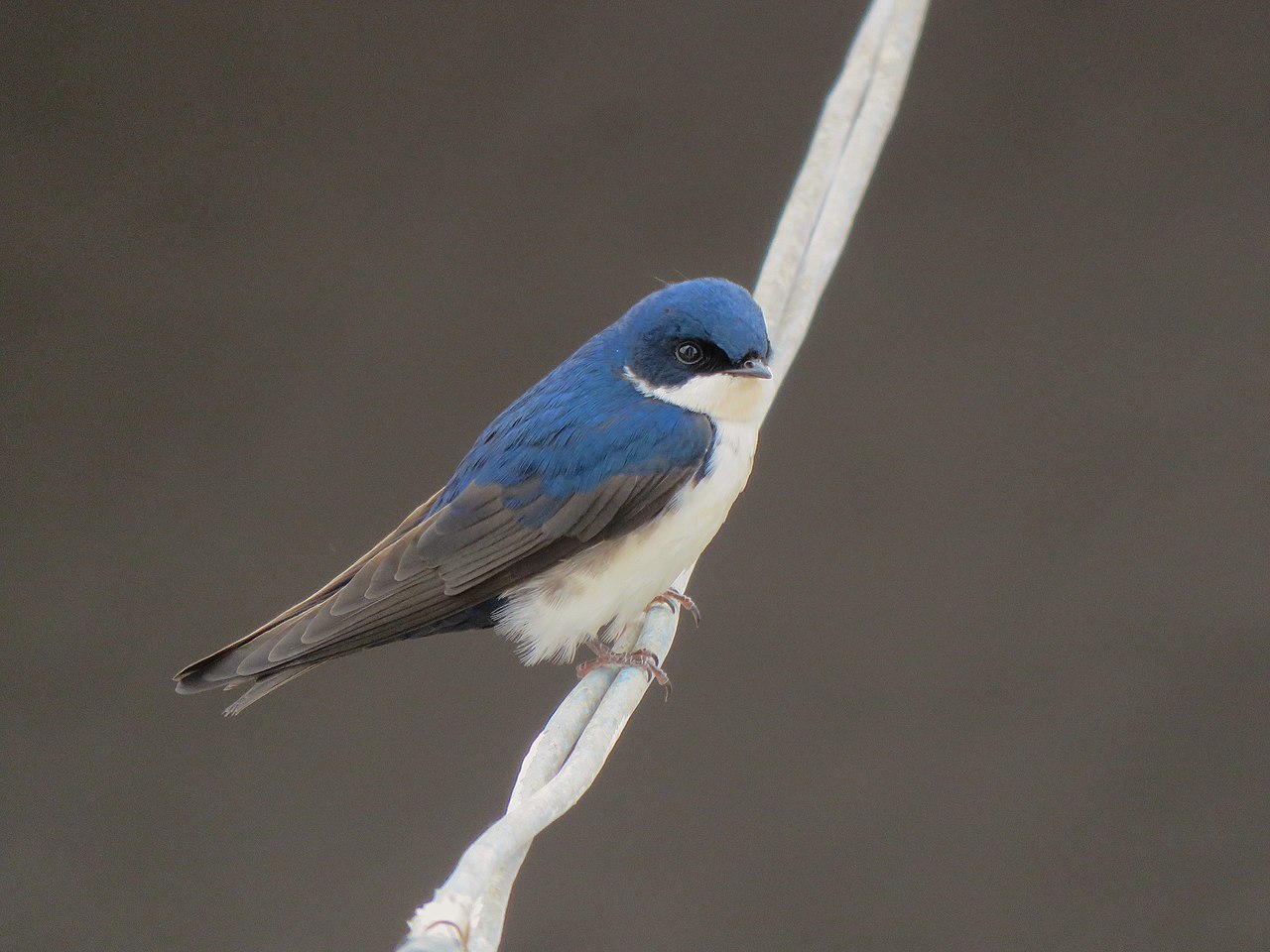
Blue-and-white Swallow (Pygochelidon cyanoleuca)
The Blue-and-white Swallow is found in Argentina, Bolivia, Brazil, Chile, Colombia, Costa Rica, Ecuador, French Guiana, Guyana, Panama, Paraguay, Peru, Suriname, Trinidad and Tobago, Uruguay, and Venezuela. IUCN Redlist Status: Least Concern
Black-collared Swallow (Pygochelidon melanoleuca)
The Black-collared Swallow is found in Argentina, Bolivia, Brazil, Colombia, French Guiana, Guyana, Paraguay, Suriname, and Venezuela. IUCN Redlist Status: Least Concern
Gray-throated Martin (Riparia chinensis)
The Gray-throated Martin is found in Afghanistan, Bangladesh, Bhutan, Cambodia, China, India, Hong Kong, Iran, Laos, Myanmar, Nepal, Pakistan, Philippines, Taiwan, Thailand, Tajikistan, Turkmenistan, Uzbekistan, and Viet Nam. IUCN Redlist Status: Least Concern
Congo Sand Martin (Riparia congica)
The Congo Sand Martin is found in Angola, Central African Republic, Congo, and The Democratic Republic of the Congo. IUCN Redlist Status: Least Concern
Madagascar Plain Martin (Riparia cowani)
The Madagascar Plain Martin is found in Madagascar. IUCN Redlist Status: Least Concern
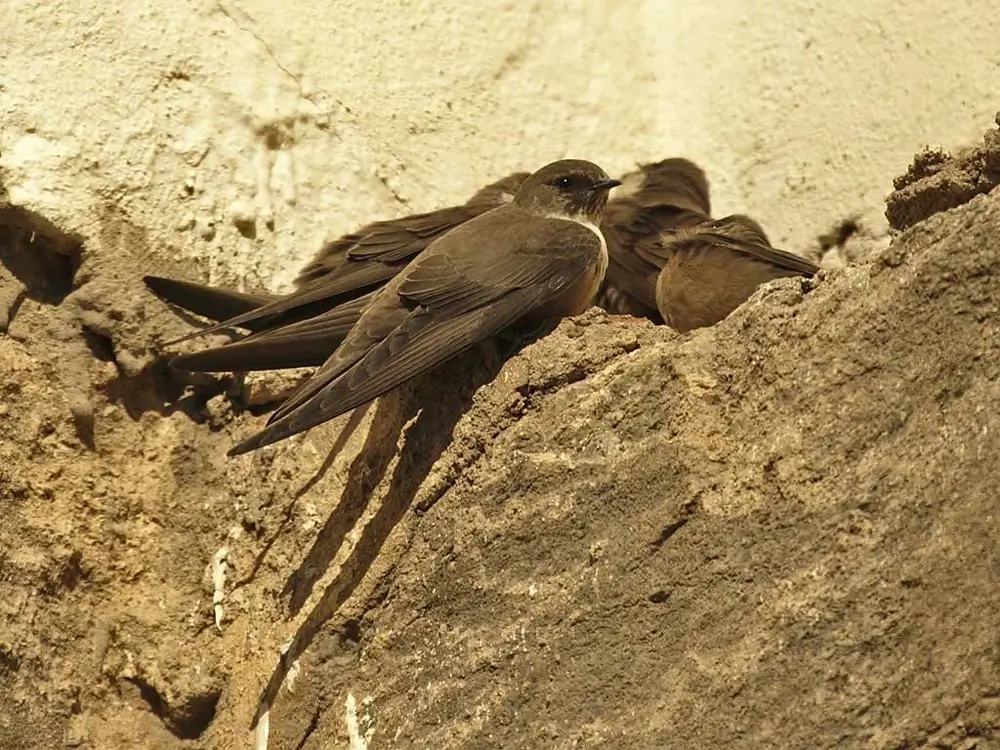
Pale Sand Martin (Riparia diluta0
The Pale Sound Martin is found across Central and East Asia, from southern Siberia and Mongolia to northern India and southeastern China. IUCN Redlist Status: Least Concern
African Plain Martin (Riparia paludicola)
The African Plain Martin is found across sub-Saharan Africa, from Morocco and Senegal east to Ethiopia and south through eastern and southern Africa. IUCN Redlist Status: Least Concern
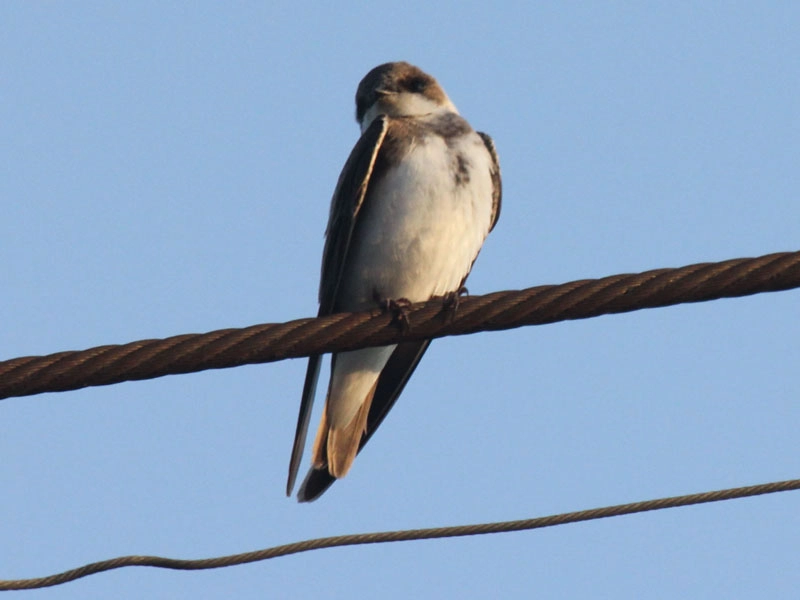
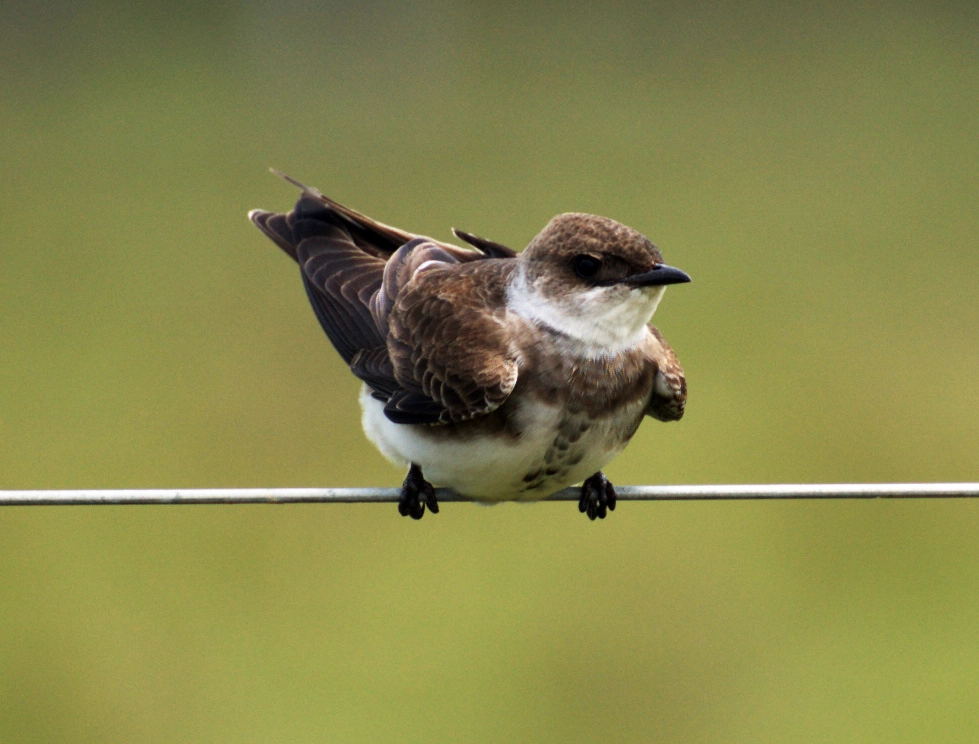
Bank Swallow (Riparia riparia)
The Bank Swallow breeds across much of Canada and the northern U.S. It winters in South America. It also breeds across much of Europe and Asia, where it is known as the Sand Martin. The Bank Swallow breeds in New Hampshire. IUCN Redlist Status: Least Concern
The Southern Rough-winged Swallow is found in Argentina, Bolivia, Brazil, Colombia, Costa Rica, Ecuador, French Guiana, Guyana, Honduras, Nicaragua, Panama, Paraguay, Peru, Suriname, Trinidad and Tobago, Uruguay, and Venezuela. IUCN Redlist Status: Least Concern
The Northern Rough-winged Swallow is found across North America and Central America, from southern Canada and the United States through Mexico to Costa Rica. IUCN Red List Status: Least Concern.
Mangrove Swallow (Tachycineta albilinea)
The Mangrove Swallow is found in Belize, Costa Rica, El Salvador, Guatemala, Honduras, Mexico, Nicaragua, and Panama. IUCN Red List Status: Least Concern.
White-winged Swallow (Tachycineta albiventer)
The White-winged Swallow is found in Argentina, Bolivia, Brazil, Colombia, Ecuador, French Guiana, Guyana, Panama, Paraguay, Peru, Suriname, Trinidad and Tobago, and Venezuela. IUCN Red List Status: Least Concern.
Tree Swallow (Tachycineta bicolor)
The Tree Swallow is found across North America, breeding from Alaska and Canada south through the United States and wintering from the southern U.S. to Central America and the Caribbean. IUCN Redlist Status: Least Concern
Bahama Swallow (Tachycineta cyaneoviridis)
The Bahama Swallow is found in the Bahamas. IUCN Redlist Status: Endangered
Golden Swallow (Tachycineta euchrysea)
The Golden Swallow is found in Dominican Republic and Haiti. IUCN Redlist Status: Vulnerable
White-rumped Swallow (Tachycineta leucorrhoa)
The White-rumped Swallow is found in Argentina, Bolivia, Brazil, Paraguay, Peru, and Uruguay. IUCN Redlist Status: Lesst Concern
Chilean Swallow (Tachycineta meyeni)
The Chilean Swallow is found in Argentina; Bolivia, Brazil; Chile; Falkland Islands, Paraguay, and Uruguay. IUCN Redlist Status: Least Concern
Tumbes Swallow (Tachycineta stolzmanni)
The Tumbes Swallow is found in Ecuador and Peru. IUCN Redlist Status: Least Concern
Violet-green Swallow (Tachycineta thalassina)
The Violet-green Swallow is found from Alaska and western Canada through the western United States to Mexico and Central America.