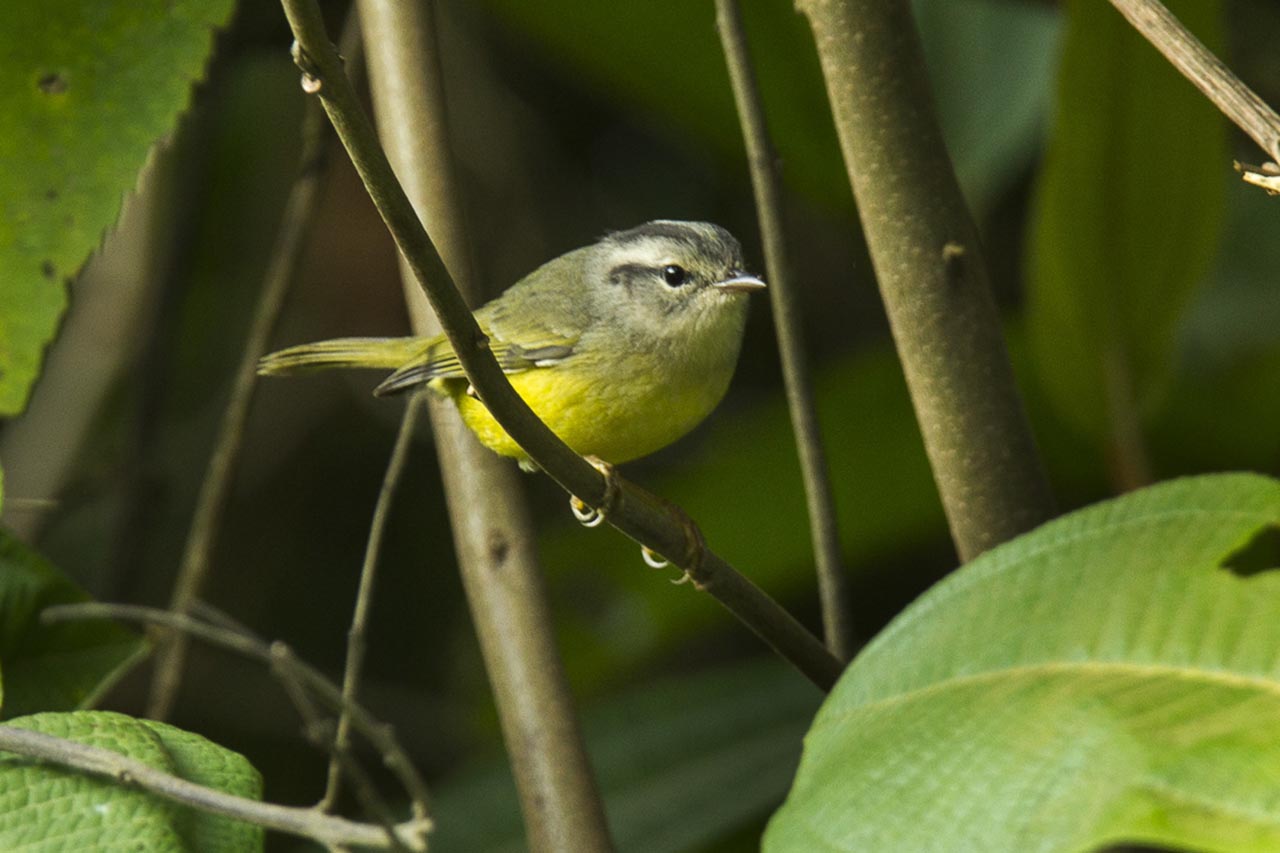
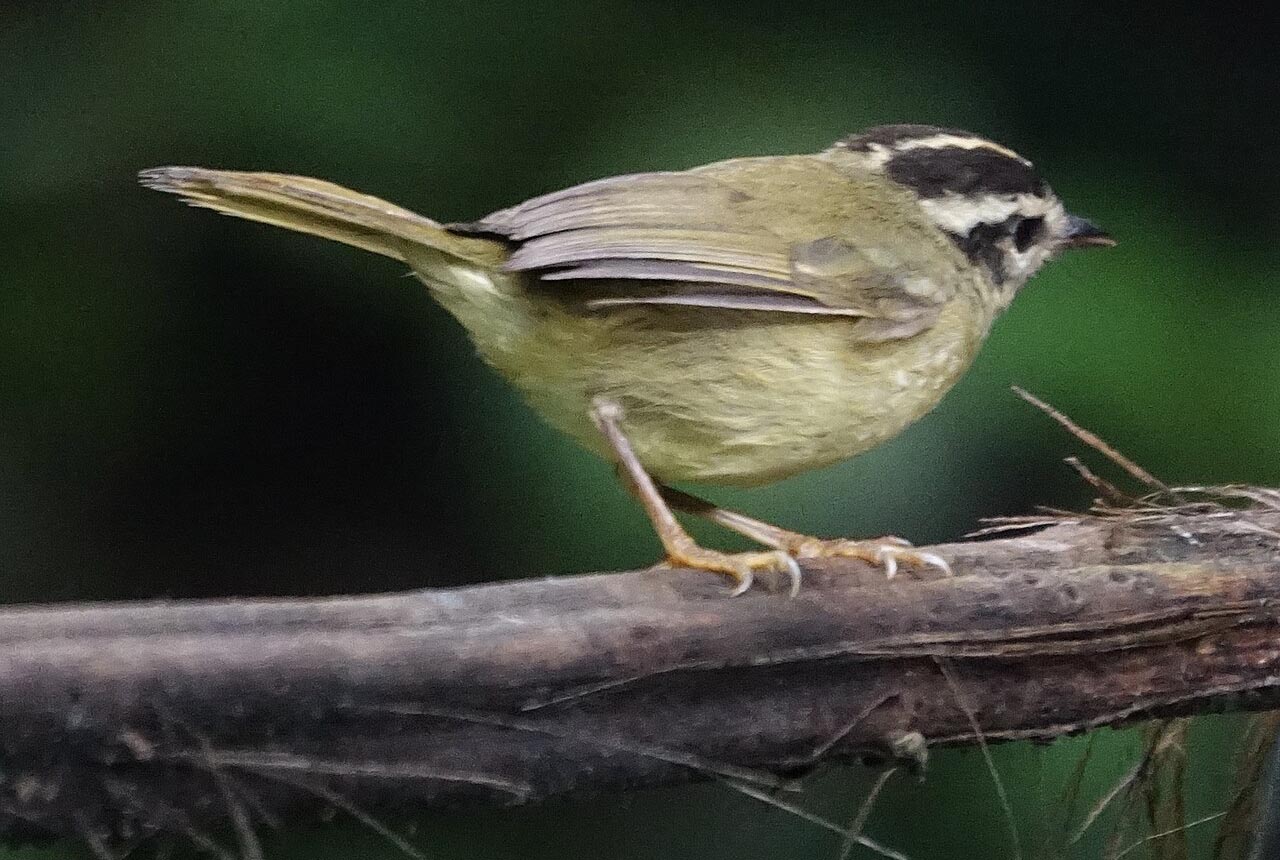
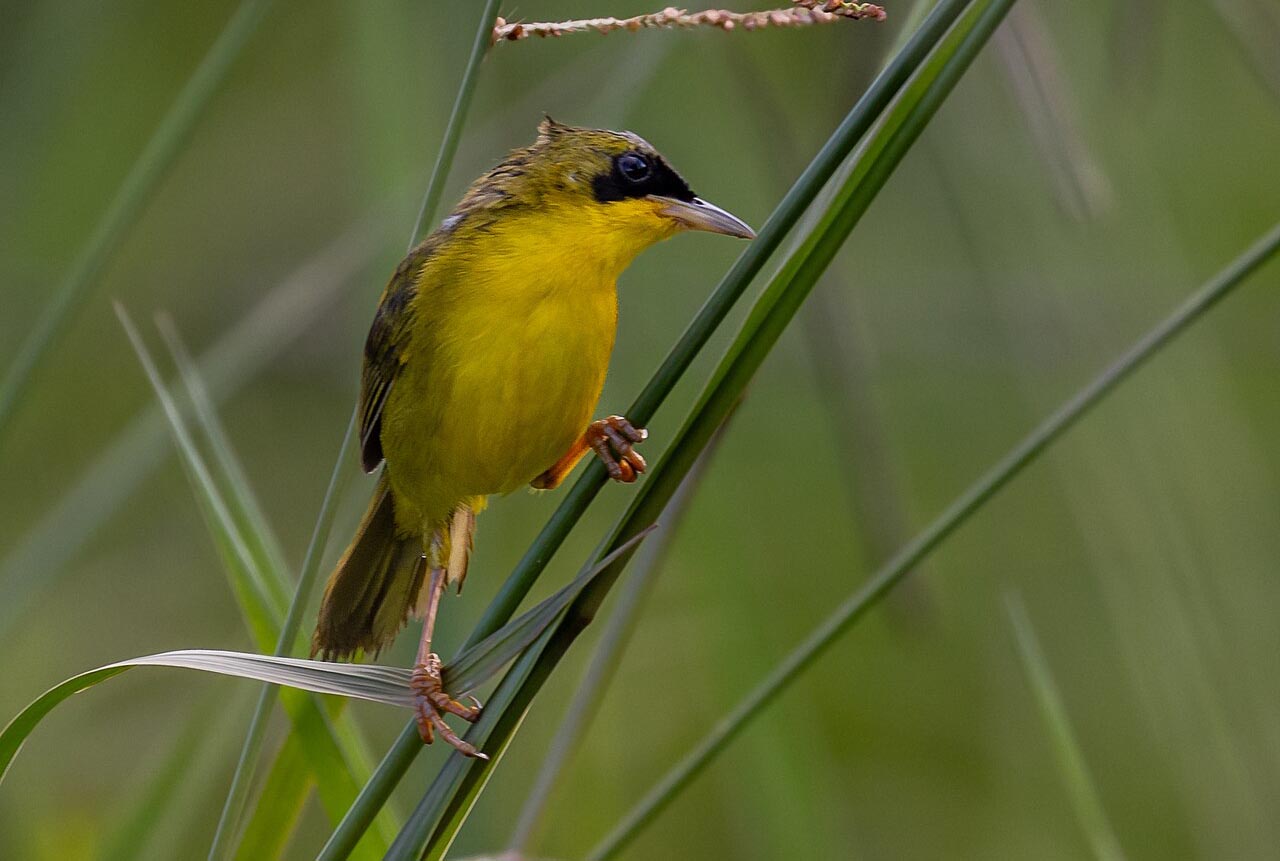
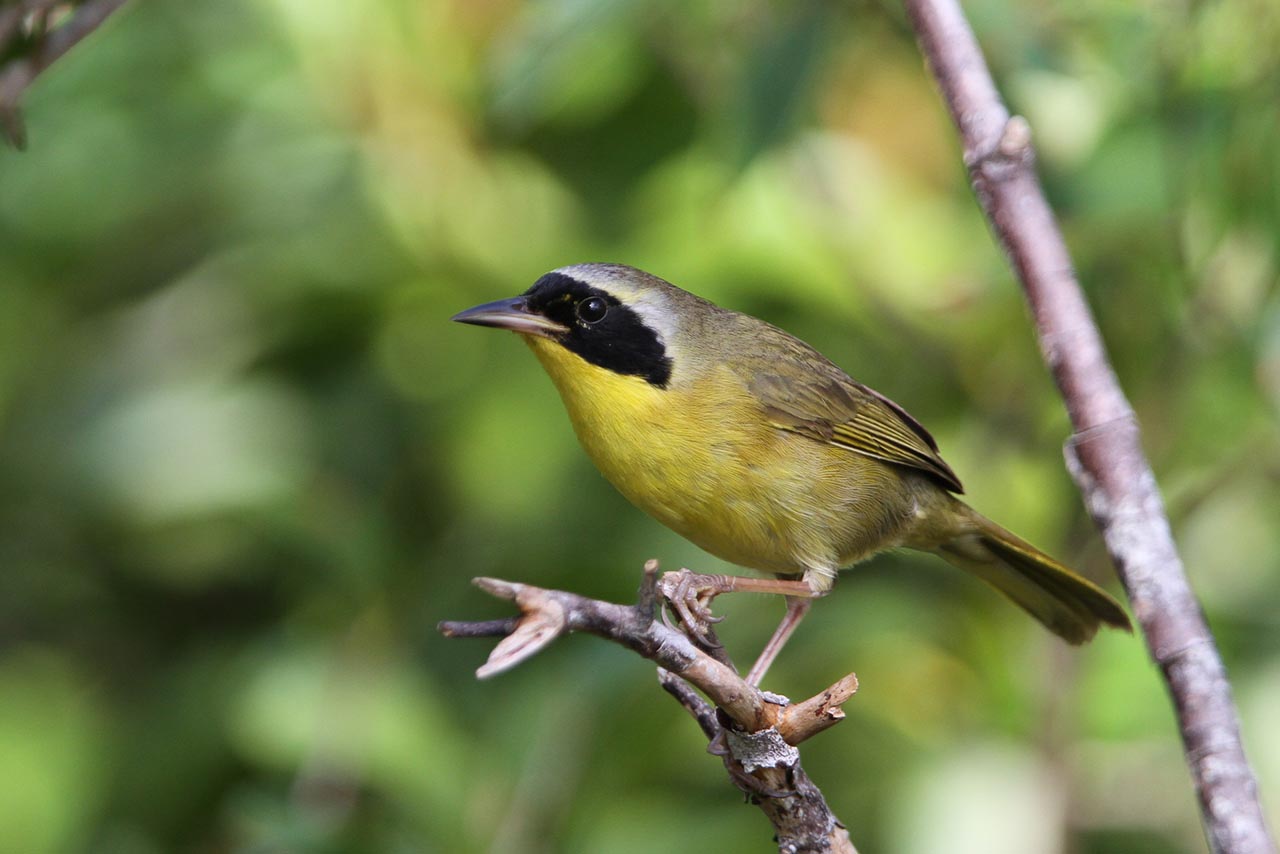
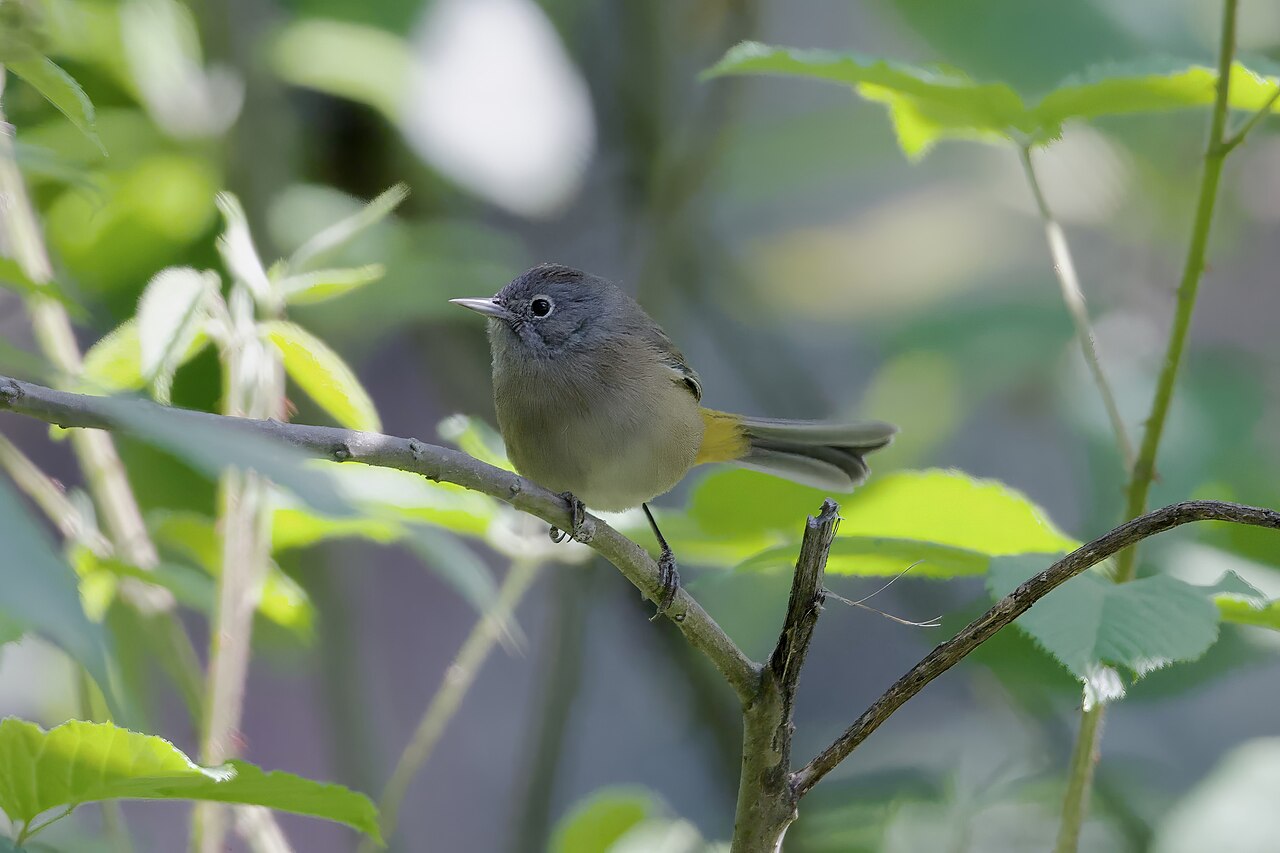
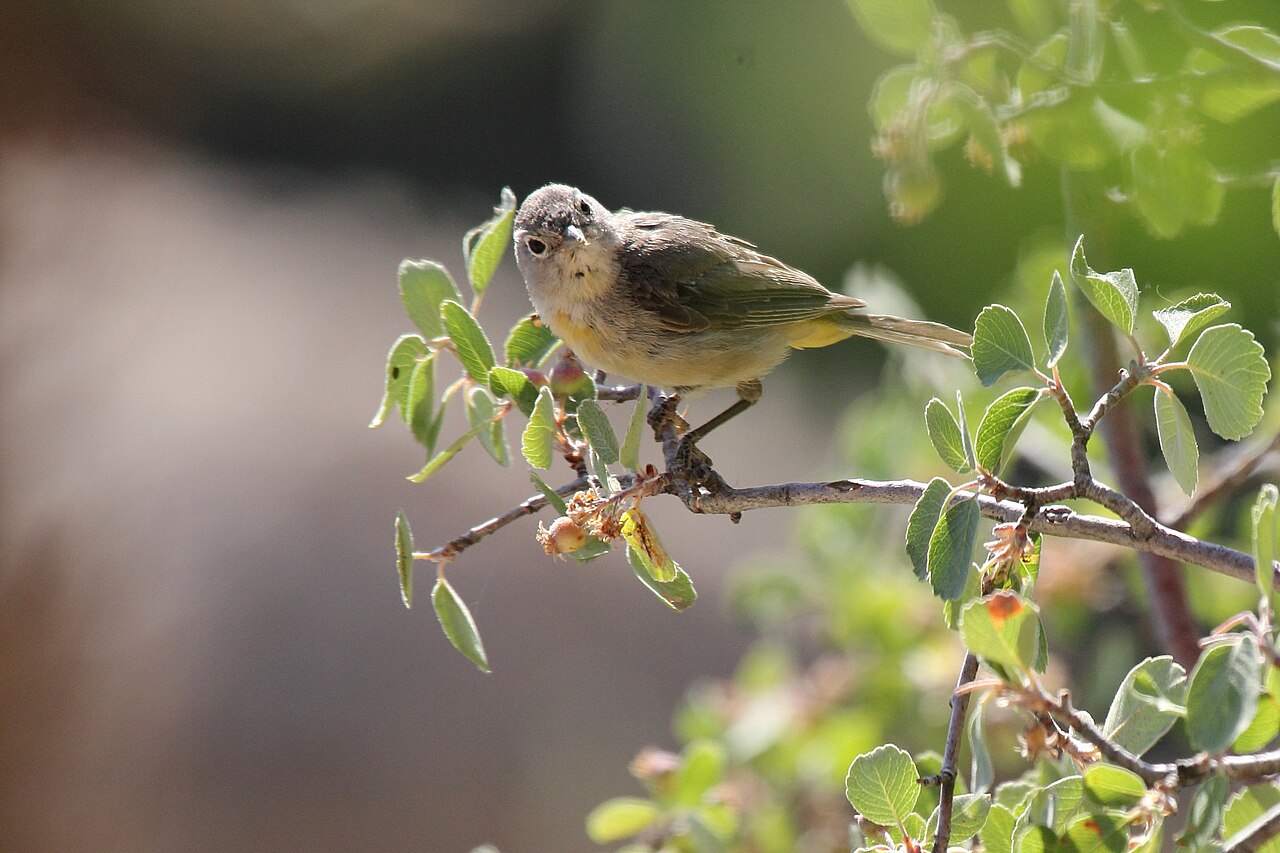
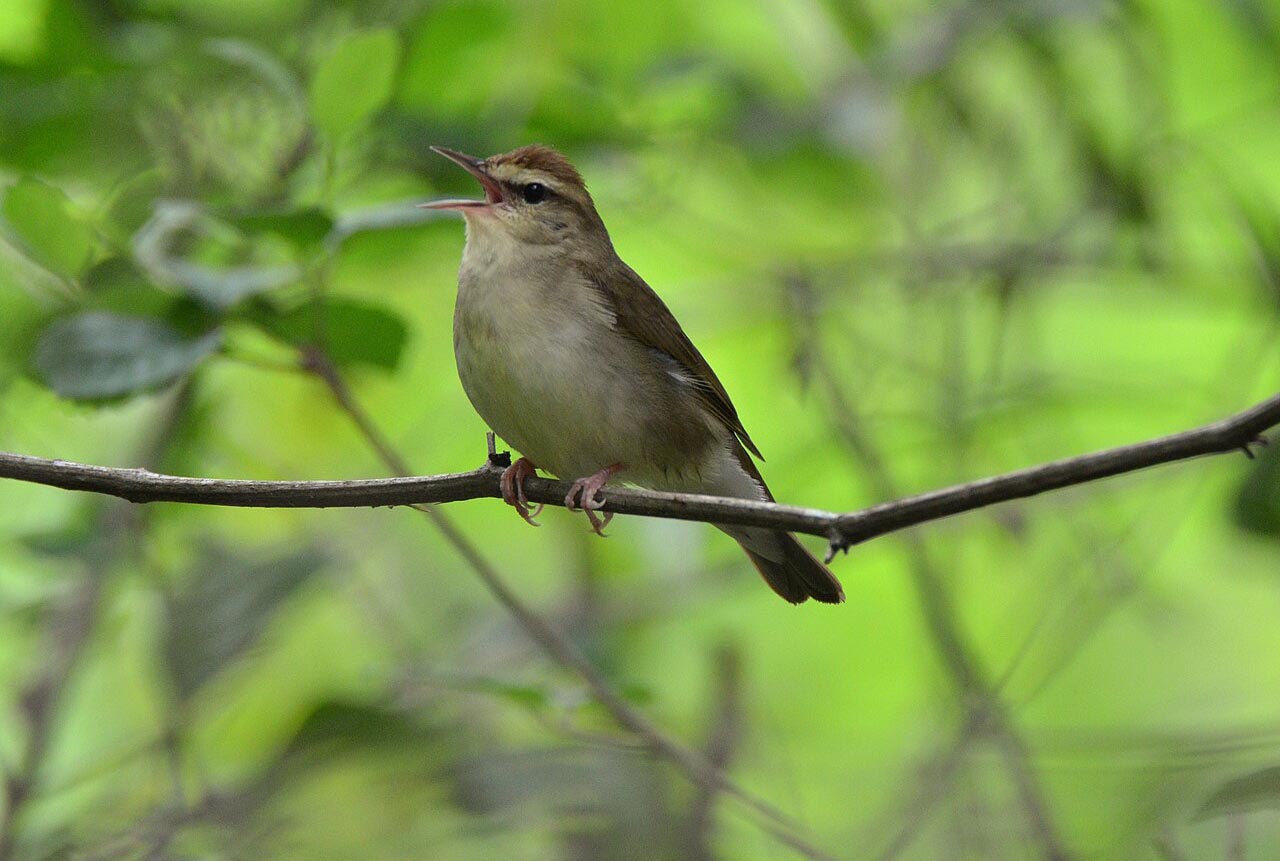
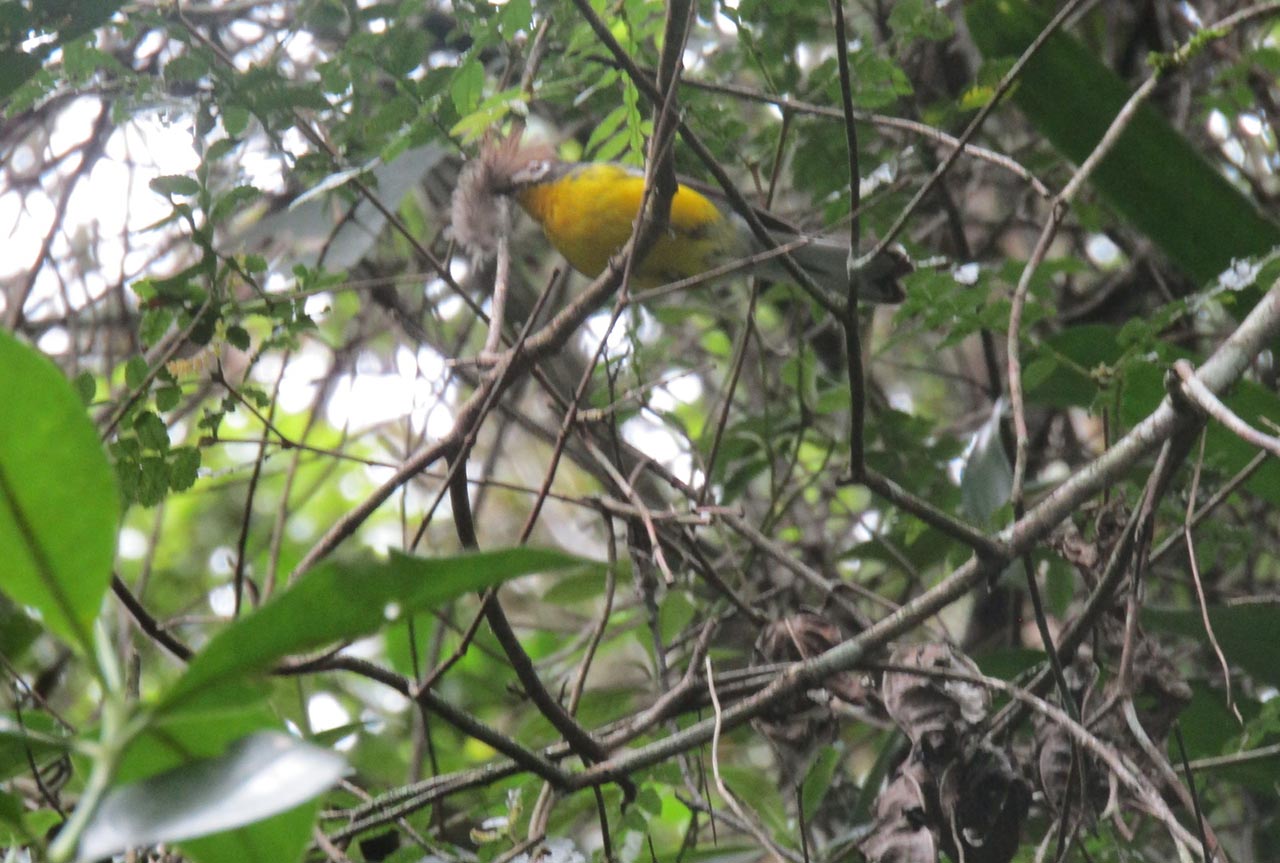
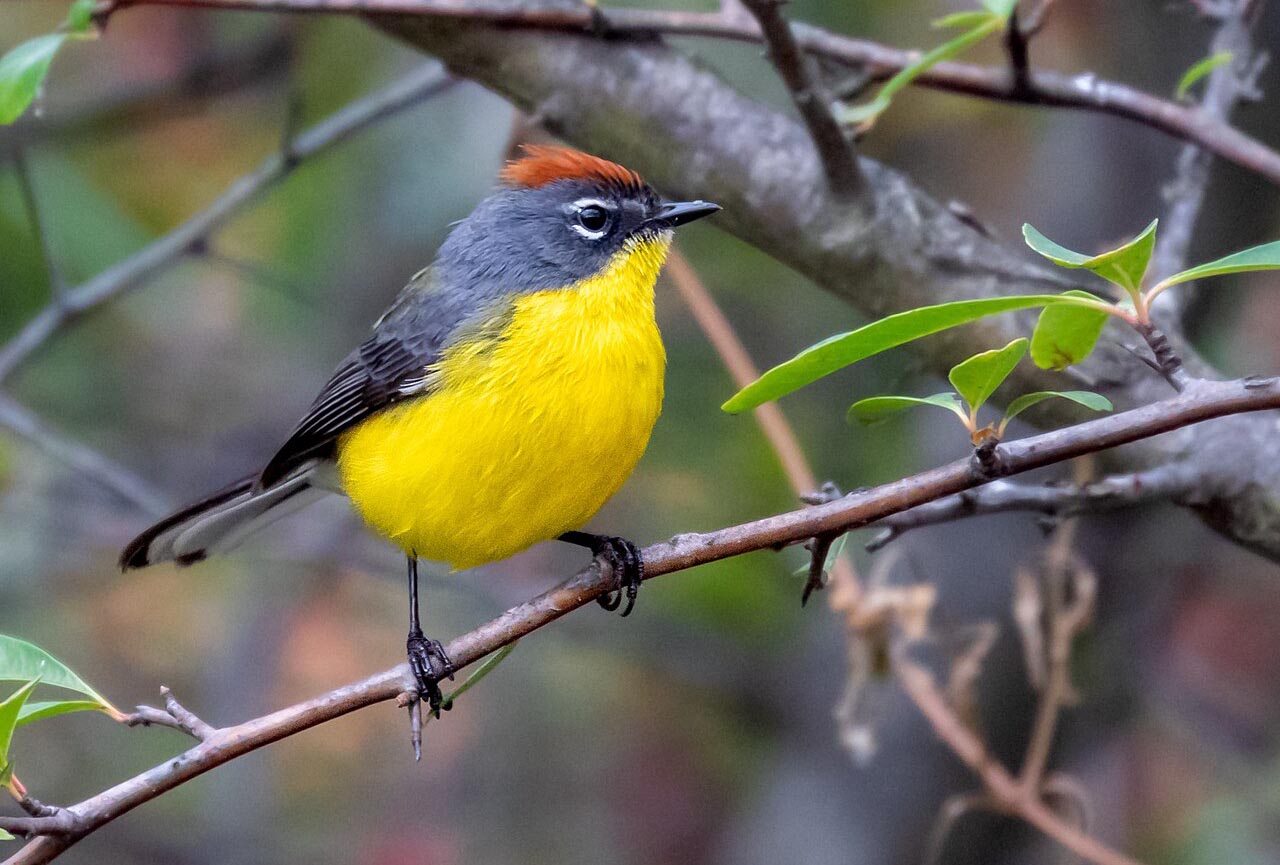
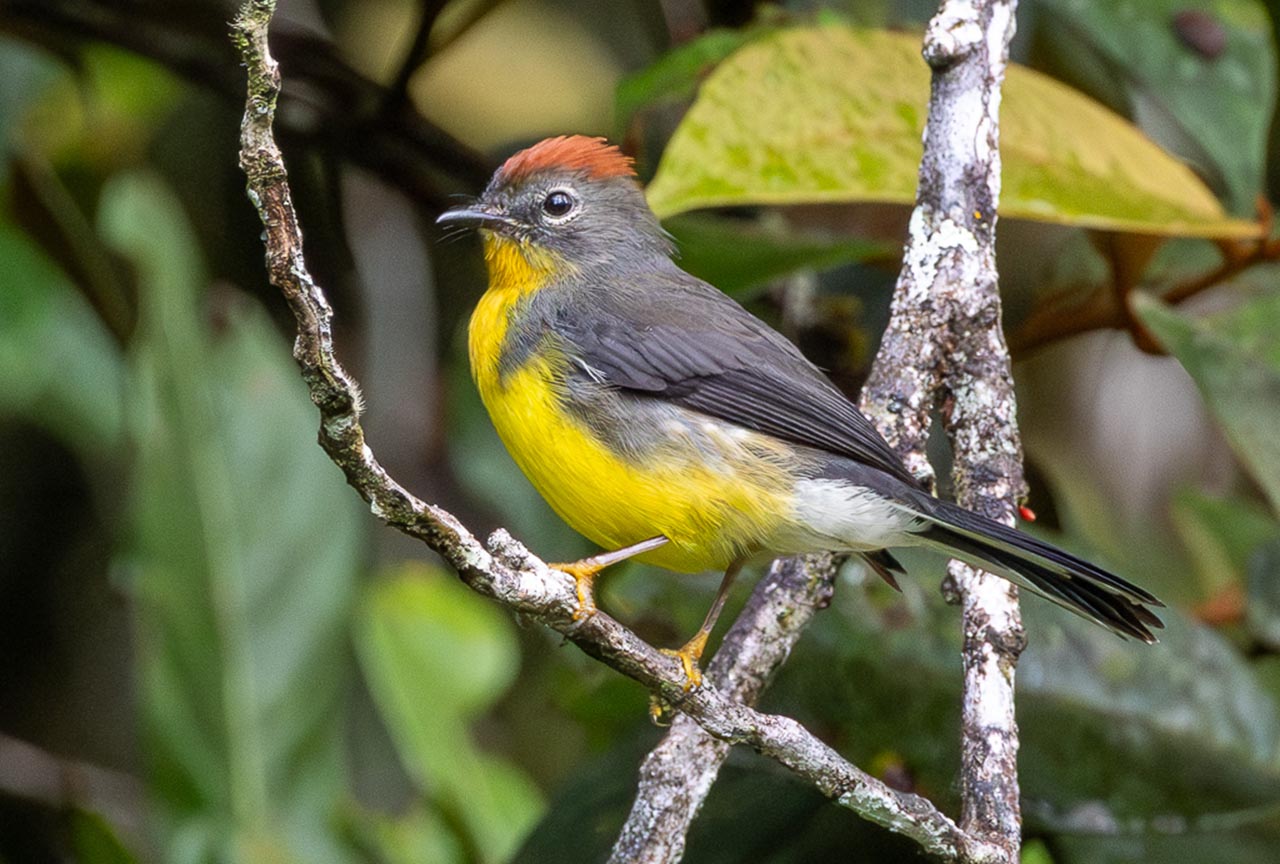
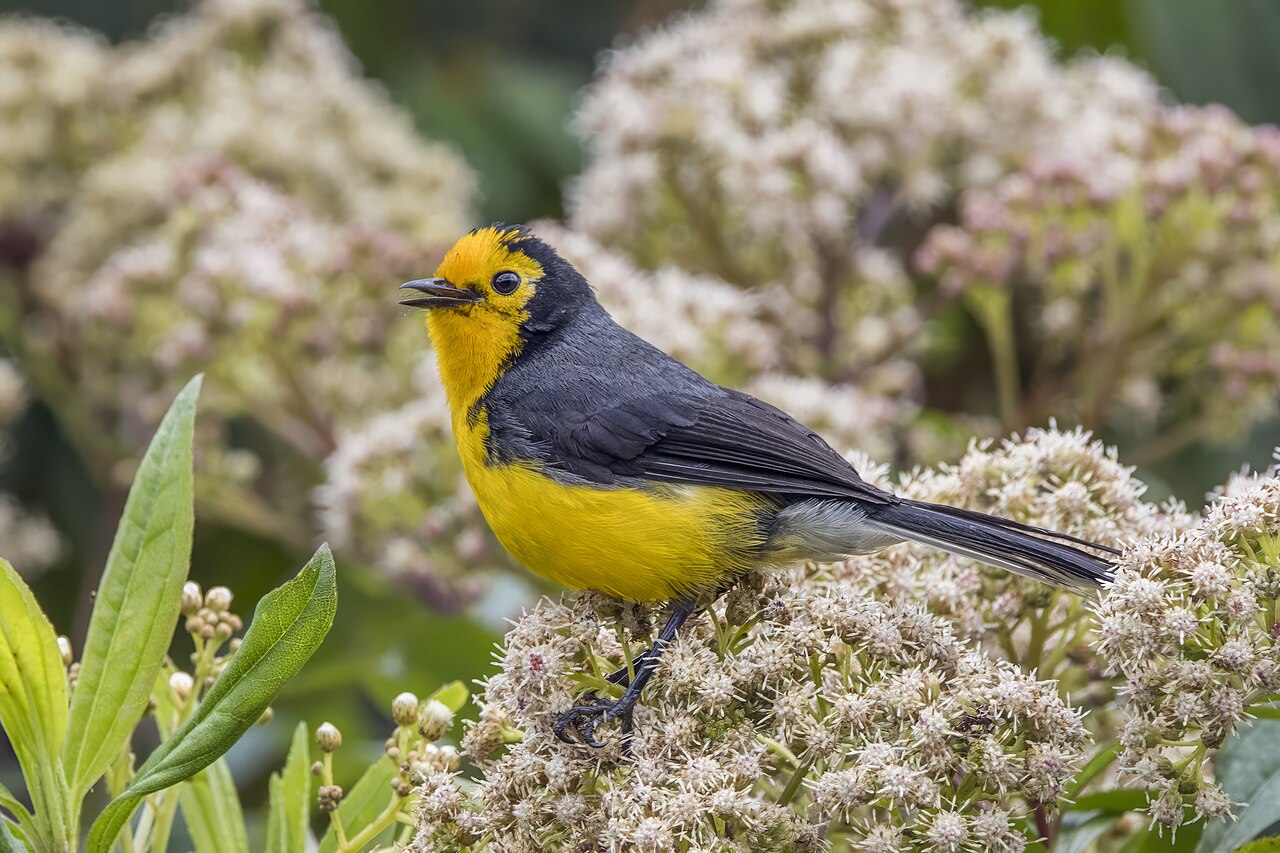
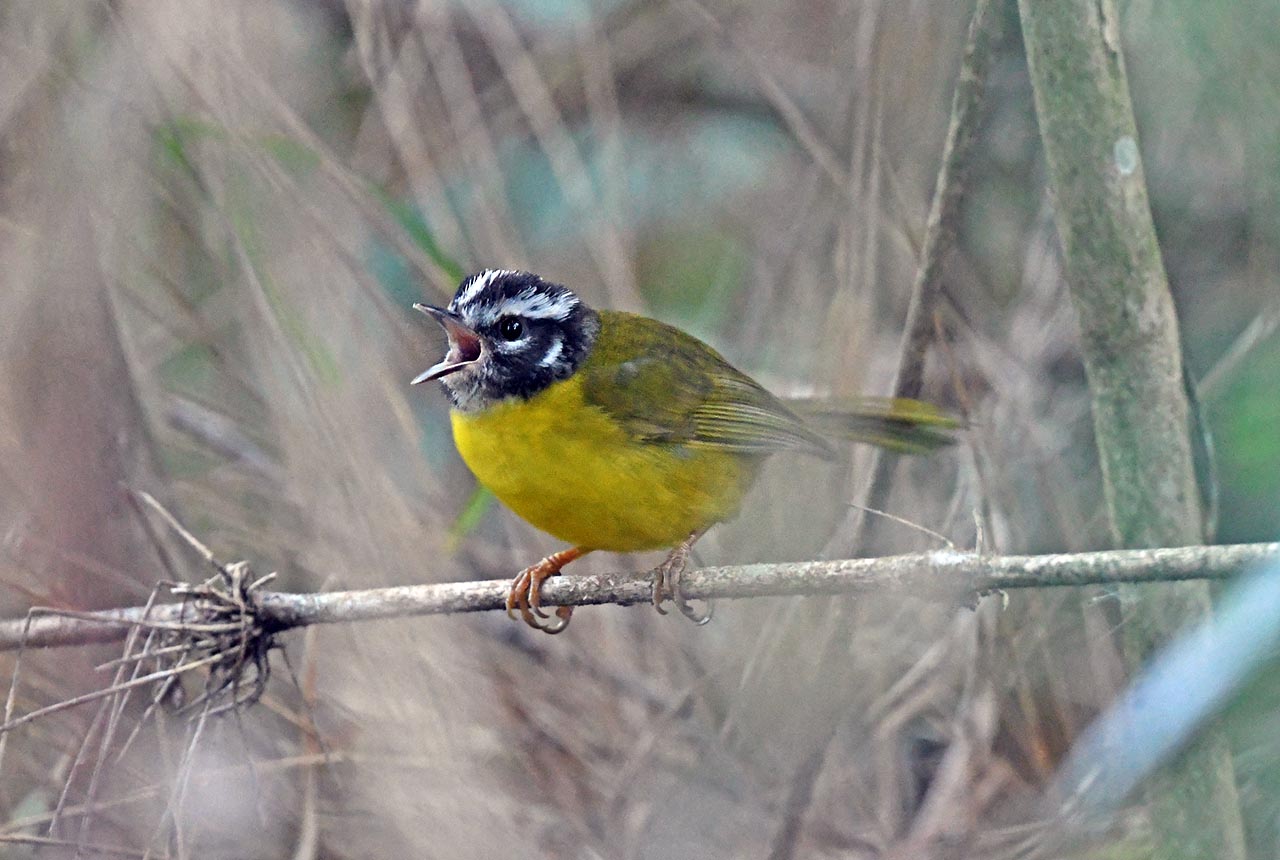
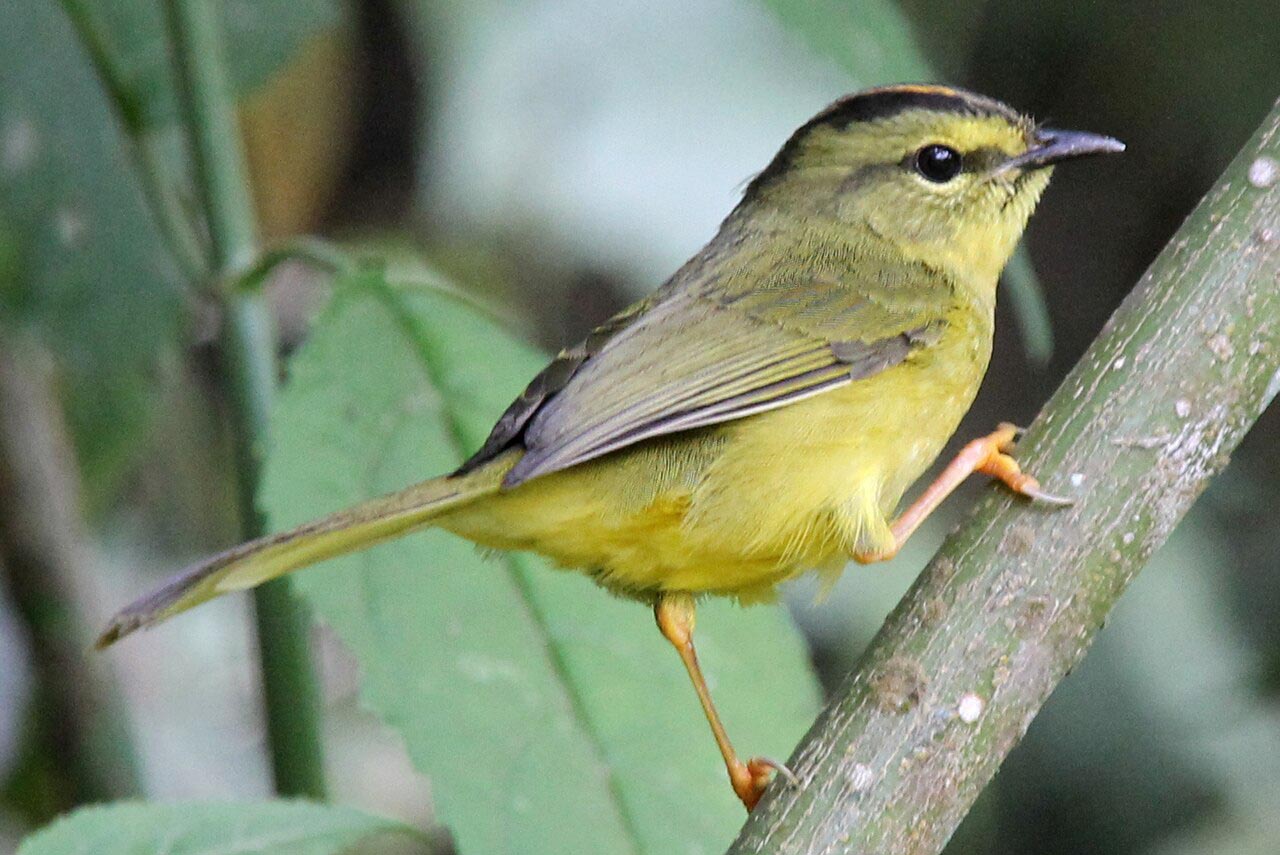
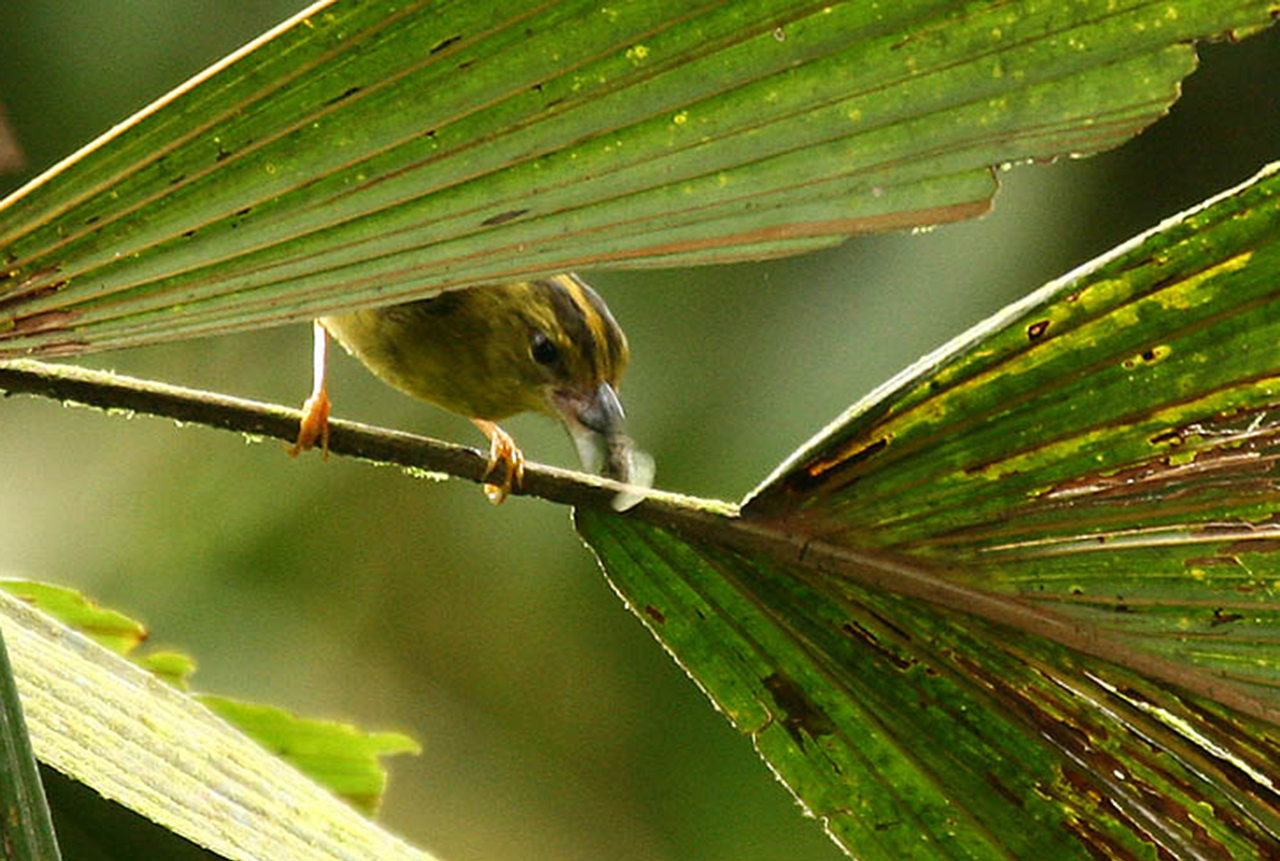
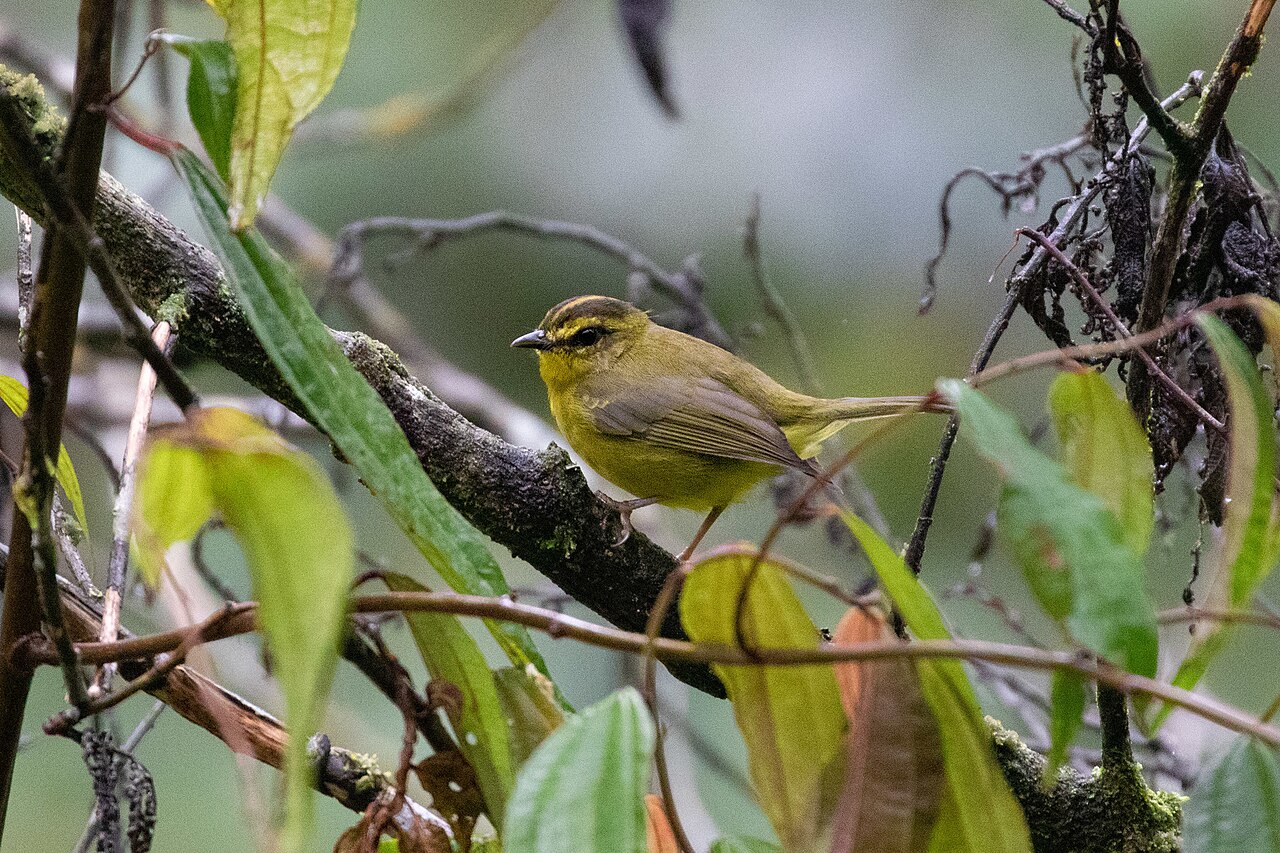
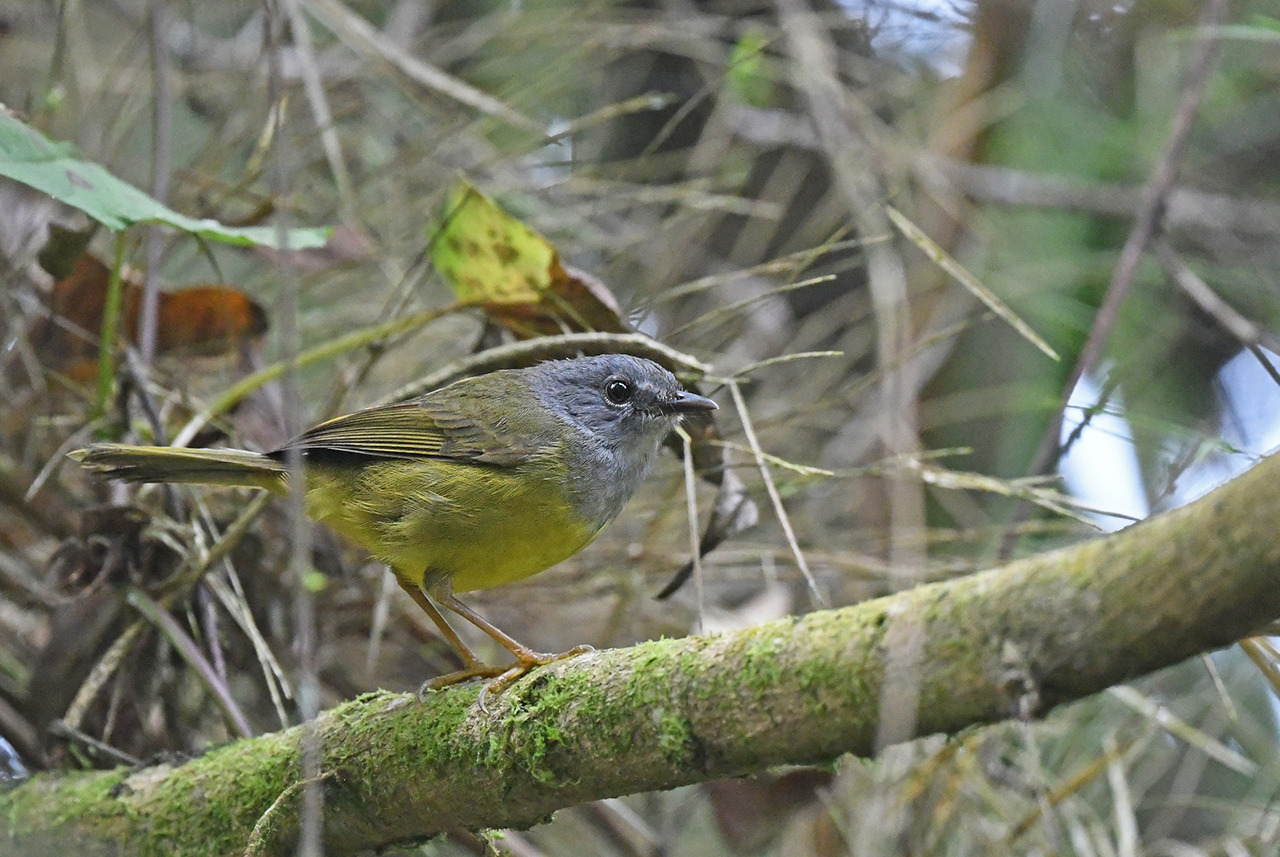
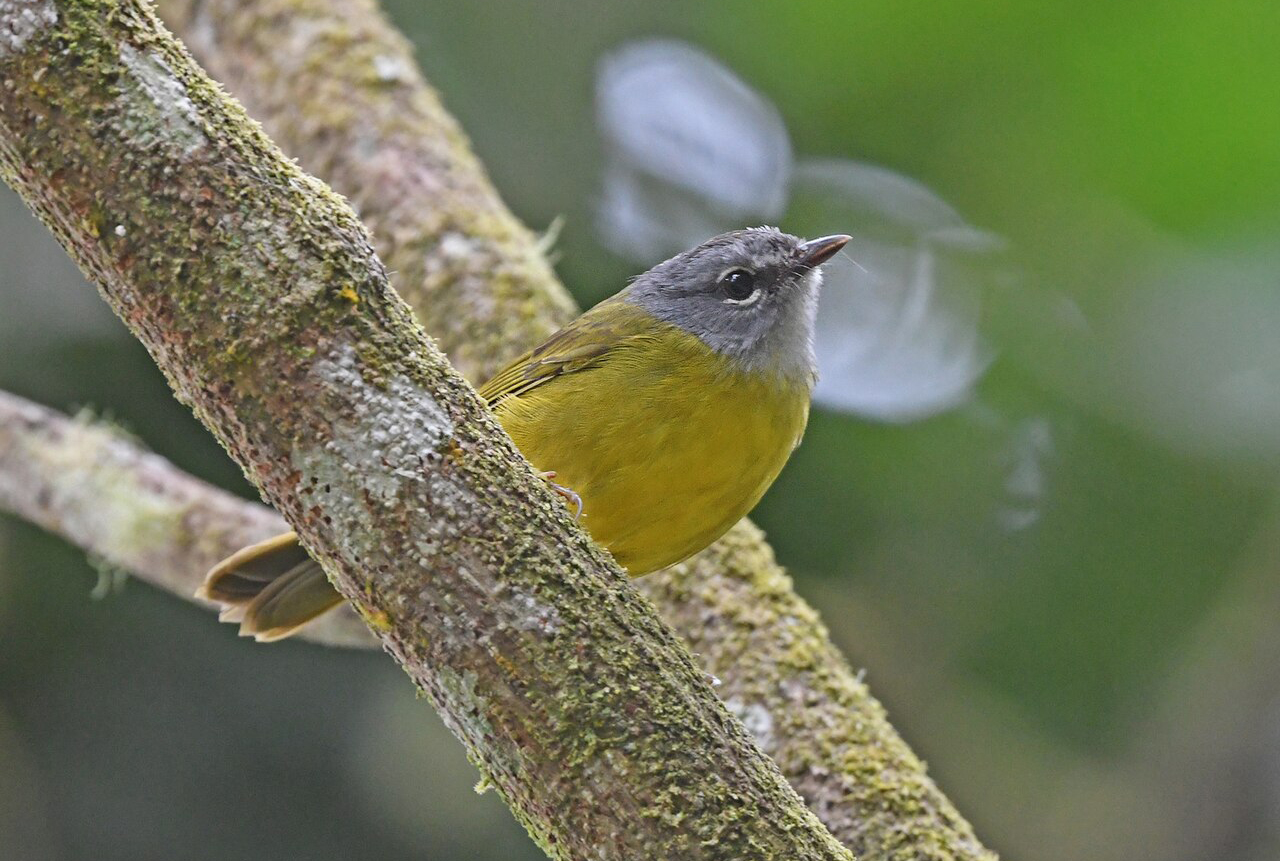
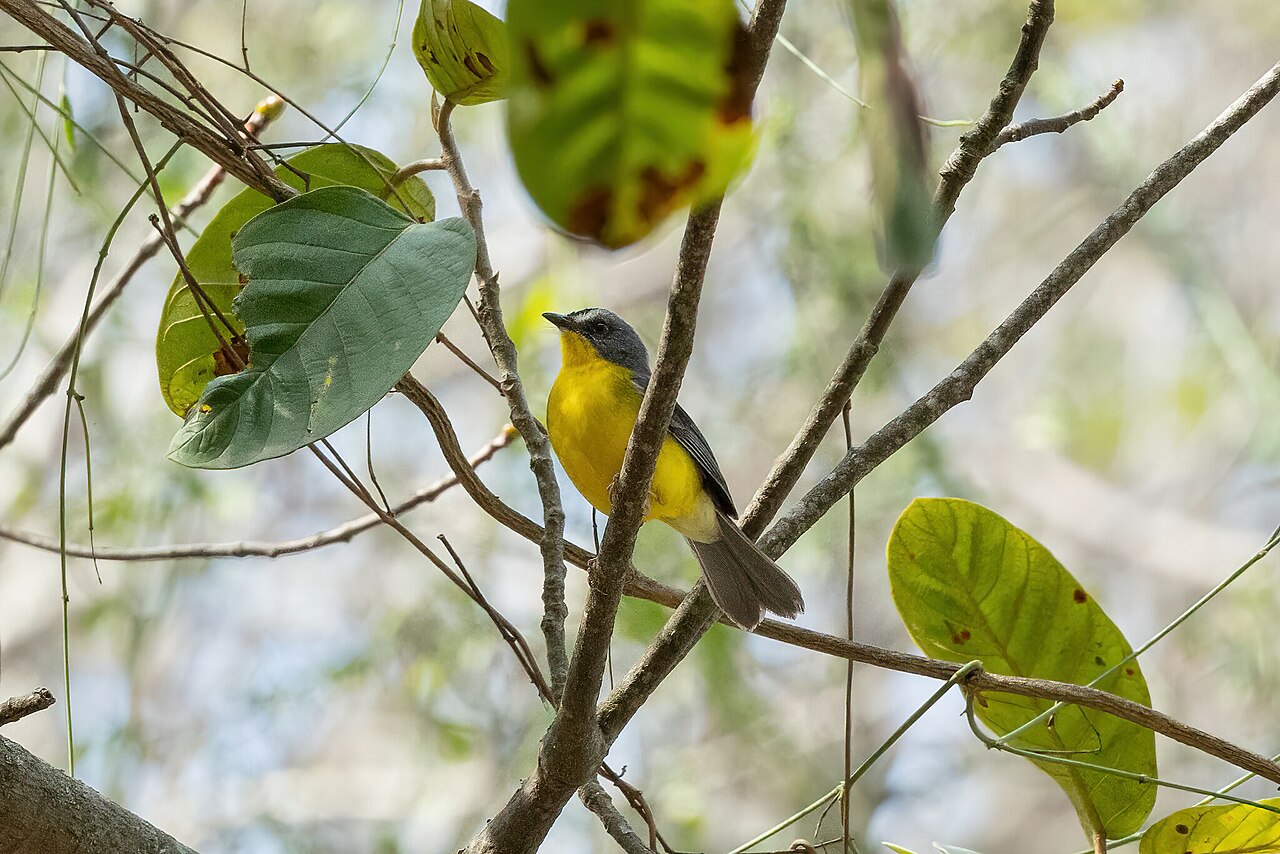
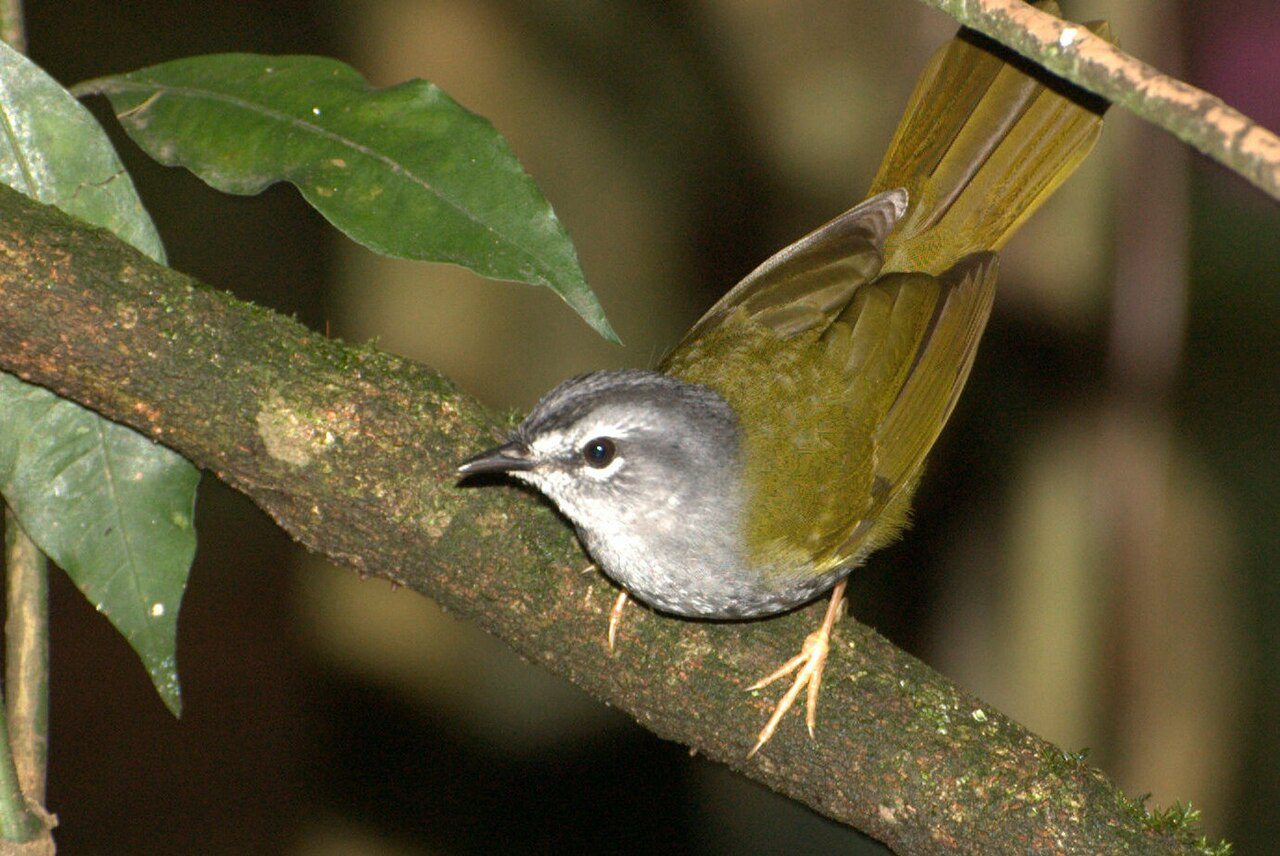
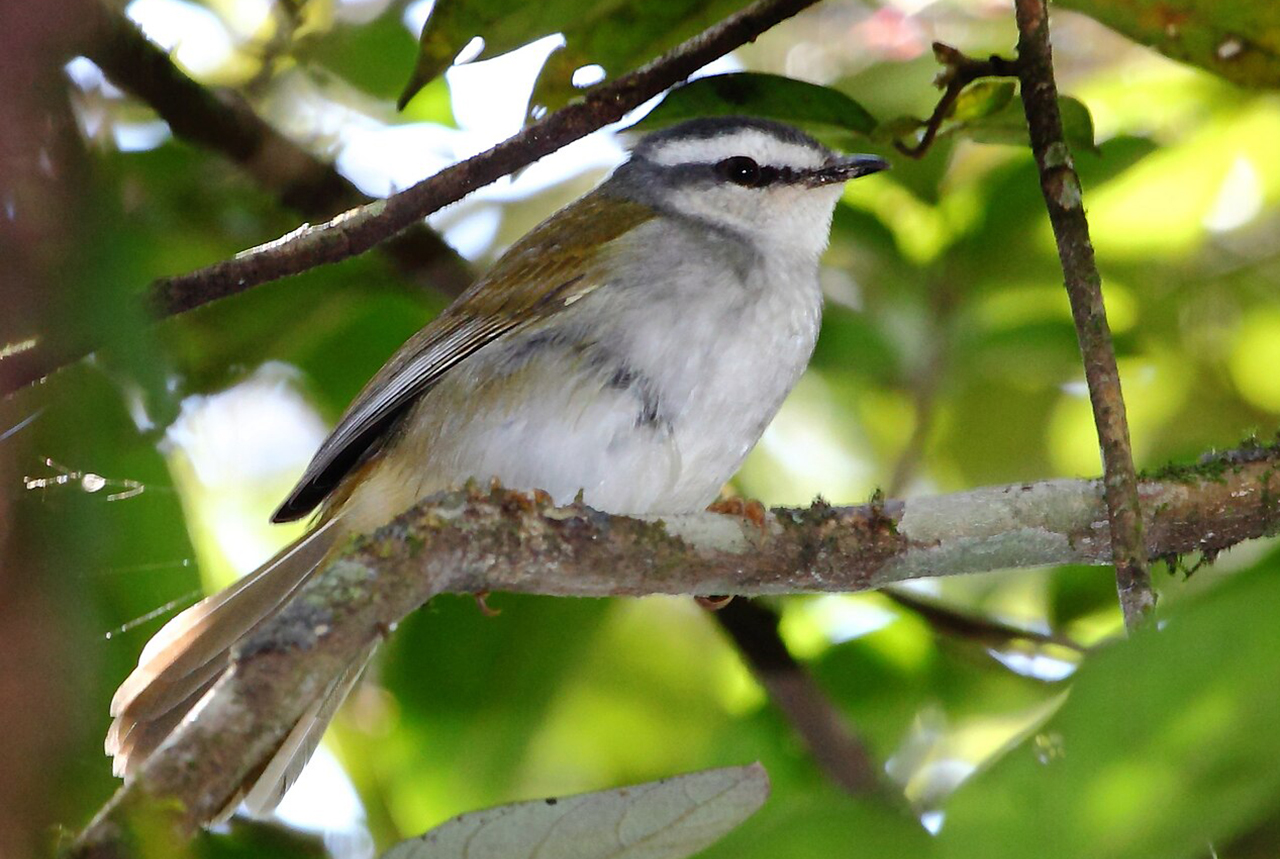
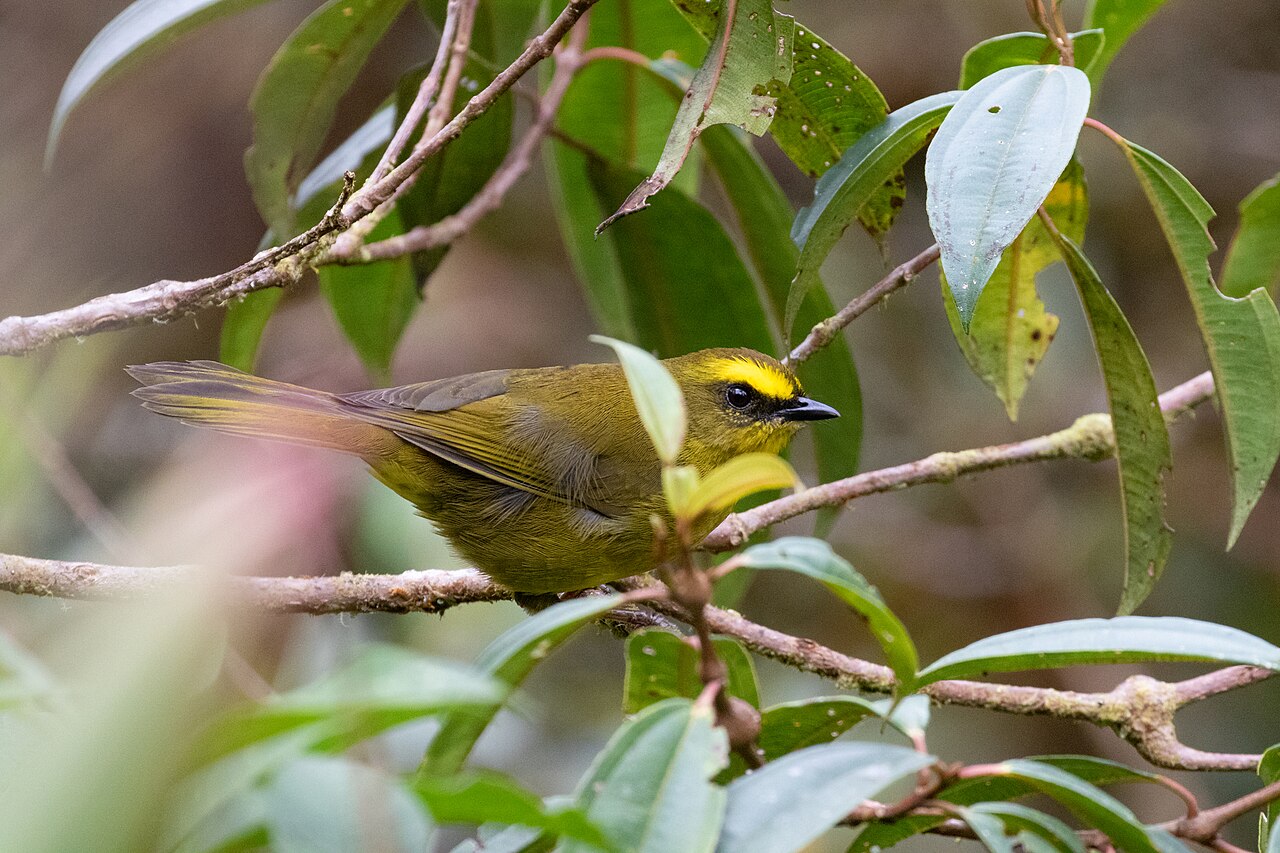
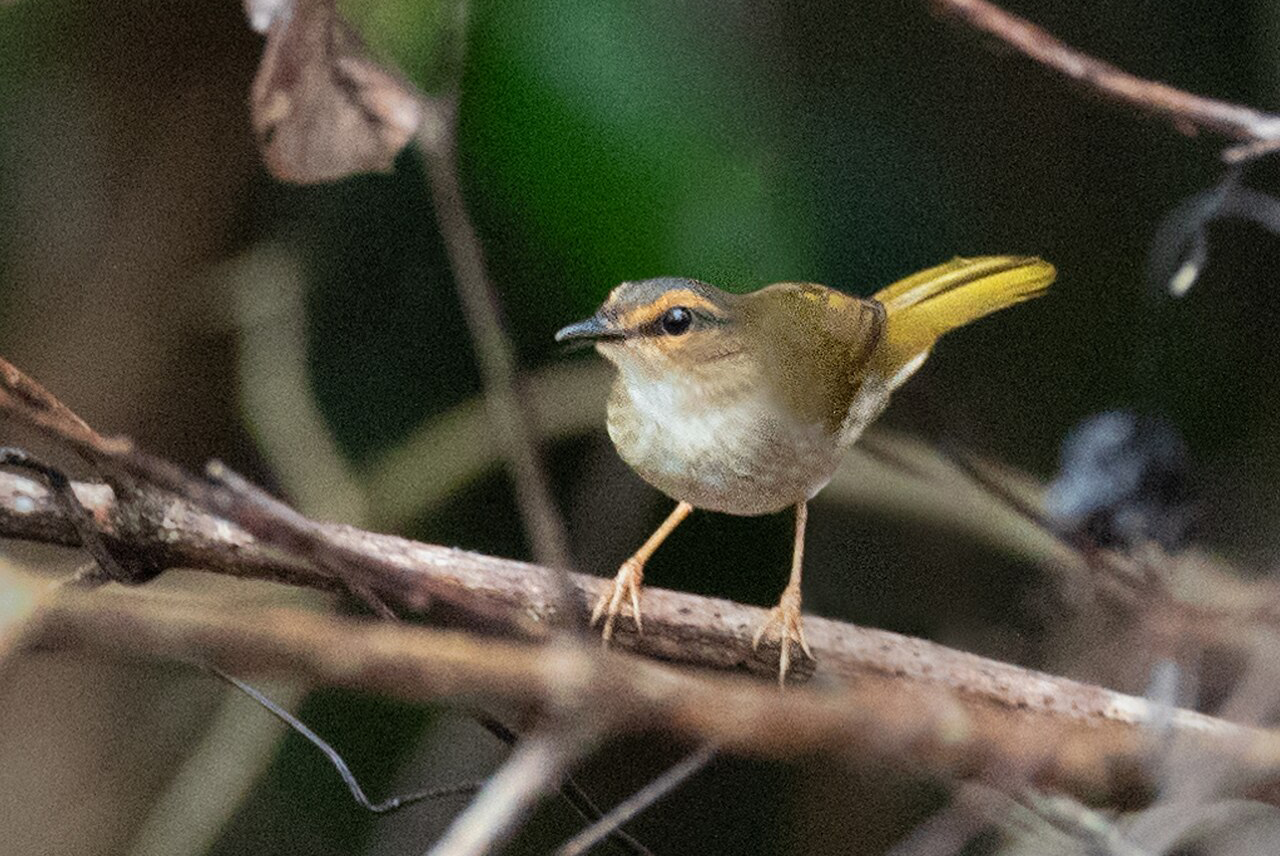
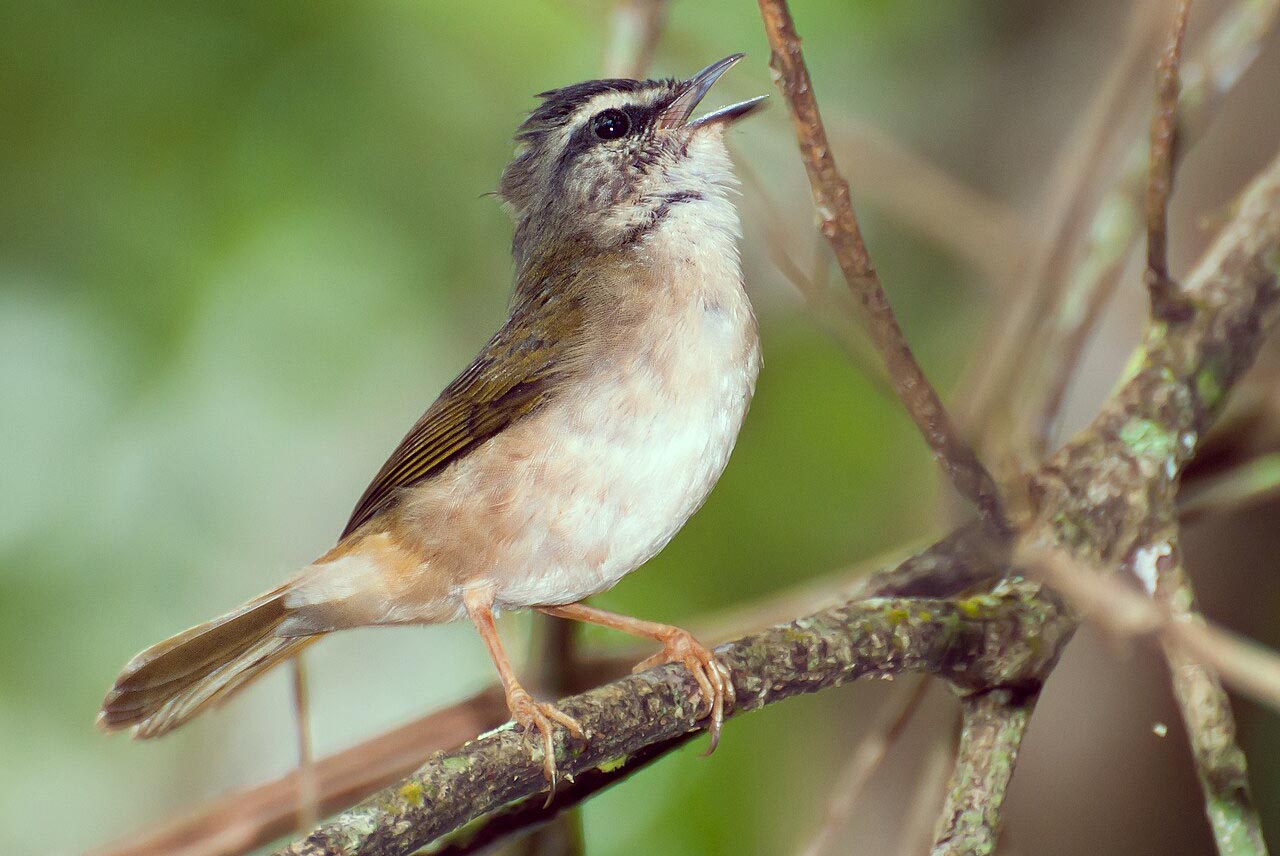
The Parulidae family, also known as the New World warbler family, includes about 125 bird species. They are found throughout North, Central, and South America, as well as the Caribbean.
New World warblers are small birds, generally about 4–7 inches (10.2–17.8 cm) long. They usually have pointed wings and thin, pointed bills.
Their colors vary widely. Many are olive-green, yellow, gray, or brown, while others have bright patches of red, blue, black, or white.
New World warblers eat mostly insects and other small invertebrates, but some species also eat seeds, berries, fruit, or nectar. They live in a variety of habitats, including forests, woodlands, shrubs, and wetlands. Many species spend much of their time in trees and shrubs. Many New World warblers are migratory, traveling long distances between their breeding and wintering grounds.
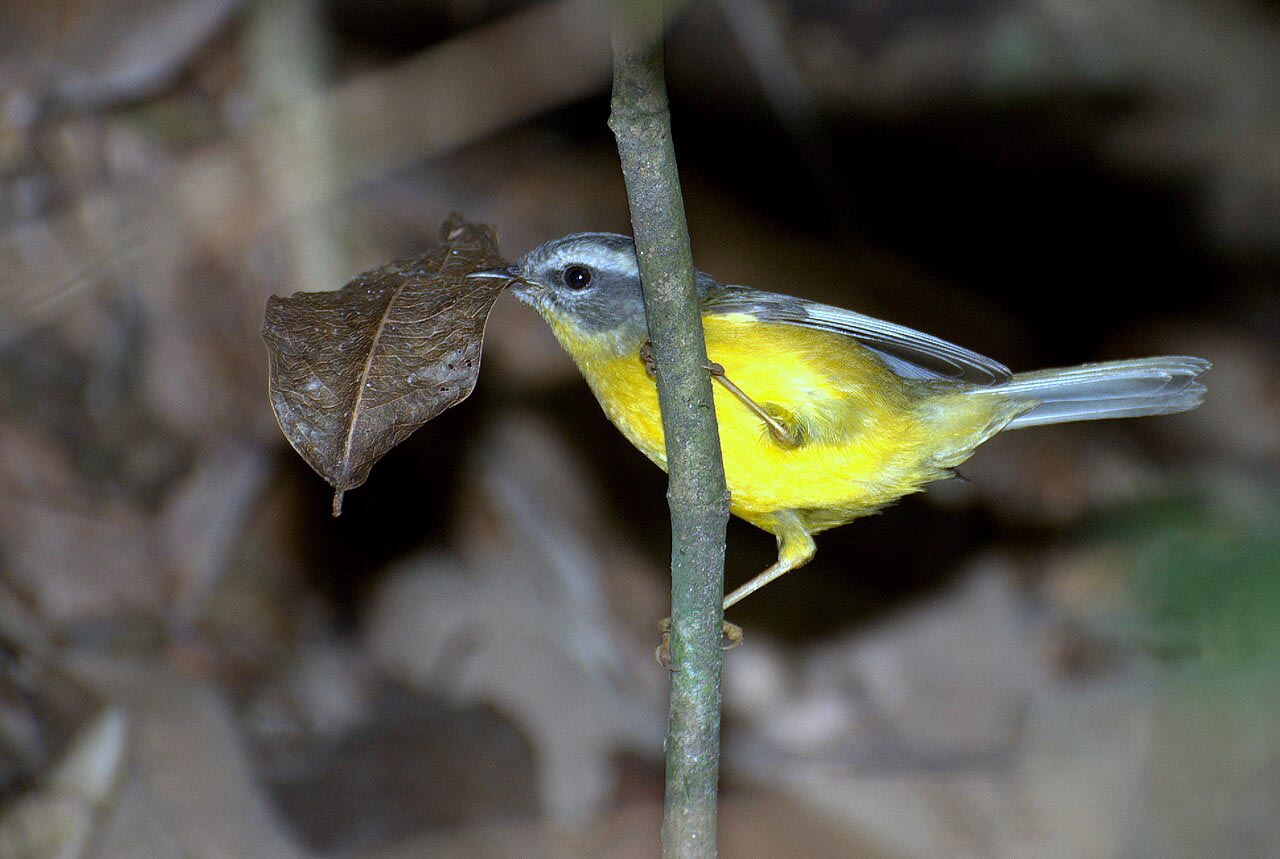
Golden-crowned Warbler (Basileuterus auricapilla)
The Golden-crowned Warbler is found in Argentina, Bolivia, Brazil, Guyana, Paraguay, Trinidad and Tobago, Uruguay, and Venezuela. IUCN Redlist Status: Least Concern
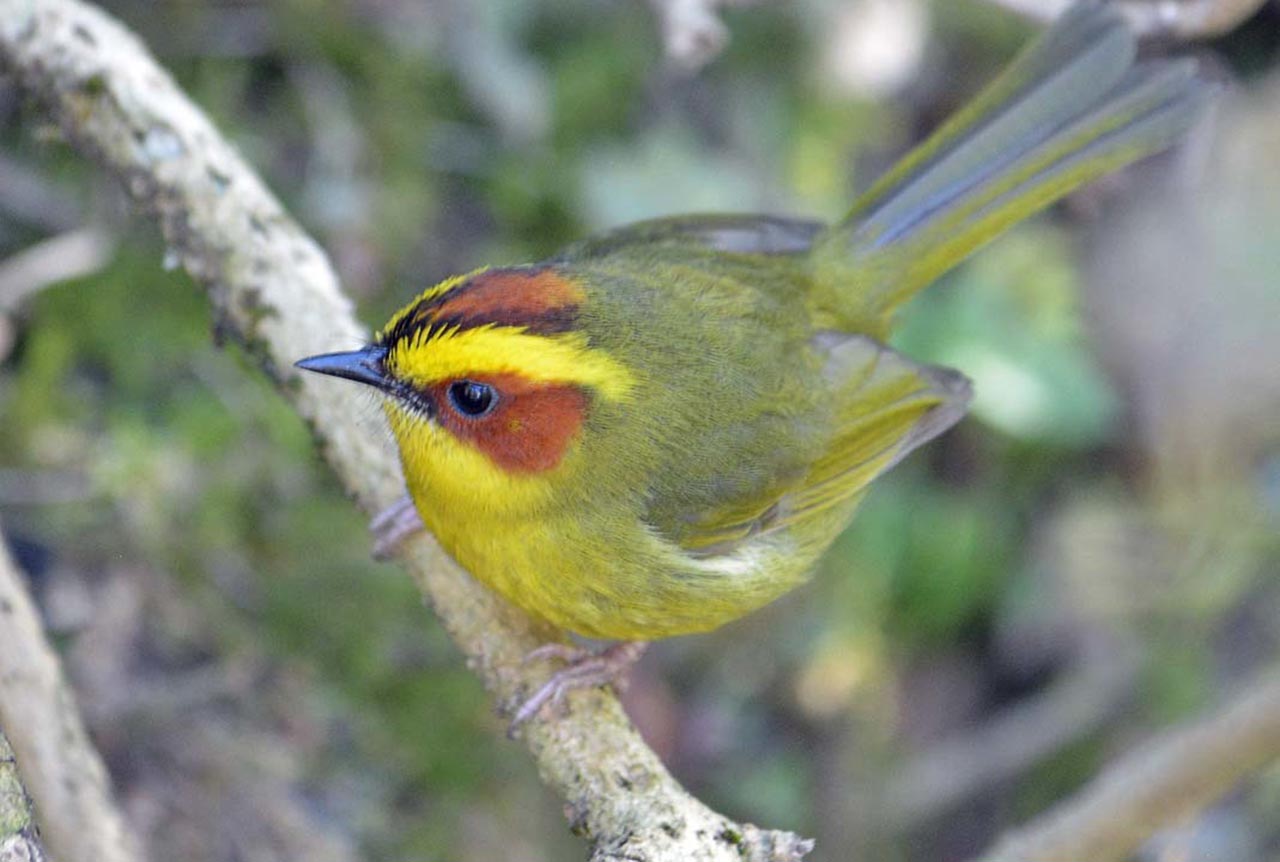
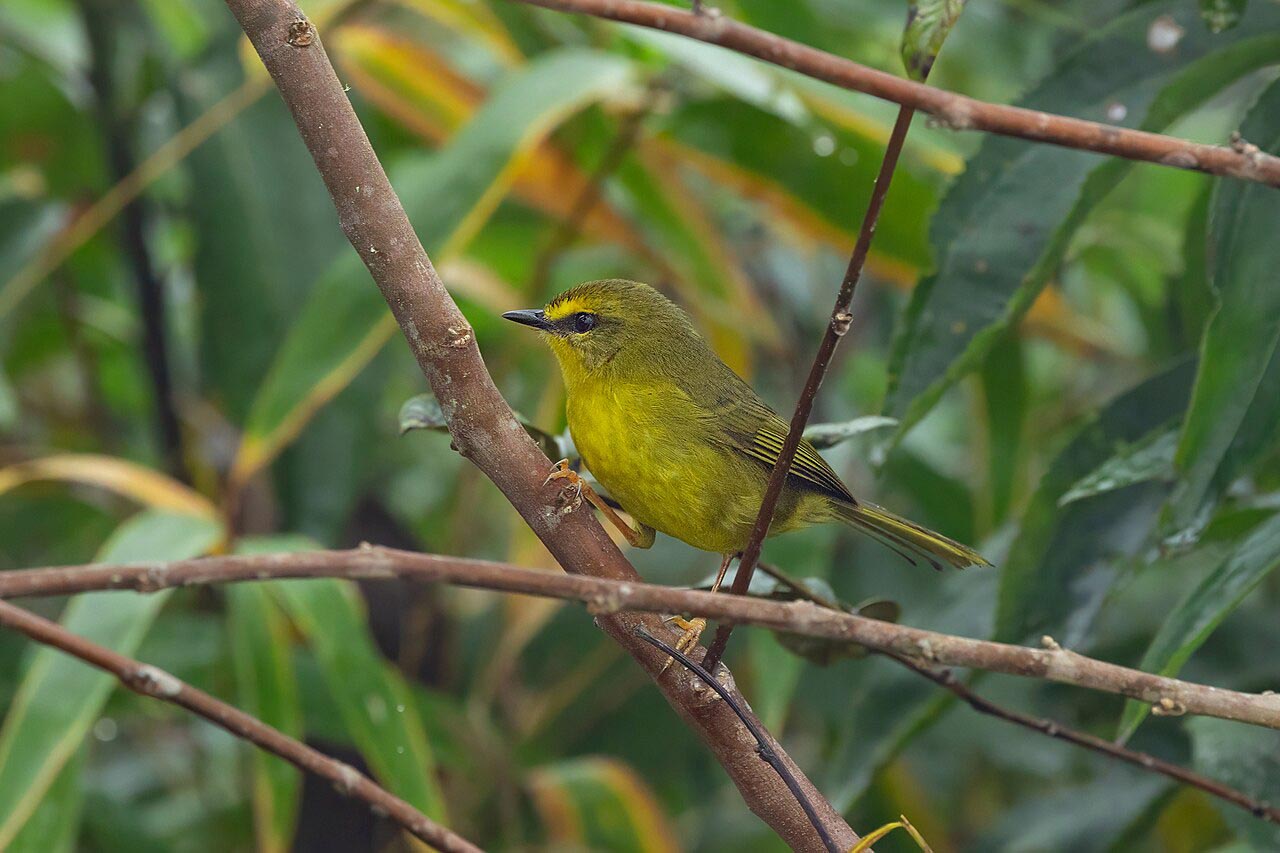
Golden-browed Warbler (Basileuterus belli)
The Golden-browed Warbler is found in El Salvador, Guatemala, Honduras, and Mexico. IUCN Redlist Status: Least Concern
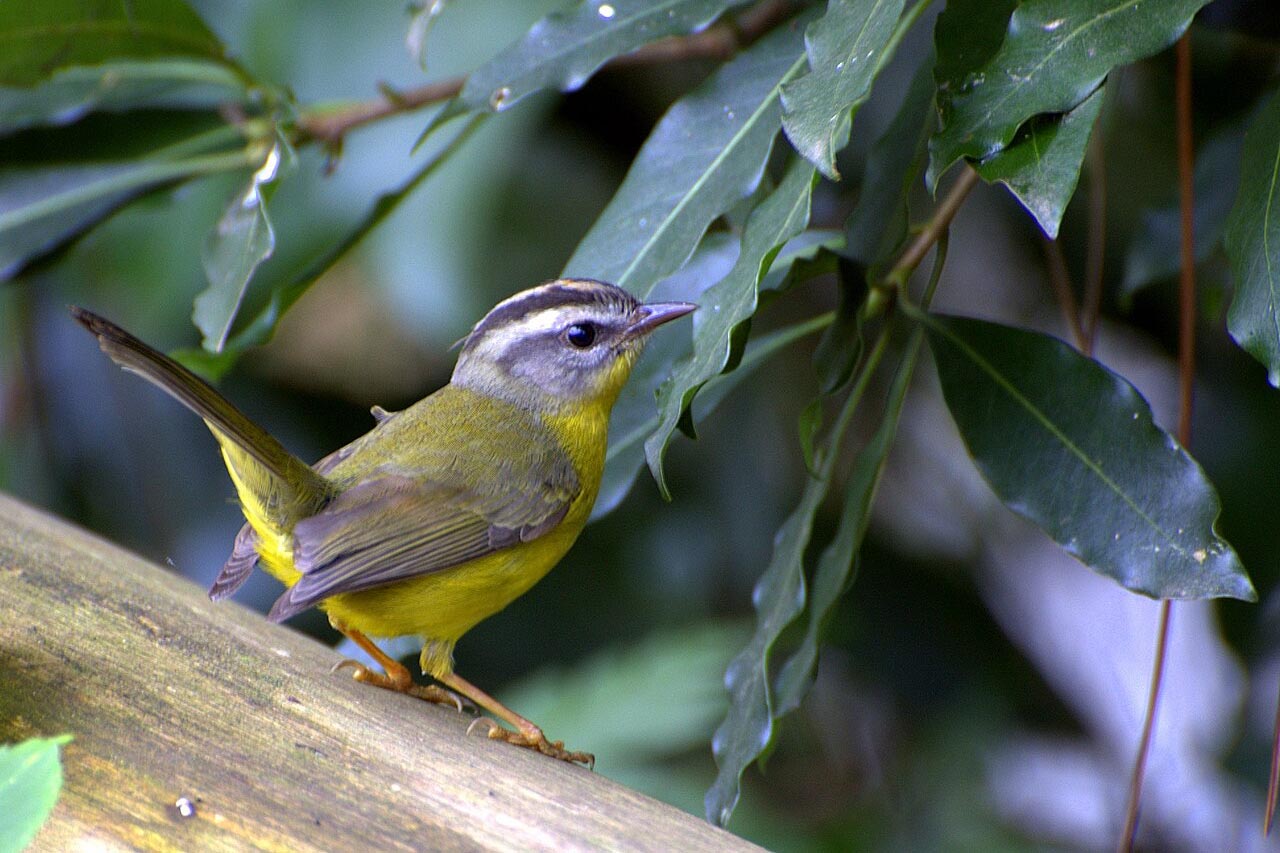
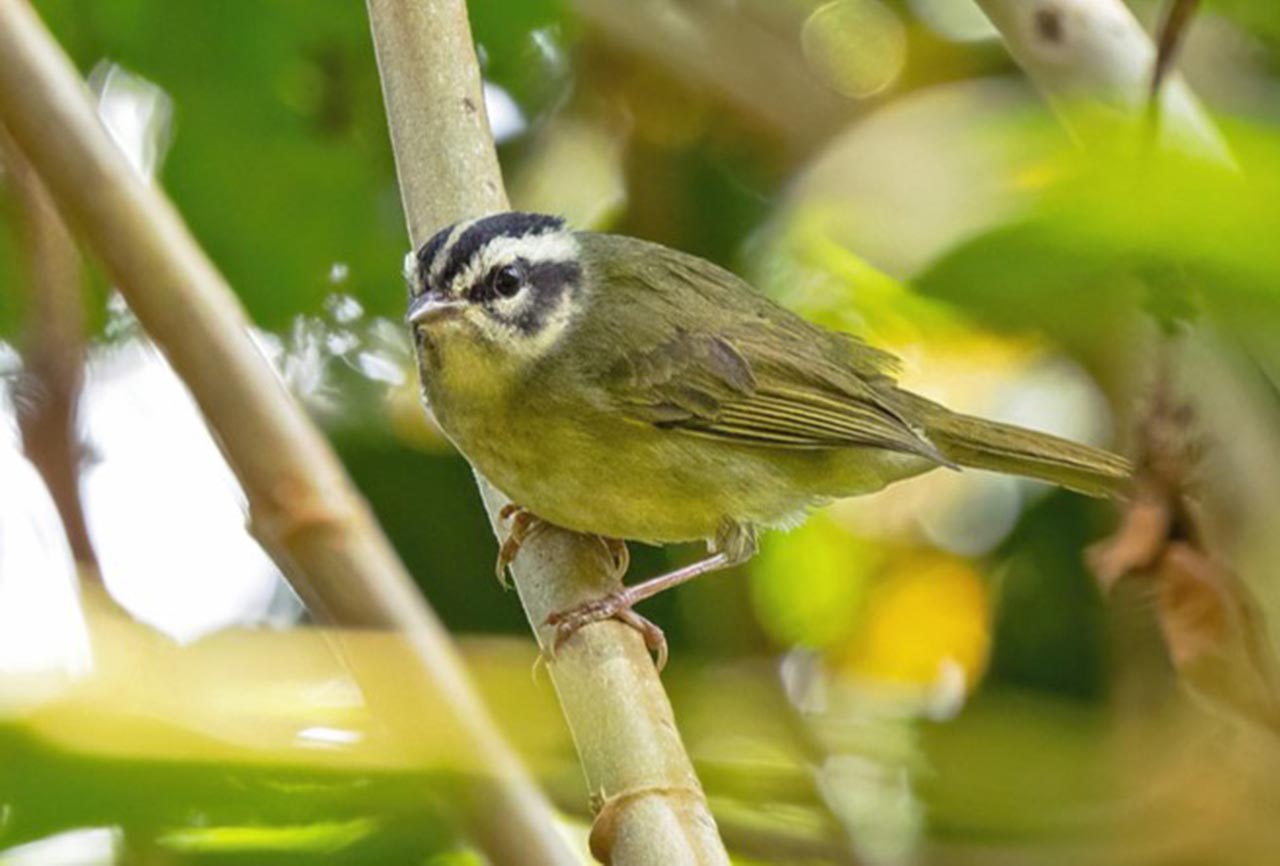
Stripe-crowned Warbler (Basileuterus culicivorus)
The Stripe-crowned Warbler is found in Belize, Costa Rica, Guatemala, Honduras, Mexico, Nicaragua, and Panama. IUCN Redlist Status: Least Concern
White-bellied Warbler (Basileuterus hypoleucus)
The White-bellied Warbler is found in Bolivia, Brazil, and Paraguay. IUCN Redlist Status: Least Concern
Pirre Warbler (Basileuterus ignotus)
The Pirre Warbler is found in Colombia and Panama. IUCN Redlist Status: Vulnerable
Fan-tailed Warbler (Basileuterus lachrymosa)
The Fan-tailed Warbler is found in El Salvador, Guatemala, Honduras, Mexico, and Nicaragua. IUCN Redlist Status: Least Concern
Black-cheeked Warbler (Basileuterus melanogenys)
The Black-cheeked Warbler is found in Costa Rica and Panama. IUCN Redlist Status: Least Concern
Costa Rican Warbler (Basileuterus melanotis)
The Costa Rican Warbler, also known as the Black-eared Warbler, is found in Costa Rica and Panama. IUCN Redlist Status: Least Concern
Yungas Warbler (Basileuterus punctipectus)
The Yungas Warbler is found in Bolivia and Peru. IUCN Redlist Status: Least Concern
Rufous-capped Warbler (Basileuterus rufifrons)
The Rufous-capped Warbler is found in Belize, Colombia, Costa Rica, El Salvador, Guatemala, Honduras, Mexico, Nicaragua, Panama, and Venezuela. IUCN Redlist Status: Least Concern
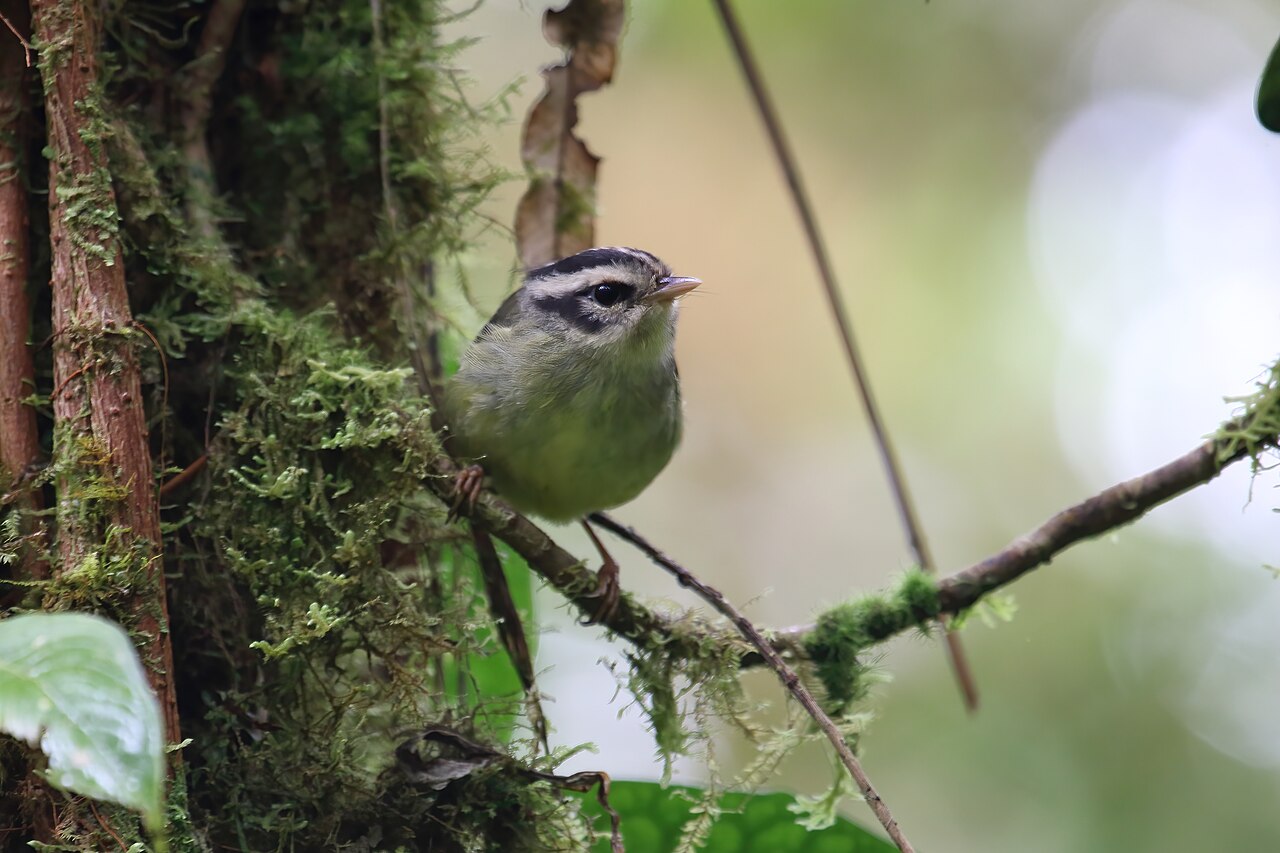
Three-banded Warbler (Basileuterus trifasciatus)
The Three-banded Warbler is found in Ecuador and Peru. IUCN Redlist Status: Least Concern
Three-striped Warbler (Basileuterus tristriatus)
The Three-striped Warbler is found in Colombia, Ecuador, Peru, and Venezuela. IUCN Redlist Status: Least Concern
Canada Warbler (Cardellina canadensis)
The Canada Warbler breeds across much of Canada and in parts of the northern United States from Minnesota east to New England, including New Hampshire. It winters in Central and South America. IUCN Redlist Status: Least Concern
Wilson's Warbler (Cardellina pusilla)
Wilson's Warbler breeds in Canada, the western United States, and in northern New England, including New Hampshire. IUCN Redlist Status: Least Concern
Red Warbler (Cardellina ruber)
The Red Warbler is found in Mexico. IUCN Redlist Status: Least Concern
Red-faced Warbler (Cardellina rubrifrons)
The Red-faced Warbler breeds in Arizona, New Mexico, and Mexico and winters in Mexico, Guatemala, and Hondurus. IUCN Redlist Status: Least Concern
Pink-headed Warbler (Cardellina versicolor)
The Pink-headed Warbler is found in Guatemala and Mexico. IUCN Redlist Status Least Concern
Masked Yellowthroat (Geothlypis aequinoctialis)
The Masked Yellowthroat is found in Argentina, Bolivia, Brazil, Colombia, Ecuador, French Guiana, Guyana, Paraguay, Peru, Suriname, Trinidad and Tobago, Uruguay, and Venezuela. IUCN Redlist Status: Least Concern
Black-lored Yellowthroat (Geothlypis auricularis)
The Black-lored Yellowthroat is found in Ecuador and Peru. IUCN Redlist Status: Least Concern
Altamira Yellowthroat (Geothlypis flavovelata)
The Altamira Yellowthroat is found in Mexico. IUCN Redlist Status: Near Threatened
Belding's Yellowthroat (Geothlypis beldingi)
Belding's Yellowthroat is found in Baja California, Mexico. IUCN Redlist Status Vulnerable
Kentucky Warbler (Geothlypis formosa)
The Kentucky Warbler breeds from Nebraska east to New Jersey and south to Texas and northern Florida. It winters in Mexico, Central and South America, and the Caribbean. IUCN Redlist Status: Least Concern
Hooded Yellowthroat (Geothlypis nelsoni)
The Hooded Yellowthroat is found in Mexico. IUCN Redlist Status: Least Concern
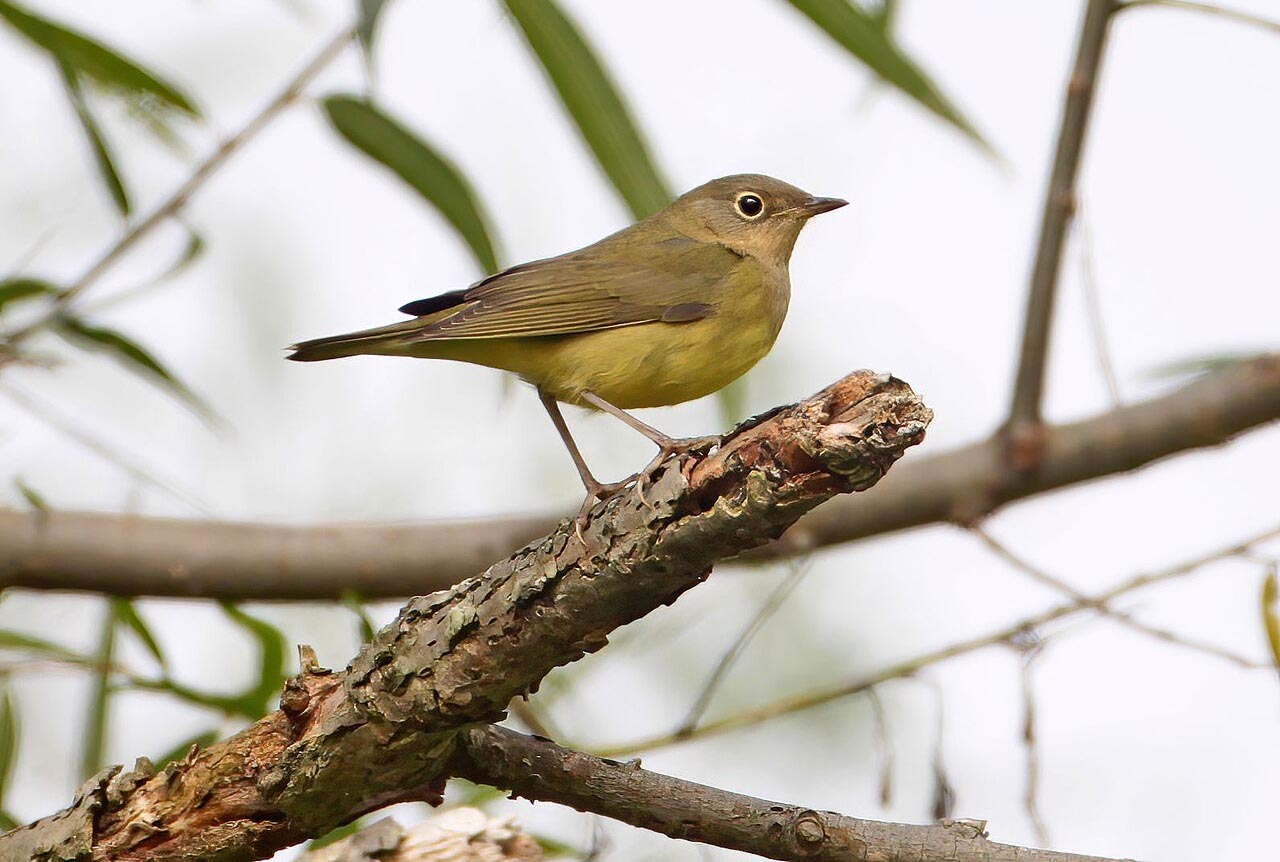
Mourning Warbler (Geothlypis philadelphia)
The Mourning Warbler breeds in Canada and the northeastern and north-central United States and migrates through the United States and Central America to winter in southern Central America and northern South America. IUCN Redlist Status: Least Concern
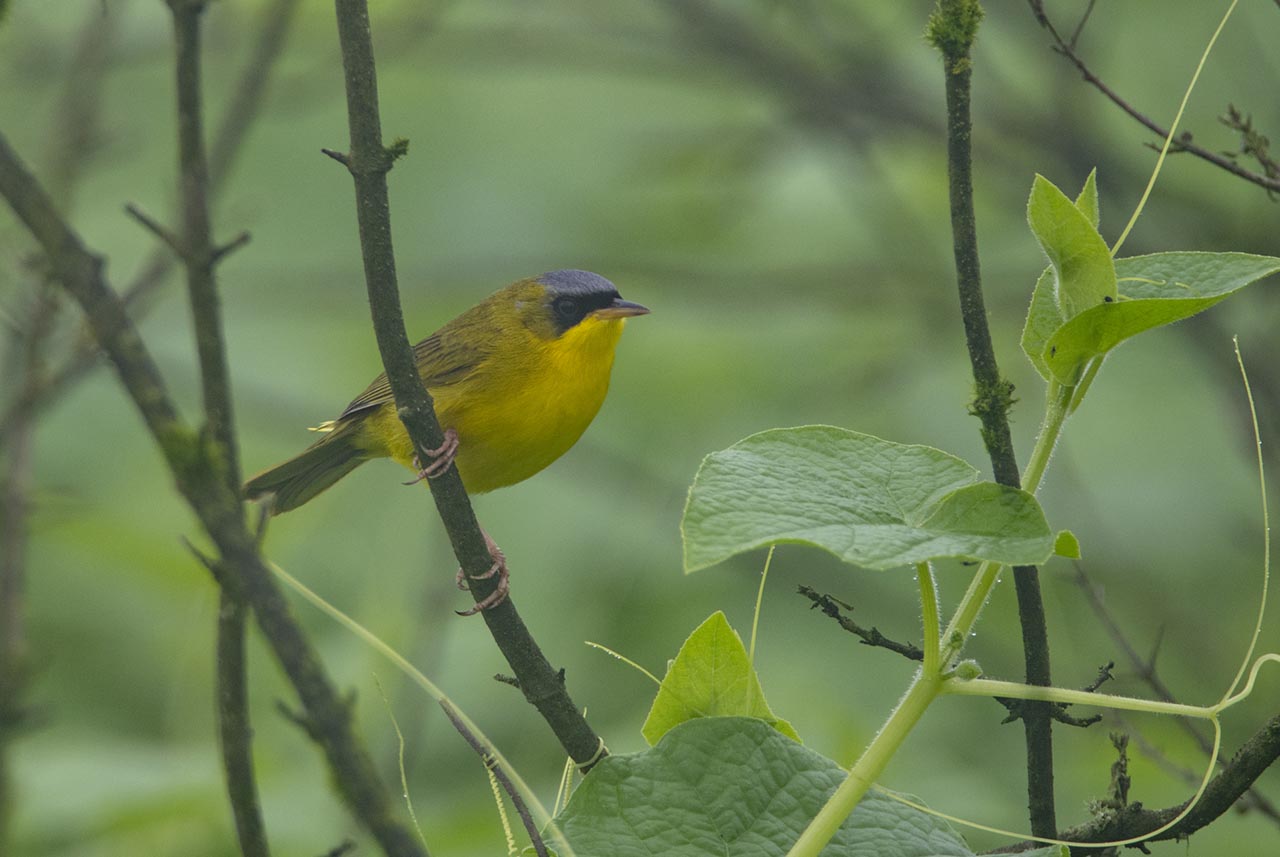
The Gray-crowned Yellowthroat is found in Belize, Costa Rica, El Salvador, Guatemala, Honduras, Mexico, Nicaragua, and Panama. IUCN Redlist Status: Least Concern
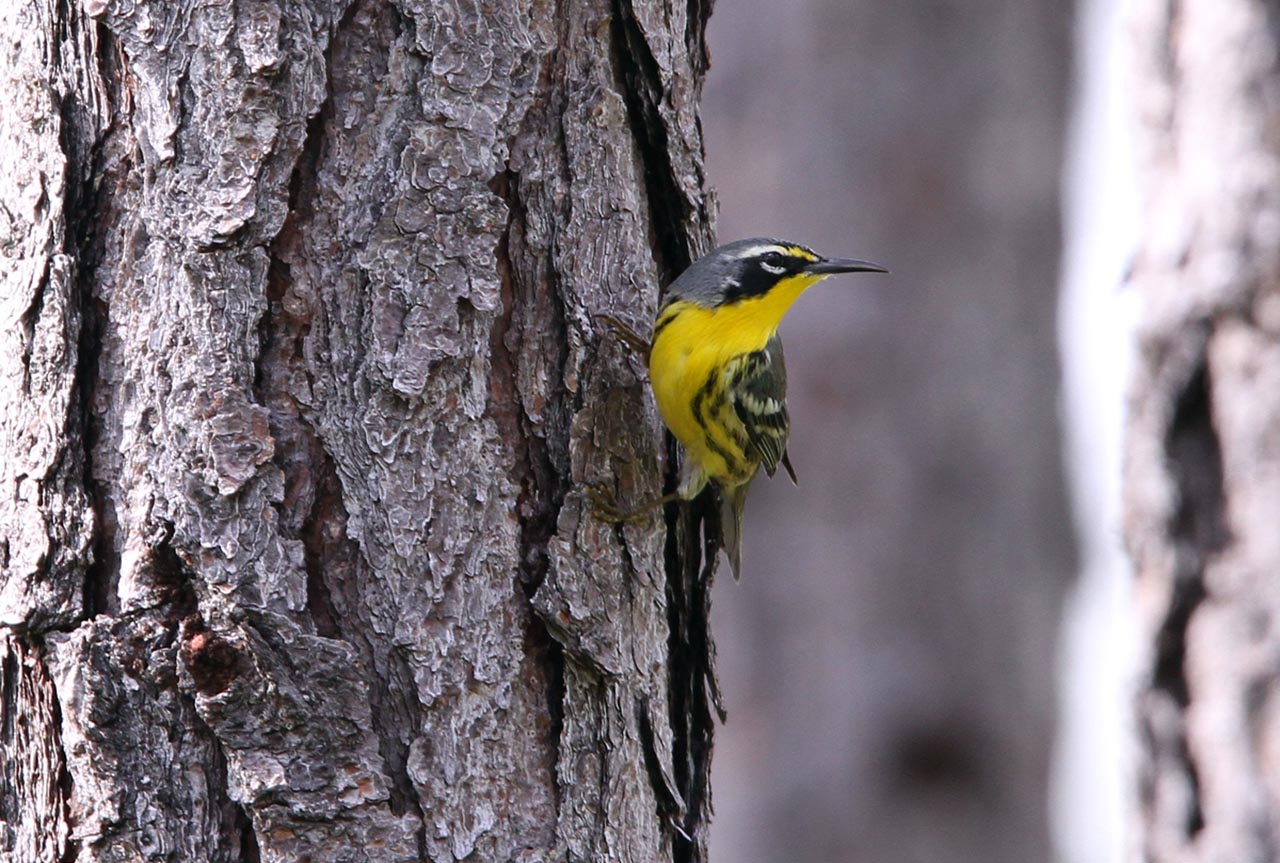
Bahama Yellowthroat (Geothlypis rostrata)
The Bahama Yellowthroat is found in the Bahamas. IUCN Redlist Status: Least Concern
Olive-crowned Yellowthroat (Geothlypis semiflava)
The Olive-crowned Yellowthroat is found in Colombia, Costa Rica, Ecuador, Honduras, Nicaragua, and Panama. IUCN Redlist Status: Least Concern
Black-polled Yellowthroat (Geothlypis speciosa)
The Black-polled Yellowthroat is found in Mexico. IUCN Redlist Status Vulnerable
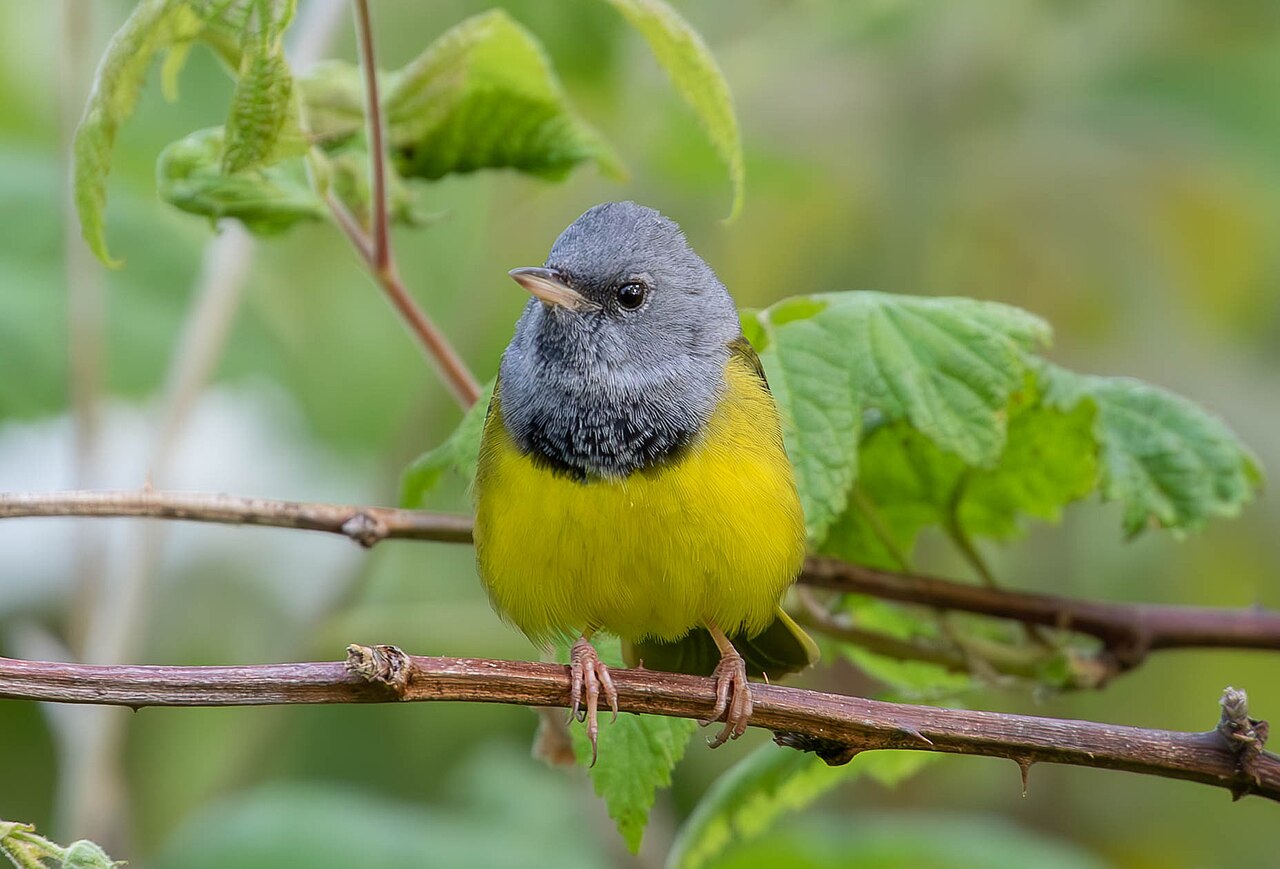
MacGillivray's Warbler (Geothlypis tolmiei)
MacGillivray's Warbler breeds in western Canada and the western United States. It winters in Mexico, Central America, and South America. IUCN Redlist Status: Least Concern
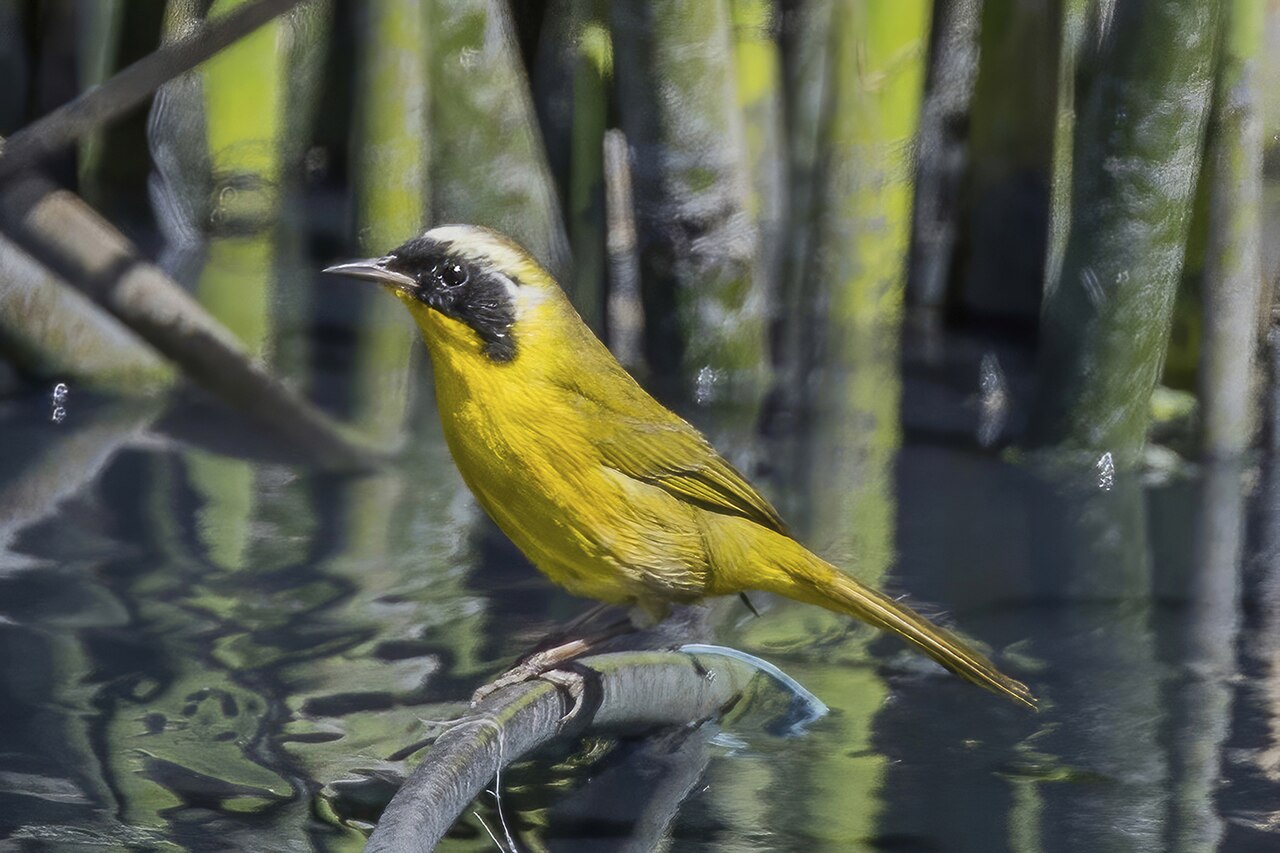
Common Yellowthroat (Geothlypis trichas)
The Common Yellowthroat breeds across much of the United States and Canada. Birds in the northern parts of its range winter in Mexico, Central America, South America, and the Caribbean.The common yellowthroat breeds in New Hampshire. IUCN Redlist Status: Least Concern
Worm-eating Warbler (Helmitheros vermivorum)
The Worm-eating Warbler breeds in the eastern United States from Nebraska east to Massachusetts and south to Texas and North Carolina. It winters in Mexico, Central America, and the Caribbean. IUCN Redlist Status: Least Concern
Orange-crowned Warbler (Leiothlypis celata)
The Orange-crowned Warbler breeds from Alaska across much of Canada and in the western United States. It winters in the southern United States and Mexico. IUCN Redlist Status: Least Concern
Colima Warbler (Leiothlypis crissalis)
The Colima Warbler is found in extreme southwest Texas and Mexico. IUCN Redlist Status: Least Concern
Lucy's Warbler (Leiothlypis luciae)
Lucy's Warbler breeds in the southwestern United States. It winters in Mexico. IUCN Redlist Status: Least Concern
Tennessee Warbler (Leiothlypis peregrina)
The Tennessee Warbler breeds across Canada and northern New England (including New Hampshire), Minnesota, and Michigan. It winters in Mexico, Central America, South America, and the Caribbean. IUCN Redlist Status: Least Concern
Nashville Warbler (Leiothlypis ruficapilla)
The Nashville Warbler breeds in central and eastern Canada and in the northern United States, including New Hampshire. It winters in Texas and Mexico. IUCN Redlist Status: Least Concern
Virginia's Warbler (Leiothlypis virginiae)
Virginia's Warbler is found in the southwestern U.S. and Mexico. IUCN Redlist Status: Least Concern
Swainson's Warbler (Limnothlypis swainsonii)
Swainson's Warbler is found in the southeastern United States during the breeding season. In winter, it migrates to the Caribbean, including Jamaica and Cuba. IUCN Redlist Status: Least Concern
Black-and-white Warbler (Mniotilta varia)
Thes: L Black-and-white Warbler breeds from southern Canada south through the eastern U.S. to Florida. It winters in the Gulf Coast, the Caribbean, Central America, and South America. The black and white warbler is one of the first warblers to return in the spring. IUCN Redlist Statueast Concern
White-fronted Whitestart (Myioborus albifrons)
The White-fronted Whitestart is found in Venezuela. IUCN Redlist Status: Near Threatened
Brown-capped Whitestart (Myioborus brunniceps)
The Brown-capped Whitestart is found in Argentina and Bolivia. IUCN Redlist Status: Least Concern
Tepui Whitestart (Myioborus castaneocapilla)
The Tepui Whitestart is found in Brazil, Guyana, and Venezuela. IUCN Redlist Status: Least Concern
Golden-fronted Whitestart (Myioborus chrysops)
The Golden-fronted Whitestart is found in Colombia. IUCN Redlist Status: Least Concern
Yellow-crowned Whitestart (Myioborus flavivertex)
The Yellow-crowned Whitestart is found in Colombia. IUCN Redlist Status: Least Concern
Spectacled Whitestart (Myioborus melanocephalus)
The Spectacled Whitestart is found in Bolivia, Colombia, Ecuador, and Peru. IUCN Redlist Status: Least Concern
Slate-throated Whitestart (Myioborus miniatus)
The Slate-throated Whitestart is found in Argentina, Bolivia, Brazil, Colombia, Costa Rica, Ecuador, El Salvador, Guatemala, Guyana, Honduras, Mexico, Nicaragua, Panama, Peru, and Venezuela. IUCN Redlist Status: Least Concern
Painted Whitestart (Myioborus pictus)
The Painted Whitestart breeds in Arizona, New Mexico, and Mexico. It winters in El Salvador, Guatemala, Honduras, Mexico, and Nicaragua. IUCN Redlist Status: Least Concern
Collared Whitestart (Myioborus torquatus)
The Collared Whitestart is found in Costa Rica and Panama. IUCN Redlist Status: Least Concern
Santa Marta Warbler (Myiothlypis basilica)
The Santa Marta Warbler is found in Colombia. IUCN Redlist Status: Near Threatened
Two-banded Warbler (Myiothlypis bivittata)
The Two-banded Warbler is found in Argentina, Bolivia, and Peru. IUCN Redlist Status: Least Concern
Choco Warbler (Myiothlypis chlorophrys)
The Choco Warbler is found in Colombia and Ecuador. IUCN Redlist Status: Least Concern
Cuzco Warbler (Myiothlypis chrysogaster)
The Cuzco Warbler is found in Bolivia and Peru. IUCN Redlist Status: Least Concern
Gray-throated Warbler (Myiothlypis cinereicollis)
The Gray-throated Warbler is found in Colombia and Venezuela. IUCN Redlist Status: Least Concern
White-lored Warbler (Myiothlypis conspicillata)
The White-lored Warbler is found in Colombia. IUCN Redlist Status: Near Threatened
Russet-crowned Redstart (Myiothlypis coronate)
The Russet-crowned Redstart is found in Bolivia, Colombia, Ecuador, Peru, and Venezuela. IUCN Redlist Status: Least Concern
Flavescent Warbler (Myiothlypis flaveola)
The Flavescent Warbler is found in Argentina, Bolivia, Brazil, Colombia, Guyana, Paraguay, and Venezuela. IUCN Redlist Status: Least Concern
Gray-and-gold Warbler (Myiothlypis fraseri)
The Gray-and-gold Warbler is found in Ecuador and Peru. IUCN Redlist Status: Least Concern
Buff-rumped Warbler (Myiothlypis fulvicauda)
The Buff-rumped Warbler is found in Argentina, Brazil, Colombia, Costa Rica, Ecuador, Honduras, Nicaragua, Panama, and Peru. IUCN Redlist Status: Least Concern
White-rimmed Warbler (Myiothlypis leucoblepharus)
The White-rimmed Warbler is found in Argentina, Brazil, Paraguay, and Uruguay. IUCN Redlist Status: Least Concern
White-striped Warbler (Myiothlypis leucophrys)
The White-striped Warbler is found in Brazil. IUCN Redlist Status: Least Concern
The Southern Riverbank Warbler is found in in Argentina, Brazil, and Paraguay. IUCN Redlist Status: Least Concern
Pale-legged Warbler (Myiothlypis signata)
The Pale-legged Warbler is found in Argentina, Bolivia, Colombia, and Peru. IUCN Redlist Status: Least Concern
Connecticut Warbler (Oporornis agilis)
The Connecticut Warbler breeds in Canada and parts of the north-central United States. It migrates through the central and eastern United States and spends the winter in northern and central South America. Despite its name, it is only a rare vagrant in Connecticut. IUCN Redlist Status: Least Concern
Flame-throated Warbler (Oreothlypis gutturalis)
The Flame-throated Warbler is found in Costa Rica and Panama. IUCNR Redlist Status: Least Concern
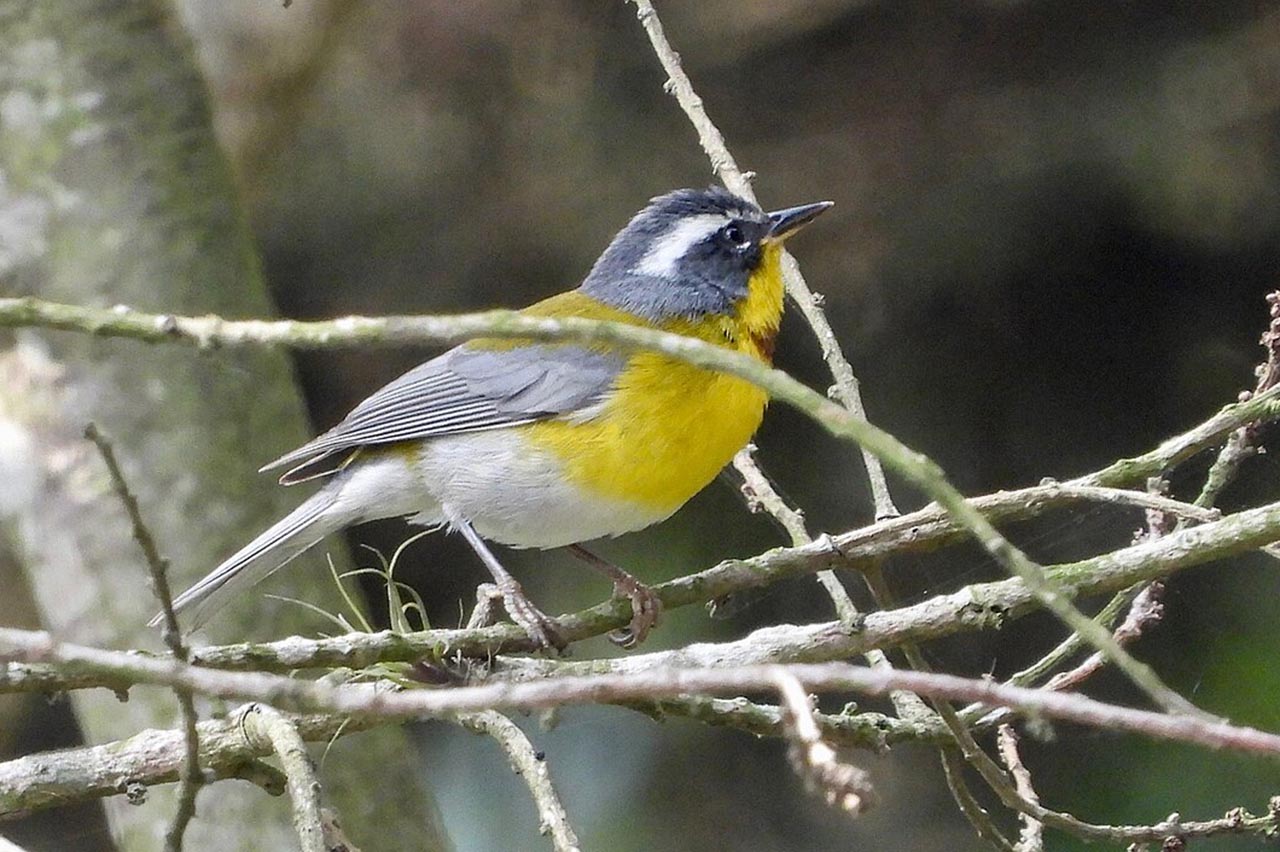
The Crescent-chested Warbler is found in El Salvador, Guatemala, Honduras, Mexico, and Nicaragua. IUCN Redlist Status: Least Concern
Louisiana Waterthrush (Parkesia motacilla)
The Louisiana Waterthrush breeds in the eastern United States, including New Hampshire. It winters in Mexico, the Caribbean, and Central and South America. IUCN Redlist Status: Least Concern
Northern Waterthrush (Parkesia noveboracensis)
The Northern Waterthrush breeds in Canada and the northern United States, including New Hampshire. It winters in Mexico, the Caribbean, and Central and South America. IUCN Redlist Status: Least Concern
Prothonotary Warbler (Protonotaria citrea)
The Prothonotary Warbler breeds in the eastern United States from New York to Florida and Minnesota to Texas. It winters in Texas, Mexico, Central and South America. IUCN Redlist Status: Least Concern
Ovenbird (Seiurus aurocapilla)
The Ovenbird breeds in Canada and the northern and eastern United States, including New Hampshire. It winters in Florida, Mexico, the Caribbean, and Central and South America. IUCN Redlist Status: Least Concern
Adelaide's Warbler (Setophaga adelaidae)
Adelaide's Warbler is found in Antigua and Barbuda, Barbados, Dominica, Guadeloupe, Martinique, Montserrat, Puerto Rico, Saint Kitts and Nevis, Saint Lucia, and Saint Vincent and the Grenadines. IUCN Redlist Status: Least Concern
Northern Parula (Setophaga americana)
The Northern Parula breeds across much of the eastern United States, including New Hampshire. It winters in Mexico, Central America, and the Caribbean. IUCN Redlist Status: Least Concern
Elfin-woods Warbler (Setophaga angelae)
The Elfin-woods Warbler is found in Puerto Rico. IUCN Redlist Status: Endangered
Black-throated Blue Warbler (Setophaga caerulescens)
The Black-throated Blue Warbler breeds in southeastern Canada and the northeastern United States, including New Hampshire. It winters in the Caribbean and Central America. IUCN Redlist Status: Least Concern
Bay-Breasted Warbler (Setophaga castanea)
The Bay-breasted Warbler breeds in Canada and the northeastern United States, including New Hampshire. It winters in the Caribbean, Central America, and northern South America. IUCN Redlist Status: Least Concern
Cerulean Warbler (Setophaga cerulea)
The Cerulean Warbler breeds in the northeastern United States, including New Hampshire. It winters in South America. IUCN Redlist Status: Near Threatened
Golden-cheeked Warbler (Setophaga chrysoparia)
The Golden-cheeked Warbler is found in El Salvador, Guatemala, Honduras, Mexico, Nicaragua, and in Texas in the United States. It is an endangered species in the U.S. IUCN Redlist Status: Endangered
Hooded Warbler (Setophaga citrina)
The Hooded Warbler breeds in the eastern United States from Michigan to Connecticut and south to Texas and northern Florida. It winters in Mexico, Central and South America, and the Caribbean. IUCN Redlist Status: Least Concern
Yellow-rumped Warbler (Setophaga coronata)
The Yellow-rumped Warbler is found across much of the United States, Canada, Mexico, Central America, and the Caribbean. It breeds in New Hampshire. IUCN Redlist Status: Least Concern
St. Lucia Warbler (Setophaga delicata)
The St. Lucia Warbler is found in Saint Lucia. IUCN Redlist Status: Least Concern
Prairie Warbler (Setophaga discolor)
The Prairie Warbler breeds in the eastern United States, including New Hampshire. It winters in Florida, the Caribbean, and Central America. IUCN Redlist Status: Least Concern
Yellow-throated Warbler (Setophaga dominica)
The Yellow-throated Warbler breeds in the eastern United States south of New England and Iowa. It winters in Florida, Texas, Mexico, Central America, and the Caribbean. IUCN Redlist Status: Least Concern
Bahama Warbler (Setophaga flavescens)
The Bahama Warbler is found in the Bahamas. IUCN Redlist Status: Endangered
Blackburnian Warbler (Setophaga fusca)
The Blackburnian Warbler breeds in Canada, the northeastern United States (including New Hampshire), and the Appalachian Mountains. IUCN Redlist Status: Least Concern
Grace's Warbler (Setophaga graciae)
Grace's Warbler breeds in Utah, Colorado, Arizona, New Mexico, Nevada, and Mexico. IUCN Redlist Status: Least Concern
Socorro Parula (Setophaga graysoni)
The Socorro Parula is found on Mexico’s volcanic Revillagigedo Islands, especially on Socorro Island. IUCN Redlist Status: Near Threatened
Kirtland's Warbler (Setophaga kirtlandii)
Kirtland's Warbler is found in the Bahamas, the Turks and Caicos Islands, and in Michigan in the United States. It is an endangered species in the U.S. IUCN Redlist Status: Near Threatened
Magnolia Warbler (Setophaga magnolia)
The Magnolia Warbler breeds in Canada and the northern United States, including New Hampshire. It winters in Mexico, Central America, and the Caribbean. IUCN Redlist Status: Least Concern
The Black-throated Gray Warbler is found in the western United States and in Mexico. IUCN Redlist Status: Least Concern
Hermit Warbler (Setophaga occidentalis)
The Hermit Warbler breeds in California, Oregon, and Washington. It winters in Mexico and Central America. IUCN Redlist Status: Least Concern
Palm Warbler (Setophaga palmarum)
The Palm Warbler breeds in Canada and the northern United States, including New Hampshire. It winters in the southeastern United States, the Caribbean, and Central America. IUCN Redlist Status: Least Concern
Chestnut-sided Warbler (Setophaga pensylvanica)
The Chestnut-sided Warbler breeds in Canada and the northern United States, including New Hampshire. It winters in the Caribbean and Central America. IUCN Redlist Status: Least Concern
American Yellow Warbler (Setophaga petechia)
The American Yellow Warbler breeds across most of the United States and Canada, including New Hampshire. It winters in Mexico, Central America, and South America. IUCN Redlist Status: Least Concern
Arrowhead Warbler (Setophaga pharetra)
The Arrowhead Warbler is found in Jamaica. IUCN Redlist Status: Least Concern
Pine Warbler (Setophaga pinus)
The Pine Warbler is found in the eastern United States and the Caribbean. It breeds in New Hampshire. IUCN Redlist Status: Least Concern
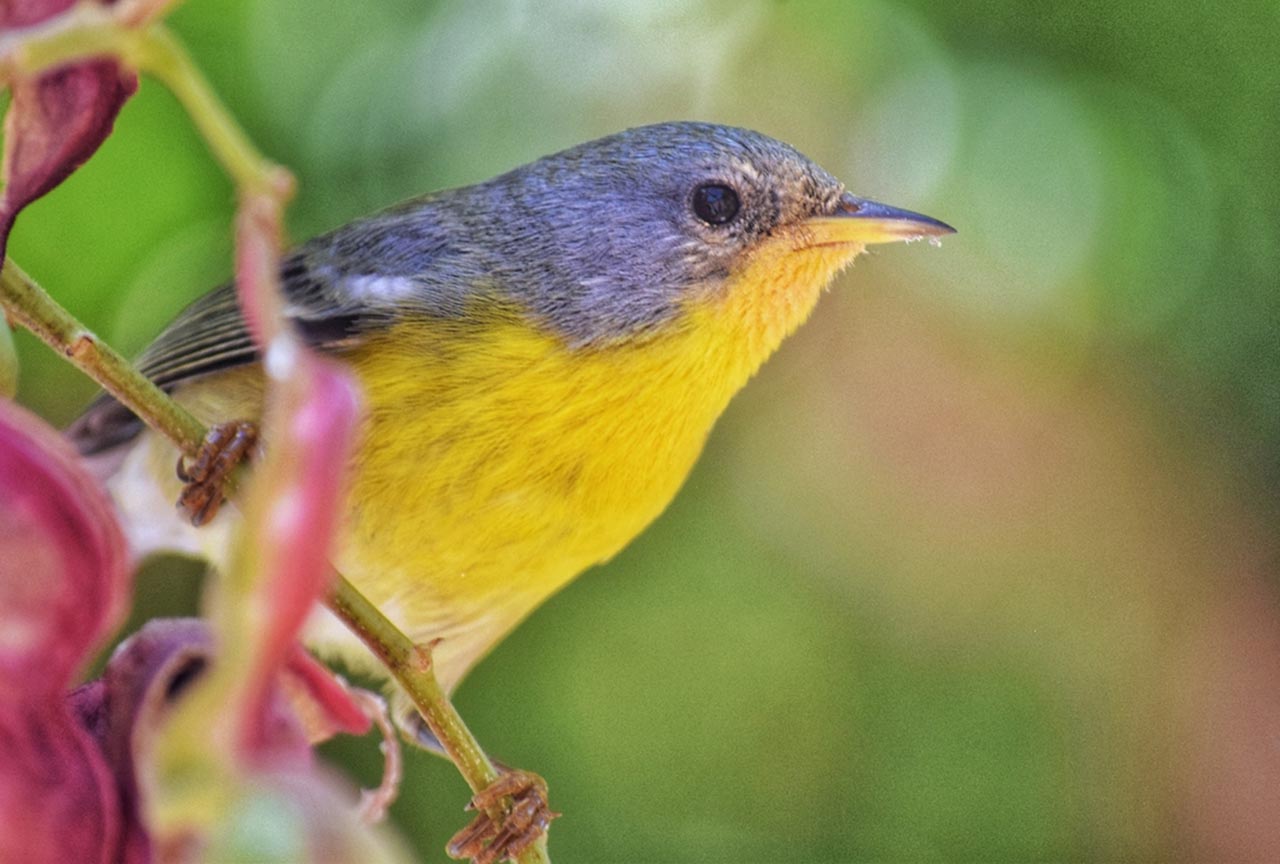
Tropical Parula (Setophaga pitiayumi)
The Tropical Parula is found from southern Texas south to South America. IUCN Redlist Status: Least Concern
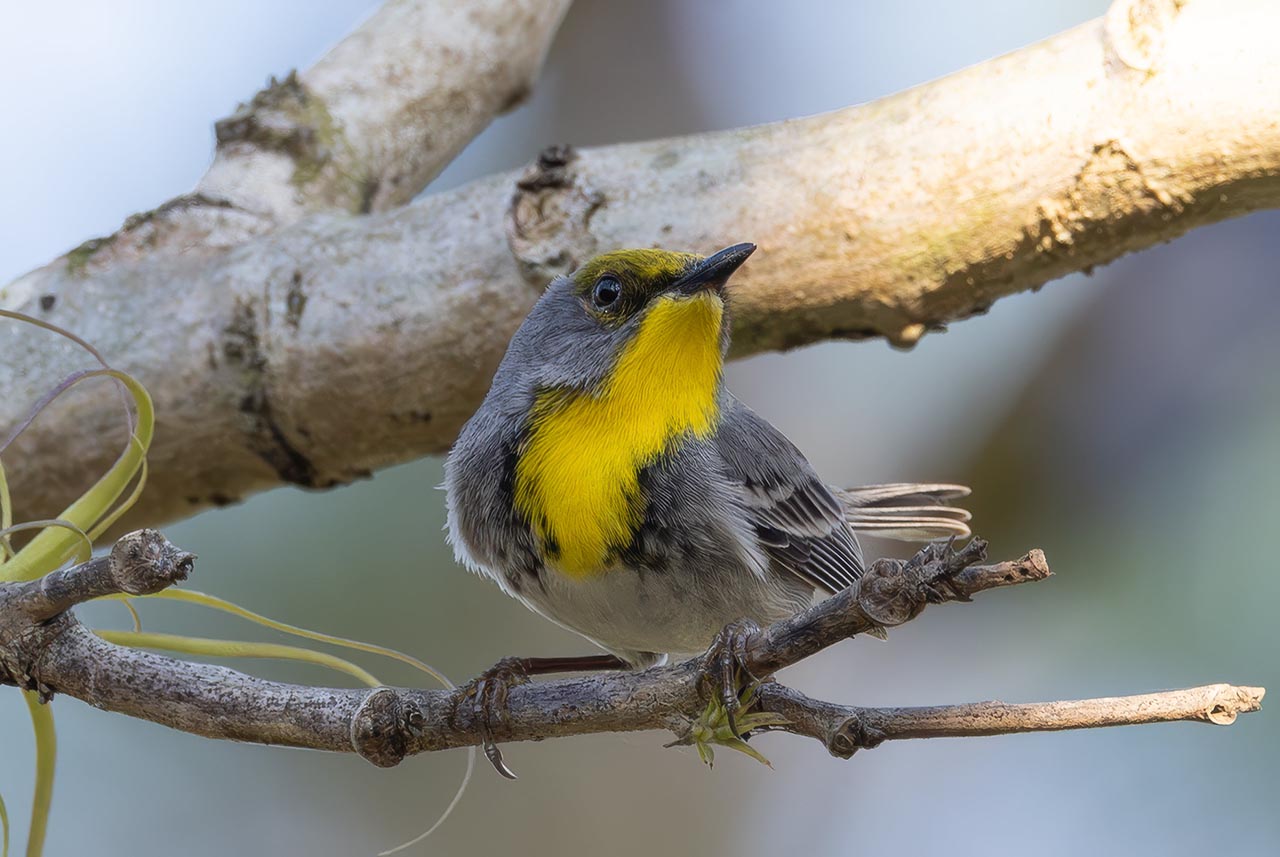
Olive-capped Warbler (Setophaga pityophila)
The Olive-capped Warbler is found in the Bahamas, Cuba, and the Turks and Caicos Islands. IUCN Redlist Status: Least Concern
Plumbeous Warbler (Setophaga plumbea)
The Plumbeous Warbler is found in Antigua and Barbuda, Barbados, Dominica, Guadeloupe, Martinique, Montserrat, Saint Kitts and Nevis, Saint Lucia, and Saint Vincent and the Grenadines. IUCN Redlist Status: Least Concern
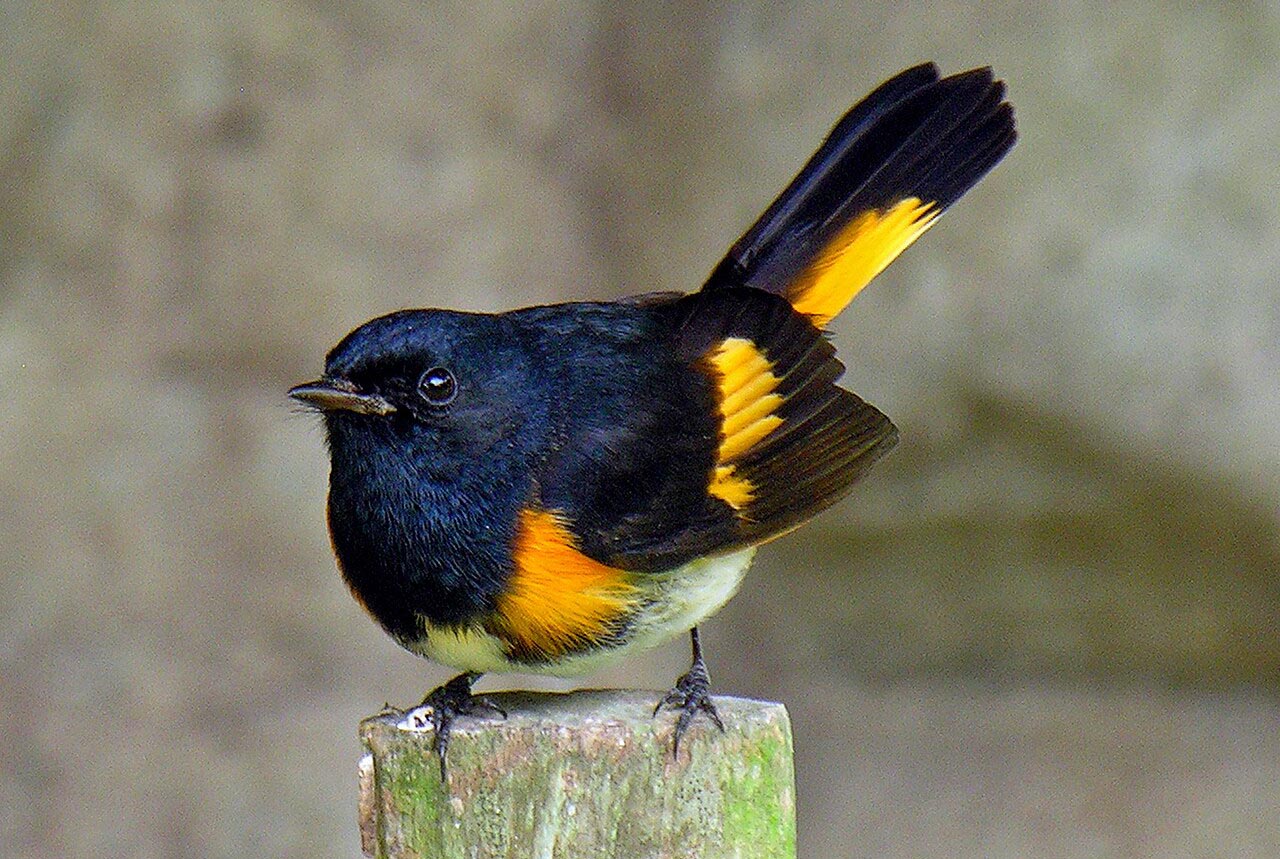
American Redstart (Setophaga ruticilla)
The American Redstart breeds in Canada, the eastern united States - including New Hampshire, and northern parts of the western United States. It winters in Mexico, Central America, the Caribbean, and South America. IUCN Redlist Status: Least Concern
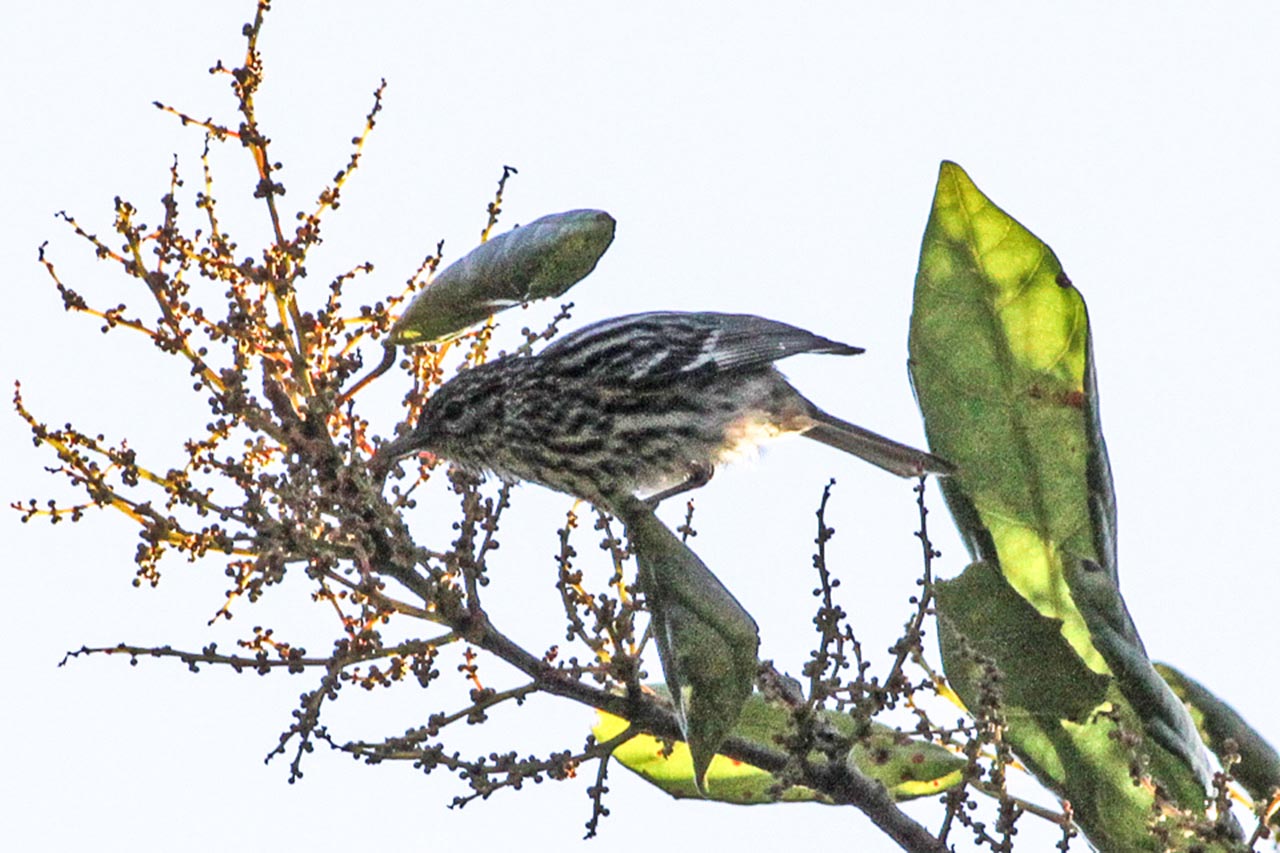
Blackpoll Warbler (Setophaga striata)
The Blackpoll Warbler breeds in Canada, Alaska, and the northeastern United States, including New Hampshire. It winters in South America. IUCN Redlist Status: Near Threatened
Barbuda Warbler (Setophaga subita)
The Barbuda Warbler is found in Antigua and Barbuda. IUCN Redlist Status: Vulnerable
Cape May Warbler (Setophaga tigrina)
The Cape May Warbler breeds in Canada and the northern United States, including New Hampshire. It winters in Central America, South America, and the Caribbean. IUCN Redlist Status: Least Concern
Townsend's Warbler (Setophaga townsendi)
Townsend's Warbler breeds in Alaska, western Canada and the Pacific Northwest. It winters in California, Arizona, Mexico, and Central America. IUCN Redlist Status: Least Concern
Black-throated Green Warbler (Setophaga virens)
The Black-throated Green Warbler breeds in Canada and the northeastern United States, including New Hampshire. It winters in Mexico, Central America, South America, and the Caribbean. IUCN Redlist Status: Least Concern
Vitelline Warbler (Setophaga vitellina)
The Vitelline Warbler is found in the Cayman Islands and Honduras. IUCN Redlist Status: Near Threatened
Bachman's Warbler (Vermivora bachmanii)
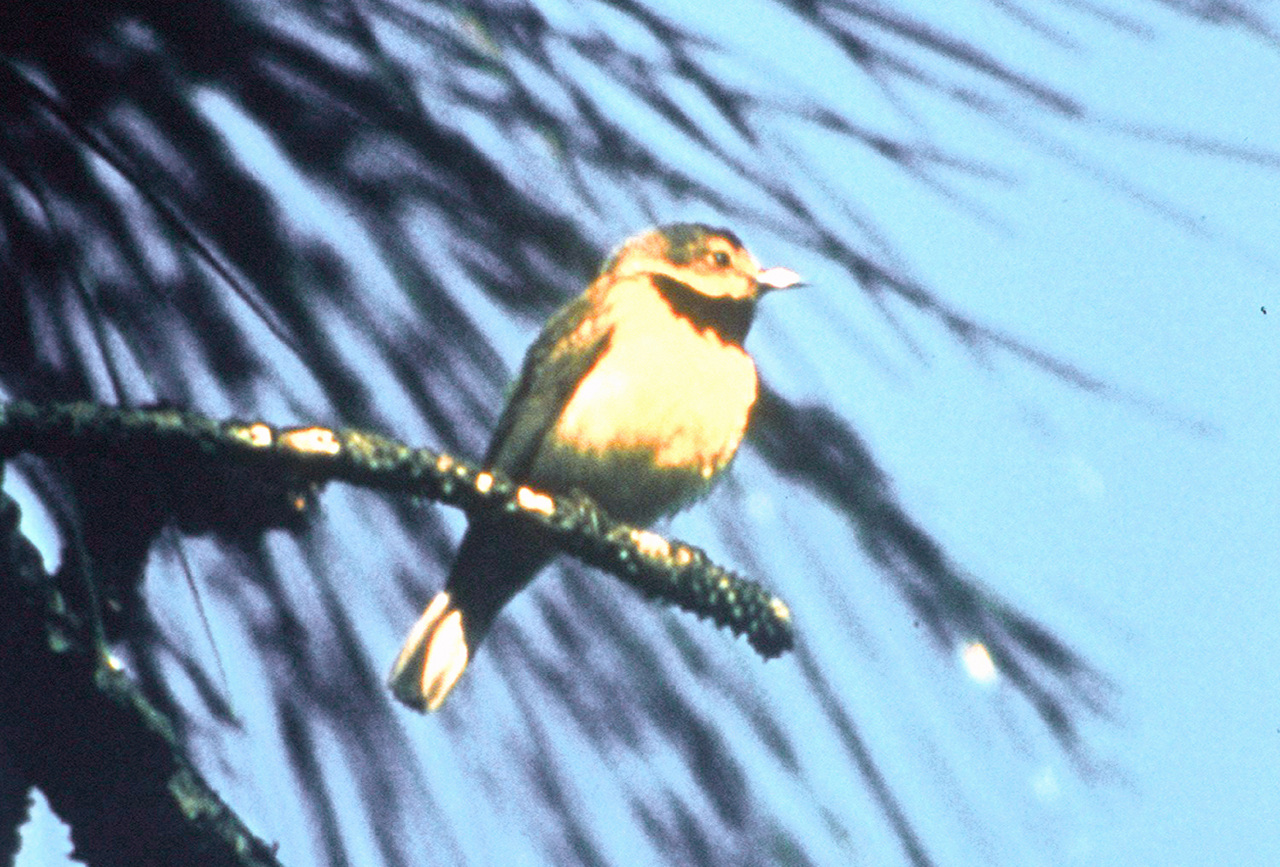
Bachman's Warbler is found in is known to have bred in Missouri, Arkansas, Kentucky, Alabama and South Carolina and winter in Florida and Cuba. It is probably extinct. This is the last confirmed photograph of the bird taken in South Carolina in 1958. IUCN Redlist Status: Critically Endangered
Golden-winged Warbler (Vermivora chrysoptera)
The Golden-winged Warbler breeds in the eastern United States, including New Hampshire. It winters in Central and South America. IUCN Redlist Status: Near Threatened
Blue-winged Warbler (Vermivora cyanoptera)
The Blue-winged Warbler breeds in the eastern United States, including New Hampshire. It winters in Central America and the Caribbean. IUCN Redlist Status: Least Concern