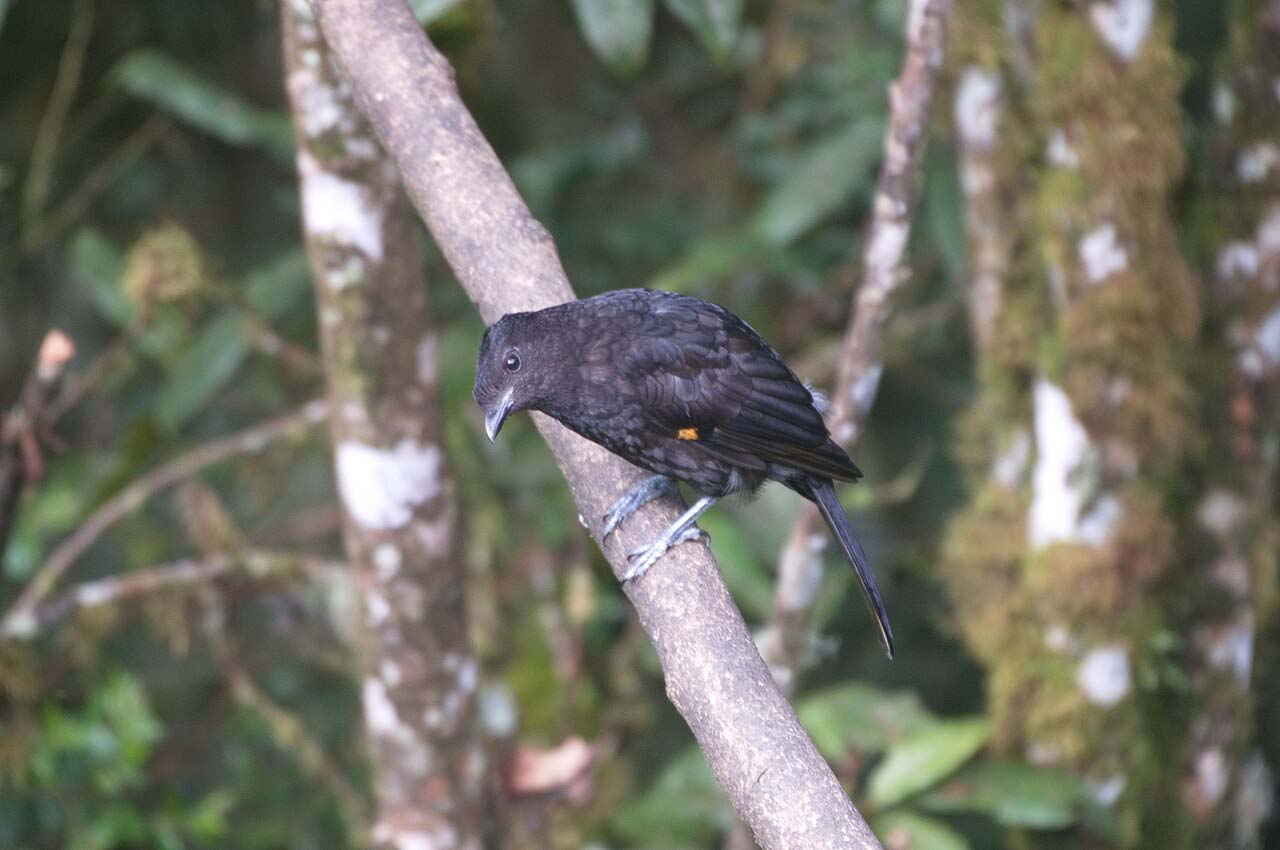
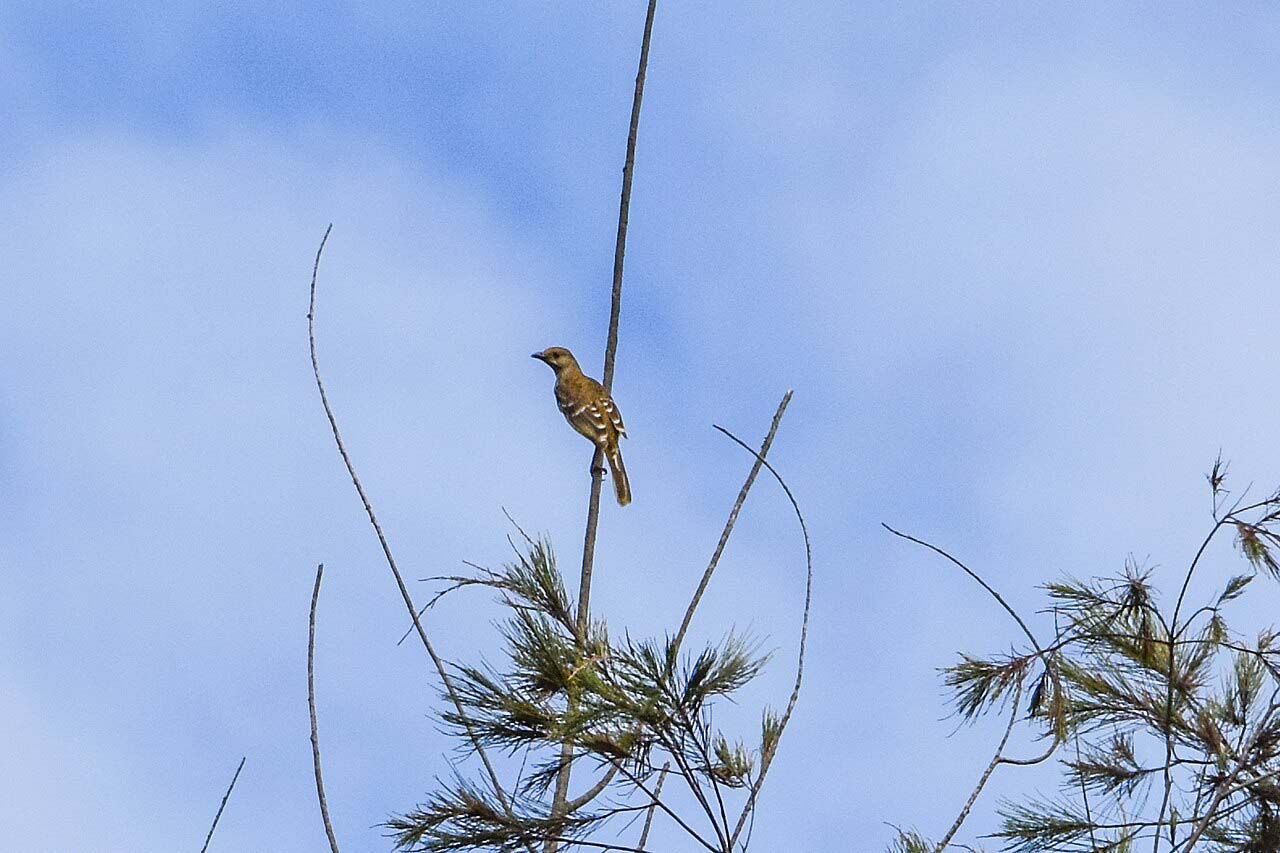
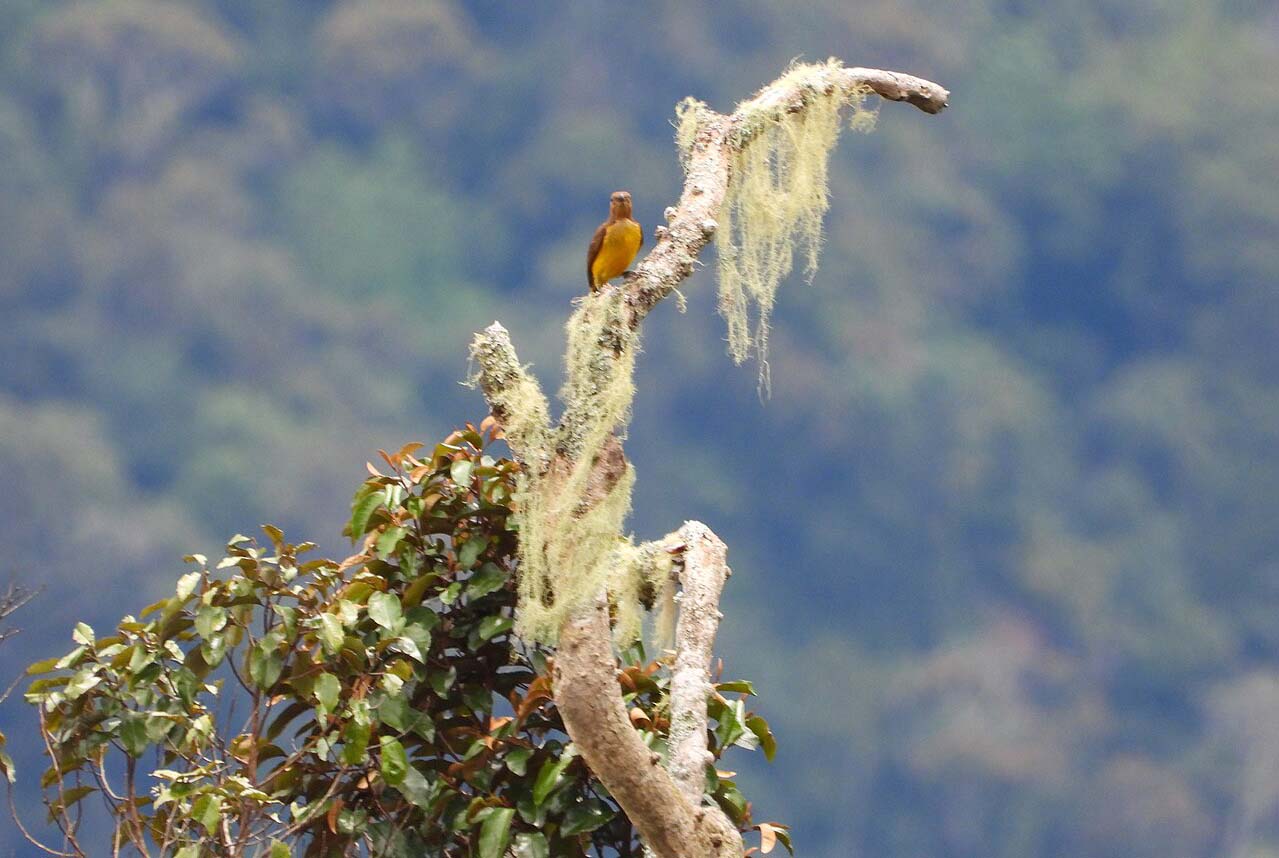
There are 20 species of birds in the Ptilonorhynchidae family, commonly known as bowerbirds. They are found in Australia and New Guinea, including parts of Indonesia and Papua New Guinea. Most species live in forests, woodlands, or other areas with plenty of trees and vegetation.
Bowerbirds are small to medium-sized birds, ranging from about 9–15 inches (22.9–38.1 centimeters) in length. They have rounded wings, short bills that range from straight to slightly curved, and sturdy legs and feet.
Their feathers range in color from brown and black to blue, green, orange, and yellow. In many species, males are more brightly colored than females.
Bowerbirds eat a variety of foods. Fruit and other plant foods make up much of their diet, and many species also eat insects, spiders, and other small animals. Some species also eat nectar, flowers, and leaves.
The most unusual feature of bowerbirds is the courtship behavior of many males. Males build elaborate structures called bowers to attract females. Depending on the species, bowers can be made from sticks, twigs, leaves, grass, and other plant materials. They are usually built on the ground and may be decorated with feathers, berries, flowers, shells, stones, and other colorful or shiny objects. Some males even collect human-made objects, such as bottle caps, plastic items, and pieces of glass.
Not all bowerbirds build bowers. The catbirds in the genus Ailuroedus, for example, do not construct bowers.
SATIN BOWERBIRD
The Satin Bowerbird (Ptilonorhynchus violaceus) is especially well known for its courtship display. The male decorates his bower with many blue objects, including feathers, flowers, berries, and sometimes human-made items. He also coats the walls of the bower with a mixture of chewed plant material and saliva.